PLANT PHYSIOLOGY WITH ELEMENTS OF BIOCHEMISTRY - Prytuliak R. M. - 2016
Lecture Notes
TOPIC No. 2. STRUCTURE AND FUNCTIONS OF BIOMACROMOLECULES
Outline
1. Chemical composition of The plant Cell.
2. Amino Acids.
3. Proteins.
5. Nucleic Acids.
6. Enzymes.
7. Lipids.
8. Vitamins.
9. Vitamins as components of enzymes.
10. CARBOHYDRATES.
11. Interrelation between carbohydrate and Lipid METABOLISM.
1. Chemical COMPOSITION OF THE plant cell.
The high activity of plant cell Organelles is attributed to both their structural features and their chemical composition. It is noteworthy that out of the 100 elements known to exist in the Earth's crust and atmosphere, nature has selected only a limited number throughout The process of evolution. For instance, Water accounts for 85-90% of the mass of living Tissues, while 99% of the Cytoplasm's mass consists of 6 elements: carbon, oxygen, hydrogen, nitrogen, sulfur, and phosphorus. All these elements are integral Components of the most essential types of Organic compounds in The Cell.
The most specific substances in a living plant cell are Biopolymers: proteins, nucleic acids, Polysaccharides, and the constituent units of these molecules (amino acids, NUCLEOTIDES, simple carbohydrates, and Fatty acids).
The cell composition is as follows (in %): water - 85, protein - 10, DNA - 0.4, inorganic matter - 1.5. For every 1 DNA molecule, there are 44 RNA molecules, 700 protein molecules, and 7,000 lipid molecules.
Water in the cell exists in two forms: free and bound. Free water accounts for 95% of the total cellular water and serves as a solvent and a dispersion medium for the colloidal System of the protoplast. Bound water makes up 4-5% and consists of water molecules linked by Hydrogen Bonds or Other types of bonds to proteins. Bound water also includes Immobilized Water, which is part of the fibrillar structures of macromolecules.
2. Amino acids.
Amino acids are a Class of organic compounds that combine The properties of acids and amines, meaning they contain both a carboxyl group and an amino group.
Based on the number of carboxyl and amino groups, Amino acids are classified as follows:
· Monoaminomonocarboxylic H - CHNH2 - СООН - Alanine.
· Monoaminodicarboxylic HOOC - CH2 - CHNH2 - СООН - aspartic acid.
· Heterocyclic amino acids.
While over 200 amino acids are known to exist, only 20 Proteinogenic Amino Acids and two amides (asparagine CONH2CH2CHNH2COOH and glutamine CONH2CH2CH2CHNH2COOH) are incorporated into plant proteins.
Of these 20 amino acids, 8 are essential, meaning they cannot be synthesized by The Human Body: valine, isoleucine, leucine, Lysine, Methionine, Threonine, Tryptophan, and phenylalanine; for children, Arginine and Histidine are also considered essential.
Amino acids are synthesized through the following pathways:
- Amination of keto acids: RCOCOOH + NH3 → RCHNH2COOH + H2O. This process yields three primary amino acids: alanine, asparagine, and glutamine.

The Biosynthesis of glutamic acid involves α-ketoglutaric acid.
- Transamination between Amino Acids and keto acids:

The remaining amino acids are formed through a series of metabolic transformations.
A secondary pathway for amino acid formation is Protein Hydrolysis.
Amides (asparagine CONH2CH2CHNH2COOH and glutamine CONH2CH2CH2CHNH2CОOH) are produced via the amidation of aspartic and glutamic acids:

Amino acids can be derivatives of fatty and aromatic acids. They exhibit amphoteric properties because the carboxyl group provides acidic characteristics, while the amino group provides basic ones. Consequently, amino acids can react with both acids and bases and can interact with one another. In this process, the carboxyl group of one amino acid reacts with the amino group of another, forming a peptide bond and releasing a water molecule. The compound formed by the interaction of Two amino acids is called a dipeptide. Free amino or carboxyl groups can further react with the corresponding groups of Other Amino Acids, leading to The formation of Polypeptides. If a polypeptide contains more than 100 amino acid residues, the substance is classified as a protein.
Free amino acids undergo deamination. There are Three types of deamination: oxidative, reductive, and hydrolytic. In all cases, organic acids and ammonia are produced.
- In higher plants, the primary mechanism is Oxidative Deamination, which occurs in two stages, initially forming an amino acid intermediate, followed by The production of a keto acid and ammonia:
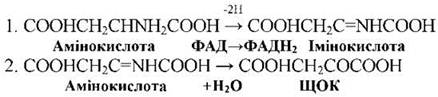
Oxidative deamination is catalyzed by amino acid oxidases.
- Reductive deamination results in the formation of ammonia and the corresponding fatty acid:

- During hydrolytic deamination, an amino acid reacts with water to yield a keto acid and ammonia:

Physiological Role of amino acids:
· Participation in Protein Biosynthesis.
· Detoxification of ammonia.
· Serves as a nitrogen reserve within the plant Organism.
3. Proteins.
Proteins are the defining feature of any living system. In plants, proteins function as storage reserves, while complex proteins—proteids—serve as essential components of the cytoplasm, playing a vital role in the Organization of cellular structures.
The Elemental Composition of proteinaceous substances is as follows, %:
С - 55-65; N - 15-18; Н - 6.5-7.5; S - 0.3-2.5; О - 20-25.
As D.N. Pryanishnikov famously stated, without nitrogen there is no protein, without protein there is no protoplasm, and without protoplasm there is no life.
Proteins vary both in their Amino Acid Composition and molecular shape. Based on their structure, all proteins are classified as either fibrous (thread-like) or globular (spherical).
There are two Major Groups of proteins:
Proteins - simple proteins consisting solely of amino acid residues.
Proteids - complex proteins that contain Other Compounds In addition to amino acids.
Proteins are classified based on their solubility in water and aqueous solutions.
· Albumins - water-soluble. These include: Ovalbumin (egg protein), leucosin (found in wheat germ), and legumelin (found in pea seeds). Albumins are abundant in the green parts of plants.
· Globulins - soluble in dilute aqueous salt solutions. Examples include phaseolin in beans, edestin in hemp, and glycinin in soy.
· Prolamines - soluble in 60-80% aqueous ethanol. Examples include gliadin in wheat, hordein in barley, zein in corn, avenin in oats, and kafirin in sorghum.
· Glutelins - found in cereal seeds and green plant tissues. Soluble in 0.2% alkaline solutions.
The group of proteids includes the following proteins:
· Lipoproteins - contain lipids as a non-protein component and form The basis of all Cellular Membrane Structures.
· Chromoproteins - characterized by a prosthetic group consisting of pigments. This group includes Blood Hemoglobin, where the protein globin is bound to an iron-containing heme group. Proteins in this group are also crucial for plant responses to light (phytochromes), including its absorption and conversion.
· Glycoproteins - contain a high-molecular-weight carbohydrate or its derivatives as a prosthetic group, covalently linked to asparagine, threonine, or Serine residues within the protein molecule. This group includes certain enzymes and the bean protein vicilin.
· Nucleoproteins - one of the most important groups of proteids, with molecules consisting of PROTEIN AND NUCLEIC acid. They are found in the Cell Nucleus and cytoplasm.
· Metalloproteins - the protein component is bound to a metal atom. Most proteins in this group exhibit enzymatic properties.
Functions of Proteins:
Structural function - proteins are constituents of all Organs and tissues. They participate in forming the structural foundation of Cells and their organelles, including membrane structures, Mitochondria, Ribosomes, and the cytoplasm.
Catalytic function - all enzymes, which are biological catalysts that drive Chemical Reactions within an organism, are proteinaceous in nature. They are essential for the life processes of every living organism. Through the action of enzymes, numerous chemical reactions occur simultaneously within cells, ensuring the Synthesis and degradation of various compounds at high speeds under physiological t and pressure.
Hormonal function. A significant number of Hormones are also proteins or products of Protein metabolism. These include hormones such as Insulin, tethelin, thyrotropin, oxytocin, vasopressin, and others. Hormones actively participate in Metabolic Regulation, influence cell membrane permeability, regulate enzyme activity, and affect translation and Transcription processes.
Protective function is primarily performed by γ-globulin proteins, which are associated with the body's immune responses. Antibodies, generated in response to various adverse factors, are proteinaceous in nature. By binding to microorganisms or toxins, they inactivate them, inhibit their pathogenic effects, and neutralize toxic products. Proteins also perform protective functions in various other processes, such as blood clotting, which prevents excessive blood loss during injuries.
Transport function. Proteins also play a vital role in transport. For the normal functioning of any organism, its organs and tissues must be constantly supplied with nutrients. The transport of various lipid groups and Fat-soluble vitamins to different organs and tissues is carried out by Complex Lipids known as lipoproteins.
Mechanical function. Proteins are involved in Various Forms of mechanical movement, including Muscle contraction and relaxation, as well as the functioning of Internal Organs such as The Heart, Lungs, and Stomach. These processes are mediated by proteins like Actin, Myosin, Tropomyosin, and others.
Energy function. Like Introduction/36.html">Carbohydrates and lipids, proteins serve as an important source of energy for the body, providing 10-15% of the body's total Energy Requirements.
4. Protein structure.
The Functional Properties of proteins are determined by their structural organization, which refers to the quantitative and qualitative amino acid composition of the molecule and its configuration. There are four known Levels of Protein structural organization: primary, secondary, tertiary, and quaternary.
- Primary Structure is characterized by the number and sequence of amino acid residues in The polypeptide chains of a protein molecule, linked by peptide bonds. Replacing even a single amino acid in the molecule can drastically alter the protein's function and cause Changes in the entire organism's physiology. The primary structure is genetically determined.
- Secondary structure of a protein is determined by additional bonds ("hydrogen bridges") that form between amino acid residues within a given molecule or between adjacent polypeptide chains, providing the protein chain with a spatial configuration. In a peptide chain, "hydrogen bridges" form between the hydrogen atom of the >NH group of one peptide bond and the oxygen atom of the >СО group of another. If these bridges form within a single peptide chain, helical or spiral structures emerge. When hydrogen bridges form between two peptide chains, a pleated sheet structure is created. The combination of weak forces from numerous hydrogen bridges ensures the high stability and strength of the protein molecule. In pleated structures, many polypeptide chains are arranged in parallel planes.
- Tertiary structure is characteristic of Globular proteins. It is formed through the interaction of amino acid side chains and is maintained by ionic, hydrogen, and Disulfide Bonds. The secondary and tertiary structures of a protein molecule depend on its primary structure.
- Quaternary structure of proteins is formed by the association of several (3-4 or more) spatially organized polypeptide chains via hydrophobic interactions, as well as hydrogen and ionic bonds. This structure is found in both globular and Fibrous proteins.
Protein structure is of great importance for the catalytic activity and regulatory action of enzymes. If the secondary, tertiary, or quaternary structures are disrupted—a process known as Protein Denaturation—the protein's function is altered.
Denaturation can be caused by high temperatures, ultraviolet radiation, ultrasonic waves, extreme pressure, surface forces, H+ and OH- ions, organic Solvents, and more. This process leads to the loss of the protein's ability to swell, a decrease in physiological activity and solubility, and, under extreme conditions, the proteins precipitate and curl up—a process called coagulation.
The cause of denaturation is the disruption of the bonds that stabilize the secondary, tertiary, and quaternary structures of proteins. For example, organic solvents like alcohol and acetone disrupt hydrophobic interactions. Under The Influence of H+ and OH- ions, ionic bonds are broken. Disulfide bonds are the most resistant to denaturation, though they can be disrupted by changes in the redox state of the system.
Protein denaturation can occur at The surface of an aqueous phase or at the interface between aqueous and lipophilic phases due to changes in the orientation of side chains. In this case, polar side chains turn toward the aqueous environment, while hydrophobic (non-polar) ones, conversely, move to the surface or submerge into the lipophilic phase. Such structural distortion in globular Proteins can be accompanied by the loss of tertiary structure.
Similar processes occur in living cells at the protoplasm interface and on internal membranes. However, due to the constant movement of the protoplasm, protein molecules on internal membranes are continuously replaced.
Protein biosynthesis occurs in the ribosomes.
Stages of Protein biosynthesis:
· Transcription (synthesis of mRNA on a DNA template).
· Activation of amino acids using ATP energy and the corresponding enzyme.
· Interaction of tRNA with the activated amino acid.
· Formation of a peptide bond in the ribosomes.
5. Nucleic acids.
There are Two Types of functionally distinct nucleic acids in a cell: deoxyribonucleic acid (DNA), found in Chromosomes, Chloroplasts, and mitochondria, and Ribonucleic Acids (RNA), which are present in almost all Structural components of a living cell. DNA and RNA belong to macromolecular compounds. A DNA macromolecule is a double helix with specific nitrogenous base pairing based on THE PRINCIPLE OF complementarity and maximum stability: adenine in one chain always pairs with thymine in the other, and guanine with cytosine. Each helix strand has a sugar-phosphate backbone to which nitrogenous bases are attached.
There are four types of bases: thymine and cytosine (Pyrimidines), and adenine and guanine (Purines).
The double DNA strand is held together by hydrogen bonds that form between adenine-thymine and guanine-cytosine pairs. The pairing is strictly complementary, ensuring that both strands of the DNA molecule are complementary to each other along their entire length.
DNA Structure encodes the Genetic information required for the synthesis of all specific cellular proteins. The sequence of bases in DNA is unique to every organism, ensuring the species-specific nature of its proteins. The more complex the organism, the more information its DNA contains, resulting in a higher molecular weight and a more intricate structural organization.
The transmission of hereditary information is achieved through DNA Replication—The ability to self-replicate via template-directed synthesis of One DNA strand from another. The double-helix structure itself facilitates precise copying: the sequence of nitrogenous bases in one strand dictates the sequence in the other. Thus, DNA macromolecules serve as templates both for their own replication and for the synthesis of protein macromolecules.
During replication, The Double Helix splits into two polynucleotide strands as the hydrogen bonds holding the Base Pairs together break. As the DNA strands unwind, the cell's metabolic machinery facilitates the formation of a complementary copy alongside each, ensuring that by the end of replication, two identical helices are produced.
Nucleic acid chains are composed of monomeric units called nucleotides. DNA and RNA nucleotides differ in their nitrogenous base composition and the type of sugar they contain.
Pyrimidine nitrogenous bases are derivatives of the aromatic organic compound pyrimidine.
DNA contains thymine and cytosine, whereas RNA contains cytosine and uracil.
Purine bases are heterocyclic systems (adenine and guanine) found in both Types of Nucleic acids.
In addition to the aforementioned nitrogenous bases, DNA nucleotides contain the sugar deoxyribose and a phosphoric acid residue. RNA nucleotides differ in that they contain ribose instead of deoxyribose. The DNA model is a right-handed double helix coiled around a common axis, with the maximum possible number of hydrogen bonds between pairs of purine and pyrimidine bases: adenine-thymine and guanine-cytosine.
One of the most critical functions of DNA is the transmission of hereditary information from Cell to Cell and from generation to generation. This function is performed through replication—the doubling of the chromosome—which ensures that a complete structural, and therefore functional, copy of the DNA is passed from the parent molecule to the daughter molecules.
The total amount of DNA in a single cell remains constant and virtually unchanged throughout its life cycle. However, during Cell Division, the DNA content doubles. Once division is complete, the DNA content in each daughter cell returns to the initial level found in the parent cell.
During cell division, the hydrogen bonds between the DNA strands break, allowing the strands to unwind and separate. Subsequently, with the help of enzymes, complementary strands are synthesized to match the original composition. DNA exchange occurs exclusively during cell division in the process of reduplication.
Evidence for the Genetic Function of DNA lies in its constant quantity within the cell and the stability of its nucleotide composition, regardless of age, nutritional conditions, or various other environmental factors affecting Plant GROWTH AND DEVELOPMENT.
Any cell contains three primary types of RNA: ribosomal (rRNA), transfer (tRNA), and messenger (mRNA). These molecules have a single-stranded structure and are synthesized on a DNA template. rRNA accounts for 80% of the cell's total RNA, tRNA for 15%, and mRNA for 5-10%. The synthesized mRNA molecule travels to the ribosome, where it serves as a template for Protein Synthesis: DNA→mRNA→protein. This process involves ribosomal and Transfer RNA. Ribosomal RNA facilitates the expression of genetic information by attaching the appropriate amino acids, which are delivered to the ribosomes by transfer RNA. There are up to 80 types of tRNA in a cell, each capable of transporting a specific amino acid to the site of protein synthesis.
The First stage in the Selection/27.html">Realization of Genetic information is transcription—The transfer of information from DNA to Messenger RNA. Transcription occurs on a DNA template with the help of a universal enzyme, RNA polymerase. Any DNA can serve as a template for RNA Synthesis. The sequence of the four nucleotides with nitrogenous bases (adenine, guanine, cytosine, thymine) in RNA replicates the sequence of the corresponding deoxyribonucleotides in one of the two DNA strands, with the exception that the nitrogenous base uracil replaces thymine in the RNA molecule. Unlike replication, transcription does not occur across the entire DNA template, but only in specific regions containing the structural Gene for a particular protein, transfer RNA, or ribosomal RNA. An almost unlimited number of copies can be transcribed from each DNA gene template.
Thus, transcription is the initial process in the realization of hereditary information. This stage can be conventionally divided into four phases:
1) association—binding of the RNA polymerase enzyme to the DNA template; 2) initiation—the formation of phosphodiester bonds upon nucleotide attachment; 3) elongation—chain lengthening, the gradual formation of an RNA-DNA hybrid, and the beginning of the release of the RNA product from the DNA; 4) termination—the completion of the process.
The next stage is translation, or protein synthesis. In the ribosome, the information for Protein synthesis is "translated" from The nucleotide sequence of the messenger RNA into an Amino Acid Sequence.
Within the ribosome, a relatively short segment of the mRNA chain interacts with tRNA molecules based on the principle of complementarity: if the mRNA segment in the ribosome has The base sequence UGG, a tRNA chain carrying the complementary triplet CCA on its contact site attaches to this triplet. The binding of the tRNA molecule to the mRNA triplet leads to the mutual orientation of The amino acid residue and the growing protein chain, resulting in the formation of a covalent bond between them. As a result, the tRNA is released from the ribosome, and the protein chain is lengthened by one amino acid residue. A new tRNA takes THE PLACE OF the released one, and the mRNA chain moves relative to the ribosome by one triplet to the right. This exposes the next vacant triplet in the ribosome, to which the corresponding tRNA with its amino acid immediately attaches via the complementary principle. After the next shift of the mRNA, a peptide bond forms between the First and Second amino acids, and their tRNAs are released into the cytoplasm. Thus, step-by-step, triplet by triplet, the next stage of protein synthesis—elongation—is carried out, building up the protein chain.
Two conditions are necessary for chain termination. First, the mRNA molecule must contain a specific codon that defines (limits) the elongation of the polypeptide chain. Second, a release factor is required to "read" the termination codon. When the termination codon reaches the ribosome, the protein-synthesizing complex breaks down into its constituent parts: mRNA, tRNA, the polypeptide, and both ribosomal subunits. Special termination codons in the messenger RNA—UAG, UAA, and UGA—serve as signals for the end of Polypeptide chain synthesis. No transfer RNA can attach to these codons.
After being released from the ribosome, the polypeptide chain adopts a Spatial Structure determined by the arrangement of its amino acids.
6. Enzymes.
In plant cells, many complex biochemical reactions—involving the Synthesis and Breakdown of proteins, fats, carbohydrates, and various other compounds—occur quite easily and rapidly. Most of these reactions are practically impossible outside the organism or require specific conditions to proceed. The fact that many processes in plants occur at high speeds under normal physiological conditions is explained by the presence of numerous biological catalysts in living cells called enzymes, which are capable of dramatically increasing The rate of chemical reactions while remaining quantitatively and qualitatively unchanged.
Enzymes are highly specific biological catalysts. Every cell contains thousands of enzymes, each regulating a specific chemical reaction or a group of interrelated reactions. This is one of the Fundamental properties of enzymes—the Specificity of action.
An enzyme determines not the possibility of a reaction occurring, but only its rate. Because the catalytic Properties of Enzymes are realized only in biological systems, they are commonly referred to as biocatalysts.
The name of an enzyme is usually composed of the ROOT of the Latin name of the substrate upon which the enzyme acts, or the name of the process catalyzed by the enzyme, followed by the suffix "-ase".
Enzyme Nomenclature is primarily based on the name of the substrate upon which the enzyme acts.
The systematic Classification of enzymes was developed and adopted by the Enzyme Commission of the International Union of Biochemistry in 1961. According to this classification, all enzymes are divided into six main classes based on the type of reaction they catalyze:
- Oxidoreductases are enzymes involved in redox reactions. They catalyze the transfer of hydrogen or electrons from one substrate to another: А1Н2 + В → ВН2 + А1
· Anaerobic or pyridine dehydrogenases oxidize the substrate and transfer hydrogen to another enzyme or substance. They contain NAD and NADP Coenzymes (Vitamin PP).
· Aerobic dehydrogenases accept hydrogen and transfer it to atmospheric oxygen. Their coenzymes contain riboflavin (vitamin В2) derivatives; examples include flavin adenine dinucleotide (FAD) and flavin mononucleotide (FMN).
· Oxidases catalyze the transfer of electrons directly to oxygen. They contain iron (e.g., peroxidase, catalase, cytochrome oxidase) or copper (e.g., polyphenol oxidase, ascorbate oxidase).
· Oxygenases catalyze the direct incorporation of oxygen into a substrate molecule. Alongside their oxidase functions, enzymes like peroxidase and polyphenol oxidase can perform this type of oxidation, which accounts for about 5% of total oxidation processes.
- Transferases are enzymes that facilitate the transfer of functional groups (e.g., methyltransferases, transaldolases, phosphotransferases, aminotransferases). They accelerate the transfer of radicals, molecular fragments, or entire molecules from one compound to another: Ах + В → А + Вх. An example is phosphoglycerate kinase.
- Hydrolases catalyze the decomposition of various complex organic compounds into simpler ones through the participation of water: АВ + НОН → АН + ВОН. Lipases catalyze The breakdown of fats, amylases break down starch into maltose and dextrins, invertase splits sucrose into glucose and fructose, and proteases facilitate protein degradation.
- Lyases are enzymes that catalyze the non-hydrolytic removal or addition of groups across double bonds: СН3СОСООН → СН3СОН + СО2. Pyruvate carboxylase removes СО2 from pyruvic acid, while aldolase activates the breakdown of fructose diphosphate into trioses.
- Isomerases catalyze the isomerization reactions of various organic compounds: glucose-6-phosphate → fructose-6-phosphate. Triosephosphate isomerase catalyzes the interconversion of G3P and DHAP.
- Ligases or synthetases catalyze the synthesis of complex organic compounds from simpler ones using ATP or other energy carriers. Acetyl-CoA synthetase, for instance, facilitates the Formation of Acetyl-coenzyme A.
These six classes of enzymes are further divided into subclasses and sub-subclasses, identified by specific codes. According to the accepted classification, each enzyme's code consists of four numbers separated by dots. The first digit denotes the enzyme class; the second, the subclass; the third, the sub-subclass; and the fourth, the serial number of the specific enzyme.
Enzyme properties are divided into General and Specific.
· like inorganic catalysts, enzymes are not consumed during catalysis; they do not become part of the final reaction products but emerge in their original form;
· enzymes only accelerate reactions that are thermodynamically capable of occurring without them;
· they do not catalyze reactions that violate the Laws of Thermodynamics;
· enzymes do not shift the equilibrium position of a reaction; they only accelerate the rate at which equilibrium is reached.
Specific properties:
· all enzymes are proteinaceous in nature;
· enzyme efficiency is significantly higher than that of inorganic catalysts. For example, the decomposition of hydrogen peroxide without a catalyst requires an activation energy of at least 75 kJ/mol. In the presence of colloidal platinum, this drops to 48, and with the enzyme catalase, it decreases to 5.4 kJ/mol;
· enzymes exhibit highly selective action on substrates, a property known as specificity;
· enzymes are subject to regulation. This allows for the coordination of all metabolic processes within a cell and the plant as a whole, both in space and time.
Due to their protein nature, enzymes form colloidal solutions. This is particularly important for sustaining life, as colloidal solutions do not undergo diffusion and remain localized within specific cellular compartments. Thus, despite the water solubility of most enzymes, a significant portion remains firmly anchored within cellular organelles such as The Nucleus, Plastids, mitochondria, and ribosomes.
Like mineral catalysts, enzymes accelerate both forward and reverse reactions in reversible processes. The direction of the reaction under given Temperature conditions is determined entirely by the concentration of its initial reactants and final products.
Enzymes are temperature-sensitive. Under normal conditions, a 10°C increase in temperature roughly doubles the Rate of Enzymatic reactions. This trend continues up to 35-40°C. At higher temperatures, enzyme activity decreases significantly, and at 90-100°C, it is lost entirely. This process, known as Enzyme inactivation, is caused by protein coagulation—the disruption of their quaternary structure.
Enzymes exhibit specificity. Unlike inorganic catalysts, they possess high substrate specificity for particular substrates. For instance, sucrase breaks down only sucrose and does not act on related sugars like maltose. Due to this specificity, each enzyme influences only a specific reaction out of the vast number occurring within a cell.
Structurally, Enzymes are classified as single-component or two-component. Single-component enzymes consist solely of protein. The molecule of a two-component enzyme, in addition to the protein part, contains a prosthetic group—the active part of the enzyme, which may be a metal ion or a low-molecular-weight organic compound (e.g., thiamine, riboflavin, nicotinic acid, pyridoxine). The organic active group of a two-component enzyme is called a coenzyme (or agon), while the protein part is termed an apoenzyme (or feron). The coenzyme is significantly smaller than the protein portion. Upon dissociation, neither the apoenzyme nor the coenzyme exhibits catalytic ability on its own, but this activity can be fully restored if they recombine.
In single-component enzymes, the active groups are specific chemical moieties within the protein structure that form the active or catalytic site. It is through this Active Site that enzyme molecules interact with the substrate to exert their catalytic properties.
An enzyme molecule may have one or more active sites. The catalytic property of an enzyme is determined by the Tertiary and Quaternary STRUCTURE OF THE protein molecule; disruption of this structure by high temperatures leads to the loss of enzyme activity (inactivation).
Enzymes accelerate biochemical reactions by lowering the activation energy. For a chemical reaction to occur between molecules, they must be in an active state. Atoms within molecules are held together by chemical bonds, which require a specific amount of energy to maintain. This energy is determined by the type of atoms and The Nature of the bonds. Breaking these bonds requires additional energy. This energy barrier prevents spontaneous bond Cleavage. The amount of energy required to overcome this barrier is called activation energy, which can be significantly reduced through the participation of specific enzymes in biochemical reactions.
Thanks to enzymes, reactions within the cell occur at high speeds under normal conditions—relatively low positive temperatures and standard atmospheric pressure.
The reduction of activation energy is achieved by the enzyme molecule's ability to interact with the substrate molecule to form an unstable intermediate compound—an enzyme-substrate complex. In this complex, the substrate molecule undergoes specific internal rearrangement upon interacting with the enzyme's active site. The changes induced in the substrate molecule lower the energy barrier. The intermediate complex rapidly dissociates, releasing the enzyme to perform its catalytic functions again, while the activated substrate molecules either decompose or react with other components, depending on the reaction type.
A + B → AB
1) A + E → AE (enzyme-substrate complex).
2) AE + B → AB + E.
3) AEB → AB + E
For an enzymatic reaction to proceed effectively, the structural configuration of the substrate molecule must match The structure of the enzyme's active site. This correspondence must exist not only in spatial terms but also in the distribution of electrical charges and the arrangement of atomic groups. The final fit between the enzyme and substrate is achieved during their interaction. Notably, the substrate is significantly smaller than the enzyme. Only about 20 amino acid residues of the enzyme molecule typically contact the substrate during the reaction. These residues form the catalytic zone—the active site. The most common amino acids in the catalytic zone include asparagine, arginine, histidine, glutamine, serine, threonine, and Cysteine. Amino acids not part of the active (catalytic) site are also important; they dictate the specific folding of the protein molecule (e.g., its quaternary structure), allowing distant amino acid residues to come into spatial proximity and form the active site.
The rate of biochemical reactions is linked to the amount of enzyme present. Given a sufficient supply of substrate, the rate of enzymatic reactions is directly proportional to the Enzyme Concentration. As the Substrate Concentration increases, the reaction rate also increases.
Enzyme activity is often modulated by various chemical compounds present in the environment. Substances that increase enzyme activity are called activators, while those that decrease it are known as inhibitors.
Activators include various compounds such as mineral salts, acids, organic substances, and Metal Ions. For example, Hydrochloric acid activates Pepsin. The influence of metal cations on activity is due to their role as components of the enzyme's active site, where they facilitate the formation of enzyme-substrate complexes. Thus, a range of metal cations is an essential component for the proper functioning of many enzymes.
Inhibitors cause the Inhibition of enzymatic processes. This inhibition can be reversible or irreversible. In reversible inhibition, the inhibitor forms a weak complex with the enzyme that can dissociate, allowing the enzyme to be released and regain its catalytic activity. Irreversible inhibition is characterized by the inhibitor binding tightly to the enzyme, forming a stable complex that does not dissociate. Consequently, the enzyme is progressively bound and removed from the reaction environment.
The mechanisms of inhibitor action vary, but in most cases, they fall into two types: competitive and non-competitive inhibition. In competitive inhibition, the inhibitor has a structure similar to the substrate, leading to competition for the enzyme's active site. Because the inhibitor is a structural analog, it binds to the active site, reducing the amount of enzyme-substrate complex formed and thereby lowering enzymatic activity. However, this inhibition is reversible, as the enzyme's ability to interact with the substrate is restored once the inhibitor is removed.
There is a specific quantitative ratio between the substrate and the inhibitor. If the inhibitor concentration is higher than the substrate concentration (I > S), the inhibitor binds to the enzyme, excluding it from the reaction, and the substrate is not broken down. If the reverse is true—that is, the substrate concentration is higher than the inhibitor concentration (S > I)—the substrate will bind to the enzyme, decomposing into reaction products P1 and P2. Thus, The Effect of Competitive Inhibitors can be weakened or entirely eliminated by increasing the substrate concentration in the medium.
7. Lipids.
Fats and fat-like substances, collectively known as lipids, are one of the primary components of living cells. Lipids play a crucial role in the protoplast, participating in adsorption processes and regulating the permeability of the cytoplasm to substances entering the cell. Only in the presence of lipids and certain other substances (even in trace amounts) can the protoplast structure necessary for cell life be maintained.
Lipids are soluble in organic solvents and insoluble in water. Depending on their chemical nature, lipids are divided into fats and lipoids.
Fats are the main group of lipids. They are esters of the trihydric alcohol glycerol and fatty acids. The chemical and PHYSICOCHEMICAL PROPERTIES OF fats are largely determined by The ratio of saturated to Unsaturated fatty acids they contain. Fats containing saturated fatty acids that lack double bonds (e.g., stearic, palmitic) have a solid consistency. If the fat is dominated by unsaturated fatty acids with double bonds (e.g., oleic, linoleic, linolenic), it is liquid. Liquid plant fats are called oils. Liquid plant fats are converted into solids through hydrogenation—The addition of hydrogen across the double bonds of unsaturated fatty acids. Hydrogenated vegetable fats are used in the production of margarine.
The properties of fats are characterized by indicators such as acid value, iodine value, and saponification value.
- Iodine value is the mass of iodine in grams that is consumed by 100 grams of a fat. Iodine addition occurs at the sites of double bonds present in unsaturated fatty acids; therefore, the iodine value provides an indication of the unsaturated fatty acid content in a fat. The higher the iodine value, the more liquid the fat, making it more suitable for the production of varnishes, paints, and drying oils. Fats become rancid primarily as a result of the Oxidation of Unsaturated fatty acids by atmospheric oxygen, rendering them unsuitable for consumption.
- Acid value is the amount of alkali in milligrams required to neutralize the free fatty acids contained in 1 g of fat.
- Saponification value indicates the amount of alkali in milligrams required to neutralize all fatty acids (both free and those bound to glycerol) in 1 g of fat.
Lipoids are fat-like substances (lipids, stearins, Steroids, Terpenes, Waxes) in which one fatty acid residue in the molecule is replaced by another compound. Of particular importance are lipids whose molecules contain a hydrophilic group, such as a phosphoric acid residue, nitrogenous substances, or saccharides (Phospholipids, phosphatides, Glycolipids).
Polar lipid molecules can easily interact with both polar and non-polar molecules. This leads to the formation of ordered structures at the interface of any medium. Such an ordered arrangement of the hydrophilic and hydrophobic ends of molecules is of paramount importance for the formation of biological membranes.
Plant waxes are esters of high-molecular-weight alcohols and Higher Fatty Acids; in their Physical and Chemical properties, they resemble fats. Wax is formed in the Cells of the epidermis as oily droplets, which are secreted through fine channels in the cell walls onto the surface, where they deposit and crystallize as thin rods or plates. Waxes cover the leaves and fruits of higher plants, serving a protective role.
The Significance of fats for plants:
· Lipids are a constituent part of biological membranes.
· They serve as a source of energy.
· A large amount of water is released during their oxidation.
· They perform the function of a storage substance.
8. Vitamins.
Among other organic substances found in the cell, vitamins occupy a special place (from the Latin vita - life). They are a group of organic compounds of diverse chemical nature that are required by animals and humans in very small amounts compared to primary nutrients. Vitamins are not a source of energy or plastic material for building structural components of the organism; rather, they perform catalytic functions, ensure the course of metabolic processes and energy/plastic substance transformation, and serve as components of various enzyme systems.
The discovery of vitamins is associated with the work of M.I. Lunin in 1880, while Funk first isolated them in pure form and coined the term "vitamins" in 1912 (he isolated Vitamin B1 - thiamine). The discovery of vitamins is one of the great achievements of biological science of the late 19th century.
Vitamins have a relatively low molecular weight and are designated by letters. The Classification of Vitamins is based on their physicochemical properties and chemical nature. Depending on their solubility, they are divided into fat-soluble and Water-Soluble Vitamins. All vitamins are characterized by significant thermal stability, with the exception of ascorbic acid (Vitamin C), which is destroyed when heated in the presence of oxygen.
Water-soluble vitamins: include ascorbic acid, B-group vitamins, nicotinic acid (vitamin PP), Vitamin P, folic acid, etc. A characteristic feature of water-soluble vitamins is the ability of most of them to participate in the construction of coenzyme molecules. Almost all of them are not synthesized in the human or animal body.
- Vitamin C (ascorbic acid, chemical formula - С6Н8О6) is a crystalline substance with redox properties, which allows it to convert into dehydroascorbic acid upon the loss of two hydrogen atoms. Therefore, vitamin C exists in two forms in plant tissues. Ascorbic acid is synthesized in plants from carbohydrates. Its accumulation depends on growing conditions. When plants are grown in northern regions, the ascorbic acid content is lower than in plants from southern growing zones. The same plants grown on light soils contain more ascorbic acid than those on heavy soils. Phosphorus fertilizers promote an increase in vitamin C content, while nitrogen fertilizers, conversely, lead to a decrease. The highest content of vitamin C is found in rose hips, blackcurrants, and green walnuts. During the storage of fruits and vegetables, the ascorbic acid content decreases. The greatest losses occur during boiling. The daily requirement of vitamin C for a human is 50-100 mg; its deficiency in the diet leads to scurvy.
- Vitamin B1 (thiamine) received its name due to the presence of a sulfur atom in its structure. It is a heterocyclic compound whose molecule consists of two components: pyrimidine and thiazole derivatives. Vitamin B1 is synthesized in light only in the plant organism and some microorganisms. Young leaves contain high levels of vitamin B1. As seeds mature, it migrates from the leaves and stems. The highest concentration of the vitamin is found in the outer husks of cereal and legume seeds. The accumulation of vitamin B1 is significantly influenced by root Nutrition conditions. The daily requirement of vitamin B1 for a human is 2-3 mg. Its deficiency causes severe nervous and cardiac disorders.
- Vitamin B2 (riboflavin, growth vitamin) is a nitrogenous base by chemical nature. In combination with phosphoric acid, vitamin B2 becomes part of Flavin Coenzymes (FMN, FAD), which participate in The oxidation of many organic compounds and the transfer of hydrogen from reduced NADH and NADPH to the cytochrome system. A deficiency of vitamin B2 leads to Metabolic Disorders. Riboflavin is synthesized in the young organs of plants and some microorganisms. The daily requirement for humans is 2-4 mg. The Main sources of vitamin B2 are green vegetables, meat (especially Liver and Kidneys), dairy and fish products, and Yeast.
- Vitamin B3 (pantothenic acid) is a component of coenzyme A, which catalyzes numerous synthesis reactions. Vitamin B3 itself is synthesized only in the plant organism; therefore, its deficiency in the human or animal body leads to serious disorders of fat and Carbohydrate Metabolism. External manifestations of these disorders may include rough Skin and Hair loss. The daily requirement of vitamin B3 for a human is 10-20 mg. It is most abundant in yeast, certain meat products, and the husks of cereal seeds.
- Vitamin B6 (pyridoxine) is a pyridine derivative. Pyridoxine is a component of the active groups of enzymes that catalyze transamination, decarboxylation, and other amino acid transformation reactions. Therefore, its deficiency causes disturbances in Protein Metabolism in plants, humans, and animals. Vitamin B6 is synthesized in the plant organism and some microorganisms. A human needs to consume 2-4 mg of vitamin B6 daily.
- Vitamin B12 (cyanocobalamin). It prevents anemia and increases the body's utilization of plant proteins. It is absent in plant-based foods. The main sources are animal products, liver, and kidneys.
- Biotin (vitamin H). Biotin-dependent enzymes catalyze two types of reactions - decarboxylation (with the participation of ATP) and transcarboxylation, which are of great importance in the synthesis of higher fatty acids, proteins, nucleic acids, etc. In plants, biotin is synthesized mainly in the leaves. Its deficiency causes stunted growth; in humans, it leads to skin and hair damage. The daily requirement of biotin for a human is 10 mg. Usually, its deficiency is rare because vitamin H is contained in sufficient quantities in food products (potatoes, onions, tomatoes). For example, 1 liter of milk contains up to 50 mg of biotin.
- Vitamin PP (nicotinic acid) is a pyridine derivative. In plants, it is found mainly in the form of acid, which is converted into an amide and participates in the synthesis of essential redox enzymes (dehydrogenases) with the active group nicotinamide adenine dinucleotide (NAD) or nicotinamide adenine dinucleotide phosphate (NADP). Nicotinic acid is synthesized in plants in the light. Its deficiency impairs metabolic processes. In humans, a deficiency of vitamin PP leads to pellagra (a chronic disease affecting the skin, mental health, etc.). The daily requirement for a human is 15-25 mg. The highest content of nicotinic acid is found in yeast, wheat germ, bran, and animal liver and kidneys.
- Vitamin Bc (folic acid) was first isolated from spinach leaves. It participates in the Biosynthesis of Nucleotides, amino acid interconversion reactions, and the transfer of formaldehyde, methyl, and hydroxymethyl groups. Its derivative (tetrahydrofolic acid) acts as a coenzyme in these reactions. A deficiency of folic acid in the human body leads to The Development of various blood disorders (anemia, leukopenia).
Fat-soluble vitamins. The group of vitamins that dissolve in fats and fat solvents includes vitamins of groups A (A1, A2), D (D2, D3, D4, D5, D7), E, and K.
- Vitamin A Group (retinol). Two vitamins of this group are known, A1 and A2 (retinol and dehydroretinol, respectively), the deficiency of which in the human body causes eye diseases (xerophthalmia). These vitamins are found only in animal organisms. Plants synthesize provitamins A (carotenoids), which are converted into vitamin A within the animal body. Provitamin A (carotenoids) is a group of yellow and red pigments that are widespread in the plant kingdom. Chemically, they are unsaturated Hydrocarbons of a terpenoid nature. In animal organisms, carotenoids undergo oxidative Cleavage at the central double bond to form vitamin A. Carotenoids are present in almost all Plant Tissues and organs, performing diverse functions such as participating in Photosynthesis, redox reactions, and reproductive processes. The content of carotenoids varies across different plant organs: they are more abundant in leaves than in stems, roots, or tubers, with the exception of root crops like carrots and sweet potatoes. The amount of carotenoids depends on the plant's growth phase and environmental conditions (light, precipitation, fertilizers). The highest concentrations of carotenoids are found in leafy vegetables, red carrots, tomatoes, peppers, and certain fruits. The daily human requirement for vitamin A is 2 mg.
- Vitamin D Group consists of polycyclic compounds of an alcoholic nature belonging to the sterol class. Under the influence of light, sterols can be converted into vitamin D group compounds. Among the many plant sterols, ergosterol is the most important; it is found in significant concentrations in leaves, roots, and fruits, and is particularly abundant in yeast. Marine fish liver oil is noted for its high vitamin D content. For humans, the main sources of vitamin D during the winter are cow's milk and eggs. In summer, the necessary amount of vitamin D is typically produced in the human body from plant sterols under the influence of sunlight. The average daily human requirement for vitamin D is 0.02 mg. A deficiency of this vitamin leads to disturbances in Mineral Metabolism and the development of Rickets.
- Vitamin E (tocopherol) is a group of heterocyclic compounds. It is frequently found in plants, especially in embryos, and is highly sensitive to ultraviolet light. In animal organisms, Vitamin E protects a range of substances from oxidation. In plants, tocopherols participate in redox reactions. The human requirement for vitamin E has not been precisely established, but the daily intake is considered to be 10-50 mg.
- Vitamin K is very common in plants, especially in aerial organs, because its biosynthesis is significantly influenced by light. It participates in the photosynthesis reaction. In animal organisms, vitamin K ensures blood clotting.
9. Vitamins as a component of enzymes.
Many VITAMINS AND THEIR derivatives combine with various substances to form enzymes.
For instance, when vitamin B1 (thiamine) binds as a phosphate ester to a protein, it forms the enzyme pyruvate decarboxylase, which breaks down pyruvic acid into acetaldehyde and CO2.
Vitamin B2 (riboflavin) forms flavin mononucleotide with phosphoric acid, which, upon interaction with adenylic acid (the nucleotide adenosine monophosphate), yields flavin adenine dinucleotide; in combination with various proteins, this becomes part of a series of redox enzymes.
Vitamin PP (nicotinic acid), in the form of an amide, is a component of redox enzymes known as dehydrogenases, which catalyze the oxidation of organic compounds with the release of hydrogen.
Pantothenic acid is a constituent of coenzyme A, which activates the synthesis of citric acid, fatty acids, and sterols.
A large number of two-component enzymes also contain phosphorylated derivatives of vitamin B6 (pyridoxine) — Pyridoxal phosphate or phosphopyridoxine.
10. Carbohydrates.
The term "carbohydrates" was first proposed in 1844 by K. Schmidt. These substances can be viewed by their composition as compounds of carbon and water, Cn(H2O)m. Although the name "carbohydrates" does not fully correspond to The chemical composition of the substances included in this group, it has persisted to this day and has become the trivial name. Carbohydrates are also frequently called saccharides.
Carbohydrates are the primary nutritional and structural components of plant Cells and Tissues; they provide the organism with the necessary energy and intermediate products to support life processes and the biosynthesis of complex compounds. Carbohydrates serve as the precursors for organic substances in plant organisms. They consist of Carbon and Oxygen and account for 75-80% of the dry matter in plants. Chemically, carbohydrates are polyhydric alcohol aldehydes or ketones, or their Condensation products.
Carbohydrates are divided into three main classes:
Monosaccharides, or simple sugars, have from 3 to 7 carbon atoms, a hydroxyl (-OH) group, and either an aldehyde (-COH) or a ketone (CO) group. These include bioses (glycolaldehyde (CH2OHCOH)), trioses C3H6O3, tetroses C4H8O4, pentoses C5H10O5, hexoses C6H12O6, and heptoses C7H14O7.
Monosaccharides with 5 or more carbon atoms have a cyclic structure. Monosaccharides retain the oxidizing capacity of the carbonyl group and are therefore often defined as reducing sugars. They are highly soluble in water, possess A wide variety of structural configurations, and are thus used by plants to regulate growth and development. For metabolism, phosphorylated derivatives of monosaccharides are most important; in plant tissues, they are key intermediate products of carbohydrate metabolism.
Oligosaccharides are small polymers consisting of n monosaccharide residues. Their minimum number is 2, and the maximum is 10. Oligosaccharides do not constitute a class of specific carbohydrates. In many cases, they are simply short molecules—intermediate links during the synthesis or degradation of polysaccharides. Depending on the number of saccharide subunits, they are divided into di-, tri-, and tetrasaccharides, etc. This group of carbohydrates includes sucrose, maltose, lactose, raffinose, and stachyose.
- Sucrose (cane sugar) is found in leaves, stems, tubers, and fruits. It makes up to 27% in sugar beets and up to 25% in sugarcane. In solutions, it easily hydrolyzes to form glucose and fructose:
C12H22O11 + H2O → C6H12O6 + C6H12O6
Glucose rotates the plane of polarization to the right, while fructose rotates it to the left. A mixture of glucose and fructose is called invert sugar, which has a reversed plane of polarization.
- Maltose, or malt sugar, decomposes upon hydrolysis into two molecules of glucose.
- Cellobiose is formed during the hydrolytic cleavage of Cellulose by the enzyme cellulase; it is found in a free state in the sap of some plants. Like maltose, it consists of two glucose molecules.
- Raffinose is a trisaccharide (C18H32O16) found in the seeds of cotton, sugar beets, etc. Upon hydrolysis, it yields galactose, glucose, and maltose.
In weakly alkaline solutions, the monosaccharides glucose, mannose, and fructose can undergo interconversion: glucose into mannose, and fructose into mannose and glucose.
Polysaccharides. Similar to oligosaccharides, they are formed through the condensation of monosaccharides; however, their molecules are significantly larger. The number of monosaccharide residues in a single molecule can reach several thousand. Starch and cellulose are prime examples of polysaccharides. Their empirical formula is (С6Н10О5)n.
- Cellulose is the most abundant polysaccharide in nature. Its molecules resemble flat, elongated ribbons. Within The Cell wall, they are held together by intermolecular Hydrogen bonds and organized into parallel chains.
- Starch, like cellulose, is a glucose polymer, but it consists of two components: the linear polymer amylose and amylopectin. Amylose contains up to 1,000 glucose residues, while amylopectin can contain up to 15,000. Unlike cellulose, which is considered a structural carbohydrate, starch is easily broken down and serves as an energy source for plant metabolism. Amylose (15–25% of starch content) is water-soluble and turns blue in the presence of iodine. Amylopectin (75–85% of starch content) is insoluble in water and produces a red-brown to violet color with iodine. Starch content by percentage: wheat grain - 75, corn - 72, rice - 80, potatoes - up to 24. Under the action of enzymes, starch undergoes gradual hydrolysis into dextrins, maltose, and the final product - glucose.
- Inulin consists of fructose residues and is found in high concentrations in Jerusalem artichoke tubers and dahlia rhizomes.
11. The relationship between lipid and carbohydrate metabolism.
There is a close interrelationship between lipid and carbohydrate metabolism, which is illustrated by the Ivanov scheme:

Last update: 07/08/2026
Editorial and Educational Adaptation: This material has been compiled based on the primary/original source text. The project team performed an editorial review, corrected technical inaccuracies, structured sections, and adapted the content for an educational format.
What was processed:
- elimination of formatting defects (OCR errors, structural breaks, corrupted characters);
- editorial organization of content;
- standardization of terminology in accordance with academic sources;
- verification of factual statements against the original source text.
All mentions of the author, publication year, and origin of the primary text have been preserved in accordance with the source.