The Evolution of Viruses - Zhdanov, V. M. 1990
General Section
Main Directions of Biosphere Evolution
The purpose of this chapter is utilitarian: we aim to remind the reader of the key facts and Conclusions concerning the ORIGIN AND EVOLUTION of organic life on Earth, focusing in particular on the Evolution of the animal and plant groups that became the hosts of the studied Viruses.
According to current estimates, the Earth is approximately 4.7 (4.66) billion years old, of which about 1 billion years constituted the pre-geological period, and 3.50–3.57 billion years the geological period. In turn, this period is divided into the Precambrian (3 billion years) and the Phanerozoic (0.57–0.585 billion years). Further subdivision of the Earth's geological history is presented in Table 1.
The Paleogene and Neogene are grouped into the Tertiary period, in which case the Anthropogene corresponds to the Quaternary period. However, the Paleogene is subdivided into epochs (Paleocene, Eocene, and Oligocene), and the Neogene is subdivided into the Miocene and Pliocene, in which case the Anthropogene corresponds to the Pleistocene (1–2 million years ago). If the Earth's formation is considered to have occurred 4–5 billion years ago, then during the initial period, which lasted 0.5 billion years, the Earth's surface resembled a lunar landscape. Subsequently, the Earth transitioned into the primary-oceanic stage, and the primitive atmosphere was formed. Around the same time, about 4 billion years ago, the continental-type crust appeared. By the middle and especially the end of the Archean eon (3–2.5 billion years ago), proto-continents merged into large plates, and at the beginning of the Mesozoic (1.4 billion years ago), a single supercontinent, Pangea, was formed, consisting of northern (Laurasia) and southern (Gondwana) parts. Later, however, the breakup of Gondwana and Laurasia occurred (0.3 billion years ago), leading to The formation of the present-day continents and oceans. This process was lengthy, and until the Eocene epoch, Australia and Antarctica still represented a single landmass. From the end of the Eocene (50 million years ago), the configuration of the continents and oceans began to acquire its modern appearance.
Table 1. Geological chronology of the Earth
Era |
Period |
Epoch |
Age, million years from the start |
Duration, million years |
Archean |
3570—3500 |
2000 |
||
Proterozoic |
1570—1500 |
1000 |
||
Paleozoic |
Cambrian |
585—570 |
50—80 |
|
Ordovician |
520—505 |
30—80 |
||
Silurian |
490—425 |
50—70 |
||
Devonian |
425—375 |
50—20 |
||
Carboniferous |
330—325 |
60—85 |
||
Permian |
270—280 |
15—40 |
||
Mesozoic |
Triassic |
230—225 |
55—60 |
|
Jurassic |
175—165 |
30—45 |
||
Cretaceous |
135—110 |
40—60 |
||
Cenozoic |
Tertiary: |
75—70 |
68—73 |
|
Paleogene |
75—70 |
40—55 |
||
Paleocene |
75—70 |
10—15 |
||
Eocene |
65—60 |
20—25 |
||
Oligocene |
45—40 |
10—15 |
||
Neogene |
35—25 |
24—33 |
||
Miocene |
35—25 |
15—20 |
||
Pliocene |
25—20 |
19—23 |
||
Quaternary |
||||
Pleistocene |
1,025—2 |
1—2 |
||
Pleistocene |
1—2 |
1—2 |
||
Holocene |
0,025 |
0,025 |
Earth's history has seen several intense periods of mountain building that have profoundly influenced the evolution of the biosphere. The first major orogeny occurred between the Archean and Proterozoic, and the second at the boundary between the Proterozoic and Cambrian. Both were accompanied by significant fossil destruction. Subsequent orogenies were less intense and not associated with massive fossil extinction: the Hercynian orogeny at the end of the Permian and the beginning of the Triassic, the Alpine orogeny at the end of the Mesozoic, and the Neogene orogeny in North America.
Initial oceans accounted for no more than 1/10 of their present volume, with the remainder forming later through the degassing of the Earth's interior. Their volume increased significantly during the Precambrian and reached its modern size in the Cambrian. The topography and climate of the Earth changed accordingly.
The Archean is characterized by intense volcanic activity, widespread erosion, and weak sedimentary processes. A major period of mountain building took place at the Archean-Proterozoic boundary. At that time, the contours of the continents bore little resemblance to modern ones. In the Western Hemisphere, Canada and Greenland formed a large landmass; Brazil and Patagonia were separate islands. Africa was connected to Arabia and India, while most of Europe was submerged under the sea. Eastern Europe formed the Russian Platform landmass, separated from the islands of Asia by the Ural Strait and the Tethys Sea. During the Proterozoic, particularly towards its end, pronounced volcanic activity, repeated glaciations, and intensive sedimentary rock formation were observed.
In the Cambrian, following intensive orogeny, low-relief terrain prevailed across the continents alongside high mountains, and the climate was temperate. A redistribution of Water and land took place. The Canada-Greenland landmass initially turned into an archipelago and subsequently underwent deep subsidence. In the Southern Hemisphere, South America existed as a single landmass, including Mexico, Florida, and the Caribbean land. Africa was connected to India, Tibet, and the Songero-Gobian land, forming a single continent. A large island massif of Finno-Sarmatia remained in Europe. Northeast Asia and northwest America formed the Beringia landmass. The Siberian Sea changed its configuration, extending into the Atlantic and Pacific, and by the end of the Cambrian transformed into the Central Asian Strait.
During the Ordovician, significant land subsidence occurred, and the climate became warm even in the Antarctic. In the Silurian, extensive intracontinental seas formed due to land uplift, and the climate became more arid. The end of the Silurian marked the beginning of the Caledonian orogeny, which gave rise to the present-day Scandinavian Mountains, the mountains of Kazakhstan, the Sayan-Baikal mountains, and the Scottish highlands.
In the Devonian, land uplift continued, intracontinental seas became shallower and shrank, the climate grew arid, and glaciation subsequently set in. Deserts and semi-deserts appeared. In the Carboniferous, low-lying landmasses once again prevailed, the climate was humid and warm, and extensive swamps formed. The end of the Carboniferous brought renewed land uplift and desiccation. In the Permian, associated with orogeny, the continents were elevated, aridity intensified, and glaciation occurred in the Southern Hemisphere.
During the Triassic, the arid climate continued to develop, many seas became shallow, and desert landscapes expanded. These same processes persisted in the Jurassic, although the area of warm-water seas increased. In the Cretaceous period, numerous mountain systems formed in Europe, Asia, and both Americas (the Alps, the Himalayas, the Rocky Mountains, the Andes). The climate became more continental and cooler, and the area of shallow seas decreased. Throughout the Mesozoic, abundant sedimentary rock deposits accumulated across all continents.
In the Cenozoic, the climate grew warmer and remained so throughout the Paleogene. The Neogene brought cooling, while the Pleistocene experienced four glacial cycles alternated by warming periods. The last ice age ended 25,000 years ago. Land bridges between Europe and England, Asia and North America, and Indochina and the Western Archipelago formed and subsequently disappeared. The continents assumed their modern outlines.
Such were the geological and climatic conditions under which the formation and evolution of the organic world on Earth took place.
Modern concepts regarding THE ORIGIN OF life on Earth have largely been shaped under the Influence of the theories of A. I. Oparin (1957, 1966, 1968, 1980) and J. B. S. Haldane (1965). Referring the reader to these works, as well as to the publications of F. Crick (1968), M. Eigen (1971), M. Rottman (1971), and other authors, we will merely recall that, according to these concepts, biological evolution was preceded by chemical evolution, which lasted for over 1 billion years and led to the Formation of the primordial forms of life on Earth.
Three main stages are distinguished in the origin and evolution of life: pre-life, early life under anaerobic atmosphere conditions, and late life associated with an oxygen atmosphere. The Earth's primordial atmosphere was hydrogen-rich and disappeared during the pre-geological period. As a result of volcanic activity and the degassing of the Earth's interior, a secondary atmosphere formed by the beginning of the Archean eon. This atmosphere was predominantly reducing and contained hydrogen, nitrogen, methane, ammonia, carbon monoxide, water, and hydrogen cyanide. A more modern viewpoint suggests that the COMPOSITION OF THE primitive atmosphere was not reducing, but nitrile-based (3.5 Gyr). It included CO2, H2O, N2, and CO, with lesser amounts of NH3, H2, CH4, and H2. In the absence of an oxygen-ozone shield, under METABOLISM/18.html">The Influence of electrical discharges and ultraviolet radiation, the formation of more complex compounds became possible: organic acids, Amino Acids, purine and pyrimidine bases, and Porphyrins [Calvin M., 1969]. All these substances formed in the atmosphere dissolved in the waters of the World Ocean, gradually saturating them and forming the "primordial soup". Over millions of years, this soup became sufficiently dense to give rise to high-polymer Organic compounds.
Class="center">SCHEME 1. POSSIBLE EVENTS IN THE EVOLUTION FROM THE "PRIMORDIAL SOUP" TO A MULTICELLULAR Organism
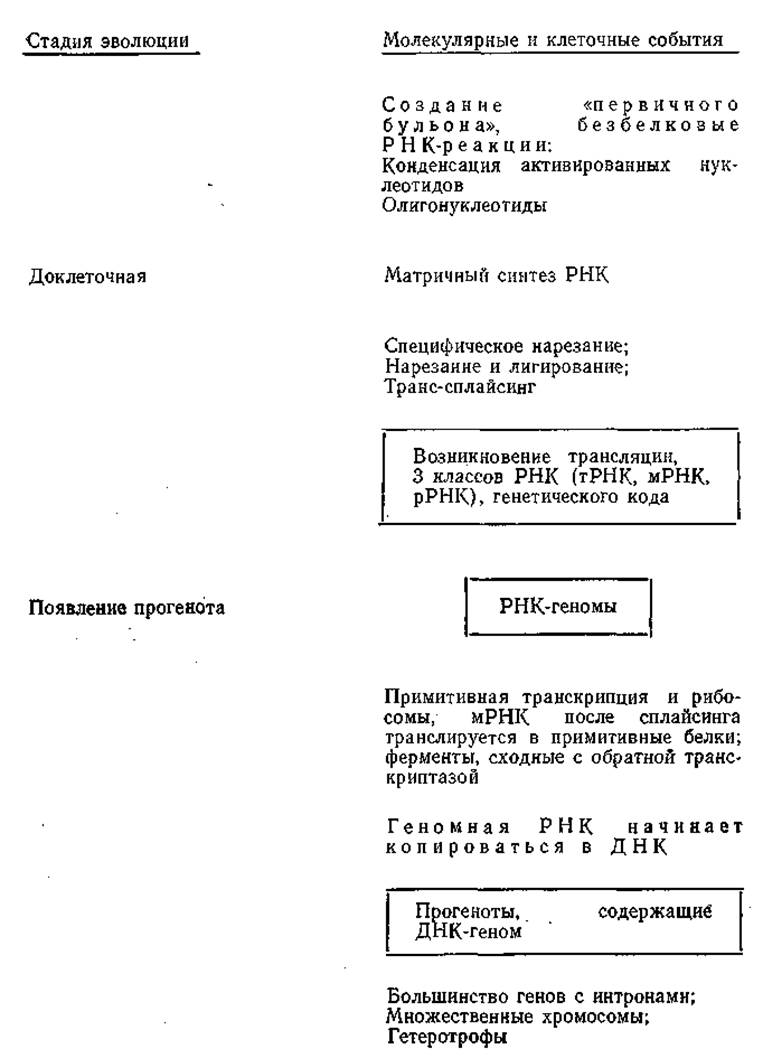

The accumulation of "primordial soup" products was facilitated by the Earth's orogenetic development cycles—the alternation of geosynclinal orogenic and post-orogenic periods. Due to sea level fluctuations in areas of land uplift within shallow basins, evaporation could lead to the concentration of organic substances from the "primordial soup". All of this accelerated Chemical Reactions and contributed to the accumulation of primitive forms of life and its precursors (Scheme 1) [Darnell A., Doolittle K., 1986].
Experiments modeling these initial conditions of our planet have successfully produced not only Amino Acids and nitrogenous bases, but also their polymers—Polypeptides and polynucleotides. According to S. Fox and K. Dose (1977), proteinoids (protoproteins) are formed under these conditions, incorporating all 20 amino acids with molecular weights on the order of several thousand, which may possess catalytic properties.
Compared to modern life, pre-life exhibited greater chemical diversity. Its essential foundation was the complementarity of purine and pyrimidine bases, which, along with simple amino acids (Glycine, Alanine, Serine, etc.), were formed in the primordial atmosphere and oceans from ammonia vapor, hydrocyanic acid, methane, and carbon dioxide. The formation of polynucleotide chains from purine and pyrimidine bases made their self-Replication possible through the reproduction of complementary polynucleotide chains.
Further progress in molecular Selection occurred via autocatalysis, resulting in The Emergence of more complex molecules such as polypeptides, Nucleic Acids, and Polysaccharides. Initially, these processes were independent, but at some stage of chemical evolution, the independent synthesis pathways of linear polypeptide and nucleic acid sequences became interconnected. This combined catalytic system had an advantage over the two independent systems in that reaction rates increased and reaction products were replicated with high fidelity. Thus, the primordial Genetic Code could have emerged. The primitive genetic code was likely binary, a reflection of which is the critical importance of the first two bases of the modern triplet genetic code. Initially, the number of Amino Acids Forming polypeptide chains did not exceed 10.
Such a primitive genetic code formed more than 3.5 billion years ago, at which time protobionts—primitive cellular structures endowed with metabolism—appeared. Later, the number of amino acids increased to 20, and The Genetic Code became triplet and redundant (degenerate). The universal genetic code formed 3.5–2.5 billion years ago, marking the appearance of paleokaryotes with a universal design of biochemical structures and metabolism. Less than 2.5 billion years ago, the genetic code became universal, and prokaryotes followed by eukaryotes emerged.
Until recently, it was assumed that only polypeptides possessed catalytic properties, whereas nucleic acids served solely as repositories of Genetic information. However, it has recently been demonstrated that nucleic acids, particularly RNA, possess intrinsic catalytic properties. Two groups of fungal mitochondrial RNA and a group of nuclear RNA in Protozoa have been discovered in which splicing is mediated by the RNA molecules themselves (self-splicing). This reflects three possible evolutionary pathways of autocatalytic reactions. Splicing of group I introns occurs in the absence of Proteins and Energy Sources, but requires the presence of guanosine. Nuclear RNA splicing yields a lariat rather than a ring. Apparently, the corresponding introns contain catalytic centers, or this function is performed by so-called nuclear RNAs (U1 and U2). In any case, these properties of RNA shed new light on the origin of life.
For their subsequent transition into primitive life forms, the emergence of template-directed synthesis of polypeptide chains from free amino acids present in the "primordial soup" was essential. Such synthesis became possible only with the advent of Transfer RNAs (tRNAs). Each type of tRNA possesses a dual Specificity—The ability to recognize a specific codon in a nucleic acid and the ability to bind a specific amino acid. At the same time, different tRNAs share common properties: all consist of approximately 80 bases, have an identical 3'-terminal CCA sequence, a similar conformation, and other features that enable the formation of peptide bonds between amino acid residues. The appearance of tRNA also marked the emergence of the genetic code, since each codon of the polynucleotide chain now corresponded to a specific tRNA anticodon, and each type of the latter bound to a specific amino acid.
At the Cytology/cytology/16.html">Early stages of chemical evolution, Nucleic Acid Replication and polypeptide synthesis likely occurred without organic catalysis, although energy sources such as ATP appear to have existed already at this stage. However, the emergence of polypeptides with enzymatic properties drastically accelerated the template synthesis of polynucleotides and proteins, signaling the transition from chemical evolution to biological evolution [Fox S., Nakashjma T., 1980]. Around this time, protein-lipid membranes presumably appeared, separating primitive life forms from their external environment. It is possible that at this stage of chemical evolution, autocatalytic processes became spatially localized on primitive membranous protein-lipid structures involving polysaccharides and polynucleotides. Coacervates serve as a model for such structures, within which heterocatalytic reactions could take place [Oparin A. I., Gladilin K. L., 1980]. Here, chemical evolution ends and biological evolution begins (Fig. 1).
As a result of template-based replication of respective molecules under specific conditions, the following processes occur: competition among replicating molecules for matter, energy, and space; Variability of template molecules; replication of all variants in template copies; natural selection, i.e., the survival and reproduction of only the best adapted. In other words, the laws of heredity, variability, and evolution of the organic world begin to operate already at this level, which was well illustrated by Charles Darwin's "test-tube" experiments.

Fig. 1. Chemical and biological evolution. The abscissa represents time (billion years); the ordinate represents: top — evolution of the organic world, bottom — atmospheric oxygen content (% of the modern level).
The evolution of biological macromolecules is characterized by self-Organization, which already takes place at the level of primitive nucleic acids. Addressing the question of which came first, the protein or the nucleic acid, M. Eigen (1971) considers it to be ill-posed, as it is akin to asking whether information or function came first. Developing THE CONCEPT OF the self-organization of matter, the author puts forward a general principle of selection and evolution at THE MOLECULAR LEVEL, based on the criterion of stationary state stability derived from nonlinear thermodynamic theory. Evolution appears to be an inevitable event given the presence of a specific substance with defined autocatalytic properties and the maintenance of a Free energy threshold necessary to compensate for stationary Entropy production. This theory provides a quantitative foundation for designing laboratory experiments on evolution and establishes rules for constructing simple molecular models that correspond to potential precursors of living Cells.
Biological polymers are characterized by the capacity for self-assembly. These properties were presumably already possessed by the precursors of biological polymers formed in the "primordial soup," particularly proteinoids, which readily form spherical (microspheres) and other structures distinguished by relative stability and a certain internal order. Their boundary structures resemble Cell membranes. It is likely that self-assembled structures of this kind gave rise to the protocell (Scheme 2).
In the papers by A. P. Rudenko (1969, 1970) and L. B. Mekler (1980), the pathway toward the formation of the protocell is marked by the following processes or stages: the emergence of order in proteins in the absence of macromolecules and the modern genetic code; the appearance of Enzymes involved in their synthesis; the origin of metabolism in the absence of cells "endowed" with metabolism; the origin of cells in the absence of other cells that could have given rise to them; the emergence of energy-accumulating systems; and the Origin of the genetic code.
It is hypothesized that primitive life forms contained RNA as their genetic material. DNA appeared later, and its advent marked the division of Functions between DNA and RNA in their present-day forms: DNA serves as the repository of genetic information, whereas of the two RNA types, mRNA encodes genetic information from DNA, and tRNA translates the genetic code from the nucleic acid language to the protein language.
The emergence of ribosomal RNA (rRNA) and the origin of Ribosomes belong entirely to the early stages of biological evolution, and all surviving ancient forms of life possess ribosomal protein-synthesis systems. The structural stability of tRNA and rRNA over several billion years of evolution testifies to the exceptionally stabilizing nature of natural selection in this case.
It is hypothesized that the transition from a proto-cell to a Introduction/4.html">Prokaryotic Cell occurred between 3 and 4 billion years ago. The precursors of fossil Bacteria were progenotes. Early Prokaryotic Cells existed in a reducing atmosphere, and modern methanogenic bacteria appear to be their direct descendants. Initial prokaryotes possessed the capacity for anaerobic Fermentation. This was followed by a primitive form of Bacterial Photosynthesis, then a more complex plant-like photosynthesis (in blue-green Algae), and only subsequently by aerobic Respiration.
Entities that underwent the long journey from non-living to living matter are designated as eobionts, while closer precursors of fossil bacteria (dating back more than 3 billion years) are termed protocells or progenotes. According to S. Fox et al. (1977), who studied 18S rRNA homologies to investigate prokaryote phylogeny, the original prokaryotes gave rise to three evolutionary lineages: urkaryotes (Urkaryotes), which became symbionts and whose descendants are the cytoplasmic components of eukaryotes; archaebacteria (Archaebacteria), whose descendants are modern methanobacteria; and eubacteria (Eubacteria), the ancestors of modern bacteria.
SCHEME 2. EVOLUTION OF SELF-ASSEMBLY

In The process of biogenesis, or biopoiesis, the stages of coacervation, membrane formation, the appearance of metabolism, and self-reproduction (reduplication) are distinguished. Already at these stages, Mutations could have arisen, acquiring a novel capability—the capacity for organic photosynthesis. This new lifestyle offered major advantages over anaerobiosis. The global consequence of organic photosynthesis was the accumulation of free oxygen in the atmosphere, which continued for about 2 billion years.
The transition from a reducing to an oxygen-rich atmosphere began between the middle and late Precambrian, approximately 1.8 billion years ago, and an oxygen atmosphere was established 1.4 billion years ago. Thus, if life appeared on Earth 2.7–3.2 billion years ago, it took 0.9–1.4 billion years for organisms capable of photosynthesis to emerge.
The rise in atmospheric oxygen content to 1% of the present level entailed numerous consequences, since even at this concentration, the portion of ultraviolet radiation most hazardous to life was absorbed. It is believed that such an atmosphere formed at the beginning of the Cambrian, corresponding to the "explosion of life" reflected in the Abundance of fossils. Whereas previously only a water layer no deeper than 50 m (where sunlight still penetrates) and no shallower than 10 m (where lethal hard ultraviolet radiation penetrated) was inhabited, with The change in atmospheric composition driven by increased oxygen, surface water layers became available for life, and the colonization of land subsequently became possible. Concurrently with the increase in atmospheric oxygen, The amount of carbon dioxide—released from the Earth's interior and serving as the primary source for oxygen production—decreased.
The putative history of atmospheric oxygen and Carbon dioxide is outlined in the work by W. Rutten (1971). According to his data, the atmospheric oxygen content, which stood at 0.001% of the present level, began to rise about 3.2 billion years ago, reaching 0.01% of the modern level by 2.7 billion years ago, 0.1% of the modern level 400 million years ago, and the modern level 200 million years ago. Simultaneously, the carbon dioxide content decreased, being 10 times higher in the Precambrian than at present. Furthermore, during periods of intense mountain-building, carbon dioxide levels increased sharply due to emissions from the Earth's interior into the atmosphere.
The earliest traces of life—microscopic biogenic deposits and molecular fossils—are found in the early and middle Precambrian, with their age estimated at over 2.7 and even 3.2–3.7 billion years. Electron Microscopy replicas of thin sections have revealed globular and filamentous structures resembling the cells of bacteria and blue-green algae. These organisms possessed a metabolism characterized by the secretion of calcium carbonate (stromatolites). Considering the Earth's age to be over 4.5 billion years, the first coccoid and filamentous bacteria were found in sedimentary rocks dating back 3.5 billion years, whereas the divergence of eukaryotes from prokaryotes occurred 2–3 billion years ago. The hypothetical common ancestor possessed a genome equivalent to 74 modern Prokaryotic Genomes. In the late Precambrian, micro-organisms resembling bacteria and blue-green algae are regularly found. In the early Cambrian, numerous fossils belonging to Multicellular Organisms are already present.
Thus, chemical evolution lasted for over 1 billion years and concluded in the middle Precambrian (late Archean) with the formation of the first cellular organisms—the precursors of prokaryotes.
As for eukaryotes, it is now almost universally accepted that they originated from a Symbiosis of two prokaryotic forms, in which the larger cell was a heterotrophic anaerobe and the smaller one was a respiration-competent prokaryote. Subsequently, this symbiosis became obligatory, and several different prokaryotes may have been incorporated into it. The host cell gradually "segregated" a Nucleus, while the descendants of the symbionts are the Mitochondria, Chloroplasts, and possibly centrioles with the mitotic spindle apparatus [Sagan L., Margulis L., 1967]. Eukaryote-like structures are first detected in deposits dating back 1.5 billion years.
A strong argument in favor of the symbiotic origin of eukaryotes is the similarity between the ribosomal apparatus of eukaryotic Mitochondria and chloroplasts and that of prokaryotes—specifically, the high Homology of Mitochondrial and Chloroplast 16S rRNA with bacterial 16S rRNA, and the absence of such homology with cytoplasmic RNA of a Molecular Weight of 18,000 [Bonen L. et al., 1977]. Mitochondrial and chloroplast ribosomes are sensitive to chloramphenicol, just like prokaryotic ribosomes, whereas Eukaryotic cytoplasmic ribosomes are insensitive to this antibiotic. This view, however, is not shared by everyone. In particular, a wealth of evidence has now accumulated pointing to the replication of certain viruses in chloroplasts and mitochondria. Based on these data, it has been hypothesized that viruses existed which utilized the enzyme systems of these Organelles ("mitophages," "chlorophages") and replicated within the evolutionary precursors of Plastids and mitochondria. Two models of the evolutionary process are thus possible: prokaryotic DNA was preserved autonomously in organelles derived from respective prokaryotic symbionts of eukaryotic organisms, or the DNA of endosymbiotic partners was integrated into the nuclear DNA of eukaryotes. Apparently, both models were realized during the evolution of eukaryotes, with the aforementioned hypothetical viruses potentially acting as vectors in The transport of prokaryotic genes into The eukaryotic nucleus.
There are, however, critical objections to the Concept of the exogenous endosymbiotic origin of Eukaryotic Cell organelles [Seravin L. I., 1986]. It is countered by the concept of their autogenous (endogenous) origin through the evolution of the surface membrane, Cytoplasm, and nucleoid. Unfortunately, while highlighting the difficulties in explaining certain facts (The Structure of DNA and tRNA in mitochondria and chloroplasts), the author bypasses the crucial question of the homology between organelle and prokaryotic nucleic acids; hence, his arguments cannot be deemed convincing. Furthermore, the concept of the endogenous origin of organelles does not even attempt to account for facts that fall outside its framework.
It is suggested [Woese C., Fox G., 1977] that PROKARYOTES AND EUKARYOTES share a common ancestor—the progenote. If life on Earth began more than 3 billion years ago, the reconstruction of evolution based on fossil analysis is feasible only for the last 500 million years. The "age of prokaryotes" lasted for 1–2 billion years, although primitive eukaryotes may have already existed during this time. Their "flourishing" likely began later, after the establishment of their symbiosis with prokaryotes, which led to the emergence of modern eukaryotic forms. Pelomyxa palustris probably serves as a prototype of primitive eukaryotes. This organism lacks mitochondria and a mitotic apparatus, shows no 9+2 fibrillar structures, and lacks Golgi apparatus membranes, yet it harbors a prokaryotic symbiont. Evidently, Eukaryotae incorporate organelles of prokaryotic origin. On the other hand, methanogenic bacteria differ so markedly from other bacteria that they should be classified into a separate kingdom. In this case, Procaryotae consist of two long-diverged branches—archaebacteria and eubacteria. Methanogens must be assigned to archaebacteria.
C. Woese (1979) challenges the hypothesis that mitochondria originated 1–2 billion years ago from aerobic bacterial symbionts. He believes that endosymbiosis occurred much earlier, during the anaerobic period, leading to the formation of a photosynthetic organelle analogous to the modern chloroplast.
Summarizing the long-standing Discussion on this issue, M. Gray and W. Doolittle (1982) concluded that the two eukaryotic kingdoms, Archaebacteria and Eubacteria, underwent independent and long-term evolution. The descendants of the first branch included Hatobacteria, Methanogenes, Thermoplasma, Sulfvibrio, etc., while the descendants of the second branch comprised all other bacteria, including Cyanobacteria, as well as eukaryotic endosymbionts that subsequently became their organelles—plastids (chloroplasts) and mitochondria. The authors cite numerous pieces of evidence at various levels: rRNA homology (16S, 5S) between organelles and bacteria, cytochrome c(t), ferredoxin, ribosomal proteins, tRNA, initiation from the formylmethionine codon, similarities in Translation factors, ppGpp and ppGppp factors, and others. However, while plastids are monomorphic and there is reason to assume they all share a monophyletic origin, having arisen from ancestors of modern blue-green bacteria, fungal, protozoan, plant, and animal mitochondria vary significantly among themselves, suggesting a polyphyletic origin that is more ancient than that of chloroplasts. M. Gray and M. Doolittle outline the main points distinguishing eukaryotes from prokaryotes.
1. While translation and Transcription are "coupled" in prokaryotes, they are uncoupled in eukaryotes, where the genetic apparatus is located in multiple linear Chromosomes with multiple origins of replication. 2. DNA activity is regulated by Histones, which are absent in prokaryotes. 3. Instead of operons like those in bacteria, eukaryotes possess a system of promoters and terminators that restrict the synthesis of polycistronic mRNA. 4. There are three specific RNA polymerases: for large rRNA genes, for protein-coding genes, and for low-molecular-weight RNAs (5S rRNA, tRNA). 5. Exon-intron systems and splicing are present. 6. Genes for 25S, 18S, and 5S RNA are present. 7. mRNA features 5'-cap structures and a 3'-poly(A) tail. 8. DNA contains multiple non-coding repetitive sequences.
The authors suggest that the eukaryotic genome emerged 1–2 billion years ago from an ancient eubacterial genome, undergoing rapid and fundamental structural reorganization. Potential ancestors of modern organelles include cyanobacteria, Mycoplasmas, mycobacteria, actinomycetes, and rhodobacteria. It is possible that archaebacteria—specifically Thermoplasma or Halobacteria—served as the ancestors of current eukaryotes, as they exhibit greater similarity to eukaryotes than to eubacteria in several parameters [Fox S. et al., 1980].
One potential pathway for eukaryotic genome enrichment is the formation of pseudogenes, which has been studied in detail for mouse globin genes. These genes are interrupted and contain two introns of different sizes, which are removed during mRNA splicing. Pseudogenes—copies of true Gene exons lacking introns—have also been discovered in these same mouse cells. Furthermore, they exhibit small deletions that render the pseudogenes non-functional [Vanin E. et al., 1980]. Pseudogenes are distributed across three different chromosomes [Leder A. et al., 1981]. It is hypothesized that pseudogenes arose via reverse transcription of mRNA from which introns were removed by splicing, and that pseudogenes somehow regulate The activity of normal genes. Their origin through mRNA reverse transcription is supported by the presence of poly(A) sequences within pseudogenes [Hollis G. et al., 1982]. The presence of pseudogenes may serve as a source of mutations leading to the emergence of new genes.
Pseudogenes evolve exceptionally rapidly, as demonstrated by studies on globin pseudogenes and immunoglobulin light chains [Miyata T., Hayashida H., 1981].
To reconstruct the phylogenetic trees of organismal evolution past and present, the comparative Morphology method is widely employed, in which extant and extinct (fossil) species are studied in parallel. Naturally, the further back we look into history, the scarcer the fossil record becomes and the less preserved are the morphological traits of extinct organisms. With the advancement of molecular biology, it has become possible to reconstruct phylogenetic trees based on the homology of proteins and nucleic acids. It was precisely through this approach that blue-green algae were shown to be closer to bacteria than to other algae, methanobacteria were found to have diverged from a common ancestor with bacteria and blue-green algae, and eukaryotic cytoplasmic components (mitochondria, chloroplasts) were demonstrated to be derivatives of prokaryotes that became symbionts of ancient eukaryotes.
The general course of organic evolution consists of an increase in the biological perfection of organisms. According to A. N. Severtsov (1939), There are two Main Pathways of the evolutionary process: aromorphosis and idioadaptation. During aromorphosis, biological perfection rises both quantitatively and qualitatively to a higher level or plane. Examples include the successive appearance of protochordates, Fishes, amphibians, reptiles, birds, and mammals. Idioadaptation involves the emergence of traits that may fortuitously prove useful and entail morphological and physiological reorganization of various Organs.
For instance, in the ancestors of higher amniote vertebrates (reptiles, birds, and mammals), an efficient lung ventilation mechanism developed through the action of the rib cage. This aromorphosis must be regarded as key, because its appearance triggered a long chain of major organizational reorganizations (and consequently lifestyle shifts), which can be outlined as follows. The necessity for cutaneous respiration disappeared (which, given the insufficient efficiency of amphibian lung ventilation, was a crucial Supplement); epidermal keratinization intensified in the integuments, protecting the organism against dehydration and providing better mechanical protection; simultaneously, opportunities opened up for the subsequent complex differentiation of integumentary derivatives (development of reptilian horny scales, avian feathers, mammalian Hair); the need to mix Blood from the Lungs and Skin within The Heart ventricle vanished (which in amphibians was necessary precisely due to the respiratory role of the skin), resulting in the Separation of arterial and venous blood in the heart via an interventricular septum, which in turn led to the reorganization of arterial trunks emerging from The Heart and elevated the metabolic rate and The Development of homeothermy; the loss of the respiratory-pump function by the oral-pharyngeal cavity and hyoid apparatus allowed A change in the overall Skull configuration. All these changes, significant and important in their own right, became possible only after the realization of the key aromorphosis.
Other authors link the emergence of aromorphoses to drastic environmental changes that actively select for mutations that are otherwise eliminated under stationary conditions due to stabilizing selection [Schmalhausen I. I., 1969]. When a group of organisms colonizes a new adaptive zone, there is an intermediate stage wherein adaptation to the previous zone has been lost, but adaptation to the new one has not yet developed. This non-adaptive phase is rapidly overcome under the influence of natural selection, especially if the given group possesses the necessary preadaptations upon which adaptations to the new adaptive zone can evolve. Such evolution is somewhat saltatory in character (quantum evolution), and its rates vastly exceed the typical evolutionary rates for a given taxon.
Such conditions are created during the ISOLATION OF A small population fraction, when the gene pool of this group is acted upon not by stabilizing selection, but by the selection of mutations beneficial to the group. In this case, the reorganization of the gene pool occurs so rapidly that it is termed a genetic revolution [Mayr E., 1963].
L. Mettler and T. Gregg (1972) formulate the application of Mendelian laws to Population Genetics as follows. In the absence of forces causing Changes in the "gene pool," a large randomly mating population will remain in a state of genetic equilibrium. Evolution represents a gradual shift in genetic traits driven by processes such as selection, mutation, migration, and Genetic Drift. Under constant environmental conditions, these forces tend to drive the population toward genetic equilibrium; when environmental conditions change, the population strives toward a new equilibrium.
Selection within a population can be stabilizing, directional, or disruptive. While the first type maintains populations near the mean values of their Quantitative Traits and the second leads to shifts in these means, the third type drives subpopulation divergence and ultimately the emergence of new species. Genetic drift—i.e., random fluctuations in gene frequencies in small isolated populations—does not play a major role in evolution as long as the population remains small or isolated. Such populations frequently go extinct if environmental conditions shift unfavorably. If such populations merge with others, free gene flow rapidly neutralizes the differentiation developed within the colony during its isolation. Thus, gene flow and its consequences do not promote evolution [Mayr E., 1963]. However, if environmental changes lead to an expansion of the population's ecological niche, enormous potential opportunities for its evolution arise.
As pointed out by L. Mettler and T. Gregg (1972), to survive, a population must be adapted to its habitat. This means that the majority of its individuals must possess genotypes and phenotypes that ensure survival under given conditions. Furthermore, for continued survival, a population must maintain its environmental adaptation by altering its genetic structure in response to inevitable environmental changes. In other words, new genotypes and phenotypes adapted to altered conditions must arise and reproduce within the population, which is made possible by the population's continuous genetic variability. Within this variability, a specific place is held by variability that "supplies" poorly adapted phenotypes, referred to as the genetic load of the population [Haldane J., 1957]. The latter includes mutational load, balanced load, and substitutional load.
Mutational load is the fraction of the total genetic load that arises from mutant alleles. Natural selection typically acts against these alleles, though under certain conditions it may favor them. For example, Sickle-Cell Anemia—the result of a mutational amino acid substitution in the Hemoglobin molecule—is widespread in malaria-endemic regions of Africa. Individuals with this substitution are resistant to malaria, and selection for this trait predominates, with a blood disorder being the evolutionary cost. Balanced load is characterized by the presence of multiple alleles that are advantageous under different conditions, in different sexes, at various developmental stages, etc. Examples include the existence of numerous isozymes as well as the maintenance of polymorphism via overdominance. In some cases, due to environmental shifts, "unfavorable" and "favorable" alleles trade places, and selection proceeds directionally, suppressing the previously "favorable" and therefore common allele while promoting the previously "unfavorable" allele that was previously being eliminated. During certain developmental periods, a population becomes poorly adapted, giving rise to a load known as transitional or substitutional load.
According to J. Haldane's (1957) calculations, substituting a single allele requires an average of 300 generations and 30 times more deaths than occur in each generation. Assuming that 1,000 substitutions are sufficient to form a new species, this would require 30,000 generations. Such a calculated rate of evolution generally corresponds to the rates observed in many mammalian species based on paleontological data. However, these calculations proved inapplicable to Human Evolution. Assuming that 50,000 generations have passed over 1 million years of human evolution (with an average generation time of 20 years), this would suffice for the substitution of 166 genes. Meanwhile, the differences between humans and their ape-like ancestors must be determined by a much larger number of genes. Thus, The rate of human evolution was 6–7 times higher than calculated. These conclusions stem from analyzing the evolutionary rate of Mitochondrial DNA in primates [Brown W. et al., 1979]. When assessing evolutionary rates, one must bear in mind that the prerequisites for speciation are the isolation of a limited population fraction and intensive Inbreeding. Circumstances of this kind are created by drastic environmental changes that lead to the die-off of part of a population. An example is human evolution, which proceeded intensively over the past million years of the Pleistocene, encompassing four glacial periods. During this time, human "predecessors" such as Pithecanthropus and Neanderthal man appeared and vanished, and modern humans emerged. Given its current numbers, the enormous human population is highly heterogeneous and therefore lacks Prospects for further evolution.
It is believed that morphological differentiation at the subspecies level requires at least 300 generations, yet evolutionary rates vary across different animals. For instance, certain mammals that migrated from North America to South America during the Pliocene and Pleistocene (i.e., 1–2 million years ago) evolved endemic genera, but none gave rise to an endemic family. The average lifespan of a genus in bivalves (Pelecypoda) is 78 million years, whereas in carnivores (Carnivora) it reaches only 6.5 million years. Among The most significant Factors influencing the rate and pathways of evolution are variability, mutation frequency and nature, generation turnover rate, population size, and natural selection [Simpson G., 1945, 1953]. However, as G. Simpson points out, evolution based on existing variability is a self-limiting process that cannot transcend limits roughly corresponding to the level of speciation.
One of the trends in modern evolutionary concepts is represented by the neutral theory of M. Kimura (1968), associated with the development of molecular biology [Volkenstein M. V., 1983]. It is well established that the overwhelming majority of nucleic acid mutations either do not lead to a corresponding amino acid substitution (if the substitution occurs at the 3rd nucleotide of a codon) or result in the substitution of a similar amino acid (otherwise the mutation would be lethal). This constitutes the high error-tolerance of the genetic code. As a result, the active center of the protein molecule and its backbone structure are preserved, while the Amino Acid Composition of the protein can vary significantly. Consequently, proteins with different primary structures can possess similar spatial Conformations, which is due to the fact that most mutations are neutral.
In subsequent works by M. V. Volkenstein (1986), it was noted that while preserving the fundamental principles of The Theory of evolution,
Darwin's theory allows for the revision of some of its tenets in light of molecular biology, synergetics, and information theory. The author emphasizes that speciation may not have proceeded gradually, but rather in leaps (punctuated equilibrium), in which case A. N. Severtsov's aromorphoses and desadaptations represent alternations of punctualism and gradualism. He underscores the determination of mutations by the pre-existing organismal structure, resulting in a specific evolutionary direction ("internal channeling"), with many mutations being non-adaptive in nature. The concept of directed evolution correlates with N. I. Vavilov's concept of homologous series in variation.
Associated with this are additional considerations regarding directed evolution, which is governed by the pre-existing STRUCTURE OF THE organism that restricts many types of random mutations—concepts put forward by N. I. Vavilov within the framework of the aforementioned theory. From this follows the Conclusion that many traits lack adaptive significance, a point previously highlighted by S. S. Chetverikov.
M. Kimura's neutral theory is formulated taking the following principles into account. 1. For any given protein, the evolutionary rate (number of Amino Acid Substitutions per residue per year) is roughly constant as long as the Structure and function of that protein do not change significantly. 2. Functionally important molecules or their regions evolve more slowly than functionally unimportant ones. 3. Less harmful amino acid substitutions occur more frequently than more harmful ones. 4. Gene Duplication always precedes the emergence of a gene with a new function. 5. The elimination of deleterious mutations and the random fixation of neutral mutations occur more frequently than the selection of beneficial mutations.
Possible causes of Amino Acid Sequence homology are viewed as the result of either evolutionary commonality or molecular convergence. It is emphasized that most proteins, especially enzymes, arose from a limited number of polypeptides.
The concept of molecular convergence also stems from comparing bacterial and mitochondrial Cytochromes (c2, c). According to T. Meyer et al. (1986), when the structure and function of two homologous protein regions reach a certain degree of correspondence, converging mutations become just as frequent as diverging ones.
We would like to supplement these data with our own insights, which we formulate as the concept of molecular convergence. Advances in molecular biology have revealed the existence of chemically similar structures (often with distinct functions) across various groups of organisms that lack even distant evolutionary relationships. The most striking example is the presence of rhodopsin in bacteria and in the visual organs of lower and higher animals. The conventional explanation of evolutionary continuity—such as for tRNAs, which evolved at an exceptionally slow pace—naturally fails here. Likewise, the possibility of gene transfer via vectors like viruses or Plasmids, as could happen with Bacterial toxins, is ruled out. We must therefore acknowledge that bacterial rhodopsin and the rhodopsins of visual cells in lower (octopuses) and higher (vertebrates) animals were "invented" independently on three separate occasions.
In connection with The concepts of molecular convergence, it is apparently necessary to examine data concerning molecular mimicry. In a study of over 600 Monoclonal Antibodies directed against 11 different viruses tested against proteins (extracts) from 14 various organs of uninfected mice, it was shown that 21 of them (3.5%) reacted with proteins from these organs. Neither evolutionary relationship nor the capture of cellular genes can account for this, as these reactions were obtained with disparate viruses (Coxsackie, Japanese encephalitis, lymphocytic choriomeningitis, measles, rabies, vesicular stomatitis, herpes, smallpox). Negative results were obtained with dengue viruses and human and murine cytomegaloviruses. U. Jahnke et al. (1985) discovered decapeptides homologous to human myelin in the proteins of measles, Epstein-Barr, Influenza A and B viruses. The authors suggest a link between this finding and allergic encephalomyelitis. Presumably, all these instances revealed amino acid sequence clusters shared between viruses and mouse cells, pointing to a peculiar form of molecular convergence.
When interpreting mutational processes (referring primarily to point mutations), emphasis is usually placed not only on their randomness (stochastic nature) but also on the nearly infinite number of possible mutations. In reality, this is far from the case, as the number of possible substitutions is strictly limited. Consider, for example, an influenza antigenic determinant consisting of, say, 10 amino acid residues. If each amino acid could be replaced by any other (which random mutations would imply), the number of antigenic variants would reach an astronomical figure of 1020. In reality, there are no more than a few hundred or even dozens, since most substitutions (e.g., Tryptophan instead of alanine) lead not to a modification, but to the destruction of the antigenic determinant, and sometimes to a lethal Modification of the entire hemagglutinin molecule. This is precisely why such a "simple" evolutionary breakthrough as ATP has been preserved at all Stages of the evolution of organic life on Earth as a universal energy storage molecule, and why the rigid structure of polyfunctional and polydomain tRNAs has undergone minimal changes over billions of years of evolution. For the very same reason, rhodopsin, "invented" independently three times, turned out to be structurally similar in organisms as diverse as bacteria, octopuses, and vertebrates. The formation of these structures was not only determined, but inevitable, as only they could fulfill the functions brought to life by the evolutionary process.
A unique concept of gene evolution is developed by R. Dawkins (1976). He terms his concept the fundamental law of gene selfishness. The author considers mistaken the views that living creatures "evolve to do things for the good of species," as these notions hardly align with Darwinian theory, according to which individual members of a species primarily pursue their own "selfish interests." He suggests that in the early stages of the evolution of living matter, during chemical evolution, random processes gave rise to a replicator—a DNA molecule that makes copies of itself. As a result of mutations (errors), the primordial soup became filled with non-identical replicas, accompanied by their evolution toward greater longevity, as well as increased replication speed and stabilization. From this point on, "competition" and natural selection began to operate. As a result, modern genes and their ensembles emerged with mechanisms of replication that the author designates as "the gene machine," while multicellular organisms are viewed as "colonies of genes." The gene system possesses stability and relative autonomy. Consequently, the evolution of the organic world is primarily the evolution of genes.
The inevitability of progressive evolution can be seen in the emergence of intelligence, which is far from a random phenomenon. To put it metaphorically, nature tried three times to create intelligence and succeeded only on the third attempt. The first "attempt" was the development of The Nervous System in octopuses and squids, not undeservedly called the primates of the sea. Intelligence could not develop—hindered by their dependence on the aquatic environment, the lack of tools, and other factors, despite the fact that these animals had already developed conditioned Reflexes and individual behavior resembling intelligence, alongside significant nervous system development. The second "attempt" was insects. However, their small size (constrained by an exoskeleton) and limited potential for expanding the nervous system doomed this "attempt" to failure as well, the "pinnacle" of which became colonial insects—ants, bees, and termites, which, incidentally, belong to different taxonomic groups. Therefore, in this case, it is more accurate to speak not of a single unsuccessful "attempt" to create intelligence, but of three.
The emergence of intelligence was made possible by the origin and evolution of vertebrates and their most progressive branch—mammals. They possessed everything necessary: a genome doubled compared to reptiles with an excess of genetic material, an internal Skeleton, and substantial independence from the environment due to the development of warm-bloodedness. Therefore, the appearance of primates and, subsequently, Homo sapiens was not only possible but inevitable, whereas other branches (e.g., dolphins, elephants, carnivores) remained evolutionary dead ends regarding the potential emergence of intelligence due to specialization.
With the development of molecular biology, The Study of PROTEIN AND NUCLEIC acid homology—the Amino acid sequences of polypeptide chains and nucleotide sequences of RNA and DNA—has become widely used to investigate evolutionary relationships among different organisms. Additionally, supplementary techniques are employed to account for evolutionary rates. Using these Methods, it is possible not only to identify Phylogenetic relationships among various organisms but also to factor in evolutionary rates when constructing phylogenetic trees.
Thus, comparative studies of histone H4 in protozoa and higher eukaryotes have shown that the differences in the peptide chains of these histones are less pronounced among animals and plants than between protozoa, on the one hand, and animals and plants, on the other. This leads to the conclusion that the divergence of Protozoa and higher eukaryotes occurred significantly earlier than the divergence of plants and animals. Based on sequence data obtained after treating ribosomal RNA from mitochondria, chloroplasts, bacteria, and cytoplasmic ribosomes of animals and plants with RNase, it was demonstrated that chloroplast and mitochondrial rRNAs share a higher degree of homology with each other and with bacterial rRNAs, and a significantly lower degree with the cytoplasmic rRNAs of plants and animals. This allows for the conclusion that mitochondrial and chloroplast rRNAs have a prokaryotic origin [Bonen L., Doolittle D., 1979].
G. Fox et al. (1977), when comparing the structure of 16S Ribosomal RNAs in prokaryotes, concluded that methanogenic bacteria are phylogenetically distant from true bacteria; blue-green algae are closer to them, and the split of true bacteria into bacilli and vibrios occurred later. Based on ribosomal RNA studies, C. Woese and G. Fox (1977) distinguish three primary developmental lines in prokaryotes: the primitive forms of prokaryotes—Urkaryotes, which gave rise to the cytoplasmic components of eukaryotes (mitochondria and chloroplasts); Archaebacteria, whose descendants are methanogenic bacteria; and Eubacteria, which gave rise to the diverse modern groups of bacteria. H. Hori and S. Osawa (1979) compared the Secondary structure of 5S RNA from 54 species belonging to prokaryotes and eukaryotes—from bacteria to humans. Based on the obtained data, a Phylogenetic Tree was constructed. To achieve this, first, the degree of nucleotide substitution was calculated, and second, it was assumed that the rate of substitution is proportional to the time elapsed since the evolutionary divergence of the two molecules from their common ancestor. According to these calculations, the divergence time between pro- and eukaryotes is 1.8 × 10⁹ years, and between humans and Yeast, 1.2 × 10⁹ years. These same calculations show that Fungi separated from animals and plants slightly earlier than animals and plants split from one another, although it is possible that plants separated from fungi and animals first, followed by the separation of the latter two. Somewhat unexpected is THE POSITION OF Halobacterium cutirubrum: while bacteria originate from a single trunk, these bacteria appear to stem from the eukaryotic branch.
Based on the divergence of ribosomal 5S RNA, the phylogenetic tree appears as follows (Fig. 2). The evolutionary lines of pro- and eukaryotes are independent and originate from a hypothetical common ancestor. In eukaryotic evolution, the earliest branches are protists (Euglena), followed by a significant increase in radiation, which led to the successive emergence of fungi, plants, and animals. The study of cytochrome c phylogeny has also made it possible to reconstruct the phylogenetic tree of this protein, mirroring the evolution of the corresponding taxonomic groups of organisms. The minimum number of mutational differences in this protein was taken as the basis. Fungi diverged from the common ancestor with animals earliest of all. Considerably later, the divergence of invertebrates and vertebrates occurred, followed by the separation of fish and reptiles, then the divergence of mammals and birds, and finally, humans and apes.
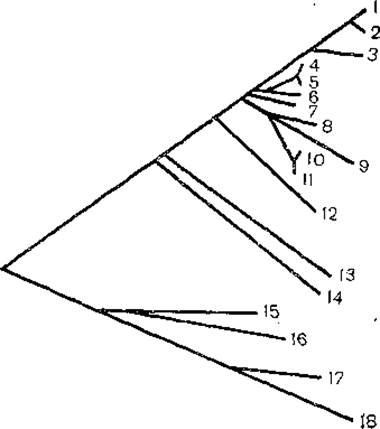
Fig. 2. Interkingdom phylogeny arranged according to sequence similarity of the small subunit of ribosomal RNA.
1— rat; 2 — X. laevis; 3 — A. salina; 4 — Z. mays; 5 — rice; 6 — A. castellanii; 7 — S. cerevisiae; 8 — P. tetraurelia; 9 — T. thermophila; 10 — O. nova; 11 — S. pustulata; 12 — D. discoideum; 13 — T. brucei; 14 — E. gracilis; 15 — S. solfataricus; 16 — H. volcanii; 17 — A. nidulans; 18 — E. coli.
The Discovery of the splicing phenomenon [Berget S. et al., 1977] provided an opportunity to reassess events in early evolution, since the presence of introns and exons was established not only in lower but also in higher eukaryotes. It has been suggested that exons encode specific Protein domains, whereas introns can become subjects of rapid evolution. In accordance with these considerations, a model of molecular evolution was proposed [Darnell J., Doolittle W., 1986] (see Scheme 1), with RNA itself facilitating intron excision and exon ligation during early developmental stages.
The oldest fossils of structures resembling blue-green algae have been found in rocks aged approximately 3.1 billion years. Structures of the same type are also encountered in younger rocks aged about 0.8 billion years. Presumably, 1.5 billion years ago, the first Multicellular animals (Sponges) appeared. Thus, it took 2 billion years for the evolution of primitive biological structures to lead to the formation of eukaryotes and divide them into fungal, protozoan, plant, and animal kingdoms. Apparently, the division of eukaryotes into two kingdoms (plants and animals) occurred even before multicellular organisms were formed, with the primary distinction between animals and plants being the presence of photosynthesis in the former and its absence in the latter. However, certain forms of unicellular organisms are difficult to assign definitively to either of the two main kingdoms—animals or plants. Such forms include certain flagellated unicells, for instance, Euglena viridis and Protozoa in general. Probably, they also branched off from the common eukaryotic Lineage earlier than the divergence of plants and animals took place.
Subsequent evolution of the organic world proceeded at a significantly faster pace. By the beginning of the Cambrian (570 million years ago), the major plant types of oceans and seas—algae—had developed. Their metabolic activity altered the composition of the atmosphere, transforming it from reducing to oxidizing, bringing it closer to its modern composition—containing inert ozone, oxygen, small amounts of carbon dioxide, and water vapor of varying saturation levels. During the first two periods of the Paleozoic, plant organisms began to invade land—Lichens. However, the true conquest of land occurred in the Silurian (about 500 million years ago) with the appearance of psilophytes, the precursors of mosses, clubmosses, horsetails, and ferns. The expansion of plants onto land was accompanied by the final transformation of Earth's atmosphere, which grew close to its present-day composition. By this time, the atmospheric ozone layer had formed, protecting the biosphere from a significant portion of ultraviolet radiation. In the Devonian (about 400 million years ago) and subsequent periods of the Paleozoic and Mesozoic, numerous species of gymnosperms developed, and at the end of the Mesozoic (250 million years ago), angiosperms appeared—the modern trees, shrubs, and herbs that, together with conifers, became the dominant classes of land plants.
Plant evolution is dated back to the Proterozoic era (1.5 billion years ago), when the first primitive aquatic plants (algae) and fungi appeared. In the Paleozoic (585–225 million years ago), multicellular plants underwent development. In the Cambrian (585 million years ago), numerous marine algae appeared, followed by land plants in the Ordovician (505 million years ago), which developed further in the Silurian (425 million years ago). In the Devonian (375 million years ago), forests and the first gymnosperms emerged on land. In the Carboniferous (325 million years ago), ferns and clubmosses dominated, declining in the Permian period (240 million years ago). The Mesozoic (225–75 million years ago) was marked by the dominance of gymnosperms, especially in the Triassic (225 million years ago) and Jurassic (165 million years ago). Angiosperms appeared in the Jurassic, spread during the Cretaceous (135 million years ago), and achieved complete "dominance" in the Cenozoic (75 million years ago to the present).
Angiosperms evolved from Mesozoic gymnosperms. However, ginkgoes, conifers, cordaites, pentoxyleans, some cycads and bennettitaleans, pteridosperms, and gnetophytes apparently cannot be their ancestors, because primitive flowering plants possess scalariform tracheids, whereas these gymnosperms feature more highly organized pitted tracheids. Furthermore, the flower of the ancestor must have been bisexual, whereas their strobili are unisexual, and all the aforementioned gymnosperm groups represent overly specialized forms. The oldest remains of flowering plants have been found in early Cretaceous deposits, yet even by this time they were diverse, and therefore their origin should be traced back to earlier epochs. According to several authors, angiosperms did not descend from a single gymnosperm ancestor, but rather from multiple groups in which traits characteristic of flowering plants were "dispersed." Alongside parallel evolution, reticulation of evolutionary lineages and the EXCHANGE OF GENETIC material resulting from episodic Hybridization or viral Transduction likely played major roles. Subsequently, the general direction of evolution moved from arborescent forms to shrubs, then to perennial and, finally, annual herbs. The angiosperm flower arose from the entomophilous strobilus of gymnosperms. Insect pollinators played a decisive role in flower evolution. Initially, bisexual flowers appeared, later followed by unisexual ones; at first, pollen served as the attractant for insects, followed by nectar. Evolution progressed from spiral flowers to cyclic ones, from polymerous to oligomerous, and from solitary flowers to inflorescences. Currently, flowering or angiosperm plants prevail.
The terrestrial plant flora includes up to 300,000 species of angiosperms and a colossal number of individual specimens. With the exception of lichen and moss tundras, sphagnum bogs, and coniferous forests, which occupy fairly vast areas, land is covered primarily by representatives of angiosperms. The forms of angiosperms have achieved extraordinary diversity: from tiny duckweed to giant trees, from green plants to Saprophytes, epiphytes, and parasites, and from lianas to carnivorous sundews and Venus flytraps. In terms of their level of organization, angiosperms occupy the same position in the plant world as mammals do in the animal world. Angiosperms represent a group of plants adapted to the most complete utilization of solar energy.
The ancestors of angiosperm plants should be sought among gymnosperms, though not among modern, highly specialized forms, but among more primitive forebears, such as seed ferns, bennettitaleans, and cycads. Primitive angiosperms possessed bisexual flowers that evolved from bisexual strobili (cones). Thus, the ancestors of angiosperms were primitive groups of seed ferns with tracheids still exhibiting scalariform thickenings and free microsporangia.
It has been hypothesized that angiosperms originated from bennettitaleans through The transfer of traits from one sex to another—gametowhereas heterotopia [Meyen S. V., 1986]. In mammals, birds, and insects, this phenomenon is not uncommon, leading to saltational species modification (for example, the resemblance of female spotted hyena genitalia to those of males); therefore, this phenomenon should not come as unexpected in plants. According to this hypothesis, the angiosperm gynoecium arose from polyandrous bennettitaleans. These were likely predominantly mountain forms of tropical and subtropical regions located far from sediment accumulation areas, which explains why they were not preserved as fossils. Their evolution proceeded rapidly under conditions of neoteny.
A major role in the evolution of angiosperms was played by the Development of the flower, in the formation and evolution of which insects were of paramount importance. The angiosperm flower arose from an entomophilous and bisexual strobilus. Insects, by feeding on pollen, facilitated cross-pollination. At the same time, the emergence of carpels ensured the protection of ovules and subsequently promoted the development of the stigma with a pollen-trapping function. All these changes were exceptionally important in perfecting seed dispersal mechanisms. The earliest angiosperms were woody plants, but later shrubs and then herbs appeared—first perennials and subsequently annuals. Evolution also progressed from evergreen plants to plants with seasonally appearing and shedding leaves. The latter forms were able to spread into temperate and cold climate zones.
"Relics" of ancient angiosperms, living fossils that have survived to the present day, include magnolioid evergreen trees and shrubs, as well as laurals and trochodendrales. Further evolution led to the division of flowering plants into monocots and dicots, with monocots likely originating from primitive dicots. Characteristically, true woody forms are absent among monocots: palms and other monocot arborescent forms are not true trees and derive from herbaceous plants.
Angiosperms spread widely during the Cretaceous period, a time of intensive mountain building and drastic shifts in the Earth's climate. Under these conditions, angiosperms demonstrated high evolutionary plasticity and extraordinary adaptability, which ensured their rapid dispersal across the Earth's surface.
The emergence of life on land created more favorable conditions for biomass accumulation. The amount of living matter on land exceeds that in the oceans by 200 times, and when expressed in dry weight, even by 350 times. When comparing average biomass values per unit area, it turns out that the concentration of living matter on land is 1,000 times greater than in the ocean.
Animal evolution also begins in the Proterozoic, when marine protozoa appeared, followed at the end of the era by Mollusks, worms, and other marine invertebrates. Trilobites and brachiopods dominated the Cambrian, and most modern animal phyla originated then. Fishes appeared in the Ordovician, but mollusks, corals, and trilobites dominated the sea. In the Silurian, fish development intensified, marine eurypterids dominated, and the first wingless insects appeared. Amphibians emerged in the Devonian, while numerous insects and the first reptiles appeared in the Carboniferous. The latter reached their peak in the early Mesozoic (Triassic) and went extinct at the end of the Mesozoic (Cretaceous period). The Cenozoic era is characterized by the flourishing of mammals and birds.
Protozoa exhibit the following 5 organizational types: monenergid (amoebas), polyploid-nucleated (radiolarians), polyenergid (polymastigids), colonial (Uroglena), and multicellular (Volvox). However, even multicellular protozoa rank significantly lower in degree of integration than the most primitive Metazoa.
By the beginning of the Cambrian period, many representatives of lower invertebrates—such as sponges, jellyfish, corals, lower worms, and nemerteans—already inhabited the waters of the world's oceans. The latter had achieved a systemic level of organization, serving as the precursors (though indirect!) to higher animals. Subsequent animal evolution proceeded in several directions, giving rise to A number of independent branches: Arthropods, mollusks, brachiopods and bryozoans, Echinoderms, and others. Most of these appeared during the early periods of the Paleozoic (Cambrian, Ordovician). Nature seemed to be groping for possible evolutionary pathways through trial and error, repeatedly hitting dead ends. The majority of these forms remained aquatic animals incapable of reaching advanced Stages of development. The most highly developed mollusks—squids and octopuses—possess well-developed Sensory Organs, yet their evolution, spanning hundreds of millions of years, did not lead to the emergence of the rudiments of intelligence. The most thriving group of higher invertebrates, the arthropods (especially the class Insecta), began colonizing land in the Silurian period (about 500 million years ago) after plants (mosses and ferns) had established themselves ashore. Over the course of long-term evolution, they reached the stage of social insects (ants, bees, termites) with highly developed instincts. However, the presence of an exoskeleton limited their body size growth, and their evolution likewise did not lead to the emergence of the rudiments of intelligence.
The evolutionary branch that led to the emergence of vertebrates is also abundant in dead-end offshoots. The first Chordates appeared in the Silurian (490–420 million years ago). Their evolution progressed relatively quickly from cyclostomes to reptiles (330 million years ago), and then "stalled" again for 200 million years: dinosaurs dominated the Earth for 120 million years, eventually disappearing at the end of the Cretaceous period, and mammals emerged only about 100 million years ago. Over the past 70 million years, all currently existing forms of placental mammals evolved from primary mammals, and during this same period, numerous intermediate forms and their precursors arose and became extinct.
The evolutionary pathways of invertebrates that formed numerous taxonomic groups of a higher type remain largely unclear to this day. It is hypothesized that the initial form of multicellular organisms was a water-dwelling organism similar to Mechnikov's parenchymula. It was covered with an exodermal ciliated epithelium and possessed a phagocytoblastic parenchyma. Further evolution proceeded in three stages. At The First stage, organisms emerged that possessed a Mouth leading into the phagocytoblastic parenchyma; they resemble acoel turbellarians. Already at this time, the organism began to feed as a whole rather than relying solely on individual cells, and in connection with this, an epithelial nerve plexus appeared in the ectoderm. At the Second Stage, an epithelialized gut—a second endodermal epithelium—arose. Forms possessing an epithelialized central phagocytoblast already stood at the level of Coelenterates, featuring more developed neural elements formed at the expense of the endoderm. At the Third Stage, organisms were similar to ctenophores. They possessed a regularly branched network of gastrovascular canals, and the aboral sensory organ was noticeably more complex.
Thus, the evolution of the initial multicellular organisms in the water Column could have led to the ORGANIZATION OF THE coelenterate type, complete with two sections of the nervous apparatus and a primary aboral sensory organ. Numerous other invertebrate forms developed from them. Some of these settled on the seabed. Those settling on the aboral pole gave rise to Trochozoa, Acłinotrochozoa and Platyctenida; those settling on the antimere gave rise to Scolecida, Brachiopoin, Chaetognata and Hemichoedata. In the ancestors of Scolecida (i. e., Flatworms, Roundworms, and nemerteans), evolution proceeded in the direction of the mouth shifting first to the ventral side, and then along the ventral side in the sagittal plane forward all the way to a terminal anterior position. Another direction in scolecid evolution was the appearance of an epithelialized gut followed by an anus; at the same time, endodermal Nerve Cells did not form in them, and the nervous apparatus originated from the ectoderm. Further evolution of this branch led to the appearance of Hemichoedata. From the branch that settled on the oral pole, only Kamptozoa came to lead an attached benthic lifestyle, remaining primarily acoelomate; however, the majority of trochophores came to lead a mobile benthic lifestyle. Polychaetes, mollusks, and arthropods descended from them. Echinoderms, sponges, and coelenterates developed from the branch that settled on the aboral pole. This group is the least advanced evolutionarily.
The ancestors of vertebrates were presumably primary chordates [Severtsov A. N., 1939], which were primitive and unspecialized multicellular invertebrate organisms belonging to the class Pterobranchia. They inhabited the Cambrian seas (about 500 million years ago). From them developed gill-slit-bearing organules similar to tunicates (Ascidiae)—or rather, to their free-swimming larvae (Ordovician, 420–350 million years ago)—and from these evolved animals resembling the modern amphioxus. By the end of the Silurian (320 million years ago), Jawless vertebrates (Agnatha)—fish-like creatures (ancient Ostracodermi)—appeared. In the Late Silurian and Early Devonian (320–300 million years ago), the first jawed vertebrates (Placodermi) arose, followed by bony fishes (Oxteichtys). In the middle and late Devonian (300–280 million years ago), ray-finned (Actinopterygii) and lobe-finned (Choaichtys) fishes diverged. The former subsequently gave rise to the class of teleost fishes, while the latter gave rise to a few species of lungfishes (Dipnoi) and coelacanths. Amphibians also trace their origin back to them. The first amphibians were discovered in the Upper Devonian (280 million years ago); they represent intermediate forms between lobe-finned fishes and typical amphibians. The first reptiles—stylosaurs, which appeared in the Carboniferous—trace their origin back to these primitive, unspecialized amphibian forms. Meanwhile, amphibians split into two branches, which gave rise to present-day tailed, as well as legless and tailless amphibians.
Amphibians were the first to colonize land, yet their development remained closely tied to water. Reptiles, by contrast, evolved adaptations for embryonic development in a terrestrial environment (the amnion, allantois, an abundant supply of yolk to nourish the embryo, and a tough shell), allowing them to spread freely across the land. The Mesozoic era (200–70 million years ago) was the golden age of reptiles. Of the five reptilian subclasses, Diapsida gave rise to dinosaurs, crocodiles, lizards, snakes, pterosaurs, and birds, while Synapsida gave rise to mammals. These two latter vertebrate classes appeared in the late Jurassic and early Cretaceous periods (130 million years ago). Among mammals, the three subclasses—prototherians (Prototheria), marsupials (Metatheria), and placentals (Eutheria)—represent independent evolutionary branches. Emerging 60–70 million years ago, these branches experienced particularly explosive development in the mid-Cenozoic era (about 20 million years ago). Insectivores were among the most ancient and primitive mammals, and from them evolved all currently existing and extinct placental orders, including primates, which appeared in the Paleocene (70–50 million years ago) [Simpson G., 1953]. Anthropoids emerged in the early Oligocene (35 million years ago), hominids in the early Miocene (25 million years ago), and human ancestors in the early Pliocene (10 million years ago). About 1 million years ago, early humans—Pithecanthropus—appeared, followed somewhat later by Neanderthals. The latter went extinct during the fourth ice age, and after this glaciation, around 50,000 years ago, modern humans emerged.
Throughout invertebrate evolution, we observe the formation of numerous evolutionary dead ends that failed to lead to further progressive evolution, letновить or give rise to intelligence. Octopuses and colonial insects (ants, bees, termites) are striking examples of such dead ends. Evolutionary dead ends can also be traced among vertebrates. One such evolutionary cul-de-sac was the dinosaurs; they appeared more than 200 million years ago, inhabited the Earth for about 140 million years, and vanished approximately 65 million years ago.
In conclusion, let us present a calendar that provides a clear visual sense of the timescale of organic evolution [Volkenstein M. V., 1984]. If the entire History of the universe is compressed into a single year (at a scale of 1 : 2 × 10¹²), the entire evolution of life on Earth occupies just the final month of that year.
Beginning of the year |
Big Bang |
June |
Origin of galaxies |
September |
Origin of the solar system and formation of planet Earth |
October |
First living organisms, oldest known sedimentary rocks, and fossil microparticle impressions |
November |
Oxygen-producing microbionts flourish. Emergence of sexual reproduction. Appearance of photosynthetic plants and the first nucleated cells (eukaryotes) |
Early December |
Formation of an oxygen-rich atmosphere, intense volcanic activity. Development of Meiosis and sexual reproduction |
Mid-December |
Development of heterotrophic unicellular organisms, first multicellular life forms. Dawn of macroscopic life |
Dec 20 |
Appearance of invertebrates |
Dec 21 |
First oceanic plankton, heyday of trilobites |
Dec 22 |
Ordovician period; first vertebrates (fish) |
Dec 23 |
Silurian period; spore plants conquer the land |
Dec 24 |
Devonian period; first insects. Animals conquer the land, first amphibians, flying insects |
Dec 25 |
Carboniferous period; first conifers, first reptiles |
Dec 26 |
Permian period; first dinosaurs |
Dec 27 |
Triassic period; first mammals |
Dec 28 |
Jurassic period; first birds |
Dec 29 |
Cretaceous period; first flowering plants, extinction of dinosaurs |
Dec 30 |
Tertiary period; first primates, mammal radiation, first hominids |
Dec 31 Around 2:00 PM |
Emergence of Proconsul and Ramapithecus |
Around 10:30 PM |
First humans |
Around 11:00 PM |
Stone tools |
Around 11:59 PM |
Dawn of agriculture |
Around 11:59:30 PM |
First cities |
Around 11:59:54 PM |
Invention of writing |
Around 11:59:56 PM |
Bronze metallurgy |
Around 11:59:57 PM |
Iron metallurgy |
Around 11:59:59 PM |
Euclidean geometry, Archimedean physics |
12:00 AM |
Chronology and timekeeping |
Jan 1 (New Year's Day) Around 00:00:01 AM |
Introduction of zero and decimal notation |
Around 00:00:02 AM |
The Renaissance and modern science |
Around 00:00:03 AM |
The present day |
We would like to conclude this chapter with a few thoughts on the evolution of the genetic apparatus. Initially, it was small, and as long as its molecular weight did not exceed 106 (3,000 Base Pairs or of a similar order of magnitude), template DNA Synthesis was sufficiently reliable. As Genome Size increased, however, the probability of replication errors also rose, presenting an insurmountable barrier to further genome expansion. It was presumably at this stage that fail-safe mechanisms emerged, which have survived to the present day as the Okazaki fragment system. Its essence lies in synthesizing relatively short DNA fragments (up to 3,000 base pairs), verifying the accuracy of the synthesis, correcting any errors, and joining the fragments into a continuous duplicate strand. This system is found in all modern prokaryotes, with a more complex analog present in eukaryotes. In DNA-containing viruses, this system may or may not be present; in the latter case, DNA synthesis apparently relies on a more primitive mechanism. At the same time, the Okazaki system proved rather cumbersome, necessitating improvements in genome operation toward greater flexibility and efficiency. Transposons and other Mobile Genetic Elements served as such an "innovation." They also first appeared in prokaryotes, and were subsequently conserved and further developed in eukaryotes. Higher eukaryotes (animals) evolved the interferon system, which ensures nucleic acid Homeostasis. This system is still absent in invertebrates, first appears in chordates, and reaches its highest development in mammals and birds, where it intersects with The Immune System responsible for protein homeostasis.
Last update: 13/08/2026
Editorial and Educational Adaptation: This material has been compiled based on the primary/original source text. The project team performed an editorial review, corrected technical inaccuracies, structured sections, and adapted the content for an educational format.
What was processed:
- elimination of formatting defects (OCR errors, structural breaks, corrupted characters);
- editorial organization of content;
- standardization of terminology in accordance with academic sources;
- verification of factual statements against the original source text.
All mentions of the author, publication year, and origin of the primary text have been preserved in accordance with the source.