Plant Physiology - Musiyenko M. M. 2001
Appendices
Glossary of Terms
A
Absorption spectrum — THE SPECTRUM OF light waves absorbed by a specific pigment.
Abscisic acid — a plant hormone that induces dormancy in buds and maintains it in seeds. It is involved in ROOT geotropism, stomatal closure, and a variety of other physiological processes.
Autotroph — an Organism capable of synthesizing its required nutrients from inorganic substances in the environment.
Adaptation — a structural, physiological, or behavioral feature of an organism that AIDS in its survival within a specific environment.
Adenosine triphosphate (ATP) — a nucleotide composed of adenine, the sugar ribose, and three phosphate groups. It serves as the primary source of chemical energy in METABOLISM. Upon Hydrolysis, ATP loses one phosphate group and is converted into adenosine diphosphate (ADP), releasing energy in the process.
Adhesion — the clinging of dissimilar objects or substances to one another.
Adsorption — the adhesion of liquid, gaseous, or dissolved substances to a solid surface, resulting in an increased concentration of these substances at the interface.
Aerobic (from aer — air, bios — life) — requiring free oxygen to live; characteristic of an organism that depends on oxygen.
Nitrogen Fixation — the incorporation of atmospheric nitrogen into chemical compounds, carried out by certain free-living and symbiotic Bacteria.
Nitrogen-fixing bacteria — bacteria that convert atmospheric nitrogen into usable nitrogen compounds.
Active Transport — the energy-dependent movement of a substance across a Cell membrane toward an area of higher concentration (against its concentration gradient).
Aleuron — a protein material typically found in the form of small granules within the peripheral cell layer of the endosperm in wheat and other cereals.
Allelopathy — the chemical interaction among plants within a phytocenosis, caused by the release of physiologically active substances into the environment.
Allosteric interaction — A change in the spatial conformation of a protein molecule resulting from the binding of a non-substrate molecule, typically altering the Functional Properties of the protein.
Amylase — an enzyme that breaks down starch into smaller fragments.
Amyloplast — a leukoplast (colorless plastid) specialized for the synthesis and storage of starch grains.
Ammonification — The breakdown of Amino Acids and other nitrogen-containing Organic compounds, resulting in The formation of ammonia (NH3) and ammonium ions (NH4+).
Anaerobic — capable of living in the absence of oxygen; obligate anaerobes are killed by the presence of oxygen.
Anoxia — a deficiency of O2; oxygen starvation.
Antipods — three (or sometimes more) Cells of the embryo sac located at the end opposite to the micropyle.
Antiport — the Transport of substances across a membrane in opposite directions mediated by transport Proteins.
Anthocyanin — a Water-soluble blue or red pigment found in cell sap.
Apical meristem — a meristem located at the tip of a root or the apex of a SHOOT in a vascular plant.
Apical dominance — the suppression of lateral bud growth by the apical bud.
ATP synthase — an enzyme complex that synthesizes ATP from ADP and phosphate.
Auxin — a plant growth regulator that controls cell elongation.
B
Bacteroids — specialized forms of bacteria of the genus Rhizobium that develop when they infect the roots of legumes (forming root nodules); they differ from free-living bacteria in A number of morphological and biochemical characteristics, the primary one being atmospheric nitrogen fixation.
Biological clock — an internal mechanism that governs an organism's innate biological rhythms.
Biomass — the total dry weight of all organisms within a given population, sample, or area.
Biosphere — the zone of the atmosphere, land, and water inhabited by living organisms.
Fermentation — a process of ATP generation in which organic compounds serve as both electron Donors and electron acceptors. Because it can occur without access to O2, Pasteur described it as life without air.
V
Vacuole — a membrane-bound space in the Cytoplasm filled with cell sap; part of The Cell's lysosomal compartment.
Vegetative Reproduction — a type of asexual reproduction in which new individuals identical in their hereditary traits to the parent organism are formed from a part of the parent body. Vegetative reproduction is based on the ability of organisms to regenerate Organs through mitotic Cell Division (division, fragmentation, bulbs, tubers, creeping shoots or "runners", cuttings, and grafting).
Vegetative period — the time during which a plant actively grows and develops (vegetates).
Vector — a virus or plasmid into which a Gene is inserted for transfer into a host cell.
pH (Hydrogen ion concentration) — a measure of the relative concentration of protons in a solution. pH values range from 0 to 14. The lower the pH, the higher the proton concentration and acidity of the solution. A neutral solution has a pH of 7, an acidic solution has a pH of less than 7, and a basic (alkaline) solution has a pH of greater than 7.
Permanent wilting percentage — the percentage of water in the soil at which a plant can no longer recover from wilting even when placed in a humid chamber.
Secondary wall — the inner layer of The Cell wall that forms in certain cells after their elongation has ceased. The secondary wall features a highly ordered microfibrillar Structure.
Secondary plant body — the plant Tissues produced by the cambium and phellogen. It consists of secondary xylem and phloem, as well as periderm.
Secondary tissues — tissues formed by the cambium and phellogen.
H
Gene — a discrete unit of heredity responsible for recording, storing, and transmitting Genetic information across generations.
Genetic Code — The system of DNA and RNA nucleotide triplets (codons) that determines the Amino Acid Sequence in a protein. Each codon, with the exception of three "stop signals," corresponds to one of the twenty amino acids.
Genotype — the hidden or expressed genetic makeup of an organism, representing the totality of all its genes.
Geotropism — the growth movement of a plant stem or root in response to gravity.
Heterotrophs — organisms that are unable to synthesize organic substances from inorganic ones and therefore consume organic matter produced by other plants and animals.
Gibberellins — a group of Plant HORMONES best known for stimulating stem elongation.
Molecular Hybridization — the formation of complexes between nucleic acid strands resulting from the interaction of complementary NUCLEOTIDES.
Somatic cell hybridization — the fusion of non-sex cells into a single entity; this method is used to obtain plant somatic hybrids and hybrid cell lines.
Hydrolysis — the Cleavage of a molecule through The addition of water (H+ and OH- ions).
Hypocotyl — the part of a plant embryo or seedling located between the cotyledons and the radicle.
Histones — a group of five major proteins that constitute Chromosomes in Eukaryotic cells.
Glycolysis — a sequence of reactions in which glucose is converted into Pyruvate with the simultaneous production of ATP.
Glycoproteins — complex proteins that contain carbohydrate components.
Glyoxylate cycle — a variation of the Krebs cycle found in bacteria and certain plants. In the G. c., acetate is converted into succinate and ultimately into new CARBOHYDRATES.
Glyoxysome — a microbody containing Enzymes required for The conversion of fats into carbohydrates. The g. plays a crucial role during seed germination.
Homeostasis — the Maintenance of the relative constancy of an organism's internal environment or a stable equilibrium within a population or ecosystem. It is typically regulated by feedback mechanisms.
Grana — structures within the chloroplast stroma visible under a Light Microscope as green granules and under an Electron microscope as stacks of thylakoids. Grana contain chlorophyll and carotenoids and serve as the site for the light-dependent reactions of Photosynthesis.
Spongy parenchyma — a leaf tissue composed of chloroplast-containing cells separated by large intercellular spaces.
Humus — decomposing organic matter in soil.
Guttation — the exudation of liquid water from leaves due to root pressure.
D
Dicots (Dicotyledons) — one of the two classes of angiosperms. Dicots are characterized by the presence of two cotyledons, reticulate (net-like) leaf venation, and typically four- or five-parted flowers.
Deoxyribonucleic acid — the carrier of genetic information in the cell. It consists of chains containing phosphate, the sugar deoxyribose, Purines, and Pyrimidines. It is capable of self-Replication and directing RNA Synthesis.
Denitrification — the conversion of nitrates into gaseous nitrogen; carried out by several genera of free-living soil bacteria.
Desmotubule — a tubule that passes through the center of a plasmodesma channel, connecting The Endoplasmic reticulum of two adjacent cells.
Determinate growth — growth of limited duration, characteristic of the floral meristem and leaves.
Joule — the SI unit of energy, work, and heat (1 J = 6.25×10¹⁸ eV; 1 kcal = 4.184 kJ).
Differentiation — a developmental process in which a relatively unspecialized cell becomes more specialized. The adaptation of Cells and Tissues during ontogeny to perform specific Functions.
Diffusion — the net movement of suspended or dissolved particles from a region of higher concentration to a region of lower concentration driven by the random thermal motion of individual particles. As a result of diffusion, particles become evenly distributed throughout the medium.
Dictyosome — in eukaryotes, a stack of flat, disc-shaped cisternae within the cell, often branching into tubules at the edges. Involved in secretory activity; serves as the center for the accumulation and packaging of secretions. Also referred to as a Golgi body. The term "Golgi apparatus" is used to describe the entire collection within a given cell.
Long-day plants — plants that require a photoperiod exceeding a certain critical threshold in order to flower. They flower in spring or summer.
Accessory pigment — a pigment that captures light energy and transfers it to chlorophyll a.
After-ripening (seed) — metabolic changes that must occur in certain seeds during dormancy to enable germination.
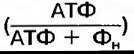
Respiratory quotient — The ratio of the number of moles of CO2 produced during Respiration
to the number of moles of O2 consumed, i.e.

Respiratory Control — the dependence of The rate of mitochondrial O2 consumption on the concentration of ADP, which acts as a phosphate acceptor during Oxidative Phosphorylation.
Respiration — The process of ATP generation in which O2 serves as the final electron acceptor, while electrons are donated by both organic and Inorganic Compounds. In other words, it is a complex of processes ensuring the uptake of oxygen by the organism, its utilization in the Biological Oxidation of organic substances, and the elimination of CO2. A distinction is made between external and tissue (cellular/internal) respiration. External respiration involves the uptake of O2 and release of CO2, whereas internal respiration refers to the utilization of O2 in biological oxidation.
E
Exergonic — occurring with the release of energy.
Exon — a region of DNA that is transcribed into mRNA and translated into a protein. Exons are characteristic of eukaryotes.
Ecosystem — a large system of interacting organisms and their physical environment.
Ecotype — a group of organisms of a given species adapted to local environmental conditions and genetically distinct from other ecotypes of the same species.
Gene Expression — the Selection/27.html">Realization of Genetic information encoded in The nucleotide sequence of a DNA molecule; it consists of two main stages: Transcription and Translation.
Electron — an elementary particle with a negative charge equal in magnitude to the positive charge of a proton, and a mass 1837 times smaller than the latter. Electrons Orbit the atomic nucleus and determine The chemical properties of the atom.
Unit membrane — a trilaminar membrane consisting (as viewed under a microscope) of two dark layers separated by a single light layer.
Endergonic — requiring an input of external energy for the reaction to proceed.
Endodermis — a layer of cells surrounding the vascular cylinder in roots and certain stems. The radial and transverse walls of endodermal cells bear Casparian strips. In seed plants, the endodermis is the innermost layer of the primary cortex.
Endoplasmic reticulum — a three-dimensional membrane system that compartmentalizes the cytoplasm of eukaryotic cells into spaces and channels; regions studded with large numbers of Ribosomes are called rough endoplasmic reticulum, while those with few or no ribosomes are referred to smooth endoplasmic reticulum.
Epidermis — the primary outer layer of cells in leaves, young stems, and roots.
Epicotyl — the upper portion of the embryo or seedling axis located above the cotyledons and below the first leaves.
Ethylene — a simple hydrocarbon with the formula H2C=CH2. A plant hormone involved in fruit ripening.
Etiolation. — a set of morphological changes observed in plants grown in darkness or under very low light intensity: stem elongation, poor leaf development, and loss of chlorophyll.
Etioplast — a type of plastid that develops in plants grown in the dark and contains a prolamellar body.
Eukaryotes — organisms whose cells possess a nucleus, membrane-bound Organelles, and chromosomes consisting of DNA and proteins. Eukaryotes include four kingdoms: plants, animals, Fungi, and protists.
Pasteur Effect — the inhibition of glycolysis by respiration, discovered by Louis Pasteur while studying Yeast fermentation. Under aerobic conditions, carbohydrate consumption is 7 times lower than under anaerobic conditions. The Pasteur effect is explained by the inhibition of Phosphofructokinase by citrate and ATP.
J
Life cycle — the complete sequence of GROWTH AND DEVELOPMENT phases of an organism from a zygote to the formation of Gametes.
Vein — a vascular bundle, part of the "framework" consisting of supportive and conducting tissues in leaves and other flat organs.
Fats — substances composed of glycerol and three fatty acid molecules. The ratio of oxygen to carbon in fats is significantly lower than in carbohydrates. Liquid fats are called oils.
Z
Phloem loading — the process of active secretion of certain substances (primarily sugars) into sieve tubes.
Guard cells — a pair of specialized epidermal cells surrounding the stomatal pore. Changes in the turgor of guard cells lead to the opening or closing of this pore.
Zeatin — a plant hormone; a natural cytokinin isolated from corn.
I
Isomers — substances that have the same atomic composition but differ in structure, for example, glucose and fructose.
Isomorphic — identical in form.
Isotonic — having the same osmotic concentration.
Isotopes — forms of a chemical element that differ from one another in the number of neutrons in the atomic nucleus, but not in their chemical properties.
Feedback inhibition — a regulation of processes in an organism whereby an increase in the concentration of a substance inhibits its further synthesis.
Indole-3-acetic acid — a natural auxin, a plant hormone.
Initial: 1) a cell that remains permanently within the meristem and, as a result of division, forms new cells of the plant body; 2) a meristematic cell that differentiates into a mature, more specialized cell. Intercalary — a term defining meristematic tissue or growth that is not concentrated at the apex of an organ, such as growth in the node region.
Intron — a region of DNA that is transcribed into the portion of mRNA which is subsequently excised by enzymes in eukaryotes prior to translation.
K
Callus — a mass of undifferentiated cells formed upon plant injury; develops during cultivation on artificial media from a single cell.
Calorie — The amount of heat energy required to raise the Temperature of 1 g of water from 14.5 to 15.5 °C (1 kcal=1000 cal).
Calvin cycle — a series of photosynthetic enzymatic reactions in which Carbon dioxide is reduced to 3-phosphoglyceraldehyde and the CO2 acceptor ribulose-1,5-bisphosphate is regenerated. For every 6 molecules of CO2 entering the cycle, two molecules of glyceraldehyde-3-phosphate are produced.
Carotenoids — a Class of fat-soluble pigments that includes yellow, red, or orange carotenes and yellow xanthophylls; found in plant Chloroplasts and chromoplasts; they perform the function of accessory 376
pigments in photosynthesis.
Catabolism — the set of metabolic reactions that break down complex molecules with the release of energy.
Cation — a positively charged ion.
Quantum — the elementary unit of light energy.
Quantosomes — granules on the inner surface of a chloroplast lamella; they are thought to participate in the light reactions of photosynthesis.
cDNA (complementary DNA) — DNA synthesized by Reverse Transcriptase using an RNA template.
Kinetin — a purine that probably does not occur naturally; acts similarly to plant Cytokinins.
Companion cell — a specialized parenchymal cell in the phloem of angiosperms that is connected to a sieve-tube member and arises from the same mother cell during development.
Cell wall — a rigid outer covering of plant cells, some protists, and most bacteria.
Cell division — the division of a cell and its components into two approximately equal parts.
Cell sap — the liquid content of vacuoles.
Clone — a population of cells or individuals derived from a single cell or individual through asexual reproduction.
Cloning — The production of cell lines or cultures in which all members share a specific DNA sequence. A key Procedure in Introduction/32.html">Genetic Engineering.
Covalent bond — a chemical bond between atoms formed by sharing a pair of electrons.
Codon — a sequence of three adjacent nucleotides in a DNA or mRNA molecule that codes for a single amino acid or a polypeptide chain termination signal.
Coleoptile — a protective sheath covering the apical meristem and leaf primordia in the grass embryo; often considered the first true leaf.
Collenchyma — a supporting tissue composed of collenchyma cells. Typically found in the primary growth zones of stems and certain leaves.
Colchicine — an alkaloid found in certain members of the lily family; binds to the microtubule protein tubulin and causes microtubules to disassemble.
Concentration gradient — The change in the concentration of a substance per unit of distance.
Cortex — an informal term for all tissues located outside the cambium in a woody stem.
Root — generally, the descending axial organ of a plant, typically located underground. It functions to anchor the plant and absorb and transport water and minerals.
RhIZome — a more or less horizontal underground stem.
Root pressure — the pressure developed in the roots through osmosis. It drives water guttation on leaves and causes exudation from cut stems.
Root cap — a cup-shaped structure of cells that covers and protects the root tip.
Root hairs — tubular outgrowths of root epidermal cells.
Short-day plants — plants that require a light period shorter than a certain critical threshold to flower. They typically flower in autumn.
Cotransport — a transport mechanism in which the movement of one substance across a membrane depends on the simultaneous or sequential transport of a second substance.
Cofactor — one or more non-protein components required for an enzymatic reaction to proceed; many Cofactors are Metal Ions, while others are referred to as Coenzymes.
Coenzyme — a non-protein organic molecule that plays an auxiliary role in enzymatic processes, frequently acting as an electron donor or acceptor.
Coenzyme Vitamins — vitamins that are incorporated into The structure of coenzymes.
Kranz anatomy — a wreath-like arrangement of mesophyll cells surrounding a layer of large bundle-sheath cells, resulting in the vascular bundle being encircled by two concentric layers of cells. It is characteristic of Plants with C4 metabolism.
Krebs cycle — a sequence of reactions in which pyruvic acid is oxidized to yield hydrogen atoms, electrons, and carbon dioxide. The electrons are subsequently transferred through a system of electron-transporting molecules and the oxidative phosphorylation chain, culminating in the final stages of oxidation.
Cristae — infoldings of The inner mitochondrial membrane that house the Electron Transport Chain involved in ATP synthesis.
Starch — an insoluble polysaccharide and the primary storage nutrient in plants, consisting of more than 1,000 glucose monomers.
Xerophyte — a plant adapted to living in arid habitats.
Xylem — a vascular tissue responsible for the primary transport of water and mineral nutrients in plants, characterized by the presence of tracheary elements.
Cell culture — the cultivation of individual cells or small cell clusters on solid media or in suspension within a liquid medium.
Tissue culture — a technique for growing living plant or animal tissues in a specialized medium after isolating them from the organism.
Cuticle — a waxy or fatty layer on the outer wall of epidermal cells, composed of cutin or wax.
Cutin — a hydrophobic plant-derived substance that is deposited on the outer surface of the epidermal cells of leaves, young shoots, and fruits in the form of a cuticle.
L
Lamella — a layer of cell membranes that typically contain chlorophyll and participate in the process of photosynthesis.
Lateral Meristems — meristems from which secondary tissues, specifically the cambium and phellogen, develop.
Leucoplasts — colorless Plastids that commonly serve as centers for starch formation.
Lectins — plant proteins that agglutinate mammalian cells by binding to carbohydrate components on the cell surface, serving protective functions.
Lignin — one of the most important components of secondary cell walls in vascular plants (although not all of them contain it).
Lysis — the process of cell breakdown or destruction.
Lysosome — a single-membrane-bound organelle containing hydrolytic enzymes. These enzymes are released upon organelle disruption and participate in the Hydrolysis of Proteins and other macromolecules.
Lipids — fat-like substances that are constituents of all living cells and play a vital role in their structural Organization and metabolism.
Leaf blade — the expanded, flat part of a leaf.
Locus — the specific physical site on a chromosome occupied by a given gene.
M
Macromolecule — a molecule with a very high molecular mass.
Macrofibril — a structure formed by microfibrils, visible under a light microscope.
Macronutrients — inorganic chemical elements required in large quantities for plant growth, such as nitrogen, potassium, calcium, phosphorus, magnesium, and sulfur.
Marginal meristem — a meristem located at the edge of a leaf primordium that forms the leaf blade.
Template — a pattern or model according to which a complementary "reverse" copy is generated. This term is commonly used when describing DNA duplication or transcription.
Messenger RNA — a class of RNA molecules that carry genetic information from a gene to the ribosomes, where it is translated into a protein.
Mesophyll — the ground tissue (parenchyma) of a leaf situated between the epidermal layers; its cells typically contain chloroplasts.
Mesophyte — a plant that requires adequately moist soil and a relatively humid atmosphere for normal development.
Meiosis — two consecutive nuclear divisions in which the chromosome number is reduced from diploid to haploid, resulting in the formation of gametes or spores.
Meristem — undifferentiated plant tissue from which new cells develop.
Metabolism — the totality of all chemical processes that occur within a living cell or organism.
Crassulacean Acid Metabolism — a variant of C4 metabolism. It involves the fixation of CO2 by phosphoenolpyruvate at night to form C4 compounds, followed by the release of the bound CO2 during the day into The Calvin Cycle via ribulose bisphosphate. Characteristic of most succulents, particularly cacti.
Metaxylem — the part of the primary xylem that differentiates after the protoxylem, reaching maturity after the plant part in which it is located ceases to elongate.
Internode — the section of a stem between adjacent nodes.
Mycorrhiza — a symbiotic association between certain fungi and plant roots, characteristic of most vascular plant species.
Microtubules — narrow (approximately 25 nm in diameter), elongated, non-membrane-bound tubular structures found in eukaryotic cells. They ensure chromosome movement during cell division and form the Internal Structure of Cilia and flagella.
Microfibrils — thread-like components of cell walls composed of Cellulose molecules, visible only under an electron microscope.
Microfilaments — long filaments 5–7 nm in thickness, composed of Actin, which are thought to be involved in cytoplasmic streaming.
Micronutrients — inorganic chemical elements required by plants in very small or trace amounts: iron, chlorine, copper, manganese, zinc, molybdenum, and boron.
Mitosis — a process in which duplicated chromosomes separate longitudinally, after which the daughter chromosomes move apart to form two genetically identical nuclei, typically culminating in cytokinesis.
Mitochondrion — a double-membrane-bound organelle of eukaryotic cells containing the Enzymes of the Krebs cycle and The electron transport chain, serving as the primary source of ATP in non-photosynthetic cells.
Molecular mass — the relative mass of a molecule expressed in units equal to 1/12 the mass of the most abundant carbon isotope; the sum of the relative atomic masses of the atoms constituting the molecule.
Morphogenesis — the realization of the genetic program for organismal development.
N
Nastic Movements — Plant Movements in response to specific stimuli, where the direction of movement is independent of the direction of the stimulus.
Day-neutral plants — plants that flower regardless of the length of the daylight period.
Nectaries — glands in angiosperms that secrete nectar, a sugary fluid serving to attract insects to the plant.
Non-cyclic electron flow — a light-induced flow of electrons from water to НАДФ during photosynthetic oxygen evolution; associated with Photosystems I and II.
Nicotinamide adenine dinucleotide (NAD) — a coenzyme that acts as an electron acceptor in many oxidative respiration reactions.
Nicotinamide adenine dinucleotide phosphate (НАДФ) — a coenzyme that acts as an electron acceptor in many reductive biosynthetic reactions. Structurally differs from NAD only by the presence of an additional phosphate group.
Nitrification — The oxidation of ammonium ions or ammonia to nitrates. Carried out by specific free-living soil bacteria.
Nitrogenase — a complex enzyme capable of reducing atmospheric nitrogen to ammonium ions in the presence of ATP.
Nucleic acid — an organic acid composed of linked nucleotide residues. Two Types of Nucleic acids are known: deoxyribonucleic acid (DNA) and ribonucleic acid (RNA). 378
Nucleoplasm — the ground substance of The Nucleus.
Nucleotide — an individual structural building block of a nucleic acid, consisting of a phosphate group, a five-carbon sugar (ribose or deoxyribose), and a purine or pyrimidine base.
O
Bundle sheath — a layer or multiple layers of cells surrounding a vascular bundle in the leaf mesophyll. It may consist of parenchyma cells, sclerenchyma cells, or both. The bundle sheath has a specialized structure in plants with С4-metabolism.
Obligate anaerobe — an organism that exhibits metabolic activity only in the absence of oxygen.
Monocots — one of the two Major Classes of angiosperms. Characterized by the presence of a single cotyledon in the embryos.
Monoecious — plants in which stamens and pistils develop in separate flowers on the same organism. Biological oxidation — a process catalyzed by enzymes and respiratory pigments involving The transfer of electrons or hydrogen atoms from donors (reducing agents) to acceptors (oxidizing agents).
Oxidative phosphorylation — the synthesis of ATP from ADP and inorganic phosphate. It takes place in the Mitochondrial Electron Transport chain.
Ontogeny — The life cycle or individual development of an organism or its parts.
Operator — a nucleotide sequence recognized by the repressor protein. It is involved in the Regulation of Gene activity.
Operon — a cluster of adjacent genes transcribed together as a single unit into one mRNA molecule. Operons are common in bacteria, but rare in eukaryotes.
Prop roots — adventitious roots that emerge from the stem above the soil level and help anchor the plant. They are common in many monocots, such as corn.
Organ — a structure composed of different tissues, such as a root, stem, leaf, or parts of a flower.
Organelle — a specialized subcellular structure.
Organism — a unicellular or multicellular living entity.
Osmosis — the Diffusion of Water or another solvent through a semipermeable membrane. In the absence of other factors, water movement during osmosis occurs from a region of higher water potential to a region of lower water potential.
Osmotic potential — the change in Free energy or chemical potential of water caused by dissolved solutes. It has a negative value.
Osmotic pressure — the potential pressure that can be developed by a solution separated from pure water by a semipermeable membrane. An indicator of solution concentration.
Ground meristem — a primary meristem from which the fundamental tissues develop.
Ground plasm — the least differentiated part of the cytoplasm surrounding the nucleus and organelles, as observed under an electron microscope.
P
Shoot — the above-ground part of a vascular plant, comprising stems, leaves, and buds.
Axil — the upper angle between a shoot or leaf and the stem from which it grows.
Palisade parenchyma — a leaf tissue consisting of cylindrical parenchymal cells containing chloroplasts and oriented with their long axes perpendicular to the leaf surface.
Parasite — an organism that lives on or inside an organism of another species and obtains nutrients from it.
Parenchyma — a tissue consisting of parenchymal cells.
Parthenocarpy — The Development of fruit without Fertilization. Such fruits typically contain no seeds.
Passive transport — the movement of dissolved substances across a membrane down a concentration or electrochemical gradient via simple or Facilitated Diffusion, requiring no Energy Expenditure.
Pathogen — an organism that causes disease.
Pectin — a complex organic compound that is a component of the intercellular substance and primary cell walls;
Pentose Phosphate Pathway — a pathway of glucose-6-phosphate oxidation resulting in the formation of pentose phosphates.
Peptide — two or more amino acids linked by peptide bonds.
Peptide bond — a bond formed between the carboxyl (-COOH) group of one Amino Acid and the amino group (-N-H2) of another with the release of a water molecule.
Primary cortex — a region of ground tissue in a stem or root, bounded externally by the epidermis and internally by The Vascular System. Formed by primary tissue.
Primary meristem — protoderm, procambium, and ground meristem, which develop from the apical meristem.
Primary wall — the wall layer formed during the period of cell growth.
Primary tissues — tissues that develop from the apical and primary meristems of the stem and root. In contrast, secondary tissues develop from the cambium. Primary growth results in an increase in plant length.
Primary root — the first root of a plant, which develops from the embryonic root (radicle). In gymnosperms and dicots, it becomes the taproot.
Primary growth — plant growth resulting from The activity of the apical meristem of the stem and root.
Transfer cell — a specialized parenchymal cell with wall invaginations that increase the surface area of The Plasma Membrane.
Periderm — an outer protective tissue consisting of cork (phellem), cork cambium (phellogen), and phelloderm, which replaces the epidermis as it breaks down during Secondary Growth.
Pericycle — a tissue bounded externally by the endodermis and internally by the phloem. Characteristic of roots.
Permease — a transport protein involved in the movement of substances across The cell membrane without undergoing irreversible changes.
Peroxisome — a microbody that plays a crucial role in glycolic acid metabolism associated with photosynthesis and is involved in Photorespiration.
Pigment — a substance that absorbs light (typically in a selective manner).
Pollen tube — a tubular structure through which male gametes reach the ovule; formed following the germination of a pollen grain.
Pollen — the aggregate of pollen grains.
Anther — the pollen-bearing part of the stamen.
Plasma membrane — the outer boundary of the protoplast, adjacent to the cell wall; composed of a single unit membrane. Also referred to as the cell membrane or ectoplast.
Plasmid — a relatively small DNA fragment that can exist independently in the bacterial cytoplasm, integrate into the chromosome, and replicate along with it. Plasmids account for about 5% of the DNA in many bacteria; they are rare in eukaryotes.
Plasmodesmata — microscopic cytoplasmic strands that pass through pores in cell walls, connecting the living protoplasts of adjacent cells.
Plasmolysis — the detachment of the protoplast from the cell wall resulting from the osmotic loss of water.
Plastid — a cellular organelle found in certain eukaryotes, responsible for the synthesis and storage of organic compounds; bounded by a double membrane.
Coupled reactions — interdependent reactions in which one process releases energy while the other consumes it.
Angiosperms — a group of plants producing seeds enclosed within an Ovary (fruit).
Field capacity — the amount of moisture retained in the soil against the force of gravity.
Facilitated diffusion — The transport of a dissolved substance down its concentration gradient mediated by a carrier molecule.
Polymer — a large molecule composed of many identical or similar molecular subunits (monomers).
Polynucleotide — a single-stranded DNA or RNA molecule.
Polypeptide — a molecule less complex than a protein, consisting of amino acids linked together by peptide bonds.
Polyploidy — the presence of chromosome sets exceeding the diploid number (e.g., tetraploidy and octoploidy correspond to 4 and 8 sets, respectively).
Polysome — a cluster of ribosomes simultaneously translating the same mRNA molecule.
Polar molecule — a molecule possessing positive and negative charges at opposite ends.
Pit — a depression in a cell wall where no secondary wall material is deposited.
Casparian strip — a band-like thickening of the primary cell wall containing suberin and lignin, located along the radial and transverse walls of endodermal cells in roots.
Vascular system — the collective Vascular Tissues of a plant or plant organ.
Vascular bundle — a strand of conducting tissues comprising primary xylem, phloem, and procambium (if still persistent). Often surrounded by a parenchymatous and/or fiber sheath.
Procambium — the primary meristem from which primary vascular tissues develop.
Prokaryotes — bacteria. Cells lacking a membrane-bound nucleus and organelles.
Prolamellar body — a semicrystalline structure found in plastids whose development has been arrested due to the absence of light.
Promoter — a specific nucleotide sequence on a chromosome to which RNA polymerase must attach for gene transcription to begin and mRNA to be formed.
Proplastid — a small, self-replicating body within the cytoplasm from which a plastid develops.
Passage cells — endodermal root cells that retain thin walls, whereas other endodermal cells develop thick secondary walls with Casparian strips.
Germination — the initiation or resumption of growth and development in a spore, seed, bud, or other structure.
Seedling — a young sporophyte that develops from a germinating seed.
Prosthetic group — a metal ion or inorganic group bound to an enzyme that functions as its Active Site.
Protease — an enzyme that breaks down proteins by hydrolyzing peptide bonds.
Protoderm — the primary meristem from which the epidermis develops.
Protoxylem — the early primary xylem that differentiates during the elongation of the plant part in which it is located.
Proton — an elementary particle that is a fundamental component of all atomic nuclei, having a positive charge equal in magnitude to that of an electron and a mass of 1.
Protoplasm — cytoplasm excluding organelles.
Protoplast — in plants, a cell without a cell wall.
Processing — the series of reactions that convert primary transcription and translation products into functional molecules.
Purine bases — organic heterocyclic compounds that are components of nucleotides, DNA, RNA, and many coenzymes, the most common being adenine and guanine.
Fascicular cambium — cambium that originates within a vascular bundle.
R
Radioautograph — an image produced on a sensitive photographic film by radiation from a radioactive substance.
Radioisotope — an unstable isotope of an element that decays spontaneously, emitting radioactivity.
Regulator — a gene that suppresses the activity of a structural gene in an operon.
Recombinant DNA — DNA fragments from two different species joined together into a single molecule in a laboratory Setting.
Recombination — the formation of a new combination of genes.
Replication — the production of an exact copy, typically referring to the duplication of a DNA molecule or the formation of
than of a sister chromatid.
Repression — the suppression of gene activity, most commonly through the blockage of transcription,
Repressor — a protein that regulates DNA Transcription by blocking the binding of RNA polymerase to the promoter, thereby preventing transcription.
Restriction enzymes (Restriction Endonucleases) — enzymes that "cut" DNA molecules at specific, well-defined nucleotide sequences.
Restriction mapping — The Study of DNA Structure by identifying cleavage sites for restriction enzymes.
Fluid-mosaic model — a model of Membrane Structure proposing that the membrane consists of a lipid bilayer with embedded protein globules.
Ribonucleic acid — a nucleic acid synthesized on a chromosomal DNA template that plays a key role in Protein Synthesis. It is a polymer chain composed of a phosphate group, a five-carbon sugar (ribose), purines, and pyrimidines. In many Viruses, it serves as the genetic material.
Ribosome — a small cellular particle composed of Protein and RNA; the site of protein synthesis.
Rhizobia — root-nodule bacteria.
Rhizoids: 1 — root-like branched outgrowths of fungi and Algae that serve for the absorption of water and nutrients; 2 — root-like structures of the free-living gametophyte in liverworts, mosses, and certain vascular plants.
mRNA — messenger RNA, which serves as a template for Protein Synthesis on Ribosomes.
rRNA — ribosomal RNA — a Structural and functional component of ribosomes essential for maintaining their integrity and operation.
tRNA — Transfer RNA — a class of RNA molecules involved in protein synthesis. A tRNA molecule contains a specific amino acid attachment site and an anticodon complementary to a codon on mRNA.
RNA polymerases — enzymes that catalyze the synthesis of RNA (mRNA, tRNA, rRNA, and other classes of RNA) using a DNA template.
C
Light-dependent reactions — reactions of photosynthesis that require light to proceed and cannot occur in the dark.
Middle lamella — a layer of intercellular substance rich in pectic compounds that bind together the primary walls of adjacent cells.
Cotyledon — an embryonic leaf. In monocots, it functions to absorb nutrients, while in dicots, it serves as a storage organ.
Sap: 1 — the fluid contents of xylem or sieve elements of the phloem; 2 — cell sap — the fluid contents of vacuoles.
Symbiosis — the close functional relationship between two or more organisms of different species. It takes the form of parasitism if the relationship is harmful to one of the organisms, or mutualism if the relationship is beneficial to all participants.
Symplast — the network of interconnected protoplasts and their plasmodesmata. The movement of substances through the symplast is called symplastic transport.
Symport — the cotransport of a substance in the same direction as another molecule, facilitated by a carrier protein.
Sieve cell — an elongated, slender sieve element with relatively unspecialized areas at the tapered ends, the walls of which lack sieve plates. Characteristic of the phloem of gymnosperms and lower vascular plants.
Sieve plate — the part of the wall of a sieve tube element featuring one or more highly differentiated sieve areas.
Sieve tube — a series of end-to-end connected sieve tube elements with sieve plates between them.
Scarification — the scratching or softening of the seed coat to accelerate germination.
Sclerenchyma — a mechanical tissue composed of sclerenchymatous cells, specifically sclereids and fibers.
Resin ducts — tubular intercellular cavities lined with epithelial cells that secrete and are filled with resin.
Somatic cells — all cells of the body excluding gametes and the cells from which gametes develop.
Action spectrum — the spectrum of light wavelengths that drives a specific photochemical reaction.
Specialized cell — a cell adapted to perform a specific function.
Specificity — uniqueness; the property of belonging to a strictly defined organism or process.
Dormancy — the suspension of growth in a whole plant, its buds, or seeds until a specific environmental stimulus is received, such as cold exposure and a corresponding photoperiod.
Statoliths — gravity receptors; starch grains and other cytoplasmic inclusions.
Stele — the central cylinder; the complex of vascular and mechanical Tissues of the stem and root of vascular plants, surrounded by the cortex.
Taproot — the primary root of a plant that develops as a direct continuation of the embryonic radicle; it appears as a massive, cone-shaped main root from which smaller lateral roots branch off.
Stolon — a horizontal stem growing parallel to the soil surface; sometimes producing adventitious roots, such as strawberry runners.
Stratification — the process of keeping seeds at a low temperature for an extended period prior to germination.
Stroma — the colorless fluid matrix of a plastid.
Суберин — ...
Suberin — a fatty substance deposited in the cell walls of cork tissue and in the Casparian strips of the endodermis.
Substrate: 1 — the surface or medium on which an organism lives or is attached; 2 — the substance upon which an enzyme acts.
Substrate-level phosphorylation — the formation of ATP from ADP and inorganic phosphate during glycolysis.
Vessels — tubular elements of the xylem consisting of elongated cells joined end-to-end and connected by perforations. The function of vessels is to conduct water and minerals throughout the plant body.
Succulent — a plant with fleshy, water-storing stems or leaves.
Inflorescence — a cluster of flowers on a specialized shoot.
Sphaerosomes — single spherical structures in the cytoplasm of plant cells, composed mainly of lipids and bounded by a single membrane. They are thought to be centers of lipid synthesis and storage.
T
Light-Independent Reactions — light-independent enzymatic reactions in photosynthetic cells associated with the formation of glucose from CO2 utilizing ATP and NADPH.
Thermodynamics — the science of energy exchange that treats heat as the most convenient form of energy measurement. The First Law of thermodynamics states that in any process, the total energy of the universe remains constant. According to the second law of thermodynamics, Entropy—a measure of disorder—tends to increase.
Wall pressure — the pressure exerted by the cell wall, equal in magnitude and opposite in direction to the turgor pressure of the protoplast.
Thylakoid — a membrane-bound saclike structure found within the chloroplasts of eukaryotic organisms. It contains chlorophyll. Within chloroplasts, thylakoids stack to form grana.
Thymine — a pyrimidine base that is a constituent of DNA but is absent in RNA.
Stamen — the pollen-producing reproductive organ of a flower, typically consisting of an anther and a filament. Collectively, stamens form the androecium.
Tissue — an ensemble of similar cells that form a structural and functional unit.
Tonoplast — the cytoplasmic membrane that surrounds the vacuole of a plant cell.
Totipotency — the ability of a tissue or cell to differentiate into any structure of a mature organism.
Transcription — the enzymatic synthesis of an RNA molecule complementary to a single DNA strand.
Translocation: 1 — the long-distance transport of water, mineral salts, and nutrients within plants; 2 — the exchange of chromosome segments between nonhomologous chromosomes.
Translation — the synthesis of proteins from amino acids on ribosomes, directed by the genetic information encoded in mRNA.
Transpiration — the evaporation of water from plants, occurring primarily through the Stomata.
Transport proteins — specialized Membrane Proteins that facilitate the movement of solutes across Biological Membranes.
Transformation — the transfer of a DNA molecule from one organism to another.
Tracheary elements — a collective term for the water-conducting cells of vascular plants, specifically vessel elements and tracheids.
Tracheid — an elongated, thick-walled, tapered water-conducting and supporting cell in the xylem, featuring pitted cell walls. Unlike vessel elements, tracheids lack perforations. They are present in almost all vascular plants.
Triose — a monosaccharide containing three carbon atoms.
Trichome — a Hair-like outgrowth of the epidermis.
Tropism — a directional growth response to an external stimulus, where the direction of movement is typically determined by the direction of the stimulus.
Turgor pressure — the hydrostatic pressure inside a cell resulting from the uptake of water.
U
Uniport — the transport of a single solute across a membrane by a specific transport protein.
Uracil — a pyrimidine base found in RNA but not in DNA.
F
P-protein — phloem protein; a proteinaceous substance found in phloem cells of angiosperms, particularly abundant in sieve-tube elements.
Phenotype — the observable physical or Biochemical characteristics of an organism, resulting from the interaction between its genotype and the environment.
Ferredoxins — iron-sulfur proteins involved in electron transfer processes, including photosynthesis.
Physiologically acidic salts — salts in which the plant utilizes the cation much more actively than the anion, for example, (NH4)2SO4.
Physiologically alkaline salts — those in which, conversely, the cation is utilized almost negligibly while the anion is absorbed quite actively (NaNO3).
Phycobilins — a group of water-soluble accessory pigments found in red algae and cyanobacteria; includes phycocyanins and phycoerythrins.
Carbon fixation — the conversion of CO2 into organic compounds during photosynthesis.
Phytohemoglobin — a hemoprotein responsible for the red coloration of nitrogen-fixing root nodules in legumes; similar to Hemoglobin, phytohemoglobin reversibly binds O2 and regulates the concentration of free O2 within the cell.
Phytochrome — a phycobilin-like pigment located in the cytoplasm of plants and certain green algae. It is a red and far-red light photoreceptor involved in the photoperiodic regulation of flowering, dormancy, leaf development, and seed germination.
Flavoprotein — a dehydrogenase containing a flavin group and often a metal, playing a vital role in oxidation processes.
Florigen — a plant hormone that stimulates flowering.
Phloem — the vascular plant tissue that conducts organic solutes, consisting of sieve elements, various parenchymal cells, fibers, and sclereids.
Phosphates — compounds formed from phosphoric acid by the replacement of one or more hydrogen atoms.
Phospholipids — phosphorylated lipids; structurally similar to fats, but differing in that one of the three Fatty acids bound to glycerol is replaced by a phosphorus-containing molecule. They are a crucial component of cell membranes.
Phosphorylation — a reaction in which a phosphate group is added to any compound, such as the formation of ATP from ADP and inorganic phosphate.
Photorespiration — the light-dependent production of glycolic acid in chloroplasts, followed by its oxidation in Peroxisomes.
Photolysis (of water) — the light-dependent splitting of water molecules, which takes place in Photosystem II during the light reactions of photosynthesis.
Photoperiodism — a biological response to the relative lengths of day and night that enables organisms to measure seasons.
Photosynthesis — the conversion of light energy into chemical energy; the synthesis of carbohydrates from carbon dioxide in the presence of chlorophyll using light energy.
Photosystem — a discrete organizational unit within chloroplast thylakoids consisting of chlorophyll and other pigment molecules involved in the light reactions of photosynthesis.
Phototropism — growth, turning, or bending in response to a directional light source.
Photophosphorylation — the synthesis of ATP in chloroplasts during photosynthesis.
X
Chemiosmotic Coupling — the linking of ATP synthesis to electron transport across a membrane driven by an H+ electrochemical gradient.
Chemoautotrophs — bacteria capable of synthesizing essential organic nutrients using energy released from specific inorganic Chemical Reactions.
Hill reaction — the evolution of oxygen and photoreduction of an artificial electron acceptor by isolated chloroplasts in the absence of carbon dioxide.
Chemical potential — the Free energy of a substance, which depends on the average molecular velocity and concentration.
Chlorosis — the complete loss or deficiency of chlorophyll.
Chloroplast — a chlorophyll-containing plastid in which photosynthesis takes place. Found in plants and algae.
Chlorophyll — a green pigment found in plant cells; a light-energy receptor during photosynthesis. Also present in algae and photosynthetic bacteria.
Cold acclimation — the acquired ability of plants, developed under The Influence of cold, to survive extremely low temperatures and the dehydrating effects of winter weather.
Chromatin — a complex of DNA and proteins that stains readily and forms eukaryotic chromosomes.
Chromoplast — a plastid containing pigments other than chlorophyll, typically yellow or orange carotenoids.
Chromosome — a nuclear structure containing genes. Eukaryotic chromosomes are clearly visible only during mitosis or meiosis in the form of chromatin threads or rods. Bacterial chromosomes are circular DNA molecules.
C
Cellulase — an enzyme that hydrolyzes cellulose.
Cellulose — an insoluble polysaccharide formed by microfibrils of linearly linked glucose residues; the primary component of the cell walls in plants and certain protists.
Centriole — a cytoplasmic organelle located near the nuclear envelope, structurally identical to a basal body. It divides during Mitosis and Meiosis and participates in spindle formation. Found in most eukaryotes, with the exception of fungi, red algae, and non-flagellated plant cells.
Cyanobacteria — a group of phototrophic prokaryotic organisms (traditionally referred to as blue-green algae).
Cyclic electron flow — a light-induced flow of electrons in chloroplasts that begins and ends in Photosystem I.
Cyclosis — the movement of cytoplasm within a cell.
Circadian rhythms — regular rhythms of growth and activity with a period of approximately 24 hours.
Cistern — a flattened or sac-like region of the endoplasmic reticulum or dictyosome (Golgi body).
Cytosine — a pyrimidine base found in DNA and RNA.
Cytokinins — a class of plant hormones that stimulate cell division and produce several other physiological effects.
Cytoplasm — the fluid substance of a cell, excluding the nucleus.
Cytoskeleton — a flexible intracellular framework composed of microtubules and microfilaments.
Cytochrome — a protein containing a heme group that functions as an electron carrier in respiration and photosynthesis.
SH
Grafting — the joining of two plant organisms in which a part of one (the scion) is inserted into the stem of the other (the rootstock).
Scutellum — the single cotyledon of a cereal embryo, adapted for absorbing nutrients from the endosperm.
N
Nuclear envelope — the double membrane surrounding the Cell Nucleus.
Nucleolus — a small, spherical body within the nucleus of eukaryotic cells. Formed mainly of rRNA transcribed from copies of the corresponding genes; the site of ribosome assembly.
Nucleus: 1 — a Specialized Part of a Eukaryotic Cell separated by a double membrane and containing chromosomes; 2 — the central part of an atom containing protons and neutrons, surrounded by electrons.
Vernalization — the induction of flowering by exposure to cold.
Last update: 07/08/2026
Editorial and Educational Adaptation: This material has been compiled based on the primary/original source text. The project team performed an editorial review, corrected technical inaccuracies, structured sections, and adapted the content for an educational format.
What was processed:
- elimination of formatting defects (OCR errors, structural breaks, corrupted characters);
- editorial organization of content;
- standardization of terminology in accordance with academic sources;
- verification of factual statements against the original source text.
All mentions of the author, publication year, and origin of the primary text have been preserved in accordance with the source.