Antibiotics (Properties, Application, Interaction) - M.P. Cherenko 1999
Patient Care. Specifics of Care for Surgical Patients
A physician in a hospital or clinic is the central figure in executing therapeutic, sanitary, and anti-epidemic processes. The overall standard of medical care and public health within a medical institution's scope of operations depends on the physician's familiarity with all facets of these processes and the Organization OF THE facility's workflow. Therefore, a section on patient care is being introduced into the modern general surgery curriculum for the first time. This will only be effective if the physician thoroughly understands The Significance of patient care within the Treatment system and masters its technology, along with the fundamentals of performing all Procedures and techniques.
The objectives of this section, as well as the practical course on "Patient Care" in general, are:
a) for students—future physicians—to study the functional duties of junior nurses and nurses with specialized secondary or higher medical education;
b) to master the Fundamentals of Medical ethics and deontology to the standards required of personnel who care for patients;
c) to acquire proficiency in patient care techniques and basic therapeutic procedures.
GENERAL PATIENT CARE. PERSONNEL AND THEIR DUTIES. ETHICAL AND DEONTOLOGICAL REQUIREMENTS FOR PERSONNEL
Patient care, nursing, or hypurgy (from Greek hypurgia — to help, to serve) is a comprehensive process comprising measures that ensure the holistic care of the patient, the creation of proper hygienic conditions conducive to an uncomplicated disease course, accelerated recovery, alleviation of suffering, Prevention and timely detection of complications, and the execution of medical prescriptions.
Patient care is an integral component of treatment. Many patients, especially surgical ones, do not recover on their own; they must be nursed back to health. Care is divided into general and special.
General care encompasses the measures required by any patient regardless of The Nature of their disease (pathology), age, sex, etc. General measures include:
a) maintaining hygiene in the room, bed, and furniture, as well as of the patient, their clothing, tableware, toiletries, etc.; b) precise execution of all physician orders (compliance with procedural techniques and medication administration schedules); c) monitoring the disease progression and patient condition, and informing the physician of any changes; d) feeding the patient. The actions of medical personnel related to the Specifics of the underlying disease or injury and their treatment constitute special care.
Patient care is provided by junior nurses (orderlies) without specialized medical education, and nurses with specialized secondary or higher medical education. Junior nurses perform care tasks or elements thereof that do not require specialized medical knowledge, focusing on maintaining the hygiene of the patient's environment, personal hygiene, Nutrition, and so on.
These tasks involve ensuring proper hygiene and sanitation in wards, beds, and linens, maintaining the patient's personal hygiene (washing, bathing, changing clothes, repositioning, and transporting), feeding the patient, assisting patients with physiological Functions, and cleaning and disinfecting restrooms and bedpans.
Although these duties are carried out by individuals without formal medical training, they require appropriate knowledge, skills, and a conscientious attitude. Training for junior nurses is conducted by medically trained nurses. Alongside supervising and directing the work of junior nurses, the latter have a wide range of responsibilities regarding patient care, monitoring, and treatment, meaning they carry out physicians' orders. They dispense and administer medications, including injections, perform numerous therapeutic procedures—such as applying compresses, mustard plasters, and medical cups, performing gastric lavage and enemas—and maintain rigorous observation of the patient, informing physicians of any changes in their condition.
The work of specialized nurses is directly managed by the HEAD nurse of the department.
All individuals involved in patient care must thoroughly understand their duties, their underlying rationale, and their role in the overall treatment process, as well as the timing and Location of therapeutic procedures, while maintaining the proper hygienic and functional state of their workplace.
Patient care requires both The ability to perform various hygienic and therapeutic procedures and a high-moral, honest, and compassionate attitude toward the patient. It must be both highly professional and deontologically sound. A compassionate, humane attitude toward the patient is no less important than professional skill. This truth has been substantiated by centuries of practical medicine as well as by physiological research—particularly that of I.P. Pavlov and his pupils and followers—regarding The Role of the Brain's second signaling system, which is based on the word as the "signal of signals." A patient's psychological state is invariably depressed due to The impact of anatomical and functional disorders on the Central Nervous system, as well as the sudden and often prolonged transition (common in trauma and acute surgical conditions) to an unfamiliar situation caused by illness (removal from the usual environment and daily activities, household inconveniences and restrictions, and frequently even the inability to care for oneself or perform natural bodily functions).
Many patients are distressed by feelings of embarrassment when needing to attend to bodily functions in the presence of staff or neighboring patients, or with their assistance. Therefore, the meticulous fulfillment of duties by nursing staff and orderlies, combined with a benevolent attitude toward the patient, helps mitigate many of the negative psychological impacts caused by the illness.
The entire complex of treatment and care measures must be grounded in the principles of a protective-stimulatory regimen, the laws of physiology, and above all, such fundamental tenets as the traumatic impact of unusual stimuli of various kinds on the Organism, and conversely, the stimulatory effect of stimuli that remain within the physiological range on organ functions, particularly regenerative and reparative processes. Maintaining the physiological parameters of the patient's vital activity—especially their main systems (nervous, cardiovascular, and respiratory)—at an optimal level through therapeutic means creates favorable conditions for recovery.
Fostering a positive, optimistic mindset in the patient and a belief in a favorable disease outcome—which is largely reinforced by good care and a responsive attitude—is an important and honorable duty for the medical staff of hospitals and clinics.
General care comprises the following subsections:
1) environmental hygiene;
2) personnel hygiene and prevention of nosocomial infections;
3) patient personal hygiene;
4) disinfection of patient excretions;
5) linen hygiene;
6) visitor and hand-off hygiene;
7) transport hygiene;
8) nutritional hygiene.
Environmental hygiene is a prerequisite for successful therapeutic measures and their overall effectiveness. The patient's room, its area, heating, lighting, and air quality (ventilation) must strictly comply with established hygienic standards across all parameters. The room should be bright, well-ventilated, and adequately—yet not excessively—heated during the winter months. Windows must be fitted with blinds to protect patients from direct sunlight. Ward floors should feature a linoleum covering, allowing for easy wet cleaning and ensuring the silent movement of staff, especially at night.
Staff hygiene. Personnel caring for patients must first and foremost be health-educated, in good health, and neat in appearance. Each member of the care team must thoroughly understand hygienic rules within The Scope of their functional duties. Without this requirement, a healthcare worker may act as a vector for transmitting infections to the patient—either from an external source, including themselves, or from other patients, which constitutes a nosocomial (hospital-acquired) infection.
Staff undergo systematic health screenings. Individuals who are ill or are bacterial carriers are barred from work until they have fully recovered. Before starting their shifts, nurses and orderlies change into hospital uniforms in designated locker rooms. Staff are strictly prohibited from performing their duties in outdoor shoes or clothing worn outside the hospital. The attire of a nurse or orderly must be neat: clean, ironed scrubs and caps, with Hair completely tucked away under a cap or hat, accompanied by soft, clean shoes. Hand jewelry (rings) and manicures are not permitted. Fingernails must be kept short. A pleasant appearance of the medical staff has a positive psychological effect on patients, fostering an optimistic mood. Staff hygiene is of paramount importance in preventing nosocomial infections. Nurses' adherence to sanitary and aseptic rules during their duties—such as wearing gloves for all procedures that could potentially transmit infection between patients, washing hands after every therapeutic Procedure, avoiding non-invasive and intra-organ instruments for invasive procedures (injections, gastric lavage, enemas, dressings, etc.), and maximizing The Use of single-use instruments, clothing, and devices—represents the most crucial measures in preventing the spread of hospital-acquired infections.
Patient hygiene. Prevention of pressure ulcers. Upon admission to the hospital, patients undergo sanitary Processing. They take a shower in the admission unit before changing into hospital clothing. Severely ill patients are bathed in a tub by the staff. Certain critical patients are only changed into hospital linens (while patients with their own clean underwear are permitted to keep it). Patients with head lice or nits have their hair clipped and washed with a lysol solution. If body lice are detected, the patient's clothing is sent to a disinfection chamber for processing. Clean clothing is either stored in the hospital locker or returned to the patient's family.
In the ward, the patient is provided with a bed and a set of clean bed linens. In the morning after Sleep, ambulatory patients wash themselves in a specialized washroom, while bedridden patients are assisted by junior nurses: patients who can sit up in bed have Water poured over their hands from a pitcher to wash themselves and brush their Teeth, whereas bedridden patients only have their faces and hands wiped with a dampened towel or wipe.
Particular attention must be paid to the Oral Cavity, nasal passages, and eyes, especially in severely ill post-operative patients. The oral cavity is rinsed with a 1% potassium permanganate or sodium bicarbonate solution, while nurses wipe the teeth and Gums of critically ill patients using a gauze-cotton swab. The eyes are washed with a cotton-gauze swab moistened with boiled water or an isotonic sodium chloride solution; if bacterial Conjunctivitis is present, sulfonamide solutions or ointments (e.g., 20–30% sodium sulfacetamide) or Antibiotics are instilled into the conjunctival sac.
Ambulatory patients shave themselves, while bedridden patients are shaved by a barber observing all infection-control precautions. For ambulatory patients, washrooms (separate for men and women) are equipped to facilitate washing after defecation as well as morning and evening perineal hygiene.
Bedridden patients are given perineal care by junior nurses. To do this, a bedpan is placed under the patient's buttocks (over an oilcloth spread on the bed); the nurse uses one hand to pour warm water from a pitcher—or preferably an Esmarch mug—over the patient's Perineum, while using the other hand, holding a swab on a sponge forceps, to wash the perianal Skin and labia. The procedure concludes by drying the skin with a clean wipe.
In addition to cleansing the skin of contaminants, the skin of severely ill patients over bony prominences—such as the sacrum, shoulder blades, spine, and heels—is rubbed with camphor alcohol (or 60% ethanol). This practice, along with frequently turning the patient in bed, smoothing out the bedsheets beneath them (preventing wrinkles), and other measures, is vital for preventing pressure ulcers.
Patient undergarments and bed linens are replaced weekly, and patients are given a bath. Linens soiled with wound drainage or other bodily fluids are changed as needed. Patients must always lie on clean, dry linens.
To prevent pressure ulcers in severely ill or elderly patients, as well as those with Diabetes Mellitus, rubber rings should be placed under the sacrum, and cotton-gauze or foam pads under the heels, alongside frequent repositioning to alter body posture.
In recent years, specialized multi-compartment air mattresses and other pressure-relieving devices have been widely adopted for pressure ulcer prevention. In patients with obesity, intertrigo, dermatitis, and skin infections must be prevented by wiping the groin folds, abdominal folds, and inframammary folds with 56–70% ethanol, dusting these areas with talcum powder or tooth powder, or—if dermatitis appears—applying zinc oxide ointment or Lassar's paste.
The patient's position in bed must be physiological, ensuring the maximum relaxation of all Muscle groups. This limits the body's Energy Expenditure and promotes optimal functioning of all Organs and systems. The supine position with the head slightly elevated and legs extended meets these requirements. Patients should not cross their legs, as this promotes The Development of lower extremity venous thrombosis.
However, the specific Nature of the disease and the patient's condition often require adopting a non-standard physiological position (to alleviate symptoms and prevent complications). For instance, patients with Peritonitis are placed in Fowler's position: the head is significantly elevated and the knees are bent (bolsters are placed under the knees to prevent the patient from sliding downward). This position causes intra-abdominal exudate to flow from the upper Abdominal cavity into the lower pelvic cavity, where the Peritoneum absorbs it to a lesser extent than the diaphragmatic peritoneum. Furthermore, pus accumulation in the pelvis is easier to diagnose and treat.
In certain conditions accompanied by prolonged nausea and vomiting, particularly post-anesthesia, patients are placed supine with the head slightly turned to the side. Patients with Hemorrhage and post-hemorrhagic anemia should also remain in a horizontal position (without elevating the head of the bed). Such a posture facilitates Blood (oxygen) flow to the brain and Heart. Conversely, patients with respiratory failure assume a semi-sitting position (orthopnea). Patients recovering from oropharyngeal and neck surgeries also rest with an elevated head.
Patient hygiene can only be maintained at an adequate level if proper hygiene is upheld for the bed, bedding, linens, clothing, care accessories, and transport equipment—in short, everything surrounding the patient. Patient beds are wiped daily with clean, damp cloths and periodically disinfected with a 3% chloramine solution or lysol. Gurneys and stretchers must be clean and, if contaminated with bodily fluids, properly disinfected. Before patient transport, gurneys or stretchers are covered with a clean, dry sheet. During transit, the patient is also covered with a clean sheet or blanket.
Changing the undergarments and bed linens of a severely ill patient is an important and technically complex task, usually performed by junior nurses. Undergarments, such as a hospital gown, are changed on a bedridden patient as follows: first, the gown is gathered at the back and then at the front up to the level of the shoulder blades and armpits. Next, the patient's head is raised, the gown is pulled over the head, freed from the torso, and finally slipped off the arms one by one. If the gown is loose-fitting, once the torso is elevated, it can be removed from each arm separately before being guided over the head.
The gown is put on by first pulling it over the head onto the neck, then pulling the sleeves over the arms one by one, and lowering it down the torso by pulling the bottom hem while simultaneously lifting the patient's upper body. This is done either by a second nurse or by the same nurse using her free hand (Fig. 7).
Changing soiled trousers begins by pulling them down from the torso to the thighs. They are removed first from the healthy leg and then carefully from the affected leg. Clean trousers are put on the affected leg first, followed by the healthy one.
To change bed linens, the patient is first turned onto their side, and the sheet on the freed half of the bed is rolled into a tight cylinder (from the edge of the bed toward the patient). A clean sheet, rolled halfway into a cylinder against the patient's back, is then laid in place of the soiled one. The patient is turned onto their back onto the clean half of the sheet; the soiled sheet roll is carefully pulled out from beneath the patient, and the clean sheet roll (previously brought to the other side of the bed) is unrolled into its place (Fig. 8). For patients whose condition contraindicates turning them onto their side (strict bed rest), the soiled sheet is carefully withdrawn while the clean one is slid underneath—a procedure that requires the participation of at least two nurses.
Bedridden patient hygiene also entails providing specialized vessels for the timely execution of physiological functions—defecation and urination. Retaining bodily wastes has an extremely negative impact on the patient's physical state, primarily affecting the nervous and cardiovascular systems, as well as their mental well-being.
A bedpan is provided upon request for defecation, and a urinal for urination. The latter is typically stored clean under the patient's bed so they can use it independently (or on a separate bedside table for critically ill patients), covered with a clean wipe. Bedpans are stored in a disinfected state in specialized cabinets or on shelves in the washroom.
Junior nurses assisting patients with defecation or urination must wear appropriate protective gear: a waterproof apron made of oilcloth or polyethylene, along with rubber or plastic gloves. They place a waterproof sheet beneath the patient's sacrum and buttocks (during bowel movements) before positioning a bedpan on top of it. Waterproof protective pads are not required under the patient during urination.
Class="center">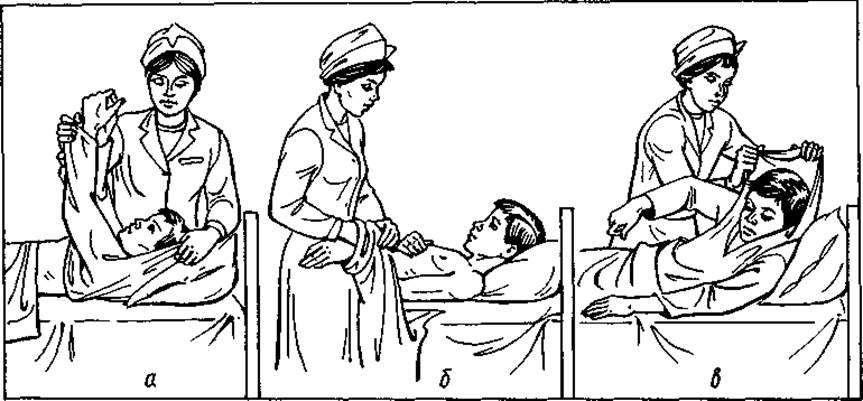
Fig. 7. Changing a patient's hospital gown: a — removing a soiled gown; b, c — putting on a clean gown
Once the patient has finished, the nurse immediately removes the bedpan or urinal, covers it with an oilcloth, and takes it to the restroom. There, the contents are either emptied directly into the toilet, kept for medical inspection, or disinfected. After a bowel movement, the same nurse performs perineal hygiene, wipes the skin around the anal area, and then removes the waterproof sheet from beneath the patient.
If a patient fails to have a natural bowel movement, a cleansing enema is administered by a nurse. Following the enema, defecation is managed under the same Sanitary and hygienic conditions as a natural one.
Patients—particularly elderly men—frequently experience urinary retention following abdominal surgery. If a patient feels the urge to void but is unable to do so for more than 6 h, a catheter must be inserted into the Urinary Bladder to drain the urine. However, this procedure must be prescribed by a physician. Nevertheless, upon a patient's request and provided there are no urethral obstructions, a ward nurse may occasionally use a soft catheter to drain the urine, strictly adhering to aseptic protocols.
When assisting patients with bowel movements and urination, junior nurses use disposable oilcloths, aprons, and gloves, which are discarded immediately afterward.
It should be emphasized that while the majority of procedures ensuring patient hygiene and the cleanliness of beds and linens are performed by junior nursing staff (who do not possess specialized medical degrees), their work must be carried out under the direct supervision and active involvement of professionally trained nurses.
An essential role in maintaining high standards of care is played by trained nurses educating junior staff, treating them and physicians with mutual respect, and ensuring their well-being. Patient Transportation and Transit Hygiene. Severely ill patients, as well as those unable to move independently, are transferred from the hospital admission ward to their wards using stretcher carts or transport wheelchairs, respectively. Stretcher carts for bedridden patients must feature a thin mattress with a plastic or oilcloth cover, which must be wiped down with a 3 % chloramine solution after every use.
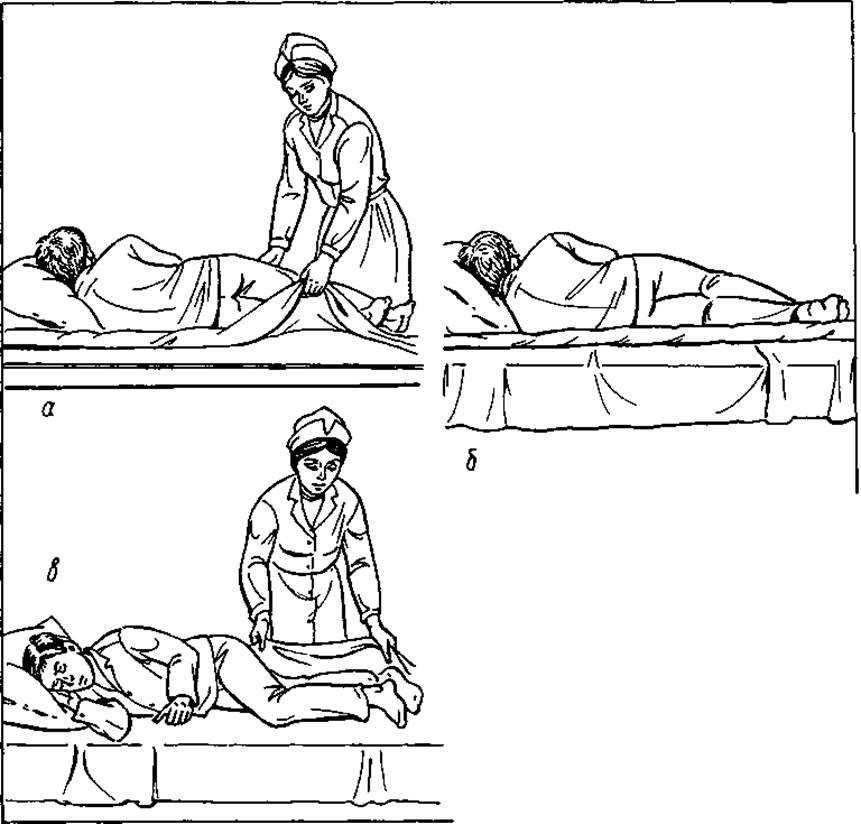
Fig. 8. Changing bed linen (a, b, c)
Prior to transporting a patient on a stretcher cart, the mattress is covered with a clean sheet, the patient is covered with another sheet (in summer) or a blanket (in winter), and they are wheeled to the ward. This falls under the duties of the junior nursing staff.
Patients who are unable to walk but do not require a lying position are transported in a wheelchair, which must also be clean, covered with a fresh sheet, and provided with a covering for the patient.
If a stretcher cart for bedridden patients is unavailable or cannot be used due to the patient's specific medical condition, transport is carried out using a stretcher.
Patients are transported to and from the operating room on surgical ward stretchers. High hygienic standards apply to these vehicles: they must be clean, stored in a designated area within the department, and made up with clean linen or the patient's own bedding from the ward.
Transferring a critically ill patient from a bed to an operating table (or vice versa) requires two to three people. If three staff members are involved, the procedure is performed as follows: one places their hands beneath the head, the second beneath the back, and the third Supports the legs. If two people are performing the transfer, they both stand on the same side of the patient—one sliding their hands underneath the head and chest, and the other beneath the pelvis and legs. The location of any pathological focus (such as a lesion or wound) on the patient's body must be taken into account when positioning hands.
Particular care and caution must be exercised when transferring and transporting unconscious patients (those in comatose states, under anesthesia, etc.), as sudden changes in position can lead to obstructed airways (asphyxia) or cervical spine trauma resulting in paralysis of the phrenic nerve center, which in turn causes asphyxia.
Nutrition and Feeding of Patients. Alongside specialized medical interventions, proper nutrition is a crucial therapeutic measure and a prerequisite for effective treatment. Illness invariably disrupts METABOLISM, specifically by accelerating catabolic processes (tissue breakdown) while suppressing anabolic and regenerative processes.
Shifting the metabolic balance toward breakdown and depletion reduces the functional capacity of the body's Cells, organs, and Tissues—including defense mechanisms—and causes harmful intermediate and residual Metabolic waste products to accumulate. This creates unfavorable conditions for overcoming illness and recovering. Consequently, the energy expenditure caused by the disease must be compensated for by any available means. There are two primary pathways. The main approach for the majority of patients is the natural, enteral route (ingestion of nutrients via the Mouth and gastrointestinal tract). The second route is extracorporeal, or parenteral, whereby nutritional and energy substrates are delivered directly into the vascular bloodstream intravenously, bypassing the gut. This latter method is a fallback option. It is employed when a patient cannot eat due to a severe condition or when enteral nutrition is contraindicated by the nature of the disease or surgery (as it may cause complications—for instance, during the initial days following esophageal, gastric, or intestinal surgery). In some cases, such feeding is ineffective, such as in the presence of high external intestinal fistulas.
Furthermore, due to impaired bodily functions—including Digestion—many patients experience such high energy expenditure and poor appetite that even when enteral nutrition is feasible, it remains insufficient to bridge the nutritional deficit. In such instances, supplementary parenteral nutrition is prescribed.
Parenteral nutrition is administered by nurses under the direct prescription and strict supervision of a physician.
Ward nurses also manage a specialized form of enteral nutrition known as tube feeding. This involves delivering liquid nutritional formulas—such as broths, milk, or egg-and-milk glucose mixtures—through a tube passed into The Stomach or even the Small Intestine. It is prescribed for patients whose gastrointestinal tracts function normally, but whose ability to eat is obstructed by Pathology of the Esophagus, stomach, or duodenum (such as esophageal strictures or Burns, gastric ulcers with stenosis, or duodenal and jejunal fistulas), as well as for critically ill patients (those who are unconscious, etc.).
Natural, or enteral (oral), nutrition is provided by junior nursing staff in accordance with the physician's dietary prescriptions. Ambulatory patients dine in the hospital canteens. Ambulatory patients must be strictly prohibited from eating in their wards, as this leads to food debris accumulation, the proliferation of cockroaches and other pests, breaches of sanitary and aseptic regimens, and ultimately food poisoning and intestinal infections, especially during the summer months.
Bedridden patients are fed with the assistance of junior and ward nurses. To facilitate this process, an extra pillow is placed under the patient's head or the head of the bed is elevated. An oilcloth covering the chest is tucked beneath the patient's chin. The nurse sits beside the patient, places a plate or plates with food on a nearby surface (typically the bedside table), and feeds the patient using a spoon if the food has a relatively thick consistency (such as thick soup, borscht, or porridge), or a feeding cup if the food is liquid (broth, milk soup, fruit kissel, compote, or kefir).
When feeding critically ill patients, those with trismus, or Epilepsy patients, a rubber tubing should be fitted onto the spout of the feeding cup and inserted directly into the oral cavity.
Food should be palatable, energy-dense, and easily digestible. Tableware (plates, spoons, forks, drinking spouts, cups, etc.) must be impeccably clean (washed) and dry, and in certain cases, disinfected. Meals must always conclude with fluid intake and mouth rinsing, followed by tidying up the bed, bedside table, floor, and surrounding area.
Disinfection of patient excretions and related receptacles. Excretions from patients free of infectious Disorders of the gastrointestinal or urinary tracts do not require special disinfection. Only receptacles intended for the waste of bedridden patients are decontaminated. Bedpans, urinals, and sputum mugs are thoroughly washed with hot water and rinsed with a disinfectant solution: 3–5% chloramine, 5% carbolic acid, lysol, or 20% bleaching powder.
However, surgical wards frequently accommodate patients with various contagious enteric infections (typhoid fever, dysentery, foodborne toxic infections, etc.), as well as respiratory and Urinary Tract infections (such as tuberculosis). These admissions typically result from diagnostic errors—mistaking these conditions for acute surgical emergencies—or the development of complications requiring prompt surgical intervention (intestinal perforation, non-perforated peritonitis, hemorrhage, intestinal obstruction, exacerbation of concurrent surgical conditions, etc.).
For such patients in surgical wards, conditions identical to those in infectious disease units must be established (they should be isolated from other patients and provided with dedicated tableware for both meals and bodily wastes).
The attending staff must maintain strict discipline, wear separate gowns, masks, and rubber gloves, and adhere to rigorous sanitary protocols. Following every contact with the patient, the nurse must disinfect her hands (using a 2% chloramine solution, 0.02% chlorhexidine, or 70% ethyl alcohol) and then wash them thoroughly with soap.
Bed linens and personal clothing used by patients are soaked in disinfectant solutions (10% bleaching powder solution), laundered, and disinfected separately from the linens of non-infected patients. Tableware is likewise pre-soaked in disinfectant solutions (1–2% chloramine solution), after which it is meticulously washed with hot water and dried.
Feces and urine are disinfected with a 10% solution of bleaching powder or 5% carbolic acid (or lysol) for 3 hours before being discharged into the sewage system. Bedpans and urinals are rinsed in a 3% lysol solution or a 10–20% bleaching powder solution, rinsed with water, and then stored with a small amount of chloramine until subsequent use.
Patients with active Pulmonary Tuberculosis must be provided with two sputum mugs, cover their mouths with a handkerchief or gauze napkin when coughing, and use individual tableware and towels.
A tuberculosis patient's sputum mug is filled to 1/3 of its capacity with chloramine (5% solution) or to 1/2 with a 10% bleaching powder solution. Once filled with sputum, the contents are thoroughly mixed, allowed to settle for an hour, and discharged into the sewage system. The empty mug is then thoroughly washed with hot water, boiled for 15 minutes in a 2% sodium bicarbonate solution, and refilled with a 5% chloramine solution or 10–20% bleaching powder before use.
Patients suffering from Influenza, acute Bronchitis, or acute respiratory viral infections (ARVI) are also isolated from non-infected patients and provided with gauze face masks covering the MOUTH AND Nose. Medical personnel must also wear masks while on duty.
Following a patient's discharge from the surgical department (upon recovery) or the correction of a misdiagnosis, terminal disinfection of the ward, bed, tableware, linens, and care items is carried out. This is primarily performed by Sanitary and epidemiological station personnel. In addition, routine preventative disinfection (cleaning of bathrooms, restrooms, and wards) using disinfectants is conducted within the departments.
In modern hospitals, particularly large clinical centers, single-use tableware and instruments (polymer and plastic items) are increasingly utilized, which greatly facilitates patient care and prevents the spread of nosocomial infections.
Care for critically and terminally ill patients. Critically ill patients require intensive nursing care, necessitating the near-constant presence of both junior and professional nursing staff. Such patients are predominantly treated in intensive care units (ICUs) and resuscitation wards.
In departments lacking such units, critically and terminally ill patients should be isolated in a separate room or, at the very least, screened off from others.
The isolation of such patients must be handled tactfully, framed in terms of medical indications to avoid inducing psychological depression. The efforts of physicians and support staff must not slacken until a favorable turning point in the patient's condition is achieved or death occurs. It is essential to remember that many patients, particularly surgical cases, may present in a severe, agonized, or clinically dead state resulting from Shock—predominantly hemorrhagic, traumatic, or septic. With appropriate intensive treatment and nursing care, these conditions can be reversible, leading to the patient's recovery.
The ward housing a critically ill patient should be warm yet not overheated, quiet, well-ventilated, and adequately lit (unless the light causes irritation or is contraindicated, as in tetanus).
The nurse must constantly ensure that such patients lie on dry linens, remain covered with a sheet or blanket to prevent hypothermia, and have their Lips moistened. In the absence of contraindications, fluids (water, juice, etc.) should be administered using a spoon or a drinking spout. The skin of the back and sacral region should be periodically rubbed with camphor spirit or warm water, and the eyelids and nasal passages cleansed using cotton balls moistened with warm water. Furthermore, the administration of oxygen via a catheter or mask must be continuously monitored.
Medical prescriptions must be carried out precisely and promptly, and any alterations in the patient's condition must be reported to the physician immediately so that therapeutic measures can be adjusted.
The behavior of the support staff must not generate commotion or an atmosphere of hopelessness. On the contrary, their demeanor should be calm, precise, and methodical, fostering an impression of a favorable course and outcome of the illness. Nevertheless, the relatives of critically ill or terminal patients must be informed frankly about the gravity of the situation and permitted to remain with the patient during their final hours or minutes of life.
Observation of the patient and the course of the illness. The ward nurse (just like in a polyclinic office or department) rigorously executes all physician instructions and orders regarding the sanitary and hygienic condition of the premises, patient hygiene, nutrition, adherence to internal hospital (or department) regulations by patients and visitors, patient monitoring, execution of medical procedures, and the safeguarding of medications, equipment, and documentation, notably medical histories. She collects various patient specimens for laboratory analysis, measures body Temperature at the times and frequencies prescribed by the physician, records these readings in the temperature chart and respective logbook, directly observes the patient and qualitative or quantitative changes in their condition, informs the physician accordingly, distributes or administers medications, and performs therapeutic procedures. The nurse participates in medical rounds and records all physician orders in the medication sheets.
Participation in rounds enables her to be fully informed regarding the patient's Diagnosis and the severity of their condition.
Patient monitoring in the hospital is performed by virtually all participants in the therapeutic (including nursing) process under the supervision of a physician. However, the nurse plays a unique role in observation because she remains in direct, constant contact with the patient throughout her shift. Observations focus on pain dynamics (onset or disappearance), Changes in the patient's behavior, mood, skin color, and mucous membranes (cyanosis, pallor, hyperemia, jaundice), fluctuations in body temperature, the character and frequency of respiration (dyspnea, stridor, wheezing), the appearance or alteration of cough, the nature of secretions (sputum, urine color, pathological admixtures—such as blood and pus—in stool, etc.), loss or return of appetite, the presence or absence of dyspeptic and intestinal disorders (noting the character of vomitus in cases of emesis), and the status of bowel movements.
In female patients, the presence or absence of vaginal discharge and menstruation is noted. The nurse reports her observations to the physician or head nurse, who subsequently relays them to the physician.
The nurse must personally distribute all medications to the patients, and the latter must ingest the drugs in her presence. A nurse cannot simply leave medications with a patient without verifying that they have been taken. Therapeutic injections (as well as other medical procedures) must be performed skillfully and painlessly, which requires appropriate equipment—sharp needles of the correct length and gauge for subcutaneous, intramuscular, and intravenous injections, alongside syringes of the required volume.
Sleeping patients should not be awakened to receive medication, except for those whose clinical condition dictates a strict schedule of administration.
Nurses may administer narcotic drugs only with a physician's written authorization and in the appropriate form and quantity (volume). After administration (injection), the empty ampoule (container) must be handed over to the head nurse for record-keeping.
Nurses and other caregivers should address the patient formally using the polite pronoun or by first name and patronymic, avoiding terms like "the male patient" or "the female patient," as well as overly familiar language.
When addressing a patient or answering their questions, staff should turn to face them directly, giving them their full attention rather than responding hastily while standing sideways or with their back turned. Procedures should be performed, and conversations conducted, with a gentle and smiling demeanor. Such an attitude and behavior have a therapeutic effect, sometimes even surpassing the efficacy of medications and medical procedures.
The motto of ancient physicians was that treatment should be not only timely but also pleasant. And this remains true.
PARTICULARITIES OF CARE FOR SURGICAL PATIENTS
A key feature of surgical patient care is that many patients are placed on strict bed rest—albeit usually for a short period—which significantly increases the workload on the nursing staff.
The presence of wounds in the majority of surgical patients (both accidental and postoperative) makes their care complex and demanding in terms of strict adherence to aseptic techniques.
Due to the presence of wounds, the clinical course in surgical patients is potentially and actually more prone to complications such as infection (both wound-specific and systemic), hemorrhage, shock, asphyxia, Pneumonia, gastrointestinal dysfunctions, cardiovascular disorders, nausea, and vomiting.
Because of the acute, dynamic nature of surgical conditions and specific treatment modalities (surgery), nursing care for these patients requires heightened vigilance and responsibility.
Caring for a surgical patient requires the nurse to closely monitor both general indicators of their condition (consciousness, physical and mental activity, mood, presence or absence of pain, skin color, body temperature, pulse rate and quality, respiratory rate and character, blood pressure, dyspeptic disorders, etc.) and local manifestations of the disease and signs of complications (the state of the surgical dressing, presence or absence of strikethrough and the color of wound discharge, pain in the wound area, the condition of the tissues surrounding the wound such as edema or Swelling, as well as the character and color of stool, urine, and sputum).
Patients emerging from anesthesia and surgery require special attention from the nurse. Postoperative anesthesia often prolongs sleep, which can be accompanied by Tongue drop (airway obstruction) and increased salivation, potentially leading to asphyxia.
Furthermore, post-anesthesia patients may experience vomiting. Therefore, such patients should be placed in bed without a pillow and with their head turned to the side to prevent a dropped tongue or vomitus from obstructing the airway and causing asphyxia.
During the recovery period, patients are frequently agitated and often attempt to remove their dressings. Vomiting may also occur and can persist long after the effects of anesthesia wear off, especially with ether.
Consequently, the nurse must remain constantly at the patient's bedside until they have fully recovered from anesthesia.
In most departments, patients who have undergone surgery under anesthesia—particularly intubation anesthesia utilizing muscle relaxants—are monitored and cared for until full recovery in intensive care units and post-anesthesia care units. However, if a patient who underwent surgery under anesthesia (without muscle relaxants) is recovering in a general ward, the ward nurse must continuously observe them and take all necessary measures to prevent anesthetic complications, particularly asphyxia.
For all patients who have undergone abdominal or superficial surgery, the nurse should place a sandbag or an ice pack on the wound for approximately one hour to prevent postoperative wound hematomas resulting from capillary bleeding.
Many patients undergoing or recovering from abdominal surgery are fitted with a nasogastric tube for gastric decompression (or less frequently, into the small intestine for enteral feeding), or an intestinal silicon tube (also placed nasogastric, or less commonly through the anterior abdominal wall directly into the intestine, predominantly the cecum or ileum) for intestinal intubation and drainage of stagnant contents in the management of intestinal obstruction and peritonitis. Additional drains may be placed in the peritoneal cavity, biliary ducts, urinary tract, and subcutaneous tissue.
The nurse must monitor THE POSITION OF these drainage tubes to ensure they are not pulled out by the patient during recovery from anesthesia, or dislodged due to inadequate fixation when transferring the patient to bed, as this can lead to severe complications.
Meticulous care immediately following surgery and during recovery from anesthesia is one of the most critical components of postoperative management.
Due to the high prevalence of alcoholism, surgical patients with this history may develop alcohol withdrawal delirium, commonly known as delirium tremens. This condition is characterized by acute agitation and severe disorientation. Consequently, physicians must identify such patients prior to the onset of psychosis, take this risk into account, and instruct the nursing staff to closely monitor their behavior.
Upon the appearance of early signs of this or any other type of psychosis—such as heightened excitability, irrational thinking, confusion, and hallucinations—the nursing staff must immobilize the patient by securing them to the bed with soft, durable straps and immediately report the situation to the physician to arrange appropriate treatment.
This complication is observed predominantly in young or middle-aged male patients with alcoholism who suffer from acute pancreatitis, trauma, or acute conditions of the stomach and duodenum. Disease-related toxemia further contributes to the development of alcoholic psychosis.
Treatment for this complication must be intensive, incorporating detoxification, sedation, and neuroleptic agents, alongside psychiatric consultation. Inadequate therapy for the psychosis can result in patient death due to cerebral edema.
Unrestrained psychotic patients may throw themselves out of a window or, driven by severe psychomotor agitation, pull themselves free from the bed and flee the ward, resulting in severe complications such as traumatic injuries or wound dehiscence with intestinal Evisceration.
Medical staff, particularly ward nurses, must also exercise caution regarding patients with epilepsy and maintain an overtly polite and respectful demeanor when communicating with them. Since idiopathic epilepsy most commonly manifests at night (although seizures can occur during the day or at any time), monitoring of such patients must be intensified during these periods.
Operations on various PARTS OF THE body and organs, due to their functional characteristics, also affect the nature of patient care, requiring specific approaches that will be discussed later.
BASICS OF SPECIAL PATIENT CARE
Patient care encompasses measures that are an integral part of comprehensive medical treatment. Every patient admitted to a hospital requires specialized attention.
The nature of patient care depends on the type of disease, its severity, concurrent conditions, and the extent of surgery. While some patients require only general care, others need specialized care.
Special care is essential for patients during the pre- and postoperative periods. It is widely and rightly believed that a successful operation accounts for only 50% of the outcome, while the remaining 50% depends on the management of the pre- and postoperative periods.
Previous chapters covered general care for surgical patients. This section will focus on special care.
Monitoring and care of the psyche and nervous system. The very stay in a surgical hospital leaves an imprint on a person's psychological state. When a forthcoming surgery is added to this, it inevitably creates a stressful situation. Patients face a whole range of questions and concerns. Is the surgery really necessary? How will it go? Will there be complications in the postoperative period? All of this typically impacts a person's health, especially their mental and nervous state. It has long been observed that the somatic condition of a patient depends on their psychological well-being. Hippocrates wrote: “An evident and great proof of the existence of the art will be when someone, having provided the correct treatment, does not cease to encourage the patients so that they do not worry excessively and try to hasten recovery.” The significance of psychological factors in medical treatment was constantly emphasized in the works of medical classics such as H. Zakharyin, V. Manasein, V. Bekhterev, and many others.
With proper psychological preparation, patients who initially refused surgery can sometimes be observed willingly consenting to it. Psychological preparation helps reduce the fear of surgical intervention and calms The Nervous System.
Monitoring the patient's psychological state in the pre- and postoperative periods is closely linked to medical deontology. A physician must study not only the disease but the patient as a person, treat them with deep respect, and care for their prompt recovery.
The strict adherence to deontological principles by medical staff in surgical departments and intensive care units is the key to successful medical work in surgical hospitals, as they concentrate patients with the most severe clinical courses.
Postoperative care for patients with severe traumatic injuries or following complex surgical procedures also requires exceptional resilience and professional courage.
When caring for patients, medical personnel must remember that words are a powerful tool of influence and one must know how to use them effectively. Voltaire said: “The hope of recovery is half the recovery.”
Many patients develop a specific attitude toward Surgical treatment: they trust it, understand the inevitability and necessity of the operation, hope for recovery, and at the same time fear pain, an unfavorable outcome, and complications. Surgeons and all medical staff must always maintain the patients' belief in recovery.
For a physician of any specialty, and even more so for a surgeon, understanding patient psychology in relation to specific somatic pathology is of paramount importance.
The Influence of the psyche on somatic processes is undeniable, just as the impact of somatic processes on the patient's psyche is unquestionable. In the short story “The Death of Ivan Ilyich,” L. Tolstoy describes the illness of Ivan Golovin with the competence of a physician and psychologist, outlining the physical signs of the onset, progression, deepening, and end of the disease. Alongside this, the author depicts the patient's psychological state, sensations, experiences, and thoughts of a doomed person who is fully aware of it. The author demonstrates The Influence of physical suffering on the patient's psyche and, conversely, the impact of their psychological experiences on the course of the disease.
In the same story, he points out the profound effect of patient care on their psychological state.
“Gerasim alone did everything simply, easily, and silently, which comforted Ivan Ilyich... Gerasim brought a chair, set it down without a clatter, instantly lowered it to the floor, and lifted Ivan Ilyich's legs onto the chair. Ivan Ilyich felt that he became easier as Gerasim raised his legs high.”
Elements of psychotherapy are an integral part of a surgeon's practice. They are as essential to a surgeon as knowledge of asepsis or antisepsis.
Along with the psyche, the state of the patient's nervous system is of great importance. Various medications should be used to calm the patient and reduce preoperative anxiety.
Monitoring the nervous system includes observing the following aspects: tracking the patient's consciousness, sleep patterns, sensory or motor functions (pain, convulsions, paralysis), and mood (whether depressed or agitated).
Both in the pre- and postoperative periods, peace of mind and quiet should be ensured for the patient. All physical and psychological stimuli (noise, commotion, loud conversations, shouting) should be eliminated; patients should not read books with distressing plots, watch emotional movies, or receive visitors who might provoke negative emotions.
Ensuring the patient gets sound, restful sleep is one of the key factors promoting rapid recovery. Sleep is a state of inhibition in the Cerebral Cortex resulting from the exhaustion of its cells due to prolonged, monotonous stimulation. Naturally, during a patient's stay in a surgical hospital, such stimuli are abundant. Insomnia makes patients irritable, which negatively affects the course of the disease.
During sleep, wounds heal better, and inflammatory processes are less pronounced. Achieving restorative sleep in postoperative patients is possible through various pharmacological agents (bromine solutions, lytic mixtures, elenium, seduxen, tazepam, meprobamate, eunoctine, radedorm, reladorm, rohypnol, etc.).
During this period, one should not hesitate to use pain-relieving medications (morphine, promedol, norphine, tramal, analgin, etc.).
MONITORING AND CARE OF THE Digestive System
Care of the digestive system involves monitoring all its organs, from the oral cavity down to the lower sections of the intestines.
Particular attention is paid to the tongue, as it is rightfully considered a mirror of the stomach and oral cavity. If plaque appears on the tongue, it should be gently removed using a cotton- or gauze-wrapped applicator or spatula. Patients must systematically rinse their mouths with a disinfectant solution (such as boric acid, rivanol, or weak solutions of hydrogen peroxide or potassium permanganate, using 1—2 crystals per Glass of water). This is done to cleanse the oral cavity of microbes, which are always present there in large numbers.
For patients unable to perform this on their own, the tongue and entire oral cavity must be carefully wiped twice a day using a cotton swab moistened with an antiseptic solution. If the tongue is dry, it should be lubricated with glycerin.
Great care must be taken with patients who experience vomiting due to illness or surgery. In weakened patients who have not yet fully regained consciousness from anesthesia, There is a risk of vomitus entering the Trachea, which can lead to severe complications, notably asphyxiation. When the patient's condition permits, they should be brought to a sitting position,
and if this is not possible, the patient's head should be turned to the left side and lowered slightly. Open the mouth, secure the tongue in an extended position (Fig. 9), and place a towel or a basin under the corner of the mouth to collect the vomitus. Once the vomiting has stopped, the oral cavity is thoroughly dried, and, if the patient's condition allows, they are given the opportunity to rinse their mouth with water.
In the preoperative period involving certain pathological conditions (such as pyloric stenosis resulting from a scarred ulcer) as well as in the postoperative period, there arises a need to empty and lavage the stomach. Gastric lavage is typically performed using a fine polyvinyl chloride nasogastric tube with a funnel or a Janet syringe, utilizing either Hydrochloric acid or sodium bicarbonate solution (depending on the acidity of the gastric juice) until the effluent runs clear. When using a syringe, forceful flushing via the plunger—especially aspirating gastric contents—is strongly discouraged due to the risk of hemorrhage. Lavage should be carried out by gravity using the siphon principle (raising and lowering the funnel or Janet syringe above and below the patient's body level). Before insertion, it is advisable to lubricate the tip of the tube with glycerin. To prevent spilling water on the linens and bed, the patient is covered with an oilcloth before the procedure. Afterward, the wash water is drained into a basin.
Prior to gastrointestinal surgery and throughout the postoperative period, significant attention is paid to the condition of the intestines. Since well-nourished patients tolerate surgery better, care must be taken to ensure that the upper and lower sections of the intestines are empty, while the middle section contains a moderate amount of high-calorie food. On the eve of the surgery, patients are given a cleansing enema. This requires an Esmarch mug or a funnel, along with a tube featuring an ebonite, gutta-percha, or glass tip. The tip is lubricated with petroleum jelly and inserted into the ampulla of the rectum, while 1—1.5 liters of water are poured into the funnel. Following the cleansing enema, the patient should retain the water in the intestines for 10 minutes.
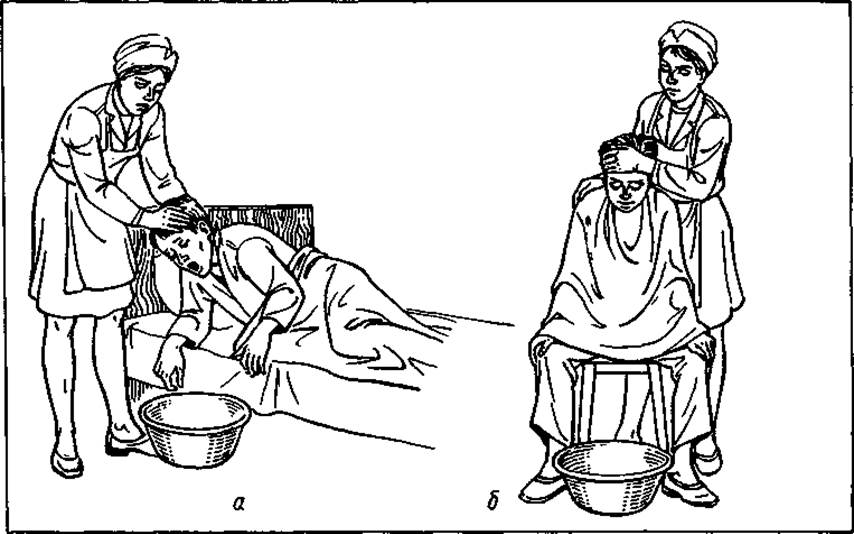
Fig. 9. Patient care during vomiting: a — in the supine position; b — in the sitting position
The Mechanism of a cleansing enema relies on stimulating intestinal peristalsis with fluid, as well as breaking up and diluting solid fecal masses.
In certain cases (such as suspected intestinal obstruction or prior to colon surgery), a siphon enema must be administered. Its technique differs somewhat from that of a cleansing enema. While a cleansing enema is typically given by a nurse, a siphon enema is often administered by a physician (or a nurse in their presence) when intestinal obstruction is suspected to properly assess its effectiveness. The execution method also differs. The procedure requires a thick rubber tube (1—1.5 cm in diameter) without a tip, which is bluntly rounded at the end, along with a funnel, a bucket of water, and a basin. The tube is interrupted in the middle and connected by a glass section (to monitor the passage of feces and gas). The patient's position should be supine with hips flexed, or lying on the left side with knees drawn up toward the abdomen.
The procedure is based on the siphon principle. The surgeon inserts the index finger of the left hand into the rectal ampulla and guides the tube in along the finger with the right hand. The finger serves as a guide to prevent the tubing from kinking within the rectal ampulla.
The tube is inserted to a depth of 30—40 cm. Water is poured into the lowered funnel, and the funnel is then elevated. As the water flows into the intestines, the funnel is refilled. A total of 1—1.5 liters of water is introduced at a time (depending on the patient's well-being). Afterward, the funnel is lowered below the level of the patient's body and tilted slightly to the side to monitor the output of feces and gas. Once the water (along with feces and gas) has drained from the intestines, water is poured into the funnel again—taking care to avoid introducing air—and the funnel is raised. This process is repeated multiple times. Intestinal lavage generally requires 10—15 liters of water.
Upon completion of the procedure, the patient is seated on a toilet or bedpan, depending on their condition.
To stimulate bowel evacuation in cases of atonic constipation, particularly in elderly and senile patients, a hypertonic (saline) enema is prescribed. The fluid introduced into the intestine consists of a 10% sodium chloride solution or a 20—30% magnesium sulfate solution. Using a rubber tip or a Janet syringe, 50—100 ml of fluid is injected into the rectal ampulla. Hypertonic solutions not only irritate the intestinal mucosa, thereby stimulating peristalsis, but also draw tissue fluid into the bowel lumen through osmotic action. Following the injection, the patient is advised to refrain from defecation for 20—30 minutes, after which they are placed on a bedpan or toilet.
Porcelain bedpans are disinfected with a mercuric chloride solution (1:1000), and metal ones with a 3% lysol solution or 3% soap-carbolic solution. After disinfection, they are rinsed with hot water. Bedpans must be warmed before use. The water for enemas should be at a temperature of 35—38 °C. The use of cold water is discouraged, as it can trigger intestinal spasms and delay evacuation.
Special attention is warranted for patients experiencing involuntary stool discharge (fecal incontinence or encopresis). These are typically severely ill or unconscious patients. They should be provided with foods that have an astringent effect. Every morning, the bowels are evacuated using an enema, and a bedpan is placed under the patient frequently throughout the day. It is preferable to use a soft rubber bedpan upon which the patient can lie continuously.
Proper nutrition is vital for the recovery of a surgical patient, a consideration that begins as early as the preoperative period. Whenever possible, nutrition prior to elective surgeries is best delivered orally. When this is not feasible, parenteral administration (most commonly intravenous) is used, or food is delivered via a nasogastric tube, gastrostomy, or enterostomy. Diets are classified as individual or general. Most patients remain on a general diet prior to surgery, while certain individuals (those with Liver, pancreatic, or peptic ulcer diseases, etc.) require
an individualized diet. This is especially indicated for patients following gastrointestinal surgeries. For instance, following an appendectomy and other intra-abdominal procedures, patients are prescribed mucosal soups, heavy cream, fruit jellies (kissels), and crackers starting on the second or third day, followed later by porridges, milk, and similar items.
Following a gastric resection (removal of a portion of the stomach), patients abstain from food for 2 days, after which they are introduced to the aforementioned dishes with a gradually expanding variety.
Following surgery on the small or Large Intestine, patients should not be given foods that enhance peristalsis. Fluids may be consumed in small sips as early as the second postoperative day. Feeding begins on the third day, with a gradual expansion of the diet. Dairy products are completely eliminated from the menu, as they pass very rapidly from the small intestine into the large intestine and induce profuse diarrhea. Sweet foods are recommended because they inhibit intestinal peristalsis and promote the normalization of absorption processes.
Following rectal surgery, it is desirable to suppress bowel movements for several days. To achieve this, patients are administered tincture of opium (7 drops 3 times a day).
Due attention must be paid to the fluid intake regimen, particularly after digestive tract surgery. Even small amounts of fluid can stimulate intestinal motility, which is undesirable following surgeries involving suturing of the gastric or intestinal wall (due to the risk of suture dehiscence). During the first 24 hours, only moistening the lips with a cotton swab is permitted, and drinking water in sips begins on the second day.
For certain surgical patients (such as those who are unconscious or recovering from gastrointestinal surgeries), passive feeding via a nasogastric tube is employed (or via a tube inserted directly into the stoma lumen following stomach or intestinal fistula formation). Liquid, high-calorie mixtures (milk, eggs, honey, mucosal soups, kissel, etc.) are used for this type of nutrition.
If worms are detected in a patient during the preoperative period and the surgery is elective, deworming is performed to prevent postoperative complications.
In cases of significant gas accumulation in the intestines (flatulence), which frequently occurs following abdominal surgery, a rectal tube is used alongside medications that stimulate peristalsis (such as cerucal or proserin). This is a rubber tube measuring 20—25 cm in length. Before insertion, it is lubricated with petroleum jelly. The patient is placed on their left side, the buttocks are separated with gloved hands, and the rectal tube is inserted using circular motions to a depth of 20 cm. Afterward, the patient is turned onto their back, and a bedpan is placed underneath, into which the tube is lowered. It remains in the rectum for 2—3 hours. If necessary, the tube may be reinserted after some time.
When the nature of the surgery permits, a specific diet is prescribed to prevent flatulence, which excludes cabbage, legumes, fresh bread, and limits potatoes, flour-based dishes, and refined CARBOHYDRATES. It is also recommended to take activated charcoal or carbolen, as well as infusions of German chamomile or dill.
Sometimes patients experience hiccups in the postoperative period, which can be very distressing if they recur frequently. This results from irritation of the phrenic nerve. Usually, hiccups do not last long, but occasionally they persist for 2—3 weeks. If hiccups occur, their cause must first be determined. If unrelated to any postoperative complication, several Methods are recommended to stimulate certain reflexogenic zones and stop the hiccups: pressing on the eyeballs, pressing between the heads of the sternocleidomastoid muscle, straining at the peak of maximum inhalation while holding the nose (the Valsalva maneuver), adopting specific body positions, as well as administering antispasmodic and neuroleptic agents.
Patients frequently complain of heartburn (a burning sensation behind the Sternum or in the epigastric region). It typically accompanies disorders of the stomach or duodenum (most commonly associated with hyperacidity). In such cases, patients are advised to take sodium bicarbonate with calcined magnesia.
MONITORING AND CARE OF The Cardiovascular system
Great attention must be paid to the cardiovascular system of surgical patients. This is especially true for pathological states where the workload on The Heart increases (severe intoxication, the postoperative period, Combined Trauma).
Prior to surgery, a thorough examination of the patient is necessary to determine whether cardiovascular pathology constitutes a contraindication for elective surgery. Every patient over the age of 55 should undergo an Electrocardiogram. Patients who have suffered a myocardial infarction should not undergo surgery earlier than 6 months post-infarction due to the risk of a recurrent event. Mild angina pectoris is not a contraindication for surgery; however, severe angina is a contraindication for elective procedures. In cases of arrhythmia, patients are prescribed digitalis preparations or lidocaine prior to surgery. Heart Failure is also a contraindication for elective surgical treatment; such patients are administered cardiac Glycosides and Diuretics before surgery, and infusion therapy should be restricted.
Monitoring of the cardiovascular system involves daily Assessment of the pulse, determination of heart size, heart sounds, murmurs, blood pressure levels, ECG recordings, etc.
During pulse examination, attention is paid to its rate per unit of time, rhythm, pulse wave volume, and tension.
The pulse rate can either increase (tachycardia) or decrease (bradycardia). An elevated body temperature is frequently the cause of a prolonged increase in pulse rate; for every degree of temperature elevation, the pulse quickens by 10 beats per minute. In certain conditions, the pulse rate is extremely rapid (thyrotoxicosis, various intoxications).
Pulse rate is dependent on sympathetic nerve stimulation.
In bradycardia, the pulse rate may drop to 50—40 beats per minute. Bradycardia is observed in brain disorders, jaundice, and disturbances in impulse conduction from the atria to the ventricles (heart disease). Bradycardia is more dangerous than tachycardia.
The most severe manifestation of a cardiac rhythm disorder is ventricular fibrillation. If it persists for 2—3 minutes, the patient may die. During fibrillation, the ventricles do not contract as a single unit, and blood output into the aorta ceases.
Pulse volume depends on The amount of blood ejected by the heart into the vessels during systole and on the performance of the myocardium. When the circulating blood volume decreases (most commonly due to blood loss), the pulse may have a very weak volume (thready pulse).
Pulse rhythm is of vital importance. A normal rhythm indicates proper myocardial function. When this rhythm is disturbed, it is referred to as skipped beats or arrhythmia. Arrhythmia is most often the result of organic damage to the heart muscle or its neural nodes. In surgical patients, this complication is commonly caused by pronounced systemic intoxication.
Blood pressure is measured using a spring manometer. Normally, blood pressure ranges from 120—125/80—85 mm Hg. Elevated blood pressure occurs in Hypertension, in elderly and senile individuals (due to vascular sclerosis), during Hypoxia, and in states of psychic excitation. A drop in blood pressure results from intoxication of various origins, myocardial weakness, blood loss, shock, or collapse.
When monitoring the cardiovascular system, attention must be paid to skin coloration. Cyanosis in surgical patients may occur postoperatively As a result of blood stagnation in skin Veins and capillaries, leading to inadequate pulmonary gas exchange. Mucous membranes and areas of the skin farthest from the heart (the alae nasi, auricles, Cheeks, hands, and feet) become cyanotic first.
During physical examination, attention should be directed to the onset of pain in the cardiac region and behind the sternum. Such pain may vary in character, localization, and radiation. The appearance of this pain, particularly in the postoperative period, may indicate anginal attacks, which can ultimately lead to myocardial infarction.
Advanced medical equipment is utilized to monitor cardiac function: electrocardiographs, pulse tachometers, devices for measuring venous pressure, computers, and cardiac monitors. The latter allow for continuous, long-term tracking of multiple physiological parameters: blood pressure, pulse, ECG, and others. Monitors are used to observe patients during surgery and in the postoperative period, improving the early diagnosis of potential cardiovascular complications.
Various radiological diagnostic methods are also employed to assess cardiac disorders: fluoroscopy and radiography of the chest organs, roentgenokymography (imaging the movements of heart shadow contours during contraction), coronary angiography (detecting changes in coronary vessels upon contrast agent administration), phonocardiography (recording sounds generated during myocardial contraction), polycardiography (simultaneous recording of the ECG, phonocardiography, and carotid pulse volume oscillations), and Ultrasound examination (allowing the determination of myocardial wall thickness, valve status, and the volume of the heart chambers and large vessels).
Cardiovascular disorders frequently arise suddenly and can be fatal. They are fundamentally driven by surgical trauma, blood loss, the Toxic effects of damaged tissues, infection, and emotional stress.
To prevent a range of cardiovascular disorders, complex therapeutic measures are sometimes unnecessary; proper patient care is sufficient. For instance, during an attack of cardiac asthma, simply moving the patient from a horizontal to a vertical position is enough. If cardiac distress is linked to intestinal gas distension and the elevation of the diaphragmatic domes, evacuating the bowels will suffice. Cardiac disturbances in individuals with heightened nervous excitability caused by pain are eliminated by administering analgesics.
Care for patients with cardiovascular disorders involves monitoring diuresis, which is the volume of urine excreted over a 24-hour period. In a healthy person, the volume of urine produced should balance the fluid intake. Diuresis can be positive (the patient excretes more fluid than they consume) or negative (the patient consumes more fluid than they excrete). A decrease in urine output (oliguria) is an unfavorable sign that may indicate various pathologies, including heart failure.
MONITORING AND CARE OF THE Respiratory system
Equal attention must be given to the respiratory system in surgical patients, especially during the pre- and postoperative periods. The primary symptoms of respiratory disorders include shortness of breath (dyspnea), cough, chest pain, and hemoptysis. The normal respiratory rate is 14—20 breaths per minute. It should be counted by placing a hand on the patient's chest. Dyspnea is defined as an alteration in the rate, depth, or rhythm of breathing.
Shortness of breath occurs due to oxygen deficiency in the blood. It can accompany hypoxia of various etiologies (pulmonary diseases, cardiovascular disorders, fever, intoxication, etc.). The respiratory rate during dyspnea may reach 30–50 breaths per minute.
Respiratory disorders may also manifest as asphyxia, which sometimes occurs in the postoperative period. Asphyxia is a sudden attack of severe shortness of breath.
Assisting a patient experiencing asphyxia primarily involves removing any clothing that restricts the chest and upper airways, ensuring an adequate supply of fresh air, providing Oxygen therapy, and placing the patient in a semi-sitting position.
A frequent sign indicating airway impairment is a cough. Its causes may include irritation of the mucous membrane of the Trachea and Bronchi, or pleural lesions.
Coughs can be dry or productive (with sputum). Sputum characteristics vary—mucous, purulent, or blood-tinged—depending on the underlying pathological process. For instance, in Lung Cancer, sputum contains blood streaks resembling raspberry jelly. In Acute lung abscess, it is thick, purulent, and foul-smelling; upon settling, it separates into three layers: lower (thick pus), middle (turbid fluid), and upper (mucopurulent foam). In pulmonary gangrene, sputum has a putrid odor, is watery, grayish-brown, and contains fragments of necrotic lung tissue. The daily volume of sputum produced can range widely, from 50–100 ml to 2000 ml. The character of sputum is crucial for diagnosing pulmonary diseases; therefore, it must be collected in a special closed sputum cup.
In pathological conditions of the respiratory and cardiovascular systems during the preoperative period, the patient must be thoroughly examined, followed by appropriate corrective measures. Spirometry is used to measure forced expiratory volume in 1 s and forced vital capacity. The partial pressures of oxygen and carbon dioxide (PaO2, PaCa2) in arterial and venous blood, as well as the oxygen saturation of arterial and venous blood, are determined (normal values: PaO2 is 12–15 kPa, PaCO2 is 4.4–6.1 kPa, arterial blood oxygen saturation is 80–90 %, venous blood oxygen saturation is 40–50 %), along with acid-base balance parameters.
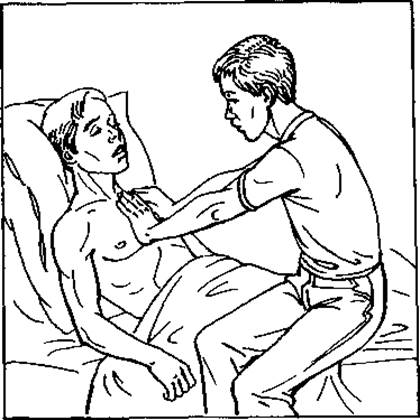
Fig. 10. Assisting the patient during coughing
To correct identified disorders a few days prior to surgery, patients are administered intravenous 40 % glucose solution (20 ml), 10 % ascorbic acid solution (2–3 ml), subcutaneous cardiac medications (camphor, cordiamin), expectorants and antitussives, and bronchodilators. Sometimes (in the presence of greenish, foul-smelling sputum), preoperative antibiotic therapy is indicated. All these measures enhance the body's tone, reduce congestion in the Pulmonary Circulation, and thereby serve as effective prophylaxis against postoperative complications.
In chronic Diseases of the Upper Respiratory Tract (tracheitis, bronchitis) or Lungs (chronic pneumonia, pneumosclerosis, pulmonary emphysema), preoperative preparation of the respiratory system is required. To improve gas exchange, the patient is advised to perform breathing exercises for several days. For certain patients, mustard plasters or medical cupping are indicated one to two days before surgery. Special attention should be paid to smokers. Smoking must be prohibited at least 2–3 weeks prior to surgery.
Before surgery, the patient should be instructed on the "respiratory regimen" for the postoperative period: how to breathe after surgery, perform breathing exercises, expectorate sputum, etc.
Lung ventilation may deteriorate in the postoperative period. Inhalation anesthetics enhance bronchial secretions, reduce the elasticity of lung tissue, and wound pain exacerbates this, especially after thoracic and abdominal surgeries. Sedative agents further impair pulmonary ventilation.
To prevent postoperative pulmonary complications, the patient should be placed in a semi-sitting position as early as the first day after surgery. Great attention must be paid to physical therapy and breathing exercises. For the first few days post-surgery, the patient should periodically breathe humidified oxygen. The Need for oxygen therapy is regulated by the PaO2 value. Mustard plasters, cupping, and inhalations of sodium bicarbonate, hydrocortisone, or euphylline solutions 1–2 times a day are recommended. In some cases, antibiotic therapy is indicated.
Dry cupping and mustard plasters aim to induce skin hyperemia and localized blood pooling. This produces an analgesic, counter-irritant, and resorptive effect.
In the presence of a cough, and when the nature of the surgery permits, the patient should be given warm drinks, preferably milk with baking soda or mixed 1:1 with Borjomi-type mineral water. The patient is warmly covered to prevent hypothermia. If expectoration is difficult, the patient must be assisted (Fig. 10).
It is advisable to clinically examine the chest 1–2 times a day. Some authors recommend daily X-ray examinations for patients with chronic thoracic diseases.
Postoperative care of the respiratory system after thoracic surgery deserves special attention. This is due to altered hemodynamic conditions that arise, particularly following cardiac surgery, as well as compromised respiratory function resulting from chest trauma or lung resection.
The patient must continuously breathe humidified oxygen. If pleural drains are present, their patency must be monitored. Any blood loss through the drains should be promptly compensated.
Starting from the first postoperative day, the patient is encouraged to cough and practice correct, deep breathing. Respiration should be nasal. This promotes bronchial dilation, sputum clearance, and lung ventilation. Sputum remaining in the nasopharynx should be suctioned out.
Following thoracic surgery, the patient experiences pain in the surgical wound area, causing them to limit respiratory excursions, which can lead to postoperative hypostatic pneumonia. To relieve pain, patients should be administered narcotic analgesics frequently and in small doses, and occasionally in larger portions.
Sometimes artificial lung ventilation is indicated for a certain period in the postoperative period. This occurs in cases of dyspnea when PaCO2 drops below 8 kPa in a patient breathing 100 percent oxygen, as well as in the event of failed attempts to clear bronchial secretions.
There should be no dietary restrictions following thoracic surgery. Patients can resume eating as early as the second day (diet No. 1). However, this does not apply to patients who have undergone esophageal surgery, who must fast for 4–5 days and are advised not even to swallow their saliva to avoid infecting the esophageal sutures. Saliva must be suctioned out. Oral feeding should be replaced by intensive parenteral nutrition (intravenous administration of protein hydrolysates, carbohydrates, fat emulsions, and electrolyte solutions).
OBSERVATION AND CARE OF THE Urinary System AND URINATION
The process of Urine Formation and Excretion is called diuresis. A healthy person urinates 4–5 times a day, mostly during daytime. The daily urine output (daily diuresis) ranges from 1 to 1.5 liters. Diuresis decreases when fluid is lost through other pathways (perspiration, rapid breathing, vomiting, diarrhea). Urine output of less than 500 ml per day is termed oliguria, while a reduction to below 50 ml is classified as anuria. Decreased urine output occurs with edema in patients with heart failure. Anuria is observed in shock, severe trauma, intoxications, heavy metal poisoning, and as a result of impaired ureteral outflow due to compression by a tumor or blockage by a Kidney stone. Anuria requires immediate intensive therapy (including hemodialysis using an "artificial kidney" machine) because symptoms of metabolic intoxication rapidly escalate in the body.
Sometimes one encounters a phenomenon known as polyuria, or excessive urine output (up to 20 liters per day). This occurs with excessive fluid intake, and in patients with diabetes mellitus and diabetes insipidus. Painful, difficult, and frequent urination is referred to as dysuric disorders.
To measure daily urine output, graduated glass jars with lids are used. For an accurate assessment of 24-hour diuresis, urine should be collected over a period from a specific hour on one day to the exact same hour on the following day. If necessary, daytime and nighttime diuresis can be measured separately. To evaluate the body's fluid balance, along with measuring diuresis, it is advisable to record the total volume of fluid consumed by the patient during the study period.
To analyze the daily urine volume, a 100–200 ml sample is poured into a bottle after thoroughly mixing the collected urine. Sometimes, separate evening and morning urine samples are used for analysis.
In women, particularly during menstruation, catheterization is used to collect urine and prevent Blood Cells from contaminating the sample.
Ambulatory patients with normal urination do not require special assistance. However, assistance is necessary for bedridden patients and those with voiding disorders.
Bedridden patients are often unaccustomed to urinating in a lying position into standard receptacles. They require specialized urinals designed for horizontal use. For women, this is a bedpan; for men, a urinal flask (a receptacle with a neck for the Penis). These receptacles should be warmed before being offered to the patient.
Patients experiencing urinary retention in the postoperative period require special attention. Following any surgery—especially involving the pelvic organs, rectum, or urinary tract—reflex urinary retention commonly occurs. This is frequently caused by the patient's recumbent position. When the nature of the surgery permits, the patient may be assisted to stand by the bed to urinate in an upright position. Some patients cannot void in the presence of others, even while standing. Once again, provided the patient's condition and the type of surgery allow, they can be transported to the restroom in a wheelchair.
Even when these measures fail, bladder catheterization should not be rushed. It must be remembered that this procedure carries a risk of urinary tract infection. An attempt should be made to use conditioned-reflex stimulation to encourage urination. Sometimes the sound of running water or a heating pad placed on the lower abdomen relieves the reflex spasm of the urinary tract and stimulates urination.
For this purpose, antispasmodic medications are used (0.1% atropine sulfate solution, platyphylline).
Catheterization of the urinary bladder is resorted to only when the aforementioned measures fail to produce the desired effect.
Special catheter tubes are used for this procedure. They can be made from various Materials: rubber, metal, or synthetic fabrics. Nurses typically perform bladder catheterization using a soft catheter. The insertion of metal catheters requires specialized technique and should only be performed by a physician. Inskilled insertion of a metal catheter can damage the Urethra or urinary bladder.
Catheterization is a delicate procedure that requires strict adherence to safety precautions. Failure to follow these guidelines can lead to urinary tract infections and subsequent infectious complications.
In cases of urinary retention and severe bladder overdistension, urine should be released slowly and in portions. This prevents a sudden drop in intravesical pressure and vascular dilation in the bladder wall, which—due to age-related sclerotic changes in elderly patients—could otherwise lead to rupture and hemorrhage.
Sometimes (more commonly in cases of Urinary Incontinence), the catheter must be left in the bladder for an extended period. In such cases, it is secured to the penis or the skin of the thigh using adhesive tape or a heavy silk thread.
Patients with urinary incontinence, most frequently associated with weakness of the bladder sphincter, require meticulous care. Two Types of incontinence may occur: in the first, the patient voids without feeling the urge to urinate (true incontinence); In the second, the patient feels the urge but cannot control the release of urine (urge incontinence/incontinence). Such patients require special care because involuntarily leaking urine dampens bed linen, irritates the skin, and produces an unpleasant odor. Several times a day, the external genitalia, perineum, and gluteal region must be thoroughly cleansed, and linen changed as needed. Ambulatory patients use wearable urinals (rubber or polyethylene) secured to the torso. Occasionally, an indwelling catheter is used. In some cases, bladder irrigation is necessary. This is typically indicated for inflammation or prescribed prophylactically following catheterization. Bladder irrigation is performed via a catheter connected to a polyvinyl chloride tube equipped with a cannula and a stopcock at the end. The other end of the tube is attached to an Esmarch irrigator. An antiseptic solution (such as furacilin or rivanol) is used for irrigation. The bladder is filled with the antiseptic fluid until the patient feels the urge to urinate. The stopcock is then closed, and the tube is disconnected from the catheter, allowing the irrigating fluid to drain out. This procedure is repeated several times.
OBSERVATION AND CARE OF PATIENTS WITH MUSCULOSKELETAL DISORDERS
General surgery wards routinely accommodate several patients with musculoskeletal disorders. Most frequently, these are individuals admitted on an emergency basis with bone fractures or joint dislocations, as well as critically ill patients requiring specialized treatment and meticulous nursing care. The majority of these patients are bedridden, undergoing traction, or immobilized with plaster casts on their extremities.
Care for trauma patients has several distinct features. The nursing staff attending to these patients must understand the dynamics of the pathological process, precisely know which bone is fractured (open vs. closed fracture), assess the vascular and neurological status of the injured limb, check for adequate peripheral circulation, and be aware of the surgical procedure performed and the type of anesthesia used.
Patients with spinal or pelvic fractures are placed on a firm board (usually wooden) placed over the bed springs. The board must be smooth, without cracks or splinters. Before use, the board must be disinfected (scalded with boiling water, sprayed with a disinfectant solution, or dusted with powder). A thin mattress is placed on the board and covered with a sheet, under which an oilcloth is sometimes placed. Because such patients remain immobile for long periods, care must be taken to prevent creases in the sheet, which can exert pressure on the skin.
Bed attachments designed to support the injured limb are frequently used.
For cervical spine fractures, skeletal traction of the head is applied using a special head halter (Glisson's loop) made of heavy fabric or leather. It is secured with buckles and straps around the occiput and chin. A cord is tied to the loop, passed over a pulley, and attached to a weight. The head of the bed is slightly elevated for counter-traction. During meals, the front part of the halter is unfastened so the patient can chew food.
For femoral or tibial shaft fractures, skeletal traction (often combined with adhesive skin traction or glue traction) is commonly used. The limb is placed on a specialized splint with the Hip and knee joints flexed. In skeletal traction, a sterile pin is inserted through the femoral condyles or tibial tuberosity. Adhesive traction utilizes adhesive tape strips applied to the skin in a loop formation, whereas glue traction utilizes strips of soft flannel or flannelette secured to the skin with a special adhesive.
Regardless of the traction method used, continuous monitoring is required for the condition of the traction tapes or dressings, limb alignment, appropriate weight load, bony prominences (to prevent pressure ulcers), and the position of the traction pin.
One of the most common treatment modalities for bone fractures is the application of a plaster cast. Plaster of Paris is used for this purpose; when mixed with water, it forms a paste that hardens within 5–7 minutes. This property is utilized to produce plaster bandages used for limb immobilization.
Prior to applying a plaster cast, bony prominences are protected with cotton padding. It is important to remember that these pads may shift over time and exert pressure on soft tissues, causing pain and eventually pressure ulcers.
In such cases, the plaster cast is sometimes bivalved or slit, and the edges are spread apart until the pain subsides.
Special attention should be paid to patients during the first few hours after the application of a plaster cast, as complications such as compression of blood Vessels and nerves may develop. Neglecting this can lead to paralysis, paresis, and Necrosis of the distal extremities. A tightly applied bandage can cause pressure sores and tissue necrosis, potentially progressing to gangrene. To prevent these complications, one must carefully monitor the patient's Complaints (pain in the limb, a crawling sensation, feeling cold) and observe the distal parts of the limb (the fingers), which must remain exposed. The onset of pain, pallor, and cooling of the fingers, or cyanosis, signals that the plaster cast must be immediately bivalved or cut to relieve the pressure and eliminate the cause of the complication.
The limb encased in a plaster cast should be slightly elevated to prevent congestion. Upper extremities must be supported with slings.
In cases of open fractures and wounds treated with a fenestrated plaster cast, it is essential to monitor body temperature, the appearance of pain in the wound area, and blood counts. If body temperature rises and pain appears by the third or fourth day, wound inspection is required.
Following bone surgery and the subsequent application of a plaster cast, one must ensure that the cast does not become soaked with blood. If the plaster cast compresses the chest and impairs breathing while the patient is lying on their back, a sandbag is placed under the chest level. This elevates the cast, thereby freeing the chest cavity.
Therapeutic exercise plays a vital role in the treatment of traumatic bone injuries. It should be initiated as early as the first few days after THE START OF traction or the application of a plaster cast. Despite the immobilization of the injured bones, patients must contract their Muscles and perform movements in joints, even those fixed by the plaster cast.
Early movements prevent joint stiffness and muscle atrophy after the removal of skeletal traction or a plaster cast. During this period, physical therapy procedures, therapeutic gymnastics, and massage should be prescribed.
MONITORING AND CARE OF ELDERLY AND SENILE PATIENTS
Recent demographic data indicate that the proportion of elderly and senile individuals is increasing in all economically developed countries. Consequently, studying the Pathogenesis, Clinical presentation, treatment, and prevention of diseases in such patients has acquired critical importance. The branch of medicine dedicated to these issues is called gerontology (from geron meaning old man, and logos meaning science).
The course of many diseases in elderly and senile individuals has unique characteristics. It is rare for such patients to present with only a single condition; multiple coexisting illnesses are much more common. For instance, acute appendicitis may be combined with generalized atherosclerosis or hypertension, a bone fracture with cardiac and pulmonary insufficiency, or intestinal disease with diabetes mellitus, among others. All of this worsens the course of the underlying disease and demands the physician's close attention to this patient demographic. Naturally, they require specialized observation and care.
At the same time, this is closely intertwined with deontological aspects. Such patients are extremely reluctant to be hospitalized, often viewing it as their inevitable end. Therefore, it is necessary to tactfully explain to the patient the necessity of inpatient treatment and instill in them faith in a swift recovery.
Elderly and senile patients react differently to being hospitalized. Some withdraw into themselves, communicating poorly with roommates and medical staff, and spend most of the day in bed; others, conversely, lead an overly active lifestyle, disregard hospital routines, and try to convince everyone that they are still full of energy.
In such cases, it is important to tactfully explain to the patient that following the doctor's recommendations is essential, as this will directly impact treatment outcomes.
Some patients refuse examinations and even prescribed medications. Once again, they need to be reassured that these procedures are safe and absolutely necessary.
Elderly and senile patients often suffer from impaired short-term memory. They tend to recall events from the distant past better than recent ones, which frequently leads to them forgetting to follow the doctor's or nurse's instructions.
Older patients in unfamiliar surroundings can sometimes become disoriented, especially at night. Adequate lighting and a gentle, reassuring approach will help calm them.
Many people in this age group are quite talkative. Therefore, medical staff must exercise special patience and endurance to listen to them without making tactless remarks.
Elderly individuals should not be reminded of their age. They must be addressed respectfully, using their full name and patronymic, or by adding polite honorifics.
Due to nocturnal insomnia, this category of patients often becomes restless, disturbing other patients and the medical staff. Therefore, it is crucial to establish an appropriate therapeutic and supportive regimen to ensure restful sleep.
Elderly and senile individuals spend a lot of time bedridden, which can lead to various pulmonary complications and pressure ulcers. The duty of the nursing staff caring for such patients is to frequently change their position, turn them over, rub their backs and bony prominences, massage soft tissues, and apply special creams or petroleum jelly to vulnerable areas of the skin.
Patients who are bedridden for long periods frequently experience constipation due to intestinal atony. Their diet should be easily digestible and gentle. They should be prescribed herbal laxatives, mildly alkaline mineral waters, juices, and compotes that stimulate intestinal peristalsis. Plant-based fats (such as sunflower, corn, or olive oil) should predominate in their diet. Frequent enemas irritate the rectal mucosa and can also lead to dependency.
In the postoperative period, elderly and senile individuals require special attention, as severe complications may develop. These are associated with diminished compensatory mechanisms, Structural and functional changes in the respiratory, cardiovascular, urinary, and endocrine systems, as well as Metabolic Disorders linked to concurrent diseases.
If patients exhibit pronounced atherosclerosis or coronary artery disease, preventive measures must be taken in the postoperative period to guard against thrombosis, embolism, and myocardial infarction.
Age-related changes in the lungs and chest wall—such as decreased lung elasticity, rigidity of the chest wall and pulmonary Blood Vessels—limit ventilation and contribute to hypoxia, to which these patients are highly sensitive.
From the very first hours after surgery, especially if performed under inhalation anesthesia, proper tracheobronchial hygiene must be maintained. Measures should be implemented to prevent obstruction using Various Forms of oxygen therapy and respiratory exercises.
Postoperative urinary disorders occur more frequently in older adults than in younger patients, necessitating timely bladder emptying. Urine output must be monitored, and if oliguria develops, its causes must be addressed immediately.
Areas subject to constant pressure should be treated with camphor spirit or shampoo solutions 4–5 times a day.
Nursing staff must bear in mind that during the postoperative period, the mental state of elderly patients is even more vulnerable than before surgery.
Analgesics should be used with caution, as some of them, notably morphine, suppress the respiratory center. To relieve pain and facilitate expectoration, some authors recommend periodic inhalation of nitrous oxide with oxygen in a 1:3 ratio.
MONITORING AND CARE OF PATIENTS AFTER SURGERY ON THE HEAD, FACE, AND NECK
Surgeries on the head and its soft tissues are performed in general surgical departments. Since such interventions are carried out either for open soft-tissue trauma (wounds) of the head without brain damage or with mild forms of concussion, or for pathological processes and soft-tissue diseases (burns, tumors, and tumor-like formations such as atheromas or dermoid cysts), patient care practically does not differ from that for patients operated on in other parts of the body.
Special attention is paid to the condition of the dressing, whether it is soaked, the color of the fluid moistening it (blood or light pink fluid), and the position of the dressing on the wound. The soft Tissues of the head have a very rich blood supply; therefore, postoperative bleeding occurs more frequently here than after surgeries on the superficial soft tissues of other body regions.
Heavy soaking of the dressing should immediately alert the ward nurse to potential significant bleeding from the wound, and she must inform the surgeon or the resident physician on duty.
In cases of minor bleeding and upon the doctor's decision, the dressing may be replaced with a new one, or additional dressing materials and other auxiliary AIDS can be applied over the old one (such as placing a sandbag, an ice-water bag, or another weight).
Significant bleeding, which may be caused by inadequate mechanical hemostasis or, less frequently, by coagulation disorders, and which may persist for a considerable time despite dressing replacement and conservative measures—especially in patients with potential clotting abnormalities—or the development of a subcutaneous hematoma following hemorrhage, generally requires surgical revision of the wound. This involves returning the patient to the operating room, removing the sutures, stopping the hemorrhage or removing the hematoma, ligating the bleeding vessel, performing thermocoagulation, etc. However, general complications are not the only ones possible after soft-tissue head surgery.
Due to the Anatomical and physiological specifics of head surgeries, patients are more prone to general systemic reactions to trauma and anesthetics, manifesting as dyspeptic symptoms (nausea, vomiting, or dizziness) or so-called orthostatic collapse (a drop in blood pressure and brief fainting upon getting out of bed or standing up).
Patients operated on for head wounds with a history of brain dysfunction may subsequently develop a severe postoperative brain lesion syndrome known as hematoma compression.
This condition is accompanied by such signs as progressively worsening headache, slowed pulse, dilated pupils, and ultimately unconsciousness and convulsions. Therefore, patients operated on for soft-tissue trauma with a potential concussion syndrome require very close monitoring in the postoperative period, careful attention to their complaints, and periodic pulse checks to determine its frequency, with any minor changes in the patient's well-being being promptly reported to the physician.
Neurosurgical interventions on the head, usually performed in specialized neurosurgical units—such as Craniotomy with brain manipulation or exploration of the cranial cavity involving the Meninges—belong to highly complex surgeries with a variety of potential postoperative complications, including cerebral edema, infection (meningitis, meningoencephalitis, brain abscess, Sepsis), traumatic epilepsy, and intracranial or external hemorrhage.
All these complications cause significant disruptions in brain activity and in the mechanisms regulating various bodily systems, particularly respiration, circulation, metabolism, and digestion.
The immediate postoperative period in such patients is very frequently complicated by vomiting, which may have a dual origin: traumatic irritation of the parasympathetic centers in the Medulla Oblongata, or chemical/narcotic effects. Therefore, in intensive care units, such patients are placed on their backs postoperatively with their heads turned to the side (if vomiting begins, the patient is immediately turned onto their side). This prevents aspiration of vomitus and asphyxia. These patients also frequently experience complications such as mental and motor agitation (including seizures and traumatic epilepsy), during which patients may tear off their dressings. Consequently, the medical staff must promptly notice any deviations in the condition of a patient with a head injury or in the postoperative period and inform the physician for immediate appropriate action.
Detailed principles of neurosurgical patient care are outlined in textbooks on neurosurgery.
Care for patients undergoing surgery in the facial region (performed mainly under local or intravenous anesthesia) for tumors, trauma, and inflammatory processes differs very little from the care provided after soft-tissue surgery in other body regions.
However, attention must be paid to traumatic facial tissue edema, which is more pronounced here than in other parts of the body and may manifest as narrowing of the palpebral fissure, up to its complete closure, as well as some restriction of mouth opening.
In such cases, the nurse should wash the eye (its fissure and partially the conjunctival sac) with boiled warm water or a sterile warm isotonic (0.9%) sodium chloride solution using a sterile cotton ball.
Following these surgeries, especially those related to inflammatory processes (lip carbuncle, abscess-forming furuncle), patients should consume only liquid and semi-liquid foods and speak as little as possible.
Surgeries in the Oral Cavity and oropharynx (cleft lip and palate, tumors, cysts, tooth extractions, jaw resection, tonsillectomy, drainage of retropharyngeal and paratonsillar abscesses, etc.) are more complex and hazardous; therefore, patients require more meticulous care, primarily to prevent the aspiration of saliva, blood, and tissue fragments into the respiratory tract, as this may lead to asphyxia, pneumonia, or a lung abscess.
Surgeries for palate defects and malignant tumors of the tongue, Tonsils, jaws, or jaw Osteomyelitis are typically performed under general anesthesia; therefore, in the postoperative period, especially during its first hours, the patient must be closely monitored in the intensive care unit until waking from anesthesia.
Patients should lie flat without a pillow with their head turned to the side to prevent asphyxia caused by the tongue or vomitus. A gauze pad or piece of cotton should be placed under the chin and mouth to collect saliva tinged with blood. Postoperative pain relief must be adequate yet non-respiratory-depressant (opioid-free). Patients should receive oxygen via a nasal catheter.
Suppression of coughing, salivation, and bronchial gland secretion is important for a smooth postoperative course (it provides tranquility, improves breathing, and reduces the risk of aspiration and asphyxia). This is achieved by administering small doses of chlorpromazine and atropine sulfate.
Patients undergoing oral cavity surgery under local anesthesia are placed on their side immediately after the operation, with the head tilted slightly toward the chest (to facilitate passive drainage of saliva and blood). A basin is placed under the chin to collect the draining saliva and blood.
On the second day after surgery, patients who have undergone oral cavity procedures rinse their mouths with a 0.001% potassium permanganate solution and wipe their teeth with a cotton ball moistened with the same solution. Later on, mouth rinsing is permitted using boiled water with sodium bicarbonate (1–2% solution).
Infants who have undergone surgery for cleft palate and lip are fed naturally with breast milk (less commonly) or via a nasogastric tube using expressed breast milk or sterile infant formula.
Adult patients are fed either liquid, sterile food cooled to room temperature, or the same type of food via a nasogastric tube.
Operations on the neck and its organs are performed under either general anesthesia or local anesthesia. Therefore, postoperative care varies slightly depending on the time required for patients to fully recover from anesthesia.
The primary objectives in caring for these patients (regardless of the type of anesthesia) are ensuring a patent airway, identifying and promptly resolving any causes that may lead to asphyxia, and providing patients with an adequate supply of fresh, oxygen-rich air.
Dressings on neck wounds should be glued rather than bandaged (to prevent neck compression). The patient's position following surgery (for those under general anesthesia, once they have fully recovered) should be in bed with the head elevated. The nurse closely monitors the patient's behavior and breathing pattern, the condition of the dressing (for blood saturation) and the tissues surrounding the wound, the color of the skin and labial mucosa, pulse rate, and body temperature.
The most dangerous complications in the early postoperative period are narrowing or compression of the trachea due to laryngospasm, laryngeal nerve paralysis (especially bilateral following thyroidectomy or thyroid resection), edema of the vocal cords, or tracheal compression by a hematoma in the event of bleeding from a closed wound.
All of these complications lead to asphyxia, which can result in the patient's death. Therefore, any changes in the patient's breathing after neck surgery (such as tachypnea, cyanosis, or stridor) must be reported immediately to the physician. The doctor must examine the patient, change the dressing if necessary (especially in cases of significant blood soakage), even perform a wound revision (in the event of a hematoma), prescribe antispasmodic and decongestant medications, provide oxygen therapy, or proceed with tracheal intubation or tracheostomy.
Patients are allowed to drink even on the day of surgery, and to consume liquid and semi-liquid lukewarm food by the second day.
Injury to the superior laryngeal nerve, which may occur during strumectomy and the removal of neck tumors, causes patients to aspirate food into the Larynx, leading to coughing and dyspnea (asphyxia). In the event of this complication, patients should be advised to swallow liquid food in small sips while sitting up with their head tilted downward.
In the case of minor blood soakage of the dressing, it should be changed or additional dressing material applied. (Dressing soakage is observed in almost all such patients, as wounds are typically drained with rubber strips or tubes to prevent hematomas and tracheal compression).
Drains are removed from wounds within 24–48 hours, and sutures are removed early—on days 4–5.
Wound infection in the neck following surgery for non-infectious (non-inflammatory) conditions is rare due to the rich blood supply of the neck tissues and organs.
Following neck surgeries performed for inflammatory processes (Phlegmon) and penetrating injuries, attention must be paid to the patient's general condition, particularly body temperature, pain and its potential spread to the Mediastinum (mediastinitis), as well as the dressing, specifically regarding soakage with blood or saliva. The latter indicates hemorrhage or a penetrating injury to the esophagus.
If an esophageal fistula is present, patients are fed via a nasogastric or gastrostomy tube through which liquid nourishment is administered. The dressing of a patient with an esophageal or tracheal fistula (following laryngectomy or tracheostomy) must be changed frequently, and the skin should be treated with Lassar's paste and corticosteroid-containing ointments to prevent and treat dermatitis and skin maceration.
Tracheostomy (temporary or permanent) is frequently indicated for patients with pathological conditions in the cervical region, primarily tumors of various neck tissues and organs (larynx, Thyroid Gland), Laryngeal stenosis of various etiologies including bilateral inferior laryngeal nerve paralysis, and patients with brain injuries. In such cases, the nurse must ensure that the tracheostomy tube is positioned correctly and periodically clear it of mucus and pus using a catheter aspiration technique.
If the mucus is very thick, it is liquefied by instilling a 3% sodium bicarbonate solution (2–3 ml) or Chymotrypsin into the trachea. The nurse must be proficient in replacing the inner cannula if it becomes obstructed or dislodged from the trachea. If any difficulties arise during this procedure, the nurse must promptly inform the physician.
Last update: 08/08/2026
Editorial and Educational Adaptation: This material has been compiled based on the primary/original source text. The project team performed an editorial review, corrected technical inaccuracies, structured sections, and adapted the content for an educational format.
What was processed:
- elimination of formatting defects (OCR errors, structural breaks, corrupted characters);
- editorial organization of content;
- standardization of terminology in accordance with academic sources;
- verification of factual statements against the original source text.
All mentions of the author, publication year, and origin of the primary text have been preserved in accordance with the source.