MICROBIOLOGY - M.H. Serhiichuk - 2008
Chapter 8. MICROORGANISMS AND THE ENVIRONMENT
THE IMPACT OF ENVIRONMENTAL FACTORS ON MICROORGANISMS
Environmental conditions are of vital importance for the life activity of microorganisms. The factors influencing microbial activity are generally divided into physical, physicochemical, and chemical categories (Fig. 8.1).
Class="center">
Fig. 8.1. Environmental Factors affecting the life activity of microorganisms
Prokaryotes are characterized by The ability to exist across a significantly broader range of environmental fluctuations than eukaryotes. Organisms with a wide range
of adaptability are termed eurybiontic (or eurytopic), whereas those with a narrow range are termed stenobiontic (or stenotopic).
Temperature. The existence of microorganisms is largely determined by ambient temperature. Like all living creatures, they have a specific temperature range bounded by minimum and maximum values. Based on the Effect of temperature, microorganisms are classified into several groups (Table 8.1): psychrophiles (from Greek psychros - cold); mesophiles (from Greek mesos - middle); and thermophiles (from Greek therme - heat).
Table 8.1. Classification of microorganisms based on their temperature response
Microbial group |
Temperature, 0С |
|||
minimum |
optimum |
maximum |
||
Psychrophiles |
obligate |
0 and below |
5-15 |
20-22 |
facultative |
0 |
25-30 |
30-35 |
|
Mesophiles |
10-15 |
30-45 |
35-47 |
|
Thermophiles |
40-45 |
55-75 |
60-105 |
|
Psychrophiles are not rare forms, considering that polar regions occupy only 14% of the Earth's surface. Microorganisms that not only withstand low temperatures but actually prefer them for growth are found in soils across various latitudes, as well as in seas and oceans where bottom temperatures range from 1 to 2 oС and surface temperatures reach up to 5 oС. Psychrophilic microorganisms are subdivided into obligate and facultative.
In obligate psychrophiles (Vibrio marinus, Bacillus psychrophilus, Spirillum pleomorphum), the minimum growth temperature is around 0 oС or lower, and the maximum is 20 oС. The optimum temperature for the life activity of this group of organisms is 5-15 oС, and they perish at 25 oС. Obligate psychrophiles have been isolated from the dry valleys of southern Antarctica and from Arctic seas.
Facultative psychrophiles include microorganisms whose temperature optimum is close to that of mesophiles, yet they are capable of developing even at 0 oС. Psychrophiles have been discovered among Bacteria (Acinetobacter, Aerobacter, Azotobacter, Alcaligenes, Aeromonas, Arthrobacter, Bacillus, Chromobacterium, Clostridium, Cytophaga, Corynebacterium, Flavobacterium, Micrococcus, Nitrobacter, Nitrosomonas, Proteus, Pseudomonas, Vibrio) and Fungi of the genera Stemphylium, Cladosporium, Oidiodendron, etc.
The causes of microbial Cell death at low temperatures are associated with membrane "solidification," the loss of membrane fluidity, the arrest of Translation due to the absence of hydrophobic interactions between Ribosomes, and the inhibition of Enzymes.
Key mechanisms of low-temperature adaptation in psychrophiles include:
- an increased content of Unsaturated Fatty acids in the Phospholipids of the cytoplasmic membrane (in deep-sea psychrophiles, unusual polyunsaturated Fatty acids are identified in the membranes);
- a decrease in the chain length alongside an increase in the branching of phospholipid fatty acid chains within the cytoplasmic membrane;
- enhanced stability of enzyme systems ensured by specific Amino Acid Substitutions in Proteins.
The majority of known prokaryote species belong to mesophiles, which have a temperature optimum of 30-45 oС. Mesophilic bacteria are widely distributed in nature; they are typical inhabitants of soils and members of the human microbiome. A classic representative of mesophiles is E. coli, with a lower growth limit of 10 oС, an upper limit of 42 oС, and an optimal temperature of 37 oС. Microorganisms pathogenic to humans and warm-blooded animals have a developmental temperature optimum of approximately 37 oС.
Microorganisms that thrive at 70 oС and above are termed thermophiles. Within this group, several subgroups are distinguished: thermotolerant, obligate, facultative, and extreme thermophiles.
Microorganisms whose temperature optimum is close to that of mesophiles (35-50 oС), but which are also capable of multiplying at higher temperatures (70 oС), are called thermotolerant. These include certain spore-forming bacteria, such as Clostridium (growing within 10-70 oС) and Desulfotomaculum (temperature range 20-70 oС, optimum 30-55 oС), as well as fungi of the genera Aspergillus, Curvularia, and Stemphylium.
Facultative thermophiles have a temperature optimum significantly higher than that of mesophiles, yet they are also able to develop at 20 oС. These include spore-forming bacteria: Bacillus stearothermophilus (topt 50-65 oС); Desulfotomaculum nigrificans (topt 55 oС); Clostridium thermocellum (topt 55-60 oС), as well as actinomycetes of the genera Pseudonocardia, Actinomadura, Microbispora, Micropolyspora, Saccharomonospora, Streptomyces, Thermoactinomyces, and Thermomonospora, which have a topt > 50 oС.
Obligate thermophiles have been isolated from thermal springs with temperatures reaching 70-90 oС. A distinctive feature of these microorganisms is their inability to grow at temperatures below 40-50 oС. Well-known thermophiles include: Thermus aquaticus (topt 70-75 oС), Bacillus acidocaldarius (topt 60-65 oС), B. caldolyticus (topt 65-80 °С), Thermomicrobium roseum (topt 70-75 oС), Thermoanaerobium brockii (topt 70 oС), and Dictyoglomus thermophilum (topt 73-78 oС).
Microorganisms whose temperature optimum approaches or lies within the boiling point of Water are classified as extreme thermophiles. Representatives of extreme thermophiles are grouped in Section 35 of the 9th edition of "Berge's Manual of Systematic Bacteriology" and comprise non-spore-forming rod-shaped, filamentous, spherical, and disc-shaped Gram-negative bacteria with an optimal growth temperature of 75-105 oС. For instance, rod-shaped Cells of Pyrobaculum islandicum (topt - 100 oС) have been discovered in boiling solfataric waters in Iceland and Italy. Disc-shaped bacteria Pyrodictium occultum (topt - 105 oС) have been isolated from underwater hydrothermal vents on the ocean floor. Conical metal sulfide structures in mid-ocean ridge vent zones, known as "black smokers," discharge thermal solutions that reach temperatures up to 350 oС and do not boil due to high pressure. Their biocoenoses remain poorly studied, yet rod-shaped bacteria found within them may also serve as Examples of extreme thermophiles.
The Study of the mechanisms that enable microorganisms to survive at high temperatures is of significant interest. Research has shown that thermophily cannot be explained by any single property of the Organism alone. Several hypotheses have been proposed to elucidate The Nature of thermophily:
- the presence of dibiphytanyl diglycerol tetraethers instead of phospholipids in the membranes of archaebacteria;
- an increase in the content of saturated fatty acids in the phospholipids of the cytoplasmic membrane;
- an increase in both the length and the branching of the fatty acid chains in the membrane phospholipids;
- thermal stability of enzymes, achieved through the substitution of individual Amino Acids in proteins to enhance intramolecular interactions, and stabilization of enzymes in the presence of Mg2+, NH4+, and Ca2+ ions;
- the ability to synthesize enzymes with similar substrate Specificity but different temperature optima;
- the synthesis of heat Shock proteins;
- the stabilization of DNA and RNA in the presence of Polyamines (putrescine, spermidine, spermine) and low concentrations of Mg2+.
In general, high-temperature adaptation involves a decrease in the conformational flexibility of macromolecules (proteins, Lipids, Nucleic Acids), whereas low-temperature adaptation involves the exact opposite—an increase in their conformational flexibility.
Irradiation. All biological objects are exposed to various types of radiation. The effects caused by the irradiation of living organisms depend on the wavelength of light and its dose, i.e., on the energy and number of absorbed quanta. Electromagnetic waves consist of (Fig. 8.2):
- radio waves, which have the longest wavelength (over 1,500 nm);
- light waves, which include infrared (up to 760 nm), visible (760 to 380 nm), and ultraviolet (380 to 200 nm);
- ionizing radiation (up to 200 nm), including X-rays (mainly of artificial origin), γ-rays (produced during the decay of radioactive substances), and cosmic rays.
Radio waves have no biological effect on microorganisms.

Fig. 8.2. Electromagnetic radiation spectrum
Infrared waves contain such a negligible amount of energy that they are incapable of causing chemical transformations in the matter that absorbs them. The energy of infrared waves is converted into heat.
Radiation in the visible light range enables ordered reactions to take place upon absorption by specific systems. In organisms, this irradiation induces processes such as Photosynthesis, phototaxis, DNA photoreactivation, and the synthesis of certain macromolecules.
Ultraviolet radiation has a strong bactericidal effect. Both far ultraviolet (220-300 nm) and near ultraviolet (300-380 nm) exert damaging effects on cellular Biopolymers As a result of photolysis, pyrimidine dimer formation, nucleotide hydroxylation, induction of base pair substitutions, single- and double-strand DNA breaks, and DNA-protein cross-linking.
Ionizing radiation is a component of natural Background radiation, consisting predominantly of corpuscular α- and β-radiation, as well as X-rays and γ-radiation. Radiation exposure is caused by cosmic rays, unstable isotopes in soil and precipitation, the mining of radioactive mineral ores, and artificial radiation sources (nuclear weapons testing, nuclear power plants, and The Use of radioisotopes for medical and scientific purposes).
The Effect of ionizing radiation on microbial cells manifests as numerous damages similar to those caused by ultraviolet light, predominantly single- and double-strand DNA breaks. The indirect effect of irradiation is associated with the generation of free radicals that promote Lipid Peroxidation.
Microorganisms are the most radiation-resistant organisms compared to all others. The lethal dose is approximately 103 rad for mammals, 105 rad for insects, and 106 rad for microorganisms. Among microorganisms, cocci generally exhibit higher Radioresistance than rod-shaped bacteria; however, highly resistant species include both cocci (Deinococcus radiodurans, D. radiophilus) and rods (Deinobacter grandis). Radiation resistance is also characteristic of various fungi of the genera Alternaria, Aureobasidium, Stemphylium, Stachybotrys, and Cladosporium.
Natural habitats of radioresistant microorganisms include radon springs, nuclear power plant cooling systems, and the containment shelter of nuclear reactors.
The mechanisms of radioresistance are associated with DNA repair systems, which include Excision Repair (removal of damaged DNA segments) and recombination repair (filling in defects in The nucleotide sequence of damaged DNA). A distinctive feature of microorganisms is that their repair systems are controlled by multiple genes.
The main source of natural radiation is solar radiation. The bulk of solar energy falls within the visible spectrum (about 75%), nearly 20% in the infrared region, and only 5% in the ultraviolet range.
Gravity. All organisms are affected by Earth's gravity. However, there is no evidence of a direct EFFECT OF GRAVITY on bacteria. Bacterial cells are so small that In aqueous solutions they are practically in a state of weightlessness, although suspended microorganisms still slowly settle. Some aerobic bacteria grow better in weightlessness. This is explained by a more uniform distribution of nutrients.
Another example of the effect of gravity on microorganisms is geotropism, which is manifested in The formation of multidirectional aerial and substrate mycelium by actinomycetes and microscopic fungi.
Magnetic field. A magnetic field has a moderate effect on most microorganisms of non-specialized forms. Growth stimulation has been proven for Pseudomonas aeruginosa, Staphylococcus epidermidis, and Halobacterium salinarium by a magnetic field with a field strength of 12·103 A/m, and their inhibition by a magnetic field with a field strength of 24·103 A/m and higher. However, magnetic fields of such strength do not occur in natural environments.
A significant effect of the magnetic field has been recorded on specialized forms of microorganisms—magnetotactic bacteria. They are able to regulate the direction of their movement in accordance with the direction of the magnetic field lines. This phenomenon was named magnetotaxis. In weak magnetic fields (8–40 A/m), magnetotactic bacteria move at a speed of up to 70 µm/s along the field lines.
Magnetotactic bacteria are common in salt marshes, wetland freshwater bodies, and wastewater Treatment plants, i.e., in stagnant water habitats. Their Abundance under such conditions reaches 106–107 cells/mL.
Among magnetotactic bacteria, Aquaspirillum magnetotacticum, a microaerophilic chemoheterotroph, is the best studied. Its feature is the presence of magnetosomes—cubic or octahedral crystals of iron oxide (magnetite)—due to which the iron content in the cells of such spirilla reaches 3.8%, which greatly exceeds its content in the cells of non-specialized forms (0.025%). Magnetosomes can accumulate in water body sediments in a free state, forming biogenic magnetites with a high level of natural remanent magnetism.
Hydrostatic pressure affects microorganisms provided There is a significant amplitude of changes in this environmental factor. For example, in an experiment, a pressure level of 100 atm inhibited growth, and 200 atm stimulated the growth of Escherichia coli; however, at 400 atm, the growth rate significantly decreased, and filamentous cells were formed.
Under natural conditions, high hydrostatic pressure (300–600 atm) is created at a depth of 3,000–6,000 m in the oceans. The microflora of such depths is represented by barotolerant (from Greek baros meaning weight) microorganisms.
One percent of the Earth's surface is located in the ocean at a depth of more than 10,000 m, where pressure can reach 1,100 atm. Bacteria recovered from such depths, in particular the Mariana Trench (11,022 m), cannot withstand normal atmospheric pressure and die within 5 hours. Such barophilic microorganisms require special cultivators to maintain high pressure.
The mechanisms of barotolerance and barophily are associated with the maintenance of membrane fluidity, which is ensured by a specific fatty acid composition of Membrane Lipids, an increase in the content of long-chain polyunsaturated fatty acids, and the low melting point of polyenoic acids.
These mechanisms are similar to low-temperature adaptation mechanisms, which contributes to the expression of psychrophilic properties by barophiles.
Under conditions of pressure significantly lower than atmospheric, the viability of microorganisms is usually not impaired.
Humidity. Water is required for all organisms to sustain life. METABOLISM takes place in aqueous solutions. Water present in the environment external to a microorganism may be available or unavailable to it. The availability of water for microorganisms is most often expressed through water activity, which correlates with the water vapor pressure above a solution and is calculated by measuring the relative humidity of the air (Ww):
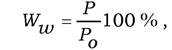
where P is the water vapor pressure above the solution, and Po is the vapor pressure above pure water. For example, above a 35% sulfuric acid solution at a temperature of 25 oC, the vapor pressure in millimeters of mercury is 15.8, and the vapor pressure above water is 23.76. Then Ww is 67%. Water activity is the same as relative humidity, but not expressed as a percentage, i.e., if Ww = 67%, then Aw = 0.67.
Different species of microorganisms require a certain level of water activity. Microscopic fungi (Penicillium, Aspergillus, Cladosporium, etc.) can exist at minimal water activity (0.8–0.6). Maximum water activity (1.0–0.9) is required by neustonic bacteria
of the genera Spirillum, Nevskia, Hyphomicrobium, Caulobacter, sulfate-reducing bacteria Desulfotomaculum, and others.
Water activity can also be expressed through the concentration of dissolved substances:

where n1 is the number of moles of the solvent, and n2 is the number of moles of the solute.
It can be seen from the equation that an increase in the concentration of dissolved substances decreases water activity and, consequently, the availability of water to The Cell.
The concentration of substances dissolved in the environment external to the microorganism determines the Osmotic Pressure of the environment, which is inversely related to water activity.
Water can enter the cell if the osmotic pressure inside the cell is greater than the pressure of the external solution. Normal pressure within the cell usually ranges between 3–6 atm, which corresponds to such habitats as, for example, soil (0.5–5 atm). In saline environments or those with a high sugar content (preserves, honey), osmotic pressure can reach 100 atm. Microorganisms avoid osmotic stress due to the presence of an osmoregulation system, the components of which are:
- osmosensing proteins that react to changes in osmotic pressure;
- Changes in the ratio of porin proteins that form hydrophilic pores;
- synthesis of osmolytes (highly soluble substances whose concentration balances external pressure, such as aminobutyric acid, glutamic acid, and Proline);
- The system of Selective Ion Accumulation within the cell - an increase in K+ concentration with increasing external pressure);
- the periplasmic osmolarity regulation system - synthesis of Oligosaccharides that retain cations).
It is not only osmotic pressure that reduces water availability for the cell. Another factor is exogenous water deficit, which can lead to matrix water stress, to which microorganisms are more sensitive than to osmotic stress.
Microorganisms adapt to exogenous water deficit through sporulation, the formation of hygroscopic mucous capsules, and the ability to utilize metabolic water generated from The oxidation of Organic compounds (100 g of glucose yields 60 g of water).
Medium reaction (pH). The reaction of the medium is of great importance for microbial activity; it is determined by the concentration of hydrogen ions produced in an aqueous solution during the electrolytic dissociation of water. Quantitatively, the medium reaction is expressed using the pH indicator. This value represents the negative logarithm of the hydrogen ion concentration. The hydrogen ion concentration of pure water is 10-7, meaning pH = 7. pH levels below 7 define the acidity of the medium, while values above 7 define its alkalinity.
Each microorganism exists within specific pH limits and has its own specific optimum for medium reaction (Fig. 8.3).

Fig. 8.3. Growth limits and optimal values for prokaryotes depending on pH:
a - neutrophils; b - acid-tolerant; c - alkalitolerant; d - acidophiles; e - alkaliphiles. A - obligate; B - facultative forms.
Bold line - optimal growth pH
Acidophiles (Lat. acidus - acidic) exist within a pH range from 1.0 to 6.0 and are represented by thermophilic archaebacteria and eubacteria, for example: Thermoplasma acidophilum (pH 1.8), Sulfolobus acidocaldarius (pH 2.0-3.0), Bacillus acidocaldarius (pH 3.0), Sulfobacillus thermosulfidooxidans (pH 2.0), and mesophilic chemolithoautotrophs, for example: Thiobacillus acidophilus (pH 3.0-3.5), T. ferrooxidans (pH 1.8-2.4), T. thiooxidans (pH 2.5), T. thioparus (pH 3.0).
Alkaliphiles (Arab. al-qali - ashes of saltwort/alkali) thrive in environments with a pH of 8.5-11.5 (in soils, sites of protein decomposition, and biological fluids with an alkaline reaction). For instance, Bacillus pasteurii requires a pH of 9.0 for development, Sporosarcina ureae requires pH 9.0, B. firmus requires pH 9.0-10.5, and B. alcalophilus requires pH 10.5.
The effect of hydrogen ions on microorganisms can be both Direct and Indirect. The indirect effect is related to The impact of hydrogen ions on specific Components of the medium whose dissociation depends on pH and affects the uptake of nutrients into the cell. The medium reaction influences the production and activity of microbial enzymes.
Redox potential (Eh). Natural habitats of microorganisms are also characterized by the redox potential (Eh), which reflects The ratio of oxidized and reduced compounds in biological systems and serves as an indicator of biochemical processes.

where E0 is the reference electrode potential; R is the gas constant (8.3144 J·K-1·mol-1; at 25 oRT = 2.479 kJ·mol-1); F is the Faraday constant (1F = 96,485 C·mol-1); T is the absolute temperature; Cred is the concentration of reduced compounds; Cox is the concentration of oxidized compounds.
Eh is measured in millivolts and reaches its highest positive value at high oxidant concentrations (+815 mV for the decomposition of H2O into O2 and H2) and its lowest negative value at high reductant concentrations (-414 mV for the reduction of atomic hydrogen to molecular hydrogen).
Highly aerated environments with an Eh of +810 mV provide conditions for the existence of obligate aerobes and some facultatively anaerobic microorganisms of the genera Pseudomonas, Bacillus, Corynebacterium, Arthrobacter, and Streptomyces. Facultative anaerobes predominate in environments where the redox potential approaches zero.
Nitrate-reducing and denitrifying bacteria of the species Pseudomonas fluorescens, Bacillus licheniformis, Paracoccus denitrificans, and Thiobacillus denitrificans are characterized by an Eh of +440 mV and lower. These microorganisms are widespread in soil, where they carry out essential transformations in The Nitrogen Cycle. Nitrate-reducing bacteria such as Escherichia, Enterobacter, and Proteus are members of the gastrointestinal microflora, the lower sections of which are predominantly colonized by anaerobic bacteria of the genera Bacteroides, Propionibacterium, and others.
Obligate anaerobes exist in environments with high negative Eh values. Among them are methanogenic bacteria (Eh -220 mV) found in natural niches (estuaries, swamps, rice paddies, the rumen of ruminants) and anthropogenic ecosystems (sewage treatment plants) - Methanobacterium thermoautotrophicum, Methanosarcina barkeri, Methanococcus mazei, and Methanospirillum hungatii.
The sulfate-reducing bacterium Desulfotomaculum ruminis is also a member of the rumen microflora of ruminants; however, most sulfate reducers (Eh -265 mV) inhabit lake sludge and marine sediment biocenoses where anaerobic conditions are established, for example: Desulfovibrio desulfuricans, Desulfosarcina variabilis, Desulfococcus multivorans, Desulfonema limicola, Desulfobacter curvatus, and Desulfotomaculum nigrificans. These microorganisms are also significant as corrosion-causing agents.
Nutrients. Nutrients are any compounds used by microorganisms as sources of macro- and microelements, electrons, and energy. The influx of nutrients occurs unevenly across time and space, which is why microbial habitats are typically characterized in terms of average daily nutrient flux.
Bacteria whose survival in nature depends on their ability to multiply in low-nutrient environments - up to 0.1 mg/L per day - are classified as oligotrophs (Greek oligos - small, trophe - nourishment). Typical representatives of oligotrophs are inhabitants of aquatic systems and soils (Achromatium beggiatoa, Thiothrix beggiatoa, Thiothrix, etc.).
Copiotrophs (Greek copiosus - abundance, trophe - nourishment) are microorganisms that prefer nutrient-rich substrates. Copiotrophs thrive under nutrient influx conditions at least 50 times greater than those supporting oligotrophs. Copiotrophs include E. coli, bacteria of the genus Zymomonas, and other microorganisms isolated from environments undergoing active putrefactive processes.
Oligotrophic microorganisms are quite widespread in nature and in many cases numerically dominate copiotrophs. The proliferation of oligotrophs is facilitated by A number of their specific features, namely:
- accumulation of reserve substances (poly-β-hydroxybutyric acid, polyglucose, polyphosphates);
- transport systems operating under conditions of minimal nutrient concentrations, characterized by low substrate specificity and an inability to discriminate between substances;
- the ability to undergo cell miniaturization under starvation conditions;
- low reproduction rate—the generation time of oligotrophs ranges from 20-200 h, in contrast to copiotrophs, which produce a new generation within 10-20 min.
Quite often, microorganisms isolated as oligotrophs convert to copiotrophs during laboratory cultivation.
Pathways of Adaptation to nutrient sources can be specialized or unspecialized. Microorganisms capable of utilizing a narrow spectrum of substrates or requiring a specific substance for growth that cannot be replaced by any other are known as specialists. These include, for example, thionic bacteria. Such microorganisms grow faster under conditions of an excess of their available substrate. Generalists utilize A wide variety of compounds and thus find nutrient sources more easily. Generalists predominate among oligotrophs, although specialists also exist, such as the methylotroph Hyphomicrobium vulgare.
Toxic substances. The normal survival of various bacteria depends not only on the availability of nutrients, but also on their ability to withstand the damaging effects of toxic substances. The complete absence of toxic substances is a rare phenomenon in natural econiches.
Depending on the nature of their impact on the cell, the effect of toxic substances can be bactericidal or bacteriostatic. Bacteriostasis (from Greek bacterion – rod, stasis – standing still) is the inhibition of bacterial GROWTH AND REPRODUCTION. Cessation of the factor's action leads to the resumption of growth. In the case of bactericidal action (from Latin caedere – to kill), the effect of the factor leads to cell death.
In many cases, a substance at low concentrations will have a bacteriostatic effect, whereas at high concentrations, it will be bactericidal.
According to the nature of their impact, chemical substances are classified into those that cause:
- damage to The Cell wall (Surfactants, fatty acids, soaps, detergents);
- damage to the cell wall and cytoplasmic proteins (phenol, cresol, and their derivatives);
- disruption of Cell Division processes due to affinity for nucleic acids (acridines);
- Protein Denaturation (formaldehydes);
- protein coagulation (heavy metal salts).
The presence of toxic substances reduces the potential for a balanced metabolism between microbial cells and the environment. This activates the regulatory and defense systems of microorganisms, which include:
- the stringent response system, regulated by phosphonucleotide alarmone synthetase (from French alarme – alarm), aimed at limiting the uptake of compounds from the environment;
- the SOS Response system, which activates cascade reactions of derepression of proteins with proteolytic activity, repair systems, and changes in the composition of bacterial outer Membrane Proteins;
- the adaptive response system—an inducible antimutagenic repair system activated by mutagen concentrations 10–100 times lower than necessary to manifest their mutagenic effect;
- the synthesis of heat shock proteins, which occurs not only under thermal stress conditions but also under The Influence of radiation and toxic substances;
- the synthesis of antioxidant defense enzymes—catalase, peroxidase, superoxide dismutase, Glutathione reductase, alkyl hydroperoxide reductase, and glucose-6-phosphate dehydrogenase.
- The Development of resistance through the active efflux of toxic
compounds from the cell, and the synthesis of Hydrolases, reductases, and transferases.
Microorganisms are capable of concentrating toxic substances in surface structures and even inside the cell. Concentration coefficients vary for different microorganisms and compounds. Sometimes the accumulation of such substances is lethal to the cell, while in other cases it is not. This property of microorganisms is utilized for practical purposes in biosorption technologies, the transformation of heavy metal compounds, and the detoxification of natural environments.
An important adaptive feature is the ability of certain microorganisms to use substances known for their toxic effects as sources of energy. For instance, among nitrifying bacteria, such genera as Nitrobacter, Nitrospina, Nitrococcus, and Nitrospira use nitrite as their sole energy source in the reaction oxidizing it to nitrate. This property in these microorganisms is driven by nitrite-oxidizing reductase activity. Bacteria of the genera Nitrosomonas, Nitrosococcus, Nitrosospira, and Nitrosolobus oxidize ammonia to nitrite through The activity of monooxygenase and hydroxylamine oxidoreductase enzymes. Sulfur-oxidizing bacteria of the genera Thiobacillus, Thiomicrospira, Thiosphaera, and Thermothrix utilize reduced sulfur compounds—which are potentially toxic substrates such as hydrogen sulfide, thiocyanate, and sulfites—as an energy source.
Some microorganisms, such as corynebacteria and pseudomonads, are capable of utilizing petroleum refining products, naphthalene, phenol, and others.
Oxygen. The Current state of Earth's atmosphere, which contains ~21% oxygen, has determined the formation of distinct groups of organisms based on how this gas affects them. Some microorganisms have chosen habitats where O2 is virtually absent, thereby securing conditions of the "oxygen-free era"—these are obligate anaerobes (Desulfotomaculum, Syntrophospora). Others—obligately aerobic microorganisms—have adapted to oxygen-rich conditions and actively use oxygen in their metabolic processes, such as Acetobacter. Facultative anaerobes possess alternative Energy Metabolism pathways and can thrive both in the presence and absence of oxygen, notably Escherichia, Proteus. Some aerobic microorganisms require molecular oxygen for their development, but at a significantly lower concentration than atmospheric levels; these are called microaerophiles, for example, Campylobacter, Helicobacter. There are also aerotolerant microorganisms that feature a fermentative type of metabolism but do not die upon contact with oxygen.
The effect of molecular oxygen on the cell is quite aggressive and is associated with its ability to oxidize cellular metabolites, which is undesirable for
the cell. Furthermore, the oxidation of Flavoproteins produces hydrogen peroxide, a substance toxic to bacteria. Oxidation reactions also yield an even more toxic free peroxide radical—O2-, albeit in small quantities.
Modern aerobic and aerotolerant prokaryotes have developed defense mechanisms to combat toxic forms of oxygen, The basis of which is the ability of specialized enzymes to catalyze reactions destroying them. For example, superoxide dismutase prevents the accumulation of the peroxide radical, which is potentially lethal to prokaryotes, by catalyzing its conversion into oxygen and hydrogen peroxide. Catalase, in turn, catalyzes the decomposition of hydrogen peroxide into oxygen and water:
These enzymes are found exclusively in the cells of aerobes. In aerotolerant and facultative anaerobes, catalase is typically absent. Neither of these enzymes has been detected in the cells of anaerobic microorganisms, rendering them defenseless against the toxic action of oxygen. The only available pathways for them to neutralize oxygen are displacing it from their habitat through the intensive release of CO2 and H2.
In natural conditions, it is impossible to isolate the effect of a single factor on microorganisms. The combined impact of various factors can drastically alter the action of the one being studied. For instance, the pH of the environment alters the lethal effect of temperature. Microorganisms die faster when heated in an acidic environment than in a neutral or alkaline one. The lethal effect of X-rays increases significantly in the presence of molecular oxygen. Consequently, terms such as "optimal temperature" or "optimal pH" hold true meaning only when all other environmental factors are known.
Last update: 13/08/2026
Editorial and Educational Adaptation: This material has been compiled based on the primary/original source text. The project team performed an editorial review, corrected technical inaccuracies, structured sections, and adapted the content for an educational format.
What was processed:
- elimination of formatting defects (OCR errors, structural breaks, corrupted characters);
- editorial organization of content;
- standardization of terminology in accordance with academic sources;
- verification of factual statements against the original source text.
All mentions of the author, publication year, and origin of the primary text have been preserved in accordance with the source.