THEORETICAL FOUNDATIONS OF FISH FARMING - I.M. Sherman - 2011
1. THEORETICAL FOUNDATIONS OF THE FORMATION AND UTILIZATION OF BIOPRODUCTIVITY IN WATERBODIES OF VARIOUS TYPES
1.2. Formation of Fish Productivity in Waterbodies of Artificial and Natural Ichthyocenoses
Natural waterbodies include oceans, seas, bays, estuaries, river systems, and lakes, which are characterized by a specific species COMPOSITION OF THE ichthyofauna forming The basis of the ichthyocenosis. Artificial waterbodies include ponds and reservoirs of various origins and intended uses, where the ichthyofauna may form spontaneously or intentionally, yet always taking into account the primary purpose of the artificial waterbody, represented by the main Water consumer, as well as secondary water users.
Alongside this, attention must be drawn to transformed waterbodies. These are natural in origin, but industrial, economic, domestic, agricultural, and other human activities have led to significant changes in their hydrological features. This, in turn, has affected the abiotic parameters and, consequently, the biotic parameters of the environment and the ichthyocenosis of the waterbody.
Based on the foregoing, the pathways for forming fish productivity and fish production in the considered groups of waterbodies will differ. This requires a specialized approach when developing relevant technologies aimed at increasing productive potential.
The focus on fish productivity in natural, artificial, and transformed waterbodies has fundamentally different meanings, which necessitates clear Structure/97.html">Definitions.
In this regard, the term "fish productivity" for natural ichthyocenoses and naturally occurring waterbodies refers to the proportion of production harvested by fisheries from the total bioproductivity of the respective ichthyocenosis. It consists of the bioproductivity of individual fish species within that specific ichthyocenosis.
In specialized literature, one may encounter terms such as commercial fish productivity, commercial fish production, fish production, and the volume of fish production. All of these terms share a single definition: The amount of fish harvested per unit area of natural (and potentially transformed) waterbodies through the commercial exploitation of the natural ichthyocenosis, measured in kg/ha or t/ha.
The formation of fish productivity in a natural ichthyocenosis is achieved through strict compliance with catch limits, The Use of appropriate fishing gear, The regulation of fishing in time and space, land reclamation (amelioration) works, as well as re-acclimatization and acclimatization—strictly provided there is an approved fish-breeding and biological justification for these types of activities. The foundation of fish productivity consists of the species native to the natural ichthyocenosis, which fundamentally does not exclude the participation of re-acclimatized and acclimatized species as components.
Artificial ichthyocenoses are represented by the species composition of ichthyofauna formed by humans in ponds, reservoirs, and naturally transformed waterbodies, guided by appropriate technologies. In this context, the hydrological regime acquires exceptional importance, specifically The ability to regulate it in the interest of fish farming. Under such conditions, this represents classic aquaculture in fish farming, which allows for the application of various levels of intensification typical of classical fish farms whose water areas can be completely drained. The complete draining of various categories of ponds and reservoirs makes it possible to harvest all the grown fish and to view fish productivity as the difference between the mass of stocking material placed into the ponds and the mass of the resulting production obtained over a specific period. This can be measured in kg/ha, t/ha, and depends on the average individual mass and the percentage survival rate from stocking.
At the same time, transformed natural waterbodies—primarily large reservoirs formed As a result of the Regulation of major river systems, as well as diked lakes—can, on the one hand, partially exhibit natural features and, on the other hand, display certain characteristics of artificial waterbodies. Given the objectively existing specifics in the formation of their fish productivity, it is necessary to use combined technologies that form the basis of fish productivity in both Artificial and natural waterbodies. In other words, this means creating all the necessary conditions for the ichthyocenoses of such waterbodies to preserve the maximum number of species in the commercial catch that were part of the ichthyocenosis during the river period. Such an approach implies maximum attention to the effective reproduction and feeding of young native fish, but does not exclude artificial reproduction and the subsequent release of hardy juveniles of valuable, rare, and endangered fish species into the respective waterbodies—measures necessitated by the disruption of their natural reproduction conditions. Furthermore, subject to appropriate justification, re-acclimatization and acclimatization efforts are not ruled out.
To assess the fish productivity of such waterbodies, it is advisable to use a combined approach. The Essence of this approach is that for the Components of the natural ichthyocenosis, one should be guided by indicators of commercial fish productivity, which depends on natural fish productivity combined with fishing intensity. For species reproduced under artificial conditions, where specific numbers of released juvenile individuals are known, it is appropriate to use the criteria of commercial return, specifically the commercial return percentage or the commercial return coefficient. This approach makes it easily possible to determine the volume of fish productivity or fish production obtained from artificially reproduced individuals, without ruling out the expediency of combining the natural fish productivity of transformed hydroecosystems with the productivity generated by stocking such waterbodies with hardy juveniles of certain fish species.
The modern, unique Evolution of the fisheries sector objectively brings capture fisheries and fish farming closer together, making them partners in the common challenge of increasing fish productivity in waterbodies of various origins and intended uses.
Fish productivity in artificial ichthyocenoses of classical fish farms includes natural fish productivity (based on the soil and climatic conditions of a given region) and artificial fish productivity. The latter involves the formation of an artificial ichthyocenosis per unit of water area and The Development of a system of corresponding intensification measures, upon the Implementation of which the quantitative and qualitative components of the artificial ichthyocenosis are able to demonstrate appropriate fish productivity.
The Main Components of intensification in pond fish farming are the traditional technological components used for raising various species of the artificial ichthyocenosis, or serving as the species components of polyculture implemented in a specific farm.
Amelioration (Reclamation). Fish-breeding ponds and specialized or adapted waterbodies undergo significant changes as a result of relatively long-term operation, driven by natural processes and active human interventions aimed at increasing fish productivity. The combination of natural processes and economic activity in ponds gradually leads to their siltation and swamping. Simultaneously, the Physical and Chemical parameters of the water change, accompanied by a deterioration in sanitary conditions. Against the Background of the adaptive nature of fish growth, these negative factors lead to reduced growth rates and developmental lags, which may be caused not only by a direct effect on the fish, but also indirectly through the food supply and the environment as a whole. The consequence of this situation is a substantial decrease in natural fish productivity and a sharp limitation on the possibilities and effectiveness of intensification measures.
In this regard, the technology of fish farming production provides for and deems it appropriate to accompany technological processes with corresponding amelioration (reclamation) works.
In fish farming, amelioration acts as a system of measures aimed at the overall improvement of the pond and adjacent territory in order to optimize the environment inhabited by fish. The entire variety of ameliorative measures can be divided into two groups: fundamental measures, which ensure deep Changes in the waterbody regime and whose effects last for several years, and routine measures, which operate for a relatively short period.
A typical fundamental measure is the reconstruction of the pond stock. This involves the implementation of agrotechnical measures, the use of optimal designs for hydraulic structures, and the Introduction of complex mechanization and partial automation of technological processes.
Ecological amelioration. The trend of increasing stocking densities during the transition from monoculture to polyculture of carp and phytophagous fish necessitated an increase in pond depth from 1.2–1.3 m to 2–3 m. According to N.M. Kharitonova, the depth of ponds should be at least 1.4–1.5 m in Polissia, 1.5–1.8 m in the Forest-Steppe, and 1.8–2.0 m in the Steppe. A fundamentally new concept emerged, based on the principle that not only the area, but also the volume of water is of great importance when cultivating planktivores.
Based on this, It is worth emphasizing that modern intensive fish farming, whose defining trend is the increase in stocking densities, is largely limited by the volume of water, as confirmed by special studies. It has been established that The ratio of water mass to fish mass is a decisive technological factor. Other things being equal, water quality is primarily determined by its self-purification capacity, dissolved oxygen content, and the absence of aggressive components. A decrease in oxygen content and the loss of the water's self-purification capacity practically eliminate the possibility of intensifying fish production, creating a problematic situation where the fundamental question becomes how to keep the fish alive.
The hydrochemical regime of a pond, as a component of abiotic factors, significantly influences overall ecological parameters. This makes it possible, through the Regulation of Water exchange, to ensure that A number of physical and chemical indicators meet the requirements of fish-rearing conditions. Under high stocking densities, it is advisable to ensure a summer water exchange rate of once every 20–25 days; if likely signs of suffocation (Hypoxia) appear, water exchange must be increased. A stable effect is achieved through mechanical water aeration, for which various designs can be used—from elementary splash boards to forced-draft aerators.
A significant lever for improving the physical and chemical regime of ponds is the use of mineral fertilizers. They not only ensure the optimal ratio of dissolved nitrogen and phosphorus in the water, but simultaneously contribute to enriching the water with oxygen during daylight hours through the intensive development of phytoplankton, which can be viewed as biological aeration. Enhancing The Effect of chemical aeration can be achieved by applying potassium permanganate at a rate of 20–50 mg/L combined with liming, which will contribute to the general improvement of the aquatic environment's quality.
A positive effect is observed when using lime or applying the technological measure of pond liming, which is multifaceted in nature. This measure helps improve the physical and chemical regime of the environment and can be considered a form of Fertilization. However, the primary significance of soil liming is amelioration, which contributes to the overall improvement of water and bottom soil quality in ponds and reduces the likelihood of various fish diseases (Table 1.1).
Class="center">Table 1.1. Treatment of Ponds with Quicklime
Purpose of Liming |
Application Rate, t/ha |
Control of soil siltation and acidification |
0,34- 0,4 |
Precipitation of organic matter, control of gill rot |
|
0,8-1,2 |
|
Disinfection |
1,0-2,0 |
The liming process, focused on the active substance, mainly uses quicklime (CaO), slaked lime or calcium hydroxide (Са(ОН)2), limestone, or similar rocks based on calcium carbonate (СаСO3). The overwhelming majority of practitioners prefer slaked lime, strictly adhering to application rates and monitoring the results (Table 1.2).
Table 1.2. Approximate Application Rates of Slaked Lime, t/ha
pH Level |
Soil Type |
||
Heavy, clayey |
Sandy loam |
Sandy |
|
<4,0 |
4,2 |
2,2 |
1,75 |
4,0-4,5 |
3,2 |
1,7 |
1,45 |
4,51-5,0 |
2,7 |
1,45 |
1,2 |
5,01-5,5 |
1,7 |
1,2 |
0,7 |
5,51-6,0 |
1,2 |
0,7 |
0,45 |
6,01-6,5 |
0,7 |
0,5 |
0,2 |
Pond liming is most effectively applied in autumn and spring after draining the water. Lime is applied to the moist surface of the pond bed 15–25 days before filling with water, either by spreading it evenly across the bottom or in the depressions where water accumulates.
When considering environmental measures, attention should be paid to protecting ponds from incoming wastewater. For this purpose, diversion channels are constructed to accumulate runoff and protect ponds from siltation. Forest belts, shrub plantings, and grassing (sodding) of the catchment area are of significant importance in this regard, which should be implemented based on long-term feasibility.
Agrotechnical amelioration is a cycle of operations involving the drainage, cultivation, and leveling of pond beds, as well as the removal of excessive vegetation. These operations provide for the autumn preparation of fattening and rearing ponds, which includes freezing the bed and filling it with water in the spring. Considering the water deficit, which particularly affects certain agricultural regions in spring, and the biology of food hydrobionts, researchers in many countries consider it appropriate to flood fattening ponds in the autumn. In some cases, compelling data have been obtained indicating the Prospects of year-round pond water maintenance. The zoobenthos biomass under year-round water inundation is twice as high as in ponds with the traditional management system, which involves spring flooding. Early draining of ponds in the summer-autumn period is also justified and backed by certain arguments, as it allows for partial fallowing without completely taking the ponds out of operation. With classical fallowing, ponds are left without water for a year or more and sown with cultivated crops. This technique is an effective ameliorative measure involving the complete drying of the bed and its agrotechnical cultivation, although it forces a significant reduction in production volumes for the current year.
Along with the stated pros and cons, it is known that the drainage and cultivation of fallow pond beds suppress higher aquatic vegetation, mobilize silt sediment components, accelerate the Mineralization of organic matter, and significantly worsen the conditions for the introduction and spread of fish diseases. The cultivation of agricultural crops on the beds of fallow ponds, combined with other measures, helps increase natural fish productivity realized in subsequent years of operation, practically compensating for direct losses from temporarily decommissioning the ponds. Effective drainage of pond beds is ensured by the existing drainage network of ameliorative channels; however, individual depressions should be filled with soil or manure, and systematic cleaning of discharge channels must be planned. Furthermore, soil leveling and bed grading must be carried out continuously throughout the entire period of pond operation. In the absence of appropriate leveling work, tree stumps, bushes, and remnants of buildings and structures may remain on the pond bed. All of these must be removed using appropriate machinery and equipment, which builders quite often leave on the working bed of the pond.
In practice, especially in large ponds or small reservoirs, it is sometimes impossible to completely clear the bed. In such cases, an effective ameliorative measure is the arrangement of seine hauls (towing areas), which must be carefully selected, after which all objects hindering the use of active fishing gear should be removed.
Biological amelioration. Biological effects on the environment inhabited by fish during their cultivation in ponds can be aimed at suppressing vegetation, reducing the numbers of wild fish species that spontaneously enter the ponds, and preventing diseases. Biological principles of amelioration have the advantage of not excluding actions uncharacteristic of natural processes while being characterized by high selectivity and purposeful targeting.
To suppress higher aquatic vegetation and macro-forms of lower plants, grass carp (white amur) is widely used. Depending on the botanical composition of the plants, the overgrown area, and the plant biomass in specific areas of the pond, the stocking density and age STRUCTURE OF THE introduced individuals can vary quite widely.
To suppress the development of soft and floating aquatic vegetation, stocking water bodies with one-year-old grass carp at a rate of 150–1500 spec/ha is effective, depending on the plant biomass. To continuously control excessive hard vegetation, it is advisable to maintain a special ameliorative stock of these fish species, represented by two- and three-year-old individuals. In this case, the stocking density can range from 160 to 400 spec/ha, depending on the botanical composition and biomass of macrophytes.
A radical effect is achieved by combining mechanical (mowing, burning, destroying the roots of marsh plants) and biological Methods of amelioration, which enables grass carp to consume young shoots and thereby contribute to the intensive cleaning and rehabilitation of water bodies.
To minimize the population of non-cultivated fish species in the pond (such as roach, crucian carp, gudgeon, bleak, ruffe, and perch) that compete for food with farmed fish, prey on the fry of cultivated species, or transmit diseases, predatory fish are used as biological ameliorators. These fish possess high growth potential (pike, catfish, pike-perch), and since they are introduced into ponds as fry, they cannot harm one-year-old carp and herbivorous fish while effectively reducing the numbers of non-cultivated and economically valueless species. This achieves not only an ameliorative effect but also transforms the low-value ichthyomass of random, inferior species into the ichthyomass of valuable fish species.
In terms of biological amelioration, black carp (mylopharyngodon piceus), whose diet is based on Mollusks, is of exceptional importance. By actively reducing the mollusk population in ponds, black carp disrupts the biological life cycles of many fish disease pathogens, serving as a radical method for their suppression. It builds up valuable ichthyomass at the expense of unused food resources, transforming them into a food base, which is accompanied by the practical absence of food competition with cultivated fish species.
Among the various aspects of ameliorative measures, it should be emphasized that specialists must, in each specific case, give well-grounded preference to one of them or apply them comprehensively in accordance with the specific situation and the farm's capabilities.
Mineral fertilizers. In the technological cycle of fish production under modern conditions, fertilizers not only help increase natural fish productivity but also act as regulators of the hydrochemical water regime. Moreover, the deficit of concentrated, physiologically balanced feeds used for fish feeding requires a partial and sometimes quite significant compensation of fish nutritional requirements through high-value food hydrobionts, the biomass and Abundance of which can be significantly increased by stimulating this process with fertilizers. The effect of chemical fertilizers in fish farming, as in crop production, is based on stimulating primary production by supplying plants with missing Mineral Nutrition elements, which are predominantly nitrogen and phosphorus, regarded as biogenic elements. However, the MECHANISM OF ACTION of these elements and fertilizers in ponds is much broader and more complex. In crop production, fertilizers act directly on the cultivated crop, whereas in water bodies, they ensure the Development of the first link in the trophic chain—macrophytes and phytoplankton. Phytoplankton and macrophytes, in turn, serve as food exclusively for consumers of various trophic levels; a significant portion of the generated phytomass can be utilized directly by phytoplanktivorous and macrophytophagous fish, among which silver carp and grass carp are the most effective, respectively.
The overwhelming majority of mineral fertilizers used in fish farming are nitrogen and phosphorus compounds, sometimes combined with potassium, calcium, and more frequently with organic fertilizers, while micronutrients play a substantial role.
Considering the fact that fertilizers are quite expensive, it is necessary to ensure their efficient use, which is possible under certain conditions: the aquatic environment is neutral or slightly alkaline; the active soil reaction is neutral or slightly acidic (pH of the salt extract is not lower than 6,0); the water body is not overgrown with hard emergent vegetation, or the weed-free area is at least 70 %; water exchange is either absent or does not exceed a complete water renewal in the pond within 15 days; and There is a deficiency of biogenic elements.
To perform calculations, specific criteria have been developed that should be considered in connection with the fertilization of fish ponds.
The fertilization coefficient is a figure indicating the amount of fertilizer required to produce a unit of fish weight gain. According to fish-farming and biological standards, the fertilization coefficient of mineral fertilizers is conventionally set at 2.5–3.0. Using this coefficient, the correct amount of fertilizer per unit of pond area can be calculated. Calculations should be based on natural fish productivity (normative or farm average), the planned increase in fish productivity due to fertilizers, and the fertilization coefficient. For example, if natural fish productivity is taken as 200 kg/ha and is intended to be increased to 400 kg/ha, an additional 200 kg/ha of fish must be produced through fertilization. With a fertilization coefficient of 3, the fertilizer consumption per 1 hectare will be: 200 kg • 3 = 600 kg/ha. With a nitrogen-to-phosphorus ratio of 1 : 1, it is necessary to apply 300 kg of ammonium nitrate and 300 kg of superphosphate per hectare. The amount of fertilizer calculated per hectare is multiplied by the area of the pond(s) to obtain the total mass of required fertilizers.
Determining the fertilizer requirements of ponds. Fertilizer requirements and application schedules vary significantly depending on the soil and climatic zones of Ukraine, as well as for individual farms and even individual ponds.
An important aspect of rational pond fertilization is the systematic Determination of the biological demand of phytoplankton for basic nutrients, primarily nitrogen and phosphorus, alongside constant monitoring of their effectiveness.
The dynamics of basic biogenic elements in ponds with high stocking densities depend on two main factors: the input of nitrogen and phosphorus into the water from decomposing organic matter and their consumption by phytoplankton during photosynthetic activity. Consequently, the content of nutrient elements in the water fluctuates greatly throughout the season. Periods of significant accumulation alternate with an almost complete absence of nitrogen and phosphorus. Based on this, before applying the next dose, the fertilizer requirements of the ponds must be determined to verify the accuracy of calculations and adjust the scheduled fertilizer application plan.
Farms equipped with their own laboratories, or those systematically serviced by relevant institutions, employ biological Research Methods to assess fertilizer requirements and biologically monitor their effectiveness.
To determine a pond's fertilizer needs, it is necessary to identify which specific fertilizer(s) stimulate phytoplankton growth. Phytoplankton response to applied fertilizer can be measured by its photosynthetic intensity, which is evaluated through the amounts of oxygen consumed and produced.
The amount of oxygen released by phytoplankton during Photosynthesis and consumed by organic matter is measured using the bottle method, the Procedure for which is described below.
Ten transparent, colorless Glass bottles with ground-glass stoppers, each with a 100 ml capacity, are filled with water from the studied pond. Water samples are collected in a clean enameled bucket from 10–15 different locations across the pond (depending on its size) to obtain a representative composite sample. The water in the bucket is thoroughly mixed and used to fill the bottles via a rubber hose, ensuring no air bubbles remain after inserting the ground-glass stoppers. Of the ten bottles, two are wrapped in black dermantin or another opaque material, while the remainder are left exposed to light. Two of the light-exposed bottles, like the wrapped ones, serve as controls with no additions. Standard concentrated nutrient solutions are added to the remaining bottles: two receive nitrogen, two receive phosphorus, and two receive both nitrogen and phosphorus. The target concentrations are set at 2 mg/l for nitrogen and 0.5 mg/l for phosphorus. The bottles are labeled accordingly.
Standard solutions of fertilizer salts are prepared as follows: 572 mg of ammonium nitrate (NH4NO3) is dissolved in distilled water to supply nitrogen, and 252 mg of sodium dihydrogen phosphate (NaH2PO4 · 2H2O) is dissolved in distilled water to supply phosphorus. Adding 1 ml of each respective solution to a 100 ml bottle yields concentrations of 2 mg/l for nitrogen and 0.5 mg/l for phosphorus.
The bottles are hermetically sealed with ground-glass stoppers and suspended in the pond water at a depth of 20 cm, positioned to avoid shading. Horizontally secured underwater crossframes are convenient for this purpose. The bottles are incubated in the pond for two days in the spring and one day in the summer.
Following incubation, the dissolved oxygen content in the bottles is measured. The greatest increase in oxygen corresponds to the highest primary effectiveness of the added nutrients, indicating the specific elements primarily needed by the phytoplankton. For instance, if after incubation the oxygen (O2) concentration in the light control bottle is 5 mg/l, in the nitrogen-amended bottle 7 mg/l, in the phosphorus-amended bottle 6 mg/l, and in the bottle with both nitrogen and phosphorus 10 mg/l, this indicates that the pond requires a combined application of nitrogen and phosphorus. If adding one of the tested elements—phosphorus, for example—does not increase oxygen compared to the control, but combining it with another element yields a greater increase than that other element alone (nitrogen), this also signals a need for both fertilizers. If the oxygen concentration in a nutrient-amended bottle drops below the control level after incubation, it indicates an inhibitory effect of that nutrient concentration on the phytoplankton. In such cases, the test should be repeated with lower nutrient concentrations, such as 1 mg/l nitrogen and 0.2 mg/l phosphorus.
To determine whether to apply fertilizers that did not stimulate phytoplankton growth during the test, one must calculate the gross primary production of the phytoplankton based on the difference in oxygen concentration between the light and dark bottles following incubation.
Simultaneously with determining biological fertilizer requirements, gross plankton primary production—the amount of oxygen released daily through the photosynthesis of planktonic Algae—is calculated from the aforementioned data. To find the gross primary production, the difference in oxygen content between the light and dark bottles is divided by the incubation duration. For example, if after a two-day incubation the oxygen content in the light bottles is 12 mg/l and in the dark bottles 4 mg/l, the gross primary production of the plankton will be (12 - 4) : 2 = 4 mg O2/l per day.
Fertilizers should be used to increase gross phytoplankton primary production to 8–10 mg O2/l per day and maintain it at this level throughout the vegetative season in all drainable or completely harvestable winter ponds and water bodies. In non-drainable ponds, lakes, reservoirs, and water bodies adapted for intensive fish farming where ice and snow cover exceeds 2 months in winter and fish overwinter, phytoplankton primary production should be maintained at 5–7 mg O2/l per day via fertilization to prevent excessive organic matter accumulation, which can cause oxygen depletion during the winter.
If gross primary production significantly exceeds the aforementioned limits, further fertilization should be withheld regardless of the dissolved nitrogen and phosphorus concentrations in the water or the plankton's response during biological assays. A drop in gross primary production below 8 mg O2/l in ponds and below 5 mg O2/l in other water bodies indicates the necessity of supplementary fertilization. Primary production in ponds should be monitored every ten days, and appropriate fertilization should be applied or withheld based on the results.
The second method, which allows for effective monitoring and adjustment of the fertilization schedule, can be termed the chemical method. It is based on adjusting nitrogen and phosphorus levels to optimal values. The amounts of nitrogen-phosphorus fertilizers are calculated based on their actual concentrations in the pond water, aiming for target concentrations of 2 mg/l for nitrogen and 0.5 mg/l for phosphorus. Before applying nitrogen-phosphorus fertilizers to the pond, the concentrations of ammoniacal nitrogen and phosphorus in the water must be determined, and the single application dose is calculated using the formula:

where D is the required fertilizer dose, kg/ha; A is the recommended nutrient concentration, mg/l; B is the actual nutrient concentration in the water, mg/l; h is the average depth of the water body, m; P is the nutrient content in the fertilizer, %; and 1000 is the calculation coefficient.
To calculate the required amount of fertilizer based on nitrogen and phosphorus levels in the pond water, the data presented in Table 1.4 can be used.
Table 1.4. Fertilizer application rates at various phosphorus and nitrogen concentrations in water
Phosphorus concentration in water, mg/l |
Superphosphate application rate, kg/ha, at a pond depth of |
Nitrogen |
Ammonium nitrate application rate, kg/ha, at a depth of |
||
0.7 m (7000 m3 water) |
1.0 m (10 000 m3 water) |
concentration in water, mg/l |
0.7 m (7000 m3 water) |
1.0 m (10 000 m3 water) |
|
0.1 |
50 |
71 |
0 |
40 |
57.0 |
0.2 |
40 |
57 |
0.2 |
36 |
51.0 |
0.3 |
30 |
42.5 |
0.4 |
32 |
46.5 |
0.4 |
20 |
28.5 |
0.6 |
28 |
40.5 |
0.5 |
10 |
14 |
0.8 |
24 |
35.0 |
1.0 |
20 |
28.5 |
|||
1.2 |
16 |
23.0 |
|||
1.4 |
12 |
17.0 |
|||
1.6 |
8 |
11.5 |
|||
1.6 |
4 |
6.0 |
|||
2.0 |
0 |
0 |
|||
In farms lacking well-equipped laboratories, the effectiveness of fertilization is evaluated by observing water "bloom" and decreased transparency. Water transparency is measured using a Secchi disk (a white-painted circular metal disk 15 cm in diameter), which can be fabricated on any farm. If water transparency decreases from 45–50 cm to 20–30 cm after one or two fertilizer Applications, the application rate is considered successful and effective, as phytoplankton development has begun in the pond. Fertilization efficiency is also judged by the dynamics of dissolved oxygen content, with an increase indicating enhanced phytoplankton development.
The best fish-rearing results under high stocking densities have been achieved using nitrogen-phosphorus fertilizers in combination with lime. Ponds, especially those with high stocking densities, accumulate large amounts of organic matter that require significant amounts of oxygen for decomposition. Lime plays a crucial role in decomposing organic matter and improving the hydrochemical regime of ponds. The action of lime in a pond manifests in a series of processes: it has a precipitating effect on excess suspended organic matter, clarifying the water and creating favorable conditions for microorganism development, which in turn accelerates the mineralization of organic matter. Additionally, lime partially preserves the organic matter accumulating at the bottom of the water body, ensuring its gradual mineralization. This process releases a substantial amount of nutrients into the water, ultimately increasing natural fish productivity. Average application rates of nitrogen-phosphorus fertilizers and lime per fish-rearing season in ponds are: ammonium nitrate, 150–400 kg/ha; superphosphate, 100–500 kg/ha; and lime, 300–1800 kg/ha.
Harrowing silted ponds with prior liming also helps increase nutrient content in the water, frequently doubling nitrogen and phosphorus levels. Harrowing water-filled ponds is performed 2–3 times during the summer, achieving its effect by mobilizing nitrogen and phosphorus accumulated in the pond silt.
In the Forest-Steppe and Steppe zones on light-loamy and loamy chernozem soils with a neutral to slightly alkaline reaction (pH 7.0–7.8), lime can be applied at 0.3–0.5 t/ha. In ponds with high levels of intensification and significant water bloom where oxidizability exceeds 20–25 mg O2/l, the amount of applied lime is increased accordingly. Initially, half of the total rate is applied to the bottom of the drained pond: in grow-out ponds with a hard bottom, lime is applied in late autumn; with a soft, muddy bottom, in winter after soil freezing; and in nursery ponds, two weeks before stocking, prior to filling with water. Ponds intended for green manure grass cultivation are limed before sowing. Subsequent doses of lime are applied monthly in equal amounts directly into the water throughout the three summer months (June, July, August). If there is a risk of fish suffocation, applying lime directly into the water during the vegetation period at 0.2–0.3 t/ha per application is recommended.
The effectiveness of liming is controlled by monitoring pH, which should not rise above 8.2. Water liming is recommended to be combined with the application of well-water-diluted organic fertilizers (liquid manure). This prevents the risk of an excessive pH spike and creates favorable conditions for boosting the development of natural food web components. Regular pond fertilization and liming significantly increase fish productivity (up to 0.4–0.5 t/ha), reduce The Need for concentrated feeds in intensive fish farming, and enhance the physiological value of the diet by increasing the proportion of nutritionally complete components.
Organic fertilizers. Organic fertilizers include manure, compost, droppings, and green manures. On poor sandy, solonetzic, and podzolic soils lacking a fertile silt layer, they yield better results than mineral fertilizers. Organic fertilizers exhibit a greater variety of essential nutrients (nitrogen, phosphorus, potassium), encompassing a complex of all nutritive substances that serve as direct food for hydrobionts and, to a certain extent, for fish. The high qualitative diversity of organic fertilizers complicates the standardization of application rates, necessitating a degree of management tailored to the Specific characteristics of the water body and the quality metrics of the fertilizers used.
Manure is one of the most common types of organic fertilizers. Its quality and composition largely depend on the animal species, the quality of feed consumed, the quantity and type of bedding, as well as the methods and duration of storage. Well-rotted manure from cattle, horses, and pigs, bird droppings, as well as fresh pig and horse manure and liquid fresh cattle manure, are predominantly utilized.
The amount of manure applied cannot be uniform due to its varying quality, the differing conditions and usage forms of ponds, and soil conditions, meaning the rates provided below should be regarded as approximate. Ponds with sandy, sandy-loam, clayey, and solonetzic bottoms receive 10–15 tons or more of manure per hectare. For similar ponds that have already developed a fertile silt layer, the rate is reduced to 5–10 t/ha; if the pond bottom consists of fertile soils, 3–5 t/ha of manure is applied. Application methods also vary: in autumn, it can be spread over the drained basin and plowed in to a depth of 5–15 cm, or piled in heaps of 2–3 tons in shallow areas of the ponds, preferably in a checkerboard pattern; in winter, it is applied on the ice in shallow zones of non-drainable ponds or across the frozen basin; in spring, it is applied to the pond basin prior to filling (nursery ponds) or along the shoreline, piled up and then pushed into the water with a bulldozer so that the piles remain constantly half- or two-thirds submerged.
In several European countries with extensive experience in using organic fertilizers, it is considered best practice to apply manure to the pond bed immediately before filling, and subsequently at monthly intervals once the pond is filled. Particular emphasis is placed on applying liquid manure by spraying it across the water's surface. In this method, weekly applications of 0.2 - 0.4 t/ha of liquid manure are recommended, stopping in August. Application rates generally range from 1.8 to 10 t/ha, with 5 t/ha considered optimal.
According to V.A. Movchan, producing a unit of fish biomass requires 18 - 70 mass parts of organic fertilizers. Manure application is more efficient in rearing ponds; therefore, when estimating required quantities, one can roughly assume that applying 5 t/ha will increase natural fish productivity by 100 - 150 kg/ha in rearing ponds, and by 50 - 70 kg/ha in fattening ponds.
Rational use of natural fertilizers involves Processing and utilizing manure from large livestock complexes, which is a promising direction in fish farming. It significantly reduces fish feeding costs while ensuring a nutritionally balanced diet and contributing to environmental protection against pollution.
Aquatic and terrestrial vegetation, harvested beforehand, is commonly used as organic fertilizer. For small ponds, it is tied into small bundles and secured, whereas in large ponds, the vegetation is anchored in bays or laid in layers along the shallows—1 — 4 m wide and 20 - 30 cm thick—ensuring water surrounds it both from above and below. Such organic fertilizers are applied three times per season at a rate of 3 — 6 t/ha. Additionally, mown vegetation is composted in heaps alongside manure and lime. Adding peat, superphosphate, and various agricultural wastes to the compost heap yields excellent results.
Green manuring is highly effective in rearing ponds, such as sowing a vetch-oat mixture onto the pond bed in early spring. The plant biomass grown on the pond bottom enriches the ecosystem with organic matter. When legumes are used, ROOT-nodule symbiotic Bacteria fix nitrogen and increase its available reserves in the soil. This mechanism relies on the deep root System of the plants, which absorbs nutrients from deep soil layers and brings them to the surface, thereby improving the environmental conditions of fish ponds. This established process is of exceptional importance because nutrient reserves in bottom sediments are substantial. When optimizing the regime, it must be considered that agrotechnical preparation of the pond bed significantly accelerates the mineralization of organic matter in bottom sediments, thereby boosting fish productivity.
The Theoretical Aspects of this process have direct Practical Applications. Green mass is typically mown (partial green manure) or, in certain cases, completely submerged in water (full green manure), as intensive organic decomposition poses a risk of fish suffocation. Crop residues increase natural fish productivity by 45 - 65 %.
The best results are achieved by using organo-mineral fertilizers—a combined application of organic and mineral fertilizers in various ratios depending on the pond's ecological conditions, water supply system, and farm capabilities.
Modern types of mineral fertilizers do not fully meet the current demands of pond aquaculture. Widely used ammonium nitrate contains up to 34 — 35 % nitrogen and lacks impurities harmful to fish; however, it is an expensive water-soluble nitrogen fertilizer, and applying high doses significantly increases the cost of fish production. Furthermore, due to the rapid dissolution of ammonium nitrate in water, massive non-productive nitrogen losses occur through filtration and water flow-through.
Today, complex and blended mineral fertilizers such as nitrophoska and ammophoska have proven highly effective. They contain a comprehensive suite of biogenic elements, which significantly reduces application costs while eliminating ballast substances and toxic impurities.
Modern industry produces almost all complex fertilizers in granular form, which reduces soil absorption and ensures that the contained nutrients are readily available for algae consumption. While application techniques require further refinement, exploring new slow-release and liquid complex fertilizers tailored for pond aquaculture is of paramount importance and warrants specific research and technical solutions.
To develop fertilizer utilization systems and improve their quality, scientists worldwide have focused their efforts on comprehensive studies of fish pond ecosystems and the creation of rational fertilization methods. An Analysis of the Current state of aquaculture reveals two distinct trends: the further development of theory and the refinement of fertilization methods in farms with low-intensity management, versus a diminishing role of fertilizers in high-intensity operations.
The problematic issues surrounding fertilizer use and their application intensity largely depend on the degree to which compound feeds are utilized and how well they meet nutritional and physiological requirements.
It must be clearly understood that nutrient loading in eutrophic ponds can degrade the aquatic habitat for fish by increasing water alkalinity. Therefore, regulating pH and the concentration of non-ionized ammonia is essential to prevent diseases, particularly gill necrosis in fish. Lowering the pH in fish ponds can be achieved through land reclamation and the introduction of various chemicals. While the aforementioned reclamation measures are general in nature, fertilizer management technology requires systematic draining of the pond bed, adding lower-pH water, stirring up the top layer of the bed to accelerate organic matter decomposition and the release of CO2 from the soil into the water Column, and removing filamentous algae—the primary consumers of carbon dioxide. Additives that help remove carbon dioxide are also applied to ponds, with vegetation, calcium carbonate, and appropriate acids dominating practical use.
Fish feeding. The functioning of all systems in an animal Organism is largely determined by the quantitative and qualitative CHARACTERISTICS OF THE consumed feed. Fish obtain all the elements necessary for normal GROWTH AND DEVELOPMENT from natural food sources and supplementary feeds. Feed must be appropriately sized, palatable, have the correct consistency, a nutritionally complete structure, and be easily digestible and assimilable to meet the energetic and plastic demands of the organism, ensuring rapid growth under normal developmental conditions.
Based on the foregoing, feeding is the primary method for increasing pond fish productivity—an objective reality in high-intensity aquaculture. As production processes intensify, The Role of feeding continuously increases, with feed accounting for approximately 40 % of total fish production costs and showing an upward trend. Consequently, The problem of efficient feed utilization is of exceptional importance. Regarding the form of compound feeds, there is a consensus: they should undoubtedly be pelleted feed mixtures (with granules accessible to all age groups of carp).
Feeding regime, meaning the distribution of the ration over time, is primarily a technical task: the larger the relative ration, the more frequently it should be fed in small portions, which is directly linked to the mechanization and automation of feeding.
Feed Classification and characteristics. By analogy with animal husbandry, all feeds in aquaculture can be provisionally divided into pasture (natural) and stall (artificial) feeds. All feeds contain water, minerals, fats, CARBOHYDRATES, and Proteins, yet they differ significantly in biological composition and physiological value. This distinction is determined not only by the quantitative ratio of various nutrients, but also by their qualitative characteristics (Table 1.5).
Feeds are categorized into those of PLANT AND ANIMAL origin, combined feeds, mineral supplements, vitamin preparations, and Antibiotics.
Plant-based feeds used for carp feeding are divided into concentrated feeds (grains, cereals, legumes) and industrial processing by-products (extraction meals, oilcakes, brewer's grains, bran).
Table 1.5 Carp feeds
Feed |
Nutritive ratio |
Nutritional unit |
Oilcakes and extraction meals |
||
sunflower |
1 : 1...1 : 1,5 |
3-5 |
linseed |
1 : 2 |
4 |
rapeseed (turnip rape) |
1 : 1,4.1 : 1,8 |
4-8 |
rapeseed |
1 : 1,5... 1 : 1,7 |
4-6 |
hempseed |
1 :2...1 :2,5 |
4-7 |
cottonseed |
1 : 2 ...1 : 3 |
5-8 |
soybean |
4-6 |
|
camelina |
1: 2 |
4-8 |
safflower |
6-10 |
|
castor bean |
8-10 |
|
coriander |
8-10 |
|
Grain and milling industry by-products |
||
rye |
1 : 7 |
4-5 |
barley |
1 :8 |
4-5 |
corn |
1 : 9 |
5-7 |
rye bran |
1 : 4 |
4-7 |
mill sweepings and dust |
1: 5 |
4-8 |
rye and barley feed flour |
1:6.1 : 7 |
4-7 |
wheat bran |
1 : 4 |
4-7 |
weed seeds |
1 : 4...1: 7 |
5-8 |
Legumes |
||
soybean |
1 : 1,9 |
3-5 |
pea |
1 : 2,5... 1 : 2,6 |
4-5 |
vetch |
1 :2 |
3-5 |
grass pea |
1 : 2,5 |
3-5 |
broad bean |
1 : 2,3 |
3-5 |
Lupine |
||
blue |
1 : 2 |
3-5 |
yellow |
1: 1,2 |
3-5 |
Animal products |
||
silkworm and oak silkworm pupae |
1 : 0,8.1 : 1,2 |
2-3 |
fish meal |
1:2 |
1,5-2,0 |
Blood meal |
1 : 0,08 |
1,5-2,0 |
meat and bone meal |
1 : 0,1 |
1,5-2,5 |
dried mollusk meat |
1 :0,2 |
2,0-5,0 |
frogs and tadpoles |
4-5 |
|
trash fish |
3-4 |
|
Feeds of animal origin include meat-and-bone meal, fish meal, krill meal, silkworm pupae meal, fresh and canned food-grade fish, and slaughterhouse waste.
Natural feeds included in rations do not always contain all the substances required to meet the physiological needs of fish. In such cases, feed additives—fillers, meaning synthetic or natural products of organic or mineral origin—are introduced into the diet. Protein supplements include synthetic urea, carbamide, ammonium bicarbonate, FLC (feed Lysine concentrate), and synthetic Methionine.
Mineral supplements include chalk, calcium chloride, gypsum, limestone, and mollusk shells. Micronutrients include sulfates, chlorides, and occasionally Other Compounds of copper, cobalt, manganese, zinc, iodine, iron, and other biologically vital elements.
Vitamin supplements include aquatic and terrestrial vegetation (as a source of carotene), conifer, grass, and hay meal, oil-based vitamin A and D concentrates, preparations of Vitamins B1; B2, B12, E, and others, feed Yeast, and grain-based feed terramycin. Feed additives containing vitamins, antibiotics, Enzymes, and various Trace Elements belong to growth biostimulants—substances that biologically influence growth intensity through various bodily systems, mobilize the organism's reserve capacities, and enhance its vitality. Adding biostimulants such as Polfamix or croton-lactone significantly saves feed.
A balanced feed is one that fully satisfies the physiological requirements of fish, taking into account their species, age, sex, and the season of the year.
Nutritional Value of feed. In The production of stocking material and marketable fish, feed is considered nutritionally complete if it ensures the maximum yield of fish production per unit of feed expended. It is well known that Different types of feeds have varying nutritional values; therefore, METABOLISM/2.html">THE CONCEPT OF nutritional value has been established. This refers to the specific property determined by the ratio between the animals' requirements and the presence in the feed of substances and compounds that timely and fully satisfy those exact needs. In practice, the nutritional value of feeds can be assessed based on the composition of basic nutrients (proteins, fats, carbohydrates) and their digestibility, as well as through their feed conversion ratio and protein ratio.
Today, data are available on the composition of both basic nutrients and their individual components for many feeds used in aquaculture. To obtain a comprehensive understanding of The chemical composition of feeds, one must understand The breakdown of its constituent parts, the dry matter content, and its organic fraction, since nutritional value is determined primarily by the latter. The organic fraction of dry matter consists of nitrogenous and nitrogen-free digestible substances.
In contemporary specialized literature dedicated to feeds, feed production, and feeding, the term "crude protein" is widely used. It encompasses a group of nitrogen-containing substances of both proteinaceous and non-proteinaceous origin (amines, amides, Amino Acids, nitrites) that are of exceptional importance in feeds used for fish nutrition.
Nitrogen-containing feed substances are the sole suppliers of Materials for Protein Synthesis. The exclusion of protein from the diet or a sharp deficiency thereof leads to growth cessation, weight loss, other disruptions of vital bodily Functions, and Impairment of the enzymatic apparatus. Therefore, crude protein is the most critical component of fish diets.
The nutritional value of a protein is determined by its chemical composition, namely the range and quantitative ratio of its amino acids. Amino acids that can be synthesized within the animal organism from feed nutrients or Other Amino Acids are termed non-essential, whereas those synthesized at an insufficient rate or not at all are termed essential. For humans and warm-blooded animals, there are 10 such Essential Amino Acids, which include: Arginine, Threonine, Histidine, lysine, methionine, valine, Tryptophan, phenylalanine, leucine, and isoleucine. For carp, the essentiality of lysine and methionine has been definitively established, but by analogy, all 10 Amino acids are conventionally considered essential, a point emphasized by leading fish nutrition experts.
In carp nutrition, carbohydrates from all plant-based feeds serve as the primary energy source. A deficiency in carbohydrates and fats disrupts normal biochemical and physiological processes, forcing the organism to meet its energy demands at the expense of the protein fraction of the feed—a physiological anomaly. Consequently, the effectiveness of the protein component in realizing growth potential largely depends on the quantity and quality of carbohydrates in the diet, their ratio to other dietary components, and their degree of digestibility.
It should be added that, according to their action, Carbohydrates are divided into corresponding groups, namely: soluble carbohydrates—sugars and starch located inside plant Cells, the end product of whose breakdown is Monosaccharides; upon absorption from the digestive tract, these are converted into glucose or partially stored as Glycogen. Another group is plant Cell wall carbohydrates, or crude fiber, which includes Cellulose, Lignin, hemicellulose, and pectic substances. Unlike in the Digestion of ruminants, fiber is difficult to digest in the digestive tract of fish and largely acts as a ballast substance.
Crude fat, or Lipids, combines substances that are insoluble in water. These include true fats, or triglycerides, and various lipoids (high-molecular-weight Fatty acids, phosphatides, sterols, and sterides). Among the total lipid fraction in feeds and fish Tissues, fats predominate; they form part of the protoplasm of all cells and serve as the primary reserve nutrient stored in specialized fat depots.
Mineral elements (Macronutrients—calcium, magnesium, and phosphorus) follow the basic elements of organic matter—oxygen, carbon, hydrogen, and nitrogen—in terms of their content in the organism. They are Structural components of the body, actively participate in numerous biochemical and physiological processes, play a significant role in regulating the Osmotic Pressure of Body Fluids and ion concentrations within living cells, and are essential for the synthesis of various Enzymes and Coenzymes. Furthermore, they exert a substantial influence on organic metabolism and tissue Respiration, and participate in the digestion, absorption, and assimilation of nutrients.
Micronutrients—manganese, copper, cobalt, boron, iodine, and others—not only stimulate carp growth but also improve their physiological state, favorably affect blood composition, and enhance feed utilization efficiency. Special studies have proven that the inclusion of zinc chlorides at a rate of 4.0 mg, copper chloride at 2.5 mg, and ammonium molybdate at 1 mg per 1 kg of feed ensures the normalization of the carp's physiological state when these components are absent or deficient in the diet. The addition of 0.6 mg of manganese chloride per 1 kg of feed positively influences Skeleton formation and the production of sex products, which is advisable when rearing stocking material and feeding broodstock.
ENERGY VALUE OF feed. Feed must contain a specific amount of energy necessary to sustain all life processes of any organism, including fish. The energy value of feed is determined by its caloric content, i.e., the property of nutrients to release heat during their assimilation by the organism. Fat yields twice as much energy as protein and carbohydrates. Specifically, 1 g of fat releases 4.4 kJ, 1 g of protein 18.8 kJ, and 1 g of carbohydrates 17.6 kJ. The degree to which crude protein is utilized for Protein synthesis in the body depends on how well energy demands are met by the primary Energy Sources in the feed—carbohydrates and fats. In contemporary agricultural practice, amid a growing demand for concentrated feeds and an acute shortage of proteins, utilizing crude protein as an energy source is economically disadvantageous, which holds equally true for aquaculture.
Feed analysis indicates that both high-protein oilcakes and meals, as well as legume feed mixtures, lack easily digestible carbohydrates. Coupled with an extremely low fat content, this circumstance adversely affects the energy adequacy of diets, resulting in carp irrationally utilizing proteins for Energy Metabolism, which leads to feed overconsumption.
The presence in feed of carbohydrates, fats, and other compounds that can serve as energy sources during metabolism has a nitrogen-sparing effect, and the addition of starch to carp feed reduces The excretion of nitrogen from the organism via metabolic products. Therefore, a vital condition for enhancing protein utilization and diet efficiency is maintaining the correct ratio between the energy value of the diet and the protein level. Research in this regard in carp farming is insufficient, and most available data are limited to accounting for the gross energy content in feeds. At the same time, two-year-old carp can grow intensively when fed diets with a wide range of energy-to-protein ratios, demonstrating the exceptional adaptability of their organism to utilizing diverse nutrient sources.
Nutritional value of feed (evaluation based on the protein ratio). The nutritional value of feed is determined by the protein ratio of digestible protein (nitrogenous substances) to digestible nitrogen-free extractives (carbohydrates, fats) (Table 1.6), which indicates how many parts of digestible Nitrogen-free substances correspond to one part of digestible protein.
To ensure better assimilation of feed nutrients by fish, one should strive to make the feed composition approximate natural foods as closely as possible, though achieving this in practice is rather problematic.
If the amount of digestible nitrogen-free extractives in feeds is less than or close to that of digestible nitrogenous substances, the protein ratio is termed narrow, for example, 1 : 0.5 or 1 : 1.5; if it is significantly larger, it is termed wide, e.g., 1 : 4 or 1 : 5. A narrow protein ratio is characteristic of many types of oilcakes, meals, legume processing wastes, and feeds of animal origin. Feeds with a wide protein ratio predominantly include grain by-products. Feeds with a narrow protein ratio are used during the period of most intensive growth and feeding of fish, i.e., in summer, at water temperatures up to 23–29 °C. Feeds with a wide protein ratio are applied in spring to ensure a faster recovery of bodily losses incurred during the wintering period, as well as in autumn when water temperatures drop, to maximize fat accumulation in the fish's body prior to winter.
Component |
Dry matter |
Feed units, kg |
Metabolizable energy, MJ |
Content, g/kg |
|||||||||
Crude protein |
Lysine |
Methionine |
Cystine |
Tryptophan |
NFE |
Crude fiber |
Crude fat |
Ca |
P |
||||
Peas |
0.85 |
1.18 |
13.1 |
220 |
14.2 |
3.2 |
3.1 |
2.1 |
540 |
54 |
19 |
2.0 |
4.3 |
Soybean |
0.85 |
1.45 |
15.0 |
345 |
22.0 |
4.6 |
3.2 |
3.6 |
270 |
57 |
170 |
4.8 |
7.0 |
Maize |
0.85 |
1.33 |
13.8 |
103 |
2.7 |
1.7 |
1.5 |
0.8 |
653 |
22 |
40 |
0.6 |
2.5 |
Barley |
0.85 |
1.15 |
12.8 |
114 |
4.8 |
2.1 |
1.9 |
1.5 |
640 |
55 |
22 |
0.7 |
3.2 |
Wheat Oilcake: |
0.85 |
0.75 |
9.3 |
151 |
5.4 |
1.6 |
2.3 |
2.1 |
530 |
88 |
42 |
2.0 |
9.6 |
sunflower |
0.90 |
1.08 |
12.3 |
405 |
16.5 |
7.9 |
6.4 |
5.2 |
225 |
129 |
76 |
5.9 |
12.9 |
linseed |
0.90 |
1.25 |
13.5 |
338 |
11.5 |
4.8 |
5.1 |
6.2 |
305 |
95 |
102 |
3.4 |
10.0 |
soybean |
0.90 |
1.35 |
15.5 |
418 |
26.3 |
4.9 |
4.9 |
5.7 |
298 |
54 |
74 |
4.1 |
6.7 |
castor |
0.90 |
0.92 |
11.5 |
347 |
13.1 |
6.4 |
4.9 |
3.8 |
182 |
318 |
66 |
10.0 |
5.8 |
Fish meal |
0.90 |
1.30 |
13.0 |
685 |
55.0 |
16.0 |
15.0 |
7.1 |
64 |
— |
74 |
40.0 |
25.0 |
Blood meal |
0.90 |
1.02 |
14.2 |
750 |
62.0 |
9.1 |
11.4 |
10.6 |
52 |
31 |
3.7 |
3.4 |
|
Silkworm pupa meal |
0.90 |
1.04 |
12.9 |
611 |
30.3 |
16.0 |
9.1 |
6.8 |
76 |
140 |
2.1 |
1.5 |
|
The protein ratio in diets for fry should range from 1 : 0.3 to 1 : 0.5; in diets for fingerlings—in summer from 1 : 0.5 to 1 : 1.5, and at the end of August from 1 : 1.5 to 1 : 5 – 1 : 8; for yearlings in spring after wintering—from 1 : 5 to 1 : 1, from June to August—from 1 : 1 to 1 : 3, and at the end of the vegetative period—from 1 : 3 to 1 : 10; in diets for broodstock and replacement young in spring prior to spawning—from 1 : 10 to 1 : 1, after spawning—from 1 : 10 to 1 : 3, and during the summer period—from 1 : 5 to 1 : 10. At low stocking densities, when carp are provided with a significantly greater amount of natural food, the protein ratio in the feed can be wider. The less natural food carp consume (i.e., with an increase in stocking density), the narrower the protein ratio in the feed should be.
At the same time, it must be remembered that the nutritional Adequacy of protein depends on its amino acid profile, which is of exceptional importance when forming multi-age replacement fish stocks and maintaining broodstock.
Evaluation of feed based on the feed conversion ratio. The feed conversion ratio is a conventional value that allows for the Quantitative evaluation of the potential effect of feeds. It is a figure that indicates how many kilograms of feed must be consumed by fish of a given species and age for their mass to increase by 1 kg; in other words, it represents the ratio of the feed actually consumed by the fish to their gross weight gain.
As a value characteristic of a particular type of feed, the feed conversion ratio is advisable to use when planning feeding schedules, compiling fish feeding charts, and determining daily rations. Based on the feed conversion ratio, one can evaluate the efficiency of fish feeding and compare feed expenditures per unit of gain against planned targets. Experimentally established feed conversion ratios, much like the feed unit in animal husbandry, are somewhat conventional values, yet remain constant for a specific fish species and age group. In practice, subject to adherence to aquaculture technology, the actual mass of fish production obtained through feeding is considered the actual feed expenditure per unit of production. Under corresponding conditions, the actual feed expenditure per unit of production should be lower than the feed conversion ratio. This proposed concept is based on the premise that a significant portion of fish production under pond culture conditions is achieved at the expense of the natural food base. Consequently, actual feed expenditures naturally decrease against the backdrop of an increased abundance and biomass of food hydrobionts that form the natural food base, the composition of which is utilized by corresponding age groups of carp.
The role of natural food in carp nutrition. Natural foods present in the pond as zooplankton and zoobenthos provide fish with all the substances necessary for their normal growth and development due to their physiological completeness. They serve as a source from which fish make up for deficiencies in amino acids, micronutrients, vitamins, and many other BIOLOGICALLY ACTIVE SUBSTANCES, the so-called animal feed factors. Crustaceans, especially Daphnia, represent the most complete food for fish. The dry matter of freshwater zooplankton contains 57.3% protein, 7.6% fat, and 21.7% ash. Phytoplankton, like other plant-based feeds, is less nutritious, but it is not inferior to the best grades of hay, which testifies to its high quality and significance in the nutrition of phytophagous fish.
Natural foods are rich in six essential amino acids—Tyrosine, tryptophan, arginine, histidine, cystine, and methionine—with the highest amounts found in Daphnia. Crustaceans are also rich in Mineral Substances. Insect larvae and worms exhibit a high protein content (68.5–70.6%). Natural foods belonging to the zoobenthos group are rich in carbohydrates and phosphorus, yet contain fewer mineral elements. Thus, these principal Representatives of the natural food base Complement each other in terms of nutritional value.
In terms of Amino Acid Composition, the protein of invertebrates closely resembles fish protein. Accounting for the consumption of natural foods with the same precision as the consumption of supplementary feed is impossible due to the lack of validated developments and appropriate scientifically grounded calculation methods. Determining the required minimum of natural food would allow for the ESTABLISHMENT OF THE most appropriate stocking density based on the natural fish productivity of ponds, taking into account the consumption by fish of vitamins, amino acids, and ash elements that are deficient in artificial feeds.
To meet physiological requirements, it is generally desirable for the carp diet to consist of about 30–50% natural food. These figures can still be used today for fish-feeding calculations and pond fertilization, adjusted for specific age groups of fish and the quality of artificial feeds. At relatively low stocking densities of carp per hectare of water surface (2,000–3,000 specimens/ha) and the application of fertilizers—where natural food makes up 35–50% of the diet—it is practically feasible to use single-component feeds, most commonly (and cheaply) cereals or their by-products. At high stocking densities, however, natural food may be insufficient to supply the carp's need for essential amino acids, vitamins, and micro- and macronutrients. In such cases, compound feeds are used, incorporating components that complement each other and make the diet more nutritionally complete. Of particular note is the addition of animal-origin feed supplements.
Compound feeds are mixtures of feed ingredients in proportions established on the basis of modern scientific data regarding the Nutritional Requirements of fish. To determine the amount of compound feed needed for the entire season (as well as the quantity of single-component feed), one must know the feed conversion ratio, which is calculated using the following formula:

where P1, P2, P3 are the feed mixture ingredients; K1, K2, K3 are the feed conversion ratios of the respective ingredients.
Feed formulas are developed taking into account the feeding requirements of various age groups of carp. Based on these recipes, the feed industry utilizes available resources to produce compound feeds that match the approved formulations, with component ratios determining their overall and biological value. Because recipes may include up to 40 ingredients, each can be represented by A wide variety of feed mixtures.
Under high-density stocking of two-year-old carp—where the share of natural food in the diet drops to 10–15%—it is necessary to use compound feeds or mixtures balanced across a complex of nutrients, containing up to 26% protein, 3.0–3.5% fat, at least 0.7% calcium, 0.8% phosphorus, about 40% nitrogen-free extract (NFE), and no more than 10% crude fiber, along with growth-stimulating biologically active substances. Compound feeds for carp fingerlings must contain at least 30% crude protein, 4% fat, 1.2% calcium, 1% phosphorus, and no more than 9% fiber.
Methods for Enhancing the nutritional value of feed mixtures. The most accessible vitamin Supplement is a paste made from young green vegetation, which can make up to 30% of the feed mixture. The paste is prepared from freshly mowed terrestrial or aquatic vegetation using a hammer mill or paste maker and is immediately blended with the feed mixture in a feed mixer.
Adding 3–5 g of cobalt chloride or cobalt nitrate per 1 ton of compound feed increases the vitamin B12 content in the fish's body and promotes better assimilation of nutrients. The cobalt salts are first dissolved in water, and this solution is then used to moisten grain meal or mash feed. Enriching feed mixtures with phosphatides also enhances nutrient digestibility.
In addition to fats and proteins—their most valuable components—oilseeds contain substances associated with fats known as phosphatides. Chemically, they possess high nutritional and biological value. Semi-defatted feed phosphatides are a loose, slightly oily product containing 12–20% pure phosphatides, no more than 10% oil, and about 60% protein substances. For feeding carp of any age, phosphatides (phases) are added to plant-based feed mixtures in amounts not exceeding 10%.
Hay, grass, or conifer meal, serving as a source of provitamin A, is added to feed mixtures or compound feeds at a rate of 2–3%. Feeding plant-based meal to broodstock, replacement young, and yearlings that have overwintered in wintering ponds ensures a normal physiological state and Supports the development of the Reproductive System.
Feeds intended for older fish that are, for various reasons, fed to fingerlings should be supplemented with animal-origin feeds (fresh trash fish preserved with sodium pyrosulfite, salted non-food fish, slaughterhouse by-products, or silkworm pupae at 5–10% of the diet). Introducing 4% feed yeast into the fish diet enriches it with B-complex vitamins, thereby increasing fish productivity by up to 10%. Adding 330 g of grain-based terramycin per 1 ton of compound feed is considered an effective method for promoting weight gain.
Blood meal is particularly desirable in diets with a wide protein ratio. Positive results are also achieved by using dry milk-protein concentrate (MPC), derived directly from skimmed milk, as an animal protein source. MPC is added at a rate of 5%, increasing fingerling live weight gain by 62–66%. At the same time, feed costs per unit of gain are reduced by 38–40%, significantly boosting the efficiency of fish production.
An essential component of complete fish feeds is fish meal, the demand for which grows every year in both aquaculture and animal husbandry. In pond fish farming, efforts to find alternatives to fish meal are moving in several directions: replacing it with accessible, relatively cheaper animal-origin feeds—such as krill meal, shrimp meal, soybean meal, or oilcake, which have an amino acid profile close to fish protein—with the addition of hydrolyzed Yeast as a source of lysine, or with synthetic non-protein nitrogen compounds.
The domestic chemical industry produces urea and ammonium salts for livestock needs, the nitrogen of which is utilized for the synthesis of non-essential amino acids. Adding up to 10% of these to the feed mixture provides a prolonged productive effect. Mineral balance in compound feeds is achieved
by introducing calcium in the form of chalk—up to 2% of the dry mass.
In modern fish farming, the most important supplementary feed reserves should come from the by-products of inter-farm vegetable processing plants: tomato processing waste, grape pomace, squash pulp, and apple pomace.
Carp feeding technology. Carp feeding can be sufficiently effective only when using drainable, well-prepared ponds, which depends on appropriate environmental conditions, proper feeding techniques, and the nutritional completeness of the feeds used.
Pond preparation for fish feeding begins immediately after the autumn harvest and complete drainage. Preparatory work should start directly with land reclamation measures, as feeding leads to the accumulation of organic matter at the bottom of the pond. The decomposition of this matter reduces dissolved oxygen levels, significantly lowering feeding efficiency. To extend the mineralization period of Organic compounds, it is advisable in intensively fed ponds to drain the water 15–20 days earlier than usual, since daily fish growth slows as temperatures drop, while feed costs per unit of growth remain quite high.
Special attention must be paid to preparing feeding lanes and feeding areas. At a carp stocking density of up to 5,000 specimens/ha, 10–12 feeding areas should be established, each measuring 2 x 3 m at a pond depth of 0.5–1.0 m. For higher stocking densities, it is recommended to set up feeding lanes 10–17 m wide at a depth of 0.5–1.0 m, marked with poles or buoys every 25–50 m. As the fish grow, the depth of these lanes is increased by moving them into deeper water. Feeding areas must have a firm bottom, which can be reinforced if necessary through systematic limping. In silted ponds, feeding spots can be constructed using sand, crushed limestone, or defecation lime (sugar factory waste). After draining, the feeding areas are treated with lime at a rate of 25 g per 1 m2.
Carp feeding can also be organized quite effectively in non-drainable multipurpose ponds (with multi-year regulation). The choice of feeding spots should be tied to seining areas, as harvesting fish in such water bodies is best done primarily during the feeding period, which has been convincingly demonstrated through the use of automatic feeders.
Calculating fish stocking. Feeding intensity determines the stocking density of ponds, allowing for high-density stocking of up to 5,000–7,000 yearling specimens/ha, or 100,000–120,000 carp larvae/ha of total water area. The optimal stocking rate for yearlings is about 9,150 specimens/ha, but this must be accompanied by significant progressive changes in aquaculture biotechniques, notably providing complete feeds and controlling and regulating environmental conditions in the ponds.
The consumption of stocking material per 100 kg of marketable fish production heavily depends on its quality: the greater the average mass of the fish at stocking, the more effective the feeding, the better the fish grown, and the higher their individual weight. Stocking density determines the fish feeding system and overall pond fish productivity, defined as the annual fish increment obtained in a pond over a single growing season per unit of water surface area through natural potential and supplied feeds.
Calculating the required amount of stocking material is based on the fish production plan and total pond fish productivity, taking feed availability into account. The demand for stocking material in a specific pond is calculated using the formula:
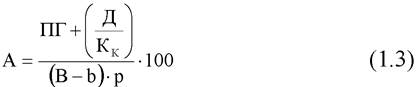
where A is the quantity of stocking material, specimens; П is natural fish productivity, kg/ha; Г is pond area, ha; Д is feed quantity, kg; КК is the feed conversion ratio; В is the final mass of fish at harvest, kg; b is the mass of the stocking material, kg; p is the fish survival rate, %.
Calculation of the required feed quantity. A farm's feed requirements are determined by the production plan for raising marketable fish, stocking material, broodstock, and various age groups of replacement fish. To calculate the planned amount of feed, the following baseline information is needed: 1) pond area; 2) fish-rearing plan; 3) projected fish productivity based on natural food sources; 4) total weight gain resulting from fertilization; 5) fish yield under a prospective polyculture system; 6) total mass of stocking material; 7) the feed conversion ratio for a given feed, feed mixture, or pelleted compound feed—for the latter, according to current fish-farming and biological standards, the feed conversion ratio is 4.7, whereas for loose feeds it increases by 8% (to 5.0); 8) additional feed allowances calculated for herbivorous fish in accordance with fish-farming and biological standards.
For an individual pond, the feed requirement can be determined using the formula:

where D is the required amount of feed, kg; A is the autumn fish yield, spec.; B is the weight gain of a single specimen per season, kg; P is the total fish weight gain due to the natural food base, taking fertilization into account, which is determined by multiplying the pond area in hectares by the natural fish productivity, kg; KK is the feed conversion ratio.
To distribute feed properly throughout the vegetative period, a feeding plan is drawn up for each pond, typically scheduling the highest feed consumption during the months of intensive fish growth and feeding. A fish-feeding schedule is developed, and the feeding frequency per period is determined (Table 1.7). A fish-feeding log is maintained throughout the growing season (Table 1.8).
Table 1.7. Fish Feeding Plan
Period of fish feeding by decades and months |
Feed or feed mixtures |
Fish weight gain per period |
Feed utilization |
||||||
Name |
Feed conversion ratio |
Per spec., g |
To total weight gain, % |
Total, kg |
Number of feeding days |
Per day, kg |
Number of feeding lanes (spots) |
Feed mass per feeding lane (spot), kg |
|
Table 1.8. Fish Feeding Log
Date |
Temperature, °С |
Pond name or number |
Pond area, m2 |
Composition of feed mixture, % |
Daily feed consumption, kg |
Feed supplements |
Other additives |
Number of feeding spots |
Feed distribution time, h |
Feed consumption rate |
Measures taken to improve consumption |
|||||
Planned |
Actual |
Micronutrients, g |
Plant paste, kg |
Fish meal, kg |
Hydrolytic yeast, kg |
Methylene blue, g |
Antibiotics, g |
|||||||||
Preparation of feed for feeding. Along with maintaining good pond conditions, feeding efficiency depends on proper feed preparation and quality. Feeding carp with monotonous feeds causes disorders in the formation of their digestive Organs, leading to quantitative and qualitative changes in digestive juice secretion and disrupting metabolic intensity.
Currently, the compound feed industry produces pelleted compound feeds for carp (using dry pressing methods) that have low mechanical strength. The water resistance of these pellets is still relatively low (10–15 min), and they disintegrate rapidly. Before reaching the feed warehouses of fish farms, pelleted feeds undergo multiple loading and unloading operations, which increases the content of fine crumbs to 25% or more. When distributing such feeds using distributors like SKR-1, СКР-3,0А (SKR-3.0A), and KRZ-1, the powdery fraction and small particles are lost, and carp do not consume them. The main losses occur at the moment the feed is introduced into the pond.
Along with mechanical feed losses during extraction, certain nutrients—primarily fats and nitrogen-free extractives—decompose. The shelf life and stability of compound feed in water can be significantly extended through preliminary preparation: it should be sieved, and the pellets should be distributed using feed dispensers under conditions that ensure rapid consumption once they enter the water.
On agricultural enterprises where carp are fed various wastes, it is advisable to grind the wastes first and then mix them into a thick dough. Feeds are ground using feed grinders, universal mills, and other mechanical units. The mixed dough is prepared using various feed mixers, vats, or barrels. To minimize losses when introducing ground feed into water, binding components should be added to the feed mixtures whenever possible, such as linseed cake or flour sweepings (15–20%). Two-year-old carp that have reached a mass of 150–200 g can be fed whole grain.
During fish rearing, feed quality should not be changed abruptly; it is advisable to transition gradually from pelleted compound feeds to grain or dough-like feed and vice versa. When changing feeds, the fish's age, growth rate, and the season of the year must be taken into account.
Feed distribution and consumption monitoring. Fish are fed daily at the same time using various feed-distributing
equipment. The daily feed rate is distributed across feeding spots according to established technology: when using pelleted compound feeds, along a feeding lane, and for dough-like feeds, at specific feeding points. Feed should be distributed daily in the same Location, which establishes a conditioned reflex, promotes better consumption, and shortens the feeding time. In high-density stocking systems, as the fish grow, the feeding lanes are moved to deeper areas to match the movement of the fish.
Feed consumption is assessed by checking uneaten feed remnants at the feeding spots using a mesh scoop 2–3 hours after distribution. Consumption is checked in several feeding locations across each pond. If compound feed remnants are present, the feeding rate should be adjusted downward, and the cause of this phenomenon should be promptly investigated. However, during sharp fluctuations in water temperature during the period of maximum growth, it is advisable to conduct additional consumption checks every five days to adjust the feeding rate According to the actual situation in the pond.
As fish grow and their mass increases, the feeding rate and total feed volume are increased accordingly. This coincides with the period of optimal water temperatures in pond farms. To enhance the utilization of nutrients in the daily ration, taking into account Anatomical and physiological feeding characteristics, it is advisable to divide the carp's daily feeding rate into two or three portions and organize twice- or thrice-daily feeding. The first feeding is carried out between 7:00 and 9:00 a.m., when the concentration of dissolved oxygen in the water increases—at the same hours as for single feeding—and subsequent feedings follow at 7–8 hour intervals.
Pelleted and loose compound feeds are stored on farms in floor-type and bunker-type warehouses. Bunker storage facilities (such as metal silo towers) installed directly on dams or pond banks allow feed distributors to be loaded without the need for internal farm transportation and rehandling operations. However, due to discrepancies between delivery schedules from factories and actual consumption rates (even for objective reasons), farms are forced to maintain central feed warehouses with a capacity designed for 40% of their annual requirement. Consequently, two distinct operational technologies for feed handling have emerged in fish farming: the transfer technology (when feeds are stored on the floor) and the transshipment technology (with bunker storage).
The transfer technology is based on storing compound feeds—delivered from the railway station (or factory) by motor transport—in floor-type warehouses located at the farm's central estate, and transporting them to the distribution sites as needed. To perform loading operations in floor-storage warehouses, the ZPS-60 machine is recommended, which fully covers the loading volume requirements for a farm with 550 hectares of ponds or more.
Central bunker-type warehouses provide complete mechanization of technological operations, automatic control of operating modes, improved feed storage conditions, and a dramatic reduction in labor costs. These warehouses are constructed from precast reinforced concrete or metal structures based on standard designs.
The transshipment technology differs from the transfer technology by eliminating the rehandling of feed in floor-type warehouses, as feeds from the railway station (or factory) go directly into bunker storage facilities installed near the pond.
When compound feeds are delivered by dump trucks, they are loaded into the bunker using an NTSG bucket elevator; when delivered by ZSK-10 feed trucks, they are loaded using the screw conveyor mounted on the truck. The capacity and number of silo-type bunkers recommended for installation directly near ponds of various areas are calculated based on the daily feed distribution rate and a two-week reserve supply (Table 1.9).
Table 1.9. Recommended bunker types for compound feed storage
Pond area, ha |
Required bunker capacity, m3 |
Recommended bunker |
|||
Type |
Capacity, m3 |
Quantity, units |
Loading method |
||
Up to 10 |
10 |
KhS of two |
12.5 |
1 |
ELT-180 |
25 |
25.6 |
KhS of two |
12.5 |
2 |
ELT-180 |
50 |
51.5 |
"Prodmash" |
52.8 |
1 |
ELT-180 |
100 |
103 |
"Prodmash" |
52.9 |
2 |
ELT-180 |
150 |
154 |
BMS-25 |
43 |
4 |
NTsG-10 |
50 |
3 |
NTsG-20 |
|||
Note. For larger ponds, the number of hoppers is calculated similarly. B-6 type hoppers with a capacity of 6.53 are recommended for rearing ponds up to 6 - 7 ha in area, and they are loaded using the ZSK-10 loader.
In addition to those listed, fish farms can also use 12.5 and 25-tonne hoppers (BV-12.5 and BV-25) mass-produced by the industry for agriculture. These hoppers are equipped with forced feed ventilation using cold or heated air.
Paste-like feed is transported to the ponds and transferred into floating feed distributors using a T-16M self-propelled chassis equipped with a dump body.
When feeding fish in commercial and rearing ponds for a fish farm with a total pond area of 500 ha, a single comprehensively mechanized line is sufficient. For relatively small volumes of preparing and loading paste-like feeds with various additives into vehicles, the KUT-ZM feed loader-distributor is used, while the URD unit is employed for preparing and distributing paste-like feeds in fish farms with large ponds.
Oars and motor boats are used for manual feed distribution. Depending on the pond area, the following types of feed distributors are recommended: for ponds ranging from 15 to 35 ha — KRZ-1; from 30 to 70 ha — SKR-1.5; and over 70 ha — SKR-3.0A.
For ponds up to 50 ha in area, the KRB-2 feed distributor is particularly efficient and economical, designed for the continuous metering and distribution of pelleted feeds. It is also used for applying loose mineral fertilizers. It allows for
distributing feed in doses up to 12 t continuously (in a "strip") at up to 500 g/m.
On commercial ponds exceeding 100 ha in area, the 1507 feed distributor is used, which has been improved by many enterprises. On small-area ponds, as well as those equipped with drive-over dikes, mobile shore-based feed distributors are employed; these are mounted on T-16 self-propelled chassis or on a trailer towed by a DT-20 tractor.
Feed from the hopper is supplied into the water through a pipeline using a pneumatic conveying device while in motion. In addition, the KRS-1 feed distributor, which is towed and unloaded by a DT-20 tractor, is also used.
A progressive trend in fish feeding practices is the use of automatic feeders.
The "Reflex T-14" feeders are designed as a hopper with an opening, mounted on a stand and covered with a lid. A mushroom-shaped valve is located in the hopper opening, with its hemisphere sealing the opening. The valve is equipped with a long pendulum rod featuring a lure that stimulates the fish's grasping reflex. When a fish seizes the lure, the pendulum deflects to the side, the valve opens slightly, and the pellets spill into the water. The hopper capacity of this model is 12 kg.
The efficiency of fish feeding is assessed by the feed conversion ratio, i.e., the ratio of the mass of feed dispensed to the fish biomass gain.
The feed coefficient for a specific feed is a conditionally constant value; it is provided in educational and reference literature and determined by the nutrient content of the feed. The feed consumption per unit of fish growth varies significantly; it can be greater than, less than, or equal to the feed coefficient.
As discussed above, feed costs per unit of fish growth are largely determined by the overall cultivation level of the ponds, environmental conditions, the development of the natural food supply, the ratio of artificial to natural feeds in the diet, feed quality and its preparation for feeding, the feeding regime, and the qualifications and diligence of the respective specialist. Feed costs per unit of carp growth or production are determined during pond harvesting by subtracting the mass of stocking material and the carp growth due to natural foods and applied fertilizers from the total carp fish production mass.
Afterwards, the absolute mass of fed feed is divided by the carp growth to obtain the value characterizing the feed cost per unit of carp growth.
In polyculture, a similar calculation is applied to all harvested production, taking into account the percentage specified by regulatory documents for the polyculture of carp and herbivorous fish.
Special studies, taking into many components, have made it possible to create a formula that provides appropriate quantitative criteria under specialized farm conditions. The formula for calculating total feed consumption per unit of fish growth was proposed by a team of researchers from the Institute of Fisheries of the UAAS:

where K is the mass of fed feed, kg; T is the mass of harvested marketable fish, kg; PM is the mass of stocking material, kg; T1 is the fish growth due to natural food, kg; T2 is the fish growth due to applied fertilizers, kg; Tr is the fish growth due to stocking of herbivorous fish, kg; T0 is the mass of trash fish, kg.
To increase feeding efficiency, feed consumption per unit of growth should be determined throughout the entire growing season between test-fishing dates as the quotient of dividing the mass of feed consumed over that period by the fish growth (growth of a single specimen between test fishings multiplied by the number of fish being grown in pieces).
In May and June, when the natural food base is well developed, feed costs naturally tend to be lower than the feed coefficient; in August and September, when the fish diet consists of 80–90% compound feed, they are higher. Roughly, they may average: in May — 1.7; June — 3.5; July — 4.1; August — 4.4; September — 8.0; with an overall average of 4.0.
The ultimate feed utilization efficiency is determined during the analysis of economic performance based on economic indicators, the most important of which is the cost ratio for the "Feed" item in the calculation of the production cost of marketable goods in monetary terms.
Under semi-intensive fish farming conditions, with low carp stocking densities (up to 2.0 – 3.0 thousand spec./ha) and the possibility of intensive pond fertilization, carp feeding is a relatively simple process. It mainly utilizes grain cleaning waste in the order of their receipt from threshing floors (legume, followed by barley-wheat and other grain crops). However, even in this case, it is necessary to calculate the required amount of feed, taking into account the Specific features of the components and applying the appropriate feeding technology.
Polyculture. The process of forming the productivity of artificial and natural water bodies is largely associated with polyculture. The modern basis for increasing the natural fish productivity of water bodies is the co-cultivation of different fish species in the same area, including both peaceful and predatory species. At the same time, the more species with distinct feeding spectra inhabit a pond, the higher its yield will be. Co-cultivation of several valuable fish species selected by their feeding habits in such a way as to make the fullest use of natural food and achieve maximum fish productivity without stimulating an increase in natural productivity through various reclamation and fertilization methods—which is not fundamentally excluded and constitutes the essence of polyculture.
Polyculture has empirically been the primary form of lake and pond fish farming since ancient times. They differ in the degree of artificial ichthyocenosis design, which provides different levels of management over production processes. The feasibility of stocking a particular fish species for co-cultivation is largely determined by specific conditions. A general fundamental condition requires the presence of necessary physicochemical environmental parameters that meet the biological requirements of the species within its range. Furthermore, artificial ichthyocenosis in fish production should fundamentally be based on the feeding habits of fish—specifically, the divergence of feeding spectra—which serves as the criterion for feasibility. When forming the polyculture composition, interspecific competition for food must be eliminated, ensuring the efficient use of the natural food supply. Among zoobenthivorous fish, whitefish, peled, tench, crucian carp, and goldfish can be recommended; among predators, pike-perch, pike, and trout; and among herbivorous fish, grass carp, silver carp, and hybrids of silver and bighead carp (Fig. 1.1).
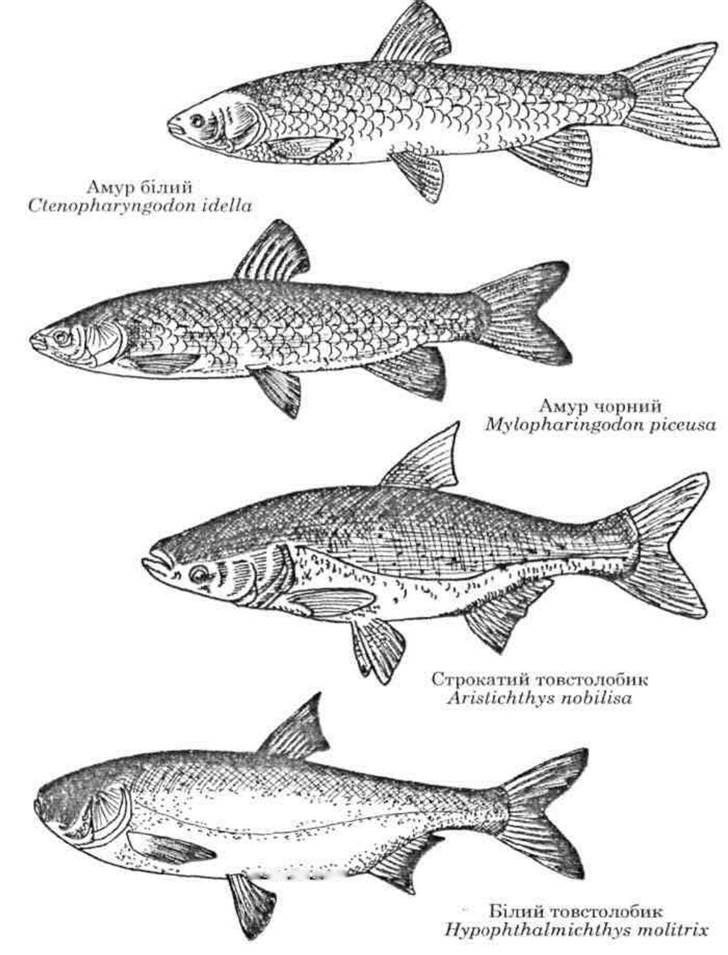
Fig. 1.1. - Traditional polyculture objects
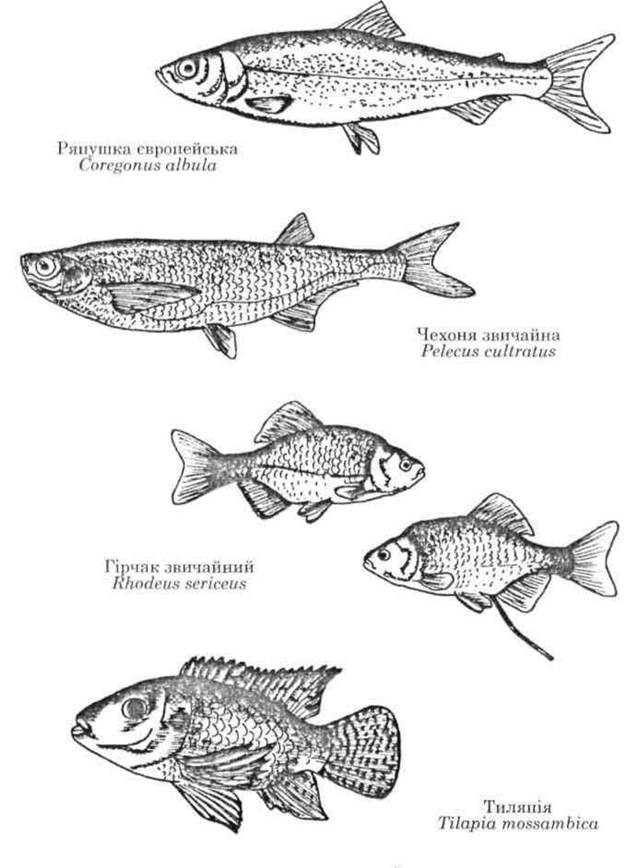
Fig. 1.2. - Additional polyculture objects
In the water bodies of the Forest-Steppe and Steppe zones, common components of polyculture can include zoobenthophagous fish such as sturgeon, vimba bream, and tench; zooplanktophagous fish such as bighead carp; classic phytophagous fish such as grass carp and silver carp; and predatory fish such as pikeperch and catfish (Fig. 1.2). In fully drainable ponds with a favorable oxygen regime, common carp can be co-cultured with whitefish, particularly pelled (a typical zooplanktivore), which yields an additional 90 - 180 kg of fish per 1 hectare of pond area.
Globally, research is ongoing to optimize the use of aquatic ecosystems through the Selection of diverse fish species in polyculture. Polyculture is particularly widespread in Southeast Asia, where 6 to 7 fish species are co-cultured. Catla, rohu, and mrigal are fast-growing species; freshwater polyculture also incorporates catfish, tilapia, and phytophagous species, while brackish water systems utilize milkfish and mullets. In North America, channel catfish, striped bass, various buffalo species, tilapia, and grass carp are cultured in both monoculture and polyculture systems (see illustrations on pp. 66, 68, 200, 206).
Joint research on the acclimatization of phytophagous fish conducted by scientists from Ukraine, Russia, Moldova, and Turkmenistan enabled the rapid introduction of grass carp and silver carps into pond aquaculture. This research had a decisive impact on the adoption of phytophagous fish in the freshwater aquaculture of Romania, Bulgaria, Hungary, Poland, the Czech Republic, Slovakia, and other European and American countries.
Resolving this highly complex scientific and practical challenge represents a major milestone in our fisheries science in recent years. It is difficult to cite another comparable example of the widespread implementation of a fundamentally new technology that, with minimal additional costs and in a short period, delivered substantial fish-farming and economic benefits while greening the technology of warm-water pond aquaculture.
The introduction of first-order consumers (silver carp, grass carp) into the ecosystem of intensively managed carp ponds has ensured a high yield of additional marketable produce by shortening FOOD CHAINS AND converting feed resources untouched by common carp into a nutritional base for phytophagous fish.
The overall level of natural food resources in fish-farming ponds managed with carp and phytophagous fish polyculture increases significantly due to the environmental impact of phytophagous fish, driven by the so-called self-fertilization effect: these fish consume lower and higher aquatic vegetation, and their excrement effectively acts as fertilizer for the ponds.
Polyculture can be viewed as an effective tool for resource-saving technology: by efficiently consuming phyto- and zooplankton and utilizing it for biomass growth, silver carp return biogenic elements—lost during agricultural production and washed into fishery water bodies by wind and water erosion—back into the form of animal protein. Furthermore, the complex of phytophagous fish helps offset losses in thermal power engineering and related industries by partially utilizing waste heat within cooling-pond systems.
Polyculture has long been used in domestic fish farming as a method to increase pond productivity. However, co-culturing common carp with additional species such as crucian carp, tench, and predators (pikeperch, pike, catfish) yielded only marginal production gains while significantly complicating operations. Phytophagous fish have transformed polyculture into a leading driver of fish farming intensification without fundamentally altering the biotechniques of monoculture carp production. Phytophagous fish currently account for an average of 25% of commercial fish production, with a clear upward trend.
Transitioning pond farms to a polyculture of phytophagous fish and common carp in southern regions doubles natural fish productivity and increases yields in rearing and fattening ponds by at least 600 - 1000 kg/ha. In the central zone, it increases pond productivity by 30 - 40% (300 - 500 kg/ha) with virtually no increase in feed and fertilizer costs.
Based on many years of dedicated research, N. M. Kharitonova identifies three forms of polyculture. In the first—allochthonous—form, common carp serves as the primary species at an optimal stocking density, intensive feeding, and mineral fertilization, supplemented by silver carp, bighead carp, and specifically grass carp (for ameliorative purposes). The second form features bighead and silver carp as the primary species. Here, the stocking density of common carp is determined by the productivity of the bottom fauna and large zoobenthos forms, while that of grass carp is determined by higher aquatic vegetation. The third form of polyculture is based on culturing grass carp in heavily overgrown ponds or on farms capable of intensively feeding the carp with green mass supplied via the green conveyor of agricultural production.
The Significance of individual fish species in polyculture varies. In southern regions, silver carp plays the leading role, accounting for at least 70% of marketable production, bighead carp accounts for up to 20%, and grass carp accounts for about 10%.
Consequently, a significant increase in pond fish productivity is primarily achievable through the cultivation of silver carp. This species should be dominant in polyculture, with pond fertilization serving as the main method for targeted food-web management. Bighead carp and hybrids of these species also play a notable role. Silver carp significantly influence water quality by filtering out large amounts of phytoplankton, detritus, and other organic matter (including feed meal particles). They fundamentally alter production processes, accelerate the cycling of matter and energy within the ecosystem, stabilize the hydrochemical regime, improve the sanitary condition of water bodies, and thereby enhance fish productivity relative to common carp.
It has been established that increasing the stocking density of silver carp has a lesser impact on its growth rate compared to common carp. In pond management, grass carp acts as an effective biological ameliorator. Its ameliorative capacity increases with age and is widely utilized to combat aquatic weed overgrowth. At the same time, there is a direct correlation between natural carp productivity and grass carp productivity. Under intensive fish farming conditions, grass carp should be recommended only as an auxiliary species to the main cultured stock for biological pond amelioration; if natural food is scarce, it shifts to consuming compound feeds, turning into a food competitor that is not an efficient feed consumer, while older grass carp fed on compound feeds may experience mortality.
In extensive or semi-intensive pond fish farming, grass carp can play a role in establishing new polyculture systems based on feeding the carp terrestrial vegetation while maintaining other components on natural food sources.
Black carp also functions as a biological ameliorator in pond farming. By consuming mollusks—the intermediate hosts of various parasites—it improves the epizootic situation. Black carp poorly utilizes low-protein compound feeds, so one should not expect a significant boost in fish productivity through intensive feeding with compound feeds.
Channel carp, as a highly valuable subject for pond polyculture, holds promise for the southern Regions of the country, but it is of particular value for industrial warm-water facilities where optimized thermal regimes can deliver high fish productivity combined with attractive economic indicators.
Along with phytophagous fish, paddlefish, mullet, and buffalo are promising species for water bodies of various origins and intended uses under appropriate conditions. Establishing artificial ichthyocenoses in such water bodies that incorporate a rational polyculture with the aforementioned components will improve the quality of marketable produce and more intensively utilize the natural food resources of aquatic areas. Further refinement and practical implementation of new aquaculture species in polyculture will expand the range of farmed fish, increase fish productivity, and boost the economic efficiency of water body exploitation.
Unlike polyculture, monoculture in warm-water fish farming has a long history and is gradually losing relevance today due to the substantial underutilization of food resources. Monoculture formally implies a single feed type, yet the biological production potential comprises a limited number of consumers from various trophic levels that cannot practically be utilized efficiently by a single fish species, as each specific species exhibits a distinct feeding type. Monoculture is feasible and justified in industrial warm-water aquaculture when specific artificial feeds are used, essentially tying fish maintenance to intensive feeding regimes.
Mixed fish stocking based on the feeding specifics of different age groups has a fairly long history in warm-water pond aquaculture, making it possible to improve the efficiency of food resource utilization.
Simultaneously, it is necessary to account for The impact of overall stocking density in both monoculture and polyculture on the state of the aquatic ecosystem. Increasing stocking density, applying organo-mineral fertilizers, and feeding fish in combination with the metabolic products of cultivated species can overload the hydroecosystem with organic matter. The oxidation of organic compounds consumes large volumes of oxygen, which may lead to an oxygen deficit—reducing dissolved oxygen to critical levels—and consequently causing suffocation or asphyxia in fish.
Modern polyculture should not be viewed by specialists as an absolute ideal guaranteeing the optimal utilization of food resources. A substantial portion of food hydrobionts is utilized at levels far below the optimum, and certain hydrobiont species remain virtually untouched. At the same time, in a number of cases, it is advisable to adjust the polyculture composition depending on specific conditions or to cultivate species that are economically attractive.
A critical look at modern warm-water pond aquaculture focuses on the search for new high-yielding fish species and additional culture organisms, which will lead to a more efficient use of aquatic bioresources and artificial feeds.
The fish productivity of artificial water bodies is shaped, on the one hand, by directly influencing their natural bioproductive potential to increase the abundance and biomass of respective food organism groups through the application of organic and mineral fertilizers, which in turn positively impacts the food supply. The rational conversion of this additionally generated food resource into an actual food base—and consequently into fish productivity—is closely tied to the optimal selection of artificial ichthyocenosis components, or polyculture constituents, based on criteria of species composition, age groups, and the ratio of individual species within the artificial fish community.
Considering the rather specific biology of the fish class and the cultivated species in particular, It is important to emphasize that the mass accumulation processes of relevant artificial ichthyocenosis components depend on abiotic environmental parameters and are directly linked to fish productivity.
The theoretical aspects of the water supply source in relation to the organism-environment problem have been discussed in detail above. From a practical standpoint, however, it is also appropriate to recall materials concerning the reclamation of artificial water areas.
Appropriate abiotic parameters of the water supply source, combined with targeted reclamation measures and The stimulation of food hydrobionts through organic and mineral fertilizers, create objective prerequisites for further increasing fish productivity. It is precisely under this set of conditions that compound feeds should be used, taking into account the species, sex, and age of the fish, seasonal variations, and primarily water temperature, alongside other conditions regulated by industry standards.
The fish productivity of natural ichthyocenoses depends on Qualitative and quantitative indicators of their bioproductive potential, a key component of which is the food supply consisting of relevant edible hydrobionts. Available calculations provide information on specific food hydrobionts, their composition, abundance, and biomass, taking into account P/B coefficients. By understanding the feeding habits and age-specific dietary features of particular fish species, as well as the food coefficients of the targeted hydrobionts, one can gain an objective picture of the potential capacity of the food resource when optimizing the species composition of a natural ichthyocenosis.
Based on this, and by utilizing the selectivity of fishing gear, it is necessary to provide appropriate protection for fish species capable of converting the biomass of underutilized hydrobionts into the ichthyomass of species desired in commercial fish fauna. Drawing on theoretical studies in this field, reclamation measures can significantly improve the conditions for the reproduction and feeding of young promising fish species, which forms the basis for future commercial fisheries.
When examining natural ichthyocenoses, it should be generally emphasized that fish are a renewable natural resource. Under rational fishing practices and the optimization of aquatic abiotic parameters, the system can function almost indefinitely. Building upon the philosophical concept of eternity, one must account for dynamic fluctuations across seasons, years, and extended periods, which indirectly influence—without disrupting in the long run—the characteristic overall fish productivity.
At the same time, cataclysms of natural or anthropogenic origin can disrupt a stable ichthyocenosis, ultimately leading to an irreversible decline in the fish productivity of water bodies.
By mastering these theoretical concepts and applying them in practice, one can identify realistic levers to increase the abundance and biomass of food hydrobionts. Combined with their accessibility to target fish species, this will enable the effective management of fish productivity in fishery-valuable water bodies.
A powerful component in enhancing the fish productivity of natural and modified aquatic areas is the introduction of valuable fish species; however, this is only feasible with proper scientific justification, as discussed in a dedicated section below.
Regarding classical fish farms based on traditional ponds—and in certain cases, small reservoirs—the introduction of valuable fish species can significantly increase fish productivity through the expanded and intensive use of food resources.
Economically valuable biological organisms in fishery water bodies are desirable components of aquaculture. Depending on The Nature of the water body, these may include other fish species, marine-cultured organisms, freshwater-cultured organisms, or brackish-water-cultured organisms. Flora and fauna can serve as cultured organisms under either monoculture or polyculture principles. A promising approach to improving the nutritional conditions of respective ichthyocenoses is the introduction of food hydrobionts that enhance the diet of cultivated fish species.
When utilizing ichthyocenoses under fully controlled conditions in commercial fish farms—which is possible without a fish-biological justification—a substantial increase in fish productivity can be achieved provided there is a sound theoretical basis. Given the potential for both negative and positive impacts resulting from the introduction of certain fish fauna and food hydrobionts for specific fish species, one must be guided by scientific developments that, alongside technological components, include a section dedicated to forecasting the ichthyopathological situation.
Last update: 08/08/2026
Editorial and Educational Adaptation: This material has been compiled based on the primary/original source text. The project team performed an editorial review, corrected technical inaccuracies, structured sections, and adapted the content for an educational format.
What was processed:
- elimination of formatting defects (OCR errors, structural breaks, corrupted characters);
- editorial organization of content;
- standardization of terminology in accordance with academic sources;
- verification of factual statements against the original source text.
All mentions of the author, publication year, and origin of the primary text have been preserved in accordance with the source.