BIOCHEMISTRY FOR TEACHERS - F. F. BOYECHKO - 1985
MAIN CHEMICAL COMPONENTS OF CELLS
VITAMINS
To quote Academician V. O. Engelhardt, "Vitamins proved their existence through their absence." Indeed, people first encountered the symptoms of vitamin deficiency. Uncovering the causes of this deficiency led to the discovery of vitamins and The Study of their Structure and properties.
It is worth noting that the priority in discovering vitamins belongs to domestic science. In 1880, the Russian physician N. I. Lunin, through animal experiments (on mice), established that feeding them an artificially prepared milk consisting of Proteins, fats, CARBOHYDRATES, and mineral salts was insufficient for the normal Development of the Organism. Animals kept on such a diet stopped growing and developed various diseases that frequently resulted in death. However, when a small amount of natural cow's milk was added to this artificial diet, the animals developed normally.
Thus, based on these findings, N. I. Lunin was the first to suggest that milk contains other substances—unknown at the time, apart from proteins, fats, carbohydrates, and mineral salts—that are essential for life and The Development of the organism.
In 1911, the Polish scientist C. Funk named these substances vitamins. Their name comes from the Latin word "vita" (life) and "amine" (a nitrogenous compound containing an amino group). Although somewhat later, following the discovery and structural analysis of A number of vitamins, it was established that the amino group is present only in certain vitamins, the name has been retained to this day.
Research in the field of vitaminology continues to this day. New vitamins are still being discovered and studied, their physicochemical properties and biological actions are investigated, and technologies are being developed for their industrial production and widespread application in agriculture and medicine.
Vitamins are a group of organic BIOLOGICALLY ACTIVE SUBSTANCES of diverse chemical nature that are synthesized primarily in plants and are required in small amounts to ensure the normal vital activity of Human and Animal organisms.
Disruption of the normal supply of vitamins to The Human Body leads to diseases known as avitaminoses or hypovitaminoses. A deficiency of multiple vitamins in the body results in a condition called polyavitaminosis. These disorders are accompanied by metabolic disturbances, a decrease in the body's Resistance to Infectious infections, lowered endurance to physical and nervous stress, reduced working capacity, and other issues. Vitamin deficiencies are also characterized by specific distinct pathologies. For example, a lack of vitamin A causes eye diseases, Vitamin D deficiency leads to Rickets, vitamin B5 to pellagra, Vitamin C to scurvy, and so on.
Regarding The Importance of vitamins for the organism, Academician O. M. Bach wrote that it is difficult to find a branch of physiology or biochemistry that does not intersect with the science of vitamins. METABOLISM, The activity of Sensory Organs, the Functions of The Nervous System, enzymatic processes, GROWTH AND REPRODUCTION phenomena, and other diverse and fundamentally important areas of biological disciplines are closely linked to the study of vitamins.
The development of hypo- and avitaminoses in humans and animals can be triggered by external and internal factors. External factors include insufficient Dietary intake of vitamins. Internal factors encompass various diseases that increase the body's requirement for vitamins or inhibit their assimilation. These include Disorders of the Digestive System (Stomach ulcers, low acidity), Liver diseases, nervous system disorders, and infectious diseases (dysentery, typhoid fever, tuberculosis, Influenza, etc.). The body's requirement for vitamins varies under different conditions of human life and activity. For instance, during periods of accelerated growth, heavy physical labor, Pregnancy, or breastfeeding, The Need for vitamins increases.
A monotonous diet can also cause avitaminoses. The protein adequacy of the diet is of particular importance. A reduction in dietary protein impairs the assimilation of a whole range of vitamins—specifically C, B2, and nicotinic acid—and disrupts The conversion of carotene into vitamin A, among other effects.
Class="center">Table 9. Nomenclature and Classification of Vitamins
Vitamin Name |
||
Latin |
International |
Other Names |
А |
Retinol |
Axerophtol |
D2, D3 |
Calciferols (Ergocalciferol, cholecalciferol) |
Antirachitic |
К |
Phylloquinone |
Antihemorrhagic, farkhaquinone, vicasol |
Е |
Tocopherol |
Antisterility |
F |
- |
Unsaturated Fatty acids, antisclerotic |
Q |
- |
Ubiquinone |
Water-Soluble Vitamins |
||
В1 |
Thiamine |
Aneurin, antineuritic |
В2 |
Riboflavin |
Antiseborrheic |
В3 |
Pantothenic acid |
Antidermatitic |
В5 |
Nicotinamide |
Vitamin PP, niacinamide, antipellagric |
В12 |
Cyanocobalamin |
Antianemic |
В13 |
Orotic acid |
Anti-intoxicant |
В15 |
Pangamic acid |
Antianoxic, lipotropic factor |
С |
Ascorbic acid |
Antiscorbutic |
Р |
Citrin |
Capillary-strengthening rutin |
Н |
Biotin |
Antiseborrheic, coenzyme R, factor X |
Вс |
Pteroylmonoglutamic acid |
Folic acid, antianemic |
Біос-1 |
Meso-Inositol |
Inositol, antisclerotic |
Ensuring an adequate supply of vitamins to the human body is especially critical in late winter and spring, when the body's vitamin reserves are depleted to a maximum.
However, excessive vitamin intake also negatively affects metabolism and causes bodily intoxication—a condition known as hypervitaminosis. An excess of fat-soluble vitamins exerts a toxic effect on the organism because they tend to accumulate within the body. An excess of water-soluble vitamins is less harmful since they are more easily excreted through the Kidneys.
Today, about 30 vitamins are known; their properties and physiological effects have been studied, and the Chemical synthesis of corresponding vitamin preparations has been achieved. In many cases, the biological action characteristic of a particular vitamin is exhibited not by a single substance, but by several compounds that differ in minor details of their chemical structure. These are called vitamers. An example is vitamin A, which has two vitamers—A1 and A2; vitamin D has about ten vitamers, and so on.
The nomenclature and Classification of Vitamins are based on their chemical structure, properties, and biological effects on the organism. Vitamins are frequently designated by letters of the Latin alphabet or bear names that reflect their physiological action. In 1956, the Commission on Biochemical Nomenclature of the International Union of Pure and Applied Chemistry adopted a new vitamin nomenclature based on chemical structure (Table 9).
Chemical Structure and Biological Role of Vitamins
All known vitamins are divided into two groups: fat-soluble and water-soluble.
Fat-soluble vitamins. Insoluble in water and readily soluble in organic Solvents, they are thermostable and resistant to changes in environmental pH. Fat-soluble vitamins have the capacity to be stored as reserves and most commonly perform a plastic function. It is believed that they influence the genetic apparatus and cellular lipoprotein membranes, exert a positive effect on the synthesis of Enzymes and Hormones, and participate in the formation, growth, and development of embryos, as well as the creation and regeneration of bone and Epithelial Tissues and Blood clotting processes. Fat-soluble vitamins include A, D, E, K, F, and Q.
Vitamins of the A group. In natural sources, vitamin A occurs in the form of vitamin A1 (retinol) and A2 (dehydroretinol):

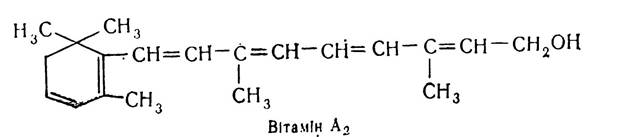
Pure vitamin A preparations appear as a light-yellow oily liquid or pale-yellow needle-like crystals, which are readily soluble in fats, acetone, benzene, alcohol, and other solvents. They are easily oxidized upon exposure to air, resulting in a loss of biological activity.
In the human and animal body, vitamin A plays a crucial biological role. Its deficiency or absence in the diet inhibits GROWTH AND DEVELOPMENT processes, causes alterations in epithelial Cells—specifically leading to epithelial keratinization—and impairs its protective function.
A rather specific sign of Vitamin A deficiency is eye disease. In the early stages, an eye condition known as night blindness (hemeralopia) occurs. It is characterized by normal Vision during the day, whereas in twilight, the individual loses The ability to distinguish objects. This is caused by a reduced rhodopsin content in the retina due to the slowed synthesis of rhodopsin in the dark, which results in a weak light stimulus perception under low-light conditions.
As vitamin A deficiency intensifies, xerophthalmia develops, leading to desiccation of the cornea. Due to Necrosis of the deeper layers, the cornea becomes clouded, and so-called keratomalacia occurs—forming a leucoma and resulting in complete loss of vision.
Significant Changes in the visual process during vitamin A deficiency are explained (according to I. V. Savytskyi) by the fact that this vitamin participates in The formation of visual purple (rhodopsin), which acts as a photosensitizer—a substance that increases the sensitivity of visual elements to light. Rhodopsin consists of a protein, opsin, and the aldehyde form of vitamin A (retinal). Retinal is formed by the abstraction of two hydrogen atoms from the primary alcohol group of the vitamin. It can exist in cis and trans forms. Under the action of light, cis-retinal converts into trans-retinal, and rhodopsin breaks down into the protein opsin and the aldehyde form of retinal. In the dark, these components recombine, regenerating visual purple (Fig. 20).
Vitamin A takes an active part in many metabolic pathways. For instance, According to the research of Soviet biochemist K. M. Leutsky and his coworkers, vitamin A is essential for the assimilation and synthesis of proteins and Nucleic Acids. Protein deficiency in the diet inhibits the storage of vitamin A in the liver. Under conditions of vitamin A deficiency, the metabolism of triglycerides, Phospholipids, sterols, and sterides is disrupted. Vitamin A is required for the normal catalytic activity of enzymatic systems involved in tissue Respiration and Mineral Metabolism. It has been established that vitamin A plays an important role in regulating the permeability of Cell membranes.
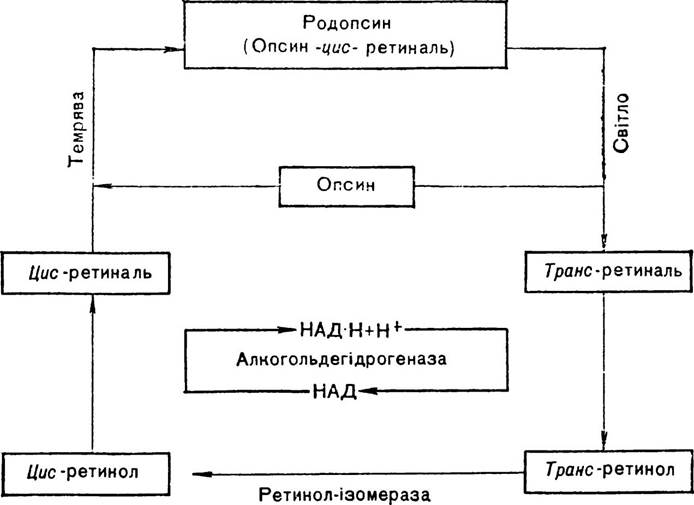
Fig. 20. Diagram of vitamin A involvement in the visual process (according to I. V. Savytskyi).
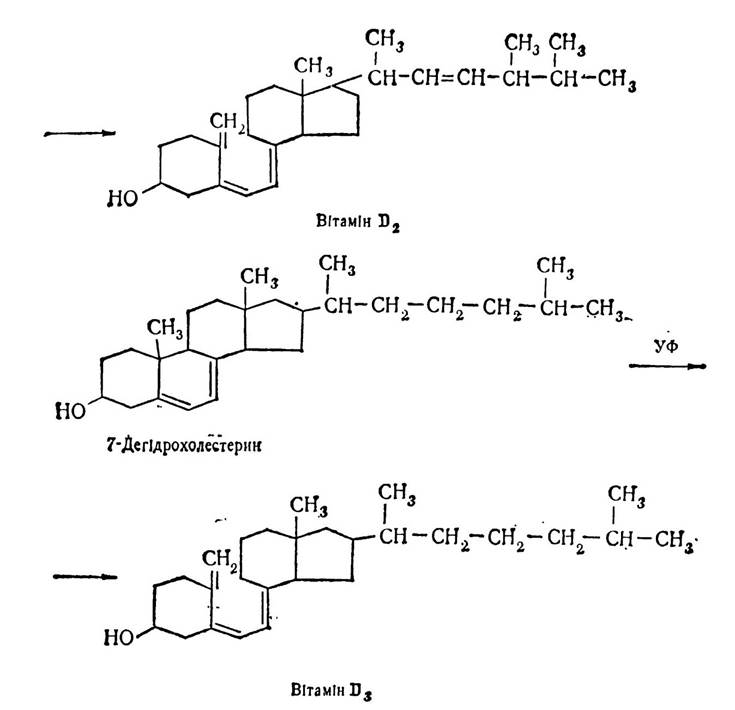
Group D vitamins. This term unites a group of substances with antirachitic activity, which are derivatives of animal and plant sterols. Sterols are converted into vitamin D upon ultraviolet irradiation. Among sterols, the most widespread and studied are ergosterol and 7-dehydrocholesterol. Upon ultraviolet irradiation, they are converted into vitamins D1 and D3, respectively:
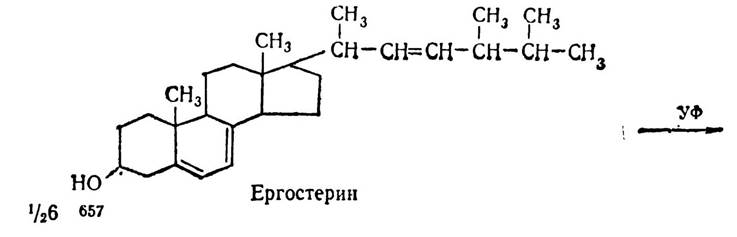
Vitamins D2 and D3 are colorless crystals that readily dissolve in organic solvents. They rapidly break down, losing their biological activity, under the action of oxidizing agents and mineral acids.
A deficiency of vitamin D in the body causes a disease known as rickets. This condition occurs particularly often in children housed in poorly lit environments.
The most prominent changes in rickets are observed in Bone tissue. Unlike normal bone, rachitic bone is richer in water and contains less ash. For example, while The ratio of ash to organic matter in a healthy dried bone is 3 : 2, in a rachitic bone it is 1 : 4. This causes the bones to become soft and easily deformed under body weight. Consequently, D-avitaminosis is characterized by profound disorders of mineral Metabolism in the Body. With the first symptoms of vitamin D deficiency, blood phosphorus levels drop, followed by calcium levels. It is hypothesized that vitamin D participates in the mobilization of phosphorus from tissues and its conversion into an inorganic form.
There is evidence indicating that vitamin D promotes the absorption of Calcium and phosphorus from the intestine into the blood, their deposition in bone tissue, and increases the activity of alkaline phosphatase.
Vitamin D is an important regulator of metabolic processes in the body. Vitamin D deficiency leads to increased urinary excretion of Amino Acids and disrupts oxidation processes within body tissues. Vitamin D exerts a positive effect on the Synthesis of the calcium-binding protein and enhances Oxidative Phosphorylation.
Group K vitamins. This designation groups together substances derived from 2-methyl-1,4-naphthoquinone. Among them, vitamins K1 and K2 are relatively well studied:
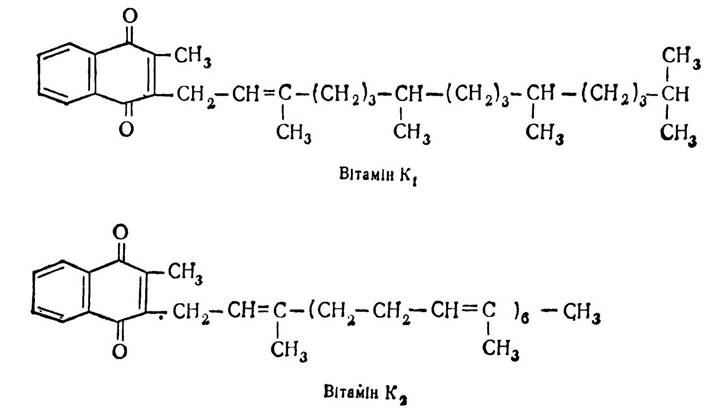
The biological activity of vitamin K1 is nearly twice as high as that of vitamin K2. The former has been isolated from alfalfa and is an oily substance, whereas the latter has been isolated from fish meal and is a crystalline substance.
In 1943, Academician O. V. Palladin synthesized a vitamin K analogue—vikasol (menadione sodium bisulfite)—which, unlike vitamins K1 and K2, is highly soluble in water:
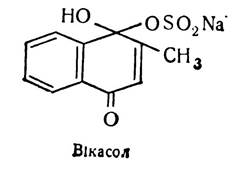
Due to this property, vikasol is widely used as a hemostatic agent.
Vitamin K deficiency significantly impairs blood clotting and can even lead to spontaneous bleeding. This is explained by the fact that vitamin K participates in the synthesis of components responsible for Blood Coagulation and also has a positive effect on the endothelial linings of Blood Vessels. Additionally, vitamin K accelerates the healing of wounds and ulcers.
Vitamin K is a component of the protein-enzyme menadione reductase and takes part in oxidative phosphorylation. It positively influences The Biosynthesis of blood proteins—albumins and globulins—as well as the Synthesis of specific enzymes, such as Pepsin, Trypsin, amylase, and several others.
Group E vitamins. Studies on the Chemical Nature of substances exhibiting the biological activity of vitamin E have shown that they comprise three varieties of tocopherol: α, β, and γ.
The structure of α-tocopherol is as follows:

α-Tocopherol lacks a methyl group at the seventh position, whereas γ-tocopherol lacks it at position 5. Several other tocopherols have been identified, differing in the number and spatial arrangement of methyl groups on the benzene ring.
Vitamin E plays a crucial biological role in the body's metabolic processes. Vitamin E deficiency leads to the accumulation of toxic substances, fetal resorption, and pregnancy termination, as well as impaired Protein metabolism (particularly in Muscles), characterized by a decrease in Myosin and myogen levels and an increase in Collagen content. Muscle Tissues also exhibit reduced concentrations of Glycogen, ATP, and creatine phosphate. Under these conditions, oxidation processes are significantly intensified. Vitamin E is believed to act as an antioxidant, inhibiting The oxidation of fats—especially unsaturated fatty acids—vitamin A, and various other biologically vital substances.
Water-soluble vitamins. These vitamins dissolve readily in water but are insoluble in fats and many organic solvents. They are thermolabile, sensitive to pH changes, and, unlike fat-soluble vitamins, are not stored in the body. A key characteristic of this group is that most of them constitute part of enzymatic systems as prosthetic groups or Coenzymes.
Vitamin B1 (thiamine). It was among the first vitamins to be discovered, and its chemical structure was established in 1935.
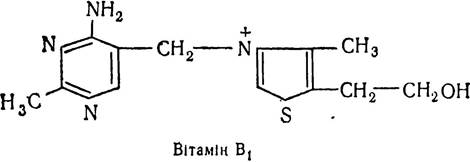
It is a white crystalline powder that is highly soluble in water. Within body tissues, the vitamin undergoes phosphorylation to form thiamine pyrophosphate (cocarboxylase).
Deficiency of vitamin B1 leads to beriberi or polyneuritis. This condition is characterized by disorders of the central and peripheral nervous systems, potentially resulting in paralysis. Furthermore, a lack of vitamin B1 impairs the functioning of the cardiovascular and gastrointestinal systems.
Research has shown that vitamin B1, in the form of thiamine pyrophosphate, acts as a coenzyme for carboxylase, which catalyzes the decarboxylation of pyruvic acid and other α-keto acids, breaking them down into acetyl-CoA and CO2. A deficiency of vitamin B1 causes an accumulation of Carbohydrate Metabolism intermediates—particularly pyruvic acid—which in turn induces acidosis, disrupts the acid-base balance and nervous system functions, and inhibits several reactions of The Tricarboxylic Acid Cycle, the primary pathway for generating energy required for the synthesis of vital cellular compounds. Thiamine pyrophosphate is also a component of transketolase, an essential enzyme that activates the Pentose Phosphate Pathway of Carbohydrate Oxidation.
Vitamin B2 deficiency is characterized by growth retardation, Skin inflammation (dermatitis), corneal vascularization (the ingrowth of blood vessels into the cornea), Hair loss, and other symptoms.
The primary function of riboflavin in the body is serving as an integral component (prosthetic group) of enzyme systems involved in oxidation-reduction processes. It enters enzymatic systems as flavin mononucleotide (FMN) and flavin adenine dinucleotide (FAD). FAD acts as a coenzyme for fatty acid β-oxidation enzymes, succinate dehydrogenase, xanthine dehydrogenase, and various Other Enzymes catalyzing aerobic redox reactions, while FMN is a component of enzymes involved in AMINO ACID DEAMINATION.
Vitamin B2 plays a vital role in metabolic processes and positively influences the body's assimilation of nutrients.
Vitamin B3 (pantothenic acid) was isolated in pure form and its structure was determined in 1938.

Visually, it is a viscous, oil-like yellow liquid that is readily soluble in water and sparingly soluble in organic solvents. It is stable against light, atmospheric oxygen, and heating in a neutral environment. Vitamin B3 is capable of crystallization and salt formation, with calcium pantothenate being of particular importance.
The principal symptoms of vitamin B3 deficiency include loss of appetite, growth retardation, dermatitis, depigmentation and hair loss, alongside degenerative changes in several organs and bodily systems.
Vitamin B2 (riboflavin) has the following structure:

The biological role of pantothenic acid in humans and animals stems from its incorporation into the coenzymes of protein-based enzymes that catalyze key biochemical pathways. Notably, the American biochemist F. Lipmann demonstrated that vitamin B3 is a constituent of coenzyme A (see p. 226), which participates in lipid and carbohydrate metabolism.
Pantothenic acid also exerts a positive effect on mineral metabolism, the activity of various Endocrine glands (thyroid, Pancreas, and adrenal cortex), and the Functions of the cardiovascular and nervous systems.
Vitamin B5 (vitamin PP, nicotinamide, and nicotinic acid).
It has been established that both nicotinamide and nicotinic acid exhibit vitamin activity.
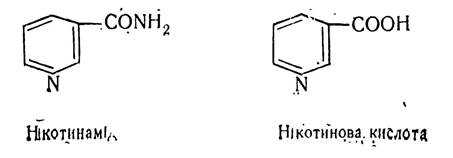
Nicotinamide is the form predominantly used in practice. It appears as white needle-like crystals that are readily soluble in water and alcohol, and stable against heat and oxidation.
A deficiency of vitamin B5 leads to a condition known as pellagra, which is characterized by a wide range of symptoms. Initially, patients experience skin depigmentation and dermatitis; the skin becomes rough and ulcerated. Later, gastrointestinal disorders develop, along with changes in the mucous membranes. In severe forms of B5 avitaminosis, Central Nervous System and psychiatric disturbances occur, which can progress to psychosis accompanied by hallucinations and delusions.
The biological role of vitamin B5 stems from the fact that it serves as a structural component of coenzymes for numerous enzymes involved in redox processes. Nicotinamide is part of the coenzymes nicotinamide adenine dinucleotide (NAD+) and nicotinamide adenine dinucleotide phosphate (NADP+), which catalyze The transfer of hydrogen atoms from certain substrates to others, as well as to coenzymes or prosthetic groups. Consequently, a vitamin B5 deficiency primarily disrupts tissue respiration processes, which in turn impairs overall body metabolism. For instance, under conditions of B5 avitaminosis, the total Protein content in organs and tissues decreases, and the ratio between albumin and globulin fractions shifts due to the body's reduced ability to assimilate dietary proteins.
Vitamin B5 plays an active role in carbohydrate metabolism. Pellagra is accompanied by elevated levels of lactic and pyruvic acids and a decreased blood sugar level.
The administration of nicotinic acid amide triggers a series of hemodynamic reactions—blood pressure rises, the pulse quickens, and Blood Circulation speed increases. As a result of this vasodilating effect, facial flushing occurs, along with sensations of warmth and tingling in various PARTS OF THE body.
Vitamin B6 encompasses three biologically active substances: pyridoxine, pyridoxamine, and pyridoxal:
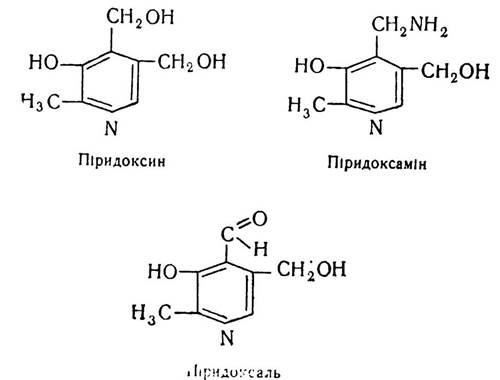
Within the body, all three of these substances interconvert through oxidation, reduction, Hydration, and the elimination of ammonia. In tissues and organs, vitamin B6 predominantly exists as Pyridoxal phosphate.
Vitamin B6 plays a crucial role in metabolism. It is a component of enzyme systems involved in amino acid transformations, such as Transamination, decarboxylation, and racemization.
Vitamin B6 takes direct part in the synthesis of complex porphyrin proteins, which are constituents of Hemoglobin, Myoglobin, Cytochromes, catalase, and peroxidase. Impaired Protein Synthesis during B6 avitaminosis negatively affects specific protein fractions—the globulin fractions associated with antibody production drop significantly, thereby weakening the body's defense mechanisms. Vitamin B6 exerts a positive influence on the glycogen-regulating and detoxifying functions of the liver, helps normalize carbohydrate metabolism, and stimulates fat synthesis in the body.
Vitamin B12 (cyanocobalamin) consists of two parts—a chromophore and a nucleotide moiety—and has the following structure:
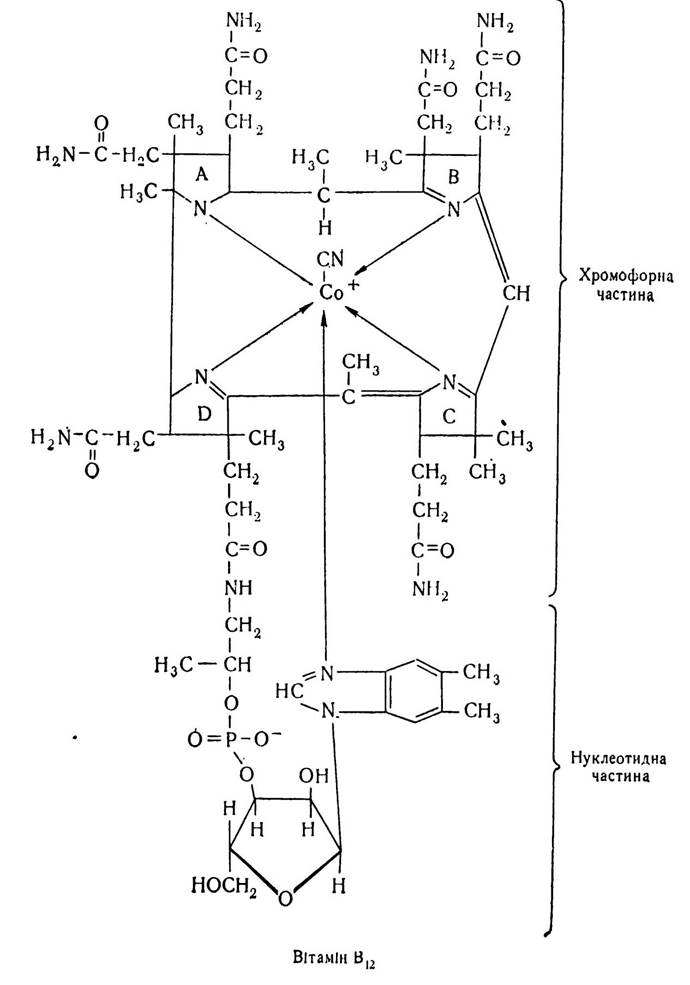
This is the only vitamin that contains a metal in its structure, namely cobalt. Vitamin B12 is a ruby-red crystalline substance that is readily soluble in water and ethanol, but is destroyed by sunlight and high temperatures.
In the bodies of humans and animals, vitamin B12 is bound to protein via cobalt. Thanks to its nucleotide portion, it primarily performs coenzymatic functions.
A deficiency of vitamin B12 in animals causes stunted growth, anemia, dermatitis, coarsening of the coat, and impaired motor coordination, among other symptoms. Cyanocobalamin plays a particularly vital role in hematopoiesis. For example, B12 avitaminosis disrupts normal blood Cell Formation in the Bone Marrow, resulting in an Abundance of immature Blood Cells as erythropoiesis is delayed. Consequently, blood hemoglobin levels drop sharply, leading to anemia.
Vitamin B12 is actively involved in the body's metabolic processes. Under its influence, the levels of nucleic acids, particularly ribonucleic acid, increase. It also participates in the metabolism of several amino acids, notably in the synthesis of labile methyl groups of Methionine and the resynthesis of methionine from homocysteine.
The Effect of vitamin B12 on carbohydrate metabolism is linked to its influence on the formation of Glutathione and sulfhydryl-containing enzymes that participate in Glycolysis. It also actively impacts Lipid Metabolism by stimulating the biosynthesis and utilization of fats in the body.
Vitamin C (ascorbic acid) is chemically similar to hexoses. It is a derivative of α-gulonic acid and can easily interconvert between its reduced and oxidized forms.
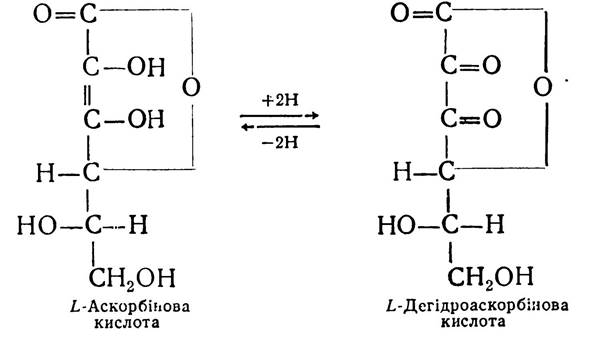
Ascorbic acid is a white crystalline substance that is readily soluble in water and alcohol, but insoluble in fats and organic solvents. It dissolves well in acidic environments, yet is easily destroyed by heat, especially in alkaline media in the presence of oxygen and heavy metals.
In animal and plant organisms, ascorbic acid exists in both free and bound states.
A deficiency of vitamin C causes scurvy. Its earliest symptoms include general fatigue, drowsiness, depression, loss of appetite, and gastrointestinal disturbances. Later, joint and muscle pain emerge, cardiovascular function weakens, and increased permeability and fragility of blood vessel and capillary walls lead to hemorrhages in the muscles and skin (petechiae).
A rather characteristic symptom of scurvy is gum damage (gingivitis)—the mucous membrane swells, bleeds, and undergoes tissue necrosis with ulceration, leaving the Teeth exposed and loose. Avitaminosis phenomena most frequently manifest in the early spring months, particularly in cases of inadequate Nutrition.
Vitamin C exerts a positive effect on the biosynthesis of collagen, the main intercellular substance of Connective Tissue, which acts as a cementing agent that binds vascular endothelial cells and body cells together.
Ascorbic acid is of great importance for the growing organism because, alongside glutathione and flavins, it maintains proper redox processes, participates in Various metabolic pathways, and regulates mineral metabolism. Vitamin C also plays an essential role in eliminating toxic substances from the body.
Ascorbic acid enhances the body's reactivity, strengthens its defense mechanisms, promotes antibody production, increases blood bactericidal indices, and boosts the phagocytic activity of leukocytes, thereby heightening the body's resistance to various diseases. This is why vitamin C is referred to as the anti-infective vitamin.
Distribution of Vitamins and Organisms' Requirement for Them
Vitamins are widely distributed in living nature. They are found in all organs and Tissues of the human, animal, and plant organism, and some of them are also present in microorganism cells.
Vitamins are synthesized by microorganisms and higher plants. They are not synthesized in the human body, except when formed from chemically similar organic substances known as provitamins. For instance, carotene found in plants enters the human body through food and is converted into vitamin A with the participation of the enzyme carotinase. Certain sterols present in human skin are converted into vitamin D under The Influence of ultraviolet radiation. Individual vitamins, mainly water-soluble ones, are synthesized by the intestinal microflora.
However, The amount of such body-synthesized vitamins is negligible and cannot satisfy the physiological requirement. Food is the primary source of vitamins for humans. Many vitamins, particularly water-soluble ones, lack the ability to accumulate in the body in significant quantities. Therefore, if vitamin intake from food is insufficient, their reserves in organs and tissues are rapidly depleted.
The main depot of vitamins in the human and animal body is the liver, while in plants it is the green parts of stems, leaves, and fruits. A significant amount of fat-soluble vitamins, particularly vitamins A and D groups, is found in fish oil.
Below are data characterizing the content of various vitamins in human food products (Table 10).
The amount of vitamins in food products depends on a complex of factors: their variety, species, storage period and conditions, climatic and geographical conditions, culinary Processing, etc. For example, it has been established that the vitamin C content in potatoes grown in the western regions of Ukraine is lower than in potatoes grown in other Regions of the republic.
Vitamin content in products also changes during storage. The amount of vitamin C in potatoes decreases by 50–75% when stored until spring. The degree of reduction of this vitamin in vegetables and fruits also depends on air Temperature—the higher it is, the greater the loss.
Destruction of vitamins occurs during the culinary processing of food: vitamin A—up to 10%, B1—on average 30%, B2—50%, B5—30%, and vitamin C—on average 60%.
An important issue in vitaminology is determining the daily human requirement for vitamins depending on gender, age, profession, work intensity, climate, physiological state, and living conditions. Today, it is customary to evaluate the body's vitamin requirement based on caloric intake, i.e., in relation to Energy balance and the ratio of its main components in the diet. It has been established, for example, that per 4200 kJ of daily human diet, the required vitamins are: B1—0.6 mg, B2—0.8 mg, B5—6.5 mg, B6—0.7 mg.
Table 10. Vitamin content in human food products
Food type |
Vitamins |
|||||||||||||||
A, mg |
B-carotene, mg |
D, µg |
E, mg |
B1, mg |
B2, mg |
B3, mg |
PP, mg |
B6, mg |
B12, µg |
C, mg |
||||||
Bread |
||||||||||||||||
rye pan bread |
0 |
0,006 |
0 |
2,20 |
0,18 |
0,11 |
0,60 |
0,67 |
0,17 |
0 |
0 |
|||||
whole-meal wheat bread |
0 |
0,010 |
0 |
3,80 |
0,27 |
0,13 |
0,68 |
4,20 |
0,30 |
0 |
0 |
|||||
hearth wheat bread from grade II flour |
0 |
0,004 |
0 |
3,30 |
0,23 |
0,11 |
0,46 |
3,10 |
0,29 |
0 |
0 |
|||||
loaves from grade I flour |
0 |
0,001 |
0 |
2,30 |
0,15 |
0,08 |
0,29 |
1,51 |
0,15 |
0 |
0 |
|||||
Pasta |
||||||||||||||||
highest grade |
0 |
0 |
0 |
2,10 |
0,17 |
0,04 |
0,30 |
3,24 |
0,16 |
0 |
0 |
|||||
highest grade (egg pasta) |
0,010 |
0,010 |
— |
2,10 |
0,10 |
0,48 |
1,21 |
0,21 |
0,17 |
— |
— |
|||||
Milk and dairy products |
||||||||||||||||
pasteurized cow's milk |
0,02 |
0,01 |
— |
— |
0,02 |
0,13 |
— |
0,10 |
— |
— |
0.60 |
|||||
unpasteurized cow's milk |
0,025 |
0,015 |
0,05 |
0,09 |
0,04 |
0,15 |
0,38 |
0,10 |
0,05 |
0,45 |
1,50 |
|||||
camel's milk |
0,04 |
— |
— |
— |
0,08 |
0,02 |
— |
— |
_ |
0,16 |
7,70 |
|||||
sheep's milk |
0,05 |
0,01 |
— |
0,18 |
0,06 |
0,35 |
0,41 |
0,35 |
— |
0,50 |
5,00 |
|||||
goat's milk |
0,06 |
0.04 |
0,06 |
0,09 |
0,04 |
0,14 |
0,30 |
0,30 |
0,05 |
0,10 |
2,0 |
|||||
cottage cheese (fat-free) |
0,01 |
traces |
— |
— |
0,04 |
0,25 |
0,21 |
0,45 |
0 19 |
1,32 |
0,50 |
|||||
cottage cheese (fatty) |
0,10 |
0,06 |
—- |
0,38 |
0,05 |
0,30 |
0,28 |
0,30 |
0.11 |
1,00 |
0,50 |
|||||
sour cream (30 percent) |
0,23 |
0,15 |
0,15 |
0,55 |
0,02 |
0,10 |
— |
0,07 |
0 06 |
0,36 |
0,80 |
|||||
kefir (fatty) |
0,02 |
0,01 |
— |
0,07 |
0,03 |
0,17 |
0,32 |
0,14 |
0,06 |
0,40 |
0.70 |
|||||
clabber |
0,02 |
0.01 |
— |
— |
0,03 |
0,17 |
0,32 |
0,14 |
0.02 |
0,34 |
0,80 |
|||||
kumis from mare's milk |
0,03 |
0,01 |
— |
0,03 |
0,02 |
0,04 |
0,20 |
0,07 |
0,03 |
0,43 |
9,00 |
|||||
yogurt |
0,02 |
0,01 |
0,04 |
0,20 |
0,31 |
0,15 |
0,05 |
0 43 |
0 60 |
|||||||
dry milk formula "Malyatko" |
0,20 |
0,11 |
16,0 |
5,0 |
0,20 |
0,54 |
1,20 |
1,80 |
0,14 |
1,26 |
38,0 |
|||||
sweetened condensed milk |
0,04 |
0,03 |
0,05 |
0,15 |
0,06 |
0,38 |
0,80 |
0,20 |
о;із |
0,50 |
1,0 |
|||||
Hard cheeses |
||||||||||||||||
Dutch |
0,21 |
0,17 |
— |
0,31 |
0,03 |
0,38 |
0,3 |
0,4 |
0,11 |
1,14 |
2 8 |
|||||
Russian |
0,26 |
0,17 |
— |
0,30 |
0,04 |
0,30 |
— |
0,30 |
0,10 |
1,5 |
1,6 |
|||||
Soft cheeses |
||||||||||||||||
Roquefort |
0,25 |
0,20 |
— |
0,34 |
0,05 |
0,42 |
0,10 |
0,70 |
0,25 |
1,30 |
0,40 |
|||||
Processed cheeses |
||||||||||||||||
Russian |
0,15 |
0,08 |
— |
0,35 |
0,02 |
0,36 |
0,60 |
0,55 |
0,10 |
0,25 |
1,20 |
|||||
Cow's butter |
||||||||||||||||
dietary |
0,43 |
0.20 |
0,90 |
21,0 |
traces |
0,10 |
0,05 |
0,10 |
0,02 |
0 07 |
0 20 |
|||||
peasant amateur |
0,40 0,45 |
0,30 0,33 |
1,30 |
2,35 2,13 |
0,01 traces |
0,12 0,11 |
— |
0.11 0.10 |
0 0 |
|||||||
cream |
0,59 |
0,38 |
1,50 |
2,20 |
traces |
0,10 |
0,05 |
0,10 |
traces |
traces |
traces |
|||||
Eggs (chicken) Poultry products |
0,35 |
0,06 |
4,70 |
2,00 |
0,07 |
0,44 |
1,3 |
0,19 |
0,14 |
0,52 |
3,00 |
|||||
chicken meat grade I |
0,07 |
— |
— |
0,20 |
0,07 |
0,15 |
0,76 |
7,70 |
0,52 |
0,55 |
1,8 |
|||||
duck meat |
0,05 |
— |
— |
— |
0,12 |
0,17 |
0,60 |
5,8 |
о!23 |
|||||||
goose meat Beef |
0,02 traces |
1 |
— |
0.08 0,06 |
0,23 0,15 |
0.55 0,50 |
5,20 4,70 |
0,48 0,36 |
2,60 |
traces |
||||||
Mutton grade I Bacon pork |
traces traces |
— |
— |
0.70 0,54 |
0,08 |
0,14 0,60 |
0,55 0,16 |
3.80 0,50 |
0,30 0,40 |
traces |
||||||
Lean pork |
traces |
_ |
0,50 |
0,14 |
0,47 |
0,33 |
||||||||||
Fatty pork |
traces |
— |
— |
— |
— |
0,40 |
0,10 |
0,37 |
0,30 |
— |
— |
|||||
Rabbit meat |
0,01 |
— |
— |
0,50 |
— |
0,12 |
0,18 |
— |
0,48 |
4,30 |
— |
|||||
Cattle offal |
||||||||||||||||
liver |
8,2 |
1.0 |
— |
1,28 |
0,30 |
2,19 |
6,8 |
9,0 |
0,70 |
60 |
33 |
|||||
0,02 |
— |
0,75 |
0,36 |
0,75 |
2,5 |
5,0 |
0,30 |
10 |
4,0 |
|||||||
traces |
— |
— |
— |
0,12 |
0,3 |
1,98 |
4,8 |
0,15 |
4,5 |
|||||||
Pork offal |
||||||||||||||||
liver |
3,45 |
— |
— |
0,44 |
0,30 |
2,18 |
5,8 |
12,0 |
0,52 |
зо |
21 |
|||||
heart |
traces |
— |
— |
— |
0,36 |
2,3 |
2,3 |
1.9 |
0,36 |
4,0 |
3,0 |
|||||
tongue |
traces |
— |
— |
— |
0,15 |
— |
— |
4,4 |
0,30 |
0,80 |
traces |
|||||
Vegetables and fruits |
||||||||||||||||
potatoes |
— |
0,02 |
— |
0,15 |
0,10 |
0,10 |
0,90 |
0,60 |
0,16 |
— |
70 |
|||||
early white cabbage |
— |
0,06 |
— |
0,10 |
— |
0,02 |
— |
0,34 |
0,10 |
— |
60 |
|||||
late white cabbage |
— |
traces |
— |
0,06 |
— |
0,03 |
0,18 |
0,78 |
0,14 |
— |
45 |
|||||
late tomatoes |
— |
0,50 |
— |
— |
— |
0,03 |
— |
0,50 |
_ |
— |
20 |
|||||
green onion |
— |
2,0 |
— |
1,0 |
0,02 |
0.10 |
0,13 |
0,30 |
0,15 |
— |
ЗО |
|||||
bulb onion |
— |
traces |
— |
0,20 |
0,05 |
0,02 |
0.10 |
0,20 |
0,12 |
— |
10 |
|||||
carrots |
— |
9,0 |
— |
0,63 |
0,06 |
0.07 |
0,26 |
1,00 |
0,13 |
— |
5 |
|||||
cucumbers |
— |
0,06 |
— |
0,10 |
0,03 |
0,04 |
0.27 |
0,20 |
0,04 |
— |
10 |
|||||
cherries |
— |
0,10 |
— |
0,32 |
0,03 |
0,03 |
0,08 |
0,40 |
0,05 |
— |
15 |
|||||
pears |
— |
0,01 |
— |
0,36 |
0,02 |
0,03 |
0,05 |
0,10 |
0,03 |
— |
5 |
|||||
plums |
— |
0,10 |
— |
0,63 |
0,03 |
0,02 |
0,15 |
0,60 |
0,08 |
— |
10 |
|||||
winter apples |
— |
0,03 |
— |
0,63 |
0,06 |
0,04 |
0,07 |
0,50 |
0,08 |
— |
16 |
|||||
sweet cherries |
0,15 |
0,30 |
0,01 |
0,01 |
0,40 |
15 |
||||||||||
peaches |
— |
0,50 |
— |
1,50 |
0 04 |
0,08 |
0,15 |
0,70 |
0,06 |
— |
10 |
|||||
black currants |
— |
0,10 |
— |
0.72 |
0,03 |
0,04 |
0,40 |
2,40 |
0,13 |
— |
200 |
|||||
fresh rose hips |
— |
2,60 |
— |
1,71 |
0,05 |
0,33 |
— |
0,60 |
— |
— |
470 |
|||||
grapes |
— |
traces |
— |
0,05 |
0,02 |
0,06 |
0,30 |
0,09 |
— |
6 |
||||||
gooseberries |
— |
0,20 |
— |
0,56 |
0,01 |
0,02 |
— |
0,25 |
0,03 |
— |
ЗО |
|||||
lemons |
— |
0,01 |
— |
— |
0,04 |
0,02 |
0,20 |
0,10 |
0,06 |
— |
40 |
|||||
raspberries |
— |
0,20 |
— |
0,58 |
0,05 |
0,02 |
0,20 |
0,60 |
0,07 |
— |
25 |
|||||
cranberries |
— |
traces |
— |
0,02 |
0.02 |
0,15 |
0,08 |
—— |
15 |
|||||||
sea buckthorn |
— |
1,50 |
— |
10,3 |
0,03 |
0,05 |
0,15 |
0,36 |
0,11 |
_ |
200 |
|||||
porcini mushrooms (fresh) |
— |
— |
— |
0,63 |
0,02 |
0,30 |
2,70 |
4,60 |
0,07 |
ЗО |
||||||
black chokeberry |
— |
1,20 |
— |
1,50 |
0,01 |
0,02 |
— |
0,30 |
0,06 |
— |
15 |
|||||
watermelons |
— |
0,10 |
— |
— |
0,04 |
0,03 |
— |
0,24 |
0,09 |
— |
7 |
|||||
melons |
0,40 |
0,10 |
0,04 |
0,04 |
0,123 |
0,40 |
0,06 |
— |
20 |
|||||||
Note. Symbols and designations: dash (—)—vitamin content in the product was not determined; figure 0—the vitamin is absent in the product.
Since metabolic processes occur more intensively in men and they have a greater body mass compared to women, their vitamin requirement is also higher than that of women, on average by 15%. It is suggested that elderly people need 25% more vitamins for normal vital activity of the organism than middle-aged people. This can obviously be explained by the fact that in elderly people the activity of many enzymatic systems and the processes of vitamin Absorption in the gastrointestinal tract change.
The human requirement for vitamins largely depends on the type and intensity of labor activity.
However, the human body's requirement for vitamins also depends on a number of other factors, in particular The Nature of diet, ambient temperature, medication use, etc. For example, when consuming a diet with an increased carbohydrate content, the body's requirement for vitamins B1, B2, B5, C, and A increases. An increased protein intake causes an increased requirement for vitamins B2 and B6.
Temperature significantly affects the vitamin requirement. Under low-temperature conditions, the requirement for vitamins increases. High temperature acts similarly. Thus, according to research data, in hot workshop workers, the loss of vitamin C with sweat per shift averages 18 mg, and B1—0.3 mg, which corresponds to 25% and 15% of the body's daily requirement for these vitamins, respectively.
Prolonged administration of such medications as Antibiotics can lead to a disruption of the normal ratio of intestinal microflora and a decrease in the synthesis of a number of vitamins—B1, B2, B3, B5, folic acid, and vitamin K. Antibiotics can also exert another activating effect on vitamins in various organs and tissues of the organism. All this increases the daily vitamin requirement of the organism. The body's requirement for vitamins also increases during many infectious diseases and intoxications.
PRACTICAL USE OF Vitamins
Vitamins in animal husbandry. Increasing animal productivity largely depends on the nutritional adequacy of their diet, with vitamins being crucial components. Animals' Vitamin Requirements vary: in ruminants, B-group vitamins are synthesized in the rumen; pigs and poultry must receive them with feed.
Insufficient intake of vitamins with animal feed leads to hypo- and avitaminoses. General signs of this disease in adult animals include: decreased productivity, Infertility, weight loss, digestive disorders, paresis, paralysis, and convulsions.
During the Embryonic period of development, a lack of vitamins leads to resorption and death of the fetus, its malformation, or stillbirth. In the postembryonic period, this disease is characterized by decreased appetite, lethargy, growth cessation, etc. In all farm animals, vitamin deficiency leads to a reduced resistance of the organism against infectious and catarrhal diseases.
In this regard, many vitamins are widely used in animal husbandry to increase animal productivity, enhance the Biological value of animal products, and prevent and treat a number of diseases.
Thus, The Use of various preparations of vitamin A and its provitamin—carotene—makes it possible to increase animal productivity by an average of 10–25%. Vitamin A preparations are especially important for young animals because in the first weeks of life, young organisms absorb carotene poorly. The Latvian Institute of Animal Husbandry and Veterinary Medicine has developed a scheme for supplementing young animals with vitamins A and D. When feeding calves colostrum, 100 mg of vitamin A and 2.5 mg of vitamin D are added to it, which corresponds to their content in approximately 100 liters of milk. This proved sufficient to build up adequate vitamin reserves in calves, ensuring their normal development and weight gain up to two months of age. Doubling the carotene content in cows' diets increases milk yield by 10–15% and enhances its vitamin A value.
The use of vitamin D in animal husbandry positively affects bone tissue development, conception rates in cows after their first mating, calcium and phosphorus content, and their normal ratio.
Vitamin D is essential for the Prevention of milk fever in cows and is used in the Treatment of rickets, Osteoporosis, piglet tetany, and other conditions.
Diets rich in vitamin E and supplements of this vitamin are used to treat muscular dystrophy and reproductive disorders in young animals. Adding vitamin E to the diet helps prevent epidemic abortions in cows, as well as paresis and paralysis in poultry.
B-group vitamins are of great importance in animal husbandry. For instance, when fattening pigs on a diet consisting of corn grain (up to 50%), barley, peas, and alfalfa supplemented with 0.12 mg of vitamin B1 per 1 kg of live weight, an increase in weight gain was observed. In the diets of calves and lambs, thiamine is used to accelerate their growth and development.
Adding vitamin B12 to the diet of pregnant and nursing sows increases the live weight of piglets compared to the control group and enhances the milk yield of the sows.
It has been established that supplementing the diet of young animals with vitamin B12 improves the utilization of plant protein, making it possible to reduce the consumption of animal-origin feed ingredients as well as lower the protein level in the diets of pigs and poultry. Feed mixtures enriched with vitamin B12 are more effective when used in combination with antibiotics.
Vitamins in Medicine. The vitamin requirements of a healthy person are largely established. As for sick individuals, their nutritional requirements for vitamins have been studied far from sufficiently. However, there is no doubt that during illness, the body requires increased amounts of specific vitamins. Changes in vitamin demand are primarily determined by the Nature of the disease, its severity, and duration.
Studies conducted over recent decades indicate that vitamins are effective in treating numerous diseases. Vitamin A, for example, which maintains the normal condition of the mucous membranes of the respiratory tract, increases the body's resistance to respiratory and infectious diseases. It is used in the treatment of Bronchitis, pertussis (whooping cough), tuberculosis, and other conditions. Some researchers recommend using vitamin A to treat skin lesions, wounds, Burns, dysfunctions of the lacrimal, sebaceous, and Sweat Glands, as well as gallstones and calculi in the kidneys and Urinary Bladder.
Vitamin D is used for the prevention and treatment of rickets, as well as Bronchial Asthma, tuberculous eye diseases, and lead poisoning.
Vitamin E is used for Sexual Dysfunction in Men and women, and for disorders of the neuromuscular system and connective tissue. It yields positive results in the treatment of gastric ulcers and ulcerative skin conditions.
Vitamin B1 is used in the treatment of various neuritis and polyneuritis, as well as asthenic conditions accompanied by depression, fatigue, and anxiety. Vitamin B1 has a favorable effect on The Cardiovascular system and shows positive therapeutic action in digestive disorders, such as Chronic gastritis associated with impaired secretory function, and PEPTIC ULCER DISEASE.
Vitamin B2 is used to treat eye diseases—such as keratitis, corneal degeneration, and cataracts—and to prevent corneal neovascularization. In combination with other agents, vitamin B2 is used in clinical dermatology. Specifically, riboflavin exhibits therapeutic effects in erythroderma, seborrheic eczema, streptococcal skin lesions, and burns.
Vitamin B5 is beneficial for cardiovascular insufficiency. It induces the dilation of small vessels, arterioles, and capillaries. Under these conditions, an enhancement of peripheral vascular tone and an increase in blood flow velocity are observed. Vitamin B5 is also used in the treatment of nervous system disorders, certain forms of Diabetes Mellitus, and skin diseases.
Vitamin B12 is of significant interest in clinical practice. It is used for certain hematopoietic disorders and nervous system alterations: in the treatment of various types of anemia, chronic gastritis, colitis, various dermatitis and stomatitis conditions, and numerous eye, lung, and liver diseases. Vitamin B12 normalizes carbohydrate metabolism, antitoxic function, and, to a certain extent, pigment metabolism in the liver impaired by Botkin's disease (hepatitis A).
Vitamin C is particularly widely used in practical medicine. Numerous studies have demonstrated that incorporating vitamin C into the complex treatment of gastrointestinal diseases positively influences the synthesis and activity of Proteolytic Enzymes, the condition of blood capillaries and mucous membranes, stimulates ulcer healing, glycogen storage, the liver's antitoxic and protein-synthesizing functions, and improves the appetite and overall well-being of patients. Vitamin C is used in surgery to accelerate wound healing and bone fracture union.
Ascorbic acid serves as a valuable adjunctive agent in the treatment of anemia. It has a positive effect on the cardiovascular system, specifically helping to prevent atherosclerotic vascular changes. Vitamin C is highly effective in treating disorders of the nervous system, eyes, and skin, and acts as an important prophylactic factor against colds and respiratory infections.
Last update: 06/08/2026
Editorial and Educational Adaptation: This material has been compiled based on the primary/original source text. The project team performed an editorial review, corrected technical inaccuracies, structured sections, and adapted the content for an educational format.
What was processed:
- elimination of formatting defects (OCR errors, structural breaks, corrupted characters);
- editorial organization of content;
- standardization of terminology in accordance with academic sources;
- verification of factual statements against the original source text.
All mentions of the author, publication year, and origin of the primary text have been preserved in accordance with the source.