Pharmacognosy with the Basics of Plant Biochemistry - Kovalyov V. M. 2004
Special Part
Phenolic Compounds
Medicinal Plants and Raw Materials Containing Flavonoids
TEA LEAVES — FOLIA THEAE
Chinese tea — Thea sinensis L., syn. Camellia sinensis (L.) Ltze., fam. Theaceae
Chinese tea; the name comes from the Chinese te, meaning tea bush, while the generic name Camellia was given in honor of the English botanist Georg Joseph Kamel (1661–1706).
Plant. Wild tea grows as a tree, whereas cultivated tea takes the form of a shrub due to the regular trimming of young leaves and short shoots. Wild tea leaves are larger and softer, up to 15 cm in length; cultivated tea features alternate, oblong-elliptic, pointed leaves, with young ones covered in a silvery down. The flowers are large, 4 cm or more in diameter, faintly fragrant, white, solitary or growing in clusters of 2–3. The fruit is a 3- to 5-locular capsule.
Distribution. The native habitat of tea comprises the mountainous forests of Southern China and Indochina. Tea has long been cultivated in many countries, with plantations established on the Black Sea coast of the Caucasus and in Krasnodar Krai.
Ranking second after tea in practical value among members of the tea family is Camellia. Some botanists identify it with the tea plant. The visual distinction between them is that tea leaves are nearly sessile, whereas camellia leaves are petiolate, and the sepals persist in the fruit of the tea plant but fall off in camellia.
Harvesting. Young shoots known as flushes (consisting of three leaves) are plucked, leaving the fourth leaf with its axillary bud on the branch. As new growth appears, the leaves are harvested again. If the leaves are dried immediately after harvesting, green tea is produced. To obtain black tea, the leaves undergo Fermentation, drying, and sorting.
Stems and tea dust are removed and utilized for The production of pressed tea (brick tea) and the extraction of caffeine.
Chemical composition of the raw material. Polyphenolic compounds account for 15–30% of green tea leaves and are represented by catechins, their derivatives (Vitamin P), Flavonoids, and Tannins. They also contain alkaloids such as caffeine, theophylline, and others. Essential Oils impart a strong aroma and specific flavor to the tea. Vitamins C, B1, B2, PP, and mineral salts are also present.
Biological activity and application. The medicinal properties of tea are attributed to a complex of BIOLOGICALLY ACTIVE SUBSTANCES; caffeine acts as a stimulant, while polyphenolic compounds exhibit P-vitamin, antioxidant, and detoxifying effects. For first aid, tea is administered in cases of poisoning that cause Central Nervous system depression, weakened cardiac and respiratory function, and alcohol intoxication.
CORNFLOWER FLOWERS — FLORES CENTAUREAE CYANI
Cornflower — Centaurea cyanus, fam. Asteraceae
Cornflower; the name originates from the Greek plant name kentauros, associated with the centaur Chiron, and the Greek kyanos, meaning dark blue.
Plant. An annual or biennial herbaceous plant with a slender, branched stem up to 30 cm in height. Stem leaves are sessile and entire; lower and middle leaves are lyrate-pinnatifid, while upper leaves are linear and pubescent. Flowers are arranged in capitula up to 4 cm in diameter. The involucre consists of closely appressed imbricate bracts. Marginal flowers are sterile, blue, up to 2 cm long, funnel-shaped, irregularly toothed, with 3–5–8 deeply incised lanceolate limb lobes and a tubular base up to 6 cm long; inner flowers are bisexual, purple, tubular, and smaller than the marginal ones. The fruit is an achene.
Distribution. It grows throughout Ukraine in crops of spring and winter cereals, as well as in grassy and weed-infested areas.
Harvesting. Flower heads are collected during the flowering period, and the marginal flowers are plucked, partially including the inner ones (up to 40% of the raw material). The receptacle and involucre are discarded. Drying must be done exclusively in the shade, spread in a thin layer (in direct sunlight, blue flowers rapidly lose their color, which is considered a defect).
Chemical COMPOSITION OF THE raw material. The flowers contain anthocyanins (0.6–1%), namely cyanin (cyanidin 3,5-diglucoside) and pelargonidin derivatives; flavones, such as apigenin diglucoside and luteolin; flavonols, including quercetin glucoside, quercetin-7-rutinoside, and rutin, as well as saponins, the coumarin chicorin, resinous and pectic substances, alkaloids, and others.
Biological activity and application. The infusion serves as a mild diuretic and is used for Kidney and Urinary Bladder disorders. It also exhibits choleretic, anti-inflammatory, and antiseptic properties.
Class="center">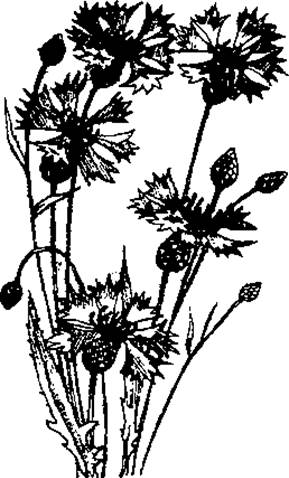
FRESH BLACK CHOKEBERRY FRUIT — FRUCTUS ARONIAE MELANOCARPAE RECENTES
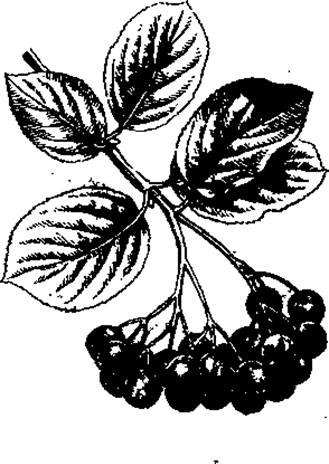
Black chokeberry — Aronia melanocarpa (Michx.) Elliot, fam. Rosaceae
Black chokeberry, syn. red chokeberry; the name derives from the Greek aronia, denoting a fruit resembling the medlar, and the Greek melas (black) and karpos (fruit).
Plant. A deciduous shrub ranging from 0.5 to 2 m in height. Leaves are alternate, petiolate, elliptic or obovate, pointed, serrate along the margins, dark green above and lighter underneath. Flowers are bisexual, regular, pentamerous, white or pink, arranged in corymbose inflorescences. The fruit is a globose, black, juicy, pome-like fruit bearing remnants of the perianth at the apex, 6–15 mm in diameter. The fruits ripen in August and September.
Distribution. Native to North America. In Ukraine, it is cultivated as a fruit-bearing, medicinal, and ornamental plant.
Harvesting. The fruits are harvested in September and October. They are used fresh or dried outdoors or in dryers at a Temperature of 40–50 °C.
Chemical composition of the raw material. The fruits contain cyanidin and its Glycosides, phenol carboxylic acids (5–6 %), flavonoids — rutin, quercetin, hesperidin, catechins; pectic substances (2.5 %); ascorbic acid (110 mg%), a significant amount of iodine (5–6 mcg/100 g), as well as nicotinic and folic acids, riboflavin, tocopherol, carotenoids, and lipophilic substances (Lipids, wax, paraffins).
Biological activity and application. Fresh fruits and juice are used for the Prevention of vitamin P deficiency. They are also beneficial for patients with Hypertension.
Lipophilic substances are Components of the reparative drug aromelin.
PANSY HERB — HERBA VIOLAE
Wild pansy — Viola tricolor, field pansy — Viola arvensis Morr., fam. Violaceae
Wild pansy and field pansy
The plants have already been discussed in the chapter "Medicinal plants containing Phenolic Compounds".
Chemical composition of the raw material. Pansy herb contains flavonoids (0.5–1.5 %): rutin and other quercetin O-glycosides; C-glycosides: vitexin, saponaretin, orientin, etc.; anthocyanins that color the flowers include violaxanthin, zeaxanthin, violanin, delphinidin 3-glycoside, and peonidin 3-glycoside. Other groups of biologically active compounds found in pansy herb are covered in the chapter "Medicinal raw Materials containing phenolic compounds".
Biological activity and application. Pansy herb combines antiseptic, anti-inflammatory, bronchodilator, expectorant, diuretic, diaphoretic, mild choleretic, and antispasmodic properties. Its mild dermatonic, hyposensitizing, anti-inflammatory, antimicrobial, anti-sclerotic, and analgesic effects justify its widespread therapeutic use.
EVERLASTING FLOWERS — FLORES HELICHRYSI ARENARII
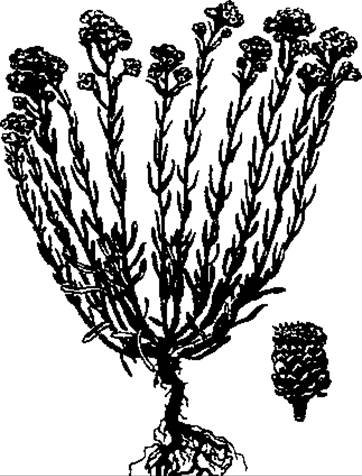
Sandy everlasting — Helichrysum arenarium (L.) Moench., fam. Asteraceae
Sandy everlasting, dwarf everlast; the name originates from the Greek words helios (sun) and chrysos (gold), and the Latin arenarius, -um (sandy).
A perennial herbaceous plant with white felt-like pubescence.
Stems are erect or ascending, 15–20 cm high, branched near the inflorescences. Leaves are alternate, entire, and entire-margined: lower leaves are elongate-obovate, gradually tapering into a petiole, while middle and upper leaves are sessile and lanceolate. Flowers are small, collected in globose heads forming a dense corymb.
Marginal flowers are female, tubular, and thread-like. Central flowers are bisexual, tubular, with a five-toothed corolla. Involucres of the flower heads are imbricate, with lemon-yellow, rarely orange, bracts. The fruit is an achene.
Distribution. Steppe Regions of the European part of the CIS, Central Asia, and Southern Siberia. It grows throughout Ukraine in pine forests, on sandy soils, and on steppe slopes.
Harvesting. The flowers are harvested at the beginning of flowering with a stem remnant of no more than 1 cm. They are dried in the shade, avoiding discoloration.
Chemical composition of the raw material. Flavonoids (6.5 %) are represented by the flavanone naringenin and its glycosides — salipurposide, isosalipurposide, and helichrysin; among flavones, apigenin and its 5-glycoside predominate; the flavonol group consists of kaempferol derivatives.
The inflorescences contain A number of phthalic anhydride derivatives: 5,7-dihydroxyphthalide, 5-methoxy-7-hydroxyphthalide, and 5-methoxy-7-glucoside phthalide.
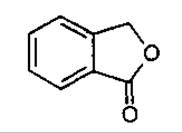
Phthalic anhydride
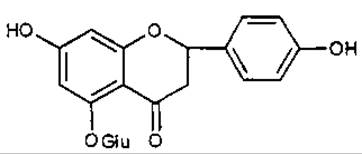
Salipurposide
The raw material contains tannins, essential oil, Coumarins, sterols, resins, organic acids, mucilage, and carotenoids.
Biological activity and application. Cholagogue. Stimulates the secretion of the Stomach AND Pancreas. Infusions, dry extracts, herbal mixtures, and the drug flamin are used.
TANSY FLOWERS — FLORES TANACETI
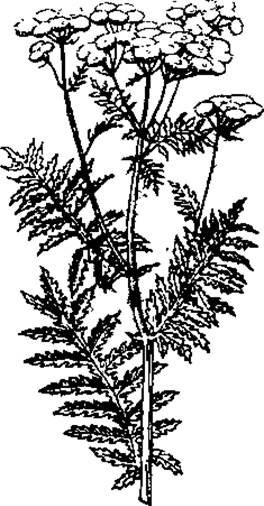
Common tansy — Tanacetum vulgare L., fam. Asteraceae
Tanacetum vulgare; the medieval Latin names tanaceta or tanazito derive from tansy, while the Latin vulgaris means common.
A perennial herbaceous plant. The stem is branched in the upper part. Leaves are pinnately dissected, elongated in outline. Flowers are dark yellow and tubular; marginal flowers are pistillate, while central flowers are bisexual, located on a bare, flat receptacle surrounded by an overall involucre of imbricate, grey-green, lanceolate leaflets with serrate edges. The capitula are hemispherical, 6–8 mm in diameter, gathered into corymbose inflorescences. The scent is strong, camphorous and resinous.
Distribution. Grows almost throughout Ukraine along river banks, among shrubs, in dry meadows, and at forest edges.
Harvesting. The capitula are harvested during flowering; a small amount of pedicel remains is permitted.
Dry in the shade or in dryers at temperatures up to 40 °C.
Chemical composition of the raw material. Flavonoids (2.5%) are represented by derivatives of apigenin, acacetin, and luteolin; alkaloids, tannins, and organic acids are also present. The essential oil (2%) contains the terpenoids thujone, isothujone, borneol, and a- and ß-pines. The bitter taste is due to sesquiterpene lactones such as tanacetin. Tansy chemotypes differ in The chemical composition of their essential oil (raw material lacking toxic a-thujone occasionally occurs) and triterpenoid content.
Biological activity and application. Tansy preparations enhance Bile secretion, tone digestive Organs, increase the amplitude of Heart contractions, slow down heart rate, and raise Blood pressure. Flower powder is used as an anthelmintic agent; the drug tanachol is used for hepatitis, enterocolitis, and gastritis with lowered acidity. The preparations cause a rush of blood to the pelvic organs, which may induce Miscarriage in pregnant women.
In homeopathy, an equal mixture of fresh leaves and inflorescences is used for weakness in the arms and legs, spasms and cramps of various body parts, dysmenorrhea, metritis, and as an anthelmintic.
MARSH CUDWEED HERB — HERBA GNAPHALII ULIGINOSI
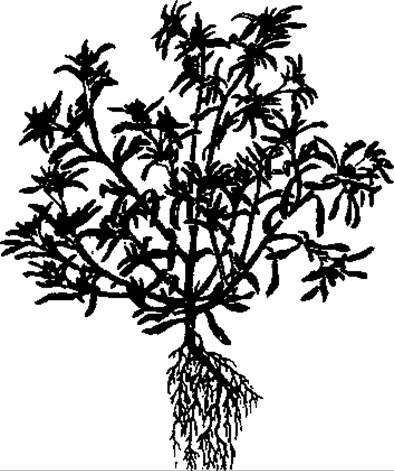
Marsh cudweed — Gnaphalium uliginosum L., fam. Asteraceae
Marsh cudweed; the Latin name derives from the Greek gnaphalon meaning fleece, while the Latin uliginosum means marshy, originating from uligo meaning moisture.
An annual herbaceous plant, greyish-green, grey, or whitish in color due to unevenly floccose woolly pubescence. The stem is 5 to 30 cm tall, branched. Leaves are alternate, oblong-linear, obtuse, narrowed towards the base. Inflorescences consist of yellowish flowers in small, egg-shaped capitula that are densely clustered into heads at the ends of shoots and surrounded ray-like by leaflets. The capitulum involucre consists of 2–3 layers of imbricate, dark brown leaflets. The involucre leaflets are membranous, pinnate at the base, glabrous, brown, and glossy, which serves as a diagnostic feature of the species. Central flowers are tubular, marginal ones are thread-like, all featuring a pappus consisting of a single row of serrated hairs. The fruit is an achene.
Distribution. Grows in damp forests, flood meadows, along river banks, in drying bogs, and as a weed in gardens and fields. It is found throughout the European part of the CIS countries, especially in the northwest and central regions, in Siberia, and the Caucasus.
Harvesting. The herb is harvested during flowering, sometimes along with roots, and dried in the open air or in dryers at temperatures up to 40 °C.
Chemical composition of the raw material. Flavonoids are represented by flavonols (quercetin, kaempferol) and flavones (gnaphalosides A and B, scutellarein 7-O-glucoside, 6-hydroxyluteolin and its 7-glucoside). It also contains tannins (4%), resins, carotenoids, phytosterol, and ascorbic acid. The lipophilic fraction contains carotenoids and terpenoids.
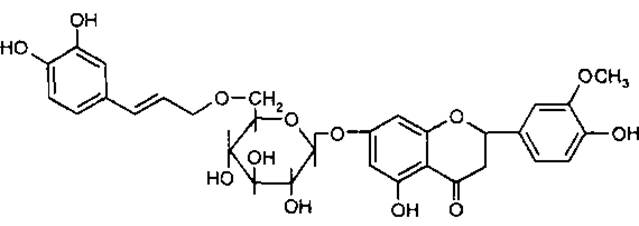
Gnaphaloside A
Biological activity and application. Infusions and decoctions exhibit vasodilating and hypotensive effects, slow down The Heart rate, and show antibacterial and wound-healing properties. Oil extracts are used to treat wounds, Burns, fistulas, and trophic ulcers; this action is due to carotenoids.
In homeopathy, the entire fresh plant is used for hypertension and sciatica.
HAWTHORN FRUIT — FRUCTUS CRATAEGI HAWTHORN FLOWERS — FLORES CRATAEGI
Blood-red hawthorn — Crataegus sanguinea Pall. and other species common in Ukraine, family Rosaceae — Rosaceae
Боярышник кровавокрасный (Blood-red hawthorn); the Latin name originates from the Greek *krataios* meaning "strong," referring to its durable wood and hard thorns.
Plant. There are over 30 species of hawthorn in Ukraine, all of which are approved for harvesting. The most common species are five-pistil hawthorn (*Crataegus pentagyna*), eastern hawthorn (*C. orientalis*), Midland hawthorn (English hawthorn) (*C. laevigata*, syn. *C. oxyacantha*), curved-sepals hawthorn (*C. curvisepala*), and single-seed hawthorn (*C. monogyna*).
Blood-red hawthorn is a tall shrub, occasionally a small tree, featuring straight axillary thorns. Leaves are alternate, stipulate, short-petioled, obovate, with a cuneate base, more or less deeply lobed, and coarsely toothed margins. Flowers are gathered in white corymbs. Flowers are actinomorphic, with a double perianth consisting of five oblong-triangular, triangular, or narrow lanceolate greenish sepals and five oval brownish- or yellowish-white petals; pedicels are glabrous or slightly pubescent, up to 35 mm long. Fruits are pome-like, globose or ellipsoidal, hard, wrinkled, 6-14 mm long and 5-11 mm wide, with a ring-like projection at the apex formed by withered sepals. The fruit pulp contains 1-5 woody nutlets. Fruit color ranges from orange and brownish-red to dark brown.
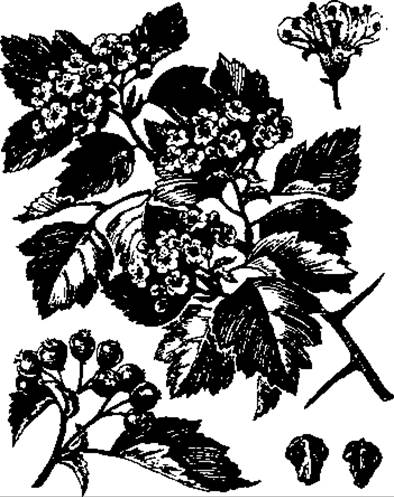
Distribution. Grows throughout Ukraine in the undergrowth of mixed and deciduous forests, along forest edges, in clearings, and on the slopes of riverbanks and bogs.
Harvesting. Inflorescences are harvested at the beginning of flowering, when some of them have not yet opened. Dry in the shade. Fruits are harvested during full ripeness, without pedicels. Dry at 50-60 °C or in a well-ventilated room, stirring frequently.
Chemical composition of the raw material. Flowers contain flavonoids (0.5–2.5%). Out of 25 known flavonoids, the most important are hyperoside (0.7%), the C-glycoside vitexin, and its O-glycosides: 4-rhamnoside, 4'-rutinoside, etc. C-glycosides predominate in the leaves. Biosides, di- and oligoglycosides of leucoanthocyanidins, and other flavan derivatives — (-) or (+) -epicatechins, (+)-catechin, oligomers of dehydrocatechin, as well as essential oil — are synthesized in the flowers.
Fruits contain compounds similar to those found in flowers, but epicatechins and leucoanthocyanidin oligomers predominate alongside hyperoside. Their composition depends on the degree of fruit ripeness. This also applies to anthocyanins, Pectins, and ascorbic acid.
Common to both types of raw material is the presence of triterpenoid acids: ursolic, oleanolic, crataegolic, acanthic, etc. Their average content is 0.1-0.3% in flowers and 0.3-0.5% in fruits.
Biological activity and application. Galenical preparations exhibit cardiotonic, hypotensive, sedative, and spasmolytic effects. Hawthorn preparations enhance Blood Circulation in the coronary and cerebral vessels, and eliminate tachycardia and arrhythmia.
In cases of vascular spasms, flower tincture is significantly more effective than fruit extract, which is most commonly used for hypertension. Liquid fruit extract is a component of Cardiovalent. Cratesid is manufactured from the fruits of *Crataegus curvisepala*. Liquid flower extract is part of such preparations as Cardiofit, Biovital, and Gerovital, which possess hypotensive and sedative properties; Phytulvent exhibits reparative, choleretic, antiseptic, and sedative actions.
In homeopathy, fresh ripe fruits are used for angina pectoris and weakened cardiac function following infectious diseases.
BAIKAL SKULLCAP ROOTS — RADICES SCUTELLARIAE BAICALENSIS
Baikal skullcap — *Scutellaria baicalensis* Georgi, family Lamiaceae — Lamiaceae
Шлемник байкальский (Baikal skullcap); the name derives from the Latin *scutellum* meaning "small shield," a diminutive of *scutum* ("shield"), referring to the shape of the calyx appendage; *baicalensis* means "from Lake Baikal."
Perennial herbaceous plant, 15-35 cm tall.
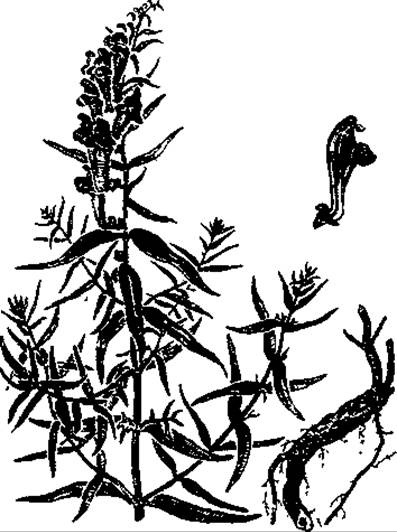
Rhizome is short, up to 3 cm, transitioning into a fleshy taproot with a wrinkled, light-brown surface and a lemon-yellow fracture. Stems are numerous, quadrangular, pubescent. Leaves are opposite, nearly sessile, lanceolate, up to 4 cm long, Ciliate at the margins. Calyx is bilabiate, blue or purple, hairy, with a ridge on the upper lip. Flowers are bisexual, zygomorphic, solitary, axillary, gathered at the stem apices into unilateral racemose inflorescences. The fruit consists of four single-seeded nut-like lobes.
Distribution. Transbaikalia, the Russian Far East, and the Amur River basin. Cultivated within Ukraine.
Harvesting. Roots are harvested in autumn after the plant has fully seeded. Only mature plants with 5-6 stems are dug up. To restore plant populations in the harvesting area, at least three plants per 10 m2 must be left behind, and re-harvesting in the same area is permitted no earlier than 10 years later. Collected raw material is shaken free of soil, trimmed of stems so that remnants do not exceed 1 cm, washed, and dried in a thin layer in the shade.
Chemical composition of the raw material. Flavones and their glycosides (up to 10% in total): baicalin (baicalein-7-O-glucuronide), scutellarin (scutellarrein-7-O-glucuronide), wogonin, oroxylin.
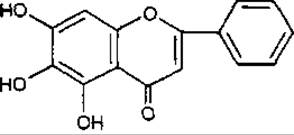
Baicalein (5,6,7-trihydroxyflavone)
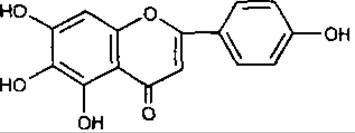
Scutellarein (5,6,7,4'-tetrahydroxyflavone)
Biological activity and application. Skullcap preparations exhibit sedative, hypotensive, and anticonvulsant properties. The tincture is used for stages I and II hypertension. Aspalinat, a semisynthetic drug with similar effects, is manufactured based on baicalein.
JAPANESE PAGODATREE FRUIT — FRUCTUS SOPHORAE JAPONICAE
JAPANESE PAGODATREE FLOWER BUDS — ALABASTRAE SOPHORAE JAPONICAE
Japanese pagodatree — Sophóra japónica L., Fabaceae family
Japanese pagoda tree; the Latinized Arabic name of one of the *Cassia* species is *sofera*; Latin *japonicus* means Japanese.
Plant description. A deciduous tree up to 30 m tall. Leaves are alternate, imparipinnate, with 3-8 pairs of leaflets; leaflets are oblong-ovate, dark green and glossy above, and pale greenish-grey underneath. Flower buds are oblong-ovate, 3 to 7 mm long and 1.5 to 3 mm wide. The calyx is bell-shaped with 5 short, blunt, or slightly pointed Teeth, yellowish-green in color, and pubescent. The corolla is pale yellow, equal in size to the calyx or slightly protruding beyond it. Flowers are bisexual, irregular, arranged in terminal racemes gathered into large panicles; the corolla is papilionaceous, bright yellow. The fruit is a legume on a pedicel, indehiscent, bead-like, with constrictions between the seeds filled with a yellowish-green sticky sap. Seeds are dark brown or nearly black. It blooms in July-August, and the fruits ripen in October, remaining on the tree throughout the winter.
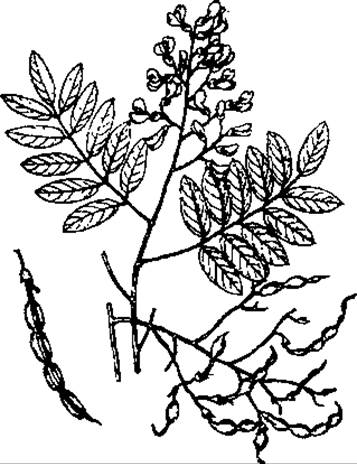
Distribution. Native to China and Japan. In Ukraine (primarily in the southern regions), it is cultivated as an ornamental and phytoremediation plant.
Harvesting. Flower buds are harvested in sunny weather at the end of the budding stage, when the lower flowers in the racemes begin to open. First, the inflorescences are picked by hand, cut with pruners or scissors, and then the buds are stripped from the inflorescences, withered in the sun for two hours, and subsequently moved under a canopy or indoors to finish drying. Artificial drying is carried out at temperatures of 40-50 °C.
Japanese pagodatree fruits are harvested slightly unripe in dry weather and dried in well-ventilated areas.
Chemical composition of the raw material. The flower buds and young fruits of the pagodatree contain up to 20% rutin. The fruits also contain kaempferol-3-sophoroside, quercetin-3-rutinoside, genistein-4'-sophorabioside, and others.
Biological activity and application. The main active constituent of pagodatree preparations is rutin, which has the ability (especially in combination with ascorbic acid) to strengthen blood vessel walls and reduce their fragility. It is used for the prevention and Treatment of vitamin P hypo- and avitaminosis, in conditions accompanied by increased vascular permeability, and to prevent capillary Damage caused by anticoagulants, salicylates, and arsenic preparations. Pagodatree fruit tincture acts as an antiseptic. Quercetin and rutin preparations are obtained from the flower buds and used in the form of powders, tablets, and as components of drugs such as Ascorutin, Vicalin, and Rutes. The aerial parts of common buckwheat (*Fagopyrum sagittatum*, Polygonaceae), which contain up to 4% rutin, are also used for rutin production.
MOTHERWORT HERB — HERBA LEONURI
Common motherwort — Leonurus cardiaca L.
Five-lobed motherwort — Leonurus quinquelobatus Gilib., Lamiaceae family
Heartwort, five-lobed motherwort; the Latin name is derived from the Greek *leon* (lion) and *oura* (tail); Greek *cardia* (heart).
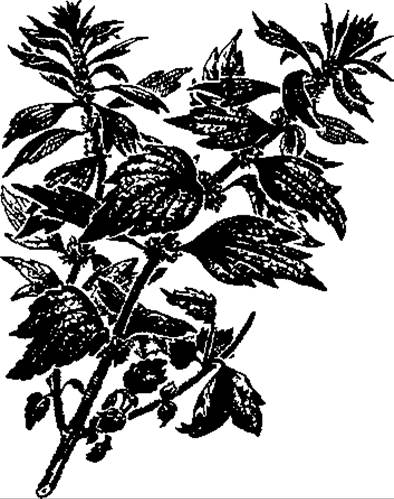
A perennial herbaceous plant. The stem is erect, 50-100 cm tall, branched, quadrangular, glabrous or pubescent with hairs along the Ribs. Leaves are decussately opposite, petiolate, and dark green above. Lower leaves are rounded to ovate, cordate at the base, and five-lobed; middle leaves are oblong-elliptic or lanceolate, three-divided or three-lobed, with broad, toothed lobes; upper leaves are three-lobed or entire with two forward-pointing lateral teeth. Flowers are irregular, sessile, arranged in dense, many-flowered whorls at the SHOOT tips; the corolla is two-lipped, pale pink, 8.5-9.5 mm long. The fruit consists of four single-seeded, nutlet-like lobes.
Distribution. Found in forest-steppes and steppes, forest clearings, near human settlements, and also cultivated. Common motherwort grows in the western part of the European CIS. Five-lobed motherwort is found in the central and southern regions of the European CIS, Western Siberia, Crimea, the Caucasus, and Ukraine.
Harvesting. The herb is collected at the beginning of flowering, when the tops do not exceed 40 cm and the stem thickness is no more than 5 mm. It is dried in the shade or in dryers at a temperature of 50-60 °C.
Chemical composition of the raw material. Opinions regarding the active constituents are contradictory. It is most likely a complex of flavonoids, Iridoids, and alkaloids. The main flavonoids are quinqueloside, rutin, quercitrin, cosmosiin, isoquercitrin, and hyperoside. The protoalkaloid stachydrine and two unidentified alkaloids are present in amounts of 0.05%. Motherwort iridoids belong to the aucubin type (harpagide, ajugol, ajugoside). The bitter taste of the raw material is imparted by Diterpenes (marrubium), and triterpenoids are also present (about 0.3% ursolic acid). Other biologically active substances include tannins, minor amounts of essential oil, and caffeic acid rutinoside.
Biological activity and application. The herb is used as an infusion and tincture as a sedative and hypotensive agent for cardiovascular neuroses, Cytology/cytology/16.html">Early stages of hypertension, cardiosclerosis, and increased nervous excitability. The infusion is a component of Traskov's mixture, and the tincture is included in Cardiofit, Biovital, Gerovital, and Doppelherz Energetik.
In homeopathy, the fresh herb is used during menopause, for cardiac and nervous asthenia, and flatulence.
Water PEPPER HERB — HERBA POLYGONI HYDROPIPERIS
Water pepper — Polygonum hydropiper L., fam. Polygonaceae
Marsh pepper (smartweed); the Latinized Greek name comes from poly meaning many and gony meaning knee or node, or gonon meaning offspring; Latin hydropiper comes from Greek hydor meaning water and piper meaning pepper, referring to the plant's habitat near Water and Its acrid taste.
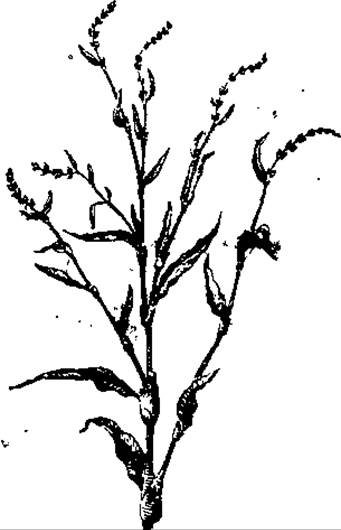
An annual herbaceous plant with an erect, reddish stem. Leaves are alternate, oblong-lanceolate, tapering at both ends, acute or obtuse, with wavy entire margins. Ochreae are brownish, glabrous, short-ciliate at the margins. Flowers are bisexual, 2–3 in clusters, gathered in slender interrupted spicate inflorescences. Fruit is a nutlet.
The taste of the fresh herb is slightly acrid.
Distribution. Widely distributed throughout the European part of the CIS, the Caucasus, Central Asia, Siberia, the Far East, and Ukraine. It grows along river banks, in ditches, meadows, and damp forests.
Harvesting. The herb is collected during flowering at a height of 10–15 cm from the ground. It is dried at a temperature of 40–50 °C.
Chemical composition of the raw material. The main flavonoid components (2.5–3%) include rutin, quercitrin, hyperoside, kaempferol, and methoxylated flavonoids such as isorhamnetin, ramnetin, and rhamnosin in the form of esters with KHSO4, compounds known as persicarins. It also contains tannins (about 3–5%), free gallic and ellagic acids, as well as vitamins K and C.
The raw material contains fagopyrin-like pigments that cause fagopyrism (photosensitivity). The bitter taste of the fresh raw material is due to sesquiterpene aldehydes (polygodial, its isomer isotadeonal), lactones (conifertifolin, isodrimaninols), etc.
Biological activity and application. Infusions and liquid extracts are used as hemostatic agents for uterine and hemorrhoidal bleeding, as a mild laxative, and also in urolithiasis to facilitate the passage of calculi.
BITTERSWEET HERB (PEACH-LEAVED KNOTWEED) — HERBA POLYGONI PERSICARIAE
Redleg (Persicaria) — Polygonum persicaria L., fam. Polygonaceae. Polygonum comes from the Latinized Greek name polygonon (knotweed); from poly (many) and gony (knee or node) or gonon (offspring); persicaria comes from Latin persica (peach), due to the similarity of the plant's leaves to those of the peach tree.
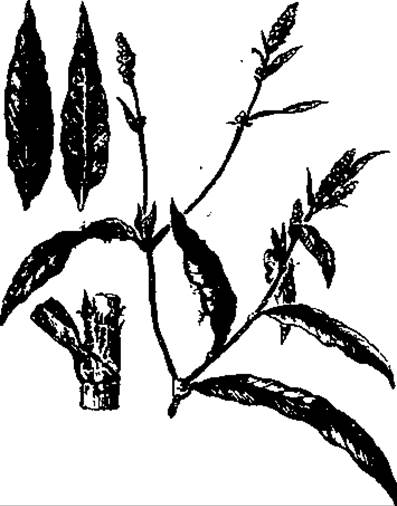
An annual herbaceous plant with a taproot and an erect or ascending stem. Leaves are alternate, lanceolate or linear-lanceolate, glabrous, often bearing a red-brown spot. A distinctive feature is the presence of membranous ochreae covered with appressed hairs and long cilia along the upper margin. The inflorescence is a terminal, dense, spicate raceme. Flowers are small, with a simple, deeply cleft white or pink perianth. Fruit is a nutlet.
Distribution. Found in the European part ofЕТ the CIS, the Caucasus, Ukraine, and less frequently in Central Asia, Siberia, and the Far East. It grows along the banks of rivers and water bodies, and in damp meadows.
Harvesting. The herb is harvested during the flowering period, cleared of impurities, and dried indoors with good ventilation or in driers at temperatures not exceeding 50 °C.
Chemical composition of the raw material. Flavonoids are represented by hyperoside, isoquercitrin, avicularin, persicarin, and tetramethylquercetin. The herb contains vitamin K, tannin (1.5%), phlobaphenes (oxidation products of condensed tannins), free gallic acid, essential oil (0.05%), significant amounts of phylloquinones, and pectins (over 5%).
Biological activity and application. Infusions and extracts of the smartweed herb exhibit laxative and pronounced hemostatic effects. They are indicated for uterine bleeding caused by uterine atony or inflammatory processes, heavy menstrual bleeding, and hemorrhoidal bleeding.
KNOTGRASS HERB — HERBA POLYGONI AVICULARIS
Common knotgrass — Polygonum aviculare L., fam. Polygonaceae
Prostrate knotweed, common knotgrass; polygonum comes from the Latinized Greek name polygonon meaning knotweed; from poly meaning many and gony meaning knee or node, or gonon meaning offspring; avicularis means avian, from Latin avicula meaning little bird.
An annual herbaceous plant. The stem is mostly prostrate, branched, 10–25 cm long. It differs from other species of the genus Polygonum by the absence of a distinct inflorescence: flowers sit in clusters of 1–5 in the leaf axils. Leaves are alternate, broad-elliptic to nearly linear, up to 3 cm long and 1 cm wide, green in color. At the Base of the leaves are silvery-white membranous ochreae. Flowers are axillary, 1–5 together, with a simple, deeply incised white or pink perianth. It blooms all summer. Fruit is a nutlet.
Distribution. Grows throughout Ukraine along roadsides, in courtyards, waste areas, and fields.
Harvesting. The herb is collected during the flowering period. Artificial drying of the raw material is carried out at a temperature of 40–50 °C.
Chemical composition of the raw material. The principal flavonoids (2–2.5 %) include avicularin (quercetin-3-arabinoside), quercetin, hyperoside, and catechins. It contains phenolic acids (caffeic, n-coumaric, chlorogenic, gallic), water-soluble silicic acid compounds (4.5 %), mucus, carotene, ascorbic acid, tannins (about 4 %), and traces of emodin-type anthraglycosides. A novel lignan glycoside, avicularin, has been isolated from the herb.
Biological activity and Applications. Knotweed preparations affect the function of the Kidneys and Urinary Tract. They are used to dissolve and eliminate kidney stones and gravel. The infusion has found application in obstetric and gynecological practice as a hemostatic agent; it tones the uterine Muscles and increases diuresis. It is also used in the Treatment of tuberculosis, as the presence of silicic acid is believed to help strengthen lung tissue. It is a component of such remedies as marelin and phytolith.
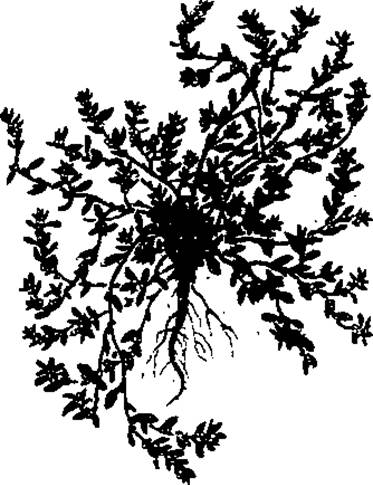
ST. JOHN'S WORT HERB — HERBA HYPERICI
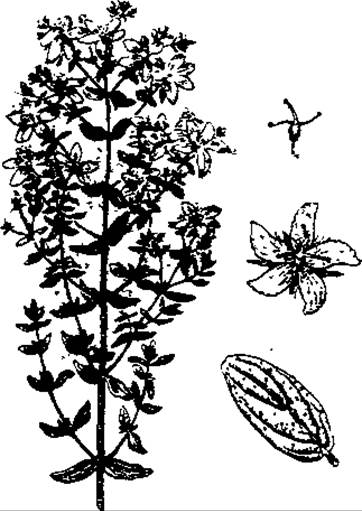
Common St. John's wort — Hypericum perforatum L., spotted St. John's wort — Hypericum maculatum L., fam. St. John's wort family — Hypericaceae (Clusiaceae)
Spotted St. John's wort; the Latin name originates from the Greek hypo — under and ereike — heather, meaning growing among heather.
The plant is a perennial herb. Stem erect, glabrous, branched at the top, terete, 30–60 cm tall. Leaves opposite, sessile, oblong-ovate, obtuse, entire, smooth, with scattered translucent punctate glands across the leaf blade. Flowers regular, bisexual, five-petaled, gathered in a corymbose panicle. Petals golden-yellow, oblong-ovate, with black dots. Fruit a capsule. Seeds very small, brown.
Distribution. Rarely forms dense thickets, more commonly growing in strips along the edges of dry coniferous forests or in small clusters in dry meadows, forest clearings, and felling areas, among shrubs, and on dry mountain slopes.
Distributed in the forest and forest-steppe zones throughout the European part of the CIS, in Ukraine, the mountains of Central Asia and Western Siberia, but does not extend far to the North.
Harvesting. The tops 25–30 cm long are collected at the beginning of flowering. The herb, tied in bundles, is dried in shaded, well-ventilated areas at temperatures up to 40 °C.
Chemical composition of the raw material. The herb contains a diverse range of biologically active substances. Flavonoids (5–6 %) are represented mainly by flavonols: hyperoside (0.3–0.7 %), rutin, quercetin, myricetin, leucoanthocyanidins, and anthocyanins. Isolated biflavonoids include amentoflavone and biapigenin.
Condensed tannins (3–8 %, up to 16 % in leaves) and phenolic acids (caffeic, chlorogenic) contribute to the biological activity; according to recent data, Xanthones impart antidepressant properties to the raw material.
The Main Components of the essential oil (0.2–1 %) are aliphatic Hydrocarbons, mono- and sesquiterpenes.
The fresh flowers of common St. John's wort contain hyperforin, a specific phloroglucinol derivative with bactericidal activity, though this substance is destroyed during the drying process.
An important group of biologically active substances is anthracene derivatives, which are discussed in the chapter "Medicinal Plants Containing Anthracene Derivatives".
Biological activity and applications. Infusions and decoctions exhibit astringent, antimicrobial, hemostatic, and anti-inflammatory effects.
St. John's wort preparations (tincture, novimanin) possess antibacterial activity. The plant is included in complex remedies such as polyphytol, herbogastrin, phytolith, phytulvent, armon, and the herbal mixture arfazetin.
In homeopathy, the entire fresh flowering plant is used for injuries involving nerve damage, lacerations and puncture wounds, second- and third-degree burns, Brain AND SPINAL cord injuries, concussions, and severe pain.
ELDERBERRY FLOWERS — FLORES SAMBUCI NIGRAE
Black elderberry — Sambucus nigra L., fam. honeysuckle family — Caprifoliaceae; the Latin name originates from the Greek sambyx — red; niger, -ra, -um — black.
Plant. A large, branched shrub 3–6 m tall. Older trunks feature grayish-brown fissured bark, while young branches have grayish-brown bark with yellowish lenticels. Leaves opposite, imparipinnate, with 5–7 oblong-ovate sharply serrate leaflets. Flowers small, regular, bisexual, with a barely noticeable five-toothed gamosepalous calyx and a corolla of 4–5 petals fused at the base, up to 5 mm in diameter, Ovary semi-inferior, trilocular. The yellowish-white flowers are gathered in corymbose inflorescences.
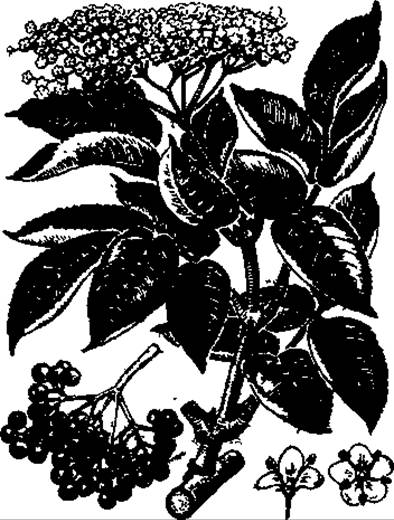
Fruit a black-violet globose drupe. Blooms in May–June, fruits ripen in August–September.
Distribution. Found in the European part of the CIS, the Caucasus, in forests, among shrubbery, in forest clearings, damp ravines, and on excessively moist soils. It most frequently grows in groups. In some places, it is cultivated as an ornamental plant.
Harvesting. During the flowering period (April–June), all inflorescences are cut. They are dried under a canopy, in a well-ventilated room, or in dryers at a temperature of 40 °C. Slow drying causes the flower corollas to turn brown. After drying, the flowers are separated from the corymbs.
Chemical composition of the raw material. The flowers contain flavonoids (up to 1.8%), including rutin (about 0.3%), derivatives of quercetin, kaempferol, astragalin, anthocyanidins, and the cyanogenic glycoside sambunigrin (about 0.1%), which breaks down into benzaldehyde, hydrocyanic acid, and glucose. A diverse composition of phenolcarboxylic acids is observed (p-coumaric, chlorogenic, caffeic and its glucoside, ferulic acid glucoside); amines include ethylamine, isobutylamine, and Choline; tannins, mucus, and ascorbic acid are also present.
Biological activity and application. Elder flowers exhibit diaphoresis, anti-inflammatory, diuretic, and mild expectorant properties. The infusion is used for colds, Chronic Bronchitis, and in gynecological practice.
LINDEN FLOWERS — FLORES TILIAE
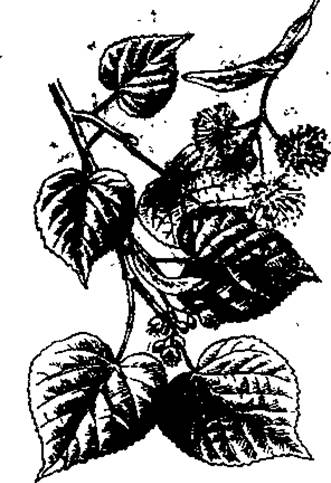
Small-leaved linden — Tilia cordata Mill., large-leaved linden — Tilia platyphyllos Scop., fam. Tiliaceae
Russian: липа сердцевидная, липа плосколистная; Latinized Greek *telia* — linden; Latin *cordatus, -a* — cordate, referring to the leaf shape; *platyphyllos* — from Greek *platys* — broad, and *phyllon* — leaf.
Plant description. A tree with dark, deeply fissured trunk bark and a branching crown. Leaves are petiolate, cordate, with an elongated-acuminate apex, dark green, glabrous, serrate, with tufts of hairs in the vein axils. Flowers are yellowish-white, gathered in a semi-umbel; the main axis is fused in its lower half with the midrib of a leaf-like bract (wing). The bract leaves are elongated-lanceolate, with a blunt apex, about 6 cm long, with an entire margin and a light green color. The fruit is a globose, dry, one-seeded nutlet.
Distribution. Small-leaved linden is found in Ukraine, the European part of the CIS, and Western Siberia; large-leaved linden is found in the Carpathians.
Harvesting. Inflorescences are harvested along with their bracts, known as "linden blossom," when most of the flowers are open and the rest are in the bud stage. They are dried in the shade, outdoors, or in well-ventilated rooms, spread in a thin layer (3–5 cm thick), taking care not to overdry the raw material. Artificial drying is carried out at 40–45 °C.
Chemical composition of the raw material. The flowers contain a significant amount of flavonoid compounds (1%), represented by flavones, flavanones, and flavonols. Acacetin-7-glucoside (tiliain) has been identified among the flavones; kaempferol derivatives (tiliroside), quercetin, and herbacetin among the flavonols; and hesperetin rutinoside among the flavanones.
The essential oil (0.05%) contains farnesol, hydrocarbons, 2-phenylethanol, and monoterpenoids. Mucilage contains up to 40% uronic acids. The content of tannins and their precursors, leucoanthocyanins, is up to 2%.
Biological activity and application. The infusion acts as a diaphoretic, enveloping, anti-inflammatory, and diuretic agent, and increases blood clotting. Folk medicine recommends it for Gout, neurosis, and diabetes.
In homeopathy, fresh flowers are used for rheumatism, allergic rashes (hives), and allergic rhinitis.
GINKGO LEAF — FOLIA GINKGO
Maidenhair tree — Ginkgo biloba L., fam. Ginkgoaceae
Russian: гинкго двулопастное; the Latin name comes from the Chinese plant name *gin-kyo* — "silver apricot"; Latin *bilobus* — two-lobed, from *bi-* (two-) and *lobus* (lobe).
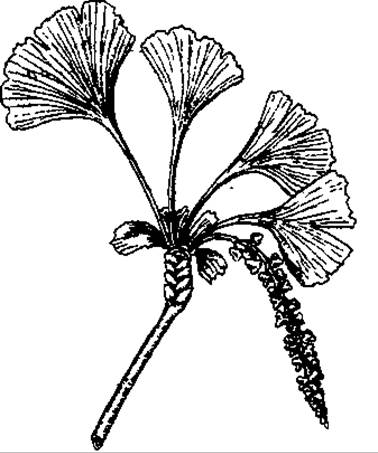
Plant description. A deciduous, gymnosperm, dioecious tree up to 25 m tall. It can reach an age of 1,000 years. Leaves are long-petiolate, leathery, fan-shaped, with dichotomous venation, and with one or more notches along the margin. Male flowers are catkin-like with numerous stamens; female flowers are borne on long stalks that branch at the end into two or more twigs terminating in ovules. The seed is drupaceous, resembling a yellow plum, with a fleshy outer layer.
Distribution. Native to China. Cultivated in botanical gardens and parks as an ornamental plant.
Harvesting. Leaves are harvested throughout the growing season and even in autumn.
Chemical composition of the raw material. The main groups of active constituents are flavonoids, sesquiterpenes, and diterpenes.
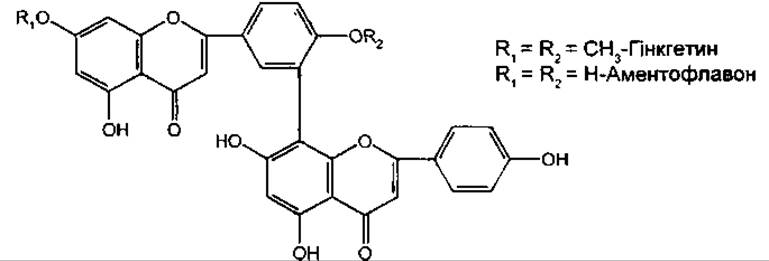
Among the flavonoid group, the following flavones have been identified in the leaves: luteolin, 2-hydroxyluteolin; flavonols: kaempferol and quercetin glycosides, as well as glycoside esters (with coumaric acid), catechins, and leucoanthocyanins. Biflavonoids include ginkgetin, bilobetin, and amentoflavone.
A specific constituent is the sesquiterpene trilactone bilobalide, which is a breakdown product of biologically active ginkgolides. Their total content in the raw material is 0.06%.
Diterpenes (ginkgolides A, B, C) have a complex Structure consisting of six rings with three lactone groups and a butyl radical.
Standardization of raw materials and ginkgo preparations is based on the content of flavonoids, ginkgolides, or bilobalide.
Biological activity and application. Preparations made from the leaves of Ginkgo biloba exhibit spasticolytic, vasodilating, and bacteriostatic properties. Ginkgolides prevent erythrocyte aggregation and help normalize cerebral blood flow and blood pressure. Extracts from fresh leaves are components of galenical preparations such as ginkogink, tanakan, memoplant, ginkor-proct, ginkor-gel, and ginkor-fort, which are prescribed to patients with impaired peripheral and central nervous system Functions as well as cerebral circulation. The leaf decoction is recommended for elderly people suffering from cerebral vascular sclerosis, venous insufficiency of the lower extremities, varicose Veins, and hemorrhoids.
GOLDENROD HERB — HERBA SOLIDAGINIS
European goldenrod — Solidago virgaurea L., Canada goldenrod — Solidago canadensis L., fam. Asteraceae
Common goldenrod, Canada goldenrod; Solidago is derived from the Latin words solidus (strong) and agere (to make).
A perennial herbaceous plant.
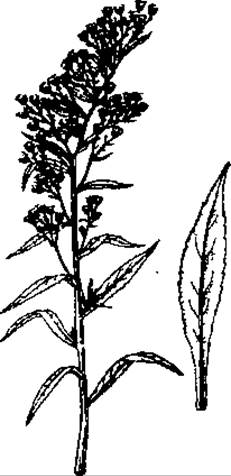
Stems are erect or ascending, mostly simple, 30–60 cm tall (60–120 cm in Canada goldenrod). Basal and lower stem leaves are ovate or elliptic, obtuse, serrate along the margins, and narrowed at the base into winged petioles; middle and upper stem leaves are elliptic or oval, sessile. In Canada goldenrod, leaves are oblong-lanceolate, sharply serrate and shortly ciliate along the margins, gradually narrowed and pointed towards the apex, short-petiolate to sessile. Fertile flowers are grouped in capitula forming paniculate or racemose inflorescences. Capitula are small, green, up to 3–4 mm long, arranged in one-sided racemes collected into a panicle; involucres are 2-3-rowed, pale green; peripheral flowers are ligulate, central flowers are tubular, golden yellow. The fruit is an achene.
Distribution. European goldenrod grows on forest edges, in forests, among shrubs, and on rocky outcrops throughout Ukraine. Canada goldenrod originates from North America. Both species are cultivated as ornamental plants.
Harvesting. During the flowering period, the top 25–30 cm of the stems are cut off, and the leaves are gathered. Drying is carried out under sheds or in well-ventilated rooms.
Chemical composition of the raw material. The herb contains flavonoids such as kaempferol, quercetin, and their glycosides (astragalin, rutin). Saponins (about 1.5%), with oleanolic and polygalic acids as aglycones, also contribute to its pharmacological activity. The raw material is standardized by its content of the phenolic diglycoside leiocarposide. Additionally, the herb contains tannins (10%), essential oil, diterpenes, as well as nicotinic and ascorbic acids.
Biological activity and application. Goldenrod preparations possess diuretic, choleretic, astringent, antibacterial, and anti-inflammatory properties, and help prevent excessive capillary fragility. Goldenrod extract is a component of such remedies as marelin and phytolith, which are used for urolithiasis.
In homeopathy, fresh flowering tops of European goldenrod are used for albuminuria, phosphaturia, mucus in the urine, and various Skin conditions.
HORSETAIL HERB — HERBA EQUISETI ARVENSIS
Field horsetail — Equisetum arvense L., fam. Equisetaceae
Common horsetail; the name comes from the Latin equus (horse) and seta (bristle).
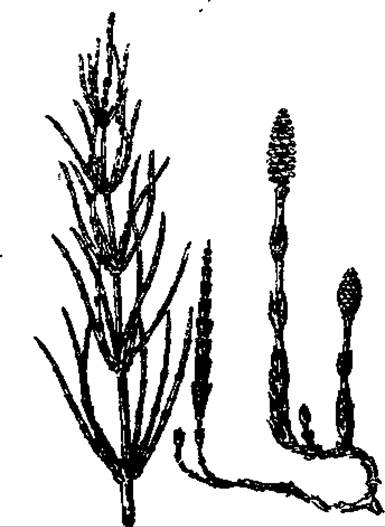
A perennial herbaceous plant with a branching rhizome. There are two types of stems: spring spore-bearing stems that wither after spore shedding, and summer sterile stems that persist until autumn. Summer shoots are bright green and 15–40 cm tall. Branches are arranged in whorls of 6–18, directed obliquely upwards, 4- to 5-angled, and hollow-free. Scale-like leaves are arranged in whorls and fused into sheaths. It spores in March–April.
Distribution. It grows throughout Ukraine as a weed in fields, meadows, forest nurseries, and clearings.
Harvesting. The herb (green vegetative shoots) without the coarse lower stem parts is harvested from June to August. It is plucked by hand, cut with a sickle, or mown in dense stands, cleared of impurities, and dried outdoors in the shade, spread in a 5–7 cm thick layer on paper or fabric.
Chemical composition of the raw material. The main active constituents are flavonoids, specifically derivatives of apigenin, luteolin, kaempferol, and quercetin; the herb also contains phenolcarboxylic acids, tannins, and saponins of undetermined composition. The silicic acid content in the ash residue ranges from 6 to 10%, occasionally reaching 20%. The plant also accumulates molybdenum and selenium. The exact role of Pyridine Alkaloids (nicotine, palustrine, etc.)—whether toxic or pharmacological—remains unclear.
Biological activity and application. It exhibits a wide range of therapeutic effects: diuretic, hemostatic, anti-inflammatory, litholytic, and detoxifying in lead poisoning.
The extract is part of complex preparations such as marelin, phytolith, phytolysin, Traskov's mixture, and arphasetin tea collection.
FLEABANE HERB — HERBA ERIGERONIS CANADENSIS
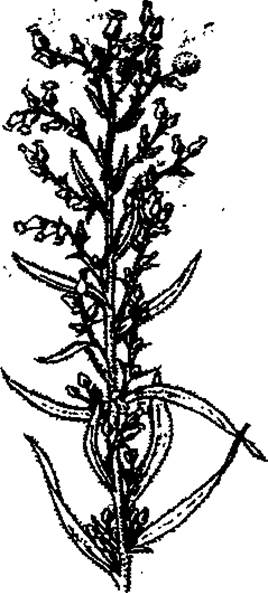
Canadian fleabane — Erigeron canadensis L., fam. Asteraceae
Canadian fleabane
An annual herbaceous plant with a rough-hairy, erect, ribbed stem standing 30-100 cm tall, branched in the upper part. Leaves are alternate, linear-lanceolate, long-acuminate, and scabrous; lower leaves are short-petiolate and remotely dentate, while upper ones are sessile and entire. Flowers are arranged in small capitula that form branched terminal inflorescences; marginal flowers are pistillate, narrow-ligulate, and whitish, whereas central flowers are bisexual, tubular, and pale yellow. It blooms from July to September. The fruit is an achene.
Distribution. It grows throughout Ukraine in wasteland, fields, along roadsides, and in shelterbelts. Native to North America.
Harvesting. The herb is harvested during the flowering period.
Chemical composition of the raw material. The herb contains flavonoids — apigenin, luteolin, quercetin, isorhamnetin, tannins, choline, and essential oil containing limonene, dipentene, and terpineol; phenolcarboxylic acids (caffeic, chlorogenic, neochlorogenic); coumarins (umbelliferone, scopoletin), and sitosterol.
Biological activity and application. The herbal infusion is used as an anti-inflammatory and hemostatic agent, and the preparation erican is used as an antidiarrheal remedy.
LICORICE ROOT — RADICES GLYCYRRHIZAE
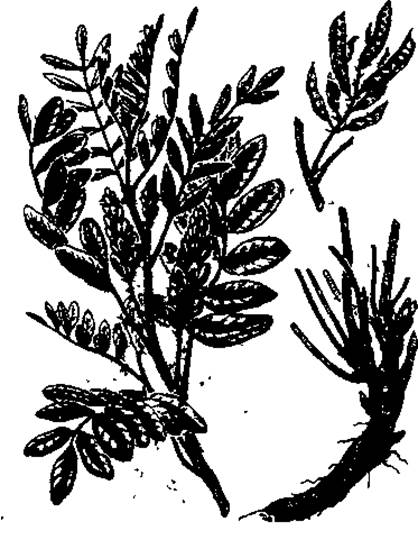
Liquorice — Glycyrrhiza glabra L., fam. Fabaceae
Liquorice; the latinized name originates from the Greek glykys meaning sweet and rhiza meaning root; Latin glabra means glabrous.
Liquorice is discussed in the section "Medicinal Plants and raw materials containing saponins". Alongside triterpene saponins, liquorice roots contain a significant amount of flavonoids. Liquiritin was isolated by Japanese chemists Shinoda and Ueda in 1933. Subsequently, flavonoid compounds were studied at the State Research Center for Medicinal Chemistry (SRCMC) by Professor Ye.I. Lytvynenko.
The total flavonoid content (3-4%) is represented by Chalcones and flavanones, the principal ones being liquiritigenin and its glycosides — liquiritin (liquiritigenin 4′-O-glucoside), neoliquiritin (liquiritigenin 4′-O-glucosyl-apioside), and uraloside (liquiritigenin 7-O-glucosyl-apioside). The main chalcone is isoliquiritigenin and its glycosides: isoliquiritin (isoliquiritigenin 4′-O-glucoside), licuraside (isoliquiritigenin 4-O-glucosyl-apioside), etc.
Biological activity and application. Liquorice flavonoids exhibit spasmolytic, anti-inflammatory, and antiulcer activity. Preparations such as liquiriton and flacarbin are used for gastric ulcer and duodenal ulcer.
BIDENS HERB — HERBA BIDENTIS
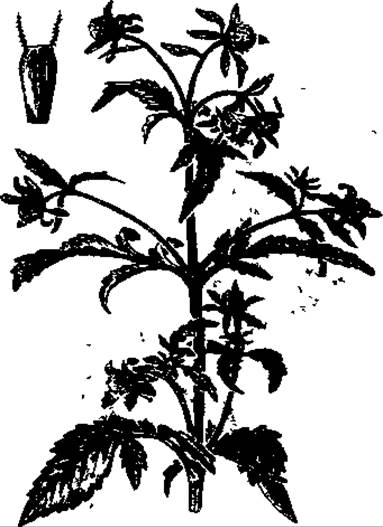
Trifid burmarigold — Bidens tripartita L., fam. Asteraceae
Trifid burmarigold; Latin bi meaning double and dens meaning tooth, referring to The structure of the fruits which bear two barbed points; tripartita means tripartite, from tri meaning three and pars, partis meaning part, referring to leaf shape.
An annual herbaceous plant with an erect, oppositely branched stem 15-60 (100) cm tall, glabrous or with sparse hairs. Leaves are opposite, short-petiolate, deeply tripartite or entire (upper ones); leaf lobes are lanceolate, acute, and coarsely serrate.
Flowers are gathered in erect or drooping solitary capitula at the ends of stems and branches, surrounded by a campanulate, biseriate involucre; the outer involucral bracts are green, leaflike, longer than the capitula, spreading, and petiole-like narrowed at the base; the inner ones are shorter than the outer, oblong, acute, reddish, with a clearly membranous margin. Flowers in the capitulum are tubular, bisexual, and brownish-yellow. The fruit is an achene bearing 2-3 barbed bristles at the top.
Distribution. It grows throughout Ukraine in damp places, swamps, along streams, and in ditches.
Harvesting. The herb is harvested during the budding period. The top portions no longer than 15 cm and individual leaves are collected. The gathered raw material is dried outdoors in the shade or in a well-ventilated room, spread in a thin layer on fabric or paper.
Chemical composition of the raw material. Bidens herb contains flavonoids: luteolin glucoside, chalcones (butein and its glucoside), Aurones (sulphuretin), condensed tannins (up to 6.5%), coumarins (umbelliferone and scopoletin), carotene, ascorbic acid, essential oil (traces), mucus, amines, and Trace Elements (particularly manganese).
Biological activity and application. The herbal infusion exhibits diuretic, diaphoretic, choleretic, and bactericidal action, improves Digestion, and normalizes impaired METABOLISM. The oil extract possesses anti-inflammatory and wound-healing properties.
REST HARROW ROOTS — RADICES ONONIDIS
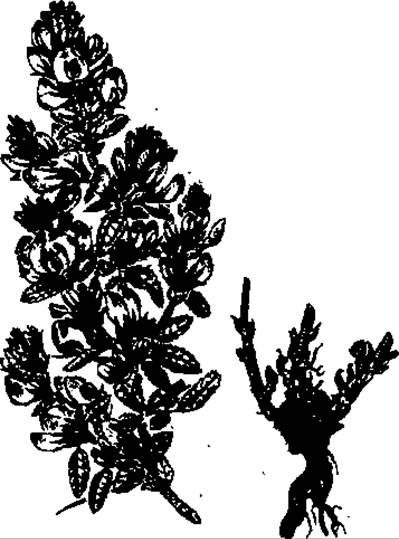
Rest harrow — Onónis arvensis L., fam. legumes — Fabaceae
Spiny restharrow; the Latinized name comes from the Greek onos (donkey), because donkeys readily eat this plant; the Latin epithet arvensis means arable or field-dwelling, derived from arvum (field, plowed land).
The plant is a perennial herb with a short, multi-headed dark brown rhizome and a taproot that is cylindrical, slightly flattened, twisted, straight or bent, woody, and branched at the base. The surface of the roots is light brown, and the fracture surface is yellowish-white. The stems are branched and pubescent, with branches often ending in thorns. The lower and middle stem leaves are trifoliate, while the upper ones are simple; the leaflets are oval with sharply toothed margins, glandular-pubescent on both sides, and aromatic. A notable feature is the large, paired, broadly ovate stipules that embrace the stem, equal in length to the petioles and fused with them. The flowers are pink, occurring in pairs on short pedicels in the leaf axils, forming dense spike-like inflorescences at the ends of the stems and lateral branches. The fruit is a legume, shorter than the calyx teeth, broadly ovate, pubescent, containing 2–4 seeds.
Distribution. It grows in meadows, among shrubs, along rivers, in the forest and forest-steppe Zones of the European part of the CIS, in Ukraine, the Caucasus, and the Altai. The plant is also cultivated.
Harvesting. The roots are dug up in autumn, cleared of soil, quickly washed with cold water, and dried outdoors or in dryers at a temperature of 40–45 °C; long roots are cut into pieces.
Chemical composition of the raw material. The roots contain isoflavonoids (1.5–2.5%): formononetin, ononin, onogenin, onogenin 7-glucoside (onoside), onospin, pterocarpans, readily resinifying essential oil, tannins, and triterpene saponins.
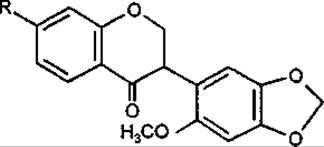
Onogenin (R=OH)
Onoside (R=O—Glu)
Biological activity and application. A decoction is used as a diuretic and hemostatic agent for hemorrhoids; the tincture, as well as the drug flavanobol, exhibits an anabolic effect.
In homeopathy, the fresh roots of O. spinosa are used as a diuretic for ascites and Nephrolithiasis.
Last update: 06/08/2026
Editorial and Educational Adaptation: This material has been compiled based on the primary/original source text. The project team performed an editorial review, corrected technical inaccuracies, structured sections, and adapted the content for an educational format.
What was processed:
- elimination of formatting defects (OCR errors, structural breaks, corrupted characters);
- editorial organization of content;
- standardization of terminology in accordance with academic sources;
- verification of factual statements against the original source text.
All mentions of the author, publication year, and origin of the primary text have been preserved in accordance with the source.