Pharmacognosy with Basics of Plant Biochemistry - Kovalyov V. M. 2004
Special Part
Phenolic Compounds
Flavonoids
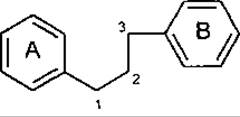
Flavonoids are biologically active compounds based on a diphenylpropane Skeleton with the general formula C6—С3—С6.
The name comes from the Latin word flavus meaning yellow, because the first isolated flavonoids had a yellow color.
Structure. A flavonoid molecule consists of two phenolic residues (rings A and B) connected by a propane bridge, which allows them to be regarded as phenylpropanoid derivatives.
Class="center">
Flavonoids differ in THE POSITION OF the phenolic radicals within the propane fragment. Based on this feature, they are divided into three main groups: eufinoids (euflavonoids), isoflavonoids, and neoflavonoids.
Group I comprises euflavonoids, or true flavonoids, in which ring B is attached at the C-3 position of the propane chain.
When a pyran heterocycle is condensed with ring A, flavan (phenylbenzopyran) is formed. The oxidized form of flavan contains a y-pyrone moiety in its structure.
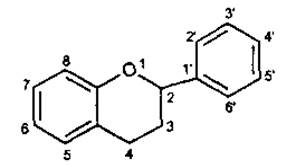
Flavan
(2-phenylchromane, 2-phenylbenzopyran)
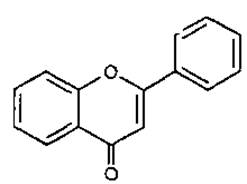
Flavone
(2-phenylchromone, 2-phenylbenzo-y-pyrone)
Group II — isoflavonoids, in which ring B is attached to the second carbon atom of the propane fragment.
Group III — neoflavonoids, containing ring B attached at the C-1 position of the propane chain.
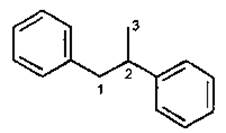
Isoflavonoids
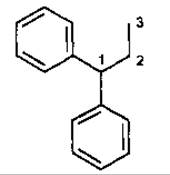
Neoflavonoids
Classification of euflavonoids. According to the oxidation state of the propane fragment and the size of the heterocycle, euflavonoids can be divided into 10 classes.
Flavan derivatives
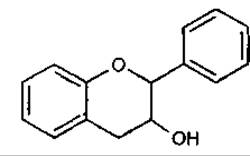
1 Flavan-3-ol (catechin)
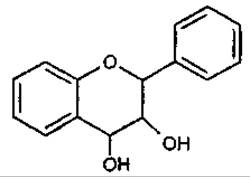
2. Flavan-3,4-diol (Leucoanthocyanidin)
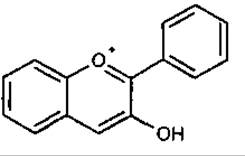
3. Anthocyanidin
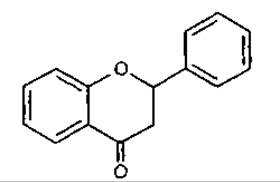
4. Flavanone
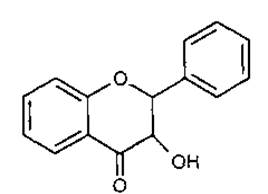
5. Flavanonol
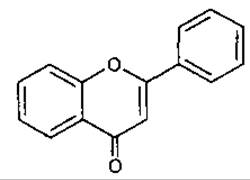
6. Flavone
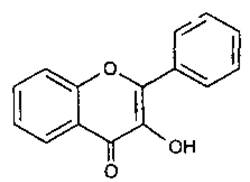
7. Flavonol
The aurone class, characterized by a five-membered heterocycle, can be considered as derivatives of 2-benzylidenecoumarone.
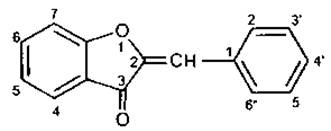
8. Aurone
Flavonoids with an open propane unit are referred to as Chalcones and dihydrochalcones.
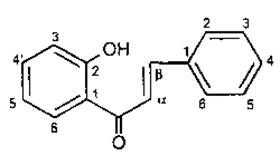
9. Chalcone
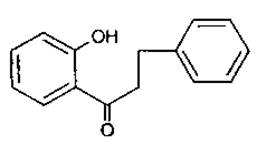
10. Dihydrochalcone
Flavonoids can undergo Condensation with each other as well as with other Phenolic Compounds, including phenolic carboxylic and hydroxycinnamic acids, Lignans, Isoprenoids, Alkaloids, etc.
Along with monomeric flavonoids, natural dimers (biflavonoids), oligomers composed of leucoanthocyanin or anthocyanin residues, and polymers (condensed Tannins) have been described.
Classification of isoflavonoids. The classification of isoflavonoids is based on the oxidation state of the propane unit and The Nature of the heterocycle. Isoflavonoids are subdivided into simple and condensed types. Simple isoflavonoids include isoflavans, isoflavanones, isoflavones, and isochalcones, while condensed ones comprise coumestans, pterocarpans, rotenoids, and others.
Simple isoflavonoids
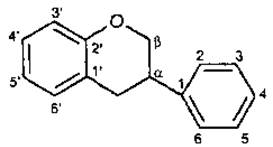
Isoflavan
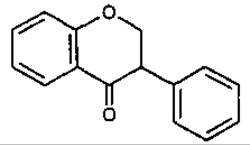
Isoflavanone
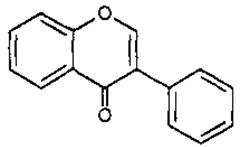
Isoflavone
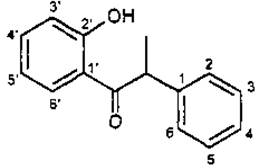
Isodihydrochalcone
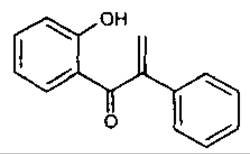
Isochalcone
Condensed isoflavonoids
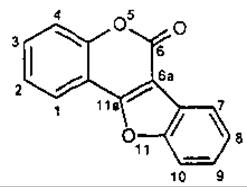
Coumestan, or coumaranocoumarin
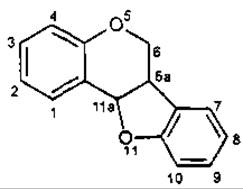
Pterocarpan, or coumaranochroman
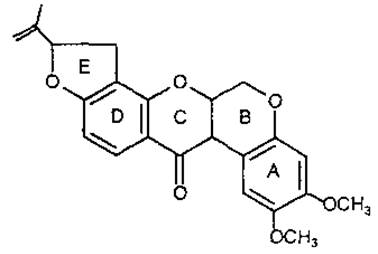
Rotenone, or chromanochromanone
Classification of neoflavonoids. The neoflavonoid group includes flavan, flavone, and chalcone subclasses. Due to Substitution at the C-4 position instead of the γ-pyrone, compounds featuring an α-pyrone heterocycle can also be found within this group.
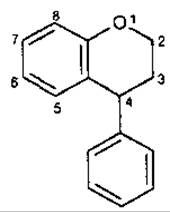
Neoflavan
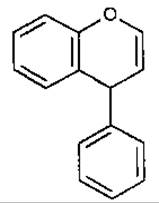
Neoflavone
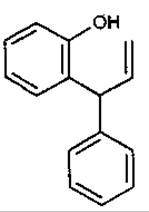
Neochalcone
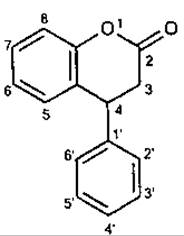
4-Phenylbenzo-α-pyrone (4-phenylcoumarin)
Most common flavonoids
Catechin isomers
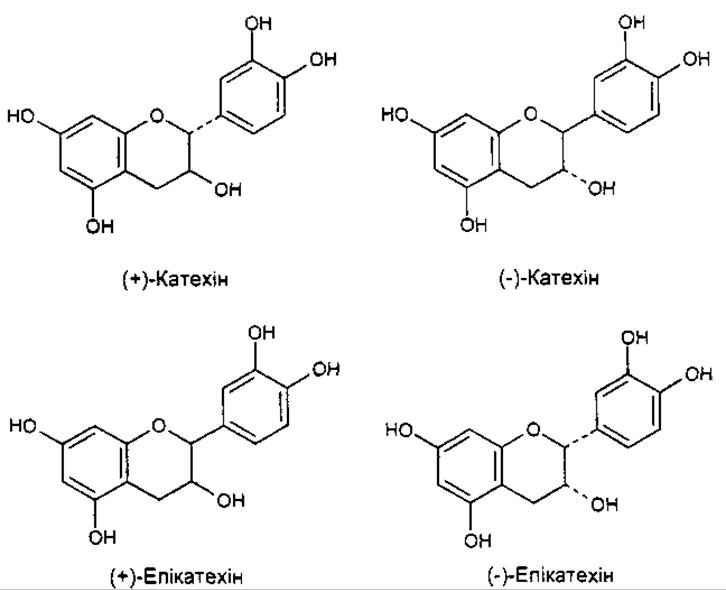
Tables 5–10 show the most common flavonoids.
Table 5
Anthocyanidins
Name |
R1 |
R2 |
Pelargonidin |
Н |
Н |
Cyanidin |
ОН |
Р |
Delphinidin |
ОН |
ОН |
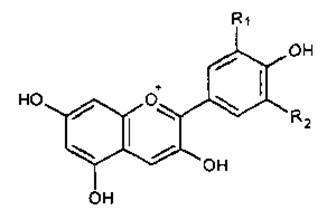
Table 6
Flavanones
Name |
R1 |
R2 |
R3 |
Liquiritigenin |
Н |
ОН |
Н |
Naringenin |
Н |
ОН |
ОН |
Bryodiphenol |
ОН |
ОН |
ОН |
Hesperidin |
ОН |
ОСН3 |
ОН |
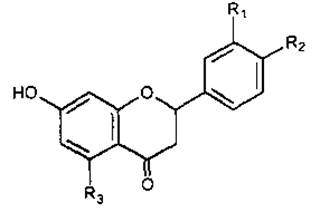
Table 7
Flavones
Name |
R1 |
R2 |
Apigenin |
Н |
ОН |
Luteolin |
ОЕ |
ОН |
Acacetin |
Н |
ОСН3 |
Diosmetin |
ОН |
ОСН3 |
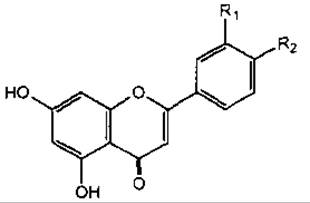
Table 8
Flavonols
Name |
R1 |
R2 |
R3 |
Kaempferol |
Н |
Н |
ОН |
Quercetin |
ОН |
Н |
ОН |
Myricetin |
ОН |
ОН |
ОН |
Rhamnetin |
ОН |
Н |
ОСН3 |
Isorhamnetin |
ОСН3 |
Н |
ОН |
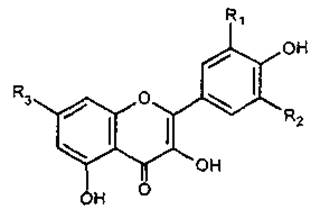
Table 9
Chalcones
Name |
R1 |
R2 |
Butin |
ОН |
Н |
Isoliquiritigenin |
Н |
ОН |
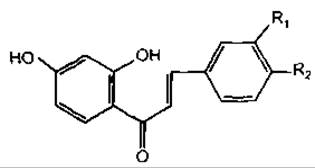
Table 10
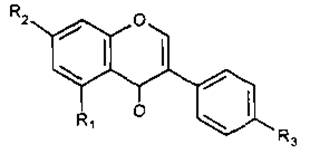
Isoflavones
Name |
R1 |
R2 |
R3 |
Genistein |
ОН |
ОН |
ОН |
Formononetin |
Н |
ОН |
ОСН3 |
Isoformononetin |
Н |
ОСН3 |
ОН |
Characteristics of Flavonoid Glycosides
Flavonoids rarely occur in their free aglycone form. The majority of flavonoids exist as glycosides. The preference for substitution at any given position depends on the aglycone structure. For instance, in flavones, substitution typically takes place at the C-7 position, and less frequently at C-3′, C-4′, whereas in C-glycosides it occurs at C-6 and C-8. In flavonols, substituents are generally attached at the C-3 or C-7 position.
Sugar moieties are represented by D-glucose, D-galactose, D-xylose, L-rhamnose, L-arabinose, D-glucuronic acid, and occasionally D-galacturonic acid.
In most flavonoid glycosides, the carbohydrate residue is linked to the aglycone via a hemiacetal bond through an oxygen atom (O-glycosides). Depending on the number and position of the sugar residues, they can be monosides, biosides, diglycosides, or triosides, with the carbohydrate component being either linear or branched.
The sugar can be attached to the aglycone via a carbon-carbon bond, forming C-glycosides, or glycoflavonoids. Most commonly, the carbohydrate substitutes at C-6, C-8, or both C-6 and C-8. C-glycosides typically contain D-glucose, and less frequently D-galactose, D-xylose, L-rhamnose, and L-arabinose.
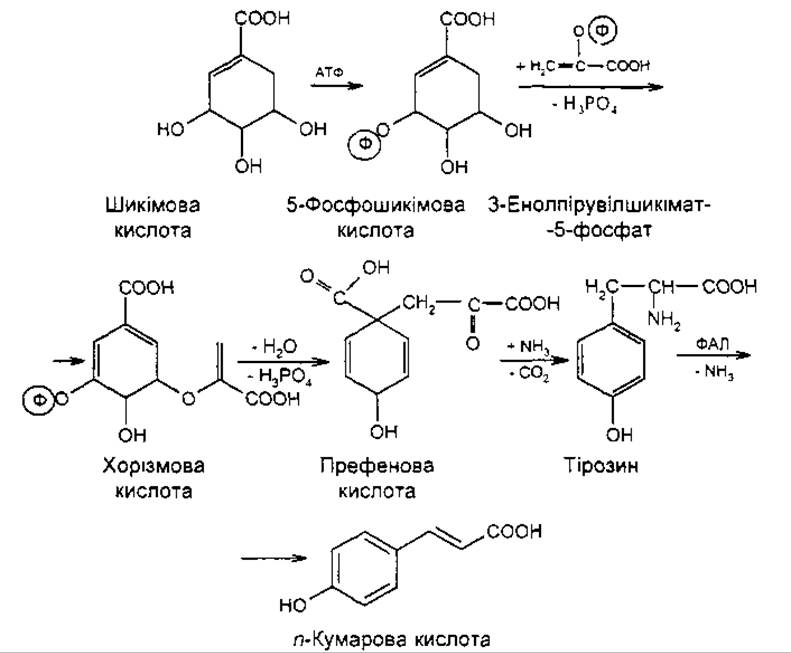
The biosynthesis of flavonoids proceeds via a mixed pathway. Ring A and the propane fragment are formed via the acetate pathway, while ring B is derived via the shikimic acid pathway.
Formation of ring B. Shikimic acid is phosphorylated in the presence of ATP to yield 5-phosphoshikimic acid, which then combines with phosphoenolpyruvic acid to form 3-enolpyruvylshikimate-5-phosphate, followed by Chorismic acid. The latter rearranges into prephenic acid, a key intermediate in the biosynthesis of aromatic Amino Acids, flavonoids, Coumarins, and other polyphenols. Prephenic acid undergoes amination and decarboxylation to yield either phenylalanine or Tyrosine. Deamination of these amino acids leads to The formation of cinnamic or n-coumaric acid.
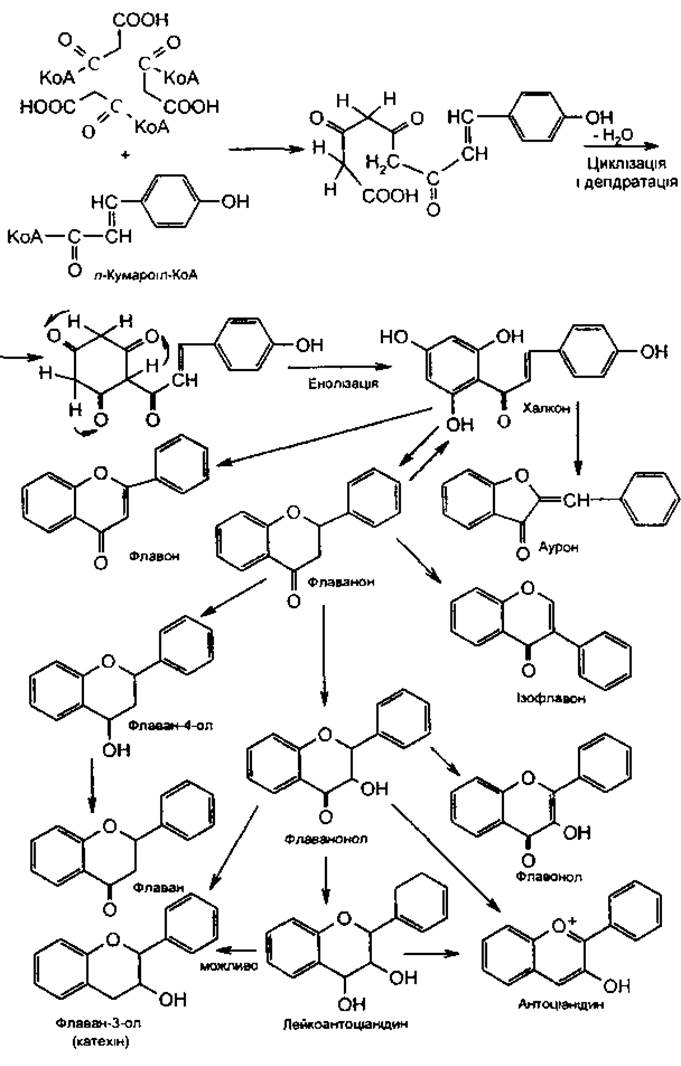
Formation of ring A and flavonoids. Ring A is synthesized from three molecules of acetic or malonic acid with the participation of coenzyme A. The resulting cyclization product reacts with n-coumaric acid (n-coumaroyl-CoA). Condensation, cyclization, and enolization of these precursors yield chalcone (see scheme).
Oxidation of chalcone yields flavones, flavonols, and related compounds, whereas its reduction produces anthocyanidins, leucoanthocyanidins, and catechins.
Formation of ring B in flavonoids
Distribution, Localization, and Biological Functions in Plants
Flavonoids are found in virtually all plants, and also occur in microorganisms and insects.
The families richest in flavonoids include Fabaceae, Polygonaceae, Asteraceae, and Rosaceae. They accumulate predominantly in flowers and leaves, and to a lesser extent in stems, rhizomes, and roots. Their content ranges from 0.1 to 20% (for example, in the flower buds of Japanese pagoda tree) and varies depending on the plant's vegetation phase. Maximum flavonoid concentrations are observed during flowering, after which levels decline. Environmental factors are of paramount importance: tropical and high-altitude plants contain higher amounts of flavonoids; therefore, it is believed that their concentration depends on sunlight intensity and altitude above sea level.
Glycosides are typically localized in actively growing Tissues (leaves, buds, flowers), whereas aglycones are found in lignified tissues (bark, periderm).
General scheme of Flavonoid Biosynthesis
Flavonols account for 40% of all flavonoids. Rutin, for instance, has been identified in more than 70 species belonging to 34 families, while quercetin is found in over 400 species.
Anthocyanidins determine the coloration of flowers, fruits, and leaves. There are 22 known anthocyanidin aglycones in nature, but only three of them are widespread: pelargonidin, delphinidin, and cyanidin. For example, cyanidin provides the coloration for apples, cherries, raspberries, and red currants; delphinidin for pomegranates and eggplants; pelargonidin for strawberries and passion fruit; and a combination of cyanidin and delphinidin for black currants and oranges.
Chalcones and Aurones are readily detected in flower petals—exposure to ammonia vapors shifts their color from yellow to red. Their distribution is restricted to nine families.
Most flavonoids are soluble in The plant Cell sap and are also located in METABOLISM/14.html">Chloroplasts. The chalcones and aurones of *Bidens tripartita* are localized in laticifers; flavonols and flavones in the epidermis; and isoflavonoids predominantly in underground Organs and seeds.
Flavonoids are typical plant pigments that act as natural filters, protecting plant tissues from ultraviolet radiation and preventing chlorophyll degradation. The hypothesis that flavonoids participate in Plant Respiration has also been confirmed, as studies have shown they are consumed alongside ascorbic acid in enzymatic oxidation-reduction processes, thereby fulfilling an antioxidant function. Furthermore, flavonoids are known to influence Plant GROWTH AND DEVELOPMENT and participate in Fertilization, although the exact mechanism of their action remains unclear. For instance, rutin has been shown to inhibit fertilization.
Physicochemical Properties
Flavonoids are crystalline compounds with defined melting points. Catechins, leucoanthocyanidins, flavans, isoflavans, flavanones, and flavanonols form colorless crystals, whereas flavones, flavonols, chalcones, and aurones are yellow or orange. Anthocyanins change color depending on the pH of the medium: they exhibit various shades of red in acidic environments and blue in alkaline ones.
Flavonoid aglycones are soluble in diethyl ether, acetone, and alcohols, but are practically insoluble in Water. Flavonoid glycosides typically dissolve in dilute alcohols and hot water.
Flavanols (catechins) are optically active. For example, catechin exists in four isomers that differ in the direction and angle of optical rotation (D- and L-catechins, D- and L-epicatechins) as well as in their biological activity. Notably, L-epicatechin exhibits Vitamin P activity, whereas the others do not.
Flavanones and flavanonols are labile compounds. When treated with oxidizing Reagents, they can convert into chalcones and leucoanthocyanidins, respectively.
Flavonoid O-glycosides undergo acid, alkaline, and Enzymatic Hydrolysis. Specifically, 3-O-glycosides are easily hydrolyzed when heated with 0.1-1% mineral acids. Hydrolyzing 7-O-glycosides requires heating for several hours with 5-10% mineral acids, although alkaline hydrolysis proceeds much more readily for them.
Because the C-C bond between the aglycone and the sugar moiety is extremely stable, the hydrolysis of C-glycosides is carried out using Kiliani's reagent (a mixture of concentrated hydrochloric and glacial acetic acids).
Isolation and Research Methods
Isolation. Lower alcohols, such as ethanol and methanol, are most commonly used to extract flavonoids from plant material. The alcoholic extracts are evaporated to an aqueous residue, diluted with water, and treated with chloroform to remove Lipids and lipoids, including chlorophyll, carotenoids, Waxes, and fatty oils. The purified aqueous residue is then successively extracted with diethyl ether, ethyl acetate, propanol, and butanol to yield fractions of aglycones, monosides, biosides, and triosides, respectively.
To separate flavonoids into individual components, Column Chromatography on silica gel, polyamide, or Cellulose is employed. The column is eluted with a chloroform-alcohol mixture, gradually increasing the proportion of alcohol in the Mobile phase.
Qualitative Reactions. The cyanidin test is a specific color reaction for flavonoids, frequently performed using the Shinoda modification. Flavonoids are reduced by hydrogen generated in situ through the reaction of metallic magnesium with concentrated Hydrochloric acid, resulting in the formation of colored anthocyanidins.

Isoflavonoids and flavans produce a yellow coloration, occasionally turning red. Flavonols yield colors ranging from raspberry-red to bright red.
Chalcones and aurones do not yield a positive cyanidin test, but upon Treatment with concentrated hydrochloric acid, they turn red due to the formation of oxonium salts. Anthocyanins also change color: delphinidin glycosides produce a blue-red coloration, cyanidin gives bright red, and pelargonidin yields orange-red.
Reaction with boric-citric reagent. 5-Hydroxyflavones and 5-hydroxyflavonols react with boric acid in the presence of citric or oxalic acid to form a bright yellow complex exhibiting yellow-green fluorescence. 3-Hydroxyflavones lacking a hydroxyl radical at the C-5 position do not give this reaction.
Reaction with antimony pentachloride. A solution of this salt in carbon tetrachloride produces a red or orange coloration when mixed with flavonoids. This occurs because $ ext{SbCl}_5$ is comparable in strength to sulfuric acid, inducing a characteristic halochromism. Chalcones yield a red to red-blue color, while flavones produce yellow to orange.
Dihydrochalcones, which lack a double bond between the carbonyl group and ring B, do not produce a color reaction with $ ext{SbCl}_5$.
Azo coupling reaction. With diazotized sulfanilamide, flavonoids possessing a free hydroxyl group at the C-7 position form colored azo coupling products. Flavones, flavanones, flavanols, and flavanonols yield a yellow color with ammonia solution, whereas chalcones and aurones exhibit a red-purple coloration.
Reaction with alkali solutions. Theoretically, flavonoids lacking carbonyl groups (such as catechins and leucoanthocyanins) or those lacking a double bond between the hydroxyl and carbonyl groups (such as flavanonols) do not form colored solutions with alkalis. In practice, however, all these compounds develop color in alkaline media due to secondary transformations. When treated with dilute alkalis, flavanones initially form colorless or yellowish solutions that gradually turn bright yellow or red as they isomerize into chalcones. Chalcones and aurones immediately yield red and purple solutions with alkalis; this reaction is specific to them, as no other flavonoid group behaves this way. Flavones and flavonols form yellow solutions with alkalis, whereas polyoxyflavonols (possessing six or more hydroxyl groups) yield red or blue solutions.
Reaction with concentrated sulfuric acid. Many crystalline flavonoids dissolve in sulfuric acid to form colored solutions. Flavones and flavonols yield oxonium (flavylium) salts in this process.
Flavanones turn bright orange or red in sulfuric acid, which is attributed to the formation of corresponding chalcone salts containing conjugated double bonds within their ionic structures.
Chalcones and aurones produce an intense red to raspberry-red coloration with sulfuric acid, which is likewise explained by the generation of quinoid structures.
Reaction with a vanillin solution in concentrated hydrochloric acid. Under these conditions, catechins produce a crimson-red coloration.
Reaction with lead subacetate. When reacting with lead subacetate, flavonoids containing two ortho-hydroxyl groups in ring B form precipitates. The precipitate color is orange for flavones, red for aurones, and red or blue for anthocyanins.
Chromatographic detection of flavonoids. Paper chromatography (PC) and Thin-Layer Chromatography (TLC) are used for the Separation and identification of flavonoids. Under UV light at a wavelength of 360 nm, most flavonoids exhibit fluorescence: flavones, flavonol-3-glycosides, and chalcones appear dark brown; flavonols and their glycosides appear yellow or yellow-green; pterocarpans show light blue; coumestans display bright blue or turquoise. Other classes of flavonoids are non-fluorescent.
Chromatograms are typically visualized using chromogenic reagents employed in qualitative color reactions. These include alcoholic solutions of alkalis, sodium bicarbonate, aluminum chloride, ammonia vapors, etc.
Quantitative determination. Numerous methods have been proposed for the quantitative analysis of flavonoids, including gravimetric, volumetric (nonaqueous potentiometric titration, complexometric titration), fluorometric, polarographic, and photocolorimetric methods. However, the spectrophotometric method is of the greatest importance. It is based on complexation reactions with various Metal Ions, azo coupling reactions, and reactions with boric acid, followed by the determination of optical density in UV light at the appropriate wavelength.
Biological activity and application
Flavonoid molecules contain reactive phenolic radicals and a carbonyl group. Due to these structural features, they participate in various metabolic processes that determine their biological activity. The most important types of pharmacological action include:
Vitamin P activity: bioflavonoids have a positive effect on the condition of capillary vessels by increasing their resistance, elasticity, and permeability;
Diuretic activity, which is characteristic of both isolated flavonoids and herbal medicinal raw Materials;
Cardiotonic and hypotensive activity (for example, preparations derived from Crataegus species);
Spasmolytic activity (primarily affecting the smooth Muscles of Blood Vessels);
Antioxidant and radioprotective effects.
Flavonoids affect the digestive tract, Liver, and Uterus, and exhibit anti-ulcer, wound-healing, and antitumor properties, among others. The pharmacological action of flavonoids depends on their specific class. Isoflavones are characterized by estrogenic activity, catechins exhibit astringent and anti-inflammatory effects on mucous membranes, and flavones produce spasmolytic, hypotensive, and bactericidal effects. Chalcones, flavanones (liquiritin), flavonols (quercetin, rutin), and flavones (apigenin) also act as spasmolytic agents. A moderate antitumor effect is exhibited by leucoanthocyanidins such as pelargonidin, delphinidin, and cyanidin.
Many flavonoids—such as myricetin, the flavonoids of everlasting (Helichrysum arenarium), chicory, and beggarticks (Bidens)—exhibit choleretic activity.
Flavonoids form chelate complexes with metals, exhibit radioprotective effects, and bind and eliminate radionuclides.
Recently, the hypoglycemic and anabolic activities of flavonoids have also been established.
All natural flavonoids exhibit low toxicity alongside a wide spectrum of biological activity, making them highly attractive candidates for The Development of novel phytopharmaceuticals.
Vitamin P action. The term "vitamin P" encompasses phenolic compounds capable of reducing capillary permeability and fragility while enhancing their resistance. These include the flavones hesperidin and eriodictyol; the flavonols rutin, quercitrin, isoquercetin, quercetin, and isorhamnetin; methylchalcone; L-epicatechin; and the oxycoumarins esculin and esculetin.
The Mechanism of their action is attributed to the fact that compounds with vitamin P activity lower hyaluronidase levels and prevent The oxidation of ascorbic acid and adrenaline, the latter of which enhances blood vessel strength. An excess of hyaluronidase increases capillary permeability and induces subcutaneous Hemorrhage, which is a hallmark of vitamin P deficiency.
Polyphenols and ascorbic acid Complement and potentiate each other's effects on capillaries; consequently, they are frequently combined in medicinal formulations (such as ascorutin). Furthermore, they naturally coexist in berries, fruits, and vegetables.
Effects on The Cardiovascular system. Derivatives of flavonols, catechins, and anthocyanins (such as rutin, quercetin, quercitrin, leucoanthocyanidins, tea catechin complexes, myricetin, and pelargonidin) increase the amplitude of cardiac contractions and normalize Heart rhythm.
Flavonoids enhance myocardial contractility and accelerate microcirculation, thereby improving the Blood supply to The Heart Muscle and producing a positive inotropic effect. Certain flavonoids (such as hyperoside, the C-glycoside vitexin, quercetin, kaempferol, and polyphenol fractions from hawthorn flowers) dilate blood vessels, including coronary vessels. Flavonoids also influence the Rate of Enzymatic processes and The activity of cyclooxygenase, lipoxygenase, and adenosine deaminase, which regulate lipid oxidation, neurotransmission, and Blood Coagulation. However, the majority of these interactions remain to be fully elucidated.
Although flavonoids may cause a transient increase in blood pressure, most publications focus on the hypotensive activity of flavonoids derived from licorice, sorrel, figwort, tea catechins, and isolated aglycones and glycosides. Polyphenols stimulate heart activity (and inhibit it at high doses) and temporarily lower blood pressure As a result of abdominal vessel dilation. Nevertheless, there is also evidence of a direct local effect on cardiac and vascular musculature.
Effect on renal function. A significant number of plants contain flavonoid compounds with diuretic activity—including various species of knotweed (Polygonum), rupturewort (Herniaria glabra), agrimony, licorice, St. John's wort, puncture vine (Tribulus terrestris), rose hips, and many others. The flavone luteolin induces prolonged diuresis, whereas catechins, conversely, reduce urine output.
Of particular note is the hypocholesterolemic/hypoazotemic activity of certain flavonoids, such as robinin, which is found in the flowers of black locust (Robinia) and various Astragalus species. Similar activity has been observed in other kaempferol derivatives (biorobin, diorobin) and in hyperoside, whose aglycone is quercetin. Lespenefril, a pharmaceutical preparation produced from lespedeza herb, contains kaempferol glycosides. These compounds contribute to lowering nitrogen concentrations in the urine.
Plant-based remedies containing flavonoids are used to treat hemorrhagic diatheses (tendency toward bleeding), capillarotoxicosis, Vitamin C and P deficiencies, infections and intoxications, chronic hepatitis, Hypertension, Skin conditions, and various inflammatory processes. Isolated plant substances such as rutin and quercetin are utilized as active pharmaceutical ingredients; they are incorporated into medicinal products and are most commonly prescribed for the Prevention of vascular sclerosis.
Information on the main medicinal products derived from flavonoid-containing plant raw materials is provided in Table 7 of the Appendices.
Last update: 06/08/2026
Editorial and Educational Adaptation: This material has been compiled based on the primary/original source text. The project team performed an editorial review, corrected technical inaccuracies, structured sections, and adapted the content for an educational format.
What was processed:
- elimination of formatting defects (OCR errors, structural breaks, corrupted characters);
- editorial organization of content;
- standardization of terminology in accordance with academic sources;
- verification of factual statements against the original source text.
All mentions of the author, publication year, and origin of the primary text have been preserved in accordance with the source.