Biochemistry - The Chemical Reactions of Living Cells, Volume 3 - D. Metzler 1980
Metabolism of Nitrogen-Containing Compounds
Metabolism of Aromatic Compounds
Chorismic acid
Chorismic acid exhibits The chemical properties expected of a compound situated at a major metabolic crossroads. Upon heating, it yields a mixture of prephenic acid (reaction and Fig. 14-17) and 4-hydroxybenzoic acid (reaction m). Note that the latter reaction is simply the elimination of an enolate anion from Pyruvate. As illustrated in Fig. 14-17, these are only two of several possible metabolic reactions involving chorismate. The formation of phenylpyruvate (steps i and k, Fig. 14-17) is catalyzed by a single protein possessing two distinct Types of Enzymatic activity [105, 106]. At each of these two steps, the enzyme chorismate mutase-prephenate dehydratase accelerates reactions that proceed spontaneously upon heating in acidic solution. Phenylpyruvate is readily converted into phenylalanine via Transamination, thereby completing The Biosynthesis of this amino acid.
The second enzyme, chorismate mutase-prephenate dehydrogenase, catalyzes The oxidative decarboxylation of prephenate to p-hydroxyphenylpyruvate, which can be converted into Tyrosine by transamination [105]. Here too, a single enzyme catalyzes two steps, i and l; in one of its catalytic activities, this protein is an isozyme of the preceding protein that catalyzes steps i and k. A somewhat different pathway for tyrosine biosynthesis was discovered in blue-green Bacteria. In these organisms, prephenate undergoes transamination to form pretyrosine, which is subsequently converted into tyrosine via oxidative decarboxylation [107].
Class="center">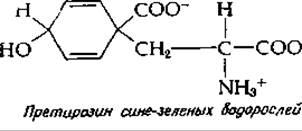
Chorismate may also undergo isomerization, Hydrolysis, and dehydrogenation to yield 2,3-dihydroxybenzoate (note: retaining original context despite naming nuance), the precursor of enterobactin (Fig. 2-44) [107a]. The genes (ent) encoding these Enzymes are clustered on the E. coli chromosome at a map distance of 14 min (Fig. 15-1).
Last update: 06/08/2026
Editorial and Educational Adaptation: This material has been compiled based on the primary/original source text. The project team performed an editorial review, corrected technical inaccuracies, structured sections, and adapted the content for an educational format.
What was processed:
- elimination of formatting defects (OCR errors, structural breaks, corrupted characters);
- editorial organization of content;
- standardization of terminology in accordance with academic sources;
- verification of factual statements against the original source text.
All mentions of the author, publication year, and origin of the primary text have been preserved in accordance with the source.