BIOCHEMISTRY FOR TEACHERS — F.F. BOYECHKO — 1985
ENERGETICS OF BIOLOGICAL PROCESSES
PHOTOSYNTHESIS AS THE PRIMARY SOURCE OF ORGANIC MATTER SYNTHESIS
Photosynthesis is a profoundly important and specific biological process. It emerged at a certain stage in the evolution of living matter As a result of the refinement of primitive pathways for carbon dioxide fixation. This unique process constitutes one of the fundamental links in the biological cycling of matter and serves as the foundation of life on our planet.
Driven by solar radiation energy, green plants synthesize Organic compounds from inorganic precursors, thereby enriching the atmosphere with oxygen. The potential energy stored in these organic products of photosynthesis is utilized by animals to fuel numerous metabolic pathways. Thus, plants act as vital intermediaries between the Sun and all living things on Earth—highlighting the grand cosmic role of green vegetation. Indeed, no terrestrial process deserves more attention than the transformation that occurs within green leaves when struck by a ray of sunlight.
The General scheme of photosynthesis can be represented as follows:
Class="center">
This process entails a multi-step conversion of electromagnetic light radiation of specific wavelengths into the chemical energy of organic compounds, mediated by complex biological systems and plant Cell structures. Photosynthesis takes place within specialized plant cell Organelles known as METABOLISM/14.html">Chloroplasts. As noted, chloroplasts possess a heterogeneous granular-lamellar Structure and maintain a constant interaction with the Cytoplasm. The foundational concepts regarding chloroplast structure and chlorophyll function were first formulated back in 1903 by the Russian physiologist K.A. Timiryazev. Although individual links of this complex pathway were elucidated later, the exact mechanism of photosynthesis remains not fully unraveled to this day.
Recently, Electron Microscopy has revealed the Structural Features of photosynthetic units (quantosomes) located in specific regions of chloroplasts, which are formed by flattened, sac-like structures called thylakoids. Each thylakoid has the shape of a disk densely packed with photosynthetic units containing 200–250 molecules of chlorophyll and other pigments associated with protein-lipid complexes.
Photosynthetic activity is not inherent to all pigment molecules within quantosomes. Light quanta are absorbed sequentially by these molecules, on average once every 0.1 s. The energy of all quanta is channeled into a photochemically active enzymatic center, where, through complex biochemical pathways, it is converted into the chemical energy of organic compounds.
Significant contributions to The Study of the Structure and properties of chlorophyll were made by both Russian and international scientists, including M.S. Tsvet, K.A. Timiryazev, M.V. Nencki, R. Woodward, R. Willstätter, and H. Fischer.
Higher Plants and photosynthetic Algae contain two MAIN TYPES OF chlorophyll: chlorophyll a (C55H72О6N4Mg) and chlorophyll b (C55H70О6N4Mg). The structural formula of chlorophyll a is as follows:

As evident from the formula, chlorophyll incorporates a porphyrin ring consisting of four pyrrole residues linked via two primary and two coordinate covalent bonds to a magnesium atom. This part of the molecule forms a hydrophilic HEAD. The second part consists of a residue of the high-molecular-weight unsaturated alcohol phytol, forming a hydrophobic tail. This architecture plays a crucial role in anchoring chlorophyll molecules within the lamellar Structure of Chloroplasts. The porphyrin ring lies on the membrane surface at an angle of 35–40° to the plane of the lamellar layer, whereas the phytol alcohol tails are embedded within the lipid layer of the lamellar membranes.
Unlike other Porphyrins, chlorophyll a has a higher hydrogen content and, In addition to the four pyrrole rings, features a cyclopentane ring adjacent to the third pyrrole residue. Chlorophyll b differs from chlorophyll a in certain structural details—specifically, the methyl group at the second pyrrole residue is replaced by a formyl group 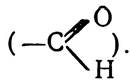
In plants, chlorophyll b can be synthesized from chlorophyll a. Bacteriochlorophyll differs from chlorophyll a in that the vinyl group (—СН=СН2) at the first pyrrole ring is replaced by an acetyl group 
The correctness of the chlorophyll structure was definitively confirmed by its total chemical synthesis achieved in 1960 by the American chemist R. Woodward.
The chlorophyll family also includes chlorophyll c, which is found in brown algae and differs from chlorophyll a and b in The structure of the side chains on the II and IV pyrrole rings.
Besides chlorophyll, chloroplasts contain A number of other substances that participate directly in specific Reactions of the photosynthetic process: carotenoids, plastoquinones, plastocyanins, ferredoxin, Flavoproteins, and Metal Ions.
Carotenoids comprise a large group of yellow-orange pigments, of which carotene and xanthophyll are the most important. These pigments impart color to fruits, vegetables, egg yolks, bird feathers, and other biological structures.
Carotenoids have long been recognized as accompanying pigments of chlorophyll; however, their specific Functions in photosynthesis became clear only in recent decades. Research has established that not all plant pigments play the same role in photosynthesis. The primary photosynthetic pigment in higher plants is chlorophyll a, found in all photosynthetic Cells. Chlorophyll b and carotenoids function as accessory pigments that, together with the primary pigment, form complex Photosynthetic Systems within chloroplast structures to ensure efficient utilization of the solar spectrum. Each of these pigments absorbs light waves of specific lengths within the orange-red and blue-violet Regions of the spectrum. For instance, chlorophyll a absorbs light at 680–700 nm, while chlorophyll b absorbs around 650 nm. Furthermore, chlorophyll a exists in The Cell in multiple forms with distinct Absorption Spectra and photochemical functions.
The coordinated functioning of multiple pigments with different absorption spectra enables the utilization of a broad range of electromagnetic radiation. While all pigments can absorb light energy due to their adsorption properties, only a tiny fraction of this energy is actually converted into chemical energy. This conversion is driven exclusively by specialized, photochemically active pigments, whereas other pigments act as light-harvesting antennas—functioning as accessory or auxiliary components. Studies have shown that accessory pigments can transfer up to 80–100% of the absorbed energy to the primary pigments, thereby significantly boosting photosynthetic efficiency. This phenomenon is known as the Emerson enhancement effect. It was discovered through numerous observations showing that photosynthetic efficiency increases markedly when plants are illuminated simultaneously with monochromatic light of different wavelengths. Specifically, The rate of photosynthesis observed at a wavelength of 700 nm is significantly enhanced by supplementary illumination at 650 nm. This enhancement effect is explained by the existence of two distinct photosynthetic pigment systems (I and II) in plant cells.
In Photosystem I, the primary pigment with photochemical activity (the reaction center) is chlorophyll a700 (or P700). Additionally, this system includes a number of accessory pigments: a600, a670, a685, a695, chlorophyll b, carotenoids, and cytochrome f. On average, there is 1 molecule of chlorophyll a700 per 450 pigment molecules.
Photosystem II contains chlorophyll a690 as its reaction center, alongside several accessory pigments that concentrate and transport light energy, including chlorophyll a678, chlorophyll b, phycobilins, and carotenoids.
Mechanism of Photosynthesis
According to modern concepts, photosynthesis is a complex system of redox reactions and photochemical processes that ensure the absorption and conversion of solar radiation energy into the energy of chemical bonds of ATP, along with the generation of a high-potential reductant (NAD·H+H+) during phosphorylation reactions. This process consists of three consecutive stages that include light and dark phases. The duration of The first phase is 1·10-5s, and that of the second is 1 · 10-3s. During the First and Second stages (the light phase), with the participation of chlorophyll, light energy is absorbed and photochemical decomposition (photolysis) of Water occurs, accompanied by the release of molecular oxygen. Simultaneously, redox reactions take place, involving not only chlorophyll but also oxidoreductases that transfer electrons from water molecules to NADP+, thereby releasing energy and accumulating it within the high-energy bonds of ATP. In the third (dark) phase, the reduced form (NAD·H + H+) and ATP are utilized to reduce carbon dioxide into CARBOHYDRATES.
The process of photosynthesis follows the fundamental laws of Photochemistry: only absorbed light rays can induce a chemical effect proportional to The amount of energy received. Therefore, before performing any work, light energy must be absorbed, meaning that only light quanta absorbed by pigments can exhibit a photochemical effect.
During photochemical reactions, each molecule of a substance absorbs enough light to provide an energy reserve that induces corresponding changes within the molecule. Thus, each absorbed light quantum drives an elementary photoact and specific alterations in the pigment molecule. Consequently, upon absorbing a light quantum, the pigment molecule transitions into a high-energy, excited state and acquires The ability to donate and accept electrons. This process is driven by the fact that in the chlorophyll molecule, as in other organic compounds with double bonds, π-electrons can transition to a higher energy level upon Light absorption — light quanta knock these electrons out of the chlorophyll molecule, causing it to oxidize and transform into a positively charged ion, while the electrons are transferred to an appropriate acceptor:

Oxidized chlorophyll has the ability to accept electrons from Donors possessing a positive redox potential, thereby regaining its capacity to absorb light quanta. In this process, chlorophyll acts as an electron pump, elevating electrons to a higher energy level.
In photosystem I, electron transfer occurs from E10 (+0.4 V) to E10 (-0.4 V), whereas in photosystem II, it proceeds from E10 (+0.8 V) to E10 (-0.15 V). During electron transport, a portion of the energy is utilized to synthesize ATP from ADP and inorganic phosphate. This process is termed photosynthetic phosphorylation. It differs from Oxidative Phosphorylation, which takes place in Mitochondria, by occurring under anaerobic conditions and decreasing when the environment is enriched with oxygen. Furthermore, in mitochondrial oxidative phosphorylation, electrons reduce oxygen, whereas in photosynthetic phosphorylation, they reduce Other Compounds. To some extent, photosynthesis is a process reverse to Biological Oxidation in mitochondria (tissue Respiration), as illustrated in the scheme below:

Investigations into photosynthetic phosphorylation have established that light-driven electron transport can be either cyclic or non-cyclic. In cyclic Photophosphorylation, an electron ejected from a chlorophyll molecule—having expended the extra energy gained from a light quantum—returns to the same chlorophyll molecule; that is, the reduction of chlorophyll is accomplished through the return of its own electrons. This constitutes the so-called cyclic electron flow, which takes place within The electron transport systems of thylakoid membranes involving Cytochromes b6 and f. Electrons are pumped "uphill" with the aid of light quanta, and during their "downhill" descent, driven by the energy of light-activated chlorophyll, the synthesis of a single ATP molecule occurs. Cyclic phosphorylation takes place in various regions of the thylakoids, both within and between the grana.
In non-cyclic phosphorylation, the electron ejected from the chlorophyll molecule is utilized to reduce NADP+ to NADPH + H+. The reduction of chlorophyll is achieved by electrons from water hydroxide ions, which are released during its photo-oxidation. During the photo-oxidation of water (photolysis), water molecules break down to yield protons and molecular oxygen:

Thus, non-cyclic phototransfer (phosphorylation) yields two products: ATP and NADPH+H+. The release of protons resulting from the photolysis of water is balanced by their consumption in The formation of the reduced form of nicotinamide Coenzymes. It is believed that the phosphorylation step in photosynthesis occurs at the site between the electron donor (H2O) and light-excited chlorophyll. The ultimate acceptor of hydrogen generated during water photolysis is carbon dioxide (carbon (IV) oxide).
Below is a diagram of cyclic and non-cyclic photosynthetic phosphorylation (according to Arnon):

As can be seen from the diagram, in both pathways of photosynthetic phosphorylation, an electron from the excited chlorophyll molecule (x) is transferred to ferredoxin, which becomes reduced. In non-cyclic phosphorylation, the electron is transferred from ferredoxin through intermediate dark reactions, along with hydrogen ions, to a NADP+ molecule, which is reduced to NADPH+H+.
Thus, the cycle of light reactions in photosynthesis involves a light-induced electron transfer coupled with phosphorylation processes, leading to the formation of ATP and reduced NADP. A single cycle of the light phase produces three ATP molecules and two NADPH+H+ molecules, which are utilized in the Dark Phase of photosynthesis to reduce CO2.
According to Mitchell's chemiosmotic theory, ATP Synthesis in the light phase of photosynthesis—much like oxidative phosphorylation in mitochondria—occurs via the action of a proton pump across the thylakoid membranes. Plastoquinone, ferredoxin, and NADP+ transport not only electrons but also protons released during the photolysis of water. The redox systems within the thylakoid membranes are evidently arranged in such a way that protons are consumed on the outer surface of the thylakoid membrane and released inside these structures. This creates a specialized electron-driven proton pump. The resulting proton concentration gradient activates membrane-bound ATP synthase, thereby driving ATP synthesis.
The generated ATP is used to supply energy for the subsequent dark phase of photosynthesis, as well as for various other Cellular metabolic processes, such as the synthesis of Proteins, Nucleic Acids, and pigments. Furthermore, ATP energy Supports motility, The transport of various substances, and the maintenance of ion Homeostasis.
The subsequent dark reactions of photosynthesis can only proceed after the completion of the light phase, which yields high-energy compounds whose energy is harnessed to reduce carbon dioxide to carbohydrates. Neither chlorophyll nor light is required for the dark phase.
The dark phase of photosynthesis takes place in the chloroplast stroma through a sequence of conversions leading to the final products of photosynthesis and the regeneration of the initial carbon dioxide acceptor, catalyzed by plastid Enzymes. This process is cyclic and, in honor of the scientist who studied it in detail, is known as The Calvin Cycle.
The dark reactions of photosynthesis are initiated with the participation of ATP and NADPH+H+. The reduction of a single CO2 molecule to a carbohydrate consumes three ATP molecules and two NADPH+H+ molecules.
As Calvin's research demonstrated, the primary acceptor of Carbon dioxide is the enol form of ribulose-1,5-bisphosphate, which is formed from ribulose-5-monophosphate with the involvement of ATP. Carboxylation of ribulose-1,5-bisphosphate followed by the Hydrolysis of the intermediate compound yields two molecules of phosphoglyceric acid, which is then phosphorylated by ATP to form 1,3-bisphosphoglyceric acid. The addition of CO2 to ribulose-1,5-bisphosphate is catalyzed by the enzyme ribulose-1,5-bisphosphate carboxylase. Subsequently, 1,3-bisphosphoglyceric acid is reduced by hydrogen from NADPH+H+, with the participation of ATP and the enzyme phosphoglyceraldehyde dehydrogenase, to yield glyceraldehyde-3-monophosphate, a portion of which isomerizes into dihydroxyacetone-3-monophosphate.
At the next stage of the dark reactions, the two resulting phosphotrioses are converted via reverse Glycolysis reactions into a hexose, and the primary carbon dioxide acceptor—ribulose-5-monophosphate—is regenerated through the reactions of The pentose phosphate cycle. First, glyceraldehyde-3-monophosphate and dihydroxyacetone-3-monophosphate undergo aldolase-catalyzed Condensation to form a hexose molecule, fructose-1,6-bisphosphate:

The resulting fructose-1,6-bisphosphate is utilized for the synthesis of mono- and Polysaccharides (glucose, sucrose, starch) and is also dephosphorylated to yield fructose-6-monophosphate.
Fructose-6-monophosphate can also enter the pentose phosphate cycle to regenerate the primary carbon dioxide acceptor, ribulose-1,5-bisphosphate. This occurs via two pathways: either through the isomerization of fructose-6-monophosphate into glucose-6-monophosphate, which serves as the initial substrate of the pentose phosphate cycle, or through condensation with glyceraldehyde-3-monophosphate to form erythrose-4-monophosphate, an intermediate of the pentose phosphate cycle. This phosphorylated four-carbon monosaccharide can subsequently condense with dihydroxyacetone-3-monophosphate to produce a seven-carbon compound, sedoheptulose-1,7-bisphosphate. The latter loses a phosphate group to become sedoheptulose-7-phosphate, which then condenses with glyceraldehyde-3-monophosphate. This yields ribose-5-monophosphate and xylulose-5-monophosphate, which subsequently isomerize into ribulose-5-monophosphate. Additionally, a fraction of erythrose-4-phosphate can undergo complex transformations to yield various Amino Acids and nitrogenous bases. Part of the phosphoglyceric acid formed early in the Calvin cycle may also be channeled into the Synthesis of the amino acids Methionine and cystine. Thus, this cycle serves as a vital source not only of carbohydrates but also of other organic compounds utilized by the plant Organism in A wide variety of metabolic reactions. The overall summary equation of the Calvin cycle reactions is as follows:

Thus, six molecules of CO2 are used for the synthesis of a single hexose molecule. Every sixth molecule of phosphoglyceraldehyde leaves the cycle and is used to synthesize fructose-1,6-diphosphate, which subsequently yields mono-, di-, and polysaccharides. The remaining molecules of phosphoglyceraldehyde, with the participation of ATP and corresponding enzymes, regenerate the CO2 substrate—ribulose-1,5-diphosphate. The Enzymes of the Calvin cycle are located in the stroma, whereas α-ribulose-1,5-diphosphate carboxylase is found in the outer membrane of the thylakoids.
In addition to the Calvin cycle, there are other pathways of carbon assimilation during photosynthesis. It has been established that the carbon acceptor can be not only ribulose-1,5-diphosphate, but also a three-carbon compound—phosphoenolpyruvate. The carboxylation of the latter, mediated by the enzyme phosphoenolpyruvate carboxylase, produces a four-carbon organic acid: oxaloacetic acid (oxaloacetate). With the participation of NADPH+H+, oxaloacetate is reduced to malate (malic acid) or converted into phosphoglyceric acid and subsequently glucose. Oxidative Decarboxylation of malate yields CO2 and NADPH+H+, which can be utilized in the Calvin cycle. The Pyruvate formed in this process is phosphorylated with the participation of ATP, thereby regenerating the primary CO2 acceptor, phosphoenolpyruvate.
Plants in which phosphoglyceric acid is the primary condensation product are called C3 plants, whereas those in which oxaloacetate is the condensation product are termed C4 plants. Examples of C4 plants include maize, sorghum, millet, and sugarcane. The formation of C4 carboxylic acids is of particular importance for plants growing in tropical and subtropical regions, where it supplements or replaces the Calvin cycle. The optimal Temperature for photosynthesis is 15–25 °C for C3 plants and 45 °C for C4 plants. Consequently, high photosynthetic productivity is achieved under high-temperature conditions.
Under sufficiently intense illumination and low atmospheric carbon dioxide (IV) concentrations—conditions that inhibit photosynthesis—some plants exhibit a brief period of increased carbon dioxide (IV) release. This emission has been shown to result from The breakdown of glycolic acid, which accumulates during photosynthesis. This phenomenon is known as Photorespiration. Under these conditions, ribulose diphosphate carboxylase in the chloroplasts catalyzes the formation of phosphoglycolic acid. Following Transport Across the chloroplast membranes, this compound is hydrolyzed, and the resulting glycolic acid moves from the chloroplasts into associated structures known as Peroxisomes. There, with the participation of glycolate oxidase, it is converted into glyoxylic acid, which is utilized in the synthesis of carbohydrates and the amino acids Glycine and Serine. The formation of sugars from glycolic acid is referred to as glycolate photosynthesis.
Photorespiration is a secondary pathway of photosynthesis that consumes oxygen and releases carbon dioxide (IV). The lower the carbon dioxide concentration and the higher the oxygen concentration, the more intensively this reaction proceeds:

Photorespiration supplies Essential Amino Acids such as glycine and serine. A portion of the serine can be converted into glycerate in the peroxisomes and enter the Calvin cycle.
For a long time, photosynthesis and photorespiration were viewed as two separate, independent processes occurring simultaneously in the light, involving opposing exchanges of carbon dioxide (IV) and water.
Numerous studies have established that these two processes are interconnected, with phosphoglyceric acid serving as the connecting link. Depending on environmental conditions, it is utilized in one of two directions: intensive reduction mediated by NADH+H+ and ATP energy, which converts carbon dioxide into sugars, or the dephosphorylation of phosphoglyceric acid followed by the formation of pyruvic acid and acetyl-CoA, which enter The Tricarboxylic Acid Cycle, resulting in the release of CO2 (photorespiration). Intensive release of carbon dioxide (IV) occurs in the light primarily under complex physiological conditions, such as high temperatures, excessive illumination, or damage to the cellular photosynthetic apparatus.
Studies of carbon dioxide exchange during photosynthesis and respiration under various physiological conditions have shown that these processes are interrelated and, depending on environmental conditions and cellular functions, ensure the continuous synthesis of organic substances required to sustain metabolic processes.
Thus, the vast majority of the dark reactions of photosynthesis utilize ATP energy; however, the substances produced in the dark phase—carbohydrates, Lipids, and proteins—participate in the Energy Metabolism of plants and serve as an important source of energy. The primary product of photosynthesis is phosphoglyceric acid, while the end product is fructose-6-phosphate, which is used for carbohydrate synthesis and the regeneration of the primary carbon dioxide (IV) acceptor, ribulose-1,5-diphosphate. The dark reactions of photosynthesis are extremely complex and not yet fully elucidated. A complete understanding of the chemistry of photosynthesis will enable the successful synthesis of organic compounds under normal conditions, such as atmospheric pressure and low temperatures. The Significance of this cannot be overemphasized. V. I. Vernadsky noted that once the mysteries of photosynthetic chemistry are fully unraveled, it will become practically possible to harness the inexhaustible reserves of carbon dioxide (IV) found in carbonate rocks and to synthesize foodstuffs directly.
The utilization of solar radiant energy is an important, but not the only, mechanism for synthesizing organic substances from inorganic ones. Another widespread form of autotrophic assimilation is the Production of organic matter utilizing energy derived from the exothermic oxidation of various compounds—such as hydrogen sulfide, ammonia, nitrous acid, and lower-valence metal compounds (Mn, Fe). This assimilation pathway is known as chemosynthesis and is characteristic of numerous Bacteria and microorganisms that lack the green pigment chlorophyll. Through chemosynthesis, utilizing carbon dioxide (IV) and The energy released from The oxidation of Inorganic Compounds, organic substances are formed to support metabolic processes.
The process of chemosynthesis was discovered by the Russian scientist S. N. Vinogradsky, who thoroughly investigated its features and demonstrated the existence in nature of autotrophic sulfur-, iron-, and nitrifying bacteria. Unlike photosynthesis, chemosynthesis is an aerobic process, meaning that the presence of oxygen in the environment is essential for it to occur. The oxidation products are generally released into the surrounding environment.
Investigations into the chemistry of chemosynthesis using radiolabeled carbon dioxide (14CO2) have established that its assimilation in chemosynthetic bacteria involves ribulose-1,5-diphosphate. As with photosynthesis, the assimilation of carbon dioxide (IV) yields phosphoglyceric acid as the primary product. A portion of the electrons released during the oxidation of inorganic compounds is used to reduce NADP+, while others are transferred to oxygen via a cytochrome system. During electron transport, the synthesis of the high-energy compound ATP occurs at specific sites along the oxidation chain.
A particularly important group of chemosynthetic organisms comprises the nitrifying bacteria, which drive nitrification processes in nature. These bacteria reside in the soil and oxidize ammonia—produced during the decay of organic residues—into nitric acid. The resulting nitric acid reacts with soil minerals to form nitrates and ammonium salts, which can be utilized by plants. In the absence of moisture and under specific soil conditions, relatively large amounts of nitrates can accumulate.
Nitrification is carried out by two groups of bacteria: nitrite bacteria (Nitrosomonas) and nitrate bacteria (Nitrobacter). The former oxidize ammonia—generated in the soil through the breakdown of organic matter (protein putrefaction)—into nitrous acid:

The energy released during the Oxidation of ammonia is used to synthesize organic compounds by reducing carbon dioxide (IV).
The resulting nitrous acid is subsequently oxidized by nitrate bacteria into nitric acid:

As shown by the reaction equations, the oxidation of ammonia is energetically more favorable than the oxidation of nitrous acid.
Nitrifying bacteria provide a striking example of Symbiosis among lower organisms: the bacteria that oxidize nitrous acid obtain it as a metabolic byproduct from the bacteria that oxidize ammonia.
A characteristic feature of nitrifying bacteria is their ability to thrive in the complete absence of organic compounds, which are required for The Development of other organisms; however, their metabolic activity depends entirely on the presence of bacteria and microorganisms that decompose organic residues in the soil. Nitrification processes are widespread in nature and ensure the accumulation of significant quantities of nitrates. Consequently, the metabolic byproducts of nitrifying bacteria serve as a vital factor in enhancing soil fertility and ensuring optimal mineral Nutrition for plants, thereby substantially increasing agricultural crop yields.
In water bodies where the decomposition of PLANT AND ANIMAL organic matter is intense and large amounts of hydrogen sulfide accumulate, the process of chemosynthesis is carried out by sulfur bacteria. They obtain the energy required for the synthesis of organic substances through the oxidation of hydrogen sulfide:

Free sulfur released as a result of the reaction accumulates within the colorless Cells of the bacteria and, when hydrogen sulfide is deficient, is oxidized to sulfuric acid, which can then form plant-accessible sulfates: 2S + 3О2+ 2H2О→2H2SО4+ 650 kJ
The energy generated by sulfur oxidation is utilized to synthesize organic compounds from carbon dioxide.
A large population of sulfur bacteria is found in certain areas of the Black Sea, where water at a depth of 200 meters is saturated with hydrogen sulfide.
Chemosynthetic bacteria that oxidize lower-valence iron and manganese compounds are also widespread in nature, particularly in aquatic environments. Here, hydroxides precipitate to the bottom, forming deposits of bog iron ore. It is believed that vast reserves of ferromanganese deposits are the result of the METABOLIC ACTIVITY OF these bacteria in distant geological epochs.
There is also a known group of bacteria capable of oxidizing hydrogen, methane, and other compounds. Hydrogen bacteria continuously oxidize hydrogen produced by the anaerobic decomposition of various organic substances by soil microorganisms.

These bacteria can also thrive on glucose solutions, meaning they are not strictly specialized like other bacterial species.
Chemosynthetic bacteria play a vital role, and some are of significant economic importance. Sulfur bacteria purify polluted water bodies, while nitrifying bacteria retain ammonia nitrogen in the soil, which is produced during the decay of organic residues. Chemosynthesizing bacteria are typical autotrophs, as they independently synthesize organic substances from inorganic ones. They differ from photosynthetic organisms in that they are entirely independent of a light source.
The Significance of Photosynthesis. The Cosmic Role of Plants
The Role of photosynthesis in driving diverse metabolic processes within the biosphere—forming the foundation of living organisms' activity—is exceptionally profound. During photosynthesis, inorganic, chemically inert substances devoid of energy reserves—CO2, H2O, and mineral salts—are transformed into energy-rich organic compounds utilized by humans and the animal kingdom. Therefore, the primary significance of photosynthesis lies in the fact that it serves as the ultimate source of food for humans and animals, as well as the fundamental process in plant nutrition. All other nutritional processes merely stimulate and enhance the photosynthetic activity of plants, facilitating
the better utilization of photosynthetic products in various metabolic processes. Green plants synthesize a vast amount of organic matter annually. Calculated in terms of glucose, this amounts to 450 billion tons. Photosynthesis is considered the largest and most crucial synthesis on Earth.
Thanks to photosynthesis, nature accumulates energy reserves in the form of various fossil fuels (coal, gas, oil, peat), which are utilized by humanity for numerous needs.
To secure food supplies, humans also make extensive use of natural resources—the products of photosynthesis—and cultivate high-yielding crops. The global area of arable land sown with cultivated crops is about 2.9 billion hectares, from which humanity annually harvests 10 billion tons of organic biomass, or 600–700 million tons of food organic matter. It is estimated that photosynthetic products account for 96% of the Materials humans use in daily life, technology, and nutrition. To sustain such large-scale organic synthesis, plant organisms consume massive amounts of carbon dioxide. During photosynthesis, agricultural crops absorb 120–240 kg of CO2 per hectare of cropland daily from the air. Meanwhile, 1 m2 of green plant surface assimilates 1.5–2.5 g of CO2 per hour and synthesizes 1–1.5 g of carbohydrates. Given that 1 m3 of air contains approximately 0.5 g of CO2, a plant must process 3 m3 of air to synthesize 1 g of carbohydrates. Annually, plants utilize about 10% of all atmospheric carbon dioxide for photosynthesis. This amount equals 0.4×10¹¹ tons, of which 7% is accounted for by terrestrial green plants and the remainder by marine and oceanic flora.
The carbon dioxide assimilated by plants is replenished in the atmosphere by industrial emissions, volcanic activity, and various oxidation processes, both purely chemical (combustion) and biochemical (respiration, biological oxidation). This highlights the sanitary role of green spaces, especially in large industrial cities where industrial activity, coal burning, and other fuel combustion release massive amounts of carbon monoxide (IV) into the air, driving concentrations well above normal levels (0.03%). Therefore, green plants play
a crucial role in maintaining the carbon dioxide balance in our planet's atmosphere, which is of paramount importance. After all, carbon dioxide and water vapor regulate the temperature of the Earth's surface. It has been calculated that a 2- to 2.5-fold increase in atmospheric CO2 would raise surface temperatures by 8 °C.
A. L. Kursanov established that plants can absorb carbon dioxide not only from the air but also from the soil via their ROOT systems. The primary sources of carbon dioxide are organic residues decomposed by MICROORGANISMS AND THE respiration of plant roots. Using radioisotope labeling, it has been established that the amount of carbon dioxide (IV) assimilated through The Root System can account for about 5% of the total amount absorbed by the plant. The absorption of carbon dioxide (IV) from the soil involves carboxylase enzymes, which drive the carboxylation of pyruvic acid—produced during glucose breakdown—converting it into oxaloacetic acid. The resulting oxaloacetic acid serves as the primary substrate for the tricarboxylic acid cycle, which links Various metabolic pathways: carbohydrate, lipid, and Protein metabolism.
Since photosynthesis ensures high-quality agricultural yields, the widespread application of Methods and agrotechnical practices that enhance photosynthetic efficiency and increase its coefficient of performance is of great importance.
It has been proven that photosynthesis, root nutrition, and water exchange are closely interrelated; consequently, research institutions in our country continually study The impact of light regimes, planting density, sowing methods, and plant Fertilization on photosynthetic efficiency.
Unlocking the secrets of photosynthesis and developing and implementing measures to raise its coefficient of performance is a vital challenge tackled by biologists, physiologists, biophysicists, and biochemists. Gaining effective control over this process and artificially replicating it will significantly boost agricultural efficiency and increase food production for the population. Since the food resource problem is one of the most critical and acute facing humanity, successfully solving it is the primary mission of biological and agricultural science.
Green plants play an essential role as producers of oxygen, which is required by All living organisms. The release of oxygen during photosynthesis was a major milestone in the evolution of life on Earth. The primordial, reducing atmosphere gradually enriched with oxygen and transformed into an oxygen-containing, oxidizing envelope, which in turn made the existence of life possible. Green plants release free molecular oxygen, which is utilized by humans and animals to sustain life processes. Not only terrestrial plants but also the countless algae inhabiting the planet's seas and oceans play a vital role in this process. In a single year, algae release 3.6×10¹¹ tons of oxygen, accounting for 90% of all oxygen entering the atmosphere from the planet's surface. Therefore, algae are considered the primary source of oxygen, generating the atmospheric fraction essential for the existence of life. Our lives are inextricably linked to the "breathing of the ocean" and the continuous photosynthetic activity of algae.
On average, a human consumes about 500 liters of oxygen per day, while the global population consumes roughly 900 billion cubic meters annually. A substantial amount of oxygen is also consumed by the animal kingdom and industry. Consequently, it is clear that without a constant replenishment of oxygen reserves, life would be impossible. Thus, Human and Animal life depends twofold on the photosynthetic activity of plants: plants produce organic matter utilized by heterotrophic organisms and, as a byproduct, release life-giving oxygen. This embodies the profound cosmic role of plants, a point once highlighted by K. A. Timiryazev. Although the productive potential of plants is quite high, we utilize only a fraction of the total organic matter synthesized by green plants—either as plant food or in the modified form of animal-derived products.
Optimizing the photosynthetic productivity of plants is one of humankind's most pressing endeavors. Its successful resolution is closely tied to environmental conservation, the expansion of green spaces, and the economical consumption of raw materials and resources.
Last update: 06/08/2026
Editorial and Educational Adaptation: This material has been compiled based on the primary/original source text. The project team performed an editorial review, corrected technical inaccuracies, structured sections, and adapted the content for an educational format.
What was processed:
- elimination of formatting defects (OCR errors, structural breaks, corrupted characters);
- editorial organization of content;
- standardization of terminology in accordance with academic sources;
- verification of factual statements against the original source text.
All mentions of the author, publication year, and origin of the primary text have been preserved in accordance with the source.