PLANT BIOTECHNOLOGY AND BIOSAFERSY - A. P. Yermishin - 2015
CHAPTER 6. CELL SELECTION
One of the primary Methods for selecting microorganisms is screening on a nutrient medium containing a specific selective agent, or under environmental stress conditions, such as high or low temperatures. This makes it relatively easy to isolate mutants resistant to specific Antibiotics, toxins, or osmotic stress. PLANT Cell CULTURE shares many similarities with microbial culture. Consequently, it was only natural to apply methods that had proven successful in microbial Selection to plants. By screening in vitro mutant cell lines resistant to certain selective agents or environmental factors, it is, in principle, possible to obtain regenerated plants with corresponding economically valuable traits.
Mutant selection at THE CELLULAR LEVEL undoubtedly offers advantages over similar selection conducted at the whole-Organism level. A culture vessel contains a vast number of Cells, making it relatively straightforward to isolate mutant cells with desired properties, establish a cell line from them, and subsequently regenerate a plant.
As seen from previous chapters, cultured cells do not always faithfully reproduce the CHARACTERISTICS OF THE source plants. Accordingly, regenerated plants may fail to exhibit traits typical of the original cell cultures. Nevertheless, practice has shown that several areas of cell selection allow for The production of regenerated plants with valuable agronomic traits, including resistance to herbicides, stress factors, and certain diseases, as well as the overproduction of Essential Amino Acids.
Cell selection is of interest not only for obtaining mutant plants. As noted in Chapter 4, an important area of plant biotechnology—the production of secondary metabolites in cell culture—relies, among other things, on selecting cell lines with enhanced yields of valuable compounds. Understanding the principles and methodological approaches of cell selection is essential for improving the efficiency of screening high-yielding cell lines.
6.1. Heterogeneity and Genetic Variability of Cells in In Vitro Culture as The basis of Cell Selection. Somaclonal Variation
Any selection program can be effective only if genetic variability exists within the breeding material (hybrids, lines, cells). For a long time, it was believed that cultured plant cells retained the genotype of the source plant and could maintain it for extended periods. Instances of altered forms appearing among regenerated plants were either ignored or dismissed as non-heritable physiological abnormalities.
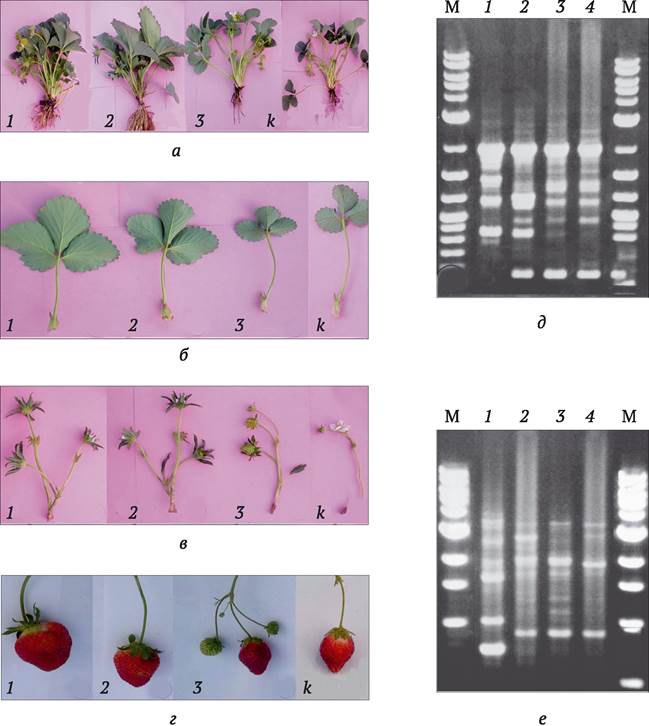
The work of R. Gautheret (1955) and P. Nobécourt (1955) highlighted the cytological instability of cells during prolonged in vitro cultivation. Later publications described regenerated plants with various Chromosomal aberrations (T. Murashige, R. Nakano, 1966; R. Butenko et al., 1967), as well as those exhibiting novel agronomic traits that remained stable over time (D. Heinz, G. Mee, 1971). This led to the realization that the passage of cells through an unorganized growth stage in vitro can be accompanied by significant genotype alterations, which may manifest at the level of plants regenerated from such altered cells (Fig. 6.1). This phenomenon of variability in cell lines and regenerated plants was termed somaclonal variation (P. Larkin, W. Scowcroft, 1981).
Class="center">Fig. 6.1. Genetically determined phenotypic variability of somaclonal variants in garden strawberry (Fragaria × ananassa Duch.): 1–3 — somaclonal variants, c — initial line (control). Strawberry somaclones differ from the parent line in bush shape and habit (a), leaf shape and size (b), inflorescence shape and size (c), and fruit shape, size, and color (d). Figures e and f demonstrate the differences in electrophoretic profiles of amplified DNA between somaclonal variants (1–3) and the parent line (4) using two arbitrary primers (according to M. K. Biswas et al., 2009)
Two Main sources of somaclonal variation are distinguished: the Genetic heterogeneity of explant cells and the genetic variability arising during in vitro cell culture.
Relatively high genetic stability is characteristic only of the meristematic cells of mature plants (see Chapter 5). The cytogenetic stability of cells in specialized Tissues is considerably lower. Specifically, in many plant species, cortical and pith Cells of the stem are polyploid (the polyploidization of somatic cells is known as polysomaty). Another type of chromosomal variability typical of plant somatic cells—such as in interspecific hybrids or artificially induced autopolyploids—is aneuw somaty, i.e., the presence of aneuploid cells.
Plants propagated vegetatively over long periods can accumulate somatic point Mutations, rendering them chimeric. There are known varieties and cultivars of vegetatively propagated crops (such as potatoes, bulbous ornamentals, and tree species), as well as mutants derived from them, that have been successfully cultivated for many decades. For example, the widely grown American potato variety Russet Burbank, registered in the USA in 1914, is a sport (a clone arising from a bud mutation) of the Burbank variety introduced to the market in 1876. Naturally, it can be assumed that the longer a variety or breed is cultivated, the more altered cells it contains.
Some somatic mutations are easily detected, such as in variegated ornamental plants. In most cases, however, polysomaty, aneuw somaty, and chimerism do not manifest outwardly. Nevertheless, when establishing a cell culture from explants containing altered cells, dedifferentiation may occur, accompanied by the acquisition of mitotic capacity and secondary differentiation, ultimately leading to the regeneration of altered plants.
Cellular variability can also arise during in vitro cultivation. The living conditions of cells within an intact plant differ significantly from those in culture on an Agar-based medium or in a cell suspension. At the plant level, a homeostatic system—evolved and adapted to specific environmental conditions—operates, wherein each cell group performs specific Functions during ontogeny. Furthermore, all cells are linked by correlative relationships, and their variability remains within the reaction norm characteristic of the given organism. Cells of Generative Organs and Meristems are genetically the most stable, ensuring the faithful transmission of the plant genotype during reproduction (both sexual and vegetative).
Cell Nutrition and hormonal status in in vitro culture differ substantially from those in an intact plant. Nutrient media frequently contain synthetic plant growth regulators that exhibit pronounced mutagenic effects. In particular, numerous publications note the significant impact of 2,4-D on the variability of cultured plant cells. Some authors view this auxin as a direct inducer of cell polyploidization or as a factor selectively stimulating the division of polyploid cells. In addition to growth regulators, Other components of the nutrient medium, such as various nitrogen sources (organic or inorganic), can also influence the cytogenetic diversity of cells in in vitro culture. Prolonged subculturing contributes to an increase in the genetic diversity of both cells and regenerated plants.
The following are considered potential genetic Mechanisms for the generation of somaclonal variants (A. Karp, S. Bright, 1985):
✵ gross karyological changes (polyploidy, aneuploidy, and major chromosomal rearrangements);
✵ cryptic chromosomal rearrangements undetectable by cytological analysis (minor deletions, duplications, translocations, and inversions);
✵ point mutations;
✵ transposition of Mobile Genetic Elements;
✵ Gene Amplification and reduction;
In addition to somaclonal variation associated with heritable Genome Rearrangements, epigenetic changes may also occur; these are stably transmitted to daughter cells but are not expressed in regenerated plants or their sexual progeny. Classical genetic Analysis of the inheritance of novel traits discovered in regenerated plants—which are absent in the parent plants—allows for a definitive Conclusion as to whether these traits result from mutations or represent non-heritable physiological deviations.
The results of genetic studies on various plant species convincingly demonstrate that the majority of somaclonal variations are caused by stable genetic changes, i. e., mutations. The frequency of spontaneous mutations during plant cell culture varies depending on the object, ranging from 10-5 to 10-8 (V. Sidorov, 1990). As an example of somaclonal variation, one can cite the results obtained in The Study of tomato regenerant plants (V. Sidorov, 1990):
✵ several single Gene Mutations inherited in accordance with Mendel's Laws were discovered in somaclones of various varieties;
✵ dominant, semidominant, and recessive nuclear mutations were identified;
✵ it was shown that regenerant plants with single gene mutations can arise with high frequency: one mutant per 20-25 regenerant plants;
✵ new mutations, not previously encountered among spontaneous mutants or those obtained using traditional mutagens, were revealed among somaclones;
✵ experimental data were obtained proving that mitotic crossing-over can be one of the causes of somaclonal variation;
✵ mutations of chloroplast DNA were discovered in somaclones.
It should be noted that a large body of literature has accumulated on somaclonal variation associated not only with genome variability, but also with the plasmone. A fairly common phenomenon is the regeneration of albino plants with a disrupted Structure OF THE Chloroplast Genome. A particularly high number of such plants are obtained in cereal anther culture (this issue will be discussed in more detail in Chapter 7). Experimental data have been obtained showing the Variability of the Mitochondrial Genome in regenerant plants as well. Thus, B. G. Gengenbach et al. (1977) selected male-fertile somaclones among regenerant plants obtained from callus culture of male-sterile maize lines (with T-Cytoplasm). At the same time, unlike the initial lines, they also possessed resistance to southern corn leaf blight (pathogen - Helminthosporium mayidis). Molecular genetic analysis showed that male fertility and Disease resistance in these plants are not associated with the reversion of the cytoplasm from the T-type to normal, but are due to specific Changes in the mitochondrial genome of the T-cytoplasm that led to the appearance of fertile and resistant somaclones.
Already in early studies on somaclonal variability, the possibility of selecting mutants with new traits of significant economic importance among regenerant plants was demonstrated. B. J. Heinz, G. W. P. Mee (1971) in Hawaii and their colleagues in Fiji (M. Krishnamurthi, J. Tlaskal, 1974) isolated somaclones of sugarcane with increased productivity, resistant to Viruses, leaf blight, and downy mildew, among regenerant plants. The publication of these authors' works effectively initiated the broad development of a new direction in plant breeding based on the selection of somaclones with improved economically valuable traits. Interesting results were obtained for A number of food, forage, industrial, ornamental, and medicinal crops (see Fig. 6.1).
J. F. Shepard and co-workers (1980), G. Secor, J. Shepard (1981) isolated a number of valuable somaclonal variants among regenerant plants obtained from protoplast culture of the potato variety Russet Burbank: with increased productivity, resistant to early blight and late blight. These traits remained stable over four years of vegetative propagation. V. A. Sidorov and co-workers (1984, 1985) selected mutants among protoclones of the 'Zarevo' variety characterized by high yield, increased disease resistance, and a higher protein and starch content in the tubers. There are a number of reports on the isolation of potato somaclones with altered tuber shape and color, resistance to scab, PVY and PLRV viruses, and aphid virus vectors.
D. A. Evans and co-workers (1983; 1984; 1986) isolated somaclonal variants differing from the original tomato varieties in such traits as fruit color, plant architecture, suitability for mechanical harvesting, and disease resistance (Fig. 6.2). These somaclones were subjected to detailed genetic analysis, which showed that the altered traits were associated with single gene mutations. For example, it was established that the fruit color trait had a recessive inheritance pattern, while resistance to Fusarium wilt was dominant. One of the tomato somaclones with a higher dry matter content (20%) than the original variety, improved fruit flavor and consistency, and distinct fruit color, was registered by DNA Plant Technology Corporation (USA) as a new variety.
Fig. 6.2. Tomato breeding using somaclonal variability: a - scheme of tomato cell selection: initial plant (1); isolation of explants from vegetative tissues, e.g., leaves, or generative tissues (anthers, pollen) (2); explants on nutrient medium (3); callus formation (4), SHOOT regeneration (5); in vitro rooted regenerant plants (6), regenerant plant seedlings (7), adult regenerant plants (R1 generation), obtaining seeds from self-pollination (R2 generation) (9); selection of breeding-valuable lines among R1 and R2 when grown in open field or greenhouse conditions (10); b - variegated plant selected in the R2 generation (from self-pollination of the variegated R1 line; the presence of variegation in generative progeny confirms the heritable nature of somaclonal variation); c - normal and chlorophyll-deficient R2 somaclones; d - fruits of the normal tomato line UC82B (left) and a somaclone with increased pigment content (right); e - fruits of a control tomato plant (red) and somaclonal variants with altered coloration (orange and yellow) (after D. Evans et al., 1984)

A. Cassells et al. (1983) demonstrated the feasibility of isolating promising somaclones not only among regenerant plants obtained from callus, suspension cultures, or protoplasts, but also among plants regenerated directly from stem explants.
6.2. The Use of Mutagens for Cell Selection
The use of mutagens makes it possible to significantly broaden THE SPECTRUM OF somaclonal variability and thereby increase the efficiency of cell selection. Callus and suspension cultures, as well as protoplast cultures, are used as the initial material for experimental mutagenesis. Treatments of seeds with mutagens followed by the derivation of an in vitro cell culture from embryos or seedlings—where cell selection is actually performed—have also found application. For the same purposes, mutagen Treatment is applied to in-tube plants or explants that yield morphogenic callus, or to cultures capable of Embryogenesis.
Callus cultures are the most accessible material for mutagenesis. As a rule, unpassaged callus or a culture after several passages that has not lost the capacity for Plant Regeneration is used. Callus culture as an object of mutagenesis is characterized by a number of disadvantages: relatively slow growth, and an uneven effect of mutagens or selective agents across different cell layers. Along with cells resistant to the selective agent, sensitive cells in direct contact with mutant ones may survive, which makes the isolation of chimeric cell lines and regenerant plants possible. The growth of individual resistant cells can be suppressed by dead cells. Due to the polyploidization of cultures, it is difficult to induce recessive mutations.
Suspension cultures are free from some of these disadvantages. However, it should be kept in mind that in Suspensions, single cells are in many cases outnumbered by cell aggregates, which exhibit the same drawbacks as callus cultures. In mutation cell selection, the method of plating suspensions onto solidified selective media has become most widespread.
In many cases, protoplast culture is the optimal object for cell selection. The use of large homogeneous populations of actively dividing haploid or diploid mesophyll protoplasts allows not only obtaining and effectively selecting mutants of interest to the researcher, but also conducting quantitative studies of mutagenesis and analyzing the degree of expression of induced phenotypic changes at the cellular and organismal levels. However, for many important agricultural, arboreal, and ornamental plants, protoplast culture methods are practically inapplicable (e.g., for most cereal crops) or insufficiently developed.
Methods of experimental mutagenesis in plants began to be applied long before it became possible to use mutagens for cell selection. At present, an extensive body of knowledge has been accumulated on the activity and Specific features of using various chemical compounds and physical factors to induce economically valuable plant mutations. As a result, researchers have a wide arsenal of highly active Chemical Mutagens at their disposal. For cell selection, mutagens such as ethyl methanesulfonate (EMS), N-methyl-N'-nitro-N-nitrosoguanidine (MNNG), N-ethyl-N-nitrosourea (ENU), and N-nitrosomethylurea (NMU), among others, have become widely used. With their help, a number of mutants of scientific and practical interest have been obtained: with various types of chlorophyll deficiency; resistant to amino acid analogues, nucleic acid bases, antibiotics, and toxins; and various auxotrophs.
Among the named mutagens, ENU stands out. Due to its chemical instability, this substance rapidly decomposes in the nutrient medium, allowing it to be used for mutagenic treatment of cell cultures without subsequent washing of the mutagen. In addition to ease of use, ENU is characterized by high mutagenic activity. Thus, in studies by L. Marton et al. (1982), the use of ENU made it possible to increase the frequency of chlorate-resistant clones in a haploid protoplast culture of the tobacco species N. plumbaginifolia by 20 times, whereas upon mutagenesis of diploid protoplasts of the same species, The Emergence of streptomycin-resistant clones increased 30-fold (P. Maliga et al., 1982).
Along with chemical mutagens, physical Mutagenic Factors—ionizing (X-rays and gamma rays) and ultraviolet irradiation—are widely used for cell selection.
It must be acknowledged, however, that for The Cell selection of agricultural plants, the use of spontaneous somaclonal variability is considered preferable. In this case, the frequency of mutants with undesirable developmental abnormalities is not as high as when using mutagens. Auxotrophic and other rare mutants have been successfully isolated only through the use of efficient mutagens.
6.3. In Vitro Mutant Selection. Expression of Mutations in Regenerant Plants
The First stage of the Procedure for isolating mutants via in vitro plant cell culture involves the selection of specific phenotypic variants by placing cultures—after mutagen treatment (or without it)—onto a nutrient medium containing a selective agent, or by exposing cultures to an environmental selective factor, such as elevated or reduced Temperature. Direct selection of cell variants is initiated not immediately after mutagenic treatment, but after a certain time interval (from 2 hours to a week post-treatment) required for the expression of mutations. The choice of the timing for transferring cultures to the selective medium depends on the type of mutations desired, the stage of the Cell Cycle, the number of cells in the initial colonies, and the number of divisions in the putative mutant cells prior to THE START OF selection.
The most common method for selecting mutant cell variants is direct (positive) selection. It is used to isolate mutants resistant to various antimetabolites, such as herbicides, antibiotics, and toxins. Two main strategies of direct selection are employed: single-step and multi-step (or stepwise). In the first case, the concentration of the selective agent in the medium is 2–3 times higher than the concentration that causes 100% growth inhibition and culture death (minimum inhibition concentration – MIC100). Under these conditions, the survival probability of susceptible cells is minimal, though resistant cells may also perish due to their low initial numbers. In stepwise selection, the concentration of the selective agent is gradually increased across a series of successive culture passages, starting from a concentration that inhibits the growth of approximately half of the cells (MIC50). As a result of stepwise selection, the proportion of resistant cells in the population increases, and by the time MIC100 is reached, their number is sufficient to maintain division. Direct selection has successfully yielded practically valuable mutants exhibiting resistance to herbicides, salinity, and certain diseases.
To select conditionally lethal mutants (such as auxotrophic or stress-sensitive ones), indirect (negative) selection is applied. This selection method is based on the selective death of dividing wild-type cells in the presence of a selective factor, while metabolically inactive mutant cells survive. For example, to isolate temperature-sensitive cells, the culture is placed under elevated temperature conditions (32 °C), and a toxin (such as 5-bromodeoxyuridine, p-fluorophenylalanine, sodium arsenate, etc.) is added to the nutrient medium. Under these conditions, dividing wild-type cells die, whereas inactive mutant cells are preserved. When the cultures are returned to normal temperature conditions on a toxin-free medium, the surviving cells resume division.
To select auxotrophs, cultures are transferred from the minimal medium (with toxin) to an enriched, toxin-free medium, i.e., supplemented with a complex of amino acids, Vitamins, a casein hydrolysate, or Yeast extract. Afterward, the nutritional requirements for the growth of each surviving colony are determined by placing them on media supplemented with specific additives, such as individual amino acids, vitamins, etc.
In some cases, cell variants can be selected visually based on external traits, such as the intensity of their coloration resulting from The Biosynthesis of specific pigments like shikonin. Another approach is total selection, which relies on the individual testing of separate cell clones. Thus, if visual selection is unfeasible, cell lines that are superproducers of certain secondary metabolites are selected based on quantitative assays of crushed cytological preparations using standard histochemical or other methods (see Chapter 4). The main drawback of total selection is its high labor-intensity.
The Second Stage of the mutant isolation procedure involves obtaining regenerated plants from cell clones selected under selective conditions, followed by their propagation and testing. As noted above, not all traits expressed at the cellular level are necessarily expressed at the whole-organism level. Furthermore, wild-type cells may persist during the selection of cell variants, which can occur, for instance, when cell selection is performed on callus cultures. Therefore, to ensure the recovery of plants carrying the mutation of interest, the cultures are transferred to regeneration media containing the selective agent following cell selection. The selective agent may also be present in the nutrient media used for rooting the regenerated PLANTS AND THEIR in vitro clonal propagation.
Test-tube plants derived from putatively mutant clones can be subjected to biochemical, molecular-genetic, or other analyses necessary to study The Nature of the mutational changes.
To confirm the genetic determinism of the identified variability in regenerated plants and to study the Inheritance of the isolated mutations, classical genetic analysis is performed, which is based on determining the segregation patterns in their sexual offspring (F1, F2) obtained from crosses with the parental plants.
6.4. Main Areas of Practical Application of Cell Selection
Obtaining herbicide-tolerant plants. One of the major challenges in agricultural production is weed control. In industrially developed countries, alongside agrotechnical measures (tillage), the primary method in this field is the application of herbicides—chemical preparations capable of totally or selectively suppressing plant growth. Herbicides can be applied before planting or sowing by incorporating them into the soil or spraying emerging weeds, or they can be used to treat actively growing vegetation. The first approach cannot fully solve the problem because weeds may emerge both after the main crop has sprouted and throughout the entire growing season. Moreover, soil-applied herbicides generally degrade slowly and pollute the environment. Treating growing plants with herbicides is more effective as it protects crops throughout the entire season. However, using total-action herbicides creates serious challenges regarding the protection of non-resistant crop plants. To address this, specialized equipment has been developed, such as devices that apply herbicide only to taller weeds without touching the crops. This procedure is significantly simplified if the grower has access to plant varieties tolerant to the herbicide being used.
In solving The problem of developing herbicide-tolerant agricultural crop varieties, experimental mutagenesis, cell selection, and, subsequently, Introduction/32.html">Genetic Engineering METHODS have proven highly effective.
The study of Spontaneous and Induced herbicide-tolerant mutants has helped establish the MAIN MECHANISMS OF herbicide resistance:
✵ target site mutation (primarily the enzyme targeted by the herbicide);
✵ herbicide inactivation/destruction;
✵ target enzyme overexpression via gene amplification or altered regulation of its activity.
The target mutation mechanism involves an Amino Acid Sequence change in the region of the enzyme molecule where it binds to the herbicide. As a result, the herbicide fails to "recognize" its target, the enzyme retains its activity, and the organism becomes tolerant to the herbicide's action. The second mechanism involves The Development of Enzymes in resistant organisms capable of inactivating the herbicide—for instance, by attaching a chemical radical (such as an acetyl group or nitrate) to it or converting it into a non-toxic metabolite that degrades rapidly.
Combining experimental mutagenesis with cell selection on a nutrient medium containing a specific herbicide as a selective agent has proven highly effective for isolating herbicide-resistant mutants (some of which have found practical application). In particular, a number of transgenic agricultural and ornamental plant varieties tolerant to so-called ALS-inhibiting herbicides have been registered, utilizing corresponding genes derived from mutants obtained via this technology.
The target of this group of herbicides is acetolactate synthase (ALS), a crucial enzyme in the Biosynthesis of Essential branched-chain amino acids: valine, leucine, and isoleucine. The activity of this enzyme can be blocked by a range of structurally diverse substances belonging to sulfonylureas, imidazolinones, triazolopyrimidines, and pyrimidyloxybenzoates. To obtain transgenic varieties of soybean, cotton, flax, carnation, and other plants tolerant to these herbicides, mutant ALS genes from Arabidopsis and tobacco were utilized. For example, the Arabidopsis csr1-1 gene differs from the normal gene by a mutation that results in the substitution of Serine for Proline at position 197 in the encoded acetolactate synthase, while the csr1-2 gene product features a serine-to-asparagine substitution at position 653. The mutation in the tobacco ALS gene SuRB-Hra leads to two Amino Acid Substitutions: proline to Alanine at position 196 and Tryptophan to leucine at position 573. These minor changes in the Primary Structure of the enzyme affected the herbicide-binding site (target mutation), disrupting this process and thereby rendering the mutants insensitive to ALS herbicides.
Obtaining stress-resistant plants. Cell selection technology has demonstrated high efficiency in isolating mutants resistant to various stress factors that can significantly reduce the yield and quality of agricultural crops. One of the major stress factors is soil salinization. The accumulation of salts harmful to plants—primarily sodium chloride and sodium sulfate—typically occurs in arid regions and under improper irrigation regimes (due to the over-watering of irrigated lands and poor drainage network performance). This leads to the convergence of irrigation and groundwater, capillary rise of salts to the surface, and subsequent salinization. Crop depression begins when the salt content in the soil profile exceeds 0.25% of the soil mass. The harmful effect of salinization is caused by the disruption of the cellular osmotic balance, accompanied by a loss of turgor, as well as the direct toxic impact of ions on PHYSIOLOGICAL AND BIOCHEMICAL processes within the cell. Field, vegetable, and fruit crops vary in their response to soil salinity. Beets are the most salt-tolerant; cereals, tomatoes, cabbage, potatoes, and carrots are moderately tolerant; while sunflowers, grain legumes, radishes, onions, garlic, and cucumbers are sensitive. Among fruit crops, stone fruits are more salt-tolerant than pome fruits. However, even tolerant plants can only withstand relatively low salt concentrations.
Solving the problem of combating salinization involves not only applying a set of agrotechnical practices and adhering to proper irrigation technology, but also breeding crop varieties tolerant to salt stress. Traditional breeding for this trait is often ineffective due to the limited variability within cultivated plant species and their wild relatives. Breeding is further complicated by the fact that the trait is determined by multiple genetic systems controlling ion Homeostasis, detoxification, and the biosynthesis of osmolytes (Organic compounds such as sugars, Certain amino acids like proline, quaternary ammonium compounds, and betaine, which influence Water movement within the cell and maintain water balance).
The selection of cell variants capable of maintaining growth on nutrient media with elevated salt concentrations is carried out using either single-step selection (with a sodium chloride, salt mixture, or sea salt concentration near MIC100) or stepwise selection. The use of mutagens yields good results. A sufficiently long exposure period (up to three months) for maintaining cultures on selective media is recommended (Fig. 6.3). It has been shown that selection on media with a moderate salt content (0.17 M) reveals a reversible adaptation phenomenon that is non-heritable (it is lost when cultured on salt-free media). Consequently, the final selection of salt-tolerant cell clones must be conducted at high salt concentrations.
Fig. 6.3. In vitro cell selection for Salt Tolerance in sour orange (Citrus aurantium L.): (a) cultivation of sour orange calli for two months on nutrient media with varying sodium chloride concentrations; (b) selection of salt-tolerant callus cultures on a medium with 100 mM sodium chloride; (c) shoot regeneration from callus on a medium containing 100 mM sodium chloride and 3% glycerol; (d) regenerated plant (left) and control plant of the same age (right) on a medium with 300 mM sodium chloride; yellowing of leaves is observed in the control plant
(after N. Koc et al., 2009)

Despite the complex Nature of the Genetic control of this trait, cell clones capable of maintaining growth at high salt concentrations in the nutrient medium (0.17–0.34 M NaCl; for comparison, the NaCl content in seawater is 500 mM) have been isolated from A large number of crops. In many cases, salt-tolerant regenerated plants capable of passing the acquired trait on to their progeny have been successfully obtained from such cultures. Studying the nature of salt tolerance in these mutants has made a significant contribution to understanding plant defense mechanisms against such stressors. Currently, the problem of salt tolerance is being addressed using genetic engineering methods by manipulating specific genes involved in this process.
Using cell selection, interesting results have been achieved not only regarding salt tolerance, but also resistance to other stresses, such as drought, ionic stress, Radiation Stress, and extreme temperatures. The selection of drought-tolerant cell clones is performed on selective media containing osmotically active substances that lower the external water potential, such as polyethylene glycol (PEG 6000, at a concentration of about 15–20%) or mannitol (100–900 mM). To select cell clones tolerant to ionic stresses, elevated concentrations of toxic metal salts—aluminum, zinc, cadmium, mercury, and copper—are added to the selective media. To study the mechanisms of resistance to radiation stress, mutants resistant to ultraviolet radiation and ionizing radiation are obtained via cell selection. Cell selection has also demonstrated considerable efficiency in isolating mutants tolerant to high and low temperatures.
Obtaining disease-resistant plants. To obtain mutants resistant to specific pathogens (disease-causing agents),
cellular selection was employed, in which pathogens themselves (in various forms), their culture filtrates, or purified toxins isolated from them were introduced into the selection media. The best results were achieved by using specific phytotoxin pathotype agents as selection agents. It should be noted that the development of most plant diseases is not associated with the Toxic Effect of the pathogen on host cells. However, in cases where such an effect does take place, cellular selection makes it possible to select mutants resistant to the toxin and, consequently, to the pathogen that produces it.
P. S. Carlson (1973) was the first to demonstrate the feasibility of isolating pathotoxin-resistant mutants using cellular selection. Regenerant plants obtained from a culture of tobacco protoplasts treated with the mutagen ethyl methanesulfonate and subjected to in vitro selection for resistance to Methionine sulfoximine (MSO) exhibited enhanced resistance to Pseudomonas syringae pv. tabaci. It was hypothesized that MSO is an analogue of the tabtoxin produced by P. syringae pv. tabaci, as it induces chlorotic halos on leaves similar to those appearing when plants are infected by this pathogen. It was later shown that this is not the case (P. Thanutong et al., 1983). Nevertheless, plants obtained through cellular selection for MSO resistance were also resistant to P. syringae pv. tabaci.
A classic example of successful cellular selection for phytotoxin resistance is the aforementioned study by B. G. Gengenbach et al. (1977) on the selection of maize mutants resistant to the toxin of Helminthosporium (syn. Drechslera) mayidis race T. Their research was prompted by the severe infection of male-sterile maize lines with T-cytoplasm (cms-T) by the aforementioned pathogen. The authors obtained callus cultures from embryos and carried out stepped selection on nutrient media containing the H. mayidis toxin. Plants exhibiting high resistance to helminthosporiosis were regenerated from the toxin-resistant callus cultures. However, in the process, they acquired an undesirable trait in this context—male fertility. Subsequent genetic and molecular-genetic analyses showed that both of these traits, determined by Mitochondrial Genes, are closely linked.
Positive results have also been obtained through cellular selection for toxin resistance in other Helminthosporium species, as well as to other host-specific toxins (R. Van den Bulk, 1991). Cellular selection using nonspecific toxins, which often act as virulence factors enhancing symptom severity without being directly involved in the primary pathogen-host interaction, also holds certain promise. As a rule, mutants obtained through such selection display enhanced rather than absolute disease resistance (for example, wheat plants relatively resistant to bacterial blight, selected via in vitro selection for resistance to syringomycin, a phytotoxin of Pseudomonas syringae pv. syringae).
Obtaining plants with increased synthesis of essential amino acids. Plant Proteins occupy a significant place in Human and Animal diets. At the same time, a characteristic feature of the proteins in several important food and feed crops is the relatively low level of essential amino acids (amino acids that cannot be synthesized within the human or animal body). For instance, cereal proteins have a reduced level of Lysine. Furthermore, maize exhibits a low tryptophan content, while wheat and rice are deficient in Threonine. A shortage of methionine is typical for the protein of soybean, a crucial forage crop.
Traditional breeding aimed at improving plant protein quality is quite complex (as it requires a large number of biochemical analyses) and in many cases inefficient. Great hopes for solving this problem are pinned on the application of cellular selection. The regulation of Amino acid biosynthesis in plants is carried out via feedback inhibition, whereby certain key biosynthetic enzymes are inhibited by the end product; that is, The amino acid level dictates the intensity of its biosynthesis. To significantly increase the content of a particular amino acid in protein, it is necessary to release its biosynthetic regulation from the tight control of the end product. It is hypothesized that it is possible to select Mutants with Impaired Regulation of Specific amino acid biosynthesis on nutrient media containing these amino acids, whereby their level in the proteins of such mutants may exceed the natural level characteristic of a given food or forage crop.
The efficiency of in vitro selection for amino acid overproducers can be enhanced by using amino acid analogues rather than the amino acids themselves as selection agents. Analogues, much like amino acids, can inhibit key amino acid biosynthetic enzymes by acting as feedback inhibitors. At the same time, many of them exert a strong toxic effect on cells. For example, 5-methyltryptophan, 4-methyltryptophan, 5-fluorotryptophan, and 6-orthotryptophan can be used as toxic analogues of the amino acid tryptophan, while p-fluorophenylalanine serves as an analogue of phenylalanine, and S-aminoethylcysteine serves as an analogue of lysine.
The literature describes Examples of successful cellular selection for amino acid overproducers using both amino acids themselves and their analogues as selection agents. To select maize lines with an elevated content of leucine and threonine (LT) in the grain, K. A. Hibberd and C. E. Green (1982) initially placed callus tissue derived from immature embryos onto a selective medium containing 1 mM LT. Subsequently, those cell clones that maintained a high growth rate were transferred to media with higher concentrations of the selection agent. As a result of such stepwise selection, cell clones capable of growing on a medium with 2–2.5 mM LT were isolated. Regenerant plants were successfully obtained from one of them (LT-19); these plants showed a 6-fold increase in free threonine and a 1.5–2-fold increase in isoleucine compared to the original plants. Analysis of the sexual progeny of the regenerants demonstrated that LT resistance is controlled by a single dominant gene, designated as Ltr-19. Furthermore, heterozygotes for this gene exhibited a 33-fold increase, and homozygotes a 77-fold increase, in the level of free threonine compared to the parental plants.
J. M. Widholm (1972) was the first to isolate tobacco and carrot cell lines resistant to 5-methyltryptophan using mutagenic Treatment of the original cultures with ethyl methanesulfonate and ultraviolet radiation. For most clones, resistance was due to a decreased sensitivity of the enzyme anthranilate synthase to tryptophan inhibition, which led to an increase in free tryptophan by 33% in tobacco lines and by 27% in carrot lines. However, regenerant plants obtained from the resistant tobacco lines possessed a tryptophan-sensitive form of anthranilate synthase and did not exhibit tryptophan overproduction. In a similar experiment conducted by J. P. Ranch et al. (1983) on Datura innoxia, regenerant plants were obtained from 5-methyltryptophan-resistant cell lines selected via stepwise in vitro selection; these plants were characterized by free tryptophan overproduction (tryptophan levels were 4 to 44 times higher than those of wild-type plants).
Conclusion
Cellular selection is the isolation of mutant cell lines resistant to specific selection agents or environmental factors within an in vitro culture, followed by the regeneration of plants possessing the corresponding traits from them.
Cellular selection is grounded in somaclonal variation—The phenomenon of genetic variability in cell lines and regenerant plants. Two main sources of somaclonal variants are distinguished: the genetic heterogeneity of explant cells and the genetic variability arising during cell cultivation in vitro.
Potential genetic mechanisms underlying the appearance of somaclonal variants include gross and cryptic karyological alterations, point mutations, Transpositions of mobile genetic elements, gene amplification and reduction, and mitotic crossing-over. In addition to somaclonal variation associated with heritable genome rearrangements, epigenetic changes can also occur; these are stably transmitted to daughter cells but do not manifest in regenerant plants or their sexual progeny.
The results of genetic studies on various plant species convincingly demonstrate that the majority of somaclonal variations are caused by stable genetic changes, i.e., mutations. The frequency of spontaneous mutations during plant cell culture varies depending on the object, ranging from 10-5 to 10-8. It has been shown that regenerant plants carrying gene mutations can arise at a high frequency: one mutant per 20–25 regenerant plants; dominant, semi-dominant, and recessive nuclear mutations have been identified. Among somaclones, novel mutations have been detected that are absent among spontaneous mutants or those induced by traditional mutagens. Mutations in chloroplast and Mitochondrial DNA have also been discovered in somaclones.
Even early studies on somaclonal variation demonstrated the feasibility of selecting mutants with novel agronomic traits among regenerant plants, including enhanced productivity, improved product quality indicators, and disease resistance. Interesting results in this direction have been obtained for a number of food, forage, industrial, ornamental, and medicinal crops.
The use of mutagens makes it possible to significantly broaden the spectrum of somaclonal variability and thereby increase the efficiency of cellular selection. Callus, suspension, and protoplast cultures are used as Starting Material for experimental mutagenesis. Treatments of seeds followed by the derivation of an in vitro cell culture from embryos or seedlings—in which cellular selection is subsequently carried out—have also found application. For the same purposes, mutagen treatments are applied to in vitro-grown plants or explants that yield morphogenic callus, or to cultures capable of embryogenesis.
Chemical mutagens such as ethyl methanesulfonate (EMS), N-methyl-N-nitro-N-nitrosoguanidine (NG), N-ethyl-N-nitrosourea (ENU), and N-nitrosomethylurea (NMU), among others, are widely used for cellular selection purposes. Alongside chemical mutagens, physical mutagenic factors—such as ionizing radiation (X-rays and gamma rays) and ultraviolet irradiation—are extensively employed in cellular selection.
For the cellular selection of crop plants, the use of spontaneous somaclonal variation is generally preferred. In this case, the frequency of mutants with undesirable developmental abnormalities is not as high as when mutagens are used. Auxotrophic and other rare mutants have been successfully isolated only through the use of effective mutagens.
The most common method for selecting mutant cell variants is direct (positive) selection. It is used to isolate mutants resistant to various antimetabolites, such as herbicides, antibiotics, and toxins. Two main strategies of direct selection are applied: single-step and multi-step (or stepwise) selection. Indirect (negative) selection is used to isolate conditionally lethal mutants (auxotrophic, sensitive to stress factors). This selection method is based on the selective death of dividing wild-type Cells under the action of a selective factor and the survival of metabolically inactive mutant cells.
In some cases, the selection of cell variants can be carried out visually based on external characteristics, such as color intensity resulting from the biosynthesis of specific pigments. Another approach is total selection, which is based on the individual testing of separate cell clones.
There are several directions in cellular selection that allow for the targeted acquisition of regenerant plants with agriculturally valuable traits: resistance to herbicides, stress factors, and certain diseases, as well as the overproduction of essential amino acids.
Control Questions
1. What does cellular selection carried out in plant cell culture entail, and what is its underlying basis?
2. What are the potential causes of somaclonal variation?
3. Describe the genetic mechanisms underlying the emergence of somaclonal variants.
4. What are the specific features of mutagenesis in in vitro culture?
5. What mutagens are used to enhance somaclonal variation?
6. Outline the potential methods for applying mutagens in cellular selection.
7. Is it advisable to use mutagenesis in cellular selection aimed at screening for economically valuable traits?
8. What methods are used to select mutant variants during cellular selection?
9. Why is it necessary to use selective media not only for screening cell variants, but also during the rooting and propagation of regenerated plants?
10. How can the genetic nature of novel traits identified in plant regenerants be verified?
11. What are the main Practical Applications OF cellular selection?
12. Provide examples of obtaining economically valuable mutants through cellular selection.
Last update: 11/08/2026
Editorial and Educational Adaptation: This material has been compiled based on the primary/original source text. The project team performed an editorial review, corrected technical inaccuracies, structured sections, and adapted the content for an educational format.
What was processed:
- elimination of formatting defects (OCR errors, structural breaks, corrupted characters);
- editorial organization of content;
- standardization of terminology in accordance with academic sources;
- verification of factual statements against the original source text.
All mentions of the author, publication year, and origin of the primary text have been preserved in accordance with the source.