Genetics - A. V. Sivolob 2008
Genetics of Multicellular Eukaryotes
Cytoplasmic Inheritance: Mitochondrial and Chloroplast Genetics
Chloroplast Genome
Higher plant METABOLISM/14.html">Chloroplasts contain many identical circular double-stranded DNA molecules ranging from 120 to 220 kbp in size. A characteristic feature of higher plant chloroplast DNA (cpDNA) is the presence of an inverted repeat (IR), with an average length of 20–30 kbp (varying among species from 5 to 76 kbp). As a result, genes localized within the IR are duplicated in the chloroplast genome. Differences in cpDNA size among species are mainly determined by the length of the IR. An exception is the cpDNA of certain legumes and conifers, which lack the IR. It is believed that the IR was present in the common ancestor of higher plants.
Typically, the IR is represented by two segments (IR-1 and IR-2) that divide the cpDNA into large and small single-copy regions (Fig. 6.14). The large single-copy region is the most variable part of the molecule across different species. In some species, one IR segment was completely or partially lost during evolution.
Class="center">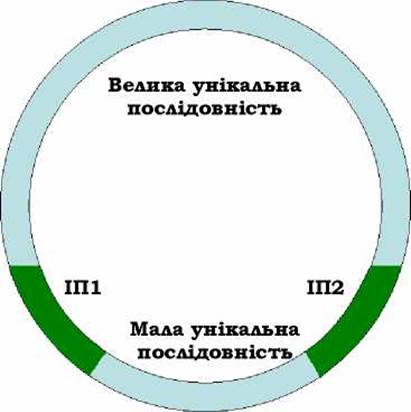
Fig. 6.14. Schematic Organization OF THE tobacco chloroplast genome; IR stands for inverted repeat.
The striking similarity between the organization of chloroplast and bacterial genomes is remarkable. The basic regulatory sequences, such as promoters and terminators, are virtually identical in both genomes. Proteins encoded by chloroplast genes closely resemble bacterial ones, and several groups of functionally related genes (such as ribosomal protein genes) are organized similarly in the genomes of chloroplasts, E. coli, and cyanobacteria. However, unlike prokaryotes, cpDNA genes contain introns.
A large number of genes are localized in clusters that are expressed as large polycistronic primary transcripts. These are processed into oligo- and monocistronic mRNAs, which undergo splicing and editing. RNA editing of chloroplast genes has been found only in higher plants; the most frequent modifications are C → U substitutions via deamination. A similar process causing Amino Acid Substitutions in corresponding proteins also occurs in the Cell/35.html">Mitochondria of certain eukaryotes (Protozoans, Fungi, and plants).
In terms of Gene composition and arrangement, higher plant chloroplast genomes are highly conserved. Between 108 and 122 genes have been identified in sequenced higher plant chloroplast genomes, 95 of which are identical and present in all species. Functionally, chloroplast genes can be divided into three groups: Transcription and Translation apparatus genes; Photosynthesis-related genes; and photosynthetic metabolism genes (involved in the Biosynthesis OF AMINO Acids, Fatty acids, pigments, etc.). The first group includes genes for rRNAs, tRNAs (about 30), certain subunits of chloroplast RNA polymerase, approximately 20 ribosomal protein genes, and several translation factors. The second group comprises genes encoding proteins that are components of Photosystems I and II, the cytochrome b/f complex, ATP synthase, subunits of the Respiratory Chain NADH dehydrogenase complex, and the large subunit of the key photosynthetic enzyme ribulose bisphosphate carboxylase. The third group is the least studied. It includes the accD gene, which encodes the prokaryotic-type β-subunit of acetyl-CoA carboxylase involved in FATTY ACID BIOSYNTHESIS. The chloroplast genomes of grasses lack the accD gene. In bryophytes and gymnosperms, genes related to chlorophyll biosynthesis have been discovered; they were identified based on their sequence similarity to corresponding genes in photosynthetic Bacteria.
All known proteins encoded within chloroplasts are components of large enzymatic complexes. These complexes also contain one or more subunits encoded by the nuclear genome. Interestingly, the nuclear-encoded subunits are regulatory, whereas those encoded by cpDNA are catalytic. All critical proteins involved in Replication, transcription, and translation are also encoded by the nuclear genome. Thus, much like mitochondria, all processes occurring within chloroplasts are under strict nuclear control.
Last update: 11/08/2026
Editorial and Educational Adaptation: This material has been compiled based on the primary/original source text. The project team performed an editorial review, corrected technical inaccuracies, structured sections, and adapted the content for an educational format.
What was processed:
- elimination of formatting defects (OCR errors, structural breaks, corrupted characters);
- editorial organization of content;
- standardization of terminology in accordance with academic sources;
- verification of factual statements against the original source text.
All mentions of the author, publication year, and origin of the primary text have been preserved in accordance with the source.