Pharmacognosy with the Basics of Plant Biochemistry - Kovalyov V. M. 2004
Special Part
Biologically Active Dietary Supplements
Medicinal plants and raw materials used in the production of dietary supplements and food products
Let us focus on The chemical composition of the most common types of Medicinal plant raw Materials used in domestic and foreign dietary supplements. While information regarding pharmacological activity is readily available from promotional brochures provided by manufacturers and distributors, as well as extensive consumer literature, data on chemical composition is often difficult to find. Specialists must be thoroughly familiar with the profile of BIOLOGICALLY ACTIVE SUBSTANCES and anticipate potential health risks associated with the uncontrolled use of trendy or heavily advertised dietary supplements.
Polysaccharides. This Class of natural compounds is indispensable in dietary supplements due to a wide range of beneficial properties: immunomodulatory, cleansing (adsorbing, radioprotective, laxative, expectorant), detoxifying, ion-exchange, normalizing microflora and colonic motility, and supplying essential minerals, including Trace Elements. Descriptions of most raw materials can be found in the relevant sections of the Special Part (marshmallow, plantain, coltsfoot, echinacea, Jerusalem artichoke, chicory, couch grass, burdock, Gums, etc.).
Dietary fibers. The non-digestible fiber group includes "crude fiber" (Cellulose), hemicellulose, and Lignin.
Cereal bran serves as a rich source of fiber. Alongside non-fermentable fibers, bran contains significant amounts of Calcium and phosphorus (phytin). Nearly 75% of all biologically active Components of the grain are concentrated in the bran (about 60% of minerals, 50-60% of Lipids, and 20% of total grain protein), which is why flour is often enriched with bran to enhance its nutritional value. To prevent mechanical damage to the mucous membrane of the digestive tract, coarse bran is ground down, and flavoring agents are occasionally added to improve palatability. Fermentable polysaccharides include mucilage and pectic substances. Data on the sources of these CARBOHYDRATES in dietary supplements are presented in Table 17.
Table 17
Medicinal plant raw materials containing polysaccharides and used in dietary supplements
Plant |
Raw Material |
||
Name |
Chemical Composition |
Pharmacological Action |
|
Flea plantain — Plantago psyllium, sand plantain — P. arenaria, ovate plantain — P. ovata, white plantain — P. albicans Plantaginaceae family |
Seed husks and seeds |
Fiber and mucilage (up to 16%). Ovate plantain has the highest mucilage content |
Husks: adsorbing, detoxifying. Seeds: mild laxative (flea plantain); ovate plantain seeds have a lower Swelling capacity compared to other species |
European plum — Prunus domestica, cherry plum — Prunus divaricata Rosaceae family |
Pitted fruits |
Pectins, invert sugar, anthocyanidins, Flavonoids, minerals, and Vitamins |
vSimilar to pectin; included in Cafiol, a laxative preparation |
Common beet (garden beet) — Beta vulgaris Chenopodiaceae family |
ROOT vegetables |
Pectins, mono- and Oligosaccharides, Proteins, organic acids, minerals, betalains, betaines, vitamins B1, B2, B12, PP, folic and pantothenic acids |
Same as above |
Slippery elm — Ulmus rubra = U. fulva Ulmaceae family |
Bark |
Mucilage and pectic substances (polyuronides), catechins, flavonoids, Tannins, triterpenoids |
The British Herbal Pharmacopoeia (BHP) characterizes this raw material as demulcent and nutritious |
Mullein species — Verbascum spp. Scrophulariaceae family |
Leaves of great mullein (Aaron's rod), flowers of dense-flowered mullein |
Mucilage, flavonoids (flavone and flavonol derivatives), Iridoids (aucubin, catalpol, etc.), Steroids (verbasterin), saponins |
Expectorant, anti-inflammatory, and demulcent; included in the pharmacopoeias of various countries |
Borage (starflower) — Borago officinalis Boraginaceae family |
Herb |
Mucilage (up to 30%), carbohydrates, saponins, resinous and tannin substances (up to 30%), organic acids, high potassium salt content, pyrrolizidine Alkaloids (approx. 0.01%) |
Improves METABOLISM, sedative, mild laxative, expectorant, demulcent. An official remedy in European countries |
Bladderwrack — Fucus vesiculosus Fucaceae family |
Thalli |
Mucilage, gums (bassorin), up to 0.9% organically bound iodine, salts of bromine, potassium, iron, etc. |
Included in the EHP as a remedy regulating thyroid function and combating obesity |
Mangosteen — Garcinia mangostana Clusiaceae family |
Bark |
Latex containing gamboge gum-resin |
Laxative |
Asafoetida — Ferula foetida Apiaceae family |
Gum-resin-oil "asafoetida" from the roots |
A mixture of resin, gum, and essential oil containing carbohydrates, terpenoids (terpenoid Coumarins, terpene alcohols and their esters with aromatic acids, sesquiterpene lactones, Diterpenes) |
Included in Russian pharmacopoeias editions I–VII and the BHP; recommended as a carminative, antispasmodic, and expectorant |
Myrrh tree (African myrrh) — Commiphora opobalsamum Burseraceae family |
Hardened milky juice ("myrrh") |
Gum-resin containing resenes, resin esters, essential oil, carbohydrates |
Antiseptic for inflammatory conditions of the Upper Respiratory Tract, gastrointestinal tract, and mucous membranes |
Kava (kava-kava) — Piper methysticum Piperaceae family |
Fresh and dry rhizomes |
Gum, organic acids (lactic, etc.), yangonin glycoside |
Medicinal in Europe, included in the BHP. Kava beverage is used for its sedative, antimicrobial, and Sleep-inducing properties; its narcotic properties are also well known |
Du-zhong (gutta-percha tree) — Eucommia ulmoides Eucommiaceae family |
Bark |
Gutta-percha, chlorogenic and caffeic acids, aucubin |
Hypotensive, tonifies The Liver and Kidneys. A classic remedy of traditional Chinese medicine |
It should be noted that dietary fibers bind and excrete metals from the body, which can inevitably lead to deficiencies in certain micronutrients. Wheat bran exhibits the highest selectivity for zinc compounds, cellulose supplementation lowers Blood calcium levels, while Water-soluble guar gum reduces copper and iron levels. This selective depletion of trace elements should be viewed as an adverse effect. Furthermore, excessive consumption of dietary fibers impairs the absorption of proteins, fats, and carbohydrates due to their ability to bind Enzymes and vitamins.
The gums listed in Table 17 also possess adverse properties (irritant, emetic, narcotic, etc.), and health benefits are achieved only through low doses.
We will now separately examine dietary Supplement components that contain various nutrients: FERMENTABLE AND NON-fermentable carbohydrates, proteins built from Essential Amino Acids, and a complex of VITAMINS AND MINERALS.
Wheat germs — Embrionis Triticae, predominantly hard wheat varieties — Triticum durum, Poaceae family. Summer spring wheat varieties are primarily distinguished by a hard, vitreous endosperm. Widely distributed in the eastern and southern regions of Ukraine. Wheat germ contains protein (up to 30%), fatty oil rich in Unsaturated Fatty acids (12%), 12 vitamins (tocopherol, thiamine, carotene, PP, ascorbic acid, etc.), essential amino acids, ubiquinone, and 21 trace elements, including selenium. Wheat germs are recommended during periods of elevated physical and mental stress, vitamin and mineral deficiencies, malnutrition, Pregnancy, and Lactation. Wheat germs are manufactured in Ukraine by specialized dietary supplement companies and can be beneficial for athletes and residents of ecologically compromised regions. They yield a fatty oil characterized by a high concentration of tocopherol and Essential Fatty Acids, which is used either on its own or as a solvent for Fat-soluble vitamins.
Alfalfa — Medicago sativa, Fabaceae family. The crushed herb is consumed as "Alfalfa" in capsules, less frequently mixed with other raw materials. Like most legumes, alfalfa contains substantial amounts of proteins and minerals, but its distinctive feature is the presence of isoflavones and coumestrol, which impart specific functional properties. Alfalfa is believed to lower blood Cholesterol levels and act as an anabolic and detoxifying agent. It is recommended for physical exhaustion, atherosclerosis, and vitamin deficiency.
Oats — Avena sativa, Poaceae family. In the preventive Nutrition of weakened individuals, grain and "Hercules" oatmeal flakes have proven highly effective. They contain protein (up to 18%) rich in essential amino acids, B-complex vitamins, phylloquinones, tocopherols, provitamin A, fatty oil, flavonoids (O- and C-Glycosides), steroidal saponins and sterols, and minerals (phosphorus, potassium, iron, cobalt, manganese, zinc, aluminum, boron, iodine, etc.). In addition to these constituents, biological activity is influenced by the indole alkaloid avenin, which exerts a calming effect.
Alongside the grain, oat straw is utilized in bath infusions, as is fresh herb harvested during the milk-wax ripeness stage, which is rich in enzymes. Because oats contain the highest concentration of zinc relative to other plants, they are used in combination with silicic acid to treat Skin and joint disorders. Oat herb tea is consumed for nervous exhaustion—acting as a tonic for elderly individuals.
Lipids. Dietary supplements harness the prophylactic and therapeutic properties of higher unsaturated Fatty Acids and Phospholipids (lecithin), details of which are outlined in the respective section. Attention must be paid to the limited shelf life of these substances and their specific storage requirements. A prominent example is evening primrose oil, which is heavily promoted by supplement manufacturers.
EVENING PRIMROSE SEEDS — SEMINA OENOTHERAE EVENING PRIMROSE OIL — OLEUM OENOTHERAE
Evening primrose — Oenothera biennis L., Onagraceae family
Evening primrose, sundrop, evening star.
The plant was introduced from North America.
It typically grows in sandy and occasionally clayey soils across almost the entire territory of Ukraine.
In the Americas, it is cultivated as an industrial crop for oil and fiber production, as well as serving as a honey plant.
The seeds contain 15–20% drying fatty oil, comprising oleic, linoleic, alpha-linolenic, and gamma-linolenic acids, with the latter accounting for 8%. This omega-3 polyunsaturated fatty acid serves as a precursor to Prostaglandins.
It is believed that the administration of evening primrose oil increases the levels of prostaglandin E1 in the body, which regulates blood pressure and blood cholesterol levels. Thus, preventive consumption of the oil helps prevent myocardial infarction and alleviates premenstrual symptoms. Clinical studies have confirmed the oil's efficacy in treating eczema.
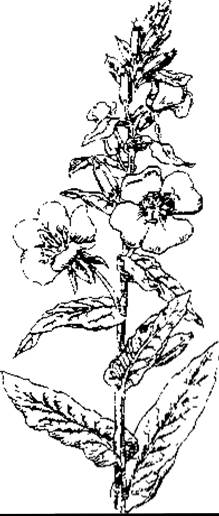
In the USA and European countries, evening primrose oil is approved for use as a nutrient because the dosage in gelatin capsules is lower than the therapeutic dose. Due to oxidation, it has a short shelf life. It is frequently adulterated with cheaper soybean and safflower oils because identification Methods remain imperfect. It should be noted that this issue also applies to wheat germ oil, pumpkin seed oil, walnut oil, and flaxseed oil.
Phenolic Compounds. Raw materials containing phenolic compounds generally have low toxicity and almost always meet safety criteria. Dietary supplements contain plant materials we are already familiar with, which include Simple Phenols and their derivatives: willow bark, bearberry leaves, betony herb, raspberry fruits, artichoke heads, and rhodiola rhizomes. Among the sources of flavonoids mentioned above are horsetail and St. John's wort herb, ginkgo leaves, hawthorn flowers and fruits, and skullcap roots; coumarins are sourced from horse chestnut seeds; anthracene derivatives from buckthorn bark, purging buckthorn, cassia leaves, aloe, and dock rhizomes; while tannins are obtained from bilberry fruits and snakeroot rhizomes. The adaptogenic and immunostimulating properties of eleutherococcus roots and schisandra fruits, which contain Lignans, are also widely utilized. Information on certain non-pharmacopeial and exotic raw materials containing phenolic compounds used in dietary supplements is presented in Table 18.
Table 18
Medicinal plant raw materials containing phenolic compounds and used in dietary supplements
Plant |
Raw Material |
||
Name |
Chemical Composition |
Pharmacological Action |
|
Roselle, or red mallow — Hibiscus sabdariffa Fam. Malvaceae |
Flowers |
Anthocyanidins, flavonoids, organic acids (malic, citric, tartaric, hibiscus acid), mucilages, pectic substances |
Included in teas and soft drinks, exhibits a mild laxative effect |
Common buckwheat — Fagopyrum esculentum Fam. Polygonaceae |
Herb |
Rutin (1-8%) and other flavonoids, tannins, fagopyrin |
Vitamin P activity, preserves Vascular System functionality, prevents atherosclerosis |
European goldenrod — Solidago virgaurea Fam. Asteraceae |
Herb, leaves |
Flavonols, polyacetylenes, di- and triterpenoids, saponins, phenolcarboxylic acids. Phytoecdysones have been found in the flowers |
Included in the British Herbal Pharmacopoeia (BHP) as a diaphoretic and diuretic remedy |
Great willowherb (rosebay willowherb) — Chamerion angustifolium Fam. Onagraceae |
Flowers and leaves |
Flavonoids: in leaves — 3.5%, in flowers — 4-4.5% (kaempferol, quercetin, myricetin), condensed tannins, essential amino acids |
Tea surrogate. The extract exhibits choleretic activity |
Common grape vine — Vitis vinifera Fam. Vitaceae |
Seeds, pomace |
Leucoanthocyanins from seeds and anthocyanidins from pomace |
Antioxidant |
Willowherb species — Epilobium spp. (E. palustre) Fam. Onagraceae |
Herb |
Flavonoids, tannins, ß-sitosterol |
Recommended for prostate disorders |
Chinese matrimony vine — Lycium chinense; Fam. Solanaceae |
Fruits |
Rutin, betaine, ascorbic acid |
General tonic and restorative (traditionally used in Chinese medicine) |
Black cohosh — Cimicifuga racemosa Fam. Ranunculaceae |
Rhizomes |
Phenolic compounds, flavonoids, Chromones, tannins, alkaloids, triterpenoids, saponins, resins |
General tonic, used for menopausal Menstrual disorders |
Harungana — Harungana madagascariensis Fam. Clusiaceae |
Bark, leaves |
Leucocyanidins, flavonoids, hypericin-like compounds, tannins |
Effective only as an alcoholic extract for acute and chronic digestive disorders and pancreatitis |
Buchu — Agathosma betulina Fam. Rutaceae |
Leaves |
The phenolic ketone diosphenol, which is part of the essential oil, flavonoids (diosmin), bitters, and resinous substances |
Infusion acts as a diuretic for Urinary Tract infections |
Knotweed species — Polygonum spp. Fam. Polygonaceae |
Rhizomes |
Anthraquinones, tannins |
Laxative activity claimed in dietary supplements |
Cascara sagrada — Frangula purshiana Fam. Rhamnaceae |
Bark |
Anthraquinone derivatives (8-10%) |
Laxative |
With prolonged use, products containing anthraquinones produce adverse effects. First, tolerance develops over time, and the effect is achieved only by increasing the dose. Second, such raw materials are contraindicated during menstruation, pregnancy, and breastfeeding. Extended intake of weight-loss supplements containing anthraquinones leads to a Deficiency of certain minerals, especially potassium.
Sometimes exotic plants or raw materials popular in traditional medicine but insufficiently studied by science are introduced into dietary supplements. This applies to raw materials of black cohosh, harungana, and buchu, for which there are no data confirming their therapeutic properties pharmacologically. For example, black cohosh preparations have caused toxic reactions (bradycardia, tremor, dizziness).
Mono- and sesquiterpenes, iridoids, Essential Oils. Iridoids, sesquiterpenoids, sesquiterpene lactones, and other bitter-tasting compounds are used in dietary supplements as agents that stimulate and tone various physiological processes in the body's Cells and Tissues, most frequently Digestion, Bile formation, and bile secretion. Information on raw materials of these groups used in foreign-made dietary supplements is provided in Table 19.
Table 19
Medicinal plant raw materials containing mono- and sesquiterpenoids and essential oils used in dietary supplements
Plant |
Raw Material |
||
Name |
Chemical Composition |
Pharmacological Action |
|
Blessed thistle — Cnicus benedictus Fam. Asteraceae |
Leaves and shoots |
Bitter glycoside cnicin, essential oil, up to 8% tannin, resins, nicotinamide, polyacetylene compounds, flavonoids |
Tonic; improves appetite, enhances gastric juice secretion, choleretic, effective in digestive disorders. Included in the BHP |
Common vervain — Verbena officinalis Fam. Verbenaceae |
Herb |
Iridoids (aucubin, verbenalin with toxic properties), mucilages, triterpenoids, steroids |
Formerly considered a panacea; enhances the action of other medicinal plant raw materials in herbal mixtures. Included in the BHP |
Devil's claw — Harpagophytum procumbens Zeyher's devil's claw — Harpagophytum zeyheri Fam. Pedaliaceae |
Tubers |
Iridoids (harpagoside), flavonoids (kaempferol, luteolin), triterpene glycosides, havinon (harpagonghinon), and a large amount of carbohydrates, with stachyose (46%) as the main component |
Included in European pharmacopoeias as "devil's claw roots". Alcoholic extracts possess therapeutic properties. Used as a spice in the form of tea called "devil's claw" |
Rosemary — Rosmarinus officinalis Fam. Lamiaceae |
Leaves and annual shoots |
Essential oil (1-2%), diterpenoids, flavonoids, Quinones, ursolic and rosmarinic acids, pyrrolidine alkaloids |
Antioxidant, tonic for fatigue, anti-inflammatory, and choleretic agent. Included in the BHP and various national pharmacopoeias |
Hyssop — Hyssopus officinalis Fam. Lamiaceae |
Herb |
Essential oil comprising monoterpenoids, steroids, flavonoids, phenolcarboxylic acids, triterpenoids (ursolic and betulinic acids, gratiolin) |
Used for gastrointestinal disorders, as well as an expectorant, diaphoretic, and sedative; a well-known spice. Included in the BHP |
White horehound — Marrubium vulgare Fam. Lamiaceae |
Herb |
Essential oil, bitter diterpene lactones, marrubin, premarrubin, etc., pyrrolidine alkaloids, ursolic acid, tannins (about 7%) |
Expectorant, spasmolytic, choleretic. Included in the BHP and various national pharmacopoeias |
Saffron — Crocus sativus Fam. Iridaceae |
Stigmas |
Monoterpene and diterpene glycosides (crocetin and safranal), essential oil |
In homeopathic doses, it calms and is used for depression; a spice and food coloring |
Catnip — Nepeta cataria Fam. Lamiaceae |
Herb |
Essential oil (up to 3%) containing citral, iridoids (nepetalactones), saponins, coumarins |
Aromatic flavoring for teas, herbal blends, and cocktails; possesses carminative properties. Commercial name: Calmint (Eng.) |
Ginger — Zingiber officinale Fam. Zingiberaceae |
Rhizomes |
Essential oil (1-3%) containing sesquiterpenes; pungent taste is imparted by resinous substances gingerols (6-8%) |
Improves digestion, exhibits carminative and spasmolytic effects. A spice; included in the BHP and various national pharmacopoeias |
Sassafras — Sassafras albidum Fam. Lauraceae |
Root bark |
Essential oil (5-9%) dominated by safrole, citral, isoquinoline alkaloids, resins, gums, mucilages, lignans, tannin, wax |
Diuretic, carminative, diaphoretic. Included in the EHP. Safrole is a carcinogen |
Clove — Syzygium aromaticum Fam. Myrtaceae |
Flower buds ("cloves") |
Essential oil (15-22%), main component is eugenol; flavonoids, tannins, and steroids are also present |
Corrects the taste of medicines and dietary supplements, stimulates appetite, tonic and carminative. A well-known spice |
Texas root — Stillingia sylvatica Fam. Euphorbiaceae |
Roots |
Essential oil (3-4%), resins, tannins (10-12%) |
Tonic and expectorant. Included in the BHP |
Cubeb pepper — Piper cubeba Fam. Piperaceae |
Unripe fruits |
Essential oil (menthol, camphor, limonene, cadinene), lignans (cubebin), humic-like acid (14%) |
Aromatic bitter, stimulates gastrointestinal activity, carminative, expectorant, diuretic. A spice |
Damiana — Turnera diffusa Fam. Turneraceae |
Shoots |
Essential oil (0.5-1%), resins, gums |
Chinese tea surrogate, flavoring agent. Included in the BHP as an antidepressant under the name Turnera or Damiana aphrodisiaca, traditionally used in the USA to restore male libido |
The consumption of monoterpene bitters is scientifically justified. In the West, "Vervain tea" or "Vervain" is popular. It should be noted that teas under this name are prepared from the leaves of lemon verbena (Lippia triphylla), which belongs to the verbena family and contains essential oil. In France and Switzerland, the plant is cultivated, and the leaves are used as a surrogate for regular black tea. It is believed to have a strengthening, tonic, and diuretic effect, and promotes weight loss.
It should be remembered that raw materials with a high essential oil content cannot be considered entirely harmless; overdose or prolonged use (more than a month) is always detrimental to health because volatile components directly affect the Central Nervous system and can cause headaches and depression. Essential oils in large doses irritate mucous membranes. Sassafras overdose leads to Kidney irritation. In the USA, The Use of safrole from sassafras in the cosmetics and perfumery industries is regulated, and its use in food is prohibited due to its carcinogenic action.
Triterpenoids, saponins. Saponins in dietary supplements provide adaptogenic, sedative, cholesterol-lowering, cleansing, and anti-inflammatory effects. For elderly individuals, ginseng roots are introduced, though most often not Far Eastern ginseng, but rather cultivated in China, Korea, Vietnam, and America. For those suffering from chronic bronchopulmonary diseases, prophylactic supplements have been developed containing raw materials rich in triterpene saponins (liquorice, primrose). Many dietary supplement ingredients are a source of steroidal saponins (fenugreek, yucca, wild yam). Data on Other types of raw materials are given in Table 20.
Table 20
Medicinal plant raw materials containing saponins and used in dietary supplements
Plant |
|||
Name |
Chemical Composition |
Pharmacological Action |
|
Blue cohosh — Caulophyllum thalictroides Fam. Berberidaceae |
Rhizomes and roots |
Triterpene saponins (caulosides), hederagenin derivatives, alkaloids (methylcytisine, anagyrine, etc.), phytosterols, essential oil containing furfural |
Spasmolytic for asthma, intestinal colic, uterine bleeding. Included in the BHP |
Senega root — Polygala senega Fam. Polygalaceae |
Roots |
Triterpene saponins (1.5-2.5%) |
Expectorant and diaphoretic. Included in the BHP |
Gotu kola (centella) — Centella asiatica (Hydrocotyle asiatica) Fam. Apiaceae |
Herb |
Triterpene saponins, barigenol derivatives (bramoside and braminoside), polyacetylene compounds, essential oil (0.1%), flavonoids (rutin, quercetin, kaempferol, etc.), alkaloids, tannins |
Tonic and stimulating, improves metabolism, prescribed for pulmonary diseases. Included in the BHP and the Pharmacopoeia of India |
Stone root — Collinsonia canadensis Fam. Lamiaceae |
Rhizomes and roots |
Saponins, organic acids, tannins, carbohydrates, resins |
Diuretic, litholytic, diaphoretic. Included in the BHP |
Borage — Borago officinalis Fam. Boraginaceae |
Leaves |
Saponins, carbohydrates including mucilages (30%); tannins (3%), potassium salts, pyrrolizidine alkaloids, organic acids (ascorbic) |
Salad leaf vegetable; used as a component of soft drinks |
Fairywand — Chamaelirium luteum Fam. Melanthiaceae |
Rhizomes |
Bitter glycoside chamelirin (10%) with saponin-like properties, resin-like water-soluble substance chamelyretin |
Included in the BHP as a diuretic and as a uterine Muscle tonic |
Sarsaparilla — Smilax regelii, S. utilis, S. saluberrima Fam. Smilacaceae |
Roots |
Steroidal saponins, mainly the oligosides parillin and sarsaparilloside (sarsapogenin derivatives) |
Diuretic; promoted in blood-purifying teas and for psoriasis sufferers |
Asparagus — Asparagus officinalis Fam. Asparagaceae |
Rhizomes and roots |
Steroids asparagosides A, B, C and others (sarsapogenin derivatives), carbohydrates, amino acids (asparagine) |
Diuretic, for Stomach disorders. Included in the pharmacopoeias of European and American countries |
Wild yam — Dioscorea villosa Fam. Dioscoreaceae |
Rhizomes and roots |
Steroidal saponins |
Recommended by the BHP as a spasmolytic and diaphoretic agent. Anti-atherosclerotic properties of related species are well known |
It should be remembered that saponins in large quantities irritate the mucous membrane of The Stomach and intestines, but in complex mixtures (teas, herbal blends, powders) this side effect does not manifest.
Alkaloids. Raw materials containing significant amounts of alkaloids are quite rarely included in dietary supplements. When alkaloids do occur, it is only as secondary biologically active substances or from the category of low-toxicity compounds (stachydrine, caffeine, berberine, etc.). The main plants accumulating caffeine (kola, holly, guarana, etc.) have already been described in the relevant chapter of the textbook. This also applies to protoalkaloids (capsicum, ephedra) and true alkaloids (passionflower and lobelia). Information on other alkaloid-containing raw materials used in dietary supplements is presented in Table 21.
Table 21
Medicinal plant raw materials containing alkaloids and used in dietary supplements
Plant |
Name |
Chemical Composition |
Pharmacological Action |
Caper bush — Capparis herbacea Fam. Capparidaceae |
Roots |
Pyrrolidine alkaloids (stachydrine and capparidine), glycosides of caper flavonoids, terpenoids, resins |
Tonic, analgesic, diuretic |
Goldenseal — Hydrastis canadensis Fam. Berberidaceae |
Rhizomes and roots |
Isoquinoline alkaloids (berberine, hydrastine, canadine) |
Tonic, hypotensive, hemostatic, anti-inflammatory. Included in the BHP |
Prickly ash — Zanthoxylum (Xanthoxylum) americanum Fam. Rutaceae |
Bark, fruits |
Berberine-group alkaloids, bitter substances, tetrahydrofurofuran-type lignan asarinin; essential oil in fruits |
Stimulates Blood Circulation, diaphoretic, antirheumatic |
American pokeweed — Phytolacca americana Fam. Phytolaccaceae |
Fresh roots and dry leaves |
Alkaloids, essential oil, triterpene saponins |
Laxative. Included in the BHP as an antirheumatic and anticatarrhal remedy |
Costus — Saussurea costus Fam. Asteraceae |
Roots |
Alkaloids (saussurine, kushtin), essential oil (1-3%), sesquiterpenoids |
Spasmolytic for gastrointestinal disorders. Eastern medicine remedy |
Wallich's ligusticum — Ligusticum wallichii Fam. Apiaceae |
Rhizomes |
Alkaloids, essential oil containing cnidium lactone, phenolic acids |
Improves blood circulation, hypotensive. Eastern medicine remedy |
Cat's claw — Uncaria tomentosa Fam. Rubiaceae |
Roots, bast |
Oxindole-group alkaloids (alloyohimbine/pteropodine isomers, isomitraphylline, pteropodine, rhynchophylline, etc.), leucoanthocyanidins, polyphenols, terpenoids |
Immunostimulating, adaptogenic, anti-inflammatory, antiallergic |
Thus, we have provided a list and interpretation of the value of medicinal plant raw materials not included in the pharmacognosy course, as well as certain substances derived from them used in domestic and foreign dietary supplements. New scientific data shed a different light on their safety, efficacy, and benefits, differing significantly from materials intended for consumers and distributors of these products. Of course, the use of remedies of natural origin is rational, but they should be used for Prevention in the pre-disease state and as adjunctive therapies for various diseases, and only after consulting a physician.
Dietary Supplements and functional food products are sold through pharmacy networks and specialized grocery departments in accordance with the recommendations of the Ministry of Health of Ukraine. Potential consumers should be aware that it is risky to consume untested herbal preparations because some of them contain carcinogenic, mutagenic, or other toxic substances. Buyers should be informed that using non-medicinal remedies chosen without professional consultation can lead to the worsening of a disease; furthermore, the substances indicated on the label (mostly provitamins, vitamins, micronutrients, Coenzymes, etc.) lack approved control methods and quality standards, and therefore, from this perspective, dietary supplements do not meet standards regarding active ingredient content. Studies by American scientists have shown that the higher and necessary doses indicated on the packaging of medicinal plant raw materials do not correspond to experimentally determined values. Finally, the course of dietary supplement use and the money spent on them may be excessively high, while the benefit is negligible or unnoticeable. Thus, a prudent person will weigh everything before deciding to use dubious dietary supplements or will consult a phytotherapist for advice.
Last update: 06/08/2026
Editorial and Educational Adaptation: This material has been compiled based on the primary/original source text. The project team performed an editorial review, corrected technical inaccuracies, structured sections, and adapted the content for an educational format.
What was processed:
- elimination of formatting defects (OCR errors, structural breaks, corrupted characters);
- editorial organization of content;
- standardization of terminology in accordance with academic sources;
- verification of factual statements against the original source text.
All mentions of the author, publication year, and origin of the primary text have been preserved in accordance with the source.