PLANT PHYSIOLOGY WITH ELEMENTS OF BIOCHEMISTRY - R. M. Prytuliak - 2016
Lecture Notes
TOPIC No. 4. PHOTOSYNTHESIS
Outline
1. General characteristics of Photosynthesis, its significance in plant energetics, nature, and agriculture.
2. The Leaf as The Organ of photosynthesis.
3. Pigments of the green leaf.
4. The photosynthetic unit.
5. The METABOLISM/16.html">Light-dependent phase of photosynthesis. Photosynthetic phosphorylation.
6. Carbon metabolism in photosynthesis (The Calvin Cycle).
7. C4 pathway of photosynthesis (Hatch-Slack cycle or cooperative photosynthesis).
8. Photosynthetic rate and its dependence on environmental conditions.
9. Indices of photosynthesis.
10. PHOTOSYNTHESIS AS THE basis for agricultural crop productivity.
1. General characteristics of photosynthesis, its significance in plant energetics, nature, and agriculture.
Photosynthesis is the unique process in the biosphere that leads to an increase in the biosphere's Free energy by utilizing an external source — the Sun — and ensures the survival of both plants and all heterotrophic organisms, including humans.
The year 1771 is considered the date of the discovery of photosynthesis. The English scientist J. Priestley Observed changes in air composition due to animal Respiration. He found that in the presence of green plants, the air became suitable again for both breathing and combustion.
In 1779, the English physician J. Ingenhousz established The Link Between light and the ability of plants to restore the air, and in 1782, a new discovery was made by J. Senebier, who stated that plants release oxygen only when they absorb carbon dioxide. He also suggested that the assimilation of solar energy occurs simultaneously with the uptake of carbon dioxide by the plant. N. de Saussure significantly contributed to The Study of photosynthesis by clarifying that the air is the source of carbon dioxide for plants and proving the involvement of Water.
It was this process that the German scientist W. Pfeffer named photosynthesis in 1877. The law of conservation of energy, formulated by R. Mayer (1845), was of immense importance for revealing The Essence of photosynthesis. According to this law, the energy used by plants is solar energy, which plants convert into chemical energy during The process of photosynthesis.
General Equation of photosynthesis:
6СО2 + 6Н2О → С6Н12О6 + 6О2.
During photosynthesis, solar energy facilitates The conversion of inorganic substances into organic ones—CARBOHYDRATES. These are high-energy compounds, and The energy released during their breakdown in respiration powers all vital processes in the plant Organism: synthesis of complex substances, respiration, Cell Division, Transport of substances, Transpiration, and others. Photosynthesis is a self-sustaining process regarding energy, which is generated during Photophosphorylation; molecular oxygen is also produced during this process.
The process of photosynthesis maintains the gas COMPOSITION OF THE modern atmosphere, which is essential for life on Earth. Photosynthesis prevents the accumulation of СО2 and protects the planet from overheating. Furthermore, the constant oxygen content (21%) in the atmosphere ensures the existence of the ozone layer at an altitude of 25 km. Ozone — О3 — is created As a result of the photodissociation of О2 molecules under The Influence of solar radiation. It protects all living things from the harmful effects of ultraviolet rays (240...290 nm). Atmospheric pollution and deforestation lead to a decrease in oxygen content and The Emergence of ozone holes. Hence, There is a direct link between photosynthesis and environmental protection.
No less important is The Role of photosynthesis as the basis for The production of food, animal feed, and industrial raw Materials. Globally, the net primary productivity of photosynthesis is estimated at 78 · 109 tons of carbon per year, of which 7% is used directly or through animal organisms as food, fuel, and raw materials.
Despite the high efficiency of the initial Stages of Photosynthesis (95%), less than 1...2% of solar energy is converted into harvest, with losses caused by incomplete Light absorption and limitations at the biochemical and physiological levels. Vegetation across all continents fixes approximately 1...2% of PAR (photosynthetically active radiation) in the form of chemical energy.
According to theoretical calculations, maximum energy efficiency can reach up to 28% of PAR. With a photosynthetic efficiency of 3-5% PAR, it is possible to obtain up to 60 t/ha of organic mass.
2. The Leaf as an Organ of Photosynthesis.
The morphological, anatomical, and physiological Features of the leaf fully facilitate the execution of its primary function: photosynthesis.
The total leaf surface of temperate-zone plants growing on 1 hectare of arable land is nearly five times greater than the land area itself, and in southern regions with adequate moisture, it can be up to 10 times greater. Their diverse shapes, arrangement on the stem, and phototropic responses ensure the performance of their most vital function: the absorption of light rays. Like all physical bodies, a leaf reflects, absorbs, and transmits the light rays that fall upon it.
The leaf surface is covered by the epidermis. The Cells of the lower and upper epidermis, with the exception of those forming the stomatal apparatus, lack Chloroplasts. They merely transmit light rays and, therefore, do not participate directly in photosynthesis.
A characteristic feature of the leaf's protective tissue is the presence of Stomata, which occupy no more than 1% of its total surface area. For the process of photosynthesis to proceed normally, carbon dioxide must reach the green Plastids within the cells. Its concentration in the atmosphere is approximately 0.03%. Throughout the day, a plant assimilates an amount of CO2 equivalent to that contained in a 30...60-meter layer of air. To produce 1 g of carbohydrates, about 1.47 g of CO2 is required (this amount is contained in nearly 2500 L of air). This is made possible by the continuous turbulent movement of air masses around the leaves, caused by uneven heating from solar radiation and wind.
The amount of water consumed for photosynthesis is a negligible fraction of the total volume absorbed and transpired by the plant organism. Water deficit reduces The rate of photosynthesis, as the closure of stomata halts the supply of carbon dioxide to the leaf mesophyll. Furthermore, the oxygen released during the photosynthetic reactions of water photolysis also escapes into the environment through the stomata. Therefore, while closing the stomata stops gas exchange with the atmosphere, neither photosynthesis nor respiration ceases entirely. As integral leaf structures, the stomata Complement each other, supplying oxygen and carbon dioxide for their respective reactions.
Thus, the functioning of the stomata regulates gas exchange: the intake of carbon dioxide, the release of oxygen, and the transpiration of water.
As a rule, there are more stomata on the underside of the leaf, which is shielded from direct sunlight. There are significantly fewer on the upper surface, which reduces water loss under the influence of those same rays.
The primary tissue of the leaf is the mesophyll, which exists in two types: spongy and palisade. The cells of the palisade (or columnar) parenchyma contain the highest number of chloroplasts (several dozen per cell). These cells are tightly packed, unlike the loosely arranged cells of the spongy mesophyll. Intercellular space accounts for 15 to 20% of the total leaf volume, a feature characteristic primarily of the spongy parenchyma. Thanks to these intercellular spaces, the internal surface area of the leaf increases significantly (it is 7...10 times larger than the external surface), creating a specific gas composition that differs from the atmosphere, even though the intercellular space communicates with the atmosphere through the stomata. It is through these intercellular spaces that CO2 constantly enters from the atmosphere, as the spongy mesophyll tissue is located near the lower epidermis, where numerous stomata are situated.
The leaf mesophyll is permeated by a dense network of vascular bundles, which include xylem, supplying water and minerals, and phloem, which facilitates the export of photosynthetic products.
3. Pigments of the Green Leaf.
Pigments are compounds that selectively absorb light in the visible (400...700 nm) part of the spectrum. Plastid pigments are classified into three groups: chlorophylls, carotenoids, and phycobilins. The most significant role in the process of photosynthesis belongs to the green pigments: chlorophylls.
The primary pigments essential for photosynthesis are chlorophyll a in green plants and bacteriochlorophyll in phototrophic Bacteria.
The unabsorbed portions of the solar spectrum are reflected, which determines the pigment's color. The green pigment chlorophyll absorbs red and blue rays, while green rays are primarily reflected.
Chlorophylls are esters of the dicarboxylic acid chlorophyllin, in which one carboxyl group is esterified with a methyl alcohol residue, and the other with a phytol alcohol residue.
Through chromatographic analysis, chlorophylls were separated into chlorophyll a - C55H72O5N4Mg and chlorophyll b - C55H70O6N4Mg.
The core of the molecule is a porphyrin ring consisting of four pyrrole rings, with nitrogen atoms coordinated to a central magnesium atom. The pyrrole rings are linked at the periphery by methine bridges (=CH—). Additionally, there is a fifth cyclopentanone ring containing a keto group (=C=O).
Chlorophyll a is present in the chloroplasts or analogous structures of all photosynthetic organisms, with the exception of bacteria, which contain bacteriochlorophyll a.
All Higher Plants and green Algae also contain chlorophyll b. The difference between them is that in chlorophyll b, an aldehyde (—COH) group is attached to the third carbon atom of the second pyrrole ring, instead of the methyl (—CH3) group characteristic of chlorophyll a. These two chlorophylls also differ in color: chlorophyll a has a blue-green hue, while chlorophyll b is yellow-green. The content of chlorophyll a in a leaf is approximately three times higher than that of chlorophyll b.
If phytol is removed from the chlorophyll molecule, chlorophyllide is obtained.
If the Mg atom is replaced by hydrogen, pheophytin is formed.
Two absorption maxima are always clearly distinct: one in the short-wave region and the other in the long-wave region. For example, the absorption spectra for chlorophyll a are 420 and 662 nm, and for chlorophyll b, 455 and 644 nm. Forms of chlorophyll have been discovered that absorb light at wavelengths of 700, 710, and even 720 nm.
Along with green pigments, chloroplasts also contain pigments belonging to the carotenoid group.
Carotenoids are the most widespread fat-soluble yellow, orange, and red pigments of aliphatic Structure found in the plant world. They are an essential component of the photosynthetic apparatus. Chemically, they are all hydrocarbon polymers forming a chain of 40 carbon atoms, built from 8 isoprene units.
Carotenoids can be acyclic (lycopene), monocyclic, or bicyclic. The oxidized forms of carotenoids are known as xanthophylls. Xanthophylls account for approximately 50% of all carotenoids found in a leaf.
In the chloroplasts of higher plants, alongside chlorophylls, the most common pigments are β-carotene (С40Н56) and xanthophylls, specifically lutein (С40Н56О2) and violaxanthin (С40Н56О4). Significant amounts of α-carotene and neoxanthin are also present.
Like xanthophylls, carotenes are hydrophobic, which makes them highly soluble in fats and allows them to form complexes within The Lipid Bilayer of the membrane. Compared to carotenes, xanthophylls possess a more diverse structure, as they can contain various oxygen-bearing groups, such as hydroxyl, methoxyl, and keto groups, among others.
Thus, carotenoids broaden the action spectrum of photosynthesis, accounting for the absorption of 10 to 20% of solar quantum energy, with about 50% of this energy absorbed in the short-wave, high-energy region. These pigments function as light-harvesting agents, transferring energy from their electronically excited state to chlorophyll a. The reverse transfer process is not possible. It should be emphasized that, unlike chlorophylls, carotenoids are not capable of fluorescence. They serve a protective function, acting as chemical buffers in photosynthetic reactions. A possible mechanism for this protection involves carotenoids reacting with excited chlorophyll molecules, extracting energy from them and thereby preventing photo-oxidation.
Photosynthetic organisms such as cyanobacteria (blue-green algae), bacteria, and certain other algal species possess an additional group of accessory pigments known as phycobilins, In addition to chlorophylls and carotenoids.
The presence of phycobilins allows algae to utilize light rays that penetrate to specific depths during photosynthesis, enabling them to occupy corresponding ecological niches.
4. The Photosynthetic Unit.
Light-harvesting antenna pigments, the reaction center (RC), and the corresponding Enzymes of the Electron Transport Chain form a complex known as the photosynthetic unit. In higher plants, a photosynthetic unit consists of 250–300 chlorophyll molecules and 500 carotene molecules.
Several models of the photosynthetic unit (PSU) Organization are known. Individual pigment-Protein Complexes of Photosystems can operate independently of one another. In this case, each reaction center receives energy only from its own light-harvesting molecules; this is the mono- or unicentral model. Sometimes, individual Light-Harvesting Complexes serving a reaction center can form domains between which energy transfer is possible. This constitutes a multicentral photosynthetic unit, where different reaction centers are interconnected via energy migration. In such a system, each domain may contain 20–30 RCs. The photosynthetic unit is not always a homogeneous structure. The PS-I complex, for instance, includes 5–7 Polypeptides and 100–200 molecules of chlorophyll a per P700 reaction center. These molecules form the PS-I core (40 chlorophyll molecules), the inner antenna (20 molecules), and the peripheral antenna (40 chlorophyll molecules).
The reaction center (RC) consists of Proteins, chlorophyll molecules, pheophytin, several Cytochromes, ferredoxin, and NAD. The presence of chlorophyll and pheophytin aggregates within the RC is essential for its function, as these allow an electron from an excited chlorophyll molecule to be transferred to an excited pheophytin molecule.
Under normal physiological conditions, the distribution of protein-pigment complexes in chloroplasts is non-uniform: PS-II is localized in the densely stacked Regions of the thylakoid grana, while PS-I is found primarily in the stroma thylakoids. Communication between these spatially separated complexes is mediated by mobile electron carriers—plastoquinone, plastocyanin, and ferredoxin—which move via diffusion to facilitate electron transfer between PS-I and PS-II.
Light quanta are absorbed sequentially by each molecule of the light-harvesting antenna at a rate of one quantum per 0.1 s. The energy of the absorbed photons is funneled toward the RC.
The throughput capacity of the photosynthetic unit (the light saturation of photosynthesis) is defined by the reaction center's ability to absorb 50 light quanta per second.
5. The Light-Dependent Phase of Photosynthesis. Photosynthetic Phosphorylation.
The essence of the light-dependent stage of photosynthesis lies in the conversion of light quantum energy into the energy of highly reactive, labile chemical compounds—ATP.
Photosynthetic phosphorylation is the process of generating high-energy compounds through the transformation of electron energy. It is carried out with the participation of Two Photosystems: PS-I and PS-II. The movement of excited electrons occurs along a corresponding electron transport chain. There are two types of photosynthetic phosphorylation: cyclic and non-cyclic.
Cyclic photosynthetic phosphorylation is the process of ATP formation during the movement of an electron along a closed loop of the ETC. It is carried out by Photosystem I (PS-I), whose reaction center consists of chlorophyll a molecules with a maximum absorption wavelength of 700 nm (P700). When a light quantum strikes a chlorophyll molecule in the reaction center, an electron is ejected from its orbital by the light energy and travels along the ETC in the direction of increasing oxidation potential. At a certain point along this path, it releases energy used for the synthesis of two ATP molecules. The electron then continues its path, returns to its original position in the orbital, and fills the electron hole created by the light quantum. Following this, the reaction center chlorophyll can once again absorb photons and enter an excited state, repeating the cycle.
During non-cyclic photosynthetic phosphorylation, both photosystems are active. In Photosystem II, the reaction center is chlorophyll with an absorption maximum at 683 nm (P683).
By absorbing a light quantum, the PS-II reaction center molecule releases its electron, creating an electron hole. The electron chain connecting PS-I and PS-II begins with an electron acceptor—the enzyme C2 of PS-II. The Sequence of electron movement between PS-II and PS-I is as follows: acceptor plastoquinone (Pq) → cytochrome f → plastocyanin (Pc) → P700. However, an electron can only reach chlorophyll P700 after P700, having absorbed a light quantum, has sent its own electron down the chain. This creates an electron hole that is filled by the electron moving from P683. The electron from the P700 chlorophyll molecule moves to carrier 2, is passed further to more oxidized compounds—ferredoxin (Fd)—and is released on the outer side of the chloroplast thylakoid. Here, it binds with protons and reduces NADP to NADPH2. The source of protons is water, which undergoes photolysis. Water also acts as an electron donor to fill the electron hole in P683. Thus, the PS-II chlorophyll molecule returns to its initial state using electrons generated during the photolysis of water.
During non-cyclic phosphorylation, Two Types of compounds are formed: ATP and NADPH2. The former is produced during the electron's movement from P683 to P700, and the latter during its movement from P700 to the outer side of the thylakoids. Because both photosystems operate simultaneously during non-cyclic phosphorylation, four molecules of ATP and two molecules of NADPH2 are produced per single electron pass. ATP serves as an energy source, while NADPH2 acts as a source of energy and hydrogen (reducing power) for the reduction of CO2 into carbohydrates during the dark reactions of photosynthesis.
The Mechanism of ATP formation is most effectively explained by Mitchell's chemiosmotic theory (1961–1966), which posits that protons accumulate on one side of the photosynthetic membrane, creating a potential difference and, consequently, an electric field with a corresponding potential energy. As a result of the periodic activation of the enzyme ATP synthase in this process, the proton concentration on both sides of the membrane equilibrates, and the released energy is utilized for the synthesis of ATP from ADP and inorganic phosphate (Pi). This theory is known as the Chemiosmotic Coupling theory because the osmotic energy stored in the form of an electrochemical proton (H+) gradient is spent on chemical work—the synthesis of ATP.
6. Carbon Metabolism in Photosynthesis (The Calvin Cycle).
This stage of photosynthesis was studied in detail between 1946 and 1956 by the American biochemist M. Calvin and his colleagues and is also known as the Calvin cycle. Energy for the Calvin cycle is supplied in the form of ATP and NADPH2, which are produced during the light-dependent reactions.
Tracing the entire cycle of dark-stage photosynthetic reactions became possible through The Use of radioactive carbon in scientific research, combined with paper Chromatography.
It should be noted that THE PRINCIPLE OF chromatography was developed and first applied in biochemical research by the Russian scientist M.S. Tswett.
In experiments conducted by American scientists using radiolabeled carbon, radioactive carbon was detected in 3-phosphoglyceric acid (PGA) just 2 seconds after introducing the compound into a suspension of Chlorella algae or isolated chloroplasts. Shortly thereafter (after 7 seconds), the radioactive label was localized in sugar monophosphates and diphosphates. This provided evidence that phosphoglyceric acid is a primary product of photosynthesis, while ribulose-1,5-diphosphate (RuDP) acts as the CO2 acceptor.
The attachment of carbon dioxide to the acceptor and its subsequent conversion into sugars is a complex process that requires energy and specific enzymes, occurring in three successive stages:
1) carboxylation of the acceptor;
2) reduction of carbon dioxide;
3) regeneration of ribulose diphosphate.
The First stage involves The addition of CO2 to the acceptor, catalyzed by the enzyme ribulose-1,5-diphosphate carboxylase. This results in The formation of an unstable six-carbon compound, which instantly hydrolyzes into two molecules of phosphoglyceric acid (PGA):
In the second stage of the dark phase, utilizing ATP energy and the "reducing power" of NADPH·H2, glucose is synthesized. Specifically, each of the two PGA molecules receives a phosphate group from orthophosphoric acid via the enzyme phosphoglycerate kinase, forming diphosphoglyceric acid. This compound is then reduced to phosphoglyceraldehyde (PGAL) under the Influence of the enzyme dehydrogenase and NADPH·H2. As soon as 3-PGAL (the first sugar of photosynthesis) is formed, photosynthesis itself concludes, as all subsequent reactions can also occur in non-photosynthetic organisms.
One molecule of this compound is isomerized into phosphodihydroxyacetone (PDHA) by Triosephosphate isomerase. From these two trioses—PGAL and PDHA—aldolase catalyzes the synthesis of one molecule of a six-carbon compound, fructose-1,6-diphosphate (FDP), which serves as the precursor for the Formation of other carbohydrates (sucrose, starch):
The final, Third Stage of the Calvin cycle consists of the regeneration of ribulose-1,5-diphosphate. It comprises a series of reactions in which pentoses are formed from 3-, 4-, and 7-carbon compounds. In one of the initial reactions, transketolase removes two carbon atoms from fructose-6-phosphate to form erythrose-4-phosphate. This compound condenses with PDHA via aldolase to synthesize the sugar sedoheptulose diphosphate (SDP). Orthophosphate is then removed to form sedoheptulose-7-phosphate, which acquires transketolase activity, releasing two carbon atoms. A new compound, the pentose ribose-5-phosphate, is produced. With the help of isomerase, this compound is converted into ribulose-5-phosphate.
The pentose pool is also replenished through transketolase reactions: a two-carbon component attaches to phosphoglyceraldehyde to form the pentose xylulose-5-phosphate. The concluding process of this stage is the conversion of pentoses into ribulose diphosphate. It is formed from phosphomonopentoses, which are re-phosphorylated using ATP derived from the light-dependent stage of photosynthesis.
Out of 12 molecules of PGAL, two are used for carbohydrate synthesis, while the majority (10 molecules) are consumed in the regeneration of the CO2 acceptor, ribulose bisphosphate.
This allows the plant to rapidly accumulate a large pool of acceptor molecules, thereby increasing the rate of CO2 uptake. The regenerated ribulose-1,5-diphosphate binds a CO2 molecule and re-enters the cycle.
The Calvin cycle involves the conversion of trioses, which is why plants using this photosynthetic pathway are called C3 plants, and the process is known as the C3 pathway. The vast majority of plants (about 80%) utilize this photosynthetic pathway. In addition to CO2 fixation in The pentose phosphate cycle (Calvin cycle), carboxylation also occurs through the interaction of carbon dioxide with monocarboxylic acids to form dicarboxylic acids.
7. C4 photosynthetic pathway (Hatch-Slack cycle or cooperative photosynthesis).
Studies on the kinetics and products of photosynthesis in tropical plants (such as corn, sorghum, and sugarcane) and members of the Crassulaceae family have revealed a different type of carbon dioxide fixation.
It has been established that in the chloroplasts of bundle sheath cells, CO2 fixation and transformation occur via the Calvin cycle to form trioses During the first second of illumination, whereas in the chloroplasts of the mesophyll tissue, the primary products of photosynthesis are four-carbon compounds: malate and aspartate.
This type of photosynthesis was first studied by Australian scientists M.D. Hatch and C.R. Slack and was named the Hatch-Slack cycle. Plants with this type of photosynthesis are called C4 plants, and the carbon pathway during photosynthesis is referred to as the C4 pathway.
C4 plants possess A number of unique Anatomical Features in their leaf Tissues and photosynthetic apparatus. Their leaf blades are densely permeated by a network of vascular bundles surrounded by bundle sheath cells containing numerous large chloroplasts. Mesophyll cells, by contrast, contain chloroplasts of a conventional type.
The Calvin cycle Functions in the chloroplasts of bundle sheath cells, while the Hatch-Slack cycle operates in the chloroplasts of the mesophyll. This cycle includes the following sequential processes:
a) carboxylation of the acceptor, phosphoenolpyruvic acid (PEP), to form oxaloacetic acid (OAA);
b) reduction of OAA to malic acid (malate);
c) decarboxylation of malate into pyruvic acid (PA);
d) regeneration of PEP from PA using ATP energy.
Carbon dioxide entering the mesophyll cells reacts with PEP, catalyzed by the enzyme phosphoenolpyruvate carboxylase. The result of this reaction is the four-carbon compound oxaloacetic acid (OAA). This compound is reduced to malic acid using NADPH·H2 and is then transported to the chloroplasts of the bundle sheath cells. This is made possible by the intensive exchange of primary CO2 transformation products between the Chloroplasts of mesophyll cells and bundle sheath cells. In the bundle sheath chloroplasts, malic acid is decarboxylated, releasing a CO2 molecule that enters the Calvin cycle operating within those cells. The pyruvic acid formed as a result of malic acid decarboxylation moves through numerous plasmodesmata back to the mesophyll cells, where it is converted into PEP—the primary CO2 acceptor—using ATP energy. The cycle then repeats.
The Hatch-Slack cycle does not replace the Calvin cycle but rather complements it. Therefore, both cycles work in coordination in C4 plants. The compartmentalization of CO2 assimilation processes allows these plants to perform photosynthesis even when stomata are closed, by utilizing the carbon dioxide released during the decarboxylation of malic acid. C4 plants generally exhibit higher productivity than C3 plants. They are capable of performing photosynthesis at lower CO2 concentrations and under high light intensity.
8. Dependence of photosynthesis on environmental conditions.
Carbon dioxide. The atmospheric content of Carbon dioxide is relatively low and fairly constant, at approximately 0.03% by volume. However, within crop stands, CO2 concentrations fluctuate throughout the day: they decrease as plants absorb CO2 during photosynthesis and rise when the rate of photosynthesis declines.
An increase in atmospheric carbon dioxide concentration, even tenfold, promotes a gradual acceleration of photosynthesis. Supplementing plants with carbon dioxide in greenhouses is a highly effective measure for increasing productivity, especially in C3 plants. C4 plants do not respond to CO2 enrichment because they possess a specialized mechanism for concentrating CO2 within their leaf tissues.
Temperature. Inhibition of photosynthesis often begins at relatively low temperatures, above 20°C. The primary reason for this dependency is the differential response of apparent photosynthesis and respiration to temperature: as temperatures rise, the rate of respiration increases significantly faster than the rate of net photosynthesis.
Water is of paramount importance for the photosynthetic functions of plants. This significance is primarily due to the fact that water, as a starting compound, is a direct participant in the photosynthetic process.
Water regime conditions largely determine the Structure of Chloroplasts and influence the Biosynthesis and content of pigments in plant leaves, as well as The Development of leaf surface area.
Prolonged water deficit leads to the disruption of non-cyclic photophosphorylation. At the same time, a partial water deficit (5–20 percent of full saturation) ensures optimal photosynthetic performance.
Mineral Nutrition. Aerial and ROOT nutrition are closely interrelated. The dependence of photosynthesis on mineral elements is determined by their necessity for the Formation of the photosynthetic apparatus (pigments, photosynthetic systems, etc.), as well as its renewal and functioning.
A deficiency of nitrogen, as well as potassium and phosphorus, impairs chlorophyll synthesis. A decrease in leaf pigment content and structural changes in chloroplast organization lead to reduced photosynthetic intensity and, ultimately, lower plant productivity.
Oxygen. Its atmospheric concentration is about 21%, which exceeds the optimal level for photosynthesis. Both increases and decreases in this gas concentration affect photosynthesis. In plants with high rates of Photorespiration (e.g., beans), reducing the oxygen concentration from 21 to 3 percent promoted an increase in photosynthesis; in plants with low photorespiration (e.g., corn), such A change in gas composition had no significant effect on the process intensity.
9. Indicators of photosynthesis.
Photosynthetic intensity is the amount of CO2 (in mg) assimilated by 1 dm2 of leaf surface per hour. Depending on the plant species and its developmental stage, photosynthetic intensity typically ranges from 5 to 25 mg CO2/dm2·h.
Net assimilation rate (NAR) is the formation of dry organic matter by a specific leaf surface over a certain period of time. It is determined by the formula: 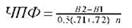
Photosynthetic potential of plants is the sum of daily leaf area indices of a crop stand over the growing season or a part thereof, expressed in m2·days/ha.
Often, there is a need to determine the intensity of the photosynthetic apparatus directed not just toward biomass, but toward the formation of economically valuable plant Organs, such as seeds, tubers, bulbs, root crops, etc. For this purpose, The concepts of biological and economic yield are used.
Biological yield is the sum of all daily increments over the growing season. The size of the leaf surface of crops is expressed using
Economic yield represents only a certain portion of the biological yield, and the coefficient of economic utilization varies significantly among different crops. For instance, in cereals, the grain is the most valuable part; in potatoes, it is the tubers; and in many other plants, it is the root crops. Therefore, the economically valuable yield is determined by taking into account the coefficient of economic utilization (Kecon).
Leaf Area Index (LAI) is The ratio of the total leaf surface area to the soil area occupied by the crop. In wheat, for example, this index is 7, meaning that for 1 hectare of crop, the leaf area is 70,000 m2.
10. Photosynthesis as the basis for agricultural plant productivity. Biological and economic yield.
Photosynthesis is the fundamental process for the formation of organic matter. Combined with the assimilation of soil mineral elements, it creates the material basis for determining the quantity and quality of crop yields. The decisive role of photosynthesis in yield formation is evidenced by the fact that organic matter accounts for an average of 95 percent of the dry mass of plant tissues. The entire energy reserve of a plant is concentrated within the molecules of these organic substances.
However, with modern cultivation technologies, agricultural crops utilize only a small fraction of solar energy to produce relatively high yields: spring wheat – 3.26%; potatoes – 3.02%; sugar beets – 2.12%.
Managing and regulating photosynthetic processes is one of the most effective ways to control plant productivity. At the same time, it is necessary to consider that the overall productivity of a plant organism depends not only on the intensity of photosynthesis but also on the balance between assimilation and dissimilation, the efficiency of utilizing the organic substances produced during photosynthesis, and the specific plant needs for which these substances are primarily used.
Donor-acceptor relationships play a major role in the balance between GROWTH AND DEVELOPMENT processes and in the formation of economically valuable plant productivity.
Photosynthetic organs of plants must provide organic substances not only for their own needs but also for the formation of other organs. Hormones, particularly Abscisic acid, play a significant role in regulating the distribution of assimilates.
Thus, by understanding the potential capabilities and patterns of photosynthetic systems at all Levels of organization (from Reaction Centers and chloroplasts to phytocenoses) and coordinating them with other vital plant functions (Energy Metabolism, growth, morphogenesis), it is possible to create production systems that function with minimal required expenditure of substrates and energy. In doing so, one must also account for the dependence of photosynthesis on processes of growth, development, respiration, water regime, and mineral nutrition.
Last update: 07/08/2026
Editorial and Educational Adaptation: This material has been compiled based on the primary/original source text. The project team performed an editorial review, corrected technical inaccuracies, structured sections, and adapted the content for an educational format.
What was processed:
- elimination of formatting defects (OCR errors, structural breaks, corrupted characters);
- editorial organization of content;
- standardization of terminology in accordance with academic sources;
- verification of factual statements against the original source text.
All mentions of the author, publication year, and origin of the primary text have been preserved in accordance with the source.