General Biotechnology: Lecture Course. Part II - Blinov, V. A. 2004
Biotechnology in the Food Industry
♦ General Concepts of food technology.
♦ Industrial processes involving Enzymes. Sweeteners as sugar substitutes.
♦ Biotechnological processes in the dairy industry.
♦ Biotechnological processes in the meat industry.
General concepts of food technology. Food production is humanity's oldest activity. For a long time, food production relied primarily on energy-yielding fractions, while the most valuable part of food—Proteins—was typically discarded as waste. As a result, the Biological value of these wastes often exceeded that of the target product. Examples include buttermilk and whey as by-products of butter, cottage cheese, and cheese manufacturing. It has been shown that about half of all produced animal protein is not used for human consumption. Significant quantities of high-value nutritional waste are also generated during the Processing of grain, oilseeds, and ROOT crops. All of these are cycled back into the food chain by being fed to livestock, resulting in massive losses.
To supply humanity with traditional food, grain production needs to be increased by 65–70 million tons per year. This is unrealistic, given the ongoing reduction in productive land area and the decline in its fertility. Furthermore, traditional production Methods are insufficient to meet the demand for high-value and scarce animal proteins. Obtaining protein involves long trophic food chains with multiple consumption levels, leading to massive energy losses: solar radiant energy → green plants; plant biomass → heterotrophic organisms; farm animals → humans. Calculations show that livestock production loses at least 60% of feed protein, and for the most expensive product—beef steaks—losses reach 95%.
It is well known that traditional food production has certain inherent features and contradictions that further hinder efficiency improvements. These include the mismatch between the seasonal nature of production and the continuous nature of consumption; between non-standard raw material quality and standard production conditions; between processing and marketing; and between planning or objective needs and unstable production volumes, among others.
Improving food production efficiency is achieved through crop breeding and advanced agronomic practices. For instance, production volumes tripled between the 1950s and 1980s (the "green revolution" of the 1970s). Today, the main focus is on legume production, which, due to its high content of complete proteins, successfully competes with meat and dairy. Another trend in the intensification of food production involves obtaining products with enhanced biological value. This is achieved by supplementing protein-deficient foods with complete proteins or Essential Amino Acids.
These approaches laid the groundwork for The Development of modern food technology, which relies on the comprehensive processing of raw Materials and the utilization of all their components. Raw material resources for modern food technology can be divided into three main groups. First is the output of traditional technology, along with its waste and by-products. Second is primary photosynthetic production—plant biomass not traditionally used for food (grass, straw, etc.). Third is microbial biomass and other products of microbial Biosynthesis. Strategically, this latter group is considered the most promising.
Industrial processes involving enzymes. Industry utilizes about 20 enzymes, medicine uses 22, and analytical research employs about 19. The industrial production of enzymes is steadily expanding. Currently, about 80% of the global enzyme market is accounted for by just 15 enzymes, with 8 of them used in immobilized form.
Industrially produced enzymes include amylase, glucoamylase, protease, pectinase, invertase, catalase, penicillinase, streptokinase, cellulase, dextrinase, and others. Amylases and proteases are used in the textile, baking, and leather industries. Pectinase is utilized in juice production and winemaking. Pectinolytic enzymes are applied for tissue maceration during processing and for the refinement of plant raw materials (e.g., flax fiber). Alkaline proteases work effectively as ingredients in detergents. Microbial rennet is used in the cheese-making industry.
The Role of microbial enzymes in medicine is continually growing. Applications include urokinase, streptokinase, asparaginase, Trypsin, and others. Dextrinase, along with lytic enzymes, is used as an ingredient in toothpastes for dental caries Prevention and holds potential for the sugar industry. Enzymes are also widely used for determining various Blood metabolites.
Immobilized enzymes and Cells are widely used for The production of foodstuffs and pharmaceutical preparations. Currently, immobilized enzymes (IEs) are employed in several large-scale industrial processes.
Production of high-fructose corn syrup (fructose syrup). Fructose naturally occurs in apples, tomatoes, and honey. It is 60–70% sweeter than sucrose, which means its consumption—and consequently the caloric intake of food—is reduced. The METABOLISM of fructose is independent of Insulin, making it highly recommended for diabetic patients. Fructose is less cariogenic (less likely to cause dental decay) and, when mixed with glucose, does not crystallize, allowing this blend to be utilized in the manufacture of ice cream and confectionery.
The production of fructose syrup consists of two main stages: first, the production of glucose syrup from starch (typically corn starch), followed by glucose isomerization. To obtain glucose syrup, starch slurry is mixed with a-amylase and stirred vigorously in a Reactor for approximately 30 minutes. The starch is broken down into smaller fragments, namely dextrins and maltose. Bacterial a-amylase is preferred over fungal a-amylase due to its superior thermostability. The Enzyme Concentration ranges from 0.04 to 0.1%. Subsequently, maltose and dextrins are hydrolyzed into glucose using glucoamylase. If the process is carried out in batch mode using free enzymes, the reaction takes 3–4 days at 55–60 °C. The enzyme is then thermally inactivated and adsorbed onto charcoal or ion-exchange columns for reuse.
The final stage of fructose syrup production involves the isomerization of glucose in an immobilized system using glucose isomerase. DEAE-Cellulose or polyacrylamide gel (PAAG) can serve as the support matrix. The glucose solution is passed through a bed of IEs, yielding a mixture of fructose and glucose at the reactor outlet. Following isomerization, the product is treated with activated carbon for decolorization, purified of impurities using ion-exchange columns, and subsequently concentrated by evaporation to a solids content of 71%. The resulting fructose syrup contains 50% glucose and 42% fructose.
Daily output rates of fructose syrup plants can reach up to 400 tons. From a single ton of IEs operating over a 100-day period, 4,000 tons of fructose are produced. The half-life of the enzyme is 20–50 days, which means the enzyme system must be replaced every 2–3 months. The USE OF IMMOBILIZED glucose isomerase has reduced enzyme consumption tenfold and labor costs threefold.
Typically, a batch process yields a fructose syrup containing 42% fructose. A continuous process was subsequently developed, enabling the production of syrups with 42% and 55% fructose concentrations. However, obtaining a syrup containing 55% fructose requires the chromatographic Separation of a fraction of the glucose. Although this increases production costs by 15–25%, it yields a product suitable for the manufacture of cola-type beverages. The production of fructose syrup is commonly practiced at integrated corn-processing plants.
Production of L-amino acids. The Synthesis of the eight essential amino acids (Lysine, leucine, isoleucine, Threonine, valine, Tryptophan, phenylalanine, and Methionine) is of significant practical importance for dietary formulation, as well as for therapeutic and prophylactic purposes. This constitutes a large-scale sector of the chemical industry.
However, chemical synthesis yields a racemic mixture of D- and L-amino acids. Human and Animal diets require exclusively L-amino acids. The resolution of this racemic mixture is achieved using immobilized aminoacylase. This enzyme specifically hydrolyzes the acyl group of the L-isomer, cleaving off the bulky acyl moiety. This results in a sharp increase in the solubility of the L-amino acid compared to the acyl-D-isomer, thereby facilitating the separation of the L-isomer. The remaining D-amino acid is racemized upon heating, regenerating a mixture of L- and D-amino acids. The cycle is repeated, achieving a virtually complete Conversion of the racemate into the L-amino acid.
Various types of bioreactors are employed when working with IEs, including those with mechanical agitators, single- and multi-stage systems, tubular columns, fixed-bed biocatalyst reactors, and fluidized-bed bioreactors. Filters, centrifuges, and other separation units are used to separate suspended particles containing the enzyme from the substrate flow.
Consider the following example: in Japan, the production of L-methionine from a chemically synthesized racemate of acetyl-D,L-methionine utilizes immobilized aminoacylase derived from Aspergillus oryzae. The enzyme is immobilized on DEAE-Sephadex A-25 and packed in a Column bioreactor. The racemate solution is pumped through the column and concentrated in a vacuum evaporator; L-methionine is subsequently crystallized and separated from the liquid fraction. The remaining acetyl-D-methionine is directed to a reactor for acid-catalyzed racemization and then recycled by combining it with the chemically synthesized racemate.
This column operated continuously for 90 days, yielding 15.39 kg of L-methionine with a 90% yield. In comparison, batch cultivation using the native enzyme produced only 1.48 kg of L-methionine over the same period. The Use of IEs reduced the production costs of the L-amino acid by 40%.
The production of L-aspartic acid is a multi-tonnage industrial process. This amino acid is widely used in the food industry, where, alongside Glycine, it imparts sour and sweet flavor notes to confectionery and beverages. The one-step production of L-aspartic acid from fumaric acid and ammonia is accomplished using immobilized cells of E. coli or Pseudomonas aeruginosa possessing aspartase activity. Aspartase catalyzes The addition of ammonia to fumaric acid. Aspartase immobilized in a gel matrix showed a half-life of 1 month, whereas Cell immobilization extended this to 4 months.
The biotransformation technology of fumaric acid proceeds through the following sequence:
♦ cell cultivation via submerged Fermentation and their recovery by centrifugation;
♦ immobilization of biocatalyst cells in gel beads measuring 2-3 mm;
♦ continuous biotransformation of ammonium fumarate in a packed-bed reactor with the catalyst to yield a Z-aspartic acid solution;
♦ crystallization, centrifugation, and washing of the crystals.
The productivity of the L-aspartic acid biotransformation system is 1,700 kg per 1 m3 of bioreactor volume.
Batch fermentations are used to produce other L-amino acids, such as glutamic acid, phenylalanine, lysine, tryptophan, etc. Cultivation relies on mutant strains whose metabolism regarding the target product has been thoroughly investigated. For instance, phenylalanine—the raw material for the food sweetener aspartame—is produced using a Tyrosine- and methionine-deficient mutant of Brevibacterium lactofermentum. In the batch fermentation process, the product concentration has been successfully increased to 24.8 g/L.
Production of L-malic acid. It serves as an excellent substitute for citric acid in foods and Pharmaceuticals. Chemical synthesis yields a racemic mixture of D,L-malic acid. Consequently, the L-isomer of malic acid began to be produced from fumaric acid using immobilized fumarase. The enzyme catalyzes the addition of a Water molecule across the double bond of fumaric acid to form L-malic acid. While the half-life of the native enzyme was 6 days, after immobilization in polyacrylamide gel (PAAG) it increased to 55 days, and in carrageenan gel to 160 days.
Production of lactose-free milk. A significant portion of the population cannot consume whole milk due to a high intolerance to milk sugar. In the intestines of such individuals, lactose is not hydrolyzed but undergoes fermentation, leading to flatulence, severe pain, and diarrhea. Furthermore, lactose has low sweetness and low water solubility, and it forms small crystals in ice cream and confectionery products, impairing their quality. Therefore, producing lactose-free milk is a crucial task for the food industry. This is achieved using immobilized lactase (β-galactosidase), which is stable and retains 80% of its initial activity even after 50 days of operation. In Milan, Italy, up to 10 tons of lactose-free milk are produced daily.
Production of 6-aminopenicillanic acid (6-APA). This compound is a key intermediate in the synthesis of numerous Antibiotics. 6-APA is typically obtained from benzylpenicillin through chemical acylation; however, this is a rather complex Procedure. Currently, The conversion of benzylpenicillin into 6-APA is carried out using Bacillus megatherium, which produces penicillin amidase extracellularly, or E. coli, which produces the enzyme intracellularly.
Penicillin amidase immobilized on bentonite loses 50% of its activity over 15 cycles. The conversion of benzylpenicillin to 6-APA is performed at a Substrate Concentration of 100-300 mM with a conversion rate of 0.95-0.99. The optimal pH is 7.8-8.0, and the Temperature is 35-40 °C. The biotransformation reaction is inhibited more strongly by the product than by the substrate. The enzyme can also be immobilized in cellulose triacetate fibers.
Sweeteners as sugar substitutes. Excess CARBOHYDRATES are harmful to the body. Two approaches are known for reducing the excessive caloric content of food without diminishing human cravings for sweets:
♦ replacing sucrose with sweeter sugars, such as fructose;
♦ the use of artificial sweeteners.
There are several approaches to achieving the first option: producing sweet fructose syrups from starch, hydrolyzing sucrose into glucose and fructose, and inverting sucrose under the action of Yeast invertase.
Inversion is carried out using an immobilized enzyme at a temperature of 70 °C, yielding a 70–75% invert syrup solution. To obtain glucose and fructose from sucrose, immobilized Yeasts with invertase activity are also employed. In this case, the carrier is a gel-like substrate that maintains a solid consistency at 75 °C. The initial sucrose concentration is 70%, the biocatalyst concentration is 100 g/L, the inversion temperature is 75 °C, and its duration is 3 h. Invert sugar is widely used in the food industry. The biological agents used for inversion are S. cerevisiae and S. kluyveromyces.
As sweeteners (the second approach), biotechnology recommends utilizing A number of high-efficiency products. For instance, the Gene determining the synthesis of the ultra-sweet protein thaumatin was isolated from the flowering plant Thaumatococcus daniellii (Sudan) and cloned into E. coli. Similarly, the gene for the sweet protein stevioside was transferred from the South American plant Stevia rebaudiana into E. coli. Currently, many sugar substitute sweeteners are produced through Introduction/32.html">Genetic Engineering or by combining microbial synthesis with the chemical transformation of microbial metabolites.
Sweetness relative to sucrose:
sorbitol |
- 0,5 |
acesulfame K |
-150,0 |
mannitol |
- 0,7 |
stevioside |
- 150,0 |
xylitol |
- 1,0 |
aspartame |
- 200,0 |
cyclamate |
- 50,0 |
saccharin |
- 300,0 |
glycerol |
- 100,0 |
thaumatin |
- 3000,0 |
Patients with Diabetes Mellitus make extensive use of the sweet dipeptide aspartame in their diet. Its molecule consists of Two amino acids: phenylalanine and aspartic acid. These Amino acids are produced microbiologically, and aspartame is synthesized from them using enzymatic methods.
A new Class of sweeteners has been developed based on fructose. Known as fructooligosaccharides, they consist of 2.5 fructose residues. They are non-digestible in The Human Body, harmless, and possess a sweet taste. Fructooligosaccharides are produced by microorganisms of the genera Aspergillus, Fusarium, and Aureobasidium. When cells of Aureobasidium pullulans are immobilized in a calcium alginate gel (2%), such a biotechnological system operates stably for 60 days at 50 °C, a pH of 5.5, and a dilution rate of 0.05 h-1. The sucrose concentration in the medium is 77%, and the yield of fructooligosaccharides reaches 55%. A semi-continuous sucrose conversion process with substrate replacement every 20 hours is also frequently employed.
Biotechnological processes in the dairy industry. Milk is a highly nutritious food product containing about 600 various easily digestible compounds. Enzymes are an important component of milk, with more than 20 having been isolated. Some of these enzymes are synthesized directly in the secretory Cells of the mammary gland (lactase, alkaline phosphatase, xanthine oxidase, Lysozyme), while others enter the milk from the animal's bloodstream (catalase, proteinase, Ribonuclease, aldolase). In addition to these enzymes, milk contains enzymes synthesized by the milk microflora and bacterial starter cultures. Finally, specific enzyme preparations are intentionally added to milk during the manufacture of various dairy products (rennet, Pepsin, β-galactosidase).
The enzymes found in milk and dairy products are of significant practical importance. For instance, enzymes belonging to the classes of Hydrolases, oxidoreductases, and transferases are utilized in the production of fermented dairy products and cheeses. At the same time, numerous lipolytic and Proteolytic Enzymes can cause spoilage and a reduction in the Nutritional Value of dairy products during their production and storage. The activity of certain enzymes is used as an indicator to assess the Sanitary and hygienic condition of milk as well as the efficiency of its pasteurization.
Fermented dairy products hold a special place in Human Nutrition. Almost every culture has at least one traditional food prepared through fermentation: matzoon in Armenia, kefir in Bulgaria, Roquefort-type cheeses in France, and rye bread and prostokvasha (sour milk) in Russia.
Fermentation forms the basis for preparing a range of dairy products. However, the fermentation of milk sugar can also cause product spoilage, leading to excessive acidity,
Swelling of cottage cheese, sour cream, cheese, and other items. Several Types of fermentation are known; up to The formation of pyruvic acid, they all follow the same pathway. The End products of fermentation can include lactic, propionic, acetic, and butyric acids, alcohol, and Other Compounds.
Lactic acid fermentation, caused by lactic acid Bacteria, is the primary process in the production of starter cultures, cheese, and Fermented milk products. It proceeds According to the following scheme:

It has been established that Homofermentative lactic acid bacteria produce mainly lactic acid (over 90%). Heterofermentative bacteria convert about 50% of glucose into lactic acid, while the remaining amount is turned into ethanol, acetate, and carbon dioxide. They utilize the Pentose Phosphate Pathway for glucose breakdown because they lack aldolase, the enzyme that splits fructose-1,6-diphosphate into two triose molecules.
In yeasts and certain Molds, Alcoholic Fermentation occurs under anaerobic conditions:
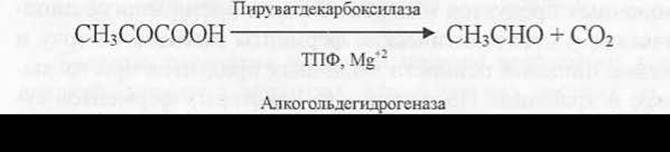
In minor quantities, yeasts produce other alcohols such as isobutyl alcohol, propyl alcohol, and glycerol, as well as acetic, propionic, and succinic acids, acetoin, and diacetyl. Alcoholic fermentation takes place during the production of kefir, koumiss, kurunga, and other fermented milk beverages.
Propionic Acid Fermentation is driven by propionic acid bacteria. These bacteria convert glucose into propionic and acetic acids:
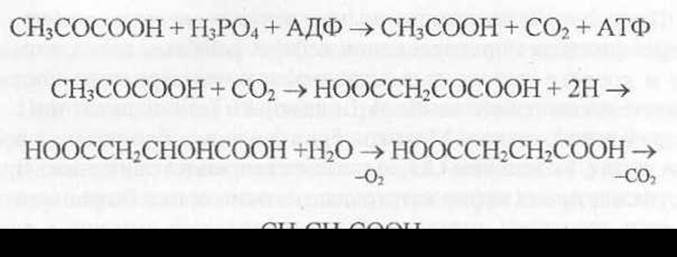
Propionic acid fermentation plays a crucial role in the ripening process of hard cheeses.
In Butyric acid fermentation, the end products are butyric acid, acetic acid, СО2, and hydrogen:

This type of fermentation is undesirable as it contributes to off-flavors and off-odors in fermented dairy products and causes cheese blowing or swelling.
Fermented milk products, owing to the lactic acid bacteria Lactobacillus acidophilus, normalize the activity of the intestinal microflora and prevent the proliferation of foreign microbes.
There are numerous technologies for producing fermented milk products. For instance, the production of acidophilus milk involves pure cultures of L. acidophilus. Milk is sterilized for 15 min at 120 °C or 30 min at 110 °C, inoculated with a pure starter culture, and incubated for 20–48 h at 35–37 °C until the desired acidity is reached. The count of viable bacteria in 1 ml of acidophilus milk must be at least 200 million, and the lactic acid content should range from 0.65 to 0.75%. During fermentation, acidophilic bacteria synthesize organic acids by assimilating glucose, galactose, lactose, and other sugars.
Kefir is a widely popular fermented milk product. In ancient times, mare's, goat's, ewe's, and cow's milk were inoculated with "kefir grains" to produce it. These grains represent a symbiotic association of L. casei, S. kefir, and certain streptococci species. Milk was fermented in animal Skin pouches, and the release of СО2 made the beverage effervescent. Nowadays, kefir is primarily manufactured from cow's milk.
Yogurt features a mixed microflora, though dominated by the Bulgarian bacillus L. bulgaricus, which ferments glucose, galactose, and lactose. Koumiss is obtained from mare's milk using L. casei, streptococci, and yeasts that ferment lactose.
Based on The Nature of lactose fermentation, fermented dairy products are divided into two groups. The first group includes sour milk (prostokvasha), acidophilus milk, yogurt, curd (tvorog), and sour cream; their production is based on lactic acid fermentation. The second group comprises products with combined lactic acid and alcoholic fermentation (kefir, koumiss, kurunga). The technology for manufacturing these products varies in production temperature, milk coagulation method, and proteolysis intensity. Proteolysis is more active during the production of kefir, koumiss, and kurunga.
The core processes in manufacturing fermented milk products include lactic acid and alcoholic fermentation, casein coagulation, and gelation. These processes shape the texture, flavor, and aroma of the products. Casein coagulation occurs under The Influence of lactic acid (acid coagulation of milk proteins), while in curd production it is driven by lactate and rennet. The Mechanism of acid coagulation of milk proteins is as follows:
♦ lactate reduces the negative charge of casein micelles, leading to a drop in pH to 4.6–4.7. At the isoelectric point (pI), protein macromolecules lose their solubility and stability, leading to aggregation;
♦ lactate disrupts The Structure of the calcium caseinate-phosphate complex (calcium and calcium phosphate pass into the milk plasma) and causes casein micelles to disperse.
As the milk pH gradually decreases, casein particles form water-insoluble aggregates and strands. Subsequently, a unified spatial network of the milk curd is formed, trapping the dispersion medium containing fat globules and other milk constituents within its meshes. Gelation then takes place, representing the reversible transition of a sol into a gel. The properties of protein curds (viscosity, firmness, elasticity, resilience, brittleness, and whey-separating capacity) depend on the CHARACTERISTICS OF THE milk and bacterial starters, thermal and mechanical processing regimes, as well as the method and duration of protein coagulation, among other factors.
It has been established that the quality development of fermented milk products depends on the accumulation levels of lactate, ethanol, СО2, Aromatic Compounds, soluble nitrogen forms, Vitamins, antibiotics, and other compounds. For example, prostokvasha, acidophilus milk, and yogurt contain no alcohol, whereas koumiss made from mare's milk may contain up to 2% alcohol. Aromatic compounds in fermented dairy products include volatile acids, acetaldehyde, diacetyl, acetone, etc.
Cheese making. Cheese is produced from curd obtained after the coagulation of casein from whole or skimmed milk. Casein coagulation is triggered by microbial enzymes, lactic acid, or rennet. Coagulation is brought about by St. lactis, St. cremoris, St. diacetilactis, and others. Depending on the cheesemaking technology, the whey is completely or partially separated from the curd using a filter press. The curd is inoculated with cultures according to the specific variety of cheese being produced. During ripening, the Chemical Composition and Physical Properties of the curd change significantly. For instance, the sharp flavor of Roquefort cheese is associated with the action of lipase, which breaks down milk fats to yield Fatty acids such as caproic, caprylic, capric, and others.
Cheese ripening lasts from several weeks to several months (Cheddar cheese ripens for 8 months). During the first weeks of ripening, the microorganism count within the cheese mass increases, reaching several hundred million per 1 gram of cheese. Afterward, the Number of viable bacteria and yeasts declines. Cheese must be ripened at lower temperatures; for Roquefort cheese, for example, it must not exceed 9 °C.
Currently, more than 500 cheese varieties are manufactured using rennet (rennin, chymosin). It effectively precipitates casein and breaks down milk proteins into water-soluble components. Rennet can be obtained not only from the abomasum of calves but also from microorganisms of the genera Mucor pusillus and Mucor miehei; however, the proteolytic activity of the microbial enzyme turns out to be quite high, which impairs cheese quality. Today, approximately 10% of the rennet used is of microbial origin.
Milk sugar. The production of 1 ton of cheese generates 9 tons of whey and buttermilk. Each ton of whey contains about 5 kg of high-quality protein, B-complex vitamins, amino acids, and all essential minerals. The special value of whey is attributed to its lactose content. One ton of liquid whey, curd whey, or cheese whey contains about 50 kg of milk sugar—a valuable raw material for the food and microbiological industries.
Biotechnological methods for processing whey are based on either lactose fermentation or its oxidation. Lactose fermentation yields several products:
♦ Lactate. It is used as an acidulant in the production of jams, jellies, confectionery, liqueurs, syrups, and vegetable preserves. Lactate is also used to adjust the pH of beer wort in the leather and textile industries, in medicine, and for the production of detergents and natural fabric finishes. The producers utilized for fermenting whey lactose include L. bulgaricus, L. acidophilus, L. casei, and St. lactis;
♦ Glucose and galactose, produced via the biohydrolysis of lactose using immobilized lactase (ß-galactosidase). The milk sugar conversion rate is 80%;
♦ Whey proteins and a small amount of bacterial cells, forming a valuable protein concentrate used as animal feed;
♦ Ethanol. The production of ethanol through the fermentation of carbohydrates, including lactose, has been known for a long time. Ethanol is widely used as a fuel, a solvent for paints, resins, Essential Oils, fats, and Waxes, as well as for everyday needs in medicine, veterinary science, chemical laboratories, etc.
The second pathway for lactose utilization is oxidation, which is mainly used to produce biomass of yeasts and lactic acid bacteria. This biomass is subsequently used as animal feed, in feed products such as Promix and Provilact, and for the production of dry whole milk substitutes, vitamins, enzymes, organic acids, microbial fat, etc.
Biotechnological processing of whey pursues the following objectives:
♦ Increasing the nominal value of whey by converting it into higher-value products;
♦ Maximizing the utilization of all milk constituents. Discarding whey results in the loss of up to 50% of milk solids;
♦ Environmental protection through the Implementation of zero-waste technologies or a drastic reduction of BOD in dairy processing wastewater.
Biotechnological processes in the meat industry. Several main directions can be identified here.
1. Application of food additives, which are divided into the following groups:
♦ Flavor and aroma enhancers for meat products (glutamic acid and monosodium glutamate);
♦ Color-intensifying and color-stabilizing agents (ascorbic acid, isoascorbic acid, sodium ascorbate, and sodium isoascorbate);
♦ Agents that increase the water-holding capacity of minced meat: Muscle protein Hydration enhancers (sodium salts of phosphoric acids), and moisture-binding and retaining agents in the product (flour and starch);
♦ Partial meat substitutes (skim milk, casein, caseinate, cheese, blood, hide, Lips, tendons).
Some of these food additives are obtained biotechnologically, or biotechnological processes are employed for their production. For example, casein and caseinate, which represent wet defatted protein, are obtained from skim milk (separator skim) via precipitation with lactic acid streptococci.
2. Processing of non-edible meat production waste:
♦ Production of dry animal feeds and technical fats, including meat-and-bone meal, meat meal, blood meal, and bone meal. These represent concentrated protein feeds that are highly stable during storage and easy to transport;
♦ Keratin-containing raw materials (horns, hooves, bristles, feathers, etc.). Various types of Hydrolysis yield amino acids, a feed Supplement for calves, keratin adhesive, organomineral fertilizers, and binding agents for foundry cores and molds.
3. Production of enzymatic preparations. Deoxyribonuclease, Chymotrypsin, trypsin, ribonuclease, and pancreatin are obtained from the Pancreas.
Below is the technological flowchart for obtaining pancreatin. The pancreas is defrosted, minced, mixed with twice its volume of acetone, and left for 24 hours with occasional stirring. This cycle is repeated 3–4 times; then the minced mass is pressed, spread onto trays or frames, and dried at 35–40 °C for 6–8 hours. The dry product is ground in ball mills into a fine powder, sieved, and its activity is determined. Afterward, the powder is mixed with a filler—powdered sugar or lactose. The resulting preparation is a fine, grayish-yellow powder whose active principles are pancreatic enzymes. Pancreatin is sparingly soluble in water and insoluble in alcohol; its moisture content is 4.5% when powdered sugar is used and 7% when lactose is used. The fat content must not exceed 2%. The product is stored in tightly closed containers in a dry, cool place. The shelf life is 2 years.
The mucous membrane of the abomasum of cattle, dairy calves, lambs, and pig stomachs yields: food-grade pepsin, medical pepsin, acid pepsin, gastric juice, and rennet;
Enzyme preparations such as ronidase, lidase, and others are obtained from bull testicles and find wide application in medicine and veterinary practice.
Last update: 06/08/2026
Editorial and Educational Adaptation: This material has been compiled based on the primary/original source text. The project team performed an editorial review, corrected technical inaccuracies, structured sections, and adapted the content for an educational format.
What was processed:
- elimination of formatting defects (OCR errors, structural breaks, corrupted characters);
- editorial organization of content;
- standardization of terminology in accordance with academic sources;
- verification of factual statements against the original source text.
All mentions of the author, publication year, and origin of the primary text have been preserved in accordance with the source.