MICROBIOLOGY - M.H. Serhiichuk - 2008
Chapter 1. THE DISCOVERY OF MICROORGANISMS AND THE DEVELOPMENT OF MICROBIOLOGICAL SCIENCE
Even in the earliest stages of civilization—long before the microscopic world was discovered—humanity was already familiar with certain processes caused by The activity of microorganisms. Surviving written records indicate that Methods FOR PRODUCING alcoholic beverages (such as grape wine) existed even in those distant times. Records concerning milk souring and bread making are equally ancient; these processes are also rooted in microbial activity. The books of Moses mention a pestle-like epidemic and provide instructions on preventing the further spread of infection (such as burning corpses and clothing). Plagues are described in Homer’s Iliad as well as in the works of Herodotus and Thucydides. Thus, from antiquity, humans both utilized microorganisms and suffered from pathogenic species.
For many centuries, humans could not determine the causes of these phenomena because they were unable to see objects whose dimensions lie beyond the resolving power of the naked eye. It is known that a person with normal Vision can distinguish objects larger than 100 µm at an optimal viewing distance (25-30 cm).
Attempts to overcome nature's barrier and enhance human visual capabilities began long ago. This is evidenced, in particular, by the biconvex lenses made of polished rock crystal that were discovered during archaeological excavations in Ancient Babylon.
Later on, the ability of convex Glass to magnify objects was applied in the invention of the first eyeglasses, constructed in 1285 by the Italian Salvino degli Armati. In the 16th century, Leonardo da Vinci and Maurolico demonstrated that small objects are better examined using a magnifying glass. Around the same time (in 1590), Dutch opticians Zacharias and Hans Janssen mounted two convex lenses inside a single tube, thereby demonstrating that the magnification of one convex lens could be amplified by another. Their optical device provided a 3- to 10-fold magnification and was aimed not at exploring the microworld (of which no one yet knew), but at observing celestial bodies. The renowned astronomer, physicist, and philosopher Galileo Galilei arranged the telescope lenses differently and used the device to examine small objects. In 1609, he demonstrated his device, named the "occhiolino," at the Accademia dei Lincei.
The term "Microscope" was coined in 1646 by the German scholar Athanasius Kircher (1601-1680). A professor at the Collegium Romanum and the author of astrological works, he was the first to attempt peering into living matter using an optical device he constructed himself. Examining the pus and Blood of Syphilis patients, as well as decaying meat, sour milk, vinegar, and other substrates, he discovered "living little worms." However, it remains unknown whether these were actually microorganisms or merely insect larvae, as Kircher believed that all of them developed from lifeless organic Materials through spontaneous generation.
The refinement of the microscope enabled the English scientist Robert Hooke (1635-1703) to delve deeper into the secrets of nature. A physicist by training and an inventor by nature, he constructed a microscope consisting of two biconvex lenses and used it for fine scientific research for the first time (Fig. 1.1). While studying plant Structure, Hooke observed regularly shaped compartments in wood tissue and named them Cells (1665).
Class="center">
Fig. 1.1. Microscopes of R. Hooke (1) and A. van Leeuwenhoek (2): a — object side; b — eyepiece side
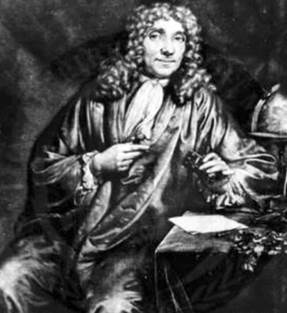
Antie van Leeuwenhoek
Antonie van Leeuwenhoek (1632-1723) was the first person not only to see microorganisms but also to describe them in detail. He spent his youth in Amsterdam engaged in the textile trade, yet he felt a strong pull toward science. At Amsterdam's lens-grinding factories, Leeuwenhoek learned the art of glass polishing and achieved remarkable success in it. Crafting lenses with 150- to 300-fold magnification, he became the first to observe and meticulously draw A number of Protozoa, spermatozoa, Bacteria, erythrocytes, and their movement within capillaries. Without any knowledge of modern staining techniques, he described virtually all the morphological groups of bacteria known to us today (rods, cocci, filamentous, star-shaped, and spiral forms).
Leeuwenhoek began publishing his research findings in the form of letters to the Royal Society of London, the premier scientific society of Great Britain founded in 1660. In total, he wrote 170 letters. His first letter, sent to the Royal Society in 1673, was devoted to the description of Molds (Fig. 1.2).

Fig. 1.2. Drawing of molds made by A. van Leeuwenhoek (1673) in a letter to the Royal Society of London
On October 9, 1676, in Letter No. 17 to the Royal Society of London, he provided both an illustration and a description of bacteria (Fig. 1.3). In this letter, Leeuwenhoek wrote: "On April 24, 1676, I looked at Water under a microscope and, with great astonishment, saw a vast number of tiny animals in it. Some were three to four times longer than they were wide, though they were no thicker than the hairs covering a louse's body. Others possessed a regular oval shape. There was also a third type of Organism—the most numerous—consisting of tiny creatures with tails."

Fig. 1.3. Drawing of bacteria by A. van Leeuwenhoek
Leeuwenhoek believed that the objects he discovered were animals, which is why he called them "animalcules." He published his observations in a separate book titled Arcana naturae detecta ab Antonio van Leeuwenhoek (*Secrets of Nature Discovered by Antonie van Leeuwenhoek*), which appeared in print in 1695. Leeuwenhoek's discoveries were so fantastical that over the next 50 years they provoked widespread wonder and enthusiasm, giving a powerful impetus to The Study of the microworld.
One of the earliest native experimental biologists was Martyn Matviyovych Terehovsky (1740-1810). He was born in the town of Hadiach near Poltava. He received his education at the Kyiv Academy, where students studied not only theology but also ancient and Western languages, Russian rhetoric, history, geography, architecture, and the fundamentals of medicine. Many academy graduates continued their studies at other institutions to qualify as engineers, military officers, or physicians. Terehovsky became a student at the St. Petersburg General (Educational) Land Hospital, which trained physicians. In 1770, he petitioned Catherine II, expressing his desire to travel abroad for advanced medical studies in order to subsequently benefit his homeland. Having obtained permission, Terehovsky went to Strasbourg, where in 1775 he published his doctoral dissertation entitled "De chaos infusorio Linnaei" ("On Linnaeus's Infusorial Chaos"). In it, he expressed his views on living nature, highlighted the diverse nature of microbial vital activity, and opposed The Theory of spontaneous generation. In the second part of his dissertation, the scientist substantiated the animal nature of infusion animalcules. By varying experimental conditions, Terehovsky concluded that "when an infusion is kept at a moderate warmth for some time, certain molecules appear in it that move like tiny animals." Simultaneously, he pointed out that animalcules develop most rapidly at human body Temperature, whereas boiling has a lethal effect on them.
Mention should also be made of Danylo Samoilovych Samoilovych (1744-1805), who was the first to hypothesize the living Nature of the plague pathogen and organized effective measures to combat the disease during the 1770-1772 epidemic in Moscow. In 1792, he published the work "Kratkoye opisanie microscopicheskikh issledovaniy o sushchestve yada 'yazvennogo'" ("A Brief Description of Microscopic Studies on The Nature of 'Ulcer' Poison"). For his achievements in studying the plague, Samoilovych was elected a member of 12 foreign academies.
The insights expressed by Samoilovych regarding the causes of the plague played a significant role in the further development of theoretical and practical approaches to preventing this and other infectious diseases.

Edward Jenner
A true breakthrough in the fight against smallpox was marked by the Discovery of the English physician Edward Jenner (1749–1823), who proposed protecting healthy people from smallpox by vaccination using material from infected cows. In his medical practice, Jenner noticed that milkmaids who contracted cowpox from infected cattle experienced a mild form of the disease and were thereafter permanently immune to smallpox. This inspired him to perform a bold experiment. On May 14, 1796, Jenner introduced fluid from a pustule of a young milkmaid, who had previously contracted cowpox from an infected cow, into a scratch on the left arm of an eight-year-old boy. Typical pustules appeared at the vaccination site, leaving two small scars after two weeks. To determine whether the boy's body had become resistant to smallpox, Jenner inoculated him a month and a half later with highly infectious material from the smallpox pustule of a severely ill person. Several weeks passed, but the boy did not fall ill. Nor did he suffer during an epidemic that soon broke out in the area. Over the next two years, Jenner performed dozens of vaccinations with consistent success. Thus vaccination was born (from Latin vacca – cow). He subsequently analyzed and verified everything thoroughly, finally summarizing the results of his research in a paper presented to the Royal Society of London; however, the "learned men" did not consider the country doctor's report worthy of attention. Only later was Jenner recognized as the founder of smallpox vaccination. It should be noted, however, that Jenner's discovery was purely empirical in nature, and its underlying mechanism remained unclear until the works of L. Pasteur.
Thus, from the time microorganisms were discovered and for almost the next 200 years, all researchers studied exclusively their Morphology. Yet, regardless of the progress made in studying microbial morphology, the role these tiny creatures play in nature remained a mystery. Bacteriologists studied only the external appearance of MICROORGANISMS AND THE features of their structure, ignoring the chemical processes associated with their vital activity and, consequently, the role they play in the environment and within ourselves. This one-sided focus of research during this initial, morphological period of microbiology deprived it of internal substance, and for a long time it remained trapped within this vicious circle.

Edward Jenner administering the smallpox vaccine to an eight-year-old boy
In the words of the French microbiologist Pierre Émile Duclaux, "phenomena of Fermentation are as old as the hills." The term "fermentation" was coined by the Dutch naturalist Jan Baptist van Helmont (1579–1644) to describe processes accompanied by gas evolution. He noticed the similarity between the gas released during the fermentation of grape juice and the gas produced by burning coal. On this basis, he hypothesized that these chemical transformations shared the same nature. Later, fermentation was singled out from the group of processes accompanied by gas production. Initially, the term "ferment" was used to denote the driving force of fermentation. The German chemist and physician Georg Ernst Stahl (1659–1734) expressed the view that fermentation and putrefaction are purely chemical processes occurring under METABOLISM/18.html">The Influence of "ferment" molecules, which transmit their inherent internal active motion to the molecules of the substance undergoing fermentation, thereby acting as reaction catalysts.
One of the first conjectures concerning The connection between the "animalcules" discovered by A. van Leeuwenhoek and the phenomena of fermentation and putrefaction belongs to the French naturalist Georges-Louis Leclerc, Comte de Buffon (1707–1788). Quite close to understanding this issue came the French chemist
Antoine-Laurent Lavoisier (1743–1794). However, his ideas regarding the biological nature of the fermentation "ferment" did not gain recognition.
The person who laid the foundations of modern microbiology through his work was the prominent French scientist Louis Pasteur (1822–1895). He was the first to prove that microorganisms differ from one another not only in appearance but also in specific metabolic features. From this time onward, a new stage in the study of microorganisms began—the physiological stage. Therefore, while A. van Leeuwenhoek is considered the founder of micrography, L. Pasteur is the founder of modern microbiology.

Louis Pasteur
By training, L. Pasteur was a chemist, and he began his scientific work by studying the crystal Asymmetry of tartrate salts. He established that the recrystallization of salts of optically inactive tartaric acid yields Two Types of crystals. A solution prepared from crystals of one type rotates the plane of polarized light to the right, whereas a solution prepared from crystals of the second type rotates it to the left. Later, he noticed that a fungus grown in a solution of racemic tartaric acid assimilates only one of its isomeric forms—the dextrorotatory one. This allowed Pasteur to draw a Conclusion about the specific action of microorganisms on substrates and served as the theoretical basis for the further study of microbial physiology.
In 1854, L. Pasteur assumed THE POSITION OF professor at the University of Lille, where he began his microbiological research. The catalyst for this was an appeal from Lille manufacturers asking for help in determining the causes of systematic failures in the fermentation of beet juice for alcohol production. The initial research results, published in 1857, proved that Alcoholic Fermentation is caused by the activity of microorganisms (Yeast) and occurs under anaerobic conditions. Almost simultaneously with his study of alcoholic fermentation, Pasteur began investigating Lactic acid fermentation and showed that this process is also the result of microbial activity.
Later, while studying the causative agents of Butyric acid fermentation, L. Pasteur established that air is toxic to these microorganisms and that they can live only in the absence of oxygen. Thus obligate anaerobes were discovered.
Pasteur's discovery of oxygen-free life provoked a wave of protest from other scientists, since it was then believed that oxygen was the "vital gas" without which the existence of living organisms was impossible.
L. Pasteur devoted almost 20 years to the study of fermentation problems. In 1876, he published Studies on Beer, Its Diseases, Their Causes, and Means of Making It Stable, with an Appendix on a New Theory of Fermentation. In this work, he generalized several principles regarding fermentation processes: any fermentation is accompanied by microbial activity; each type of fermentation is caused by a specific group of microorganisms; fermentation is life without oxygen.
Subsequently, while studying acetic acid fermentation, L. Pasteur observed a specific type of organic matter transformation by microorganisms, which was termed oxidative fermentation. Pasteur's research had both scientific and practical significance. For instance, on the topics of fermentation industries (winemaking, brewing, and vinegar production), he published three monographs containing valuable recommendations for improving their production technologies. The scientist also proved that diseases of wine and beer are likewise caused by microorganisms.
The sterilization methods developed by L. Pasteur had a profound impact on the subsequent development of medicine, particularly surgery. Based on his research, the English surgeon J. Lister (1827–1912) proposed the antiseptic method, which later evolved into the aseptic method and revolutionized surgery by making it genuinely possible to prevent the infection of postoperative wounds. To sterilize fermentation products (beer, wine) and later milk, Pasteur proposed a milder sterilization method, which was subsequently named pasteurization in his honor.
The problem of THE ORIGIN OF life on Earth has concerned naturalists across many generations. Through well-designed, rigorously tested, and fundamentally very simple experiments, Pasteur refuted the assertion that living organisms could spontaneously generate from lifeless organic materials.
The next phase of L. Pasteur's research was dedicated to studying the causative agents of human diseases. An unsurpassed master of experimentation endowed with scientific intuition, Pasteur began investigating bacteria isolated by Adolf Arnold Polender, Casimir Davaine, and Friedrich August Brauell from animals sick with anthrax, and proved through experimental infection that these very bacteria were the causative agents of the disease. He found a way to combat anthrax: preventative vaccination. Earlier, while experimenting with the CAUSATIVE AGENT OF chicken cholera, the scientist noticed that administering an attenuated culture of the pathogen made the organism immune to the disease. He applied this same principle to the Prevention of anthrax in animals. Pasteur cultivated the anthrax pathogen at elevated temperatures (42–43 0C), which reduced its virulence (attenuation). Vaccination with such an attenuated culture conferred durable Immunity to the animals.
The protective effect of immunity was demonstrated on a farm. A herd of 60 sheep and 10 cows was divided into two groups. The animals in the first group were vaccinated, while those in the second (control) group were not; then, live Cells of the anthrax pathogen were administered to all the animals. The result was striking: within a few days, the control animals died, while the vaccinated ones survived.
Later, L. Pasteur isolated staphylococci from patients with furunculosis and Osteomyelitis, concluding that the same microorganism can cause both diseases despite their different clinical courses. Investigating the blood of postpartum women suffering from puerperal fever, the scientist isolated streptococci, which proved to be the causative agents of that condition. Pasteur's reports on the nature of these diseases initially met with distrust; however, THE CONCEPT OF the microbial nature of infectious diseases steadily gained supporters and became the foundation for developing preventive and therapeutic measures.
The pinnacle of L. Pasteur's scientific career was his research on rabies. At the Cytology/cytology/16.html">Early stages of this investigation, serious problems arose because it was neither possible to isolate the rabies pathogen in pure culture on artificial media nor to view the object under a microscope. Therefore, as material for vaccine preparation, Pasteur used the brains of rabbits previously infected with Brain tissue extract from a rabid dog. Through repeated passages through rabbit brains, he obtained material with stable characteristics, from which he subsequently produced anti-rabies (Latin rabies – rabies) Vaccines. Experiments on the prevention of rabies in dogs using vaccines prepared in this manner yielded excellent results.
The idea of protecting people from contagious diseases was not new, but it was destined only for L. Pasteur to bring it to life. When his work became widely known, people bitten by rabid dogs began coming to the scientist. For a long time, he hesitated to perform preventative vaccination on a human, well aware that the slightest failure could nullify all his achievements. Yet still, he
vaccinated a child bitten by a rabid dog, as this was the only chance to save the child from inevitable death.
L. Pasteur's scientific work was highly praised by his compatriots and recognized by scientists worldwide. In 1862, he became a member of the Paris Academy of Sciences; in 1873, of the French Academy of Medicine; and in 1881, he was elected to the most prestigious French Academy—the association of prominent figures in French national culture, science, and politics.
L. Pasteur conducted his research in a small attic laboratory at the École Normale Supérieure in Paris. Writing about this in 1871, he noted that his laboratory was miserable and his ambitions were vast, yet the space lacked adequate lighting, air, and room to work.
In 1888, funds raised through an international subscription led to the ESTABLISHMENT OF THE Pasteur Institute, which remains a leading center for microbiological research to this day.
As microbiology has evolved, specialists have come to appreciate the profound significance of Pasteur's work ever more deeply. It often seems that there is no branch of modern bacteriology, no major question, that this genius did not ponder. To grasp the titanic scale of L. Pasteur's scientific endeavors, it is enough to read the concise inscription on the plaque mounted on the facade of the building that once housed his laboratory: "Pasteur's laboratory was here":
- 1857 – fermentation;
- 1860 – spontaneous generation;
- 1865 – diseases of beer and wine;
- 1868 – silkworm diseases;
- 1881 – infection and vaccination.
One of the founding figures of medical microbiology is the German microbiologist Robert Koch (1843–1910). His work focused on studying the causative agents of infectious diseases and developing methods to combat them. The scientist began his research by investigating anthrax while working as an ordinary sanitary doctor in the small town of Wolstein. Lacking a proper laboratory, Koch conducted his experiments right in his own apartment. Through a series of meticulously designed experiments involving the infection of mice with cultures isolated from sick animals, he proved the etiological role of Microorganisms in the development of anthrax. Koch was the first to isolate a pure culture of the anthrax pathogen – Bacillus anthracis – and in 1877 he published the results of his research into its biology.

Robert Koch
Later, the scientist turned his attention to another widespread disease: tuberculosis. In 1882, he announced the discovery of the tuberculosis pathogen, which was named "Koch's bacillus" in his honor. In 1905, R. Koch was awarded the Nobel Prize for his series of studies on the biology of the tuberculosis bacterium. He also discovered the cholera pathogen in 1883.
Following this, the discovery of infectious disease agents proceeded in rapid succession. This progress was facilitated by the criteria previously formulated in general terms by Friedrich Gustav Jakob Henle (1809–1885) and experimentally substantiated by R. Koch, which a microorganism must meet to be recognized as the cause of a specific disease. Known as the "Henle–Koch postulates," these requirements are as follows:
- the suspected causative agent must be consistently present in sick individuals;
- the microorganism must be isolated in pure culture;
- upon inoculation into animals, the microorganism must induce a disease whose clinical course is analogous to that of the corresponding human disease.
Meanwhile, it became clear that infectious agents in many cases do not conform to the principles of the "classical" triad. Pathogenic microorganisms were frequently found in healthy individuals and in those who had recovered from an infection. Furthermore, inoculating animals did not always trigger a pathological process matching the human disease, nor was it always possible to cultivate pathogenic microorganisms on artificial nutrient media.
R. Koch devoted considerable attention to developing Research Methods. He was the first to design a microscope illumination apparatus, develop a technique for bacterial microphotography, create Methods for Staining bacterial cells with aniline Dyes, and introduce the cultivation of bacteria on solid nutrient media. Obtaining pure cultures of microorganisms opened up entirely new approaches for studying their properties and provided a major catalyst for the accelerated development of microbiology.
Of global significance to medical microbiology was the research of our compatriot Ilya Ilyich Mechnikov (1845–1916). He was born in the village of Ivanivka in the Kupiansk uyezd of the Kharkiv Governorate. In childhood, he displayed immense curiosity and a profound love of nature, striving to understand and explain every natural process he observed. His keen observation, diligence, and natural talent allowed this capable young man to graduate from the Kharkiv Classical Gymnasium with a gold medal in just six years (1862) and immediately enter the Natural Sciences Department of the Physics and Mathematics Faculty at Kharkiv University without examinations. Even while still at the gymnasium, he regularly attended lectures by the university's professors, far surpassing his peers in knowledge. Consequently, at his own request, Mechnikov was formally withdrawn from the university roll, completing his studies two years later as an external student.

Ilya Mechnikov
In 1869, I. Mechnikov was offered an associate professorship at St. Petersburg University, but due to a lack of research facilities, he moved to Novorossiysk University (now Odessa University), which at the time boasted a very strong professorial and teaching staff. However, in 1873 Mechnikov's wife died, plunging him into a personal and creative crisis that was compounded by the university administration's intolerance toward progressive professors. Eventually, he moved to the estate of his late father-in-law in the Kyiv region (the village of Popivka in the Cherkasy uyezd of the Kyiv Governorate). There, observing how grain beetles were destroying cereal crops and finding pests killed by an unknown disease, Mechnikov isolated a microscopic fungus from them and successfully used it to combat the very same pest. This marked the birth of a new approach to pest control in agriculture: the biological method of plant protection.
In 1886, I. Mechnikov was appointed director of the first Pasteur station in Russia (and the second in the world) in Odessa, where pressing scientific and practical problems were addressed: administering rabies vaccinations, producing anthrax vaccine, and developing biological methods to control hamsters and susliks using fowl cholera bacteria. However, the scientist directed most of his energy toward investigating immunity, which drew Complaints from those responsible for funding. As a result, Mechnikov resigned from the station and moved permanently to Paris, where he worked at the Pasteur Institute from 1888 to 1905. The French microbiologist Pierre Paul Émile Roux, who also worked at the Pasteur Institute, aptly called Mechnikov the "poet of microbiology." Like a true poet continually discovering new shades of meaning, Mechnikov was in a state of constant scientific pursuit. One of Mechnikov's greatest achievements was the creation of the theory of immunity. The fact that The Human Body can become resistant to reinfection after recovering from an infectious disease had been known since ancient times. Yet The Essence of this phenomenon remained a mystery, even after preventive vaccinations against smallpox, chicken cholera, rabies, and anthrax had been discovered and put into practice. Mechnikov was among the first to establish that the body's defense against pathogens is a complex biological reaction driven by phagocytosis. In 1892, the scientist published his lectures "On the Comparative Pathology of Inflammation," followed in 1901 by his classic monograph "Immunity in Infectious Diseases," which became a bedside book for microbiologists and physicians alike. In this work, he systematically presented the results of his research on inflammatory processes, the body's defense reactions, and The Role of phagocytosis in overcoming inflammation, thereby substantiating the phagocytic theory of immunity.
Simultaneously with Mechnikov, the mechanisms of Resistance to Infectious diseases were studied by the German researcher Paul Ehrlich (1854–1915), who developed the theory of humoral immunity. This theory sparked a prolonged debate that divided the scientific community into two camps: supporters of Ehrlich and his opponents led by Mechnikov.
This polemic stimulated a surge of research into immunology and yielded major practical results: more Modern Methods of laboratory Diagnosis for infectious diseases were developed, and vaccines against typhoid fever, cholera, plague, and several other diseases were successfully produced. Thanks to this broad debate and numerous studies, it was ultimately established that an organism's resistance to infectious diseases depends on both cellular and humoral factors. In 1908, Mechnikov, together with Ehrlich, was awarded the Nobel Prize for The Development of the theory of immunity.
I. Mechnikov also studied the biology of the cholera causative agent and cholera-like vibrios, led an expedition to cholera-affected European countries, proved the possibility of infecting chimpanzees with syphilis and proposed a Treatment for this disease using calomel ointment, and investigated the causes of Aging.
In 1905, Mechnikov began studying the microflora of the human gastrointestinal tract, putting forward the idea of microbial antagonism and the utilization of specific bacteria to combat pathogenic microflora. He attached particular importance to lactic acid bacteria as beneficial antagonistic microbes for humans. He proposed using a mixture of various cultures of these bacteria as a milk starter to counteract putrefactive processes in the intestine. Using these starters, therapeutic products such as lactobacillin (or yogurt), kefir, and "Mechnikov's sour milk" are still produced today. All of these preparations were multicomponent in terms of the species of microorganisms they contained. This principle is still employed today in the creation of live-bacteria-based therapeutic agents now known as Probiotics.
A major contribution to the further development of microbiology was made by the Dutch botanist and microbiologist Martinus Willem Beijerinck (1851–1931) and the Russian microbiologist Sergei Nikolayevich Winogradsky (1856–1953). Both of them worked persistently and fruitfully for many years across various fields of microbiology.

Sergei Winogradsky
It is worth noting that while Russia considers S. Winogradsky a Russian scientist and France regards him as French, he was born on September 1, 1856, in Kyiv, where he spent his youth. After graduating with a gold medal from the Second Kyiv Gymnasium in 1873, he did not immediately settle on his life's path. Initially, he entered the Faculty of Law at Kyiv University, then transferred to the Faculty of Physics and Mathematics, which he subsequently left for the St. Petersburg Conservatory. Later, Winogradsky finally settled on the Faculty of Natural Sciences at St. Petersburg University, graduating brilliantly in 1881. As proof of the high regard for Winogradsky's abilities as a graduate, he was awarded his first academic degree and offered a position at the university's Department of Plant Physiology.
Sergei Nikolayevich was undeniably a generously gifted individual, and in any of those diverse disciplines he chose, he could have become a prominent figure, but he ultimately preferred the profession of microbiology. Winogradsky was the first to understand The role of microorganisms in nature while simultaneously establishing their physiological diversity. He believed that the involvement of bacteria in specific processes could only be determined by taking their physiology and ecology into account. Therefore, isolating bacteria in each individual case required nutrients that matched their physiological properties. Building upon the ideas of the scientific schools of L. Pasteur and R. Koch, he avoided absolute and blind imitation of their methodology.
Between 1887 and 1893, The Use of selective culture media led to the discovery of sulfur-, iron-, and nitrifying bacteria. All of S. Winogradsky's experiments pointed to a previously unknown fact: the utilization by bacteria of the energy derived from The oxidation of Reduced Inorganic Compounds to assimilate inorganic carbon (CO2). Carbon from Organic compounds proved not only inaccessible to these bacteria but actually toxic. This came as a complete surprise.
After analyzing the obtained data, the scientist concluded that In addition to phototrophic bacteria, which use light as an energy source, there exist chemotrophic microorganisms that utilize energy obtained from the oxidation of inorganic compounds. Thus, S. Winogradsky discovered autotrophic chemosynthesizing microorganisms, which he termed "anorgoxidants." Prior to his work, it was known that sulfur bacteria accumulate sulfur and are capable of reducing sulfates, and it was also assumed that they oxidize hydrogen sulfide. However, the discovery of Chemosynthesis and the elucidation of sulfur's role in the life of bacteria are entirely Winogradsky's achievements.
The discovery of autotrophy in microorganisms marked a breakthrough not only for microbiology, but for biology as a whole. It is no coincidence that following these studies, Pasteur twice invited S. Winogradsky to collaborate at his institute; however, Winogradsky chose to HEAD the Department of General Microbiology at the newly established Imperial Institute of Experimental Medicine in St. Petersburg, where he worked from 1893 to 1905 (serving as the institute's director from 1902 to 1905). During his time at the institute, Winogradsky made a new discovery: in 1893, he was the first to isolate from soil bacteria capable of independently fixing atmospheric nitrogen. These anaerobes were named *Clostridium pasteurianum*. The discovery of anaerobic Nitrogen Fixation was facilitated by the same factors that had previously led the scientist to discover chemosynthesis, namely the use of selective culture media.
S. Winogradsky studied the ecology and physiology of soil microorganisms for over 60 years and is rightfully considered the founder of soil microbiology.
The microecological principle was successfully developed by Beijerinck and used to isolate various physiological groups of microorganisms. The Scope of this scientist's research interests was very broad, but he paid the greatest attention to studying molecular nitrogen fixers. Thus, in 1888, Beijerinck isolated ROOT nodule bacteria in pure culture as symbiotic nitrogen fixers, and in 1901, the free-living aerobic nitrogen fixer *Azotobacter chroococcum*. He authored works on the physiology of nodule bacteria, denitrification and sulfate-reduction processes, as well as the Enzymes of various microbial groups.
S. Winogradsky and M. Beijerinck are considered the founders of the ecological-physiological approach in the development of microbiology, which is associated with studying the role of microorganisms in natural environments and their Participation in the cycling of matter in nature. In recognition of Winogradsky's discovery of autotrophic bacteria, the University of Kharkiv awarded him the academic degree of Doctor of Science in 1892 without an official dissertation defense. Following his discovery of anaerobic nitrogen fixers, the St. Petersburg Academy of Sciences elected him a corresponding member in 1893, and in 1923 the Russian Academy of Sciences named him an honorary academician. From 1902, S. Winogradsky was a corresponding member of the French Academy of Sciences and a fellow of the Royal Society of London.

Martinus Beijerinck
S. Winogradsky mentored many researchers who subsequently became prominent scientists. Among them, the Russian microbiologist Vasily Leonidovich Omeliansky (1867–1928) deserves special mention. He was born in Poltava. He received his education at a classical gymnasium in Zhytomyr and later continued his studies at St. Petersburg University in the Department of Natural Sciences of the Faculty of Physics and Mathematics.

Vasily Omeliansky
His main scientific works are devoted to elucidating the role of microorganisms in the cycling of matter in nature and the anaerobic decomposition of Cellulose. He was the first to point out the possibility of using bacteria as biological indicators. V. Omeliansky was recognized as an exceptional educator and science popularizer. He prepared for publication the textbook "Fundamentals of Microbiology" (1909), which went through 10 editions; published guidelines for Practical Classes in microbiology (1922); and authored the monograph "The Binding of Atmospheric Nitrogen by Soil Microbes" (1923).
The works of Danylo Kyrylovych Zabolotny (1866–1929) were of great importance for the development of medical microbiology. While still students at the Medical Faculty of St. Volodymyr University of Kyiv, Zabolotny and his classmate Ivan Hryhorovych Savchenko performed a daring experiment on themselves: they took an anti-cholera vaccine and then ingested a live virulent culture of the cholera vibrio (no disease developed). In doing so, they proved the feasibility of preventive vaccinations against cholera using killed vibrios administered orally.
In 1898, D. Zabolotny was elected head of Russia's first Department of Bacteriology at the Women's Medical Institute (later the First
Leningrad Medical Institute), which he led for nearly 30 years. Danylo Kyrylovych is well known for his studies on the plague pathogen, to combat epidemics of which he mobilized not only his colleagues but also students in India, Mongolia, Manchuria, and the Middle East. The results of these studies were summarized in the book *Pulmonary Plague in Manchuria in 1910–1911* (1915). In 1910, he organized the efforts to combat the cholera epidemic in St. Petersburg.
D. Zabolotny is one of the founders of Epidemiology in Russia. He organized Russia's first Department of Epidemiology at the Military Medical Academy, and subsequently a course in epidemiology became mandatory in all higher medical educational institutions.
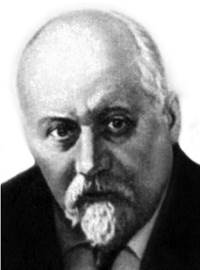
Danylo Zabolotny
In 1928–1929, D. Zabolotny served as the President of the All-Ukrainian Academy of Sciences (VUAN). Around the same time, upon his initiative, the Institute of Microbiology and Virology was established, which proudly bears his name today.
Since 1968, the National Academy of Sciences of Ukraine has annually awarded the D.K. Zabolotny Prize for outstanding achievements in microbiology, virology, epidemiology, and zoology, which a scientist can receive only once in a lifetime. The first (1968) recipient of this award was the prominent Ukrainian microbiologist and Academician of the NAS of Ukraine, Viktor Hryhorovych Drobotko, for his series of works titled "Phytoncides: Antibiotic Substances from Higher Plants."
For the first time, a course of lectures on microbiology at Kyiv University
of St. Volodymyr was delivered in 1909 at the Natural Sciences Department of the Faculty of Physics and Mathematics. Several of these lectures were given by the outstanding Ukrainian scientist Mykola Hryhorovych Kholodny (1882–1953), who was subsequently invited to teach the full microbiology course. To prepare for this, Kholodny traveled to St. Petersburg in April 1912 to work in the Laboratory of General Microbiology at the Institute of Experimental Medicine, headed by V. Omelyansky. In the autumn of 1912, he returned to Kyiv University, where he pursued teaching and research for nearly 40 years. In 1919, Kholodny earned his Master's degree in Botany after defending his thesis titled "The Influence of Metal Ions on Irritability Processes in Plants," and in 1926, he was awarded the degree of Doctor of Botany honoris causa for his monograph "Iron Bacteria," published in German (1925).
In 1953, this monograph was translated into Russian. In the Preface, the renowned Russian microbiologist Aleksandr Aleksandrovich Imshенеtskiй wrote: "Everything in it is flawless: the critical Analysis of the problem, the style of presentation, and the author's own photomicrographs." Research on iron bacteria remains relevant today, as it has evolved into work on preventing the corrosion of metal structures, which proved crucial during the construction of the Kyiv Metro. Specifically, thionic bacteria create a highly acidic (aggressive) environment (0.1 N solution) in which fastening bolts designed to last 100 years were rapidly "eaten away" and rendered useless.
In 1933, the Department of Microbiology was established at Kyiv University, and M. Kholodny was appointed as its head.

Mykola Kholodny
M. Kholodny worked fruitfully in various fields: studying iron bacteria, addressing issues in soil microbiology, and investigating the assimilation of volatile organic compounds from soil and air by microorganisms, among other topics.
A significant contribution to the development of microbiology was made by Professor and Corresponding Member of the NAS of Ukraine, Lev Yosypovych Rubenchyk (1896–1988). Lev Yosypovych was born in Odesa, where he graduated from the Institute of Public Education in 1922. Even during his student years, he was fascinated by microbiology. He initially worked as a laboratory assistant at the Odesa Provincial Health Department, then as an assistant at the Institute of Public Education, and from 1927 as a professor. In 1931, Rubenchyk defended his doctoral dissertation, and in 1932, he was elected Head of the Department of Microbiology at Odesa University.

Lev Rubenchyk
From 1941 to 1968, L. Rubenchyk headed the Department of General and Soil Microbiology at the Institute of Microbiology and Virology of the NAS of Ukraine. In his early works, the scientist devoted considerable attention to biological wastewater treatment. He was the first to demonstrate that microbial activity in the soil of sewage farms does not cease even at temperatures below 0 0C. Later, his research expanded into the intersection of general, aquatic, and geological microbiology, bearing significant scientific and practical value. Studying the cycling of matter in saline lakes, he determined the specific physiological features of various microorganism groups thriving under high hydrostatic pressure and salinity. Uncovering The Nature and genesis of therapeutic mud found at the bottom of Odesa estuaries enabled him to develop the theoretical foundations and technological framework for the artificial synthesis of this biogenic sediment. Rubenchyk's works on the geochemical activity of sulfur cycle bacteria are widely known, particularly sulfate-reducing bacteria as the primary agents of hydrogen sulfide formation in seas, mineral springs, oilfield formation waters, and soils. One of these bacteria was named Vibrio rubentschikii.
A series of the scientist's studies focused on the role of sulfur cycle bacteria in the corrosion of concrete and metals. These findings were summarized in numerous papers and monographs ("Sulfate-Reducing Bacteria," 1947; "Microorganisms and Microbial Processes in Saline Water Bodies of the Ukrainian SSR," 1948; "Microorganisms as a Factor in Concrete and Metal Corrosion," 1950).
While working in the Department of General and Soil Microbiology, the scientist and his colleagues spent many years investigating the interactions between soil microorganisms and higher plants. Special attention was paid to free-living and symbiotic nitrogen-fixing microorganisms. Several isolated and studied strains of nitrogen fixers were successfully utilized in The production of bacterial fertilizers. These studies culminated in the monograph "Azotobacter and Its Application in Agriculture" (1960).
Years of research laid a solid foundation for using microorganisms as biological indicators to address various issues in soil science, industry, medicine, geology, and oceanology. These works were summarized in the book "Microorganisms as Biological Indicators" (1973), which was awarded the D. Zabolotny Prize.
Thus, by the late 19th century, microbiology had emerged as an independent science with its own theoretical framework and research methods. Driven by the advent of new investigative techniques, the first half of the 20th century was marked by the discovery of a vast diversity of forms, structures, and metabolic types—representing the sheer variety of life forms among newly discovered microorganisms.
In the second half of the 20th century, Professor and Head of the Department of Microbiology at Kyiv University, Mykhailo Mykolaiovych Rotmistrov, noted that among nature's most astonishing mysteries is the grand scale of certain phenomena, particularly the disproportion between the microscopic size of microbes and the massive geological processes they drive. It has been proven that The formation of soil, petroleum,
coal, and mineral deposits is closely linked to the activity of various microbial groups. Furthermore, microorganisms form the foundation of the entire pyramid of life, at the apex of which stands humanity. The contemporary Russian microbiologist Georgy Alexandrovich Zavarzin wrote: "...microorganisms can exist without higher organisms. The reverse is evidently untrue: higher organisms could not exist on Earth without bacteria, as biogeochemical cycles would be irreversibly disrupted."
In the 1930s, M. Beijerinck's student Albert Jan Kluyver and his scientific school, through studies of phylogenetically and physiologically diverse groups of microorganisms, demonstrated that the extraordinary variety of life types is unified by common biochemical processes—or, in other words, the biochemical unity of life. This is manifested in the structural uniformity of essential substances (Proteins, Lipids, CARBOHYDRATES, and Nucleic Acids) as well as energy and anabolic processes in microorganisms, plants, and animals.
In the 1940s, genetic research on bacteria began. The Mechanisms of Genetic information transfer were described, and it was proven that DNA serves as the hereditary material. Later, researchers established the fundamental unity in the Organization of genetic material, The Genetic Code, and information transfer mechanisms across bacteria, plants, and animals. Advances in eukaryotic and prokaryotic biochemistry revealed common biological features uniting the entire organic world. Building on molecular biology breakthroughs, significant progress was also achieved in microbial Taxonomy. The microbial world was divided into eukaryotes and prokaryotes, which differ in size, physicochemical structure, and the organization of their genomes and cells. Cyanobacteria—microscopic Algae lacking a true Nucleus but containing chlorophyll and performing oxygenic Photosynthesis—along with bacteria, which possess neither a true nucleus nor chlorophyll, were classified into independent prokaryotic groups. It was discovered that methanogenic, halophilic, and thermophilic bacteria differ in certain traits from other bacteria. At the suggestion of C. Woese (1974), they were named Archaebacteria.
In the second half of the 20th century, biology was enriched by remarkable discoveries: the physicochemical structure of hereditary material was established along with its universality across all living nature, the genetic code was deciphered, and its universality alongside the fundamental similarity of Cell/24.html">DNA Replication Mechanisms was proven.
Most molecular biology data were obtained using bacteria. This drove the convergence of molecular biology with Molecular Genetics, biochemistry, virology, and immunology. It became clear that the concepts and methods of general biology could be fully applied to microbiology.
Microbiology achieved significant success in studying the submicroscopic structure of microbial cells, the physicochemical composition of microbial substances, the role of microorganisms in biogeochemical cycles, the Mechanisms of microbial evolution and adaptation, as well as metabolic and biosynthetic processes. Microbial taxonomy now incorporates molecular biology methods, paving the way toward a robust phylogenetic Classification of Bacteria. Furthermore, techniques for the continuous CULTIVATION OF MICROORGANISMS have been successfully developed for both laboratory and industrial Applications.
Last update: 13/08/2026
Editorial and Educational Adaptation: This material has been compiled based on the primary/original source text. The project team performed an editorial review, corrected technical inaccuracies, structured sections, and adapted the content for an educational format.
What was processed:
- elimination of formatting defects (OCR errors, structural breaks, corrupted characters);
- editorial organization of content;
- standardization of terminology in accordance with academic sources;
- verification of factual statements against the original source text.
All mentions of the author, publication year, and origin of the primary text have been preserved in accordance with the source.