Vertebrate Zoology - V. M. Konstantinov 2011
Chordates
Terrestrial, or Tetrapod, Vertebrates — Vertebrates with Amniotic Membranes
Class Mammals, or Beasts — Subclass Theria — Suborder Ruminants
The suborder Ruminantia includes the majority of artiodactyls (about 180 species) possessing a complex Stomach adapted for fermenting unchewed food and regurgitating it back into the Mouth for re-chewing. Canines are weakly developed or absent; the second and fifth digits are also poorly developed. These are slender, long-legged animals, and many species have horns.
Class="center">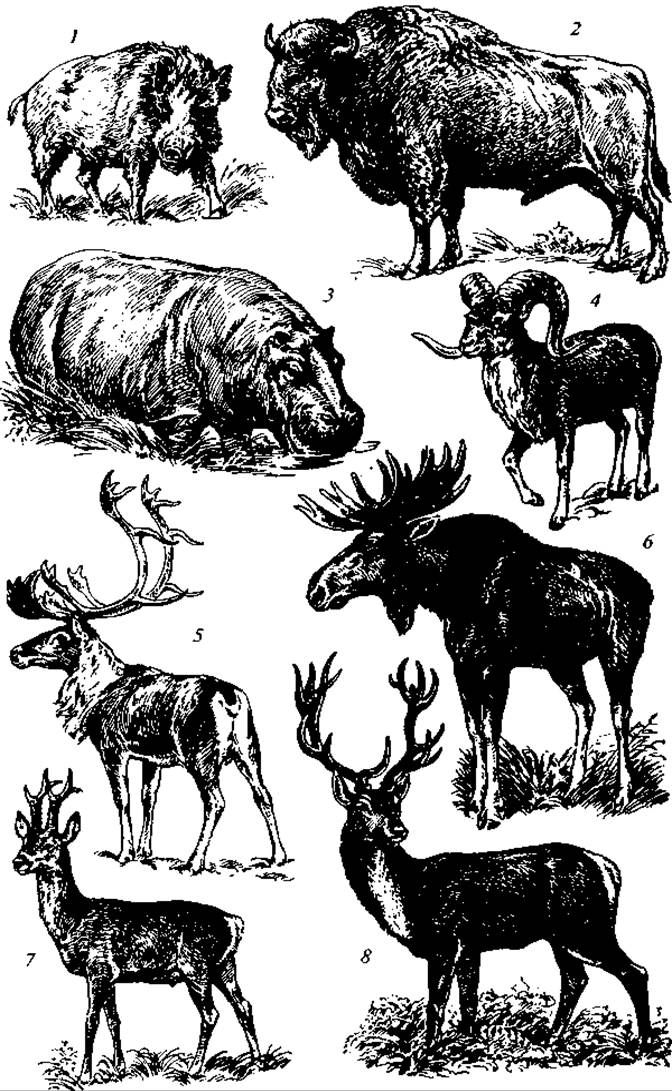
Fig. 206. Artiodactyls:
1 — wild boar; 2 — European bison; 3 — hippopotamus; 4 — argali sheep; 5 — reindeer; 6 — moose; 7 — roe deer; 8 — red deer
The family Cervidae (deer) comprises ungulates possessing branched bony antlers that develop from the cutis and are shed annually (see Figs. 205, 206). In all deer except the reindeer, antlers are present only in males. They are distributed worldwide, excluding Australia and tropical Africa. Six species inhabit the territory of Russia.
The reindeer (Rangifer tarandus) is characterized by the presence of antlers in both males and females (see Fig. 206). The young are not spotted. It is distributed throughout the tundra and most of the forest belt of Eurasia and North America. Domesticated reindeer are bred mainly in the tundra. The red deer (Cervus elaphus) is found in Western Europe, the Crimea, the Caucasus, the Tien Shan, and the mountains of Southern Siberia. It inhabits forests. The sika deer (C. nippon) retains its spotted coloration throughout life; it is found in the forests of the southern Far East. The young, undeveloped antlers of the latter two species (known as velvet antlers or pantocrine raw material) are used to manufacture valuable medicinal preparations (such as pantocrine). The largest deer species is the moose (Alces alces); its branched antlers are palmately expanded. It is distributed throughout the forest belt of Europe, Siberia, and North America. Unlike other deer, it does not form large herds. In winter, it feeds on the twigs of deciduous trees.
Experiments on the domestication of the moose are underway in Russia. The roe deer (Capreolus capreolus) is the smallest deer with sparsely branched antlers; it is found in the forest and forest-steppe zones of Europe and Southern Siberia, in the Crimea, the Caucasus, and the mountains of Central Asia.
All deer are game animals, and humans utilize their meat and hide. Reindeer have been domesticated and serve as a means of transport for the inhabitants of northern regions. Red deer are bred to obtain velvet antlers for the pharmaceutical industry.
The family Giraffidae inhabits only Africa and is characterized by a more or less elongated neck and forelimbs that are longer than the hindlimbs (see Fig. 205). They bear small Skin-covered bony ossicones on their heads. There are two species. One of these, the okapi (Okapia johnstoni), is an inhabitant of the forests of Central Africa; it is a relatively short-legged and short-necked animal. The giraffe (Giraffa camelopardalis) is distributed in the savannas of Central and Eastern Africa, featuring particularly long necks and legs. Both species feed on leaves of trees and shrubs, and less frequently on grass.
The family Moschidae (musk deer) includes a single species. Unlike true deer, they lack antlers. Males have strongly developed upper canines that project far downward from the mouth opening. They possess scent glands, the contents of which are used in the perfume industry. It is distributed in the mountainous regions of Southern and Eastern Siberia, the south of the Far East, and Central Asia.
Representatives of the family Bovidae possess true horns in the form of hollow sheaths sitting on bony cores of the frontal bones (see Fig. 205). These develop from the Malpighian layer of the epidermis, are unbranched, and are not shed. An exception is the American pronghorn (Antilocapra americana), in which the horns are forked and the horn layer is shed annually. Horns are typically characteristic of males. Canines are absent in the upper jaw. Wild species are distributed worldwide, except for Australia and South America. Many species have been domesticated and have given rise to breeds of domestic animals. The main groups of wild species are listed below.
Numerous antelopes are particularly diverse in Africa. The most common include the goitered gazelle (Gazella subgutturosa), distributed in the steppes and deserts of the Eastern Transcaucasus, Central Asia, and Kazakhstan; the saiga antelope (Saiga tatarica), found in the Caspian and Kazakh steppes; and the chamois (Rupicapra rupicapra), a forest antelope with hooks curving backward at the tips of its horns, which lives in the mountains of the Caucasus and the Carpathians (see Fig. 205).
Several species of wild goats and sheep are distributed in the mountains of the Caucasus, Central Asia, and Southern Siberia. Among the goats are the Caucasian turs (Capra caucasica, C. cylindricornis) and the Siberian ibex (C. sibirica), which inhabit high-altitude rocky landscapes. They graze in small herds of 20 to 30 individuals, and extensive pastures are not strictly necessary for them. Among wild sheep, mention should be made of the mouflon (Ovis ammon musimon), distributed in the Southern Transcaucasus and acclimatized in the Crimea. The very large argali sheep (O. ammon polii) lives in the mountains of Central Asia. Unlike goats, sheep—although mountain animals—avoid cliffs and stay in relatively flat areas, such as plateaus and foothills. They select vast open pastures and often graze in very large herds (a hundred or more individuals), especially in winter. These sheep species gave rise to breeds of domestic sheep.
Wild oxen nowadays are distributed mainly in South Asia and Africa. These include the Asian Water buffalo (Bubalus arnee) and African buffalo (B. caffer), as well as the Indian banteng (Bos javanicus) and gaur (B. gaurus). These are inhabitants of forests and large brush thickets. The distinctive shaggy yak (B. mutus) lives in Central Asia, and the bison (Bison bison) inhabits the North American prairies. One species of wild ox, the European bison or wisent (Bison bonasus), has survived in the Białowieża Forest.
Work is currently underway to restore this fascinating animal. It is being bred in the forests of the North Caucasus—where wisents previously lived in a natural state—and near Moscow (in the Serpukhov District). As recently as historical times, the giant aurochs (Bos primigenius) inhabited the steppes of Southern Russia, but it was hunted to extinction in the 17th century.
Most of the listed bovine species are also known in a domesticated state, such as the banteng, gayal, water buffalo, and yak. The aurochs was undoubtedly one of the ancestors of numerous breeds of domestic cattle.
ORIGIN AND EVOLUTION of Mammals
To elucidate THE ORIGIN OF mammals, it is necessary to look back at the early evolution of reptiles. One of the first lineages of ancient reptiles to diverge In the second half of the Paleozoic were the synapsids. They formed the basis for The Development of the subclass Mammal-like reptiles (Theromorpha). During the Permian period, the group Theriodontia formed among them. In terms of their level of Organization, they turned out to be the closest relatives to mammals. Their Teeth were set in sockets (alveoli), and many species possessed a secondary bony palate. The quadrate bone of the upper jaw and the articular bone of the lower jaw were greatly reduced, whereas the dentary bone of the lower jaw was strongly developed.
However, the environmental conditions of the Mesozoic era favored the diverse rise of reptiles with sauropsid traits (characteristics of true lizards), and the Mesozoic became the age of reptiles. The body size of the theriodonts decreased, their population numbers and distribution shrank, and they were forced to retreat from the planet's main stage into habitats with restricted living conditions. The realization of their evolutionary potential took place later, with the decline of reptilian dominance and Changes in the Earth's climate at the end of the Mesozoic.
The progressive evolution of mammals was primarily associated with the acquisition of such crucial adaptive traits as a high body Temperature, the capacity for thermoregulation, and a high aerobic metabolic rate. This was facilitated by changes in the respiratory and circulatory systems: morphologically, this was expressed in the division of The Heart into four chambers and the retention of a single aortic arch (which prevented the mixing of arterial and venous Blood), the appearance of a secondary bony palate (ensuring breathing while eating), and an increase in foraging efficiency that enabled accelerated food Digestion. The latter was made possible by changes in jaw Structure, dental differentiation, and the development of jaw musculature.
Such mammalian traits as a large brain and viviparity evolved considerably later.
The therapsid reptiles closest to mammals were the cynodonts (Cynodontia). The Features of Skeletal modifications among them are most clearly manifested in Thrinaxodon from the Early Triassic.

Fig. 207. Skull and teeth of a multituberculate (Ptilodus):
1 — skull; 2 — upper teeth; 3 — lower teeth; skull length is about 7.5 cm
In the subsequent evolution of mammals, paleontologists emphasize changes in the dental system. This led to the divergence of two groups: Morganucodontidae and Kuehneotheriidae.
The descendants of the first group, found in Upper Triassic deposits, include the peculiar Multituberculata, named for the numerous cusps on their molars (Fig. 207). These were specialized animals with highly developed incisors and no canines. They were small, about the size of a rat, with the largest reaching the size of a marmot. Multituberculates were specialized herbivores and cannot be considered the ancestors of later mammalian groups. One can only assume that their early forms gave rise to monotremes.
The second group proved more successful in subsequent adaptive radiation. Their main Lineage consisted of the Eupantotheria. These were likely tiny creatures that fed primarily on insects, perhaps other small animals, and reptile eggs. Biologically, they were somewhat similar to terrestrial and arboreal insectivores. Their brain was small, yet significantly larger than that of therapsid reptiles. By the end of the Mesozoic, this group began to split into two independent branches: Lower Mammals, or Marsupials (Metatheria, Marsupialia), and Higher Mammals, or Placentals (Eutheria).
Marsupials appear in the Cretaceous period. Their earliest fossils are found in Lower Cretaceous deposits of North and South America. In the Early Cenozoic, they penetrated into Europe. There are isolated Early Cenozoic finds in Asia and Africa. However, THE PLACE OF origin and migration routes of marsupials across the southern continents remain a subject of scientific debate.
The most ancient group of marsupials is the opossum family, the remains of which have been discovered in Early Cretaceous deposits of North America. Today, they are distributed in South and Central America and the southern regions of North America.
In South America, they were numerous during the Paleogene-Neogene. However, placental ungulates and carnivores were absent there at that time. After the Miocene, marsupials were largely displaced by placentals, leaving only a few specialized species. Marsupials were steadily crowded out everywhere by more highly organized placental mammals. As a result, they survived only in Australia, New Guinea, South America, partly in North America (one species), and on the island of Sulawesi (one species).
Their taxonomic range within the single order Marsupialia currently comprises 16 families.
Placental mammals also arose in the Cretaceous period and represent an independent branch of mammals, running somewhat parallel to marsupials. As recent studies have shown, they were already evolving in various directions during the Cretaceous. Throughout the Cenozoic, Eurasia and North America repeatedly came into contact, which influenced the development of various placental lineages. The Insectivora are considered the most ancient group of placentals. These primitive mammals have been found in the Upper Cretaceous of Mongolia. They were partly terrestrial, partly arboreal forms. They may have given rise to most of the Major Groups of subsequent placentals. Arboreal insectivores that adapted to flight gave rise to bats. The branch that adapted to predation gave rise to ancient primitive carnivores, the Creodonta. They were widely distributed for only a short time. Already by the late Oligocene, as the sluggish ungulates of the Paleogene-Neogene were replaced by more agile forms, creodonts were displaced by their descendants—more specialized carnivores. In the late Eocene to early Oligocene, the branch of aquatic mammals—pinnipeds—branched off from carnivores. By the Oligocene, ancestral groups of A number of modern carnivorous families (Viverridae, Mustelidae, Canidae, Felidae) already existed. Modern true seals are akin to mustelids, while walruses and eared seals are historically close to bears.
Ancient ungulates, or Condylarthra—small animals no larger than a dog—also originate from creodonts. They emerged in the Paleocene and were omnivorous. Their limbs were pentadactyl, with a somewhat strengthened third digit and shortened first and fifth digits. Condylarthrs did not last long; already in the early Eocene, two independent branches emerged from them: the orders Perissodactyla and Artiodactyla. Overall, the ungulate group is of a composite nature. Proboscideans emerge in the Eocene.
Perhaps directly from insectivores at the very beginning of the Paleogene-Neogene, a number of other orders arose. Examples include Edentata, Rodentia, and Primates.
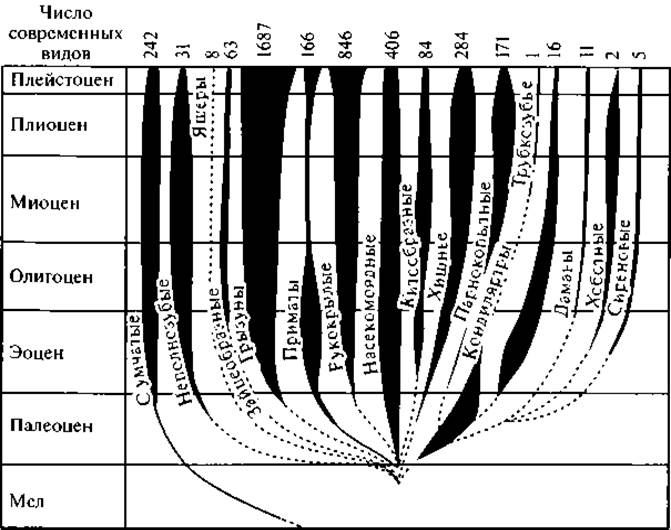
Fig. 208. Phylogeny of placental mammals
Fossil apes have been known since the Paleocene. Arboreal apes of the Lower Oligocene—Propliopithecus—gave rise to gibbons and to large Miocene forms from India, such as Ramapithecus, which are close to anthropoids. Of great interest are the australopithecines (Australopithecus) found in the Quaternary deposits of South Africa. However, the transition from the highest apes to humans represents a massive evolutionary leap, driven primarily by both natural factors and social forces.
To date, the view that the class Mammalia is of polyphyletic origin is gaining increasing recognition; that is, its individual branches arose from different groups of mammal-like reptiles. This is most accurate for monotremes, which originated, as mentioned earlier, from a group close to multituberculates. Alongside this, there is no doubt that marsupials and placentals, together with extinct pantotheres, form a natural group united by a common origin (Fig. 208).
Most specialists recognize the following Taxonomy of modern mammals:
Class Mammalia
Subclass Prototheria.
Order Monotremata.
Infraclass 1. Metatheria.
Order Marsupialia.
Infraclass 2. Eutheria (17–18 modern orders and 14 extinct orders).
Ecology of Mammals
Living conditions and general distribution. Direct proof of the biological progress of mammals is the breadth of their geographical and biotopical distribution. Mammals are found almost everywhere on Earth, with the exception of Antarctica. Only seals have so far been noted along the coast of this barren land. Several species of terrestrial mammals have been observed on the islands of the Arctic Ocean. Even on such a remote patch of land lost in the Arctic Ocean, far from the continents, as Uedineniya Island in the Kara Sea, arctic foxes and reindeer have been repeatedly observed. Mammals populate the expanses of all oceans, reaching, as observations from drifting polar stations have shown, areas adjacent to the North Pole. Examples include pinnipeds and cetaceans (narwhals).
The Limits of the vertical distribution of mammals are also vast. Thus, in the Central Tien Shan at an altitude of 3–4 thousand meters, voles, marmots, wild goats, wild sheep, and the snow leopard are numerous. In the Himalayas, wild sheep range up to 6 thousand meters, and isolated incursions of wolves have even been observed here at an altitude of 7,150 m.
Even more illustrative is the distribution of mammals across various habitats. This class alone, alongside terrestrial animals, includes forms capable of active powered flight, true aquatic inhabitants that never set FOOT on land, and, finally, subterranean dwellers whose entire lives unfold underground. Undoubtedly, the mammalian class as a whole is characterized by a broader and more sophisticated adaptability to diverse living conditions than other vertebrates.
When considering individual species, however, many instances emerge where their distribution is tied to strictly limited environmental conditions. Only under conditions of a relatively high and stable temperature can various anthropoid apes, hippopotamuses, rhinoceroses, tapirs, and several other species successfully exist.
Acclimatization experiments conducted in our country with the nutria, a semi-aquatic rodent from South America, have demonstrated that this animal can thrive only in regions lacking winter ice cover on water bodies. Ice hinders the animal's ability to forage for submerged aquatic plants. The indirect influence of temperature is also evident in the distribution of the mole, which is absent from the taiga zone of Eastern Siberia, where low winter temperatures and shallow snow cover cause the soil to freeze to a great depth.
Along with this, there are numerous species capable of surviving in diverse temperature regimes. For instance, the mountain hare (or snowshoe hare), which does not construct burrows and remains active year-round, endures an annual temperature range of 65°C (from -30 to +35°C) in the European part of Russia, where the growing season (with an average daily temperature above 5°C) lasts 150 to 200 days. In Yakutia, the mountain hare inhabits areas with an annual temperature range of 103°C: winter frosts drop to -68°C, while summer temperatures can reach 35°C. At the same time, the growing season there is very short — 50 to 100 days. The red fox lives under these same temperature conditions in Yakutia. This widely distributed species is also common in Central Asia, where summer temperatures soar up to 50°C and winter frosts reach -30°C. Wolves inhabit equally diverse conditions, ranging from the Arctic Ocean coast to South Asia.
The Direct impact of humidity on the distribution of mammals, much like that of birds, is minor. Nevertheless, the few species with hairless or nearly hairless skin suffer from aridity. These include hippopotamuses and buffaloes, which are restricted exclusively to humid tropical regions.
The indirect role of humidity and precipitation is far more significant. The southern boundary of the mole's distribution in the European part of Russia coincides with the line south of which annual precipitation falls below 40 cm. Under these conditions, the soil fauna becomes so depleted that there is insufficient food for the mole.
As A. N. Formozov established, a snow cover depth exceeding 90 cm limits the distribution of the moose. According to the same author, the maximum critical snow depth for the roe deer is 50 cm, and for the wild boar, 30 — 40 cm. Excessive snow depth caused the failure of attempts to artificially introduce the European hare eastward. With deeper snow, locomotion and foraging for these animals become extremely difficult or even impossible, rendering them highly vulnerable to mammalian and avian predators.
Many mammals have strict requirements regarding soil, substrate, and orographic conditions. For example, certain jerboa species, such as the comb-toed jerboa, inhabit only loose sands; similar conditions are essential for the thin-toed ground squirrel. Conversely, the great jerboa lives exclusively on dense soils. Subterranean-dwelling moles and mole rats avoid areas with compacted soil, which makes burrowing difficult. Wild sheep populate only regions with varied relief featuring expansive pastures and open horizons. Wild goats, distributed predominantly in rocky landscapes, are even more demanding regarding topography. Wild boars favor areas with soft, moist soil where they can easily find food. Horses, antelopes, and camels avoid viscous substrates, for traversing which their limbs are unsuited.
In general, the distribution of mammals (like that of any other animal group) is intimately bound to environmental conditions. It is important to emphasize that this dependency is more complex than in lower terrestrial vertebrates. Mammals are less reliant on the direct influence of climatic factors. To a large extent, their adaptations are tied to behavioral patterns shaped under the control of Higher Nervous Activity.
No other vertebrate class has produced such a vast diversity of forms as mammals. The reason for this lies in the prolonged progressive Evolution of the class, during which its individual groups dispersed across the globe and adapted to extremely varied modes of existence.
Initially, mammals were presumably terrestrial and perhaps arboreal-terrestrial animals. Adaptive evolution led to The Emergence of the following main ecological types of mammals: 1) terrestrial, 2) subterranean, 3) aquatic, and 4) flying. Each of these groups is subdivided into smaller categories that differ in the degree and nature of their association with a particular environment.
Terrestrial mammals. Terrestrial mammals constitute the most extensive group, having populated virtually all land areas. The Diversity of this group reflects the multifaceted Nature of the terrestrial environment, which in turn is mirrored in the wide array of species inhabiting it. Within this group, two primary branches can be distinguished: forest-dwelling mammals and those of open habitats.
1. Animals inhabiting forests and dense shrub thickets exhibit varying degrees and forms of association with the conditions created by arboreal and brush vegetation. Forest habitats are characterized by closed canopies, which restrict animals' lines of sight to short distances; an Abundance of shelters; vertical stratification of habitats; and a diverse food supply.
The most specialized group comprises arboreal (climbing) mammals. They spend the majority of their lives in trees, foraging, building nests for reproduction and rest, and escaping from predators. Representatives of this group are found across various orders: among rodents, squirrels and flying squirrels; among carnivores, certain bears (South Asian ones), some martens, and leopards; among xenarthrans, sloths and some anteaters; as well as lemurs, many monkeys, and others.
Adaptations for arboreal life are diverse. Squirrels, bears, martens, and anteaters climb tree bark and branches using sharp claws. Lemurs and monkeys possess grasping hands with highly developed digits that allow them to grip branches or bark irregularities. Many South American monkeys, arboreal anteaters, tree porcupines, and, among marsupials, the opossum, feature a prehensile tail.
Many mammals are capable of leaping from branch to branch, sometimes after preliminary swinging; examples include gibbons and spider monkeys. Leaps are frequently accompanied by gliding. The capacity for gliding is well developed in flying squirrels and colugos, which possess membranous skin folds along the sides of their bodies (Fig. 209). In squirrels and martens, successful gliding is aided by a long, bushy tail, as is readily apparent when observing these animals directly.
The diet of many mammals in this group is predominantly plant-based. Among them are species specialized in conifer seeds, such as the Eurasian red squirrel (Fig. 210). Some monkeys feed primarily on fruits. Arboreal bears consume a more varied diet consisting of fleshy fruits, berries, and vegetative plant parts. Carnivorous mammals in this group also utilize plant foods (seeds, berries), but primarily hunt birds and small mammals.
To raise and nurse their young and to rest, these arboreal animals construct nests out of branches or occupy tree hollows, as do squirrels and flying squirrels (Fig. 211).
Among forest mammals, many species lead a semi-arboreal, semi-terrestrial lifestyle. They obtain only part of their food in trees while building their nests in various settings. For example, the sable finds most of its food on the ground (mouse-like rodents make up 20 — 50%, cedar nuts and berries 30 — 60%), but additionally preys on birds (5 — 10%) and squirrels (1 — 15%). It constructs its nests in low tree hollows, inside fallen tree trunks, or beneath roots.
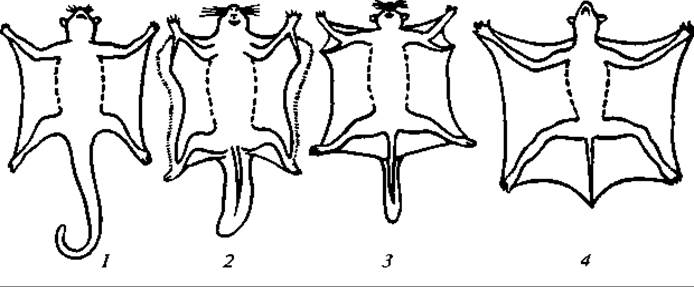
Fig. 209. Mammals adapted for gliding flight:
1 — marsupial flying squirrel; 2 — flying squirrel; 3 — scaly-tailed flying squirrel; 4 — colugo
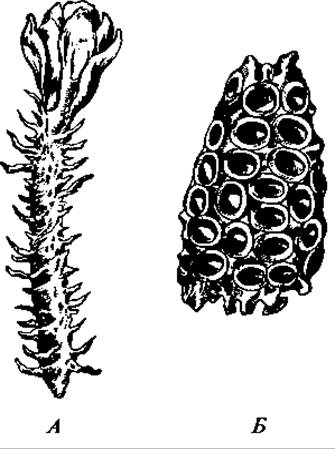
Fig. 210. Spruce and cedar cones gnawed by a squirrel:
A — spruce cone eaten by a squirrel; B — cedar cone processed by a squirrel in autumn before the nuts have been shed
The Far Eastern white-chested bear feeds on the ground (berries, rodents, insects) and in trees (berries, honey, bees), which it climbs exceptionally well. During the day, it usually rests in a primitive nest made of branches located in the upper part of a tree. For the winter, it hibernates in a tree hollow (most frequently choosing poplars). Among rodents, the chipmunk belongs to this group. It spends most of its time on the ground, feeding on berries, seeds, and mushrooms. Although it climbs trees very well, it cannot leap from branch to branch as far as a squirrel can, because its tail is shorter and less bushy. It usually nests in burrows under roots or in the hollows of fallen trees.
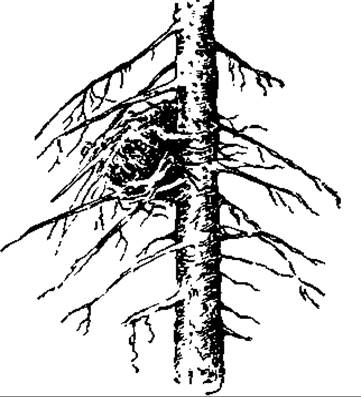
Fig. 211. Squirrel nest (drey)
All the species listed above are strictly forest-dwellers. However, they by no means always resort to trees as a source of food and a place to build nests, spending a significant amount of time on the ground.
A slightly different group comprises species that also inhabit only or predominantly forests, but lead a terrestrial lifestyle. Examples include brown bears, wolverines, ferrets, moose, true deer, and roe deer. They obtain all their food on the ground, do not climb trees (with rare exceptions), and raise their young in burrows (siberian weasel, wolverine) or on the ground surface (deer, moose, roe deer). For these species, trees serve primarily as shelter; only to a small extent do trees (specifically their branches and bark) serve as food.
Thus, the examples provided allow us to trace the varying nature of the relationship between forest animals and arboreal vegetation.
2. Open-country inhabitants represent a no less numerous and diverse group. The characteristic conditions of their existence—poorly defined habitat stratification, "openness," and the absence or scarcity of natural shelters—make peaceful animals easily visible to predators from afar, while the abundance of plant food, predominantly in the form of herbaceous plants, encourages a concentration of competitors for it. Representatives of this ecological group of mammals are found among marsupials, insectivores, rodents, carnivores, and ungulates, but the core of the group consists of herbivorous mammals: rodents and ungulates.
Within this environmental setting, the following MAIN TYPES OF mammals have evolved: ungulates, jerboas, and ground squirrels.
Ungulates are mostly large herbivorous species that consume roughage in the form of grass, sometimes tough and dry. They spend a great deal of time grazing and travel widely. Their capacity for prolonged and rapid movement is also related to the search for water, which is scarce in steppes and deserts, and the need to escape from enemies. The maximum running speed of certain species in this group, in km/h, is as follows: bison — 40 — 45, giraffe — 45 — 50, wild ass — 50 — 55, zebra — 65, Thomson's gazelle — 80. The maximum running speed of some predators capable of pursuing these ungulates, in km/h, is: wolf — 45 — 60, lion — 80, cheetah — 104 — 112.
These animals do not construct any permanent dwellings or temporary shelters. Aside from running speed, their adaptive features include relatively acute Vision, large body size, and a HEAD held high on a long neck. Many species can go without water for long periods, contenting themselves with the moisture obtained from grass. The birth of well-developed young that can follow their mother from their very first day is of vital importance.
Besides ungulates (horses, antelopes, camels, giraffes), large species of terrestrial kangaroos probably belong to this ecological group. Like ungulates, they inhabit open steppe and desert spaces, feed on grass, graze extensively, have keen eyesight, and escape predators with long leaps. The giant kangaroo can reach speeds of about 40 km/h.
Jerboas are small animals inhabiting desert regions with sparse vegetation and a poor animal population. To obtain food, they have to travel long distances at high speeds (up to 20 km/h). The ability to move quickly is achieved not by running on four legs like ungulates, but through a greater or less developed capacity for leaping on extremely long hind legs (so-called "ricocheting"). This trait is characteristic of completely unrelated mammals of open spaces. In addition to jerboas, it is typical of gerbils, North American kangaroo rats (Heteromyidae), African springhares (Pedetidae), African insectivores of the elephant shrew family (Macroscelidae), and certain small Australian marsupials (Antechinomys).
Unlike the previous group, the species in question feed not only on grass, but also on succulent plant bulbs and tubers, and some on insects. They never drink, remaining satisfied with the water obtained from their food.
An essential feature of the described group is the presence of permanent or temporary shelters in the form of burrows. They dig very rapidly, and many species construct a new, simply arranged burrow daily. Due to the presence of burrows—reliable shelters where parturition takes place—their gestation period is short, and their young are born helpless.
Ground squirrels (susliks) are small to medium-sized rodents inhabiting steppes, semi-deserts, and mountain meadows with dense grass cover (Fig. 212). They feed on grass and seeds. Due to the dense grass canopy, rapid movement for these small animals is difficult. However, they have no need to make long foraging trips, as food is abundant almost everywhere in their habitats. They live in permanent burrows where they rest and reproduce, and most species hibernate in them during summer and winter. Given the abundance of food, they do not wander far from their burrows.
They frequently construct additional, so-called feeding burrows that serve as temporary refuges from danger encountered while foraging. They run slowly and have a barrel-shaped body on short legs, well-adapted for moving through burrows. Because they have underground nests, their young are born blind, hairless, and helpless.
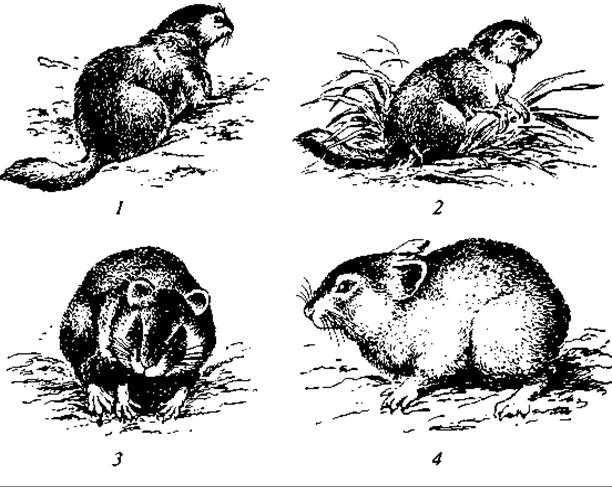
Fig. 212. Open-space species. The ground squirrel group:
1 — red marmot; 2 — ground squirrel; 3 — hamster; 4 — Daurian pika (hay-mouse)
In addition to ground squirrels, this group includes marmots, hamsters, and steppe pika species.
Among terrestrial mammals, there are a number of species that cannot be assigned to any of the aforementioned groups. These are widespread animals that inhabit various environmental settings and lack narrow specialization. Examples include many carnivores, such as the wolf, fox, badger, and partly the wild boar, among others. Suffice it to say that the wolf and fox live in the tundra (the latter only in its southern parts), forests, steppes, deserts, and mountains. Their diet, foraging habits, and reproductive conditions vary depending on the environment. For instance, wolves in the forest belt give birth On the surface of the ground using a lair, whereas in the desert and tundra they sometimes dig burrows.
Underground mammals. Underground mammals are a highly specialized group of species that spend all or a significant part of their lives within the soil strata. Representatives of this group are found across various orders. Examples include numerous mole species from the order Insectivores; the zokor, mole-rat, and mole-vole from the order Rodents; the marsupial mole, and several others. They are distributed across different PARTS OF THE world: Eurasia (moles, zokors, mole-rats, mole-voles), North America (moles), Africa (golden moles, blesmols), and Australia (marsupial moles).
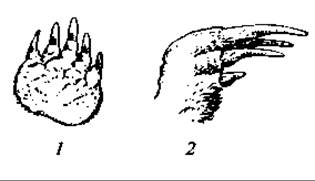
Fig. 213. Paws of a mole (1) and a zokor (2). The forepaw of a mole acts as a shovel for subterranean work. The forepaw of a zokor is equipped with strong claws that facilitate work in hard steppe soil

Fig. 214. A mole pushing out soil
Animals living in the soil use various techniques to dig underground tunnels. The mole loosens the soil with its turned-out forepaws and, acting with them like spoons, pushes it to the sides and backwards (Fig. 213). It throws the soil out through vertical escape shafts with the front part of its body (Fig. 214). The Daurian mole-vole digs with its forepaws. The blind mole-rat and the mole-vole have weak paws with small claws; they dig the soil with strongly protruding incisors from the mouth (Fig. 215), mainly the lower ones, and throw the soil out in different ways: either with the front part of the body, like the mole, Daurian mole-vole, and blind mole-rat, or with the hind legs, like the mole-vole (Fig. 216). In these rodents, the incisors are located seemingly outside the mouth, as behind the incisors There is a skin fold that can completely isolate the mouth from the incisors. As B. S. Vinogradov showed, in blind mole-rats the lower jaw can occupy various positions: during feeding, THE POSITION OF the jaws is normal, and the lower incisors rest against the upper ones. When digging, however, the lower jaw is retracted, and the exposed incisors can be used like a hoe to break up the soil.
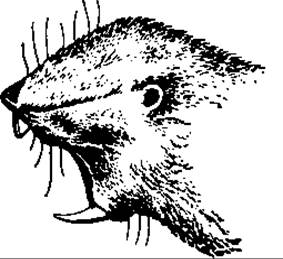
Fig. 215. Head of a giant blind mole-rat
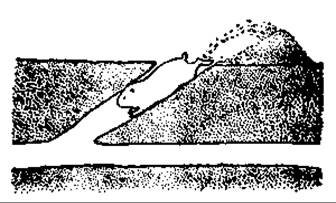
Fig. 216. A mole-vole throwing soil out of its burrow (this method produces a dune-like mound)
Extremely interesting turned out to be the animals of the recently described naked mole-rat species (Heterocephalus glaber), which are small in size (body mass 40 g) and distributed in the arid savannas and semideserts of Kenya, Somalia, and Ethiopia. They live in colonies within extensive and highly branched underground tunnels 3–5 km long, never come to the surface, and dig tunnels collectively by biting with their incisors and passing the soil along a chain to each other to throw it to the surface.
Aquatic mammals. Like underground mammals, aquatic mammals exhibit a long series of transitions from terrestrial species to fully aquatic ones. A particularly clear picture is provided by representatives of the order Carnivores, which are phylogenetically closest to one of the groups of aquatic mammals—the pinnipeds. Initially, the connection with the aquatic environment lies in the fact that animals obtain food not only on land, but also near water or directly in the water. For instance, one of the mustelids—the mink—inhabits the banks of freshwater bodies. It settles in a burrow whose exit opens onto dry land. It feeds on water-dwelling rodents, mainly water voles (15–30%), amphibians (10–30%), and fish (30–70%). The mink is an excellent swimmer.
The otter is tied to the water to a greater extent. This carnivore constructs burrows exclusively along the banks of water bodies and locates the entrance underwater. The otter usually does not wander farther than 100–200 m from the shore. It obtains its food mainly in the water: fish (50–80%), amphibians (10–20%). Terrestrial rodents are of little importance to it. The otter's limbs are shortened, and the toes are connected by a broad web. The pinnae (ear flaps) are very small. The coat consists of sparse guard hairs and a dense, low underfur. The sea otter (lan) is a true marine mammal inhabiting the northern part of the Pacific Ocean. It spends most of its Life in the water, where it obtains all its necessary food (sea urchins, Mollusks, crabs, and less frequently fish). It rests on the water and comes ashore only for reproduction, during severe storms, and occasionally for resting. Sea otters Sleep on the water or on the shore. They swim very well, and in calm weather, they swim tens of kilometers away from the shore. They do not build any dwellings on land. Their limbs are short, paddle-like; all toes are joined by a thick web. There are no pinnae. The coat consists of sparse guard hairs and dense underfur.
There are many semi-aquatic species among rodents: the beaver, muskrat, and nutria. All these species are connected with water as their primary feeding ground, yet they also partially forage on land. They frequently escape from enemies by fleeing into the water. They nest in earth burrows or in lodges constructed on the bank or on floating debris of decaying vegetation (Fig. 217). None of these animals have pinnae, and their paws are webbed. The coat features sparse, stiff guard hairs and dense underfur. The Russian desman, muskrat, and beaver have highly developed Sebaceous Glands that lubricate the fur.
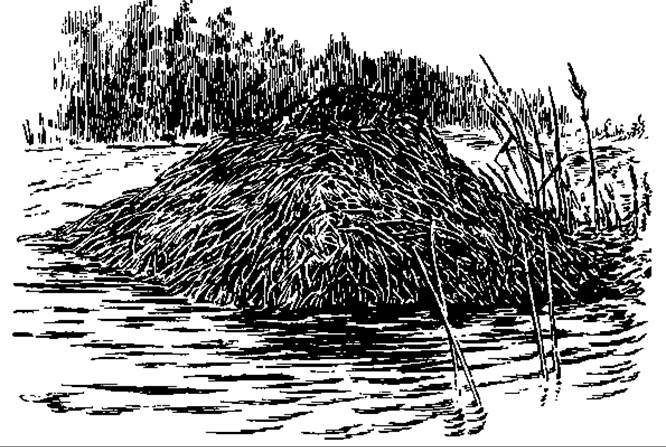
Fig. 217. Muskrat lodge
Pinnipeds are almost entirely aquatic animals. They feed exclusively in the water and usually rest there as well. Only pupping, mating, and molting take place outside the water—on land or on ice. Their anatomy displays many peculiar features. The general body shape is fusiform, and the limbs are modified into flippers. Furthermore, the hind flippers are shifted far backward; in most species, they do not participate in locomotion on solid substrates, serving instead as the primary locomotory organ during swimming and diving. The coat is reduced to varying degrees, and the function of thermal insulation is performed by a layer of subcutaneous fat. It should be noted that otariids (such as fur seals), which are more closely tied to land, retain a fairly well-developed coat, while the subcutaneous fat layer is, conversely, weakly developed. These seals also retain a rudimentary pinna.
Fully aquatic mammals that never come ashore are cetaceans and sirenians. Their coat disappears completely, and hind limbs are absent. The powerful caudal fin serves as the locomotory organ.
In Conclusion, it should be emphasized that water is a secondarily mastered environment for mammals. Being originally terrestrial animals, they managed to adapt to it. Undoubtedly, the initial cause for the transition to a semi-aquatic and subsequently fully aquatic existence was the search for food and shelter from enemies in the water. Representatives of various taxonomic groups of mammals followed this path. The data in Table 19 provide an idea of some capabilities of utilizing the aquatic environment.
Table 19
Diving depth and duration of staying underwater for some aquatic mammals (after D. Davis, F. Lalley, 1963)
Species |
Duration underwater, min |
Maximum diving depth, m |
Muskrat |
12 |
— |
Beaver |
15 |
— |
Southern elephant seal |
7 |
— |
Harbor seal |
15 |
— |
Grey seal |
15 |
128-146 |
Harp seal |
— |
183 |
Sea lion |
— |
110-146 |
Blue whale |
50 |
— |
Fin whale |
20-30 |
76-348 |
Sperm whale |
60-75 |
909 |
Bottlenose whale |
120 |
— |
Flying mammals. Flying mammals originated from terrestrial forest mammals through the Development of the ability to leap, then to glide, and ultimately to fly. This progression can also be observed when reviewing modern species. When leaping, the squirrel spreads its limbs wide, increasing the body surface area supported by the air. It does not yet have flying membranes. The Australian marsupial sugar glider (Petauridae) has small flying membranes that reach the wrist on the forelimbs. In the common flying squirrel and the South Asian colugo (Galeopithecus), the membrane stretches along both flanks of the body between the fore and hind limbs. These animals can "glide" for tens of meters (see Fig. 209).
Among mammals, only bats have become true flying animals. They have even evolved a number of features close to those of birds: a lightweight, delicate Skeleton, a keeled Sternum, pectoral flight Muscles, and a more rigid ribcage resulting from the fusion of some of its elements.
The BONES OF THE skull fuse together. In connection with a nocturnal lifestyle, the Organs of Hearing and Touch become more developed.
The above outline of ecological mammalian groups is not exhaustive. Its purpose is to demonstrate the diversity of adaptations of animals in this class to A wide variety of living conditions.
Feeding. The most important Prerequisites for the species diversity of mammals and their wide distribution should be considered the extremely diverse set of food sources and the breadth of the foraging arena. By The Nature of their diet, mammals can be divided into two provisional groups: 1) carnivores and 2) herbivores. The provisional nature of this division is determined by the fact that only a few species feed exclusively on animals or plants. The majority feed on both PLANT AND ANIMAL matter, and the specific proportion of these foods can vary significantly depending on local conditions, season, and other factors.
The initial type of feeding for mammals was apparently insectivory. Judging by the tooth structure, early mammals fed predominantly on terrestrial, partly arboreal insects, mollusks, worms, as well as small amphibians and reptiles. This dietary pattern has been retained by the most primitive modern groups, namely many species of the Order Insectivora: shrews, tenrecs, partly hedgehogs, and some marsupial species. They gather their food mainly from The surface of the ground and in shallow burrows.
Alongside insectivores, branches more specialized in their diet also emerged. These include most bats, which catch insects in the air, anteaters, pangolins, aardvarks, and among monotremes—the echidna, which feed on termites, ants, and their larvae, obtained using special adaptations: an elongated snout, a long sticky Tongue, strong claws for breaking open insect nests, and so on. Moles, which forage deep within the soil, are undoubtedly specialized insectivores.
Predatory (by diet) mammals belong primarily to the orders Carnivora, Pinnipedia, and Cetacea. Phylogenetically close to insectivores, they represent branches of a common ROOT that shifted toward consuming larger prey, in some cases warm-blooded vertebrates. Only a few species in this group are strictly carnivorous, such as cats and polar bears. The majority, however, also incorporate plant matter into their diet.
Plant foods are particularly important in the diets of brown and Asian black bears. They often feed exclusively on berries, nuts, and wild tree fruits for extended periods, acquiring animal protein only on rare occasions. This is typical, for instance, of Caucasian and central Russian bear populations.
Many carnivores also feed on carrion. Jackals consume it quite frequently, while hyenas subsist almost exclusively on carrion. Cats, by contrast, tend to avoid carrion.
Herbivorous mammals are extremely numerous. They include most monkeys and prosimians, sloths among the Xenarthra, the majority of rodents, ungulates, marsupials, some bats (flying foxes), and sirenians among marine mammals. Based on their dietary preferences, they can be categorized as grazers (feeding on grass), browsers (feeding on leaves and twigs), granivores (seed-eaters), and frugivores (fruit-eaters). This Classification is somewhat conditional, as many species can alter their feeding habits.
Typical grazers include horses, cattle, goats, sheep, certain deer, and numerous rodents. In ungulates, adaptations for grass feeding are reflected in the strong development and high mobility of their fleshy Lips and tongue, tooth Morphology, and a complex intestinal tract. In connection with grazing on soft grass, artiodactyls have reduced upper incisors. In horses, which graze in steppes and deserts with tougher vegetation, the upper incisors are retained.
Unlike ungulates, which use their lips, rodents grasp grass with their incisors, which are exceptionally well developed. Examples include nutrias, muskrats, and voles. Herbivores are typically characterized by an increased intestinal length, a complex stomach, and a highly developed cecum.
Deer, giraffes, elephants, hares, beavers, and sloths feed on twigs, bark, and leaves. Most of these species also eat grass, though browse and bark are consumed more frequently in winter, and grass in summer.
Many herbivorous mammals feed primarily on seeds. These include squirrels—whose nutritional well-being depends on the availability of conifer seeds—chipmunks (which, alongside conifer seeds, consume large amounts of cereal and legume seeds), and mice. Seed-eaters have a relatively restricted food supply, and their survival is closely tied to the seed yields of a few plant species. Crop failures of such foods trigger mass Migrations or animal mortality. For example, during conifer crop failures, squirrels are forced to feed on resin-rich buds, leaving their teeth and mouths frequently coated entirely in resin.
Specialized frugivores are relatively few in number. They include certain monkeys, prosimians, flying foxes, and the edible dormouse among rodents. Tropical bats feed on flower nectar.
Many mammal species are capable of utilizing a very broad spectrum of foods and successfully adapt to the geographical, seasonal, and annual variations in feeding conditions. For instance, the reindeer feeds mainly on green vegetation in summer, whereas in winter its diet consists almost entirely of Lichens. The mountain hare feeds on twigs and bark only in winter, switching to grass in the summer.
Dietary patterns also vary geographically. Thus, brown bears in the Southern Caucasus are herbivorous, whereas along the coast of the Russian Far East they feed almost exclusively on fish and seals.
Numerous examples of this kind can be cited, highlighting the great breadth of dietary adaptations in mammals. At the same time, they demonstrate just how essential it is to have precise data on animal Nutrition, as such information allows researchers to assess the ecological role of a given species within a specific biocenosis.
The amount of food consumed depends on its caloric value and digestibility. Consequently, herbivorous mammals ingest somewhat more food (by weight) than carnivores do.
The relationship between food intake and body size is even more striking: the smaller the body of the animal, the greater the relative amount of food it consumes daily.
A similar pattern holds for large species: the daily food intake of a bull weighing 181,600 g is 0.03%, while that of an African elephant weighing 3,672,000 g is 0.01% of its body weight. All these examples reflect the fundamental dependence of metabolic rate on body size.
Reproduction. In systematizing the Main Features of mammalian reproduction, three primary patterns can be distinguished.
1. The laying of an intrauterinely fertilized "egg," followed by the completion of its development either in a nest (platypus) or in a leathery abdominal pouch of the parent (echidnas). In this case, the eggs are relatively yolk-rich and therefore comparatively large (10–20 mm), with a well-developed fluid albumen layer. The number of simultaneously maturing eggs is 1 in echidnas and 1–3 in the platypus. Here, an enveloped embryo that has undergone more than half of its development is laid.
It should be noted that the term "egg" in the two aforementioned cases does not accurately reflect The Essence of the phenomenon. This is because in echidnas and platypuses, fertilized eggs are retained in the reproductive tracts for a significant period and undergo the majority of their development there. Consequently, an enveloped embryo that has passed more than half of its developmental stages is laid.
2. The birth of underdeveloped live young that develop within the Uterus, but without The formation of a true Placenta. The weakly developed newborn tightly attaches itself to a nipple, which is usually located inside a leathery brood pouch that develops on the female's abdomen by the breeding season. The young completes its development inside the pouch; it does not suckle independently, but instead swallows milk injected directly into its mouth by the female. This type of reproduction is characteristic of marsupials (Figs. 218, 219).
In marsupials, the eggs are small (0.2–0.4 mm) and yolk-poor, with a weakly developed fluid albumen layer. In most species, only a few eggs develop simultaneously, and only in opossums does the number occasionally exceed 10.

Fig. 218. Newborn opossum (Didelphis virginianus) compared with a honeybee (shown at the same magnification)
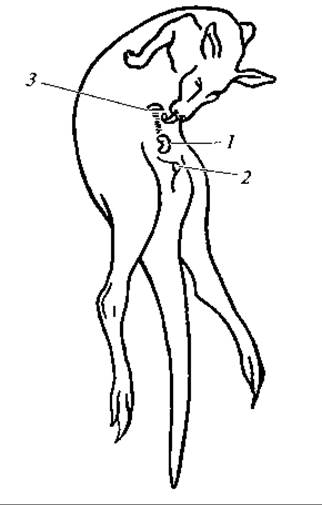
Fig. 219. Female kangaroo licking a trail on her abdomen—along the path taken by the newborn (1) from the genital opening (2) to the pouch (3)
3. The birth of well-developed young that are, at the very least, capable of suckling milk independently. Complete intrauterine development is made possible by the appearance of a placenta in these species, which is why the group is named placental mammals.
The eggs of placental mammals are extremely small (0.05 — 0.2 mm) and practically devoid of yolk. There is no protein coat. In most species, several oocytes mature simultaneously.
The degree of development of newborns varies among placentals. Some are born blind and hairless, while others are sighted, hearing-capable, covered in fur, and able to follow their mother on the very first day of life.
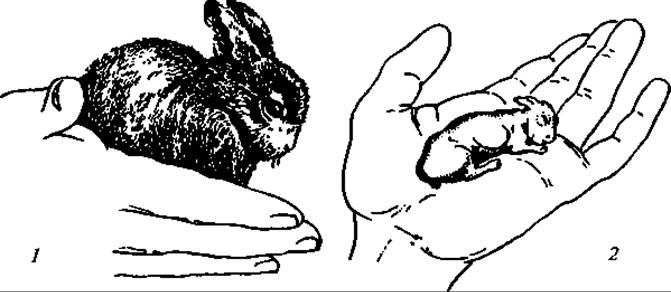
Fig. 220. One-day-old newborns in lagomorphs:
1 — mountain hare; 2 — rabbit
Reproductive traits in various groups of mammals have a clearly pronounced adaptive character and are closely linked to environmental conditions. Let us examine various reproductive indices in placental mammals. First and foremost, this is determined by the environment in which birth takes place. Many rodent species give birth in specially constructed nests, in burrows, in trees, or in the grass. Their offspring are more or less fully protected from the Adverse effects of climatic factors and predators. These species have a short gestation period, and their newborns are helpless, hairless, and blind. For instance, gestation lasts 11 — 13 days in the grey dwarf hamster, 18 — 24 days in the house mouse, and 16 — 23 days in the sibling vole. In the larger muskrat, gestation lasts 25 — 26 days, in marmots 30 — 40 days, and in squirrels 35 — 40 days. A comparatively short gestation period is also characteristic of burrow-dwelling canid species: 52 — 53 days in the arctic fox, and 52 — 56 days in the red fox. A significantly longer gestation period is typical of species that give birth in primitive nests or dens. Thus, gestation lasts 129 — 133 days in the nutria, 4 months in the leopard, and 3 months in the snow leopard. The period of embryonic development is even more prolonged in animals that give birth on the surface of the ground and whose newborns, due to environmental pressures, are forced to follow their mother within the very first days after birth. Ungulates are a prime example. Gestation in deer lasts 8 — 9 months, and even in small antelopes, wild goats, and sheep, it spans 5 — 6 months. Significantly, among land mammals, the most well-developed young are born to equids (horses, donkeys, zebras) — species inhabiting open steppe and desert spaces. Their offspring can follow their mother just a few hours after birth. Gestation in these animals lasts 10 — 11 months.
The duration of gestation is related to body size as well; nevertheless, the figures cited—and, above all, the degree of development of the newborns—clearly support the proposition that the duration of embryonic development has adaptive significance. This can also be demonstrated by comparing closely related species living under different conditions. Mountain hares do not build nests and give birth on the surface of the ground. Their gestation period lasts 49 — 51 days, and their young are born sighted, covered in fur, and capable of active movement within the first days of life. Rabbits live in burrows, giving birth in nests located inside them. The gestation period for rabbits is 30 days, and their newborns are helpless—blind and hairless (Fig. 220).
Examples of aquatic mammals are highly illustrative. Seals give birth on land or on ice, and their pups (in most species) lie completely exposed. Their embryonic development lasts 11 — 12 months. Pups are born well-formed, sighted, and covered in dense fur. Their size reaches 25 — 30 % of the mother's size. A prolonged gestation period and large offspring size, enabling an independent lifestyle, are characteristic of whales, in which parturition takes place in the water.
The rate of reproduction varies across different mammal species. This depends on the age of sexual maturity, the length of the interval between successive births, and, ultimately, the litter size. Large mammals reach sexual maturity relatively late. For instance, elephants do so at the age of 10 — 15 years, rhinoceroses at 12 — 20 years, and various deer species at 2 — 4 years. Male fur seals reach sexual maturity in their third or fourth year, and females in their second or third year; bears, many seals, and tigers become capable of reproduction in their third or fourth year. Canid and mustelid species mature faster, becoming reproductive in their second or third year of life.
Rodents and lagomorphs are particularly precocious. Even large species, such as hares, reproduce in their second calendar summer of life, i.e., at an age of slightly under one year. Muskrats begin reproducing at 5 months of age. Smaller murid rodents mature even faster: the house mouse at 2.5 months, field and wood mice at 3 months, and voles at 2 months of age.
The frequency of parturition and litter size also vary. Elephants, baleen whales, walruses, and tigers reproduce once every 2 — 3 years and typically produce a single offspring. Dolphins and bovids give birth annually, also producing a single young. Although canids, mustelids, and large feline species reproduce only once a year, their fecundity is noticeably higher as they produce multiple offspring per litter.
Thus, lynx litters typically contain 2 — 3 young; sables, martens, and ferrets have 2 — 3; wolves have 3 — 8 (up to 10); foxes have 3 — 6 (up to 10); and arctic foxes have 4 — 12 (up to 18).
Rodents and lagomorphs are exceptionally prolific. Hares produce 2 — 3 litters per year, with 3 — 8 (up to 12) young per litter; squirrels have 2 — 3 litters of 2 — 10 young; and voles have 3 — 4 litters of 2 — 10 young. Considering that voles reach sexual maturity at the age of two months, the extraordinary speed of their reproduction becomes readily apparent.
The rate of reproduction is closely tied to lifespan and mortality rates. As a general rule, long-lived species reproduce more slowly. For example, elephants live 70 — 80 years, bears and large felines 30 — 40 years, canid species 10 — 15 years, and murid rodents 1 — 2 years—facts that fully corroborate the data presented above regarding the varying fecundity of these animals.
Reproductive rates fluctuate significantly from year to year, reflecting long-term environmental Variability. This is especially pronounced in highly prolific species. For instance, in years with favorable food and weather conditions, squirrels produce three litters of 6 — 8 (up to 10) young each; whereas in harsh years, when females are undernourished, the number of litters drops to 1 — 2, and the litter size decreases to 2 — 3 (with a maximum of 5). The percentage of barren females also shifts. Consequently, the overall reproductive rate drops sharply. A similar pattern is characteristic of other mammals, such as hares, muskrats, and murid rodents.
Fecundity varies with age. For instance, the percentage of pregnant Alaskan fur seal females was found to be as follows: at ages 3 — 4 years, 11%; at 5 years, 52%; at 7 years, 78%; at 9 years, 69%; and at 10 years, 48%.
Geographical variability in fecundity is characteristic of many species. Let us consider a specific example regarding the long-tailed ground squirrel (Citellus undulatus) (Table 20).
Most data of this nature demonstrate an increase in species fecundity from south to north. Notably, a similar trend is observed in certain species when comparing the fecundity of populations inhabiting different altitudes in mountainous regions. For example, the American deer mouse (Peromyscus maniculatus) in Colorado and California has an average litter size of 4.6 at an altitude of 3,500 — 5,000 feet, 4.4 at 5,500 — 6,500 feet, 5.4 at 8,000 — 11,000 feet, and 5.6 at 10,500 feet.
Table 20
Geographical variability in the fecundity of the long-tailed ground squirrel
(after Yu. V. Labutin and N. G. Solomonov, 1968)
Region |
Percentage of reproducing females |
Average litter size (individuals) |
Offspring per 100 fertile females (individuals) |
Central Khangai |
76 |
4.0 |
305 |
Southeastern Mongolia |
80 |
5.9 |
470 |
Baikal region |
79 |
6.9 |
543 |
Central Yakutia |
90 |
8.2 |
739 |
It is believed that the increase in fecundity towards the north—and towards higher altitudes in mountainous regions—is associated with elevated mortality rates, which are compensated for, to some extent, by an increase in birth rates.
Among mammals, there are both monogamous and polygamous species. In monogamous species, pairs generally form for just a single breeding season. This is typical of arctic foxes, and frequently of red foxes and beavers. Cases of pair bonds lasting several years are rarer (wolves, monkeys). In monogamous species, both parents typically participate in raising the young. However, in some true seals, pairs form solely for the mating period, after which the male abandons the female.
The majority of mammals are polygamous. Examples include eared seals, such as fur seals, whose males gather harems of 15 — 80 females around themselves during the mating season. Other examples of polygamous animals include deer, donkeys, and horses, which form herds consisting of a single male and multiple females. Many rodents and insectivores are also polygamous; however, these animals do not form harems or permanent herds. Instead, they mate multiple times a year and have very short intervals between births.
The mating season varies across different species. For instance, in wolves and foxes, it occurs in late winter; in minks, ferrets, and hares, in early spring; in sables, martens, and wolverines, in mid-summer; and in many ungulates, in autumn. Through evolution, the period of parturition and raising the young has become timed to the most favorable season—typically late winter and the first half of summer. Crucially, this pattern holds true for a wide variety of species, including those whose mating seasons fall in completely different times of the year (spring, summer, or autumn). Consequently, gestation periods vary dramatically (independent of the aforementioned factor). For example, gestation lasts 300–320 days in the stoat, 230–280 days in the sable, 40–70 days in the mink, and 60 days in the wolf. The prolonged gestation in small mammals like the stoat and sable is due to embryonic diapause, where the fertilized egg undergoes a very brief initial development before entering a resting state that lasts through most of the winter (known as the latent phase of gestation). Development resumes only in late winter. Thus, the actual period of embryonic development in these animals is quite short. These facts once again highlight the adaptation of giving birth during the season most optimal for feeding and rearing the young.
The annual life cycle. The annual Life Cycle of mammals consists of a series of successive phases driven by predictable seasonal changes in the environment and the shifting physiological needs of the animals throughout their lives. Each phase of the annual cycle is dominated by specific phenomena characteristic of the species' life history.
Preparation for reproduction, driven by the maturation of Germ Cells, is primarily characterized by the search for a mate of the opposite sex. In many polygamous species, this culminates in the formation of harems, whereas monogamous species form pairs. Chemical signaling (via scent) plays a paramount role in the formation of pairs or harems. Scent cues synchronize the reproductive cycle, signal species, sex, age, and readiness to mate, and communicate the social status of an encountered individual within the population.
Choosing the right Location is vital for successfully raising offspring. To this end, certain animal species undertake long-distance migrations spanning hundreds or even thousands of kilometers. Examples include various bats, whales, the majority of pinnipeds, tundra reindeer, arctic foxes, and a number of other species.
The period of parturition and rearing the young is marked by animals becoming sedentary, even among strongly migratory species. Many predators (brown bears, sables, martens, foxes, arctic foxes, wolves) and rodents (squirrels, flying squirrels, various voles, mice, etc.) establish defined home ranges or nesting territories, marking their boundaries with scent or visual cues. These territories are fiercely defended, whenever possible, against intruders of the same species or competing species.
The duration of the Lactation period varies widely. Hares begin eating grass at just 7–8 days old, while still nursing. In muskrats, the nursing period lasts about 4 weeks; in wolves, 4–6 weeks; in arctic foxes, 6–8 weeks; in brown bears, about 5 months; and in wild sheep, 5–7 months. These differences are dictated by the nature of the solid food the young transition to, its availability, the general behavioral patterns of the parents and offspring, and The chemical composition (nutritive value) of the milk (Table 21).
For most species, the family unit persists for less than a year. Ground squirrel young disperse at the age of one month, and litters of hares and squirrels break up after a similarly brief period. Fox litters disperse when the young are 3–4 months old, while arctic fox litters break up slightly earlier due to lower food availability in the nesting territory. Wolf families stay together significantly longer—for 9–11 months. Female bears often den alongside their yearlings. Marmots and raccoons overwinter in family groups. A tigress remains with her cubs until her next estrus, which occurs every 2 to 3 years, while deer offspring stay with their mothers for over a year.
The pre-winter preparation period is characterized by molting and intense feeding, with many animals accumulating heavy fat reserves. Animals not bound to a fixed shelter travel widely in search of the most food-rich areas. Bears visit berry patches and oat fields, while wild boars forage in grain fields. Gaining weight is a crucial adaptation for surviving winter conditions. For instance, the little ground squirrel weighs 140–160 g in the spring, but reaches 350–400 g by mid-summer. The raccoon dog weighs 4–6 kg in summer and 6–10 kg in winter, whereas the edible dormouse fattens up by late summer to the point where fat accounts for 20% of its total body weight.
Table 21
Composition of Mammal Milk
Species |
Milk composition, % |
||||
water |
fats |
sugar |
minerals |
||
Anteater |
63 |
11 |
20 |
0,3 |
0,8 |
Hare |
71 |
12 |
13 |
2 |
2 |
Fox |
82 |
7 |
5 |
5 |
1 |
Harp seal |
44 |
12 |
43 |
0 |
1 |
Blue whale |
47 |
13 |
38 |
? |
1 |
Reindeer |
65 |
11 |
20 |
3 |
1 |
Camel |
88 |
3 |
3 |
5 |
1 |
Domestic cow |
88 |
3 |
3 |
5 |
1 |
Indian elephant |
71 |
4 |
18 |
6 |
1 |
Preparation for winter is frequently linked to migrations. In autumn, as living conditions deteriorate, the bulk of arctic foxes migrate south into the forest-tundra and northern forest zones. Reindeer migrations are even more pronounced: they head south in autumn and return to the tundra in the spring (Fig. 221). Tundra wolves and wolverines migrate alongside the reindeer. Mountain hares in the northern parts of the tundra migrate south in autumn and reverse the journey in spring. In summer, many alpine mammals ascend to high-altitude meadows where food is abundant and blood-sucking insects are scarce, descending in winter to lower mountain belts where the snow cover is shallower and forage is more accessible. Examples include the seasonal migrations of wild boars, deer, elk, and mountain sheep and goats. In the Urals, roe deer migrate in winter from the deep-snow western slope to the eastern slope, where snow cover is consistently shallower. With the first snowfall, forest cats, foxes, and wolverines move down into the foothills with low snow accumulation. Vertical migrations have also been recorded in lynxes, tigers, and snow leopards.
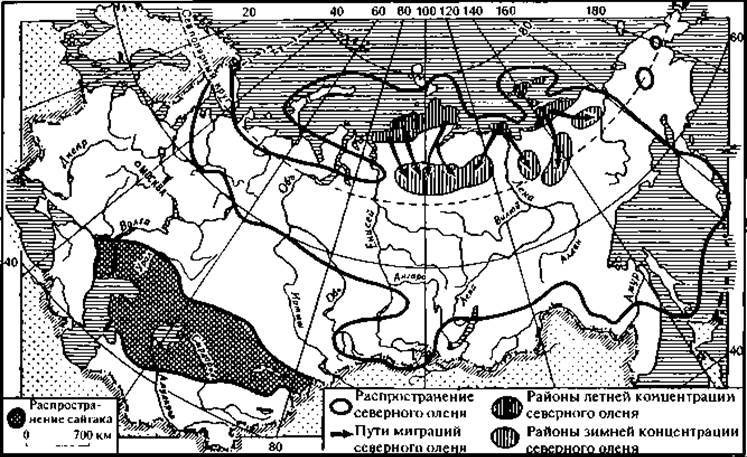
Fig. 221. Diagram of reindeer migration and saiga antelope distribution
Desert ungulates also undertake seasonal migrations. For instance, goitered gazelles move from the deserts to the foothills in autumn, where forage is better preserved, and return to the interior desert regions in spring. In Kazakhstan, the saiga antelope inhabits northern clay semi-deserts in the summer, but migrates southward for the winter to regions of wormwood-fescue and wormwood-saltwort semi-deserts with shallower snow cover.
Certain bats from the taiga, mixed forests, and even forest-steppes in both Eurasia and North America migrate to warmer regions for the winter.
Although numerous other examples of migration as an adaptation to seasonal environmental changes can be cited, migrations in mammals are generally much less developed than in fish and birds. They are most characteristic of marine mammals, bats, and ungulates.
Hibernation is widespread among mammals, although it is restricted to species within specific orders: Monotremata, Marsupialia, Insectivora, Chiroptera, Edentata, Carnivora, and Rodentia.
Based on the depth of winter torpor, hibernation can be divided into three distinct types.
1. Winter sleep, or facultative hibernation, is characteristic of bears, raccoons, raccoon dogs, and badgers. This state is marked by only a slight decrease in metabolic rate, body temperature, and Respiration, and can easily be interrupted. An interesting phenomenon was observed by U.S. zoologists in an American black bear that fell asleep in a zoo enclosure inside a pile of hay. Its breathing rate dropped to 2–3 breaths per minute (compared to 8–14 while awake); with an ambient air temperature of -8°C, the temperature inside the hay was
-7 to -8°C, directly beneath the bear -4 to -10°C, on the surface of the fur coat 0°C, on the skin surface +4°C, in the rectum +22°C, and in the Oral Cavity +35°C (compared to +38°C during wakefulness). As shown, the physiological shifts in the sleeping bear were remarkably minor. Notably, bears give birth to their cubs inside the den during this winter sleep. Among polar bears, only pregnant females and immature individuals enter dens.
The conditions under which different species undergo winter sleep vary. Brown bears sleep in shallow earthen caves, dens, beneath fallen trees, or under bushes. Black bears and raccoons typically den in the hollows of standing trees, while raccoon dogs shelter in shallow burrows or haystacks. Badgers construct much more complex burrows.
The timing and duration of hibernation in these species depend on geographical conditions. For example, the brown bear in northern Siberia stays in its den from October to early May; in the European North, from November to April; on the southern slopes of the Caucasus Range, from December to late February; while in Transcaucasia, bears sometimes do not hibernate at all during certain years. Badgers in the north sleep from October to May, whereas in the Southern Transcaucasia they generally do not hibernate.
The duration of winter sleep varies from year to year depending on specific conditions. There are numerous recorded instances of raccoon dogs and raccoons emerging from burrows and tree hollows during prolonged winter thaws to resume an active lifestyle.
2. True hibernation, which is periodically interrupted, is characterized by a state of profound torpor, a sharp drop in body temperature, and a noticeable decrease in respiration rate, while retaining the ability to awaken and exhibit brief periods of activity during the winter, predominantly during severe thaws. This type of hibernation is typical of hamsters, chipmunks, and many bats.
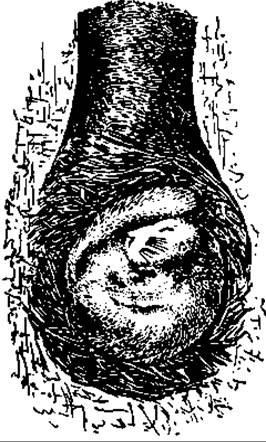
Fig. 222. A sleeping ground squirrel in its burrow
Table 22
Selected PHYSIOLOGICAL CHARACTERISTICS OF animals in hibernation
(after A.D. Slonim, 1961, et al.)
Species |
Body mass, g |
Respiration rate per 1 min |
Heart rate per 1 min |
Heat production, kJ/(kg∙h) |
Body temperature, °С |
|||||
in summer |
in winter |
active |
hibernating |
active |
hibernating |
active |
hibernating |
active |
hibernating |
|
Hedgehog |
684 |
600 |
40-50 |
6-8 |
— |
— |
14,5 |
0,33 |
34 |
2 |
Marmot |
1868 |
2146 |
20-25 |
3-5 |
100 |
10 |
9,8 |
0,46 |
36-38 |
5-8 |
Ground squirrel |
227 |
275 |
100-360 |
1-15 |
100-350 |
5-19 |
17,7 |
0,46 |
35-39 |
1-13 |
Fat dormouse |
127 |
130 |
— |
- |
— |
— |
20,8 |
0,29 |
37-38 |
3-4 |
Hamster |
— |
— |
32 |
8 |
150-200 |
12-15 |
— |
— |
38-39 |
4-5 |
3. True continuous seasonal hibernation is characterized by an even deeper torpor, a more drastic drop in body temperature, and a reduced respiration rate. Such hibernation occurs in hedgehogs, certain bat species, marmots, ground squirrels, jerboas, and dormice (Fig. 222). Table 22 provides An Overview of the physiological shifts that occur in hibernating animals.
In mammals undergoing hibernation, not only does the respiration rate decrease, but its rhythm also becomes irregular: a sequence of 5 to 8 breaths is typically followed by a pause of 4 to 8 minutes during which the animal makes no respiratory movements at all.
Although metabolic rates drop sharply during hibernation, the bodies of hibernating animals function by drawing on energy reserves, resulting in a substantial loss of body mass (Table 23).
Stored fat is consumed first, but the Tissues of other organs also lose mass simultaneously. In the marmot, this tissue depletion across various organs is distributed as follows (after N.I. Kalabukhov, 1956): adipose tissue — 99%, Liver — 59%, Diaphragm — 46%, Lungs — 45%, muscles — 30%, heart — 27%, skeleton — 12%.
Such extensive depletion does not occur in all cases. Marmots waking from hibernation with still noticeable fat deposits have been observed on multiple occasions.
True hibernation occurs not only in winter but also in summer. It is particularly characteristic of ground squirrels (see Fig. 222). For instance, a relatively northern ground squirrel species such as the spotted ground squirrel (Citellus suslicus) enters hibernation as early as August. In semi-arid regions, the little ground squirrel (C. pygmaeus) does so in July. Hibernation begins earliest in the yellow ground squirrel (C. fulvus) of Central Asia, starting in June–July. Summer hibernation typically transitions directly into winter hibernation without interruption. The common trigger for summer hibernation in ground squirrels is the desiccation of vegetation, which makes it impossible to obtain the water intake from food necessary for normal physiological function.
Table 23
Body mass loss during hibernation
(after N.I. Kalabukhov, 1956)
Species |
Duration of hibernation, days |
Mass loss, % |
Marmot |
163 |
35 |
Ground squirrel |
156 |
37-49 |
Hedgehog |
127 |
31 |
Bat |
102 |
34 |
It should be noted that true continuous hibernation is driven not only by METABOLISM/18.html">The Influence of regularly changing external conditions but also by the endogenous rhythm of the animal's PHYSIOLOGICAL AND BIOCHEMICAL state. The cycle of this rhythmicity is approximately one year in duration. This endogenous rhythmicity is hereditary, and external conditions can induce hibernation only against this Background.
Food caching is a widely distributed adaptation among mammals for surviving periods of the year when food is scarce. This behavior is particularly characteristic of rodents. Wood mice (Apodemus sylvaticus, A. flavicollis) build up large food stores, collecting cereal grains, weed seeds, nuts, acorns, maple seeds, and occasionally insects. These caches are placed in special burrow chambers, tree hollows of fallen logs, and under roots. The volume of stored food can reach 3 to 4 kg.
Among voles, the tundra vole (Microtus oeconomus), widespread across the taiga zone of the Northern Hemisphere, is particularly well known. In the storehouses of its burrows, it gathers cereal grains, seeds of other grasses and trees, lichens, dry grass, and roots. In this species, food caches can reach 10 kg or more. In other voles, the capacity for food hoarding is less developed.
Burrowing rodents also hoard food. For instance, up to 10 kg of root crops, bulbs, and roots have been found in the burrows of the zokor. In the case of the mole-rat, a single burrow system containing five chambers was once found to hold 4,911 pieces of oak root fragments weighing 8.1 kg, 280 acorns weighing 1.7 kg, 179 potatoes weighing 3.6 kg, and 51 tubers of the steppe pea weighing 0.6 kg—totaling 14 kg.
Certain rodent species store the vegetative parts of plants. The great gerbil (Rhombomys opimus), which inhabits the deserts of Central Asia, cuts grass in early summer and drags it into its burrows or leaves it on the surface in small stacks. The gerbils utilize this stored food in the second half of summer, autumn, and winter. The mass of food stored in a single gerbil burrow amounts to many kilograms. Pikas, or hay mice, store dried grass for the winter. In steppe regions, they pile hay into small stacks 35–45 cm high with a base diameter of 40–50 cm. In forested areas and mountains, pikas do not build stacks, instead hiding their harvested hay in rock crevices or beneath stone slabs. Occasionally, along with grass, they also store small twigs of birch, aspen, raspberry, blueberry, etc.
Eurasian beavers prepare winter food stores consisting of cut tree trunks, branches, and aquatic plant rhizomes, which they pile underwater near their dwellings. These storage sites often reach large volumes; wood caches of up to 20 m3 have been recorded.
Food caching is also practiced by some hibernating species, such as hamsters, chipmunks (Fig. 223), and East Siberian long-tailed ground squirrels. Other ground squirrels do not store food. Chipmunks hoard pine nuts as well as cereal and legume seeds, placing 3 to 8 kg of provisions in their burrows. These stores are used primarily in spring after the animals awake, at a time when new food sources are still scarce. Hamsters also store provisions in their burrows, while squirrels dry mushrooms on trees.

Fig. 223. Winter burrow of a chipmunk inside a tree trunk; food stores are visible
Among predatory mammals, only a few accumulate large food reserves. Examples include the mink and the polecat, which gather frogs, grass snakes, small mammals, and the like. Occasionally, small food caches are made by bears, martens, wolverines, and foxes.
Population fluctuations. The population size of most mammal species varies considerably from year to year. In Russia's mammalian fauna, these fluctuations are particularly sharp in many rodent and lagomorph species, as well as in certain predators. These include the squirrel, mountain hare, European hare, muskrat, water vole, small mouse-like rodents (such as lemmings, voles, and mice), ermine, Siberian polecat, corsac fox, red fox, and arctic fox. Many of these species are characterized by high population density and high reproductive potential. The numbers of certain ungulates, such as the reindeer, roe deer, and wild boar, also fluctuate noticeably over the years. Population fluctuations are least noticeable in solitary and slowly reproducing animals, such as large predators.
The instability of animal population sizes is driven by variations in reproductive intensity and the rate of animal mortality, which in turn depend on environmental conditions. Food availability, predator numbers, parasite prevalence, weather conditions, and other factors change annually.
Changes in food supply are the most widespread cause of fluctuations in animal populations. This is particularly noticeable in species that feed on a monotonous diet. For example, squirrels face severe conditions during periodically recurring failures of conifer seed crops. Their numbers decline in lean years due to increased mortality from starvation and during migrations, as well as due to reduced fertility. Thus, the annual productivity of a female squirrel is 19 — 20 young in abundant years, but only 4 — 6 in lean years. The average litter size in arctic foxes during years of mass lemming reproduction is 8 — 12, whereas in years with few lemmings, it drops to 3 — 6. A similar relationship between food supply and fertility has been established for the ermine, red fox, and certain other mammals. However, well-being does not depend solely on food in all species.
Periodically recurring epizootics represent another primary cause of sharp fluctuations in animal numbers. Interestingly, epizootics occur more frequently among species whose food abundance remains relatively constant from year to year. These include mountain hares, gerbils, muskrats, water voles, deer, and moose. Population fluctuations in the arctic fox (Fig. 224) are driven by both food conditions (primarily lemming numbers) and epizootics.
The nature of epizootics is diverse. Helminth invasions, coccidiosis, and tularemia are widespread among mammals. Cases where an epizootic spreads simultaneously to several species are not uncommon, as often happens with tularemia. It has been established that diseases not only lead to direct mortality but also reduce fertility and make prey more vulnerable to predators.
For certain species, weather anomalies serve as the main cause of population fluctuations. Deep snow periodically causes mass mortality of wild boars, goitered gazelles, saigas, roe deer, and even European hares. The Role of predators in animal population dynamics varies. For many mass species, predators do not constitute a major factor in population dynamics; they merely accelerate The process of population die-off caused by other factors. This is at least the case with hares, squirrels, chipmunks, and water voles. For slowly reproducing ungulates, however, the toll taken by predators can be of greater significance.
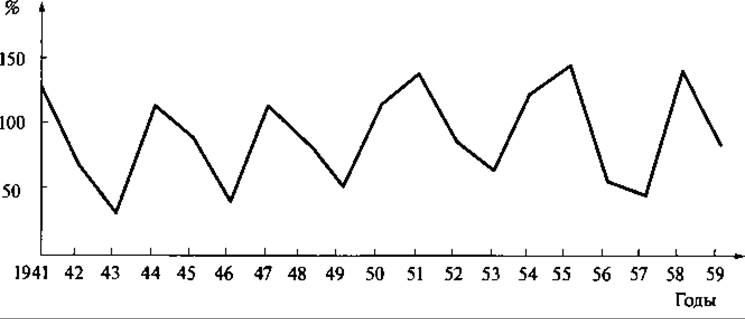
Fig. 224. Population fluctuations of arctic foxes in Eastern Siberia
Intrapopulation mechanisms of population regulation have been established relatively recently. It has been revealed that in a number of rodent species, the intensity of reproduction drops sharply during years of very high population density. This is caused by an increase in the proportion of animals that do not enter reproduction (primarily young ones), and in some cases, the litter size also decreases noticeably. Conversely, during population depressions, the percentage of reproducing individuals is high.
Here are several examples. In the Salair Ridge (Western Siberia), when the red vole population density was low, 63% of young-of-the-year participated in reproduction, whereas at a density 3 times higher, this figure dropped to 0%.
In North Wales, the wild rabbit reproduces almost year-round during years of very low population density, with the average litter size reaching 6.8. In contrast, during a year of high density, reproducing females were observed only from March to early June, and the average litter size was only 4.1. Variations in litter size between years of high and low population density have also been discovered in shrews.
The rate of sexual maturation varies depending on population density levels. For instance, in the Newfoundland herd of the harp seal, when the population was high, only 50% of females reached maturity by the age of six, and 100% did so only by age eight. Under conditions of low density caused by hunting, 50% of females matured as early as four years of age, and 100% by six years. Similar differences in the rate of sexual maturation have been noted for several other species.
Fluctuations in the populations of game animals exhibit a clear regularity. It has been established that changes in a species' population in one direction or another do not encompass its entire range simultaneously, but rather affect only a greater or lesser part of it. The limits of the spatial Distribution of a high or low "harvest" are primarily determined by the degree of landscape diversity within the species' range. The more monotonous the character of the locality, the larger the areas covered by similar population changes of a given species. Conversely, in conditions of a diverse terrain, the "harvest" has a highly patchy distribution. This has been traced in detail, for example, in the mountain hare (Fig. 225).
Animal population fluctuations are of great practical importance. They negatively affect the yields of harvested species, complicating hunting planning, the procurement of animal products, and the timely organization of management measures. Mass reproduction of certain mammals (such as mouse-like rodents) has serious negative consequences for agriculture and public health (since many rodent species serve as disease vectors). Worldwide, including in Russia, research is underway on forecasting mass animal outbreaks and on measures to eliminate economically undesirable population fluctuations.
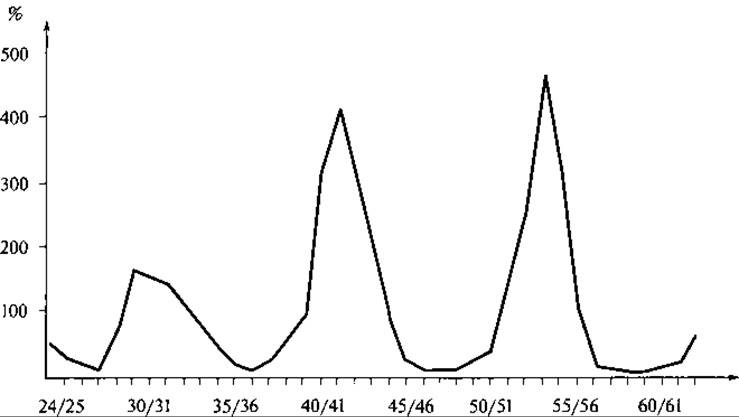
Fig. 225. Population fluctuations of the mountain hare in Yakutia (based on harvest data, % of the average)
Practical significance of mammals
Game animals. In Russia, fur and game trapping is carried out for meat, leather, and medicinal raw Materials. It is conducted under the control of state and public organizations that plan this work and exercise supervision.
The core of the fur trade is made up of approximately 20 species. The proportional contribution of the most important species is reflected in Table 24.
The given figures represent the average values for specific years (1971 — 1977). Naturally, the proportional significance of individual species varies somewhat due to sharp natural population changes across different years. This is especially characteristic of the squirrel, muskrat, arctic fox, hares, and to some extent the mole, red fox, and ermine.
In addition to the fur trade, ungulate harvesting is widely developed in Russia and is conducted in an organized manner under special permits, much like fur trapping.
To maintain integrated hunting management, sports and commercial enterprises have been established in Russia, and hunting grounds are allocated to them. The total area of such grounds is about 100 million ha. In addition to organizing harvesting and the procurement of fur and game, commercial hunting enterprises collect and harvest mushrooms, berries, and medicinal plants. They also engage in fishing, fur farming, and in some places, reindeer breeding.
Conservation and enrichment of fauna. It is known that in the 20th century, 120 species and subspecies of mammals became extinct. These include 23 species from the Order Rodentia (1.2% of the total number of species in the order), 4 species of Artiodactyla (2.1%), 2 species of Perissodactyla (11.0%), 10 species of Insectivora (2.6%), 16 species of Marsupialia (8.0%), and 1 species of Sirenia (20.0%).
For the period from 1900 to 1960, the causes of mammalian species extinctions were (as a percentage of the total number of extinct species):
A. Natural causes................................................ 25
B. Anthropogenic causes: hunting ................33
Introduction of predators........................... 17
introduction of other animals.................. 6
habitat destruction.............................. 19
To prevent the threat of further extinction of animal species, the International Union for Conservation of Nature (IUCN), on public initiative, established the Red Data Book in 1966. It contains lists of endangered and rare species and subspecies, along with recommendations for their protection. In total, 360 species and subspecies of mammals and birds are included in this book.
Table 24
Proportional share of individual mammal species in the fur trade (S. S. Pilitovich, 1979)
Species |
By % |
Species |
By % |
Squirrel |
27 |
Ground squirrel (all species) |
4 |
Sable |
20 |
Hares (all species) |
3 |
Arctic fox |
11 |
Marten (two species) |
3 |
Muskrat |
1 |
Stoat |
2 |
Mole (all species) |
5 |
Other |
9 |
Red fox |
5 |
The Red Data Book of Russia was published in 1983, with a new edition following in 2001. In it, mammals are divided into the following categories: likely extinct, endangered, stable in number, rare, status undetermined, and recovering. Of these, 77 species and subspecies of animals require special attention regarding their status in the wild. Some of them are listed below.
Russian desman (an endemic of our fauna) is sporadically distributed in the Volga, Don, and Ural river basins. Its range continues to shrink.
Medny Island arctic fox. An endangered relict endemic subspecies. It is presumably the most ancient isolated population of canids.
Amur tiger. A rare subspecies, surviving only in the Primorsky and Khabarovsk Territories of Russia.
Snow leopard — a very Rare species of the high mountains and the south of Western Siberia.
Far Eastern leopard is distributed in the extreme southwest of Primorye, where it is very rare.
Among cetaceans, seven species of large whales are included in the Red Data Book of Russia, with the bowhead and blue whales being particularly rare.
Goral has survived only in the southern part of the Sikhote-Alin range (Primorsky Krai).
The category of rare animals includes 73 species and subspecies. Among them are 8 species of bats, the European bison, the dhole, the polar bear, the Ladoga ringed seal, the native Ussuri spotted deer, a number of mountain sheep subspecies, and the Mongolian gazelle.
In addition to the protection of individual species and subspecies of animals, a broad network of state nature reserves (zapovedniks) and national parks established across the country's diverse geographical zones is of vital importance.
Nature reserves not only implement conservation measures for intact natural complexes but also conduct extensive scientific research into the patterns of their functioning and evolution.
Currently, nature reserves in Russia are represented across all climatic and natural zones.
For instance, the Lapland and Wrangel Island (on the island of the same name) reserves are located in the Arctic and Subarctic; the Pechora-Ilych, Barguzin, and Altai reserves are in the taiga zone; the Oka and Prioksko-Terrasny reserves are in the European center of the country; the Voronezh reserve is in the chernozem center; the Zhiguli reserve is in the Volga region; the Astrakhan reserve is in the Volga delta; the Caucasus and Teberda reserves are in the Caucasus; the Barguzin reserve is in Transbaikalia; the Sikhote-Alin reserve is in the southern Far East; and the Kronotsky reserve is in Kamchatka.
Impact on the fauna is exerted not only through the protection of individual species or entire natural complexes, but also through enriching the fauna with new species.
Fragmented attempts at the artificial resettlement of mammals were undertaken in Russia several centuries ago. They produced no significant effect. The scientific foundation for acclimatization work was laid in 1856 by Professor A. P. Bogdanov.
Between 1925 and 1972, about 500,000 animals belonging to 45 species were released into the hunting grounds of the former USSR for resettlement purposes.
The largest number of introduced species (six) originates from North America: the muskrat, raccoon, American mink, skunk, silver-black fox, and muskox. Two species are of South American origin—the nutria and chinchilla (now outside Russia)—and two are West European: the fallow deer and the European rabbit.
The scale of introduction for the most important species between 1925 and 1972 is presented in Tables 25 and 26.
In a number of cases, attempts to introduce animals ended in failure. Unsuccessful efforts included acclimatizing the skunk, Commander Islands Arctic fox, Canadian black fox, Siberian ibex, and several others, as they failed to adapt to habitats unsuited to their biological needs.
Species such as the muskrat, American mink, and raccoon successfully reproduced and expanded their ranges. The greatest success was achieved in the acclimatization of the muskrat (Fig. 226). This initiative began in 1928, with 1,646 individuals released across the territory of the former USSR. Over the following 50 years, approximately 250,000 animals were released into suitable habitats. Today, the muskrat inhabits the river basins of all major rivers, and the total area of its range is quite extensive.
The American mink, which is larger than our native species, has successfully acclimatized in the Far East, the Altai, parts of Eastern Siberia, and the Kama River basin.
The Ussuri raccoon dog, previously distributed only in Primorsky Krai, was introduced to numerous regions in the European part of Russia. It has long been a subject of regular hunting. In game management areas, however, this species causes ecological damage by destroying ground-nesting birds, particularly capercaillies, black grouse, and hazel grouse.
The American raccoon was acclimatized between 1936 and 1941 and successfully established itself in Azerbaijan (the Zakatala-Nukhinsky lowland). In 1949, trapping of these animals began for relocation to other regions. It successfully adapted in Dagestan and Krasnodar Krai, and also took root in the walnut forests of the Fergana Valley in Uzbekistan, although its population density there remains very low. Acclimatization proceeded even more successfully in the Belarusian Polesia. Conversely, attempts to introduce it in Primorsky Krai in the Russian Far East proved unsuccessful.
Table 25
Distribution of acclimatized and re-acclimatized species by order within the territory of the former USSR
Order |
Number of species |
% |
Number of individuals |
% |
Insectivores |
2 |
4 |
10150 |
2 |
Carnivores |
15 |
33 |
51025 |
12 |
Rodents |
10 |
24 |
342977 |
70 |
Lagomorphs |
3 |
6 |
53294 |
13 |
Artiodactyls |
14 |
31 |
14236 |
3 |
Perissodactyls |
1 |
2 |
13 |
— |
Table 26
Scale of introduction of the most important mammal species within the territory of the former USSR
(after M. P. Pavlov et al., 1973, 1974, with additions)
Species |
Number of mammals |
Species |
Number of mammals |
Russian desman |
9788 |
Muskrat |
299687 |
Sable |
19187 |
Chinchilla |
299 |
American mink |
20451 |
European hare |
31362 |
Raccoon |
1241 |
Wild boar |
4992 |
Raccoon dog |
6656 |
Red deer |
3482 |
Beaver |
12387 |
Sika deer |
2393 |
Squirrel |
11399 |
Roe deer |
2172 |
Yellow ground squirrel |
5853 |
European bison |
172 |
Nutria |
6270 |
Muskox |
50 |
The sable was one of the primary targets for re-acclimatization. Over a span of 70 years, approximately 19,000 sables were translocated. New populations were established in areas where the sable had been completely eradicated (such as the Verkhoyansk Range and the Chersky Range, among others). Of particular interest was the release of 428 sables into the spruce forests of the Terskey Alatau (Tian Shan), where the sable successfully acclimatized. Overall, there is no doubt that artificial translocation played a significant role in increasing the sable population.
The beaver was nearly exterminated prior to 1917, surviving only in a few isolated areas in Belarus, Ukraine, Voronezh and Tyumen Oblasts, and Tuva. Artificial reintroduction of this species began in 1930, and since then, more than 12,000 animals have been translocated. Today, the beaver has expanded its range—albeit in isolated patches—from the western borders of Russia eastward to the Amur River basin.
The nutria is a large semi-aquatic rodent native to South America, introduced in 1930 with a total of about 6,000 animals released. In several instances, attempts failed because the nutria is poorly adapted to water bodies that freeze over, even for a brief period. The greatest success was achieved in Transcaucasia. Currently, wild nutria populations can be found in the southern regions of Central Asia and the floodplains of the Kuban River. The Altai subspecies of the Eurasian red squirrel was introduced into the forests of the Caucasus and Crimea, while the teleut squirrel was introduced into the Eastern Tian Shan. Both successfully acclimatized everywhere, although the quality of their fur deteriorated significantly compared to their native populations, with the fur of the Crimean squirrel showing the most noticeable decline.
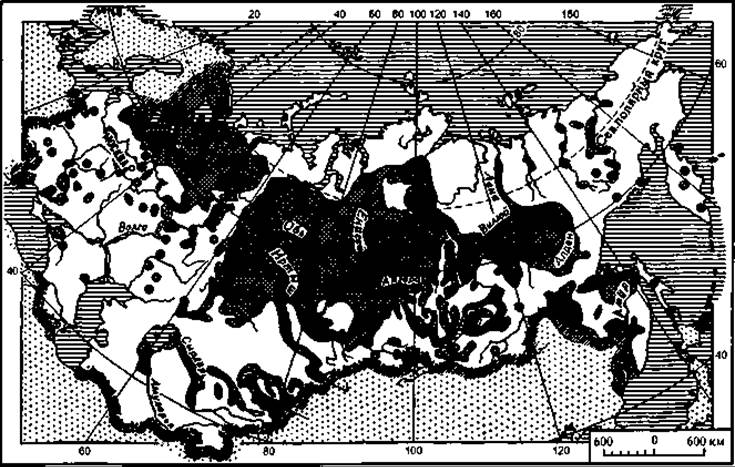
Fig. 226. Distribution map of the muskrat
Efforts to artificially translocate ungulates were conducted on a smaller scale.
The European bison, which survived in small numbers in the Białowieża Forest until the early 20th century, was re-acclimatized in the Caucasus Nature Reserve through the release of hybrid animals. In 1946, a bison breeding nursery was established in the Prioksko-Terrasny Nature Reserve (Serpukhov District, Moscow Oblast), followed by another nursery in 1959 in the Oka Nature Reserve (Ryazan Oblast).
As of January 1, 1975, there were 479 purebred European bison in the former USSR; today, their numbers exceed 2,000 individuals.
The muskox (Ovibos moschatus) was introduced to the USSR in 1974 and 1975 from Arctic Canada and Alaska, with a total of 50 individuals released on Wrangel Island and in Eastern Taimyr.
The European mouflon (Ovis ammon musimon) was successfully acclimatized in the mountainous regions of Crimea as early as the beginning of the 20th century.
The sika deer (Cervus nippon), whose native range is in Southeast Asia (represented locally in the south of Primorsky Krai), was introduced in groups of several hundred individuals into the Oka, Voronezh, Mordovia, and Ilmen Nature Reserves (Southern Urals).
The red deer, or maral, has been successfully acclimatized in farming enterprises across Ukraine, as well as the Moscow and Kalinin Oblasts. This measure is of little commercial significance, however, as the population of acclimatized animals remains small everywhere.
The wild boar, initially released in a hunting estate within the Tver Oblast (Zavidovsky District), has since spread to adjacent areas of the Moscow Oblast and several other regions.
Overall, the acclimatization of game mammals has been carried out on a large scale.
"Harmful" Mammals. Assessing various species of wildlife from the perspective of the damage they cause presents considerable challenges.
This is due to the fact that the very same species can exhibit entirely different characteristics depending on its natural and ecological environment.
In our country, only synanthropic rodents—rats and house mice—are considered harmful to human enterprise. Aside from the well-known damage they cause by destroying and spoiling food supplies in homes and warehouses, rats are completely intolerable on poultry and pig farms, where they destroy eggs, poultry, newborn piglets, and even attack adult pigs. Furthermore, rats spread ectoparasites capable of harboring and transmitting dangerous infections such as plague.
House mice not only destroy food products but also act as vectors for diseases such as plague and tularemia.
In southern regions, rats and mice migrate during the summer from buildings to neighboring agricultural lands, where they damage crop plantings. In many areas, certain mass-occurring rodents cause some harm to agriculture, such as the common vole (Microtus arvalis), and in the south, the social vole (M. socialis), among others.
In places, alongside the aforementioned house mouse, wood mice (Apodemus sylvaticus, A. flavicollis) also cause damage. Highly tangible damage to grain crops in steppe regions is inflicted by ground squirrels, among which the little suslik (Citellus pygmaeus) deserves special mention, being widespread in southern Ukraine, the Volga region, Ciscaucasia, and northwestern Kazakhstan. Where agricultural techniques are poor and pest control is inadequate, dozens of their burrows can be found per hectare.
In conclusion, it must be emphasized that the damaging activity of the rodents listed above and others is not ubiquitous. Even such seemingly universally recognized pests as ground squirrels sometimes inhabit environments where their contact with agricultural crops is entirely excluded or minimized to the barest minimum. For instance, the range of two species of long-tailed ground squirrels encompasses both the taiga and forest-tundra zones of Eastern Siberia, and in places they even penetrate into the tundra. The situation is similar with other rodent species. Among the carnivorous mammals of our fauna, there are no absolutely harmful species. Even the wolf, whose damage is most keenly felt, is not subject to blanket eradication. In areas lacking intensive livestock farming and game breeding, wolves actually provide a benefit by preying on substandard individuals among wild animals.
The question of our attitude toward the fox and other carnivorous mammals must be addressed with even greater nuance and scrupulousness. Firstly, the fox is a valuable fur-bearing animal, ranking among the foremost in fur harvesting. However, in areas of intensive game breeding and near poultry farms, its presence is clearly undesirable.
At the same time, one must take into account the crucial role played by the fox and many other predatory mammals in culling potentially harmful animals. For instance, examinations of several thousand fox stomachs and scats revealed that murine rodents appeared in 60 to 100% of cases, whereas birds accounted for only 8 to 35%. The Dietary intake of ferrets, ermines, and weasels consists almost exclusively of murine rodents.
Tigers and leopards are rare in our country and require protection. Such remarkable animals as the brown bear, lynx, and wolverine also demand careful stewardship. The hunting of polar bears in our country has long been prohibited.
A number of mammal species are of significant epidemiological importance, as they serve as reservoirs and vectors of many infectious diseases dangerous to humans. Diseases whose pathogens affect both animals and humans are called anthropozoonoses. These include plague, tularemia, leishmaniasis (oriental sore), typhus-like fevers (rickettsioses), tick-borne relapsing fever (spirochetosis), encephalitides, hemorrhagic fever, and others.
Marmots, ground squirrels, gerbils, and rats act as carriers and disseminators of such a formidable disease as plague. The plague bacterium (Pasteurella pestis) is transmitted by these animals to humans through direct contact—such as bites from these small mammals—and via fleas. Tularemia frequently assumes the form of large epidemics affecting vast numbers of people. The pathogen of this disease is transmitted to humans through blood-sucking insects (mosquitoes, flies, fleas, lice), ticks, through the skin, or via direct contact. The primary microbial carriers are rodents, predominantly the water vole (Arvicola amphibius), the common vole, the house mouse, ground squirrels, and hares.
Leishmaniasis (oriental sore) is caused by a species of protozoan (Leishmania) transmitted to humans by sandflies. The reservoirs of Leishmania are gerbils and the slender-toed ground squirrel. During epidemics of rickettsiosis (typhus-like fever), the pathogens—rickettsiae—are transmitted from rodents (mice, voles) by ticks and fleas.
Encephalitides, which are severe and dangerous diseases affecting The Nervous system, are caused by invisible pathogens known as filterable Viruses. Many species of mammals (rodents, insectivores) serve as virus carriers. Transmission of the virus to humans is carried out by ticks and mosquitoes.
Research by Academician E. N. Pavlovsky has established that the spread of infectious agents in nature during zoonotic diseases is focal in character. Natural foci are locations where optimal conditions are created for the preservation of disease pathogens. This is ensured by the presence within the natural focus of a favorable environment for maintaining the infectious agent in the external environment, within the organisms of vectors (ticks and insects), and among reservoir hosts (usually birds and mammals). Based on The Study of the nature of these foci, E. N. Pavlovsky's school has developed measures to prevent the spread of infection and to eliminate the epizootic foci themselves. This work has required extensive research into the biology of vertebrate animals, which typically serve as the primary microbial carriers.
A widely organized campaign is underway against rodents that are harmful to agriculture and dangerous from an epidemiological standpoint. In organizing these measures, account is taken of the annually fluctuating numbers of most pest species and the specific patterns of their distribution across natural landscapes and human settlements. It is believed that the greatest efficacy can be achieved in certain cases by eradicating rodents during years when their populations are sharply reduced by natural conditions. In such years, rodents are distributed sporadically, often over relatively limited areas, which naturally facilitates control efforts.
Three main Methods are employed to control rodents: biological, mechanical, and chemical.
The biological method of pest control is based on protecting and attracting birds of prey and carnivorous mammals that feed on rodents. For instance, in areas troubled by certain diseases, the trapping of even valuable fur-bearing animals, such as foxes, ferrets, and ermines, is prohibited. While this control approach does not ensure the radical eradication of harmful rodents, it does suppress their populations. In populated areas, the infection of rodents with certain acute diseases that are harmless to humans and agricultural animals is sometimes employed. Favorable results are also obtained by introducing small doses of chemical poison into food baits alongside bacterial cultures.
The mechanical method of control consists of capturing the animals using various types of traps.
Chemical methods of pest control rely on poisoning the animals with gaseous poisons pumped into burrows or with poisons administered via food baits.
Nevertheless, the application of various rodent control methods demands extreme caution to prevent inflicting harm on other species and humans.
Domestic and Domesticated Mammals. The taming and domestication of mammals began in deep antiquity and continues to the present day. In accordance with economic demands and socio-economic conditions, humans have domesticated various animal species. By exerting influence through selective breeding and varying maintenance conditions, humans have cultivated specific agricultural utility traits in the tamed animals. As a result, numerous breeds of domestic livestock emerged in ancient times and have continued to evolve and improve throughout human history.
Over the past decade, captive animals have been at various stages of domestication. Fur-bearing animals and certain species of deer are the least domesticated.
In Russia, sables, minks, arctic foxes, foxes, nutrias, and chinchillas are farmed. Particular attention is paid to mink breeding through the application of the laws of heredity and variation, alongside modern selective breeding methods. Various color morphs of minks have been developed, including blue, white, beige, and others. Fur-bearing animals are raised primarily in specialized facilities—fur farms—using wire-mesh enclosures.
Fur farming originated in Russia in the 1920s and developed very rapidly.
In the second half of the 19th century, Russian settlers in Siberia (the Altai region) and the Far East initiated the taming and breeding of the maral (Siberian red deer) and the sika deer. Today, these deer are bred in nurseries across various agricultural enterprises. Every spring, their newly grown antlers—known as velvet antlers (pant)—are harvested for use in the pharmaceutical industry to manufacture medicines (Fig. 227). There are also successful experiments in taming moose.
The reindeer has been domesticated since ancient times. These deer are raised under pasture management conditions in Northern Europe, as well as in the tundra and taiga of Siberia. Curiously, reindeer were domesticated exclusively in Eurasia; into North America, where wild reindeer also exist, domestic reindeer were subsequently imported from Europe and Siberia. In appearance, domestic reindeer differ very little from their wild relatives.
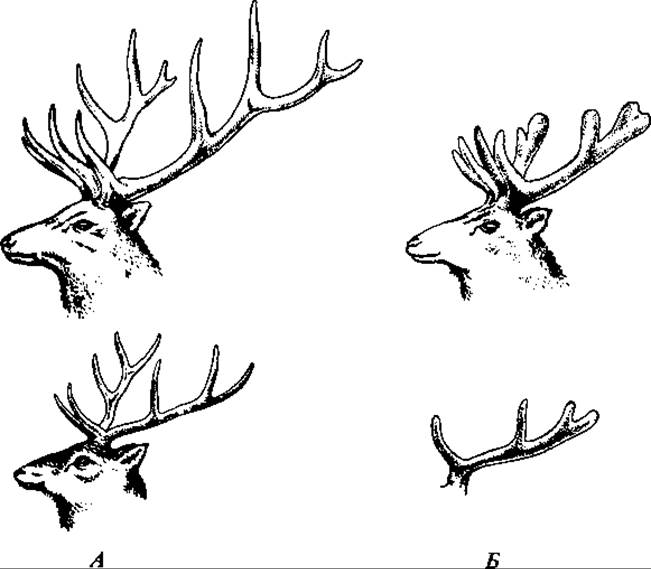
Fig. 227. Fully developed (A) and growing (B) antlers (velvet antlers/pant) of a maral and a sika deer
Domestic camels are known in two species: 1) the Bactrian camel (Camelus bactrianus) and 2) the dromedary (C. dromedarius). It is believed that they originated independently from two distinct wild species. The Bactrian camel was domesticated relatively recently—in the second millennium BC. A thousand years before our era, Bactrian camels were already raised as domestic animals in many regions of Asia. The ancestor of this domestic species was undoubtedly the wild Bactrian camel, which has survived to the present day in Central Asia. It was first discovered in 1877 by N. M. Przhevalsky. The exact ancestor of the domestic dromedary remains unknown, and there are currently no wild animals of this species in existence. It is hypothesized that the wild dromedary may have once inhabited Arabia, with its domestication tentatively attributed to the second millennium BC. Today, dromedaries are raised primarily in Africa and Southwest Asia, while Bactrian camels are bred in Central Asia. Crossbreeds between these two species are also frequently produced.
Cattle have a long and complex evolutionary history. The vast majority of breeds are descended from the aurochs (Bos primigenius), a wild ox that was still widespread in historical times across Europe, Asia, and North Africa. The domestication of the aurochs occurred approximately 8,000 years BC. Some scientists believe the aurochs was hunted to extinction about three centuries ago; in any case, during the era of Kievan Rus, the aurochs was a common animal in our steppes and forest-steppes. Across various parts of their vast range, aurochs formed local variants that gave rise to different groups of domestic cattle breeds in Europe and most of Asia.
South Asian cattle breeds are descended from wild species that have survived to the present day. The banteng gave rise to the Bali cattle, which are common on the islands of the Malay Archipelago and in Indochina. The gaur (Bos gaurus) is the ancestor of domestic gayals bred in India. These domestic breeds differ relatively little from their wild ancestors (unlike breeds originating from the domestication of the aurochs).
The domestic yak, raised for meat, milk, and pack transport in the highland regions of Central Asia, the Altai, the Sayan Mountains, Transbaikalia, and Inner Asia, is descended from the wild yak (Poephagus grunniens), which inhabits Tibet.
Domestic water buffalo are bred in the Caucasus, Crimea, Southern Europe, and South Asia. They are utilized as dairy, meat, and draft animals. Their presumed ancestor is the wild Asian water buffalo (Bubalus arnee), which is widespread in South Asia.
Domestic pigs arose from the domestication of several wild species. The wild boar (sus scrofa), widespread in Southern Europe, North Africa, and the temperate latitudes of Asia, is considered the primary ancestor. All major breeds in Europe and most of Asia descend from this species. The domestication of the boar in Europe is believed to have taken place at the end of the Neolithic period. As trade routes developed, domestic animals spread further afield. The domestic pigs of the Greater Sunda Islands are descended from the bearded pig (Sus barbatus). South Asian pig breeds were imported to Europe and crossed with local European breeds, meaning that some modern European pig breeds have a complex lineage.
Until recently, only a single species of wild horse survived in nature—Przhevalsky's horse (Equus caballus). It was discovered in 1879 by our renowned traveler N. M. Przhevalsky in Central Asia (Dzungaria). During the Paleolithic period, Przhevalsky's horse was widely distributed across Eurasia, with historical records indicating the presence of this species in southern Western Siberia as well. In the South Russian steppes, wild horses known as tarpans (E. c. gmelini) still lived in the past century. The last herd of eight tarpans was observed near the present-day Askania-Nova Nature Reserve in the early 1870s. The domestication of horses apparently began several millennia BC, with horse breeding emerging independently in several regions of Europe and Asia through the taming of local wild horses—the tarpan and Przhevalsky's horse.
Sheep breeds with diverse economic purposes originated from several wild species: the Mediterranean mouflon (Ovis ammon musimon), the Central Asian argali (O. a. polii), and the urial (O. a. vignei). The domestication of sheep took place approximately 10,000 years BC.
Over a vast period of breeding, sheep have been developed for many different purposes, and their breeds can be grouped into the following categories: wool, wool-meat, meat-fat, fur-skin (sheepskin), and karakul (astrakhan).
The dog was among the first animals to be domesticated by humans, an event that occurred around 15,000 years ago, as evidenced by archaeological data. The gray wolf (Canis lupus) is widely accepted as the primary ancestor of dogs. Domestication undoubtedly occurred concurrently in various regions. Subsequently, Selection, training, and repeated backcrossing with wild species led to an exceptionally high diversity of dog breeds.
It remains to be added that the examples listed above by no means exhaust the potential for further domestication. The taming and transformation of other wild animal and bird species into livestock, alongside the development of highly productive domestic breeds, are highly relevant tasks of profound theoretical and practical significance.
Rational management and conservation of wildlife enable its long-term utilization for hunting, biological pest control, and domestication purposes.
Last update: 13/08/2026
Editorial and Educational Adaptation: This material has been compiled based on the primary/original source text. The project team performed an editorial review, corrected technical inaccuracies, structured sections, and adapted the content for an educational format.
What was processed:
- elimination of formatting defects (OCR errors, structural breaks, corrupted characters);
- editorial organization of content;
- standardization of terminology in accordance with academic sources;
- verification of factual statements against the original source text.
All mentions of the author, publication year, and origin of the primary text have been preserved in accordance with the source.