MODERN BOTANY - P. RAVEN - 1990
SECTION VIII. EVOLUTION
CHAPTER 30. PLANTS AND PEOPLE
Modern humans, i.e., the species Homo sapiens, have existed for at least 500,000 years, and in fairly substantial numbers for approximately the last 150,000 years. Like all other organisms, humans are the product of an evolution that has lasted no less than 3.5 billion years. Our immediate ancestors, Australopithecus, first appeared no later than 5 million years ago, evidently branching off in Africa from the evolutionary Lineage that also gave rise to chimpanzees and gorillas—our closest living relatives. Australopithecines were relatively small primates that frequently moved about on the ground on their hind limbs.
Larger creatures that used tools and are classified in the genus Homo, i.e., the first humans, appeared about 2 million years ago. Most likely, they descended from australopithecines, but they possessed a much larger Brain capacity, which was apparently linked to tool use, which in turn stimulated brain development. Early humans probably subsisted mainly by gathering (searching for fruits and seeds, collecting edible shoots and leaves, digging up roots), scavenging, and only occasionally hunting. They learned to use fire no later than 1.4 million years ago. In their way of life, such humans apparently resembled some modern tribal groups. The species Homo sapiens appeared in Africa about 500,000 years ago, and in Eurasia about 250,000 years ago.
Sturdily built, stocky Neanderthals, once very numerous in Europe and Western Asia, completely vanished about 34,000 years ago. They were replaced by modern-type humans, who began crafting increasingly complex tools not only from stone, but also from bone and antler—Materials that had not previously been used for this purpose. They were exceptional hunters, mainly of large animals whose herds grazed in the areas they inhabited. These humans learned to cover cave walls with magnificent ritual paintings. Thus, the foundations of modern society were laid.
The Agricultural Revolution
The Origins of Agriculture
Modern humans, who succeeded the Neanderthals, soon spread across the globe. Following their appearance in Europe and Western Asia, they colonized Siberia and then (12,000 to 13,000 years ago) reached North America. Their eastward migration occurred during one of the periods of the Pleistocene cooling, when forest-steppes with large herds of herbivores were widespread. The extinction of many of these species is apparently linked to human expansion. In any case, intense hunting by humans, major climatic changes, and the disappearance of these animals in many PARTS OF THE globe coincide in time.
About 18,000 years ago, glaciers began to retreat, much as they had done 18 or 20 times during the preceding 2 million years. Forests spread northward into Eurasia and North America, while steppes became less extensive, leading to a decline in the populations of large animals associated with them. At that time, no more than 5 million people likely lived across the entire Earth. They were forced to gradually master new food sources. Some tribes inhabited marine coasts, where edible animals were locally quite abundant, whereas others began cultivating plants, thereby acquiring a new and more reliable source of nourishment.
The idea of sowing seeds probably first arose as a logical consequence of a simple sequence of events. For example, wild seed-producing grasses were, ecologically speaking, weeds; that is, they readily colonized open, disturbed areas or patches of bare ground where few other competing species grew. People who regularly gathered such seeds may have accidentally spilled them near their campsites or deliberately planted them, thereby creating a more reliable food source. This was how agriculture began (Fig. 30-2). In places where wild cereals and legumes were abundant, tribes settled down for long periods, eventually learning to increase yields by storing and sowing seeds, protecting fields from mice, birds, and other pests, and providing irrigation and fertilizer.
Class="center">Fig. 30-2. Harvesting (top) and winnowing (bottom) wheat (Triticum) in Tunisia, North Africa. Similar small-plot cultivation of this crop has persisted in the Mediterranean for over 10,000 years

Under METABOLISM/18.html">The Influence of cultivation, the traits of domesticated plants gradually changed, as humans selected seeds for planting from specimens with characteristics that facilitated harvesting, storage, or utilization. For instance, in wild wheat and its relatives, the axis of the inflorescence (the rachis) breaks apart easily, scattering the mature grains. In cultivated wheat varieties, the rachis is tough, and the seeds are retained in the spike until harvest. In nature, this trait would hinder their dispersal, but it makes harvesting for food and subsequent planting much easier. Over time, cereal grains became increasingly dependent on the humans who cultivated them, and humans became increasingly dependent on them.
Old World Agriculture
The domestication of plants and animals began about 11,000 years ago in the region known as the "Fertile Crescent" of the Eastern Mediterranean, which encompasses parts of modern-day Lebanon, Syria, Turkey, Iraq, and Iran. The earliest cultivated plants here were evidently barley (Hordeum vulgare) and wheat (Triticum), soon joined by lentils (Lens culinaris) and peas (Pisum sativum) (Fig. 30-3). In addition to these, chickpea (Cicer arietinum), vetch (Vicia), olive (Olea europaea), date palm (Phoenix dactylifera), pomegranate (Punica granatum), and grapevine (Vitis vinifera) were very early introduced into cultivation in this region. The production of wine from grapes and beer from grain has been practiced since ancient times. Flax (Linum usitatissimum) was grown very early, apparently both for its seeds (which are still consumed as food in Ethiopia) and for its fiber, which was used to make clothing fabric.
Fig. 30-3. Examples of the first plants brought into cultivation in the Middle East: barley, Hordeum vulgare (top), and pea, Pisum sativum (bottom)

Among the earliest cultivated crops, cereals served as the primary source of CARBOHYDRATES, while legumes provided Proteins. The seeds of the latter are an exceptionally rich plant source of these substances, which in turn often contain high levels of specific Amino Acids that are poorly represented in grasses. It is hardly surprising, therefore, that from the very beginnings of agriculture, legumes were universally grown alongside cereals. Of all the proteins consumed by humans worldwide, about 70% are provided by plants and only about 30% by animals; furthermore, 18% of this plant protein comes from legumes and about 70% from cereals, despite a lower protein content in the latter. Notwithstanding this ratio, legume proteins are crucial to the human diet, and the potential for enhancing the Nutritional Value of these plants in terms of their amino acid profile is far from exhausted.
Over time, the technical toolkit of agriculture advanced. For instance, specialized tools for harvesting and Processing grain, including flint sickles, stone querns, mortars, and pestles, were already in use more than 10,000 years ago. Approximately 2,000 years later, people began firing clay vessels for grain storage. Concurrently with the transition to agriculture in the Middle East, various animals were domesticated, including dogs (which may have been the first to live in permanent association with humans), goats, sheep, cattle, and pigs. Horses were domesticated later in southwestern Europe, cats in Egypt, and chickens in Southeast Asia; all these animals quickly spread with humans throughout the world.
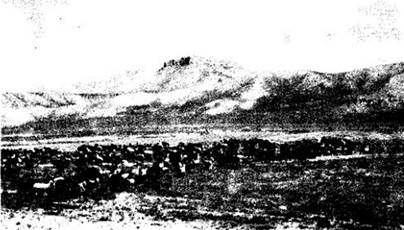
Wherever herbivores were raised, they fed on wild or cultivated plants, providing wool, hides, milk, and other products in return, and occasionally becoming food for their keepers themselves. As human populations grew, the herds of these animals expanded to such an extent that they overgrazed pastures, leading to severe ecological disruption (Fig. 30-4). In many Middle Eastern and other arid regions around the Mediterranean, overgrazing continues to this day, and desert areas have been expanding continuously from the inception of large herds down to the present.
Fig. 30-4. Herds of domestic livestock, such as these Karakul sheep in Afghanistan, when allowed to become too numerous, devastated vast areas of the Eastern Mediterranean. In many places, once-fertile lands were transformed into deserts where only thorny and poisonous plants survived
However, people were now provided with stable food resources in the form of domesticated animals and cultivated plants. For 10,000 years, they have been able to settle in villages, and nearly 4,000 years ago, cities began to emerge. Fertile lands capable of sustaining many generations became private property, accumulated, and were passed down through inheritance. Thus, the world was divided into the propertied and propertyless classes that persist to this day.
Agriculture, having originated in the Middle East, spread northwestward across much of Europe and reached Britain around 4000 B.C. Concurrently, it developed independently on other continents. There is evidence of The Emergence of agriculture in subtropical China (in the Yellow River basin) at approximately the same time as in the Middle East. Here, certain cereal grasses such as millet were cultivated, later joined by rice (Oryza sativa), which has now become one of the world's major staple crops. Eventually, rice displaced millet across most of its former cultivation range. Soybeans (Glycine max) have been cultivated in China for at least 3,000 years (Fig. 30-5).
Fig. 30-5. In just 50 years or so, soybean (Glycine max) has become one of the leading crops in the United States. It is one of the richest nutritional sources among food plants. Soybean seeds contain 40–45% protein and 18% fats and oils. In the East, it is used, among other things, to produce a special "curd" and sauce. Soybeans grow well only in temperate climates, and the US produces over half of the global harvest. Like many legumes, the ROOT nodules of this plant harbor nitrogen-fixing Bacteria, which support its own growth and enrich the soil with available nitrogen. In the US, soybeans are often rotated with corn, primarily to interrupt the life cycles of key nematodes and harmful insects that affect these two major crops.

In other parts of subtropical Asia, agriculture developed based on rice cultivation, along with the growing of various legumes and root crops. Archaeological findings indicate the cultivation of rice in Thailand about 10,000 years ago, though further research is needed to refine these data. The humid, rainy conditions of the tropics typically destroy most of the evidence that archaeologists rely on to trace such ancient events. Several animals were domesticated in Asia in deep antiquity. Among them are the Water buffalo, camel, and chickens, which became essential elements of local agricultural systems.
In tropical Asia, mango (Mangifera indica) and various citrus fruits (Citrus spp.) were domesticated, while rice and soybeans began to be cultivated further north. Taro (Colocasia esculenta) is a vital food plant of tropical Asia, cultivated for its starchy corms; Xanthosoma is its New World counterpart. Taro and closely related genera, including Xanthosoma, are used to make poi, a staple starchy food across the Pacific Islands, including Hawaii, where these plants were introduced by Polynesians about 1,500 years ago.
Fig. 30-6. Rice (Oryza sativa) provides half the food consumed by nearly 1.6 billion people and more than a quarter for another 400 million. It has been cultivated for at least 6,000 years; today it covers 145 million ha, or about 11% of the world's arable land. Rice is used to produce several types of alcoholic beverages, including sake in Japan. When rice paddies are flooded, fish are often raised in them and subsequently used for food. Since the ESTABLISHMENT OF THE International Rice Research Institute in the Philippines in 1962, much has been done to improve this crop. A. Rice terraces. B. Water buffaloes preparing rice fields on the island of Bali, Indonesia.

Among the most important crop plants originating from tropical Asia is the banana (Musa x paradisiaca); its fruits are a staple food in the tropics, where two-thirds of the total global harvest is consumed. Starchy varieties of this plant are much more important here as a food source, whereas sweet varieties are more familiar to residents of temperate latitudes. Wild bananas have large, hard seeds; cultivated varieties, like the fruits of many cultivated citrus plants, are seedless. Bananas reached Africa about 2,000 years ago, and the New World shortly after Columbus's discovery.
Agriculture also began early in Africa, though direct evidence regarding its exact origins remains scarce here as well. In any case, at the southern tip of the continent, it emerged at least 5,000 years later than in the Fertile Crescent. Africa gave rise to the cultivation of sorghum (Sorghum spp.) and A number of millets (Pennisetum spp., Panicum spp.), vegetable crops such as okra (Hibiscus esculentus), various root crops with yams (Dioscorea spp.) holding a special place, and cotton (Gossypium). Several wild species of cotton are widespread, primarily in regions with mild climates and seasonal droughts; their utility is obvious: the long seed hairs can easily be spun into thread (Fig. 30-7). Cotton fabric dating back 4,500 years has been found in India. The seeds of this plant are used to obtain oil, and their press cake serves as livestock feed. Coffee (Coffea arabica) is another crop of African origin. It was domesticated much later than the other plants listed, but has since gained immense economic importance.
Fig. 30-7. Cotton (Gossypium) is one of the most widespread fiber crops. It appears to have been independently domesticated in Africa and/or India (with the same species grown in both areas), in Mexico (a different species), and in western South America (a third species). Although clothing has been made from cotton for several thousand years, it became an important source of edible oil only in the past century. Today, polyploid New World cotton is cultivated worldwide, whereas Old World diploid species are grown only locally on much smaller scales.

New World Agriculture
The Development of agriculture in North and South America proceeded independently. Apparently, prior to 1492, no cultivated plants had been introduced here from the Old World. The only domestic animal brought to North America by humans migrating across the Bering Strait was the dog. This underscores the dog's vital role as a guard, hunting, and herding animal, as well as a source of meat, which may account for its very early domestication. As previously noted, this animal was likely the first to be more or less permanently kept by humans.
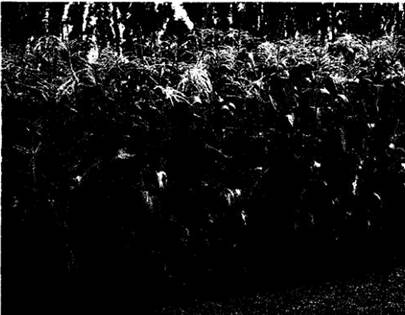
The early domesticated plants of North and South America differ from those of the Old World. Instead of wheat, barley, and rice, people here cultivated corn (Zea mays; Fig. 30-8), and instead of lentils, peas, and chickpeas, they grew the common bean (Phaseolus vulgaris), the Lima bean (Phaseolus lunatus), and peanuts (Arachis hypogaea). Important agricultural plants of Mexico included cotton (Gossypium spp.), peppers (Capsicum spp.), tomatoes (Lycopersicon spp.), tobacco (Nicotiana tabacum), cacao (Theobroma cacao)—the primary ingredient in chocolate—pineapples (Ananas comosus), squash (Cucurbita spp.), and avocados (Persea americana). Cotton was domesticated independently in both the Old and New Worlds, with different species utilized in various centers of cultivation. Its cultivation by humans in Mexico began at least 4,000 years ago, and even earlier in Peru. New World cotton is polyploid; it gave rise to almost all cultivated varieties now grown globally, whereas Old World species are diploid. Following Columbus's Discovery of the Americas, many of these native crops were introduced to Europe and subsequently spread to other continents. While not all of these crops were entirely new to Europeans, some—such as cotton—outperformed the forms previously grown in Eurasia and soon supplanted them.
Fig. 30-8. Corn (Zea mays) is the leading agricultural crop in the United States. Initially consumed mainly as human food, it is now one of the most important forage plants worldwide. In the US, 80% of the corn harvest is fed to livestock. At the time of Columbus, it was cultivated from Canada to southern South America. There are five MAIN TYPES OF corn: popcorn, flint, flour, sweet, and dent. The latter variety is the staple of the US "Corn Belt," grown primarily for livestock feed.
The earliest evidence of agriculture in Mexico dates back 9,000 years, but its widespread adoption here occurred considerably later. Available data suggest that plant cultivation began later here than in Eurasia. Many crops first domesticated in Mexico later spread northward into Canada. Similar plants were widely cultivated in the plains and mid-altitudes of South America. Agriculture may have developed independently in Peru and Mexico, though this question cannot be definitively resolved based on current evidence. The oldest records of agriculture in both regions belong roughly to the same era, and certain crops, such as tomatoes and peanuts, could well have been brought to Mexico from South America by humans.
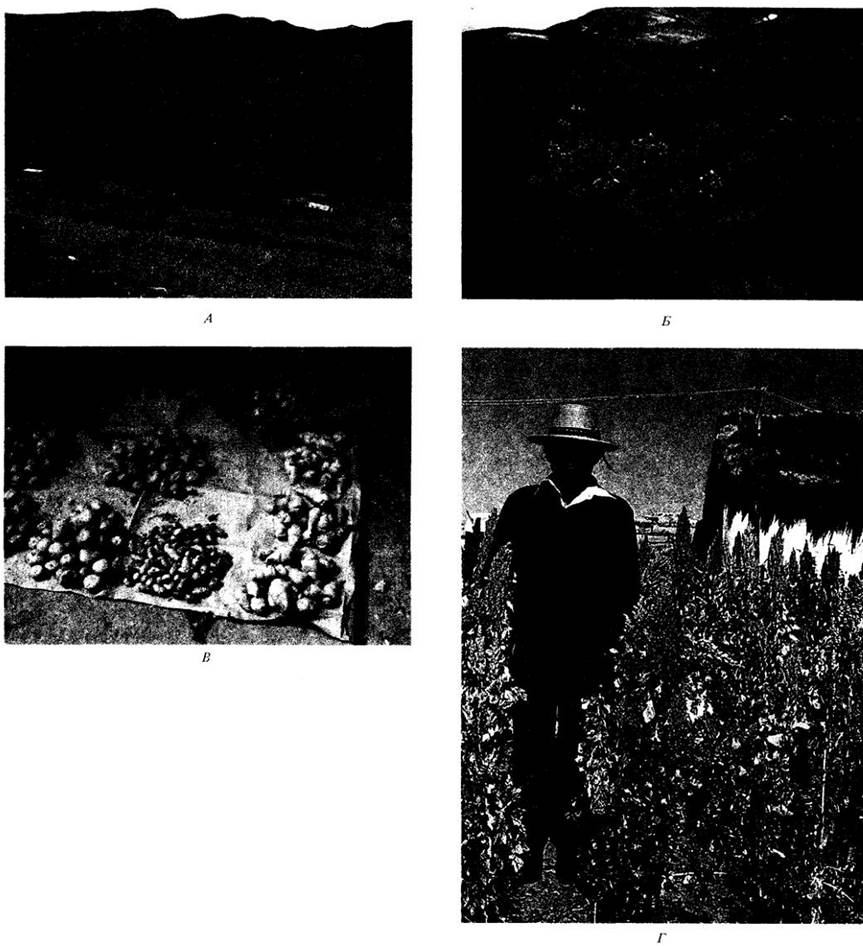
A distinct type of agriculture emerged in the northern Andes (Fig. 30-9), centered on tuber crops, such as potatoes (Solanum tuberosum and related species), and seeds, notably quinoa (Chenopodium quinoa) and lupines (Lupinus spp. from the legume family). At the time of Columbus, potatoes were cultivated across all highland regions of South America, but were introduced to Central America and Mexico by the Spaniards. Within two centuries, the potato became Europe's most vital food crop, yielding twice as many calories per hectare as wheat.
Fig. 30-9. A unique form of agriculture originated in the highlands of the South American Andes. A. Cultivated fields in the mountains of northwestern Argentina. B. A potato field (Solanum tuberosum) in Ecuador. Plant breeding has utilized only a tiny fraction of the available genetic diversity of this vital global crop for its improvement. C. Three of the four leading Andean root and tuber crops displayed for sale at a market in Tarma, Peru: potatoes; oca, or the tuberous nasturtium (Tropaeolum tuberosum); and ulluco (Ullucus tuberosus). The latter species, capable of growing at higher altitudes than potatoes, produces large edible tubers and could become a useful crop in other parts of the world. The fourth common Andean tuber is oca, or the tuberous sorrel (Oxalis tuberosa), also grown on a small scale in New Zealand and elsewhere. To facilitate storage, Andean farmers freeze-dry the tubers of all four plants. D. Quinoa (Chenopodium quinoa) of the goosefoot family (Chenopodiaceae) is an important Andean grain crop; a plantation in northern Chile is shown. Trials are currently underway to expand its cultivation zone.
Outside these primary centers of agricultural crop origin, other crops were domesticated. For example, the sunflower (Helianthus annuus) was first cultivated by Native Americans in the territory of the modern USA (Fig. 30-10). Another highly valuable New World crop is cassava (also known as manioc), which originates from the dry regions of South America and is now widely cultivated throughout the tropics (Fig. 30-11).
Fig. 30-10. The sunflower (Helianthus annuus) is an important oilseed crop (oil is extracted from the seeds). It was first cultivated at least 3,000 years ago in the central region of the modern United States.

Fig. 30-11. Cassava (Manihot esculenta) is one of the most important root crops of the tropics. By heating starch extracted from its roots in hot water, tapioca "flour" is produced. Some cultivated lines, known as bitter cassava, contain toxic cyanide compounds that must be removed before consumption. A. Cassava grown in a cleared forest patch in southern Venezuela. B. A Trio woman (southern Suriname) cleaning a cassava root before cooking.

While the well-known potato belongs to The Nightshade family (Solanaceae), the sweet potato (Ipomoea batatas) belongs to the morning glory family (Convolvulaceae), as is readily apparent when it is in bloom. Consequently, these plants are not close relatives. At the time of Columbus, sweet potatoes were cultivated in many areas of Central and South America; they were also widespread across certain Pacific islands as far as New Zealand and the Hawaiian archipelago, having apparently been introduced there in ancient times by humans. Subsequently, this crop became a major staple across much of Africa and tropical Asia.
Very few animals were domesticated in the New World: Muscovy ducks, turkeys, guinea pigs, llamas, and alpacas. Towns and large cities emerged here, just as they had previously across Eurasia—that is, wherever the level of agriculture could sustain them. Agricultural crops were cultivated on large tracts of land around these centers, but unlike in Europe and Asia, there were no large herds of domestic livestock.
When Europeans colonized the Western Hemisphere, they brought their livestock with them. Over time, these herds caused widespread environmental degradation in parts of the New World, much as they had thousands of years earlier in the Middle East and other regions of Eurasia. Many natural plant communities were not easily converted into pastures. For example, clearing large areas of tropical rainforest for this purpose led to negative consequences wherever it was attempted. In most cases, pastures in such locations remained productive only for a short period while soil nutrients lasted, and had to be abandoned after 10 to 15 years.
Spices and Seasonings
The previous chapter discussed substances synthesized by plants primarily for defense against insects and other herbivores. These compounds determine the scent and taste of many species, imparting properties that humans have used since prehistoric times. Some of these compounds are toxic to humans and animals, while others are of great interest.
Spices are aromatic plant products, typically rich in Essential Oils, which can be obtained from roots, bark, seeds, buds, or fruits. Seasonings generally refer to the leaves of herbaceous plants, as well as bay leaves and certain other products of woody or shrubby origin. In everyday usage, the terms seasonings and spices are rarely distinguished. Both are traditionally used to flavor food, especially when it is losing its freshness or beginning to spoil.
Ancient written sources attest to their widespread use in cooking. The search for spices was the primary goal of the great Portuguese, Dutch, and English expeditions that began in the 13th century and led to the discovery of lands previously unknown to Europeans. The most valuable spices were found in the tropics of Asia; they motivated journeys and sparked numerous armed conflicts. By the 3rd century BC, camel caravans were transporting spices from tropical Asia to the Mediterranean, a journey that often took two years. Among the goods were cinnamon (the bark of Cinnamomum zeylanicum), black pepper (the dried fruits of Piper nigrum; Fig. 30-12), cloves (the dried flower buds of Eugenia aromatica), cardamom (the seeds of Elettaria cardamomum), ginger (the rhizomes of Zingiber officinale), and nutmeg (the seeds of Myristica fragrans and their dried outer covering, Fig. 30-13). Once the Romans discovered that utilizing seasonal monsoon shifts allowed them to reach the shores of India from Aden, they shortened the journey to one year, though it remained a very perilous and unreliable enterprise. A smaller number of spices came from the tropics of the New World following Columbus's voyages, such as vanilla (the dried and fermented pods of the orchid Vanilla planifolia, see Fig. 29-17), chili peppers (Capsicum spp.), and allspice (the berries of Pimenta officinalis).
Fig. 30-12. Black pepper (Piper nigrum), known for millennia as a valuable spice.
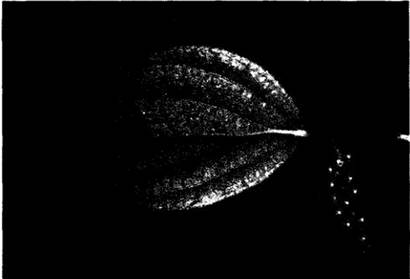
Fig. 30-13. Nutmeg (Myristica fragrans) is one of the most important traditional spices of tropical Asia. One type of spice is obtained from the ground seeds, and another (mace) from the fleshy seed coverings, visible in the illustration as strips of red tissue.

Europe, particularly the Mediterranean region, is home to many native seasonings. They are well known locally and, perhaps for that reason, were not valued as highly as certain imported spices. Prominent among European seasonings are members of the mint family (Lamiaceae), including thyme (Thymus spp.), mint (Mentha spp.), basil (Ocimum vulgare), oregano (Origanum vulgare), and sage (Salvia spp.). Apiaceae (umbellifers) are also highly prized, including parsley (Petroselinum crispum), dill (Anethum graveolens), caraway (Carum carvi), fennel (Foeniculum vulgare), cilantro or coriander (Coriandrum sativum), and anise (Anisum vulgare). Some members of this family, such as parsley, are grown mainly for their leaves; others (such as caraway) for their seeds; while many (dill, coriander) are valued for both.
Tarragon (Artemisia dracunculus) is a seasoning consisting of the leaves of a plant from the wormwood genus, several species of which form desert shrublands in the western United States and Canada. Ground seeds of the Eurasian mustard plant (Brassica nigra) are also classified as a spice. Another seasoning, the bay leaf, is typically obtained from Laurus nobilis, a tree native to the Mediterranean, and nowadays frequently from Umbellularia californica of California and Oregon. Both of these species belong to the large tropical laurel family (Lauraceae), but grow natively in temperate climates. Saffron, a popular Middle Eastern spice, consists of the dried stigmas of Crocus sativus, a small bulbous plant of The Iris Family (Iridaceae). The labor-intensive manual harvesting of the stigmas explains the extremely high cost of saffron; it is prized not only for its flavor, but also for its color. Coffee, Coffea arabica (Fig. 30-14), and tea, Camellia sinensis, provide two of the world's most widespread beverages, consumed primarily for their stimulant alkaloid, caffeine. Coffee is prepared from the dried, roasted, and ground seeds of the coffee tree, while tea is made from the dried leafy shoots of the tea shrub. The former species, as noted above, was domesticated in the mountains of northeastern Africa, and the latter in the mountains of subtropical Asia; both are now widely cultivated in all warm Regions of the world. Today, coffee provides a livelihood for 25 million people and serves as the primary source of income for 50 coffee-exporting tropical countries. Brazil produces one-third of the world's coffee.
Fig. 30-14. Coffee (Coffea arabica) is a valuable cash crop throughout the world's tropics. It is a member of The Madder family (Rubiaceae), which also includes the cinchona tree (Cinchona), the source of the important medicinal alkaloid quinine. Rubiaceae is one of the largest families of flowering plants, comprising about 6,000 predominantly tropical species.
World Agriculture
Over the past 500 years, the most important agricultural crops have spread across the globe and are now cultivated wherever they yield a good harvest. The main cereal grains—wheat, rice, and corn—are sown wherever the climate permits. Plants unknown in Europe before Columbus, including corn, tomatoes, and chili peppers, are now grown worldwide. Sunflowers were first domesticated in the region now occupied by the United States, and today the USSR produces half of the world's harvest. The sunflower has displaced olives as the traditional source of vegetable oil in many parts of Spain and other Mediterranean countries. Worldwide, the sunflower has become one of the leading oilseed crops, second only to soybeans among plants cultivated for this purpose.
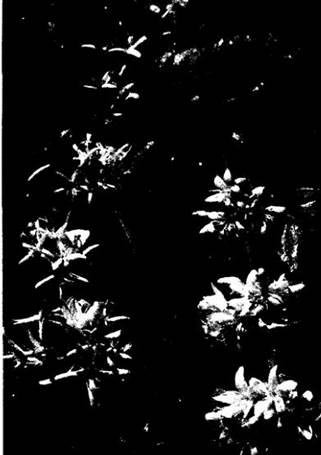
Certain tropical plants have also spread widely. For instance, rubber trees of the genus Hevea (family Euphorbiaceae) began to be cultivated on a commercial scale about 150 years ago. Tropical Asia is the main region for natural rubber production. For Hevea, as for other crops, cultivation outside its natural range appears to be advantageous: far from their homeland, these plants are often free of specific pests and pathogens. The oil palm (Elaeis guineensis), native to West Africa, now grows in all tropical regions. Although it has been cultivated for commercial purposes for only about 75 years, it is now an important tropical cash crop. Coffee and bananas are among other tropical plants that have spread widely. Cacao, originally a semi-domesticated species of tropical Mexico and Central America, has become a major product of West Africa (Fig. 30-15). Sugarcane (Saccharum officinale) was domesticated in New Guinea and adjacent areas, whereas sugar beets were bred from other cultivated beet forms in Europe. Yams (Dioscorea spp.) are an important tropical root vegetable. Several species were domesticated in West Africa, others in South Asia, and a few minor ones in Latin America. The best varieties of yams are now distributed throughout the tropics, serving as a dietary staple in many regions. Another vital tropical root crop is cassava (Manihot spp.), the source of tapioca flour. Originally native to the seasonally dry tropics of South America, it is now extensively cultivated in Africa and Asia (see Fig. 30-11).
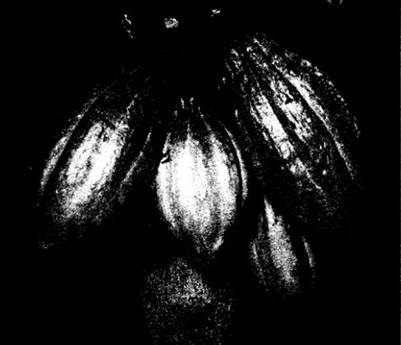
Fig. 30-15. Cacao (Theobroma cacao) is the source of chocolate and cocoa. The pods shown in the illustration contain several large seeds—cacao beans. This plant was first domesticated in Mexico, where a chocolate beverage was highly prized by the Aztecs. Cacao beans were sometimes used as currency.
Another crucial tropical crop is the coconut palm (Cocos nucifera), which apparently originated in the tropics of Asia and the western Pacific, but spread across the islands of the western and central Pacific even before the era of European exploration. Natural coconut groves can occasionally be found in the eastern Pacific and in parts of Central America. The wide distribution of this species may be explained by ocean currents dispersing its fruits without human intervention. Each tree produces between 50 and 100 "nuts" annually; they serve as a rich source of protein, oil, and carbohydrates. The shell, leaves, fiber (coir), and trunk of the coconut are used to make numerous household items, clothing, tools, and dwellings.
Modern agriculture in temperate regions and some tropical areas is highly mechanized and heavily specialized around six crops: wheat, rice, corn, potatoes, sweet potatoes, and cassava. Directly or indirectly (through livestock feed), these plants provide over 80% of the total calories consumed by humans. They are rich in carbohydrates, but do not provide A balanced diet. They are usually consumed alongside legumes—such as beans, peas, lentils, peanuts, or soybeans—which are rich in protein, as well as leafy greens such as lettuce, cabbage, Swiss chard, and spinach (Spinacia oleracea), which are rich in Vitamins AND MINERALS. Oilseed crops like the sunflower and olive provide fats that are also essential to the human diet.
Aside from the six major food crops, eight others are of great importance to humans: sugarcane, sugar beets (Fig. 30-16), beans, soybeans, barley, sorghum, coconuts, and bananas. Together with those mentioned above, they constitute the vast majority of widely cultivated food sources.
Fig. 30-16. The sugar beet is a variety of the common beet (Beta vulgaris), bred from fodder lines rather than garden cultivars. Through selective breeding, the sucrose content in the roots has increased from 2% to over 20%. Beets were first cultivated in Europe, where their leaves were long used for food. Swiss chard is another variety of beet still grown for this exact purpose. About 300 years ago, the plant began to be used as a source of sugar capable of competing with sugarcane, a tropical crop imported into developed countries. In 1984, raw sugar production from beets in the U.S. exceeded 2.5 million tons, accounting for about a third of all consumed sugar.

Human diets vary considerably across different countries. For example, rice (see Fig. 30-6) accounts for three-quarters of the diet in many parts of Asia, whereas wheat (Fig. 30-17) predominates in North America and Europe. In many parts of the world, corn can only be grown successfully on irrigated land, whereas wheat usually does not require this condition. As will be shown below, expanding the cultivation areas of these vital cereal grains and discovering new crops is a primary task for humanity.
Fig. 30-17. Soft wheat (Triticum aestivum) grown using modern farming technology. First domesticated in the Middle East, it has become the most widely produced crop on the planet. Along with barley, which is now used primarily as livestock feed and a source of malt for brewing, it is likely one of the earliest plants cultivated by humans. Wheat is used for bread-making on a much larger scale than other cereals due to the unique properties of certain proteins that form a sticky substance (gluten), which makes dough easier to knead and prevents the loaf from crumbling.

Population Growth
Approximately 5 million people lived on Earth 11,000 years ago, already making humans the most widespread large terrestrial mammals. Later, with the development of agriculture, the global population began to grow at an accelerating pace.
A characteristic feature of hunter-gatherer tribes is strict population control. During frequent Migrations, a woman cannot carry more than one child and a minimal amount of household goods. When basic birth control Methods (often simply sexual abstinence) fail, she resorts to abortion or, more commonly, infanticide. In addition, natural mortality is high, particularly among children, the elderly, the sick, the disabled, and during childbirth. Driven by these factors, the population size of hunting tribes typically remains low. There is little incentive for individuals to specialize in skills or crafts; primary importance is placed on basic techniques ensuring personal survival.
Fig. 30-18. 17th-century London was one of Europe's thriving cities. As the global population increased (reaching 1 billion by 1850), London's influence spread to the most remote corners of the planet.

Once the majority of humanity adopted a settled lifestyle, The Need for strict birth control disappeared; children became more useful to the family by helping with agricultural and other routine chores. Obstacles to population density growth vanished. When people lived by hunting and gathering, a family required an average area of 5 km2 to sustain itself. With advanced agriculture, much less land was needed. In cities, whose emergence was made possible by commercial agriculture, human activities became increasingly specialized. The efforts of a few now produced enough food for all, and lifestyles grew more diverse. Merchants, artisans, bankers, scientists, and poets appeared—representing the rich variety of professions that define modern society. Thus, the development of agriculture laid the foundation for human civilization.
Driven by this development, by the dawn of the Common Era, the human population had reached 130 million and spread across the globe. Over a span of roughly 8,000 years, the Earth's population increased nearly 25-fold. By 1650, it had reached 500 million, with many people settling in large cities (Fig. 30-18). Scientific and technological advancements, along with industrialization, brought further profound changes to human life and our relationship with nature. Since the 17th century, birth rates remained roughly constant everywhere, but mortality rates dropped sharply in many regions, resulting in an unprecedented population surge. In the 20th century, birth rates in developed countries began to decline.
By 1986, the global population was approximately 5 billion. The most recent doubling of the population occurred over just 36 years, starting in 1950. About a quarter of all people currently live in developed countries (the USA, Canada, Europe, the USSR, Japan, Australia, and New Zealand), about 22% in China, and the rest in less developed nations, most of which are located at least partially in the subtropics or tropics. The rate of global population growth is almost as unpredictable as its projected size. Since 1972, birth rates in the USA have declined sharply, and if current trends continue, the country's population could stabilize in the coming century. Although this holds true for all developed nations, the picture in other regions is unfortunately quite different.
For the planet as a whole, population growth is roughly 1.7% per year. This means that 160 people are added every minute, or more than 230,000 per day, amounting to 85 million annually. A significant portion of the population in less developed countries (typically around 42–50%) is under 15 years of age; in more developed nations, this age group accounts for roughly 22%. As a rule, they have not yet had children. Consequently, population growth in developing countries cannot be brought under control in the near term, even though government policies and individual behavior often favor such stabilization. Projections suggest that by the year 2000, there will be approximately 6.2 billion people on Earth, and by 2020, about 8 billion.
Even if, as forecasts suggest, the global population stabilizes in the 21st century at 8 to 14 billion, the coming decades will likely be the most challenging period humanity has ever experienced (Fig. 30-19). In 1983, the World Bank estimated that about 1 billion people were living in absolute poverty; its president, Robert McNamara, defined it as a condition "so characterized by malnutrition, illiteracy, disease, squalid surroundings, high infant mortality, and low life expectancy as to be beneath any reasonable definition of human dignity." At least half of these people suffer from inadequate Nutrition, and in the tropics during the mid-1980s, more than 10 million children under the age of 5 died annually from starvation or directly related diseases.
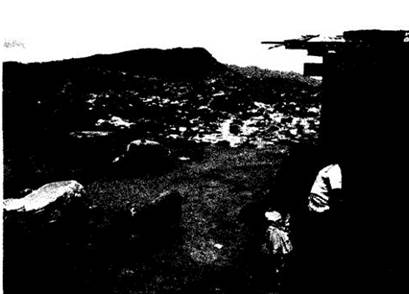
Fig. 30-19. Living conditions of these impoverished people on the outskirts of Tegucigalpa, Honduras, are typical for the majority of humankind. Their hopes for the future depend entirely on curbing population growth, integrating into the global economic system, and finding new methods to increase agricultural productivity in the tropics and subtropics.
As will be discussed in more detail in the next chapter, we currently lack the technologies needed to transform most of the tropics into a zone of sustained fertility. Most soils with modern agricultural potential are already under cultivation. Although very little land remains to be brought into agricultural use, the rapidly growing core of the world's population living in the tropics must somehow be fed. This problem cannot be solved by exports from the more fertile regions of developed countries. In 1983, those regions supplied 8% of the food consumed by developing nations, which nonetheless accounted for over half of total food exports from the developed world. The solution to the food problem must be found where most people live—namely, in the tropics and subtropics.
The Food and Agriculture Organization (FAO) of the United Nations has estimated that by the year 2000, global food production must increase by 60% to ensure adequate nutrition for the entire world population. There is little hope of achieving this goal, though we must strive to come as close to it as possible. In some tropical regions, such as sub-Saharan Africa, per capita food production has actually declined. Recently, in this vast region of over 400 million rapidly growing inhabitants, even total food production has decreased. While urbanites in the US, who spend less than a fifth of their income on food, are already deeply concerned about rising food prices, such increases can be a death sentence for residents of developing countries, who spend 80 to 90% of their earnings on food. Indeed, starvation mortality is rising in Bangladesh, Haiti, and parts of East Africa. How can this situation be improved?
Agriculture of the Future
The Current Situation
The first major step toward significantly increasing agricultural productivity was the development of irrigation (Fig. 30-20). The need to supply water to fields has always been so self-evident that it was practiced in the Middle East 7,000 years ago and emerged independently in Mexico at least 3,000 years ago. Over the past two centuries, intensive and specialized agricultural mechanization has driven substantial yield increases. Fertilizers have been widely applied to crops, their production boosted dramatically by The Use of fossil fuels. One of the world's greatest challenges has been harnessing the benefits of increased agricultural productivity through mechanization, irrigation, and fertilizers without simultaneously putting millions of farmworkers out of work. In many developing nations today, more than three-quarters of the population is directly engaged in food production, compared to less than 3% in the USA.
Fig. 30-20. This irrigated cotton field in Texas exemplifies modern intensive farming. However, irrigation poses severe environmental challenges, especially when combined with heavy pesticide use. Cotton consumes more pesticides than any other crop.

Science has already contributed immensely to the improvement of agriculture. In the United States, the land-grant university system and affiliated state agricultural experiment stations have driven the major breakthroughs in this field. Nevertheless, many unresolved questions remain. Energy inputs for crop production in the US and other developed countries are extremely high. Modern agriculture also relies on a sophisticated distribution system that is highly energy-intensive and vulnerable to disruption. A significant share of any crop's yield—varying by year and region—is lost to pests, diseases, and weeds. These losses are often compounded post-harvest by spoilage, insects, rodents, and other factors. In many areas, the cost of water is rising, and local water quality is frequently degraded by agricultural runoff containing fertilizers and pesticides. Soil erosion remains a universal problem, worsening as farming intensifies (Fig. 30-21). Intensive research is underway to boost crop yields, protect crops from pests, and improve water-use efficiency. Each of these challenges will be examined below.
Fig. 30-21. No-till farming, combining ancient and modern agricultural practices, is gaining increasing traction. By 2000, up to 65% of US cropland is expected to be farmed this way, virtually eliminating soil erosion. This is demonstrated with corn grown using no-till methods over dead clover (right); soil erosion is clearly visible with conventional tillage (left). This photo was taken shortly after a spring downpour. Under the no-till system, energy inputs for corn and soybean production are reduced by 7% and 18%, respectively, while yields match or even exceed those of traditional plowing and disking.

Improving Crop Quality
The most promising approach to solving the global food crisis is arguably the further improvement of existing crops grown on already cultivated land. Most arable land is already in use, and increasing The amount of water, fertilizers, and other chemicals applied to it is economically unfeasible in many areas. This is precisely why improving existing crops is of paramount importance. The objective is not only to increase yields, but also to enhance their protein content and other nutritional values. For humans, the quality of proteins in edible plants is also critical: both humans and animals must obtain sufficient amounts of all Essential Amino Acids—that is, those they cannot synthesize themselves—from their diet. Eight of the 20 amino acids required by humans are obtained from food. The remaining 12 can be synthesized by the body itself. However, plants with improved protein profiles resulting from breeding inevitably require more nitrogen and other biogenic elements than their wild-type ancestors, and therefore cannot always be grown on poor soils where the need for such crops is especially acute.
Quality encompasses more than just yield, composition, and protein quantity. Varieties are being developed that exhibit greater resistance to diseases and pests due to the secondary metabolites they contain, more appealing fruit shapes or colors (such as bright red apples), enhanced TRANSPORT AND STORAGE durability (such as tomatoes with extended shelf life), as well as other traits vital to the specific crop.
Through rigorous analysis of existing genetic diversity and the creation of promising hybrids, plant breeders have developed thousands of improved lines of major agricultural crops over several decades (Fig. 30-22). Typically, thousands of hybrids must be produced and evaluated in order to select the few that genuinely outperform widely cultivated varieties. For instance, U.S. corn yields increased nearly eightfold between the 1930s and the 1980s, even though breeders utilized only a fraction of the crop's genetic diversity.
Fig. 30-22. Norman Borlaug, who was awarded the Nobel Peace Prize in 1970. He led a research project funded by the Rockefeller Foundation to develop new wheat lines at the International Maize and Wheat Improvement Center in Mexico. Following the widespread Introduction of these lines into agricultural practice, Mexico transformed from a wheat importer in 1944 (when the project began) into a wheat exporter by 1964.

Hybrid corn
The increase in corn productivity has been made possible primarily through the use of hybrid seeds. Inbred lines of this crop (which are themselves hybrid in origin) were used as parental forms. Seeds resulting from crosses between them develop into exceptionally vigorous hybrids. The parent lines are planted in alternating rows, and the tassels (male inflorescences) are manually removed from the plants of one line, ensuring that all seeds on those plants are hybrid. Thus, through careful Selection of inbred lines, vigorous hybrid forms suitable for cultivation in any desired region can be produced. Because hybrid plants are uniform in their traits, they are easier to harvest, and their individual yields far exceed those of non-hybrid plants. In 1935, hybrids accounted for less than 1% of all corn grown in the United States; today, they account for virtually 100%. Achieving significantly higher yields of this crop is now much less labor-intensive than it used to be.
Successes of International Breeding Centers
Over the past few decades, considerable efforts have been directed toward increasing the yields of wheat and other cereal grains, particularly in warm-climate zones. Impressive achievements have been made at international breeding centers located in subtropical regions. When the improved lines of wheat, corn, and rice developed at these centers were introduced into agriculture in Mexico, India, and Pakistan, they triggered a dramatic surge in agricultural productivity known as the Green Revolution. The breeding, Fertilization, and irrigation methods developed during this period were subsequently adopted in many developing countries.
To achieve high yields, every crop requires optimal growing conditions. Fertilization, mechanization, and irrigation are essential Components of the Green Revolution. Due to the distribution patterns of agricultural credit, only relatively affluent landowners were in a position to cultivate the new cereal lines, and in many regions, the revolution accelerated the concentration of land into the hands of a few wealthy owners. Such a redistribution of property does not necessarily provide employment or food for the majority of the population in those regions.
Triticale
Traditional breeding methods can occasionally yield surprising results. For example, triticale—a hybrid of wheat (Triticum) and rye (Secale) with the scientific name Triticale—is gaining increasing importance in many regions and appears highly promising (Fig. 30-23). It was produced in the mid-1950s by J. G. O'Mara at the University of Iowa by doubling the chromosome number of a sterile wheat-rye hybrid (see p. 189) using colchicine, a chemical that inhibits Cell plate formation.
Fig. 30-23. Triticale (Triticale) is a modern polyploid hybrid of wheat and rye that combines the high yield of the former with the hardiness of the latter.

Triticale combines the high yield potential of wheat with the resilience of rye. The hybrid exhibits relative resistance to stripe rust, a fungal disease that is a major limiting factor in wheat production. Further Hybridization and selection have yielded improved triticale lines tailored to specific regions. By the mid-1980s, thanks to its high yield, environmental resilience, and excellent post-harvest straw, this crop rapidly gained popularity in France, the largest grain producer within the European Economic Community. While it is currently used primarily as animal feed, triticale's role in Human nutrition is growing rapidly. By 1982, it was cultivated on over 1 million hectares across the USSR, Europe, the United States, Canada, and South America.
Conservation and Utilization of Crop Genetic Diversity
Intensive breeding and selection programs lead to a narrowing of the genetic diversity of cultivated plants across all their traits. For understandable reasons, artificial selection primarily targets increased yield, and among the highly uniform progeny selected strictly for this trait, Disease resistance is sometimes lost. In general, crops are becoming increasingly uniform because certain traits are amplified at the expense of others, making entire crop populations more vulnerable to pathogens and pests. For instance, in 1970, southern corn leaf blight, a fungal disease caused by the fungus Helminthosporium maydis, destroyed approximately 15% of the U.S. corn crop, causing losses estimated at around $1 billion (Fig. 30-24). These losses were apparently linked to the emergence of a new fungal strain highly virulent to certain major corn lines widely used in hybrid seed production. Many commercially valuable lines of this plant shared identical Cytoplasm because the same seed-parent lines were repeatedly used in hybrid corn production.
Fig. 30-24. Southern corn leaf blight is a widespread corn disease caused by the fungus Helminthosporium maydis.

To prevent such losses, it is essential to isolate and preserve diverse lines of major crops. Even if their aggregate traits are not currently of commercial interest, these lines may harbor genes vital for the ongoing battle against pests and diseases (Fig. 30-25). Throughout The history of agriculture, all crops have accumulated a rich reserve of Variability through Mutations, hybridization, artificial selection, and ADAPTATION TO A wide range of environmental conditions. Literally thousands of lines of wheat, potatoes, and corn are known to exist. Genetic variability is even greater among the wild relatives of cultivated plants; however, as human civilization expands, this reservoir of breeding material is gradually being depleted. The primary challenge lies in identifying, preserving, and utilizing the diminishing Gene pool of cultivated species and their wild relatives.
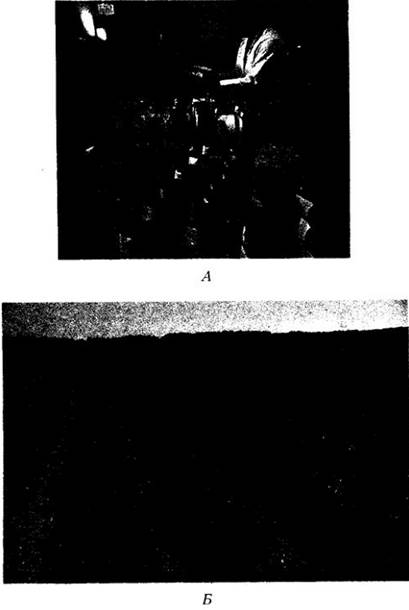
Fig. 30-25. A. The USDA National Seed Storage Laboratory in Fort Collins, Colorado. Here, seeds are selected for long-term storage, housing approximately 200,000 plant genetic lines. B. A seed potato nursery in Three Lakes, Wisconsin—a national gene bank for this crop.
The Role of genetic diversity in the history and future fate of a crop can be illustrated by the potato. Over 60 potato species exist—most of which have never been cultivated—along with thousands of distinct breeding lines (see Fig. 30-9). Despite this, the vast majority of cultivated potatoes descend from a very small number of lines introduced to Europe in the late 16th century. This genetic uniformity was the direct cause of the Irish potato famine of 1846 and 1847, when nearly the entire crop was wiped out by the fungus Phytophthora infestans (Chap. 14). Over a three-year period, Ireland's population plummeted from 8.5 to 6.5 million people; one in ten residents alive at the beginning of 1846 died of starvation and related diseases, and one in five emigrated. Subsequent breeding of blight-resistant lines restored the potato's role as a staple crop in Ireland and other countries. The potential for further crop improvement through the incorporation of new cultivated and wild lines remains immense.
Plant breeders working with tomatoes have achieved remarkable success in enhancing genetic diversity by tapping into wild forms. The establishment of a collection of tomato lines, carried out primarily in recent years by Charles Rick and his colleagues at the University of California, Davis, has enabled effective control over many serious Diseases of the crop—particularly those caused by the imperfect Fungi Fusarium and Verticillium, as well as several Viruses. The nutritional value of tomatoes has been substantially increased, and their tolerance to salinity and other adverse environmental conditions has been enhanced, largely through the systematic collection, analysis, and utilization of wild tomato lines in breeding programs.
Who Owns Genetic Diversity?
A serious issue concerns the ownership of genetic resources of the world's food crops. Almost all of them are located in developing countries, whose populations are often concerned that The genes of 'their' plants are freely used by industrialized nations in breeding programs and then profitably sold back to them. On the other hand, virtually everyone agrees that access to plant genetic diversity should be unrestricted. At a FAO meeting held in Rome in 1983, an intergovernmental committee was established to oversee the conservation and use of plant gene pools. At the same time, a decision was made allowing individual countries to restrict the free international exchange of their valuable crop lines, thereby reaping direct benefits from their use and profitably exporting them abroad.
New Crops
Beyond the species already widely cultivated, many wild and locally grown plants hold the potential to make a significant contribution to the global economy if their cultivation is expanded. For example, as previously noted, more than 80% of our food comes from just six of the roughly 235,000 existing angiosperm species. Only about 3,000 of these have ever been cultivated for food, and in most cases, they are either no longer used at all or utilized only locally. Humanity has extensively cultivated only about 150 species.
However, it is certain that many other plants could prove highly useful, especially those that were formerly exploited but have now lost their previous significance or been entirely abandoned. Some of these are still grown in various corners of the world. Although we tend to think of plants primarily as a vital source of nutrition, we should not forget that they also provide oils, medicines, pesticides, aromatics, and many other products essential to modern industrial society. There is a common perception that producing such products from plants is obsolete and has been entirely superseded by chemical synthesis. Yet, their production by plants requires only solar energy—meaning it occurs naturally. As our non-renewable Energy Sources near depletion and energy costs rise, the search for cheaper methods of producing complex chemical compounds becomes increasingly important. Furthermore, the vast majority of plants have never been investigated for potential Applications.
A few examples of recently introduced species demonstrate the immense potential that exists in nature. Jojoba (Simmondsia chinensis), despite its specific epithet chinensis (meaning 'Chinese'), is a shrub native to the deserts of northwestern Mexico and adjacent areas of the USA (Fig. 30-27). The large seeds of this plant contain about 50% liquid wax, a substance with wide industrial applications. This type of wax is an exceptional high-pressure lubricant, indispensable in heavy machinery drives or automotive transmissions. Producing it synthetically is difficult, and the only current natural source of a similar substance is the sperm whale, an endangered species. Jojoba wax also shows promise in cosmetics and as a food additive, and new uses for this unusual substance are continually being discovered. The plant thrives in hot deserts unsuitable for most other crops, and some of its varieties exhibit high Salt Tolerance. Jojoba plantations are being established in arid zones across the globe; they may significantly contribute to the economic development of these regions, particularly by providing employment for impoverished populations.
Fig. 30-27. Jojoba (Simmondsia chinensis) is a valuable crop increasingly cultivated across arid regions as a source of wax with unique lubricating properties and other useful characteristics.

Jojoba could prove useful in combating desertification, as it is capable of growing in sandy soils with annual precipitation of no more than 7.5 cm. In some locations, its plantations appear promising for soil stabilization. These factors are especially important considering that the Sahara, for instance, is expanding southward at a rate of about 5 km per year, thereby shrinking potential food production in currently un-desertified regions. Saudi Arabia, Kuwait, Egypt, Morocco, Ecuador, and Nigeria are currently conducting trials with jojoba specifically for these purposes.
Another promising novel crop is guayule (Parthenium argentatum, Fig. 30-28) from the aster family (Asteraceae), which also includes daisies and sunflowers. It is closely related to ragweed (Ambrosia spp.), which triggers allergies in millions of people during its flowering season in August and September. Guayule is a low-growing shrub native to northern Mexico and the southwestern USA. Its rubber content reaches up to 20% of the plant's fresh weight.
Fig. 30-28. Guayule (Parthenium argentatum) is a desert shrub that yields natural rubber. Initially harvested from wild populations, guayule is now widely cultivated.

Synthetic rubber has replaced natural rubber for many reasons and now satisfies about two-thirds of the world's demand for this product. It is manufactured from petroleum—a non-renewable resource, unlike rubber-producing plants. Currently, almost all natural rubber is obtained from the rubber tree (Hevea brasiliensis), a member of the spurge family (Euphorbiaceae). Although native to the Amazon basin in South America, it is most successfully cultivated in tropical Asia. The advantage of guayule over Hevea is that it can be cultivated in deserts, promising a significant boost to global rubber production. Wild guayule specimens were harvested for this purpose for about a century, and its plantations in the USA yielded over 1,300 tons of rubber during World War II. Although interest in the plant waned after the war, intensive research into it resumed full throttle four decades later.
A third example of a crop that could well be grown more extensively is grain amaranth (various species of Amaranthaceae, or Amaranthus). Although on a relatively small scale, this plant has been cultivated for food in modern-day Latin America for millennia. Recently, amaranth has regained recognition as a promising food crop. While weed species of Amaranthus are common in Europe, amaranth seeds were a staple food in the New World during the pre-Columbian era, rivaling corn and beans. Around 20,000 tons of its seeds were sent annually to Tenochtitlan (modern-day Mexico City) as tribute to the supreme Aztec ruler from various parts of his domain. Spanish conquistadors banned Mexicans from consuming amaranth due to its use in pagan rituals involving human sacrifice, so it survived as an agricultural crop in only very small areas. The protein content of its seeds is comparable to that of cereal grains. Furthermore, it is rich in Lysine, meaning its nutritional profile complements cereal proteins, many of which are deficient in this essential human amino acid. The leaves of certain amaranth strains can be used as a nutritious vegetable. Given all these merits, it is hardly surprising that plantations of this plant are now spreading worldwide.
An important area of research in the search for new valuable crops is the identification of salt-tolerant species. Intensive agriculture is increasingly expanding into arid and semi-arid regions, primarily driven by the needs of a steadily growing local population. This places a heavy burden on severely limited local water supplies, which become increasingly brackish through use, reuse, and contamination from agricultural runoff. Furthermore, in many regions, particularly near seaboards, the soil and local water sources have a natural salinity. Unproductive under traditional farming methods, these lands can yield harvests if appropriate plants are carefully selected (Fig. 30-29).
Fig. 30-29. Developing new crops (or new strains of modern crops) that thrive at relatively high salt concentrations is crucial for many regions of the world, particularly arid and semi-arid zones. A. Eggplants (Solanum melongena) cultivated in Wadi El-Arabi, Israel, using drip irrigation with highly saline water (1,800 ppm salts). With this method, water is delivered to plants via plastic tubing, minimizing loss. A decade ago, such salinity was considered incompatible with commercial agriculture. B. The highly nutritious forage shrub Atriplex nummularia grown in an experimental plot (on the Mediterranean coast of Israel) using undiluted seawater. Its yield matches that of alfalfa, but the leaves and stems have a very high salt content, which lowers their forage quality. Research conducted by D. Pasternak and colleagues at Ben-Gurion University of the Negev aims to solve Structure/149.html">The problem of seawater irrigation, which would open up vast areas currently occupied by coastal deserts.

The search for species suitable for such territories involves not only identifying entirely new crops but also breeding salt-tolerant varieties among traditional ones. For instance, the wild tomato species Lycopersicon cheesmanii, which grows on coastal cliffs of the Galápagos Islands and thus exhibits high salt tolerance, has been used in hybridization with the common cultivated tomato Lycopersicon esculentum. Their hybrid offspring were selected in a medium with a salinity half that of seawater. Today, hybrid specimens have been developed that can complete their life cycle under precisely these conditions. Salt-tolerant barley lines have also been bred using this method.
Plant-Derived Medicines
Alongside other uses, plants remain a crucial source of medicinal substances. Indeed, about a quarter of all prescription drugs dispensed in the USA contain at least one plant-derived component. Humans have utilized plants for medical purposes for millennia. Botany was essentially considered a branch of medicine, and it is only about 150 years ago that the professions of botanist and physician diverged. However, serious research into identifying and putting into practice previously unused plant secondary metabolites, similar to those described in the previous chapter, has been lacking.
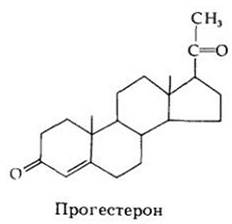
Even though many medicinal substances can be synthesized in laboratories, plants will continue to be an essential source. One reason is cost-effectiveness—specifically, the absence of additional energy expenditures. Moreover, The structure of certain molecules, such as Steroids (which include cortisone and Hormones used in birth control pills), is so complex that despite being theoretically synthesizable, they remain prohibitively expensive (Fig. 30-30). Consequently, these substances were formerly produced from extracts of wild yam roots (Dioscorea), sourced primarily from Mexico; when those reserves were practically depleted, other plants were cultivated for this purpose, including Solanum aviculare, a relative of nightshades and potatoes.
Fig. 30-30. The steroid progesterone is a precursor to human male and Female Sex Hormones. Structurally, it is closely related to Cholesterol, another common human steroid, and cortisol, which is marketed as cortisone and used as an anti-inflammatory agent. Other Steroids have been found in plants. They are particularly abundant in yams (Dioscorea), from which they are extracted and used as raw material for the synthesis of active ingredients in contraceptive pills. Steroids exert powerful physiological effects on vertebrates.
Beyond considerations of cost, the astonishing diversity of compounds produced by plants makes them a virtually inexhaustible source of novel products (Fig. 30-31). One approach to discovering new medicines is studying the traditional uses of plants in folk medicine (Fig. 30-32). For example, the contraceptive Properties of the Mexican yam were 'discovered' in this manner.
Fig. 30-31. Catharanthus roseus is a natural source of the medicinal compounds vinblastine and vincristine. Discovered in the 1960s, these substances are highly effective against certain forms of Cancer. Vinblastine is typically used to treat Hodgkin's lymphoma, while vincristine is used for acute leukemia. Before the discovery of vinblastine, Hodgkin's patients had a one-in-five chance of survival; today, it is nine out of ten. This plant is widespread throughout warm regions of the world. It is native to Madagascar, where only a tiny fraction of the natural vegetation remains undisturbed.

Fig. 30-32. Mark Plotkin, an ethnobotanist with the World Wildlife Fund (USA), collects herbarium specimens of medicinal plants while consulting with a healer of the Wayana tribe in southeastern Suriname. Although studying the medicinal uses of forest plants has led to the discovery of valuable Pharmaceuticals—such as d-tubocurarine chloride (used for Muscle relaxation during open-Heart surgery) and ipecac (used to treat amoebic dysentery)—this invaluable knowledge is rapidly disappearing along with tribal cultures and the traditional lifestyles of entire communities. Centuries of accumulated indigenous wisdom are now vanishing fast. Most of this information has traditionally been passed down orally without any written records.

As we expand our search for useful species, we must not overlook the rapid rate of their disappearance, which is driven by (1) rapid population growth, (2) widespread poverty, particularly in the tropics—home to about two-thirds of all plant species—and (3) a lack of understanding regarding how to establish sustainable agricultural systems in these regions. Along with the complete destruction of virgin tropical forests, which seems almost certain to occur within the coming century, numerous species of animals, plants, and microorganisms will go extinct. Due to our incomplete knowledge of global flora, especially in tropical areas, many species may be lost before we even discover they exist—let alone understand how they might benefit humanity. Therefore, research on wild flora should be accelerated in this direction, preserving promising species in seed banks, tissue cultures, or, preferably, natural reserves.
One of the most promising avenues for improving crop plants in the future is genetic engineering. In recent years, molecular biologists have learned how to transfer foreign genes into plant Cells. As discussed in Chapter 28, natural hybridization leading to the recombination of genetic material plays a crucial role in plant evolution. Plant breeders also utilize hybridization to develop cultivated varieties with enhanced traits. The novelty of genetic engineering lies in its ability to introduce individual genes into an Organism with unprecedented precision and simplicity. Traits of interest can be obtained directly, requiring far less backcrossing and progeny selection than was previously possible.
Another key advantage of genetic engineering is that the species used for gene transfer do not need to be capable of forming natural hybrids. Traditional breeding strictly depends on this compatibility; otherwise, Genes from different origins cannot combine within a single plant. Consequently, genetic engineering significantly expands the possibilities for improving beneficial traits or creating entirely novel ones. For instance, researchers are attempting to transfer bacterial nitrogen-fixation genes into plants. Achieving this has proven far more difficult than transferring genes responsible for other traits; however, developing nitrogen-fixing crops outside the legume family would be one of the greatest achievements in agricultural science. Non-legume cereal crops generally yield much higher harvests than legumes, but Nitrogen Fixation demands considerable metabolic energy. This energy cost must be carefully weighed if gene transfer is successfully proven in plants that naturally lack this capability, ensuring that such a modification remains economically viable.
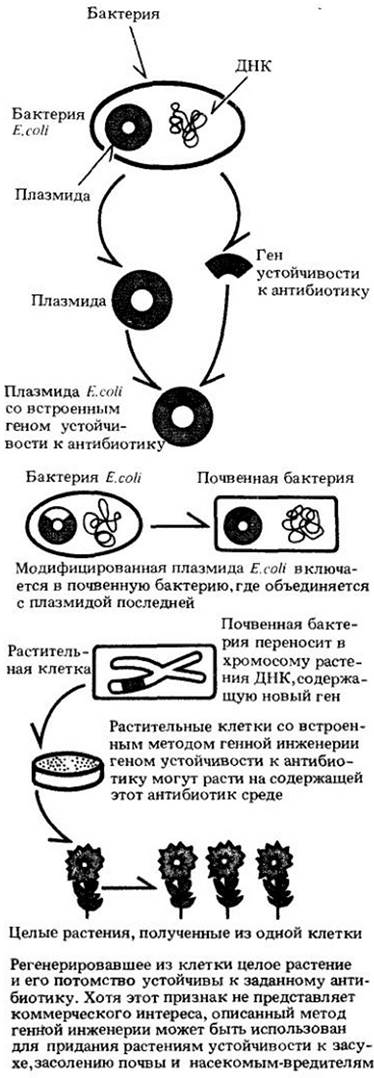
Genetic engineering relies on The ability to excise specific DNA fragments and recombine them to form novel sequences. This is made possible by restriction Enzymes, which cleave DNA at specific nucleotide sequences (Fig. 30-33)—typically four to six Base Pairs long and strictly symmetrical. As a result, the resulting DNA strands have complementary single-stranded overhangs at both ends that can readily pair with one another. In this manner, any two fragments generated by the same restriction enzyme can be joined using DNA ligase (a sealing enzyme), enabling virtually limitless recombination of genetic material. The original source of the recombined DNA has almost no bearing on whether the fragments can successfully join. Thus, the DNA of a giant sequoia can be recombined with that of a human intestinal bacterium, and the resulting molecular segment can theoretically be introduced into the chromosome of a third, unrelated organism if desired. However, this does not guarantee the successful expression of the recombined genes. Furthermore, enhancing certain plant traits can inadvertently impair others; for example, new metabolic pathways such as nitrogen fixation may demand so much energy that other vital processes, like sugar synthesis, become compromised.
Fig. 30-33. Diagram illustrating the application of genetic engineering to modify plant characteristics. In this example, antibiotic-resistant plants were produced using Plasmids from Escherichia coli. Although these specific experimental plants have no direct commercial value, the same methodology can be employed to develop crops resistant to drought, soil salinity, and even insect pests.
Since 1973, techniques for incorporating foreign DNA fragments into bacterial cells using viruses or plasmids as vectors have found widespread application. If human or other eukaryotic genes encoding proteins needed in large quantities are introduced into bacteria, these products (including commercially vital substances like Insulin) can be synthesized in required volumes and at a relatively low cost. For eukaryotic genes to function properly within a prokaryotic host cell, molecular biologists must first remove their characteristic introns, a process that is readily achievable in modern laboratories.
Introducing foreign genes into plants has proven significantly more difficult because plant cells lack many of the virus-associated plasmids that serve as convenient carriers for genetic material. However, transfer is possible using the Ti plasmid of the bacterium Agrobacterium tumefaciens. When this microbe infects a plant, it induces abnormal tissue proliferation known as a crown gall tumor (Fig. 30-34). Each Ti plasmid is a closed circular DNA molecule containing about 100 genes. Upon integrating into the plant's genome, these genes initially stimulate a surge in host cell hormone production, driving tumor growth. Subsequently, other transferred genes compel the plant to synthesize unique Amino Acid Derivatives called opines, which serve as a primary nutrient source for the resident bacteria.
Fig. 30-34. Crown gall tumor on the stem of Begonia semperflorens. This condition is caused by a unique form of parasitism involving The transfer of the Ti plasmid from the bacterium Agrobacterium tumefaciens into plant cells. Uncontrolled cellular divisions leading to tumor formation persist even after the bacteria have been completely eradicated from the plant Tissues.

If genes associated with desired traits are engineered directly into the Ti plasmid, they can be successfully introduced into a plant via bacterial infection. Using this method, Yeast genes have been introduced into plants, Antibiotic Resistance has been transferred from petunias to tobacco, and bean genes have been integrated into sunflower tissues (Fig. 30-35). It remains uncertain whether Agrobacterium tumefaciens naturally infects monocots; however, evidence emerging in 1984 suggested this may occur without The formation of typical crown galls. Because many of the world's most critical crops are monocots (including cereals, bananas, sugarcane, and coconut and oil palms), this question holds immense economic importance. Naturally, alternative pathways for gene transfer between plants may yet be discovered, potentially mediated by other plasmids or viruses—the identification of which is the goal of numerous ongoing Laboratory studies.
Fig. 30-35. Petunia plants (Petunia hybrida) engineered with a human hormone gene (human chorionic gonadotropin) express this hormone in very small quantities. The gene was integrated into plant cell nuclei by researchers at the Monsanto Company using a technique similar to that shown in Fig. 30-33. It was linked to a selectable marker gene conferring resistance to the antibiotic kanamycin, allowing transformed plants to be easily identified in culture, as only cells containing both genes could survive on a kanamycin-supplemented medium. Petunias are frequently used in such experiments because it is relatively easy to regenerate an entire plant from a single somatic cell in the laboratory.

Current efforts are underway to use gene transfer to enhance crop yields as well as their resistance to diseases, cold, and pests. If successful, cultivating such crops will require significantly lower amounts of pesticides and fertilizers. Certain species might even be successfully farmed in soils characterized by high salinity, excess moisture, drought, or other environmental stresses hostile to traditional varieties. These endeavors are severely complicated by our incomplete understanding of the often complex genetic architecture underlying agronomic traits, such as drought or salt tolerance. It is estimated that an average plant contains roughly 20,000 distinct genes, each present in up to 5 million copies per cell. Determining precisely which genes—and in what combinations—are responsible for overall yield is an unprecedentedly labor-intensive challenge.
Furthermore, one must account for the fact that certain genes, such as those responsible for bacterial nitrogen fixation, do not function properly when placed within a foreign genetic environment. In experiments conducted by various research groups, this obstacle is progressively being overcome as scientists unravel The regulatory mechanisms of transferred genes in their new cellular contexts. The more we learn about plant Gene Expression and regulation, alongside plant biochemistry and physiology, the more successfully we can apply genetic engineering to crop improvement.
The DEVELOPMENT OF NEW crop varieties through these techniques also entails certain legal and economic challenges. A multitude of established and newly formed biotechnology companies have entered the field of botanical research, drawn by the vast potential of genetic engineering to boost agricultural productivity. However, producing genetically engineered varieties involves substantial expenditures, and it remains unclear to what extent companies can patent these innovations to secure a return on investment. Others express concern over potential ecological risks associated with the release of genetically modified plants into the wild. Despite these hurdles, it is abundantly clear that genetic engineering will play a pivotal role in future crop improvement. We can reasonably expect that genetically engineered varieties of corn, tomatoes, wheat, and other staples will be widely cultivated by the early 1990s.
A concrete example of the power of genetic engineering involves resistance to atrazine, a herbicide frequently used to control weeds in corn and other cereal crops. Charles Arntzen, then at Michigan State University, demonstrated that this chemical kills most plants by blocking electron transport in their Chloroplasts. Corn, a crop heavily treated with this herbicide, is naturally resistant because it contains enzymes that detoxify the compound. However, by 1970, farmers noticed that many common weed species had also developed atrazine resistance—a trait now documented in over 25 weed species (Fig. 30-36). This weed resistance resulted from a mutation in a chloroplast gene. Building on this discovery, researchers at the University of Guelph in Ontario, Canada, successfully bred an atrazine-resistant rapeseed (Brassica napus) by introducing chloroplasts from a related weed species, Brassica campestris. Because atrazine could now be safely applied to rapeseed fields, this yielded significant agricultural benefits; by 1985, the new resistant variety was cultivated on over 400,000 hectares. Naturally, if a growing number of weed species become insensitive to atrazine, further breeding programs will be required to develop crops compatible with alternative herbicide mixtures.
Fig. 30-36. Atrazine-resistant lambsquarters (Chenopodium album) thriving in a cornfield following atrazine application (10 kg/ha). While corn is resistant to atrazine, it remains sensitive to many other herbicides. By developing crops immune to specific herbicides, scientists facilitate the adoption of high-yielding agricultural systems that minimize chemical weed control. Nevertheless, the evolution of herbicide resistance in weed populations must be continuously accounted for when designing such management systems.

However, the Ti plasmid cannot be used to transfer chloroplast genes, and isolated chloroplasts are still readily transferable only between closely related, cross-compatible plant species. Soybeans are sensitive to atrazine yet are frequently rotated with corn in cropping systems, leading to reduced yields caused by herbicide residues lingering in the soil. Equipping soybeans with atrazine-tolerance would be highly advantageous, allowing farmers to utilize the chemical year-round. Researchers are actively searching for spontaneous resistant mutants in this species and exploring methods to elevate mutation rates. Even if atrazine-insensitive soybeans are successfully developed, farmers will still need to rotate herbicides to minimize the selective pressure favoring resistant weed biotypes.
The Future: An Integrated Approach
The intertwined crises of hunger and extreme poverty affecting at least a quarter of the global population remain deeply concerning. While the Green Revolution must continue, it is equally evident that a more enduring solution requires structural social, political, and ethical interventions. The challenge encompasses not merely increasing food production and improving distribution, but also generating employment opportunities so that the impoverished can afford to buy food. We must focus not only on curbing population growth but also on elevating living standards to an acceptable baseline. Regardless of how remarkable scientific breakthroughs in agriculture may be, they cannot eradicate starvation in the face of unchecked human population growth. In nations burdened by widespread poverty, institutional frameworks must be established to facilitate the adoption of progressive farming practices. Essential resources—such as fertilizers, pesticides, equipment, credit, and water—must be accessible to all, and farmers must have reliable infrastructure to transport and market their produce. Naturally, advances in Genetic Engineering and plant physiology will yield superior new crop varieties, but the ultimate question remains whether we can...
how can billions of impoverished peasants in the Third World make use of them?
Greater efforts should be directed toward breeding plants that serve as sources of non-food products, particularly pharmaceuticals and other chemicals, as well as energy. While humanity's most vital crops have been cultivated for millennia, countless other species could yield immense benefits if we manage to identify them, determine their cultivation requirements, and establish their production. Many experts warn that as natural vegetation is rapidly destroyed across the globe, the next 50 years threaten the extinction of 15–20% of all plant species. Such a loss—approximately 40,000 species—would constitute a tragic and unjustifiable narrowing of future options, and it must be mitigated to the greatest extent possible. Undoubtedly, this bleak prospect makes the search for and conservation of new, useful plants a matter of utmost urgency.
Comprehensive knowledge of plant biology is becoming increasingly vital for addressing some of our most pressing social challenges. Population stabilization may arrive sooner than we think, yet our focus must still turn toward combating poverty and malnutrition, and finding ways to secure food supplies for all nations. We must harness every principle of Plant GROWTH AND DEVELOPMENT to elevate global agriculture, ensuring that our planet can sustain a truly human life—and even relative prosperity—for an unprecedented number of people. This will demand the absolute utmost of our intellect and capabilities, but the goal is so grand that no effort should be spared in its pursuit.
Hominid species emerged in Africa at least 5 million years ago, which is the age of the oldest known fossils of the genus Australopithecus. The genus Homo apparently branched off from this lineage about 2 million years ago, and anatomically modern humans, Homo sapiens, have existed for at least 500,000 years.
Around 11,000 years ago in the Fertile Crescent—a region stretching from Lebanon and Syria through Iraq to Iran—people began cultivating barley, wheat, lentils, and peas. Through cultivation and care, these early farmers altered the traits of plant species, making them increasingly nutritious, easier to harvest, and distinct from their wild relatives. From this cradle, agriculture spread throughout Europe, reaching Britain some 6,000 years ago, and likely extending south into Africa, although agriculture may have arisen independently in one or more centers on that continent as well. In Africa, numerous species were domesticated, including yams, okra, coffee, and cotton; the latter was also domesticated independently in the New World and possibly in Asia. In Asia, the primary crops were rice and soybeans, supplemented further south by citrus fruits, mangoes, taro, bananas, and others.
Since ancient times, a defining feature of Old World civilization has been its livestock, beginning with the dog. Human-managed herds of sheep, goats, cattle, and horses disrupted the ecological balance of many semiarid regions, particularly as their numbers surged, yet they also served as a vital food source. As agriculture expanded, other animals were domesticated, such as water buffalo, camels, chickens, and elephants. These herbivores, which played such a crucial role in the Old World, were introduced to the Americas following Columbus's voyages, where they profoundly disrupted many habitats, including tropical rainforests.
In the New World, agriculture arose independently 9,000 years ago in Mexico and Peru. Dogs were brought here by human migrants from Asia, but apparently no other domesticated animals or plants were introduced via this route. Europeans encountered a wealth of unfamiliar crops here, which they subsequently introduced to the Old World. These included maize, common and lima beans, tomatoes, tobacco, chili peppers, potatoes, sweet potatoes, squash, avocados, cacao, and the primary varieties of cultivated cotton.
The Earth's human population, estimated at 5 million at the dawn of agriculture, surged to 5 billion by the mid-1980s. This growth is currently extremely rapid, with 90% of it occurring in the tropics, where rural poverty affects 40% of the inhabitants. As a result of this demographic pressure, widespread poverty, and the relative lack of agricultural methods suited to tropical environments, the ecology of these regions is suffering escalating disruption.
Global food security can be enhanced through traditional breeding, the Introduction of new crops, and genetic engineering techniques. Among the most promising food crops whose cultivation has recently begun are Psophocarpus tetragonolobus (a traditional New Guinea crop used as a vegetable on tropical Asian islands as well, though not widely cultivated there) and grain amaranths. Industrial crops also hold great potential, such as jojoba—valued for its liquid wax, which serves as a substitute for lubricants—and the guayule rubber plant. Plants are the source of numerous medicinal compounds, and undoubtedly many more await discovery. However, the destruction of tropical habitats threatens numerous potentially useful plants with extinction before they can even be described and studied by science.
Genetic engineering employs restriction enzymes to "cut" DNA strands from certain organisms into fragments that can be inserted into the Chromosomes of other species using plasmids (circular DNA molecules). The Ti plasmid of the bacterium responsible for crown gall, a specific plant disease, remains the only currently known vector for such gene transfer into plants. It was long believed that this bacterium could infect only dicots, but recent data suggest it also infects monocots without inducing gall formation. Active research is underway to find methods that would enable the transfer of genetic material to monocots, a group that includes many of our most vital crops.
Appendix 1. THE ORIGIN OF Maize
Maize differs so radically from its wild ancestors that determining its origins eluded scientists for a long time. However, it is now known that cultivated corn was derived from teosinte (Zea mexicana), a wild Mexican grass bearing narrow spikes with two rows of grains enclosed in extremely hard husks. These grains are difficult to grind, but easily consumed when popped by roasting. Teosinte populations grow sporadically from northern Chihuahua in Mexico down to Honduras, occurring as a weed in and around cornfields, in winter-dry open woodlands, and on the steep slopes of the Mexican highlands. This species can produce fertile hybrids with maize wherever the two plants grow in proximity.
The selective breeding of cultivated maize began in Mexico more than 7,000 years ago. Selection focused primarily on increasing the number of grain rows per spike (much like the selection for increased numbers of flowers and achenes in the wild sunflower). Professor H. Iltis of the University of Wisconsin hypothesized that the modern corn cob is homologous to the terminal portion of a lateral teosinte spike—a structure that was originally entirely staminate (bearing only male flowers), but was transformed into a pistillate spike (bearing only female flowers) through a mutation. This transformation was accompanied by the shortening and thickening of the entire inflorescence. This shift may have been linked to transposable genetic elements, The Study of which earned Barbara McClintock the Nobel Prize in Physiology or Medicine in 1983. The depressions on the cob axis where the kernels reside differ markedly from the deep alveoli of the teosinte spike. None of the wild forms of teosinte possess the central staminate spike characteristic of maize.
A major breakthrough in the study of maize evolution was the discovery of a new perennial species, Zea diploperennis. It was found in 1978 by Rafael Guzmán, a student at the University of Guadalajara, in the mountains near Guadalajara, Mexico. This plant, which does not form fertile hybrids with cultivated corn, carries genes conferring resistance to many of the major viral groups that infect maize in the United States. No other sources of resistance to these pathogens are currently known. Utilizing Z. diploperennis, plant breeders are already developing perennial corn varieties that could be grown on frequently marginal soils in subtropical regions; these are currently undergoing field trials in northern Argentina.
In the Hawaiian Islands, only a few surviving specimens remain of Clermontia pelleana, a species endemic to the region with striking dark-wine-colored flowers. They are pollinated by native birds possessing bill shapes perfectly matched to the curvature of the blossoms. Approximately half of the roughly 950 native plant species of the Hawaiian Islands are already extinct, endangered, or under direct threat of disappearance. The plight of island floras worldwide is a cause for grave concern. Having evolved in isolation, they possess few natural defenses against introduced plants and animals.

Calochortus tiburonensis grows exclusively on the summit of a single hill on the Tiburon Peninsula along the northern shore of San Francisco Bay. Discovered only around 1970, it serves as a prime example of the extremely restricted geographic ranges characteristic of many plant species in Mediterranean (i.e., summer-drought) climate regions.

Franklinia alatamaha, an attractive small tree belonging to the tea family (Theaceae), was first discovered in 1765 in Georgia near the Altamaha River and was named in honor of Benjamin Franklin. It is now extinct in the wild. Fortunately, this species is widely cultivated, and total extinction no longer threatens it.

In the wild, Zea diploperennis occurs only in restricted localities within a mountain belt, where it could easily have been wiped out by the expansion of agriculture before ever coming to the attention of science.
Appendix 2. Plant Conservation
There are approximately 235,000 species of flowering plants. Roughly one-third of these are native to temperate regions, with the remainder inhabiting the tropics. At least 40,000 tropical plant species face the threat of extinction in the wild over the coming decades, as the human population in most tropical nations continues to double every 25 to 30 years and forests are rapidly cleared for agriculture. Approximately half of the world's tropical forests have already been destroyed, and the remainder is vanishing at an alarming rate.
So little is known about tropical plants that many have not even been given scientific names. Preserved specimens of these plants may ultimately be all that remains of this flora for future generations. Their useful properties are unquestionably best investigated now, while the vast majority of species are still extant.
Roughly 5% of native temperate plant species are currently threatened with extinction. Habitat destruction is just one of the causes. Others include overgrazing, the use of fertilizers and herbicides that infiltrate wild plant communities, the introduction of non-native plants without natural population checks, and the decline of pollinators.
According to a study conducted by the Smithsonian Institution, out of roughly 20,000 native U.S. species, at least 10% are guaranteed protection. It is estimated that about 90 species have gone extinct over the past 200 years, roughly 850 are threatened with extinction across their entire range, and more than 1,200 may face threats in the near future.
Last update: 07/08/2026
Editorial and Educational Adaptation: This material has been compiled based on the primary/original source text. The project team performed an editorial review, corrected technical inaccuracies, structured sections, and adapted the content for an educational format.
What was processed:
- elimination of formatting defects (OCR errors, structural breaks, corrupted characters);
- editorial organization of content;
- standardization of terminology in accordance with academic sources;
- verification of factual statements against the original source text.
All mentions of the author, publication year, and origin of the primary text have been preserved in accordance with the source.