Biotechnology - Yu.O. Sazykin 2006
Applied Biotechnology
Pharmaceutical products obtained by biotechnological methods in the pharmaceutical industry
Amino acids
Deteriorating environmental conditions pose a severe new challenge for the planet's population: survival. At the same time, factors such as poverty, malnutrition, uncertainty about the future, and chronic stress compound this issue. The beneficial effects of amino acid mixtures on The Immune System and various Organs are well documented. Furthermore, Amino Acids can replace protein-rich foods that remain inaccessible to the majority of the population in developing countries. Consequently, Amino acids are emerging as one of the most critical factors for human survival on Earth.
All 20 Amino acids have been thoroughly studied—their synthesis Methods are long and well-documented—and they serve as the Building Blocks of Proteins or monomers for constructing natural Polypeptides. It is also known that these compounds exist as optical isomers. Notably, the amino acids found in proteins occur in both L- and D-forms (L,D-stereoisomers); while the L-forms are predominantly biologically active, D-stereoisomers can sometimes be toxic. Amino acids are generally classified as essential or non-essential, depending on whether The Human Body can synthesize them. Roughly half of the 20 amino acids are essential, with the remainder being non-essential.
Essential Amino Acids have a wide range of Applications across agriculture (as balanced feed additives), the food industry (as dietary supplements), and medicine (in Pharmaceuticals and parenteral Nutrition formulas).
In agriculture, amino acids are used to balance The amino acid profile of animal and poultry feed, ensuring that nutrients are supplied in proportions mirroring those found in the animals' own proteins. Incorporating amino acids into feed maximizes The rate of Protein Synthesis AND, consequently, animal biomass growth. This plays a vital role in intensive livestock farming, pig breeding, and poultry production.
Essential amino acids can also be added to human foods. This approach is typically adopted for medical reasons or to optimize plant-based diets. Plant foods can be enhanced and their nutritional value improved by balancing their amino acid profile through The addition of Lysine, Threonine, or Methionine (for instance, in vegetarian diets). Beyond their immense significance in nutrition, amino acids are also widely utilized in conventional clinical practice (Table 2).
Table 2
Class="center">Mono- and complex amino acid-based medications
Medication |
Action |
Application |
Exhibits nootropic and sedative effects; reduces withdrawal symptoms in patients with alcoholism |
In neurology and psychiatry; in addictology — to stimulate mental performance (some students use glycine therapy prior to exams) |
|
Glutamine |
Supports The Development of higher cognitive Functions; participates in diverse Transamination reactions, thereby ensuring the Synthesis of Other non-essential amino acids; actively binds toxic ammonium ions generated during metabolic reactions, the accumulation of which in Brain Cells triggers excitation |
In neurology and psychiatry, as well as for treating developmental delays in children; included in complex stress-Prevention formulas, for instance, the preparation glutamivit, which combines glutamic acid with Vitamins and Trace Elements |
Methionine |
Acts as a methyl group donor in various biochemical reactions. Specifically, methionine facilitates the synthesis of Choline (a key component of Cell membranes) from fats; exhibits lipotropic and hepatoprotective effects |
For Liver cirrhosis and hepatitis, as well as for elderly patients showing signs of atherosclerosis |
Slows down the opacification of the eye lens |
In the Cytology/cytology/16.html">Early stages of cataract development; included in eye drop formulations such as Vitaiodurol |
|
Thymogen |
Immunostimulatory; enhances the body's nonspecific resistance |
To stimulate regenerative processes following severe trauma (including bone fractures) |
Cerebrolysin |
Regulates regenerative processes within the brain |
Following traumatic brain injury, strokes, and cerebral ischemia, as well as for developmental delays in children |
Rumalon |
Corrects bone and Cartilage tissue METABOLISM |
For Arthritis and arthrosis |
Raveron |
Regulates metabolism in the Prostate Gland |
Inflammatory conditions and prostate hyperplasia |
Embryoblast |
Enhances metabolic processes |
For the prevention and correction of age-related changes in facial and neck Skin |
NCTC-109 |
Creates a favorable environment for metabolic processes |
To accelerate the healing and regeneration of skin Tissues |
The range of amino acid-based drugs and complexes is constantly expanding. Formulations for parenteral nutrition containing amino acid complexes hold exceptional promise for future development. These are prescribed when enteral feeding is contraindicated because it stimulates digestive secretions. For example, patients with acute pancreatitis must abstain from both food and drink, as any stimulation of secretion can lead to autodigestion of the Pancreas.
A prominent current trend involves utilizing preparations that contain the entire spectrum of amino acids (or at least 18 of them) in proportions optimized for the human body. Most of these are imported products, such as Aminoplasmal, Ketosteril, Valine (Germany); Aminosteril KE (Finland); and Aminosol (Yugoslavia). In addition to amino acids, some of these formulations contain glucose and vitamins. Their amino acid ratios are finely balanced. Depending on age, the human body synthesizes Proteins of the corresponding composition; for instance, the amino acid profile of these formulas for infants approximates that of mother's milk, whereas for adults, it differs somewhat.
Research has established that every Organ and tissue possesses its own unique Peptides—compounds consisting of short chains of amino acid residues that form and are released when cells break down, typically stimulating regenerative processes within those same tissues. Consequently, researchers prepare tissue extracts from various animal organs to manufacture therapeutic medications targeting diseases of those specific organs. The active principle in all such remedies is peptides. For example, in the Thymus-derived drug thymogen, this active principle is glutamyltryptophan (a dipeptide composed of glutamic acid and Tryptophan). Amino acids are also integral components of complex preparations used in cosmetology.
So-called cosmeceutical medical products are manufactured using pharmaceutical-grade raw Materials subject to stringent purity standards. Notably, substances obtained via biotechnological methods—such as those utilizing specially bred microbial strains—exhibit the highest degree of purity.
A prime illustration is the preparation embryoblast, derived from ovine embryonic dental tissue, which contains both biostimulators (growth factors, cytokines, etc.) and essential building blocks, including amino acids, NUCLEOTIDES, vitamins, and minerals.
Currently, amino acids are produced via the following methods:
✵ biological (utilizing the Hydrolysis of protein-bearing substrates);
✵ chemical (advanced organic synthesis);
✵ chemo-enzymatic (enzymatic transformation of chemically synthesized amino acid precursors to yield biologically active L-isomers);
✵ microbiological (production of L-amino acids).
The oldest method for producing amino acids is acid,
alkaline, or Enzymatic hydrolysis of protein-containing substrates (meat, milk, etc.). Under high temperatures, proteins are broken down into their constituent amino acids or short peptide fragments, yielding a complex mixture of Amino Acids and peptides. Isolating any specific amino acid from this mixture presents a considerable yet manageable challenge.
Because raw materials such as meat and milk protein (casein) are costly, this method is typically reserved for Processing waste materials—byproducts like horns, hooves, Hair, feathers, and down. These consist of keratin, which is exceptionally rich in the sulfur-containing amino acid cysteine, alongside smaller quantities of Other Amino Acids.
Another approach for obtaining pure amino acids is chemical synthesis. They can be synthesized much like other organic acids without excessive difficulty. However, chemical synthesis invariably yields a racemic mixture of D- and L-stereoisomers (sometimes accompanied by additional isomers). Since only the L-stereoisomers are biologically active in human proteins, separating these isomers poses significant challenges. Furthermore, industrial chemical production of amino acids generally relies on expensive equipment and hazardous toxic compounds as starting materials. Operating at high temperatures and requiring costly catalysts, chemical manufacturing—like many industrial chemical processes—generates byproducts, pollutes the environment, and presents occupational safety hazards.
Nevertheless, Certain amino acids are produced via chemical synthesis, including glycine and D,L-methionine. Because the D-isomer of methionine has low toxicity, pharmaceutical-grade methionine contains both D- and L-forms, although international clinical practice often favors preparations containing exclusively the L-form. In such cases, the racemic mixture of methionine is resolved by bioconverting the D-form into the L-form using specialized Enzymes from living microbial cells.
Another production method is chemo-enzymatic synthesis. As the name suggests, this technique involves two stages. First, a chemical precursor—specifically, the corresponding carboxylic acid—is synthesized. Next, this carboxylic acid is converted into the target amino acid, typically in the presence of ammonia. This biotransformation (bioconversion) is catalyzed by the enzymes of living cells. Because the resulting L-stereoisomers are themselves vital for cellular metabolism, this method is effectively half-biotechnological. For instance, aspartic acid is produced this way using fumaric acid as a starting material. A solution of fumaric acid is passed through columns containing immobilized enzymes or microbial cells exhibiting high aspartase activity (such as Escherichia coli or Serratia marcesceus), while ammonia is introduced to drive the bioconversion.
Similarly, the L-stereoisomer of phenylalanine is produced using cinnamic acid as a precursor:
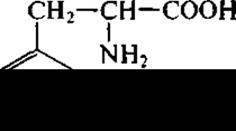
using Yeast cells for this purpose. Chemically and enzymatically, virtually all amino acids can be produced; however, due to the high cost and complexity of obtaining the corresponding organic precursor acids, this method is not always economically viable and in most cases is inferior to direct microbiological synthesis.
The fourth method for producing amino acids—direct microbiological synthesis—relies entirely on The Use of biological objects (i.e., it is fully biotechnological). Amino acid-producing strains are used as these biological entities. This method most commonly employs Escherichia coli (a human symbiont), Bacillus subtilis (a soil microorganism), and Corynebacterium glutamicum (a soil microorganism).
All of these microorganisms have been thoroughly studied to date. The complete nucleotide sequence of their entire genome is known. For Escherichia coli, diverse genetic exchange methods have been developed, making it easy to combine different genes and modify metabolic pathways. This is true to a lesser extent for Bacillus subtilis, and even less so for Corynebacterium glutamicum.
The use of these microorganisms for Amino Acid Production is based on their ability to independently synthesize all 20 amino acids. They are also heterotrophic Bacteria that utilize Organic compounds (CARBOHYDRATES or specific organic acids) as carbon sources, while obtaining all other components from Inorganic Compounds.
The use of heterotrophic microorganisms significantly shortens the Fermentation process. For instance, in a nutrient-rich medium, Escherichia coli divides every 20–30 minutes, and corynebacteria every hour. In nutrient-poor media, the regeneration time doubles (1 hour for Escherichia coli, 1.5–2 hours for corynebacteria and Bacillus subtilis).
At the same time, there are bacteria known as auxotrophic mutants—microorganisms that, on the one hand, have lost The ability to independently synthesize various amino acids required for building all their cellular components, and on the other hand, have acquired the capacity for the overproduction of a target amino acid. Such mutants are obtained either by exposing the initial microorganism culture to various Physical and Chemical mutagens followed by strain Selection based on predetermined traits, or through Introduction/32.html">Genetic Engineering METHODS.
It is known that bacterial cells synthesize amino acids to meet their own metabolic needs (protein synthesis and other metabolic processes); a specific amount is synthesized within bacterial cells. Over the course of evolution (natural selection), only those forms survived in which metabolic processes proceeded most economically, which was ensured by regulatory mechanisms governing these processes.
Metabolic Regulation and control are known to operate on the feedback principle. There are two levels (mechanisms) of regulation for The Biosynthesis of a final (target) product: Feedback inhibition and repression. At the first level, the amino acid produced in a chain of sequential reactions inhibits The activity of one of the initial enzymes involved in its own synthesis. If this mechanism is insufficient and the end product (amino acid) is still present in excess, the second regulatory mechanism is triggered, thereby suppressing (repressing) The formation of the entire set of enzymes in the corresponding biosynthetic pathway. Using threonine biosynthesis as an example:
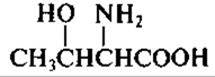
one can demonstrate how these principles operate in Escherichia coli cells. Threonine, along with lysine and methionine, belongs to the aspartate family. Bacterial cells first synthesize aspartic acid:
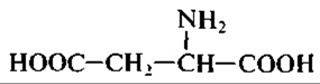
and then use it as a basis to synthesize threonine, methionine, and lysine (which is why they are grouped into the aspartate family). The synthesis of each of these amino acids occurs in several stages, yielding intermediate compounds. Each of these steps is catalyzed by an enzyme protein whose synthesis is controlled (coded) by a corresponding Gene, whose nucleotide sequence dictates The Structure of that protein.
The initial reaction in the synthesis of these amino acids is The conversion of aspartic acid into aspartyl phosphate under the action of the enzyme aspartokinase (Kinases are enzymes that "attach" a phosphate group).
The next stage is the conversion of aspartyl phosphate into aspartate semialdehyde ( an intermediate compound). This reaction is catalyzed by aspartate semialdehyde dehydrogenase. The gene controlling the synthesis of this enzyme is localized in another region of the chromosome and is designated as asd. Under the action of homoserine dehydrogenase, encoded by the thrA gene, homoserine is synthesized, serving as a precursor for both threonine and methionine synthesis. In turn, homoserine is converted into homoserine phosphate by homoserine kinase (the gene encoding this reaction is thrB). Finally, homoserine phosphate is converted into threonine by threonine synthase. The gene encoding the formation (synthesis) of this enzyme is thrC. When Pyruvate is added to the medium, isoleucine is produced from threonine (Fig. 15).
All structural genes in the Escherichia coli chromosome are arranged in a specific sequence within a common regulatory region that includes a promoter (the binding site for RNA polymerase, which transcribes information to yield Messenger RNA that subsequently attaches to Ribosomes and is translated, thereby producing each of the specified enzyme proteins) and a so-called attenuator—a regulatory element that Senses feedback signals.
It must be emphasized that threonine synthesis occurs concurrently with biomass growth; once growth ceases, threonine synthesis slows down and gradually stops (Fig. 16, curve I). Threonine biosynthesis in Escherichia coli cells is regulated as follows: when threonine accumulates within the bacterial cells in amounts exceeding what is required for metabolic processes and protein synthesis, and appears in a free state, it inhibits the activity of the aspartokinase enzyme. Aspartokinase is an allosteric enzyme (from allos, meaning other) which, in addition to its Active Site, possesses another site known as the allosteric site that can interact with low-molecular-weight effectors. In this case, threonine serves as such an effector. Upon binding to the allosteric site, threonine alters the conformation of aspartokinase, rendering the active site inaccessible to the substrate and causing the enzyme to lose its activity.
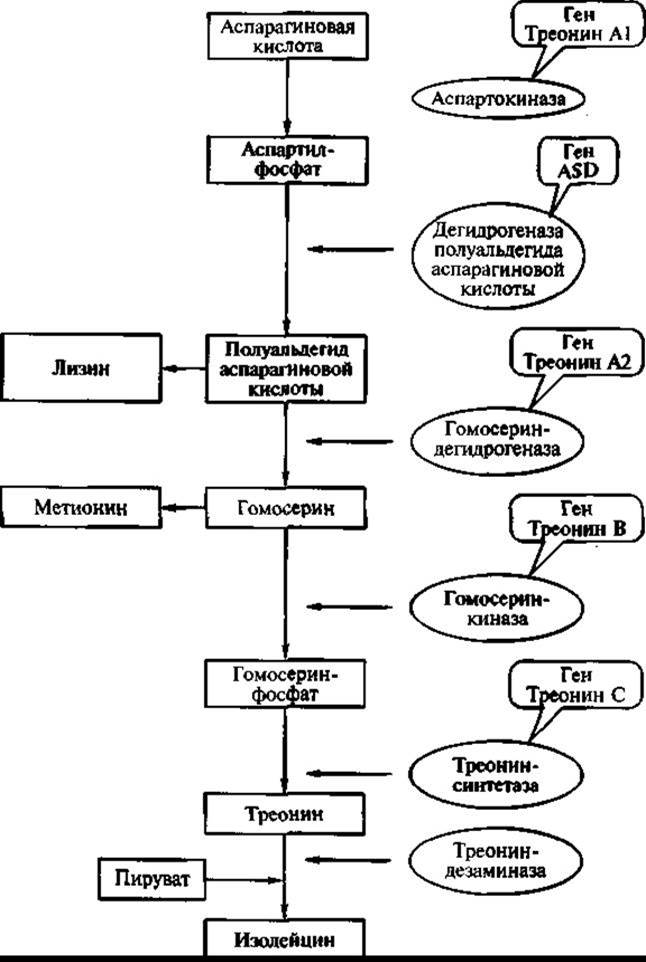
Fig. 15. Pathway of threonine biosynthesis in Escherichia coli bacteria
In turn, the suppression of aspartokinase activity leads to the cessation of aspartyl phosphate synthesis, which correspondingly halts the synthesis of all intermediate compounds in the threonine biosynthetic pathway.
When a single mechanism proves insufficient and threonine continues to accumulate in excess, Escherichia coli activates an additional regulatory mechanism of biosynthesis—repression. Under these conditions, excess threonine is converted into isoleucine, which also accumulates in excess. At the point when both threonine and isoleucine accumulate in excess simultaneously, they interact indirectly with the attenuator and suppress Transcription, causing its termination. In this case, the synthesis of all enzyme proteins belonging to this metabolic pathway is halted.
As previously noted, in natural microorganisms, control over the rate of Amino acid biosynthesis prevents their overproduction; therefore, the secretion of amino acids from The Cell into the medium is only possible in strains with a disrupted regulatory system. In the late 20th century, Soviet scientists developed a threonine superproducing strain. Its industrial-scale application increased threonine yields up to 100 g/L, while reducing fermentation time to a single day.
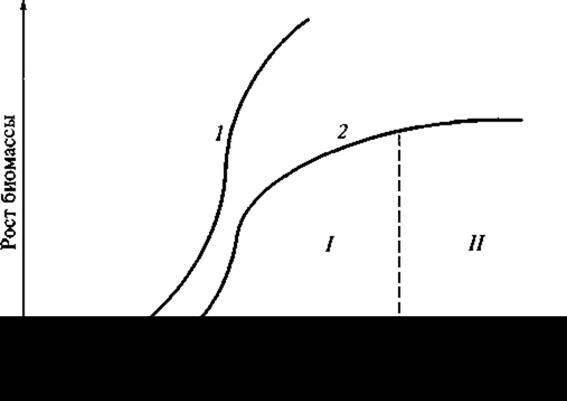
Fig. 16. Dependence of threonine and lysine synthesis on biomass growth: I — threonine; 2 — lysine (I, II — process stages)
Currently, industrial production of lysine utilizes a superproducing strain of corynebacteria (Corynebacterium glutamicum). Fermentation duration is 2–3 days. The accumulation level of the target product ranges from 50 to 100 g/L.
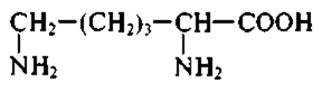
Corynebacteria are Gram-positive microorganisms that phylogenetically date back earlier than most and differ from Gram-negative Escherichia coli in having very low intracellular proteinase activity, which allows the cell-synthesized enzyme proteins to remain active for a prolonged period.
The pathway of lysine biosynthesis is shown in Fig. 17. In the strain Corynebacterium glutamicum, biosynthesis is regulated through a single feedback mechanism: concerted (cooperative) retroinhibition of aspartokinase activity. This is the sole enzyme whose activity is jointly regulated by threonine and lysine. When both threonine and lysine accumulate in excess within the cell simultaneously, they bind together to the allosteric site, resulting in the suppression of aspartokinase activity and the blockage of this biosynthetic pathway.
Thus, lysine synthesis is controlled by threonine and lysine. To obtain a lysine-superproducing strain, it is necessary to "remove" threonine, since an excess of both threonine and lysine inhibits aspartokinase activity. Therefore, threonine synthesis must be blocked. This requires obtaining a mutation that disrupts this gene; however, in this case, pure threonine must be added to the nutrient medium (since most lysine producers are incapable of synthesizing homoserine or threonine, making them "auxotrophs" for these amino acids).
If the biosynthetic chain is blocked at a different step, the mutant will require methionine and threonine, and homoserine is then added to the medium. If limited amounts of threonine and methionine are added to the medium, the strain will grow until these nutrients are exhausted; however, the cells will retain the enzymes necessary for lysine synthesis, which remain active within the corynebacterial cells for a long time. Consequently, the strain will begin to synthesize lysine—that is, lysine production by Corynebacterium glutamicum will occur only after threonine is depleted. The optimal amounts of threonine and methionine are determined experimentally to ensure maximum lysine synthesis upon addition to the nutrient medium. As soon as threonine disappears from the medium and biomass growth ceases, active lysine synthesis begins. Thus, this process features two developmental stages: biomass growth and lysine synthesis (Fig. 16, curve 2).
When developing microbiological processes for amino acid production, biotechnologists select cultivation conditions that maximize both the rate of Amino acid synthesis by the producer cells and its duration, while minimizing the formation of biosynthetic byproducts.
The maximum synthesis rate is achieved by establishing optimal cultivation conditions for highly active biomass. To this end, specific (optimal) concentrations of carbon sources, ammonium nitrogen, mineral salts, growth factors, pH, and Temperature are maintained within the fermenter.
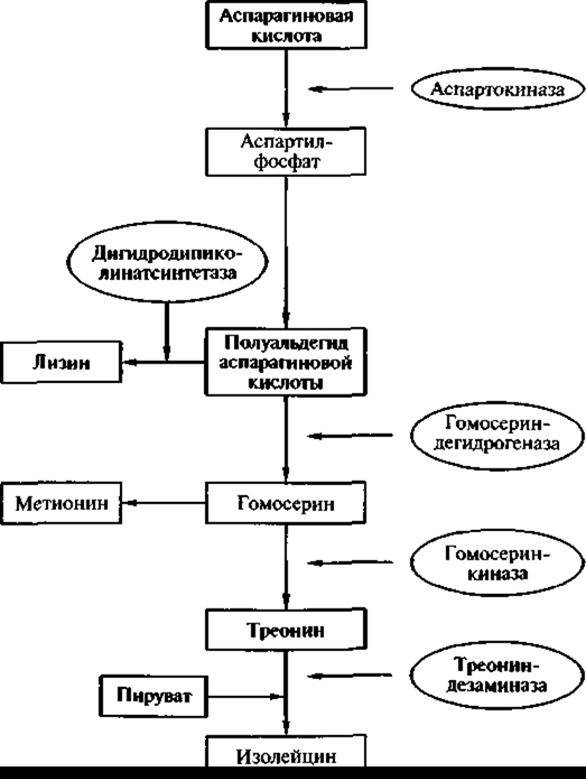
Fig. 17. Scheme of lysine biosynthesis in corynebacteria
All processes characterized by high amino acid accumulation levels (on the order of 50–100 g/L) are conducted using fed-batch feeding of substrates, specifically carbon and nitrogen sources. Carbohydrates or organic acids (such as acetate) are used as carbon sources in amino acid biosynthesis, whereas ammonium salts and ammonia serve as the nitrogen source required for building the amino group.
Although amino acids are generally neutral, their biosynthesis leads to significant acidification of the medium due to an ionic imbalance in the culture liquid. Specifically, producer microorganisms convert ammonium ions NH4, present in nutrient media as ammonium salts (NH4Cl, (NH4)2SO4, etc.), into the amine groups of amino acids, leaving behind unbuffered "excess" Cl- and SO2-4 radicals in the medium. To maintain the optimal concentration of ammonium ions and optimal pH in the medium, amino acid biosynthesis is carried out with automated pH-stating using ammonia.
The optimal concentration of carbon sources in the medium can be maintained by feeding a carbohydrate solution into the fermenter at a rate that matches the sugar consumption rate of the producer culture. In industrial amino acid production, an automated carbohydrate feeding mode triggered by a pH sensor signal is also widely used. In this approach, pH-stating is performed not with ammonia or aqueous ammonia, but with a mixture of aqueous ammonia and carbohydrates. By correctly selecting the ratio between them, a constant concentration of not only ammonium ions but also carbon sources is maintained.
For auxotrophs such as the lysine producer, the initial dosage of growth factor sources (those amino acids that the strain cannot synthesize on its own) in the medium is a critically important parameter. An excess of these factors inhibits biosynthesis, whereas a deficit results in an insufficient concentration of producer cells in the fermenter to sustain a high rate of amino acid accumulation. Therefore, producers similar to the lysine producer have an optimal concentration of growth factors. This value is not constant and may vary depending on the raw materials, the aeration capabilities of the equipment, and the cultivation temperature.
Amino acid biosynthesis processes are energy-intensive; consequently, amino acid fermentation must be carried out under aerobic conditions with intensive aeration and agitation, ensuring an oxygen dissolution rate of 3–7 g/(L·h).
Once active biomass synthesizing the amino acid has been established in the fermenter, conditions must be set to keep the microbial cells "working" for as long as possible. During biosynthesis, cells lose viability for various reasons, and various methods are employed to prolong the active fermentation phase. In particular, for auxotrophic amino acid producers (e.g., the lysine producer), the duration of Biosynthesis and the yield of the target amino acid can be increased by supplying feeds containing carbon sources mixed with growth factor sources (protein hydrolysates) during fermentation.
Synthesis of the target amino acid can be prematurely halted due to the toxic metabolites produced by the producer itself. A case in point is phenylalanine biosynthesis by the producer Bacillus subtilis. During growth on carbohydrate-containing media, bacilli synthesize acetoin and butanediol—substances required by the cells for sporulation. Consequently, the cells begin to lyse and sporulate, and cease phenylalanine production.
The accumulation of byproducts can be avoided by conducting the fermentation process under carbon-source limitation. The sugar solution serving as the carbon source for this producer is fed into the medium at a constant rate that is lower than the rate at which the culture utilizes it. As a result, a very low "Background" concentration of the carbon source is maintained in the culture medium, and all the supplied sugar is channeled into phenylalanine synthesis. Consequently, the operational fermentation cycle is extended by 1.5–2 times, while the proportion of impurities (not only acetoin but also byproduct amino acids) decreases. Furthermore, the phenylalanine yield and the Conversion of the carbon source into the target amino acid nearly double.
The efficiency of substrate utilization in target amino acid biosynthesis also depends on biomass productivity. If amino acid synthesis is uncoupled from biomass growth (as in the lysine producer), the efficiency of substrate utilization will be higher the longer the culture remains active after growth ceases. Conversely, if synthesis proceeds in parallel with growth (as in the threonine producer), biomass productivity can be increased by redistributing intracellular substrate fluxes—enhancing the flux of precursors toward amino acid synthesis while simultaneously restricting all other fluxes. However, this is not always achievable through technological adjustments alone, as seen in the example of the phenylalanine producer.
For this purpose, genetic engineering methods are most effective—specifically, introducing multicopy hybrid Plasmids carrying genes that control amino acid biosynthesis into the microbial cell, which leads to an elevated level of the corresponding enzymes within the cell. In genetically engineered producers, the enzymatic system acts akin to a "vacuum pump," mobilizing all cellular resources toward The production of the target amino acid to the detriment of biomass growth and the synthesis of other cellular components. With the introduction of hybrid plasmids, byproducts typically vanish automatically, while biomass productivity and the substrate conversion coefficient increase substantially.
Last update: 06/08/2026
Editorial and Educational Adaptation: This material has been compiled based on the primary/original source text. The project team performed an editorial review, corrected technical inaccuracies, structured sections, and adapted the content for an educational format.
What was processed:
- elimination of formatting defects (OCR errors, structural breaks, corrupted characters);
- editorial organization of content;
- standardization of terminology in accordance with academic sources;
- verification of factual statements against the original source text.
All mentions of the author, publication year, and origin of the primary text have been preserved in accordance with the source.