Biotechnology - Yu.O. Sazykin 2006
Applied Biotechnology
Pharmaceuticals produced industrially via biotechnological methods
Vitamins
Vitamins are low-molecular-weight Organic compounds essential for the normal metabolic Functions of the Organism, the synthesis of which is either limited or absent altogether. The exceptionally high biological activity of vitamins is unquestionable. The Human Body's requirement for them is met by very small quantities (ranging from a few micrograms to several tens of milligrams per day).
While not serving as structural building blocks or sources of energy, vitamins act as active biocatalysts for various metabolic processes within the body. Almost all Water-Soluble Vitamins, as well as the fat-soluble vitamin K, function as Coenzymes or Cofactors in biochemical reactions. Vitamins A, D, and E regulate the GENETIC APPARATUS OF The Cell. In addition, every single vitamin possesses its own specific function in the body. All of this highlights the indispensability of vitamins for maintaining life.
Under modern socio-economic conditions, driven by industrialization and the achievements of civilization, human dietary habits have shifted toward the consumption of heavily refined and canned foods, which possess lower vitamin value. A prime example is top-grade flour, The production of which results in the loss of up to 80–90% of all vitamins. Another example is the extraction, deodorization, and bleaching of vegetable oils, processes that destroy Fat-soluble vitamins. Vitamins A, E, K, and carotene are relatively stable to thermal Processing, but highly sensitive to light and atmospheric oxygen.
In economically developing countries, vitamin deficiency has reached mass proportions due to the relatively low poverty threshold for the majority of the population, coupled with a declining quality of diet caused by a lack of fresh vegetables, fruits, meat, and fish.
The widespread prevalence of polyhypovitaminosis and reduced bodily resistance to pathogens, compounded by harmful environmental factors (such as radiation, carcinogens, and industrial toxins), further elevates Structure/19.html">The Importance of vitamins in preventive and therapeutic medicine. Consequently, economically developed countries have begun implementing government-backed programs for the artificial fortification of foods (such as flour, bread, milk, and juices).
The Classification of Vitamins (Table 1) is based on their physicochemical properties, according to which all vitamins are divided into water-soluble and fat-soluble groups.
It is well established that water-soluble vitamins do not accumulate in Tissues (with the exception of vitamin B12), which necessitates their daily intake. Fat-soluble vitamins, by contrast, are capable of accumulating in tissues, making deficiencies less common. They also typically lack a coenzyme function (except for vitamin K). Interestingly, by acting as Inducers of Protein Synthesis, fat-soluble vitamins exhibit similarities to Steroid Hormones, a trait especially pronounced in vitamin D. Finally, all fat-soluble vitamins serve as Structural components of cell membranes and exhibit antioxidant activity. Regarding dietary sources, plants remain the primary contributors. It is no secret that the vitamin content of food products is significantly influenced by the season and culinary processing, which once again brings us back to the importance of organizing a rational and balanced diet.
Table 1
Class="center">Classification of vitamins
Letter designation |
Chemical name |
Active form of the vitamin |
Therapeutic effect |
Water-soluble vitamins |
|||
В1 |
Thiamine |
Thiamine pyrophosphate (TPP), cocarboxylase, thiamine triphosphate (TTP) |
Antineuritic |
B2 |
Riboflavin |
FMN, FAD |
Growth vitamin |
В3 |
Pantothenic acid |
KoA-SH, dephospho-CoA, 4-phosphopantetheine |
Antidermatitic |
В5 (РР) |
Niacin |
NAD+ and NADP+ |
Antipellagric |
В6 |
Pyridoxine |
pyridoxamine phosphate |
Antidermatitic |
В12 |
Cobalamin |
Methylcobalamin, deoxyadenosylcobalamin |
Anti-anemic |
С |
Ascorbic acid |
Ascorbic and dehydroascorbic acids |
Metabolic regulator, immunostimulant |
Fat-soluble vitamins |
|||
А |
Retinol |
Retinol / retinal |
Antixerophthalmic |
D |
Calciferol |
Ergocalciferol |
Antirachitic |
Е |
Tocopherol |
a-, ß-, y-, δ-tocopherols, tocotrienols |
Antioxidant |
К |
Phylloquinone |
Dipharnesylnaphthoquinone |
Antihemorrhagic |
Recent scientific research has demonstrated not only the high biological activity of vitamins, but also the fact that this activity is typically exhibited not by the vitamins themselves, but by their derivatives—coenzymes, which have found widespread application in medical practice.
When it comes to the large-scale production of vitamins, chemical Methods occupy a leading position; however, in A number of manufacturing processes, biotechnological methods serve as a fully viable competitor both domestically and internationally. These biological methods are increasingly preferred due to tightening environmental regulations in pharmaceutical manufacturing. Furthermore, biotechnological approaches make it possible to reduce the number of chemical synthesis steps by utilizing highly active producer microorganism strains. For example, the production of vitamins B12, B2, B3, and D (ergosterol) is carried out in a single step. Microorganisms have also found successful application in the synthesis of Vitamin C, ubiquinones, and carotenoids.
Vitamin B12 (cobalamin)

Currently, vitamin B12 is obtained entirely through biotechnological methods. Vitamin B12 is a derivative of the internal cobalt complex of the benzimidazole nucleotide and a macrocyclic corrin ring system. The ability to synthesize compounds of a corrinoid nature is widespread among prokaryotic microorganisms. For instance, certain mutant strains of propionic acid Bacteria of the genus Propionibacterium are capable of producing over 50 mg of vitamin B12 per liter of medium, and in the presence of its precursor, 5,6-dimethylbenzimidazole (5,6-DMB), they can accumulate up to 200 mg per liter of culture liquid. Producers of vitamin B12 are cultivated on media prepared from food raw Materials (corn and meat extracts, soybean and fish meal). Active producers capable of generating sufficient quantities of the vitamin on non-food media—using isopropyl alcohol, methanol, etc., as carbon and Energy Sources—are currently being successfully developed. Propionibacterium species are cultured batchwise under anaerobic conditions on a medium containing, alongside food-grade raw materials, glucose, cobalt salts, and ammonium sulfate.
During the Fermentation process, acids are formed which are subsequently neutralized by the continuous Addition of an alkali solution into the fermenter. Seventy-two hours after THE START OF fermentation, the precursor (5,6-DMB) is introduced into the nutrient medium, because without its addition, factor B (cobinamide) and the therapeutically inactive pseudovitamin B12 (in which adenine serves as the nitrogenous base) are synthesized instead of vitamin B12. The total fermentation time is 6 days. Upon its completion, vitamin B12 remains inside the bacterial Cells—that is, within the biomass—which is subsequently separated, and the target product is extracted using acidified water.
It should be noted that as a promising new development, a highly productive strain of Propionibacterium freudenreichii has been created, which, unlike previously known producers, is capable of secreting vitamin B12 directly into the culture medium. To prevent The formation of the coenzyme form of vitamin B12, sodium nitrite is added as a stabilizer. This is followed by standard Isolation and Purification stages, so we will not dwell on them in detail. The resulting product is used to manufacture various pharmaceutical dosage forms and in the production of multivitamin preparations.
Vitamin B2 (riboflavin)
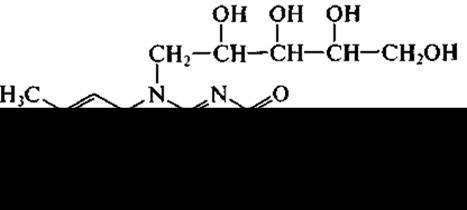
The Biosynthesis of flavins is carried out by plant cells, many bacterial species, Molds, and Yeasts. Thanks precisely to the microbial biosynthesis of riboflavin in the gastrointestinal tract, ruminants do not require dietary supplementation with this vitamin. In humans, however, the synthesized flavins are insufficient to prevent hypovitaminosis.
Vitamin B2 is highly soluble in water, stable in acidic environments, but readily destroyed in neutral and alkaline media, as well as under UV irradiation. This vitamin functions in coenzyme forms: flavin mononucleotide (FMN) and flavin adenine dinucleotide (FAD). The phenomenon of hypersynthesis was actually discovered using the example of riboflavin secretion into the culture liquid. Industrial production of riboflavin utilizes cultures of Yeast-like Fungi such as Eremothecium ashbyii and Ashbya gossypii, which synthesize up to 3.8 and 6.4 g/L of riboflavin, respectively. However, a major drawback of these cultures is their instability during storage on solid media across the entire Temperature range—from room temperature to lyophilization temperatures—resulting in a loss of their capacity for riboflavin hypersynthesis. Therefore, to maintain strain activity, systematic plating on solid media is required, selecting colonies with high activity.
Currently, alongside the aforementioned cultures, industrial production of riboflavin also employs mutant producer strains of Bacillus subtilis with impaired regulation of vitamin B2 synthesis. This strain is resistant to roseoflavin, a potent antimetabolite and amino analog of riboflavin, and possesses the ability to hypersynthesize vitamin B2. When cultivated on a medium containing molasses and yeast extract, 3.5–4.5 g/L of riboflavin accumulates in the culture liquid, while the fermentation time is reduced threefold. Riboflavin is also produced chemically using dry cells of Brevibacterium as biocatalysts. Furthermore, while biosynthesis with native cells takes several days, biosynthesis using a suspension of dry cells takes only 15–17 hours for FAD synthesis.
Vitamin B3 (pantothenic acid)

Pantothenic acid is primarily produced industrially via chemical synthesis. The most important coenzyme form of vitamin B3 is coenzyme A (CoA). Many microorganisms, particularly actinomycetes, possess the ability to produce CoA in significant quantities. Methods for obtaining pantothenic acid and its structural components from ß-Alanine and potassium pantothenate using immobilized bacterial cells are being actively introduced into industrial practice, and significant progress has also been achieved in producing CoA using mutant strains of Brevibacterium ammoniagenes, which yield up to 3 g of CoA per liter.
Vitamin PP (Nicotinic Acid)

One of the most widespread biotechnological METHODS FOR PRODUCING nicotinamide adenine dinucleotide (NAD), the coenzyme form of nicotinic acid, is its isolation (extraction) from microorganisms, typically baker's yeast. To increase the NAD content in yeast cells, cultivation is carried out on media supplemented with precursors of nicotinic acid synthesis. For instance, adding adenine or nicotinic acid itself to the culture media yields up to 12 mg of NAD per 1 g of cells (dry weight). The Use of mutant strains of Brevibacterium ammoniagenes combined with altering microbial cell membrane permeability using surface-active compounds (sodium cetyl sulfate, cetylpyridinium chloride)—since coenzymes cannot penetrate Biomembranes on their own—allows for NAD yields of up to 6 g/L.
Ascorbic Acid (Vitamin C)

Ascorbic acid accounts for the largest share of global industrial vitamin production, totaling about 40,000 tons per year. Its synthesis was developed by Swiss scientists A. Grüssner and S. Reichstein in 1934 and remains in use today. The synthesis of ascorbic acid is a multi-step chemical process in which only a single step involves biotransformation—specifically, The conversion of D-sorbitol into L-sorbose mediated by acetic acid bacteria. Sorbose is produced via submerged fermentation, where the producing culture, Gluconobacter oxydans, is grown in stirred-tank batch bioreactors equipped with spargers to enhance aeration and mass transfer over 24 to 40 hours. This achieves a sorbose yield of up to 98% relative to the initial amount of sorbitol in the medium. Typically, to attain such a high target product yield, about 20% corn steep liquor or yeast extract is added to the nutrient medium. Upon completion of fermentation, sorbose is isolated from the culture broth. In addition to medium optimization, processing equipment can also be improved. For example, switching from batch cultivation of the Gluconobacter oxydans producer to continuous culture in a Column-type bioreactor increases The rate of sorbose formation by 1.7-fold.
Today, the widespread application of biotechnological processes helps refine ascorbic acid synthesis by bypassing multi-stage and costly chemical steps. For instance, vitamin C is synthesized through the enolization of its key intermediate, 2-keto-L-gulonic acid. This intermediate, in turn, is produced via a two-stage microbiological synthesis consisting of The oxidation of D-glucose into 2,5-diketo-D-gluconic acid (2,5-DKGA) and the subsequent biotransformation of the latter into 2-keto-L-gulonic acid (2-KGA).
The primary productive microorganisms driving the oxidation of D-glucose into 2,5-DKGA and the subsequent reduction of 2,5-DKGA to 2-KGA are mutant strains of Erwinia punctata and Corynebacterium sp., which achieve a target product yield of approximately 90% relative to the initial glucose content.
However, this technology has significant drawbacks, as the co-cultivation of the producer strains inhibits 2-KGA synthesis. Therefore, after growing the 2,5-DKGA producer, the culture broth is sterilized using Surfactants, which substantially minimizes losses during the extraction of gulonic acid.
Another biotechnological method for producing gulonic acid relies on synthesizing this product from sorbose using a microorganism strain of the genus Gluconobacter, the production of which is highly cost-effective. The ability to synthesize the target product is due to the presence of species-specific dehydrogenases in this microorganism.
Vitamin D (Calciferol)
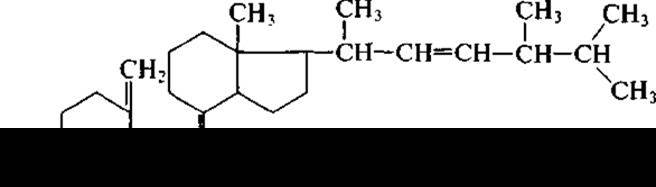
Calciferol was first isolated from fish oil in 1936 by A. Windaus and used in the Treatment of Rickets. It was designated as vitamin D3, because ergosterol had previously been isolated from vegetable oils and named vitamin D1; upon irradiation, ergosterol yielded vitamin D2, or ergocalciferol (calciferol, translated from Latin, literally means "calcium-bearing").
Currently, calciferol is produced biotechnologically from ergosterol using UV irradiation. Microorganisms play a direct role in converting ergosterol into ergocalciferol. Yeast cells of all species and molds are particularly rich in ergosterol, with dry yeast biomass containing 5–10% ergosterol.
Saccharomyces cerevisiae yeast is utilized as an industrial source of ergosterol due to its high ergosterol content. Under anaerobic cultivation conditions, squalene (the precursor of ergosterol) accumulates within the yeast cells. The induction of ergosterol synthesis triggers within a strictly defined oxygen concentration range of 0.03% to 2%. Concurrently, the medium must contain an excess of CARBOHYDRATES and a low level of nitrogen. Following the completion of Alcoholic Fermentation, the yeast is separated from the spent wash (vinasse), and requisite amounts of carbon, nitrogen, and phosphorus sources are added to the nutrient medium. Fermentation is conducted under aerobic conditions for 12 to 20 hours, after which the yeast cells are separated from the culture broth, treated with antioxidants, and dried. Typically, the ergosterol content in such biomass reaches 1.5%.
Subsequent UV irradiation of ergosterol yields vitamin D2, which is either used directly as a food Supplement or subjected to further processing to obtain crystalline vitamin D2.
When extracting ergosterol from yeast-like fungi of the genus Candida, the dry fungal biomass is extracted with petroleum ether to remove residual Hydrocarbons. The resulting lipid fraction is termed "microbial fat" and serves as a by-product of the microbiological industry. This fraction can be utilized as a source not only of ergosterol, but also of ubiquinone and other fat-soluble compounds. A characteristic feature of fungi of the genus Candida is that when transitioning from batch cultivation on hydrocarbons to continuous cultivation, the cells maintain both their level of sterol production and the relative ergosterol content within them.
Vitamin A (Retinol)
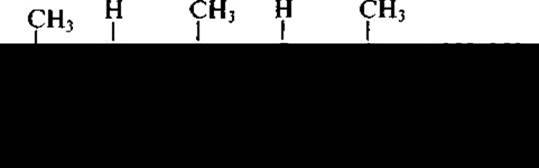
Vitamin A is a cyclic, unsaturated monohydric alcohol synthesized in the intestinal mucosa and Liver from provitamins—namely, α-, β-, and γ-carotenes (with β-carotene exhibiting the highest activity since it yields two molecules of retinol, whereas the others yield only one)—under the catalytic action of the enzyme carotenase. Carotenoids are a widely distributed group of natural pigments synthesized by higher plants, Algae, and certain microorganisms. Animals cannot synthesize these pigments de novo; instead, they ingest them through food, making dietary carotenoids the primary source of vitamin A.
β-Carotene is produced via chemical and microbiological methods (utilizing strains of the mycelial fungus Blakslea trispora). Currently, the Chemical synthesis of β-carotene is more cost-effective. The microbiological production method is multi-stage and requires a complex, costly corn-soybean medium supplemented with plant oils, surfactants, and specialized stimulants. Heterothallic strains are grown separately at first and then co-cultivated in a bioreactor for 6 to 7 days under intensive aeration at 26 °C. If β-carotene is extracted from the crushed mycelium using sunflower oil, it can be utilized directly in the form of oil solutions. Alternatively, extraction with an organic solvent followed by crystallization yields crystalline β-carotene.
Utilizing by-products from starch and syrup production—such as corn steep liquor and green molasses—helps reduce production costs. Furthermore, employing cellobiose derived from Cellulose waste processing as a carbon source can increase carotenoid synthesis in Blakslea trispora strains several-fold.
Ubiquinones (Coenzymes Q)
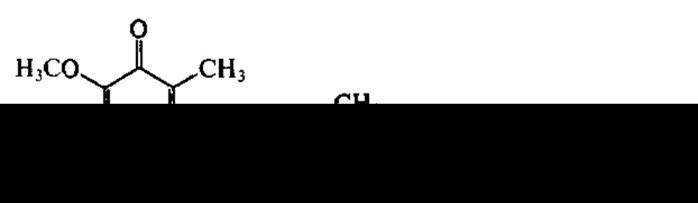
Ubiquinones have recently garnered considerable interest as promising therapeutic agents. On the one hand, they are synthesized endogenously in the bodies of animals and humans, rendering their dietary intake optional—a property that distinguishes them from conventional vitamins.
On the other hand, a deficiency in ubiquinones disrupts metabolic processes in a manner typical of B and K vitamin deficiencies. Ubiquinones act as regulators of tissue Respiration and Oxidative Phosphorylation within the Electron Transport Chain, exerting their regulatory effects through high Specificity.
From a practical standpoint, the higher homologs are of the greatest interest: ubiquinone-9 (KoQ9) and ubiquinone-10 (KoQ10). Ubiquinone-10 serves as a coenzyme in the human body, which has led to The Development of the medicinal product Ubichynon compositum, known for its general tonic, antioxidant, and immunostimulating effects.
The production of ubiquinones relies on biotechnological methods centered on the extraction of KoQ from biological materials. Industrial manufacturing utilizes either plant tissues (such as rice callus or Carthamus tinctorius tumor tissues) or microorganisms with high ubiquinone content, such as the yeast Cryptococcus curvatus and the fungus Candida maltosa, as substrates.
Currently, biotechnology is employed to obtain ubiquinone-9 and ergosterol from microbial Lipids, which are generated as a byproduct of large-scale protein-vitamin concentrate production using cultures of the fungus Candida maltosa.
It has been established that the biomass of acetic acid bacteria (Gluconobacter oxydans)—utilized in ascorbic acid production during the oxidation of d-sorbitol to L-sorbose—contains significant amounts of KoQ10 free of homolog impurities. Furthermore, while this biomass represents an industrial waste product of ascorbic acid synthesis, the Gluconobacter oxydans strains within it exhibit the highest oxidative activity toward sorbitol. This unique finding has enabled the development and Implementation of a combined technology for producing L-sorbose and extracting ubiquinone-10 from the separated biomass, followed by purification to achieve a target product yield of up to 85 %.
Last update: 06/08/2026
Editorial and Educational Adaptation: This material has been compiled based on the primary/original source text. The project team performed an editorial review, corrected technical inaccuracies, structured sections, and adapted the content for an educational format.
What was processed:
- elimination of formatting defects (OCR errors, structural breaks, corrupted characters);
- editorial organization of content;
- standardization of terminology in accordance with academic sources;
- verification of factual statements against the original source text.
All mentions of the author, publication year, and origin of the primary text have been preserved in accordance with the source.