Molecular Biology of the Cell - Volume 3 - Alberts B., Bray D., Lewis J., Raff M., Roberts K., Watson J. 1994
From Cells to Multicellular Organisms
Features of Plant Cells
Interactions Between Plants and Other Organisms
Both plant roots and shoots interact with a vast array of organisms, including Bacteria, Fungi, worms, and insects. Through evolution, specific mechanisms—genetic, chemical, and anatomical—have developed to facilitate these interactions. These include defense responses against pathogens and symbiotic relationships with organisms essential for plant survival. In this section, we examine four Examples of such interactions, illustrating The complexity of the resulting signals and the corresponding responses.
20.3.1. Most vascular plants live in Symbiosis with soil fungi [14]
If forest tree seedlings grown under sterile conditions are planted in meadow soil, they will most likely perish. However, if the seedlings are planted in soil supplemented with a small amount of forest soil, normal growth is ensured (Fig. 20-28). The essential factor contained in forest soil consists of fungi that form a close symbiotic association with plant roots, creating mycorrhizae, or "fungal roots," which are found in more than 90% of vascular plants. The fungal hyphae possess an extremely large surface area and form a felt-like sheath around the plant ROOT, penetrating between—and in some cases directly into—the Cells of the root cortex. The fungi secrete growth factors that stimulate root cortical cells to enlarge and divide, thereby promoting root branching. By altering soil pH, the fungi also enhance the availability of inorganic nutrients, particularly phosphates, converting them into forms that the plant can readily absorb. In return, the plant supplies the fungi with sugars and Amino Acids. Each plant forms mycorrhizae with only a limited number of fungal species, and in many instances, the fungi are vital for plant survival. For example, the successful post-germination growth of orchids depends entirely on the presence of appropriate fungal symbionts. It is also likely that the Geographical Distribution of many plants is dictated by the presence of their associated fungi. The molecular mechanisms underlying the fungus-plant interaction in mycorrhizae remain poorly understood, whereas significantly more is known about the symbiosis between plant roots and bacteria.
20.3.2. Symbiotic bacteria help certain plants assimilate atmospheric nitrogen [15]
The raw Materials required for plant growth consist primarily of inorganic substances—O2, CO2, H2O, and mineral salts. Most salts absorbed by roots from the soil are produced by the weathering of rocks. Nitrogen is the sole exception: all nitrogen present in living organisms ultimately originates from atmospheric nitrogen, which is incorporated into Organic compounds via a highly energy-demanding process (hence the high cost of industrially produced nitrogen fertilizers). The only organisms capable of fixing atmospheric nitrogen are prokaryotes (cyanobacteria and certain members of the eubacterial group). Some of these are free-living soil organisms, whereas others (such as bacteria of the genus *Rhizobium*) form symbiotic associations with the roots of specific plants, notably legumes such as peas, beans, and clover.
Class="center">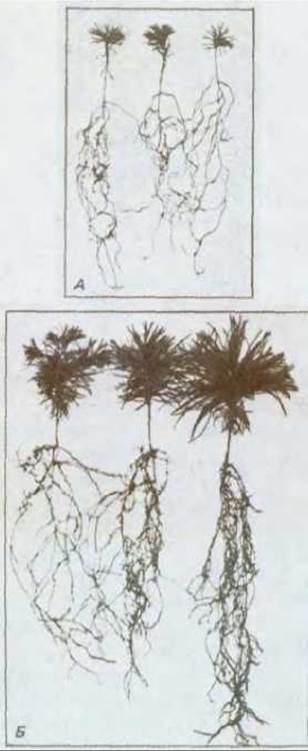
Fig. 20-28. Effect of mycorrhizae on plant growth. All pine seedlings were grown for the first two months in a sterile nutrient solution (shown here at 9 months of age). Some seedlings (A) were transplanted directly into soil taken from an open steppe, whereas others (B) were cultivated for two weeks in forest soil prior to being transferred to the steppe soil. The latter plants (B) exhibited superior GROWTH AND DEVELOPMENT due to the presence of specific mycorrhizal fungi in the forest soil. (Courtesy of J. Iyer and S. Wilde.)
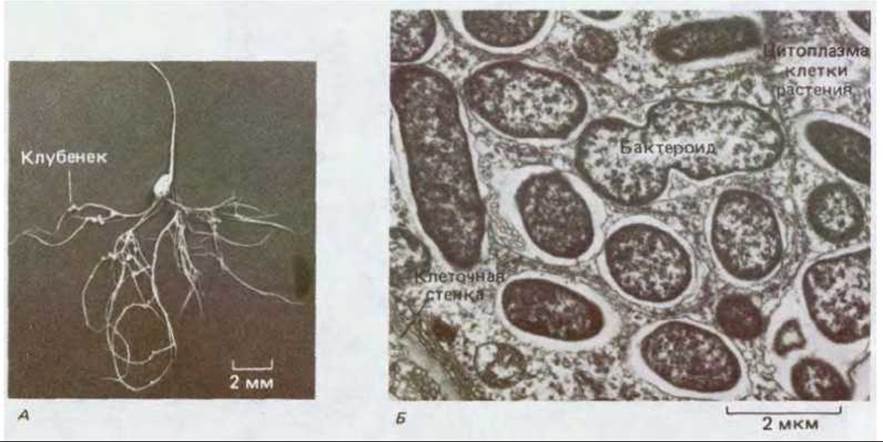
Fig. 20-29. A. Young pea seedling in a symbiotic association with nitrogen-fixing *Rhizobium* bacteria, clearly showing the root nodules housing the bacteria. B. Transmission electron micrograph of a thin section through the pea root nodule shown in panel A. Nitrogen-fixing *Rhizobium* bacteroids, enclosed within membranes of host-Cell origin, fill the Cytoplasm of the host cell. (A, courtesy of A. Johnston; B, courtesy of V. Huang and Q. S. Ma.)
The initial stage in the establishment of symbiosis involves the specific recognition by the bacteria of slender root hairs extending from specialized epidermal cells of the host plant. Upon binding to the root epidermal cells, the proliferating bacteria penetrate the plant via infection threads and stimulate the division of cortical cells underlying the epidermis, resulting in The formation of a large root nodule (Fig. 20-29A). The bacteria invade successive cortical cells, populating their cytoplasm. Approximately half the mass of each mature nodule is composed of intracellular bacteria that have shed most of their cell walls. The Plasma Membrane of each such bacterium is surrounded by an additional membrane produced by the host cell. It is these modified bacteria, termed bacteroids, that fix the nitrogen ultimately utilized by the plant (Fig. 20-29B).
The bacterial enzyme that catalyzes Nitrogen Fixation is called Nitrogenase. It is a complex protein molecule composed of three polypeptide chains. In symbiotic *Rhizobium* species, this protein complex catalyzes The conversion of atmospheric nitrogen into ammonia. The ammonia is then rapidly transported into the cytoplasm of the host cells, where it is converted into glutamine. Ultimately, the fixed nitrogen is incorporated into all Other Amino Acids.
Genetic analysis has demonstrated that the initiation and maintenance of this symbiosis require the coordinated expression of numerous genes belonging to both the bacterium and the plant. The "dialogue" between the bacterium and the host cell begins with the attachment of the bacterium to the root hairs. This binding triggers the Activation of a set of host genes encoding plant Proteins (nodulins) that are essential for nodule growth and function. A flavonoid secreted by the plant cells binds to and activates a protein encoded by a bacterial *nod* Gene (Fig. 20-30). The activated NodD protein then turns on the synthesis of another bacterial gene product, which induces the formation of host plant nodulins. Most bacterial *nod* genes, as well as *nif* genes (which encode proteins involved in nitrogen fixation, such as nitrogenase), are located on a large plasmid. If the plasmid nitrogen-fixation genes from a *Rhizobium* strain that nodulates beans are replaced with homologous genes isolated from a pea-specific strain, the bacteria acquire The ability to form nodules exclusively on peas.
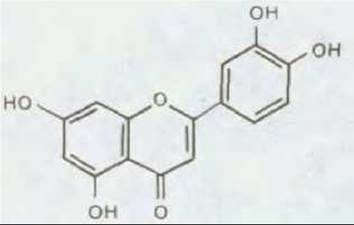
Fig. 20-30. Various flavones and related compounds secreted by the host plant root bind to and activate specific nodulating bacteria. Shown here is The Structure of luteolin, an alfalfa flavone that induces *nod* genes in *Rhizobium meliloti*. This signaling molecule presumably binds to the NodD protein, which in its activated form turns on the bacterial nitrogen-fixation genes. Flavones are structurally closely related to the anthocyanin pigments of flowers and fruits. Different plants produce distinct combinations of flavones that selectively activate plant-specific *Rhizobium* species.
Host cell nodulins include proteins involved in root cortical Cell Division, Structural components of the nodule, Enzymes that enable the plant to assimilate fixed-nitrogen compounds, and specialized proteins required for bacteroid function. The most prominent of these proteins is leghemoglobin, which is localized in the cytoplasm, binds oxygen, and is structurally analogous to mammalian Myoglobin. The bacterial nitrogenase complex is irreversibly inactivated by free oxygen. Consequently, special mechanisms are required to sustain bacteroids within the roots while maintaining oxygen concentrations at levels that support Respiration without damaging nitrogenase. The *Rhizobium*-induced synthesis of large amounts of leghemoglobin, which acts as an oxygen buffer, is a key component of this mechanism. The globin portion of the molecule is encoded by the host gene, whereas the heme group (the prosthetic group) is specified by the bacterial partner—a striking example of the evolutionary ADAPTATION OF ORGANISMS to one another.
The process of nitrogen fixation is powered by solar energy captured through Photosynthesis. It has been estimated that *Rhizobium* requires approximately 25–35 ATP molecules for the fixation of a single nitrogen molecule. In natural ecosystems, these prokaryotes supply significantly more fixed nitrogen (~2 × 10⁸ tons per year) than can be achieved through the application of synthetic nitrogen fertilizers.
20.3.3. *Agrobacterium* is a phytopathogen that transfers genes into its host's genome [16]
Another soil bacterium closely related to *Rhizobium* is *Agrobacterium tumefaciens*. This bacterium causes crown gall disease in plants. Upon contact with *Agrobacterium*, normal plant cells are transformed into tumor cells As a result of gene transfer from the bacterium to the host (Fig. 20-31).
Tumor cells induced by *Agrobacterium* exhibit several remarkable properties. First, these cells can be isolated and cultured indefinitely in vitro in the absence of growth factors and without further contact with *Agrobacterium*. Second, they synthesize a series of unusual compounds called opines. These Amino Acid Derivatives can be catabolized and utilized preferentially by the specific bacterial strain that induced opine synthesis in the plant cells.
Many properties of tumor cells have been elucidated through molecular genetic analysis. The tumor-inducing capacity of *Agrobacterium* is associated with a large DNA plasmid designated the Ti (tumor-inducing) plasmid. A segment of this plasmid, known as T-DNA (transferred DNA), is integrated into the nuclear genome of The plant cell. The bacterium can infect a susceptible plant only at sites of wounding—that is, where plant cells secrete unusual Phenolic Compounds, notably acetosyringone (Fig. 20-32). This triggers a cascade of reactions in the bacterium, resulting in the excision of the T-DNA from the Ti plasmid and its transfer into the host cell genome (Fig. 20-33). Once integrated into the host chromosome, the T-DNA is transcribed and translated to produce three classes of proteins.
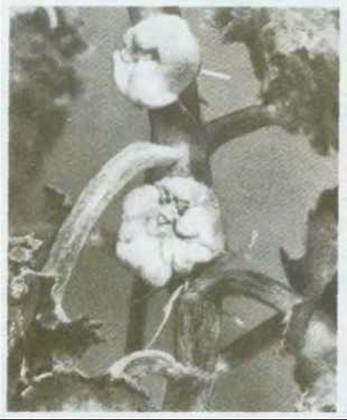
Fig. 20-31. Tumors induced by *Agrobacterium tumefaciens* on a succulent houseplant. (Courtesy of P. Hooykaas; from *Introduction/32.html">Genetic Engineering*, Vol. 1, p. 155, 1979.)
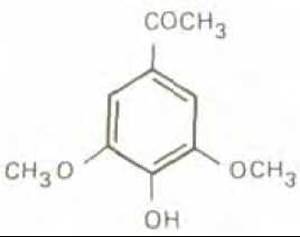
Fig. 20-32. Acetosyringone, a signaling molecule found in wounded, metabolically active plant cells. Acetosyringone specifically activates the virulence GENES OF THE *Agrobacterium* Ti plasmid, which are involved in the generation of T-DNA that subsequently integrates into the host cell genome (see Fig. 20-33).
The first class includes an enzyme that directs the plant to synthesize a specific opine, whereas the other two classes comprise enzymes that catalyze the synthesis of plant growth regulators—indole-3-acetic acid and Cytokinins (see Fig. 20-67). The elevated levels of these two growth regulators, resulting from The activity of the integrated T-DNA genes, drive the unrestrained proliferation and division of the transformed plant cells, which explains the capacity of these cells to continue growing in the absence of exogenous growth regulators and the original bacterium.
The ability of Agrobacterium T-DNA to stably integrate into the host genome allows the widespread use of recombinant DNA molecules derived from it as Vectors for Plant cell genetic transformation (see Section 20.5.10).
20.3.4. Products resulting from Cell wall degradation are frequently used as signals in plant-pathogen interactions [17]
Plants utilize A wide variety of highly specialized metabolites as defensive agents. Certain substances, such as mustard oil Glycosides and various Alkaloids (caffeine, morphine, strychnine, and colchicine), act as deterrents to herbivores. In addition to these constitutive defenses, plants have evolved more complex adaptive mechanisms that are activated only upon interaction between host and pathogen.
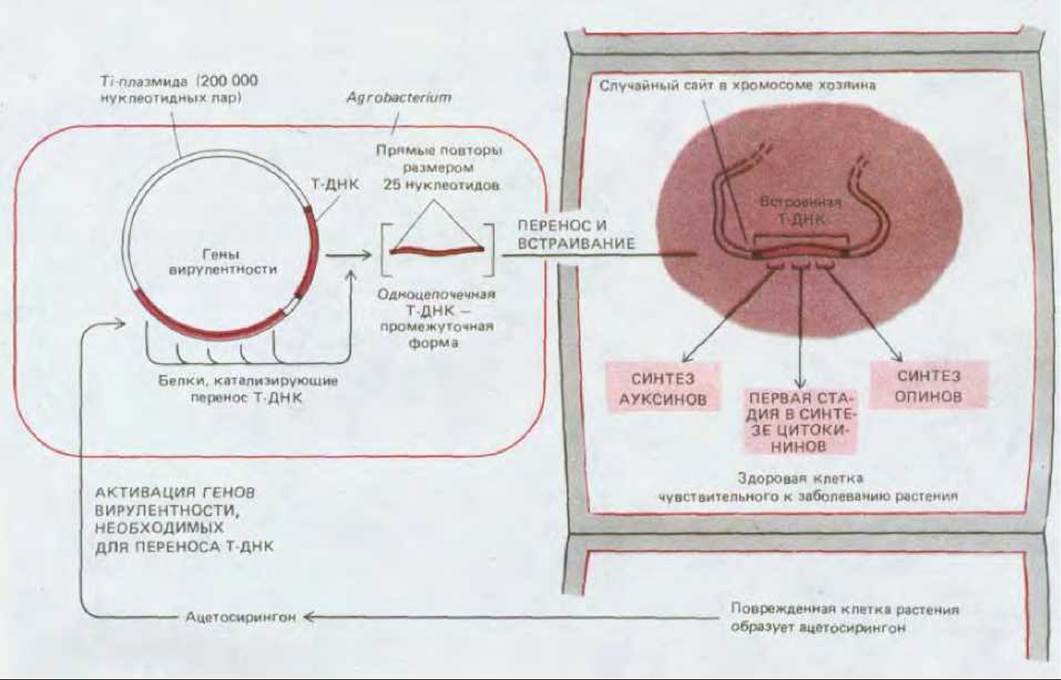
Fig. 20-33. Selected events occurring during plant infection by the bacterium Agrobacterium tumefaciens. The T-DNA region of the bacterial Ti (tumor-inducing) plasmid integrates into a random site in the host plant cell chromosome. Among the products of its Gene Expression are enzymes involved in the synthesis of plant growth regulators, which ultimately lead to tumor formation.
Many such responses involve components of either the host plant or pathogen cell wall. For instance, in response to bacterial or fungal infection, plant cells reinforce their walls through the additional deposition of intrinsic constituent polymers, including Lignin and hydroxyproline-rich Glycoproteins. In turn, pathogens possess their own weaponry in their warfare with the plant. Consider, for example, what happens when the pathogenic fungus Fusarium solani "attacks" a pea plant. The fungal spores secrete very small quantities of the enzyme cutinase, which causes partial Hydrolysis of the cuticle covering the leaf. The released cutin monomers stimulate enhanced cutinase production by the fungal spore. As a result, the cuticle is dissolved, and the germinating fungal hyphae can penetrate the leaf.
However, cell wall degradation products stimulated by the invading pathogen can serve as vital early warning signals of danger to the host plant cells. Cells in contact with the pathogen typically synthesize low-molecular-weight products called phytoalexins, which are Antibiotics toxic to specific pathogenic bacteria and fungi. Several compounds responsible for stimulating phytoalexin Biosynthesis in plants have now been identified. These substances, termed elicitors, are short-chain Oligosaccharides derived from cell wall Polysaccharides that exhibit activity at very low concentrations (109- 10-10 M). One of the first well-characterized elicitors is a hepta-β-glucoside released from The Cell wall of a fungus infecting soybeans (Fig. 20-34). Oligosaccharide elicitors of phytoalexin synthesis may also be produced by Plant Cell Walls. In this case, they are fragments of the pectin backbone composed of galacturonic acid residues, which are released from the plant cell wall by the action of enzymes secreted either by the invading pathogen or, in some instances, by plant cell enzymes activated upon wounding.
Simple mechanical wounding of plants can trigger the synthesis of protease-inhibiting proteins against both insects and microorganisms (protease inhibitors). It is believed that this normal defense response can be locally induced by small fragments of pectin-containing polysaccharides released upon injury. Apparently, long-distance signaling mechanisms yet to be identified also exist, since leaves distant from the wounded leaf likewise begin to produce protease inhibitors.
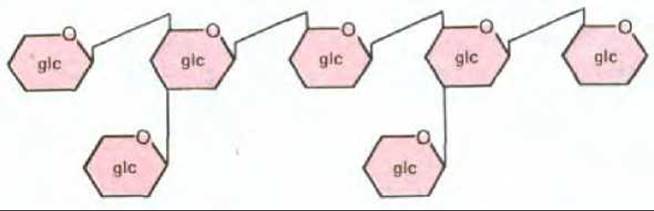
Fig. 20-34. This heptaglucoside (an oligosaccharide containing seven glucose residues [glc]) is released by the cell wall of Phytophthora megasperma, a fungus pathogenic to soybeans. The oligosaccharide has a glucoside backbone (with ß1 → 6 linkages) and two side chains (with ß1 → 3 linkages). At very low concentrations, the heptaglucoside specifically activates a set of soybean genes, including those involved in phytoalexin biosynthesis. Alteration of the linkages or the arrangement of any of the glucose residues results in a loss of activity.
20.3.5. In the normal plant cell, the cell wall can be an important source of signals [18]
A series of experimental findings indicate that cell-derived signals depend on the release of oligosaccharides from plant cell walls by enzymatic action. Such events also occur during normal Plant Growth and Development. For example, cell elongation is promoted by the plant growth regulator auxin (see Section 20.5.8), yet its effect can be counteracted even by very low concentrations of a complex hemicellulose fragment. The generation of such nine-sugar-residue fragments is stimulated by auxin and is presumably part of a feedback regulatory system that normally controls cell enlargement (see Section 20.4.7). It is highly probable that the cell wall serves as a binding and storage site for many signaling molecules that can be locally released to direct cell development. This hypothesis is currently being tested in numerous laboratories.
In the course of their development, plants inevitably encounter a wide variety of bacteria and fungi. Many of these contacts are beneficial to the plants. For example, in the majority of plants, root systems coexist with complex fungal mycelia, through which nutrients become more accessible to both organisms. Furthermore, almost all organically bound nitrogen ultimately originates from atmospheric nitrogen; air nitrogen is fixed by prokaryotes, many of which (such as Rhizobium) form complex symbiotic associations with plant roots. However, The Nature of the interaction can also be different, benefiting only one of the organisms. The phytopathogen Agrobacterium induces tumor formation on plants by introducing its T-DNA into the host cell genome. The expression of the newly induced genes leads to an imbalance in plant cell growth-regulator molecules. Specific low-molecular-weight substances secreted by the plant activate genes in both Rhizobium and Agrobacterium that are essential for these bacteria to infect the plant. Other small molecules act as unique signals that trigger the host response to pathogen attack. These signaling molecules are specific oligosaccharides—breakdown products of cell wall polysaccharides. Similar compounds can also serve as signals during normal plant development.
Last update: 12/08/2026
Editorial and Educational Adaptation: This material has been compiled based on the primary/original source text. The project team performed an editorial review, corrected technical inaccuracies, structured sections, and adapted the content for an educational format.
What was processed:
- elimination of formatting defects (OCR errors, structural breaks, corrupted characters);
- editorial organization of content;
- standardization of terminology in accordance with academic sources;
- verification of factual statements against the original source text.
All mentions of the author, publication year, and origin of the primary text have been preserved in accordance with the source.