BIOTECHNOLOGY - V. H. Gerasymenko - 2006
Part II. Special Biotechnologies
Chapter 15. BIOTECHNOLOGY AND THE VACCINES OF THE FUTURE
It is well known that immunogenicity, or The ability to induce antibody Biosynthesis in the body, is determined by the presence of specific structures On the surface of a protein molecule known as epitopes or antigenic determinants. These are formed by just 6–10 amino acid residues (usually hydrophilic Amino Acids) that exhibit the highest affinity for the antibody's active center, surrounded by 5–10 amino acid residues (typically hydrophobic amino acids). Epitopes—whether part of an immunogenic protein molecule on The surface of a viral particle or bacterial Cell, or synthesized as an oligopeptide—are recognized by specific clones of lymphocytes, which subsequently drive The biosynthesis of Antibodies against this particular set of antigenic determinants (epitopes).
From this perspective, conventionally used Vaccines represent poorly controlled, multicomponent mixtures containing a vast array of ballast substances, including highly toxic contaminants derived from microbial Cells, culture media, and the cells used to propagate Viruses. Ideally, establishing Immunity requires just one or two epitopes free of contaminating ballast substances and toxic, uncontrolled impurities. Yet vaccination introduces hundreds of complex mixtures into the body, frequently resulting in severe post-vaccination complications and allergen-sensitization of the vaccinated individuals (Petrov R.V., Khaitov R.M., 1986).
Given the above, the idea of optimizing vaccines to eliminate the negative side effects associated with their use is entirely viable. First and foremost, these include highly effective vaccines which, despite their inherent drawbacks, have successfully relegated A number of infections to the past—infections that once caused devastating epidemics and epizootics and inflicted immense suffering on human populations.
The Need for unconventional approaches has become particularly acute in the design of new vaccines intended to provide effective defense against infections that currently lack such protection. The category of so-called undefeated infections includes Human and Animal viral diseases (hepatitis A, hepatitis B, Influenza, FOOT-and-Mouth disease, African swine fever, and other contagious illnesses). Humans and animals still lack reliable protection against intestinal infections, as well as those caused by staphylococci, streptococci, pneumococci, and various parasitic infections, including malaria.
The breakthroughs of molecular biology and Introduction/32.html">Genetic Engineering must be leveraged primarily to develop antiviral vaccines.
In recent publications, domestic and international researchers attempting to develop antiviral vaccines have focused fundamentally on isolating the Gene from the viral genome that encodes the surface protein possessing antigenic properties. Using this isolated gene, they construct a recombinant DNA molecule that, following transformation, is expressed in a bacterial or Yeast cell. It was hypothesized that the biotechnologically produced and appropriately purified capsid protein, retaining its antigenic characteristics, could serve as an effective subunit vaccine. The gene carrying the information for the surface protein of the influenza virus (surface hemagglutinin), human hepatitis, poliomyelitis, and other diseases has been successfully expressed in prokaryotic bacterial cells or single-celled eukaryotic organisms such as yeast. It remained only to purify the resulting immunogenic protein and utilize it as a vaccine preparation.
However, as Tikhonenko T.I. (1984) points out, the difficulties arising at this stage are hardly surmountable. The fact is that the parasitic Replication of many viruses within the cells of higher eukaryotes relies on the host's enzyme systems to carry out reproductive Functions, including The formation of viral capsid Proteins. However, the enzyme systems responsible for generating functionally active molecules
of RNA (Processing)—via post-transcriptional modification of primary RNA, which involves the elimination of polynucleotide fragments corresponding to introns and the subsequent ligation of RNA fragments carrying information corresponding to exons (splicing)—as well as the post-translational modifications of synthesized protein molecules in bacterial and yeast cells, differ significantly from the conditions under which viral reproduction occurs in higher Eukaryotic cells (primarily humans and animals). Thus, bacterial and yeast cells expressing genes that encode viral capsid proteins lack the necessary conditions for proper processing; they fail to execute post-translational proteolytic Cleavage and glycosylation of the viral envelope protein, thereby preventing the Formation of the Tertiary and Quaternary structures that naturally form when a virus infects higher eukaryotic cells.
Deviations in protein conformation result in amino acid residues that form the epitope region becoming shielded by other atomic groups. In cases where an antigenic determinant is shaped by conformational rearrangements—brought about by the spatial approximation of distant polypeptide chain segments during tertiary Structure formation, or monomeric Polypeptides during quaternary supramolecular structure formation—the relevant amino acid residues may fail to assemble into the proper epitope group altogether.
Regardless of the causes behind these conformational deviations, proteins synthesized in bacterial or yeast cells lack their primary property: they are non-immunogenic. The hepatitis B virus HBs antigen produced via Recombinant DNA technology in yeast cells exhibited only 50% of the immunogenicity of authentic 22 nm particles. The establishment of biotechnological production for the HBs antigen, vaccines, or diagnostic preparations is hindered by the absence of post-translational glycosylation when expressing the viral antigen gene in yeast, as well as the necessity of disrupting yeast cells to harvest the antigen, since it is not secreted into the medium.
To resolve the most acute problems and overcome the challenges of producing full-sized immunogenic viral proteins, Tikhonenko T.I. (1983) proposed utilizing human or Animal Cell Cultures subsequently transformed with viral capsid protein genes equipped with eukaryotic regulatory elements.
Domestic and foreign authors have established that oligopeptide structures—either chemically synthesized or cleaved from corresponding protein molecules—that adequately match the Amino Acid Sequence and conformational profile of epitope regions from native viral capsid proteins can elicit an immunogenic effect comparable to that of an intact virus. This principle underlies The Development of the foot-and-mouth disease vaccine, whose synthetic oligopeptide epitopes replicate antigenic determinants found in both monomeric polypeptides and quaternary supramolecular structures belonging to conformational-type epitopes. Consequently, while minor differences exist in the Primary Structure of synthetic oligopeptide epitopes versus those formed by amino acid residues in the native capsid protein, these differences do not prevent the synthetic epitopes from achieving the desired immunogenic effect.
Protein molecules that adopt secondary and tertiary structures in solution, pre-designed by the researcher, are widely used in practical immunology. Because the lifespan of genetically engineered oligopeptide epitopes inside a bacterial cell is extremely short, researchers propose incorporating the antigenic determinants of oligopeptide epitopes—belonging to one or several serotypes or even multiple virus species—into a specially engineered chimeric carrier protein with predefined secondary and tertiary structures. This enables the antigenic determinant regions to assume a conformation that ensures maximum immunogenic activity.
This principle was employed by Tikhonenko T.I. (1983) to develop a vaccine against human hepatitis B. The gene incorporated into his engineered recombinant DNA encoded the biosynthesis of a chimeric protein containing
oligopeptide regions that serve as epitopes for the human hepatitis B virus HBs antigen. Parenteral administration of this protein to animals demonstrated The production of virus-neutralizing (protective) antibodies. These heteropolyantigenic polypeptide structures, referred to as second-generation vaccines, are also noteworthy because their production can be facilitated biotechnologically.
The goal in developing third-generation vaccines is to utilize conservative epitope regions to induce antibody production—regions that are conserved not only across different serotypes but also across species and potentially genera. Although these regions are located on the surface and participate in capsid envelope formation, they differ from highly immunogenic antigenic determinants by exhibiting significant primary structure Variability, which allows these viruses to relatively easily evade host cell immune defenses. They are characterized by very weak immunogenicity, though they retain the latent capacity to induce antibody synthesis. Chemically or genetically engineering conservative antigenic determinants and identifying Methods to enhance their immunogenic activity form the core of this new approach to designing third-generation vaccines. These are artificial vaccines because the potential of conservative epitopes is never realized under natural conditions. Furthermore, third-generation vaccines possess the ability to induce protective antibodies and protect against viruses whose degree of genetic relatedness is reflected in the adequacy of the weakly immunogenic conservative epitopes located within the conservative regions of viral surface capsid proteins. Practical confirmation of this concept is the synthesis of neutralizing antibodies against influenza A and B virus serotypes resulting from immunization with chemically synthesized antigenic determinants localized within conservative Regions of the viral hemagglutinin.
Renowned Soviet immunologist R.V. Petrov (1984), characterizing the blueprint and key parameters of the vaccine of the future, points out that its antigenic component will be represented by synthetic oligopeptide epitopes incorporated into a polylysine structure composed of many hundreds of Lysine amino acid residues. In other words, the carrier of polyheteroantigenic determinants is a polyionic—more specifically, polycationic—structure. A single immunization is sufficient to protect a human or animal Organism from infections whose antigenic determinants are represented within this polycationic carrier. Petrov proposes novel approaches: targeted modulation of The Immune System via the Introduction of a stimulatory component into the artificial vaccine, based on an understanding of the mechanisms governing the Genetic control of immune responses.
Today, a robust and experimentally validated scientific concept and program for designing new-type artificial Antigens exists, spearheaded by the research of R.V. Petrov, R.M. Khaitov, and V.A. Kabanov. Its ultimate goal is the creation of synthetic macromolecular vaccination preparations that have no natural equivalents.
For the vaccine of the future—first conceptualized by M. Sela in 1973—to be universally effective, we must answer why certain organisms fail to develop immunity when treated with attenuated or killed vaccines prepared according to Pasteur's principles, or with antigens isolated from them, which under other circumstances work flawlessly. Furthermore, classical vaccines prove ineffective against many infections; immunity to reinfection does not develop even after recovering from certain illnesses, which is why several infectious diseases remain undefeated. Meanwhile, the pathogens causing these infections clearly bear antigenic determinants. However, it is known in advance that simply isolating them, determining their structure with due regard for conformational influences, and subsequently resynthesizing and using them as Subunit Vaccines will yield no effect. The causes of non-responsiveness or low responsiveness to substances introduced into a living organism are genomic in origin—meaning they are genetically determined.
M. Sela (1969, 1983), R.V. Petrov (1976), R.V. Petrov, R.M. Khaitov, G.I. Ataullakhanov (1983), and others, following the discovery of Immune Response genes, elucidated the mechanism governing the genetic control of immune responsiveness. Immune response genes (Ir genes) and immune suppression genes (Is genes) were identified. Upon antigenic stimulation, the reaction of Ir genes manifests as either a high or low response to specific antigens, depending on which Ir gene (high- or low-responder) is present in The Genome. Certain genes react to an antigenic determinant of a specific structure by mounting a pronounced immune response, whereas other genotypes respond weakly or not at all to structurally distinct antigenic determinants. In some cases, a rapid and high-titer immune reaction develops; in others, the organism is entirely incapable of mounting such a response. When the genome contains a low-responder Ir gene and/or a strong-suppression Is gene, conventionally prepared vaccines fail to elicit an effective immune response.
According to THE PRINCIPLE OF artificial vaccine design formulated and successfully implemented by R.V. Petrov and his school, macromolecules can be created that integrate an epitope component with a polyionic synthetic structure capable of inducing immunogenesis while bypassing T-cell and Ir-gene control of the immune response. The independence of such artificial macromolecular complexes from antigenic competition creates the fundamental possibility of utilizing them as vaccine preparations against infections that have thus far resisted human eradication, as well as potentially against Cancer and allergic conditions. Thus, this new paradigm for artificial vaccines allows a specific epitope to function as an essential component within a macromolecular vaccination complex.
This milestone in molecular immunology was preceded by extensive research into antigen modeling. Antigenic properties were successfully demonstrated in trinitrophenol attached to a high-molecular-weight compound such as poly-2-methyl-5-vinylpyridine (Molecular Weight of 80–100 kDa); dinitrophenol conjugated to a macromolecular polycationic structure based on poly-lysine; and a conjugate of the tetrapeptide Tyr-Glu-Ala-Lys (a copolymer of Tyrosine, glutamic acid, Alanine, and lysine) with a polyanion formed through the polymerization or copolymerization of acrylic acid (polyacrylic acid).
During these studies, METABOLISM/2.html">THE CONCEPT OF the antigenic determinant (epitope) was formulated. It was established that the antigenic Specificity of a macromolecular structure is determined by its antigenic determinant, and minor structural changes in these determinants can be detected using antibodies. Furthermore, immune response genes were identified in guinea pigs (1963), and Ir-genes were discovered in mice. Experiments confirmed the weak antigenic properties of polypeptides even when modified with haptens, while also revealing an essential property of polyionic hapten carriers—their ability to act as effective immunostimulators. Crucially, polyion-based antigenic complexes did not stimulate antibody biosynthesis at all, yet antibody production proceeded actively even in genotypes that, under traditional vaccination, were independent of the Thymus and Ir-gene control of the immune response. This latter finding served as the foundation for designing a new generation of artificial vaccines.
In addition to artificial antigenic structures, intensive research is being conducted on oligopeptide protein regions that form the antigenic determinants of viruses, Bacteria, and Protozoa. Oligosaccharide antigenic determinants of salmonellae are also being thoroughly investigated.
It was established that oligopeptides isolated from viral protein structures or obtained synthetically with varying numbers of amino acid residues are capable of inducing the biosynthesis of antibodies against the whole protein. The interaction of antibodies with the protein molecule carrying the antigenic determinants leads to the neutralization of the parental virus. These isolated or synthesized oligopeptide structures were most commonly coupled with carriers such as bovine serum albumin, poly-alanine, tetanus toxoid, keyhole limpet hemocyanin, Lysozyme, and glycopeptides, among others. In almost all cases, the antigenic complexes—constructed from an oligopeptidyl antigenic determinant and a polypeptide carrier to stimulate immunogenesis—required the simultaneous administration of adjuvants (most frequently complete Freund's adjuvant, potassium aluminum sulfate, or aluminum hydroxide, used either individually or in combination). An exception was studies where muramyl dipeptide was used as the carrier to stimulate immunogenesis.
The synthesis of oligopeptides mimicking the constant regions of the antigenic determinant of the influenza virus hemagglutinin (HA) surface protein is of considerable practical interest. This principle can form the basis for designing a vaccine that induces the synthesis of protective (virus-neutralizing) antibodies against multiple influenza virus strains.
Foot-and-mouth disease virus protein 1 (VP1) is the most effective antigen, triggering the biosynthesis of virus-neutralizing antibodies upon administration (Fig. 15.1). Moreover, the VP1 fragment containing amino acid residues 141–160 is known to exhibit the greatest variability across different serotypes of the foot-and-mouth disease virus. It is hypothesized that a vaccine created by conjugating oligopeptides specific to each viral serotype onto a common protein carrier should ensure the biosynthesis of protective antibodies neutralizing the A, O, and C serotypes of the foot-and-mouth disease virus (Shinnick T.M. et al., 1983).
Class="center">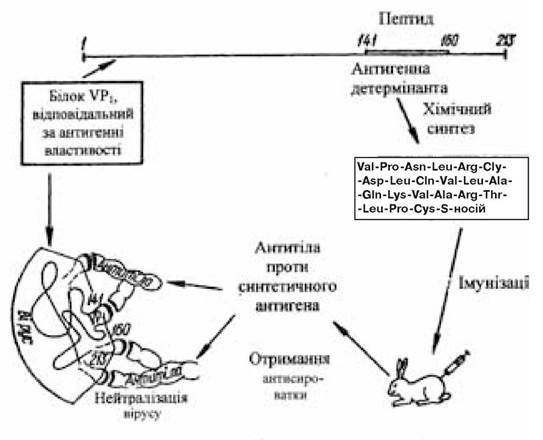
Fig. 15.1. Scheme of foot-and-mouth disease vaccine design
(after Yu.A. Ovchinnikov, 1986)
In the former Soviet Union, a vaccination complex was developed and successfully underwent production trials. It was composed of a synthesized pentadecapeptide and its fragments, encompassing the 145–159 amino acid residue sequence of the FMDV VP1 protein, coupled with carriers such as keyhole limpet hemocyanin, BSA, and a glycopeptide (Volpina O.M. et al., 1984).
For researchers working in this field, overcoming T-cell and Ir-gene control over the strength of the immune response is arguably the greatest challenge. These difficulties can be overcome using a new generation of artificial vaccines.
Similar approaches have been employed to create synthetic oligopeptide antigenic determinants for vaccines against bacteria and their toxins: the synthesis of an oligopeptide fragment containing the epitope region, the attachment of the synthesized oligopeptide to a protein carrier (bovine serum albumin, poly-D,L-alanine, poly-L-lysine, tetanus toxoid, etc.) using bifunctional glutaraldehyde or another method, and the administration of the resulting complexes to animals alongside complete Freund's adjuvant or muramyl dipeptide.
Synthetic oligopeptide fragments mimicking the antigenic determinants of diphtheria and cholera toxins, as well as the M-protein of Streptococcus pyogenes, when attached to a polypeptide carrier, induced the biosynthesis of peptide-specific antibodies capable of interacting with intact toxins and, in some cases, neutralizing them. Conjugates of oligopeptide epitopes from bacterial proteins and their toxins with polypeptide carriers also fail to bypass T-cell and Ir-gene control of immunogenesis; consequently, vaccines based on these constructs cannot induce an effective immune response in genetically low-responding individuals.
The structural surface protein of P. knowlesi sporozoites includes a 24-amino-acid peptide sequence with The properties of an antigenic determinant. Monoclonal Antibodies against the P. knowlesi surface antigenic protein interacted with the synthesized 24-residue peptide functioning as the antigenic determinant.
Fragments obtained via chemical synthesis from repeating oligosaccharide units exhibited the properties and specificity of Salmonella O-antigenic determinants. Upon coupling these synthetic oligosaccharide fragments with bovine serum albumin or diphtheria toxoid, antigenic complexes were obtained. Following repeated immunizations with the aid of adjuvants (complete Freund's adjuvant), these complexes acquired certain immunogenic and protective properties, safeguarding individuals genetically high-responding to bovine serum albumin from an LD50 increased approximately tenfold. In animals genetically low-responding to bovine serum albumin, the antigen complex constructed in this manner failed to elicit any immunizing effect whatsoever. This circumstance further reinforces the promising concept developed by R.V. Petrov, R.M. Khaitov, and their school (1986) regarding the necessity of phenotypic correction of the genetic control of the immune response, aimed at exploring approaches to convert poor responders into individuals capable of mounting an effective immune response.
Research conducted in this direction since 1972 has established that synthetic polyions (poly-2-methyl-5-vinylpyridine [PMVP], polyacrylic acid [PAA], dextran sulfate, poly-4-vinylpyridine [PVP], N-vinylpyrrolidone [NVP], quaternary salts of poly-4-vinylpyridine and polyconidine, etc.) are key components in the creation of a new generation of artificial vaccines. The molecular weight of polyions ranges between 10–100 kDa. Neither the polymeric compounds themselves nor the monomeric units forming the polymer molecules exhibit antigenic properties. One of the integrated effects produced by polyions is their immunopotentiating activity, which encompasses various stages of immunogenesis. For instance, the administration of polyions significantly increases the migration rate of T- and B-lymphocytes from the thymus and Bone Marrow into the Blood and Spleen, respectively. This provides the necessary conditions for the interaction of T- and B-lymphocytes—specifically T-helper cells with B-cells—as well as accelerating the proliferation and Differentiation of the latter into antibody-forming cells (AFCs).
At the same time, polyanions (PAA, dextran sulfate) act exclusively on B-cells, whereas polycations also activate T-lymphocytes, enhancing DNA Synthesis in the presence of macrophages; polyanions stimulate DNA biosynthesis poorly and are therefore classified as weakly effective mitogens. A crucial step toward solving the problem at hand (bypassing T-cell and Ir-gene control of immunogenesis) is establishing the possibility of directly stimulating the division and differentiation of B-lymphocytes into AFCs using polyions; the response of athymic animals to polyions is equivalent to the effect achieved by administering T-helper cells.
T-suppressor cells participate in maintaining the balanced function of the immune system and are also inactivated under The Influence of polyions. However, the stimulating effect of polyions on the proliferation rate of B-lymphocytes, their differentiation into antibody-forming cells, and the subsequent production of antibodies remains preserved. A positive effect of polyions on The activity of natural killer cells and killers originating from hematopoietic stem cells has also been revealed. Polyions help activate immune response pathways that were previously suppressed due to the antigenic activation of T-suppressor cells. The Effect of polyions on immunocompetent cells depends on the dose of the polyelectrolyte and its molecular weight.
The polyelectrolyte Nature of the polymer adjuvants under consideration and the multifunctional Properties of Proteins embedded in cell membranes provide an ideal foundation for multi-point cooperative interactions and the formation of interpolymer complexes. The aggregation of cell Membrane Proteins accompanying this complexation process leads to altered membrane permeability: the influx and efflux rates of potassium and Calcium Ions along their concentration gradients increase—potassium leaves The Cell while calcium enters. Certain experimental data support the validity of this viewpoint. For example, neutral polymers and oligopolymers with a length of 0.5–5 nm lack complexation activity and exert little effect on the potassium and calcium permeability of The cell membrane, whereas Electron Microscopy reveals clusters combining polyionic molecules with 20–50 protein globules. Furthermore, the activity of Na+-, K+-, and Ca2+-ATPases increases as the polyionic molecule acts upon the cell membrane.
Artificial antigens constructed on a synthetic polyionic foundation using haptens (trinitrophenol [TNP]) and protein substances (bovine serum albumin) form immunological memory after a single immunization without The Use of adjuvants. These polyion-based conjugates are exceptionally potent antigens, inducing the biosynthesis of antibodies specific to both TNP and the protein component. Additionally, a tripartite complex artificial antigen was produced, consisting of an O-polysaccharide derived from Salmonella O-antigen via acid Hydrolysis, a flagellar protein antigen (flagellin) also isolated from salmonellae, and the polyanion PAA. This complex exhibits high immunogenic properties, which are clearly manifested in both Primary and secondary immune responses. The bipartite antigenic complexes (O-polysaccharide-PAA and flagellin-PAA) induce a high-level immune response with O-antigen and flagellin specificity, respectively, without the use of adjuvants. The tripartite artificial antigenic complex is more suitable for developing an artificial anti-salmonellosis vaccine.
The induction of B-lymphocyte proliferation and differentiation into an antibody-forming cell occurs As a result of its contact with a T-lymphocyte that has received stimulating signals from a macrophage—signals generated through the interaction between the antigen and the Ir-gene product protein. B-lymphocytes recognize antigens independently. In experiments using artificial complexes comprising polyions, haptens, proteins, and Polysaccharides in T-cell-deficient mice (B-mice), immunization resulted in the accumulation of antibody-forming cells in numbers comparable to those of normal mice. Such antigenic complexes exhibit a potent T-independent immunogenic effect. Furthermore, it was established that weak T-dependent protein antigens (bovine serum albumin), when coupled with polyionic macromolecules, ensure the T-dependency of the immune response and the accumulation of large numbers of protein-specific antibody-forming cells. In this case, the antigenic determinant integrated into the complex artificial antigen molecule locates cells bearing specific receptors on their surface. Regions of the polyionic structure within the complex molecule that remain unbound to the antigen interact with the surface of the immunocompetent antigen-specific cell. The resulting aggregation of membrane proteins increases its ionic permeability. All of this is sufficient to induce the division and differentiation of B-lymphocytes of this specificity into antibody-forming cells without the participation of T-helper cells.
Since Ir- and Is-genes exert their control over the immune response primarily via T-lymphocytes, utilizing antigens or antigenic determinants complexed with polyionic carriers ensures that immune reactions remain independent of T-cell influence and Ir-gene control. Consequently, individuals that are genetically non-responsive or weakly responsive to a given antigen mount a full-fledged primary and secondary immune response. This principle opens up possibilities for developing effective vaccines against previously intractable infections, as well as potentially against cancer and allergies.
The concept of designing a new generation of artificial vaccines was successfully realized by a research team led by R.V. Petrov (1986), who created a preparation protecting animals against salmonellosis. During the Development of the artificial anti-salmonellosis vaccine, it was established that conjugates of a polysaccharide component isolated from the O-antigen and a flagellin protein component (H-antigen) with carriers such as polyacrylic acid, poly-4-vinylpyridine, or an acrylic acid–N-vinylpyrrolidone copolymer—in the form of bipartite (O-polysaccharide–polyelectrolyte or flagellin–polyelectrolyte) or tripartite (O-polysaccharide–flagellin–polyelectrolyte) artificial antigens—protected mice against challenge with super-lethal doses (100 LD50) of S. typhimurium causing murine typhoid. Concurrently, the previously stated hypothesis was confirmed: a polyelectrolyte carrier lacking the corresponding antigenic determinant region, even in large doses, cannot protect infected animals.
Furthermore, in genotypes low-responding to the O-polysaccharide antigen and flagellin (H-antigen), the administration of conjugates of these antigens with polyionic macromolecules stimulated B-lymphocyte proliferation and antibody production even more strongly than in individuals with a higher baseline immune response. As R.V. Petrov and R.M. Khaitov (1981) assert, polyionic carriers make it possible to perform phenotypic correction of the genetic control of the immune response.
A distinctive feature of artificial complex antigenic preparations is their high protective efficacy: administered as a single dose, they provide the requisite level of acquired resistance to salmonellosis. Nevertheless, upon repeated administration of Salmonella O- and H-antigens, these artificial vaccine preparations are capable of eliciting a robust immune response. This indicates that the engineered artificial immunogens ensure the expression of well-defined immunological memory. The highest protective effect was achieved by immunizing mice with the tripartite artificial antigen O-polysaccharide-flagellin-polyion.
Considering the data outlined above, these artificial antigenic complexes can be justifiably classified as a fundamentally new type of vaccine preparation with controllable structure and immunogenicity (Petrov R.V., Khaitov R.M., 1987).
The developed concept also proved fruitful when addressing the design of an anti-influenza vaccine. Epitopes with immunogenic properties are integral Components of the virus's major antigens: hemagglutinin and neuraminidase. Upon viral invasion, antigenic determinants localized within hemagglutinin and neuraminidase trigger the biosynthesis of specific virus-neutralizing antibodies. Unlike surface antigens (hemagglutinin and neuraminidase), whose primary structure undergoes significant alterations during antigenic drift—often creating insurmountable obstacles in the production of an effective anti-influenza vaccine—internal antigens concentrated in the matrix protein (M-protein) of the viral particle exhibit remarkable constancy in their primary structure, which is identical across all viral variants and remains practically unchanged during antigenic drift.
However, the M-protein is a weak antigen, and the antibodies induced by it fail to protect the organism against viral infection. The conservation of its primary structure, implying constant epitopic regions, combined with structural identity across multiple serotypes of the influenza virus, served as the basis for designing artificial antigens that ensure the biosynthesis of protective antibodies effective against several strains of the influenza virus.
Antigenic preparations are essential for vaccine manufacturing. Hemagglutinin and neuraminidase eliminated from viral strains and administered to animals either separately or together increase the number of antibody-producing cells synthesizing IgM by 2–2.5 times; nevertheless, this is insufficient to provide virus-neutralizing function and protect animals (mice) against influenza (no more than 14% of mice survived). It should also be noted that no IgG-synthesizing cells were detected within the population of antibody-producing cells.
Completely different results were observed upon immunizing mice with hemagglutinin-polyion, neuraminidase-polyion, and hemagglutinin-neuraminidase-polyion conjugates. A single administration of these artificial polyelectrolyte-based antigens at a defined dosage conferred absolute resistance to the virus.
Three-component artificial antigens (hemagglutinin-neuraminidase-polyelectrolyte) proved more effective than antigens comprising only hemagglutinin and a polyion. Artificial antigens constructed on a polyionic basis also enhance the intensity of delayed-type hypersensitivity, namely the T-cell immune response. The designed artificial antigen, which includes the M-protein isolated from virions and a polyelectrolyte carrier, elicits a pronounced virus-neutralizing effect upon animal immunization. This substantiates the feasibility of developing an artificial polyspecific vaccine consisting of a constant M-protein and a polyelectrolyte component.
The principle of utilizing a constant antigenic determinant formed the basis for designing a fully synthetic anti-influenza vaccine. To achieve this, a constant antigenic determinant was synthesized, structurally identical to the N-terminal fragment comprising 11 amino acid residues of the light chain (HA2 subunit) of the influenza A virus hemagglutinin. Subsequently, Glycine was attached to the C-terminus of the oligopeptide fragment, yielding a dodecapeptide (the F/A fusion activation peptide) with the following amino acid sequence: Gly-Leu-Phe-Gly-Ala-Ile-Ala-Gly-Phe-Ile-Glu-Gly. Conjugates of the synthesized dodecapeptide with polyion carriers exhibited well-defined immunogenic activity. They induced the biosynthesis of protective IgG antibodies that reacted with both the homologous antigenic determinant and the hemagglutinins of various influenza A virus serotypes. A significant virus-neutralizing effect with a broad protective spectrum upon a single administration justifies classifying the designed preparation as a fully synthetic anti-influenza vaccine. Meanwhile, the biosynthesis of anti-peptide, anti-hemagglutinin, and anti-influenza antibodies was not detected in any studies where the F/A peptide was administered with non-polyionic carriers.
The identification of certain cancer antigens (α-fetoprotein, detected in primary Liver carcinoma, and carcinoembryonic antigen, associated with digestive tract adenocarcinoma) and their isolation in pure form (Petrov R.V. et al., 1972–1987) make it feasible to raise the question of developing an anticancer vaccine.
An undecapeptide synthesized abroad, corresponding in amino acid sequence to the N-terminus of the carcinoembryonic antigen, when conjugated with a polyamino acid carrier and bovine serum albumin, induced the synthesis of antibodies in animals that interacted with the native carcinoembryonic antigen (R. Arnon et al., 1976). In R.V. Petrov's laboratory (1983), a complex compound comprising α-fetoprotein and a polyion carrier belonging to the polybetaine class was obtained. A comparison of results obtained using α-fetoprotein alone versus the α-fetoprotein-polybetaine conjugate demonstrated that antibody production was nearly 100 times higher in the latter case. This approach is likewise highly promising.
The use of polyelectrolyte carriers in creating artificial antigens and artificial vaccine preparations made it possible to ensure T-cell independence of the immune response, along with the associated ability to abrogate the antigen competition effect, bypass Ir-gene control of immune response magnitude, and elicit an effective immune response in individuals with a genetically determined low immune responsiveness to a given antigen. This creates broad opportunities for designing vaccines against infections previously categorized as unconquered, allows one to expect success in developing polyspecific preparations incorporating a conserved peptide into an epitope-polyelectrolyte conjugate, and facilitates the creation of effective vaccines to protect humans and animals against protozoan invasions, as well as artificial anticancer and allergy vaccines. Epitope-polyelectrolyte conjugates are of particular importance under conditions of T-cell deficiency. Despite the unique Properties of the polyelectrolytes employed, work continues on reducing their toxicity, enhancing biodegradation and clearance from the organism, and boosting the capacity of polyionic molecules to function as T-helper substitutes by stimulating B-lymphocyte proliferation. This is achieved by attaching muramyl dipeptide and other components to the ionophore complex. The Specificity of the interaction between the artificial immunizing complex and the B-lymphocyte can be enhanced through a more adequate synthesis of antigenic determinants.
The genetic engineering approach, combined with the application of polyelectrolytes, is already capable of significantly improving the quality of existing vaccines today.
Extensive research is underway worldwide to develop highly effective vaccines for the Prevention of animal diseases using Genetic engineering METHODS. Inactivated vaccines used in veterinary practice exhibit relatively low immunogenicity, necessitating the use of adjuvants. The application of vaccines derived from attenuated strains causes complications. A common drawback of these vaccine preparations is the presence of abundant ballast material.
Genetic engineering methods are most suitable for producing vaccines against viral diseases. The modern approach relies on incorporating solely those antigenic determinants into the vaccine that induce antibody formation. Vaccine production encompasses the following stages: isolation and Propagation of the pathogen; Determination of the viral structure; elimination of the specifically active structure that induces antibody genesis; synthesis of this fragment under laboratory conditions; identification of The Genetic Code of the synthesized polypeptide; construction of recombinant DNA; and introduction of the recombinant DNA into a bacterium.
By integrating viral genes encoding the corresponding antigenic determinants into the genome of a bacterium or cultured Eukaryotic Cell, it is anticipated that vaccines of proper composition can be obtained. It is necessary to bring this novel technology to a level that allows next-generation vaccines to successfully compete with immunizing preparations produced by Traditional Methods.
Last update: 11/08/2026
Editorial and Educational Adaptation: This material has been compiled based on the primary/original source text. The project team performed an editorial review, corrected technical inaccuracies, structured sections, and adapted the content for an educational format.
What was processed:
- elimination of formatting defects (OCR errors, structural breaks, corrupted characters);
- editorial organization of content;
- standardization of terminology in accordance with academic sources;
- verification of factual statements against the original source text.
All mentions of the author, publication year, and origin of the primary text have been preserved in accordance with the source.