PLANT BIOTECHNOLOGY AND BIOSAFETY - A. P. Ermishin - 2015
CHAPTER 1. HISTORY OF THE DEVELOPMENT OF PLANT BIOTECHNOLOGY METHODS
G. Haberlandt (1902) is widely regarded as the pioneer of the isolated PLANT Cell CULTURE method. He proposed METABOLISM/2.html">THE CONCEPT OF *in vitro* plant cell culture, according to which plant Cells can be maintained for extended periods on a nutrient medium containing a solution of mineral salts and organic supplements (Haberlandt used Knop's solution, glucose, and peptone). He demonstrated that aseptic conditions are essential for plant cell cultivation, as the organic Components of the nutrient medium can otherwise be metabolized by microorganisms. Furthermore, Haberlandt put forward the hypothesis of plant cell totipotency, suggesting that individual Organs and even entire plants could be regenerated from cultured cells.
Class="center">G. Haberlandt

For his experiments, Haberlandt used palisade parenchyma cells from the leaves of the white dead-nettle (*Lamium purpureum*), the pith of leaf petioles from the Water hyacinth (*Eichhornia crassipes*), glandular hairs from lungwort (*Pulmonaria*) and stinging nettle (*Urtica*), stamen cells of spiderwort (*Tradescantia*), and other plant Materials. He showed that isolated cells in culture could survive for several weeks, synthesize starch, and increase in size. However, he failed to achieve Cell Division or any change in their specialized status. Today, the reasons for Haberlandt's lack of success are easily explained. The primary factor was his choice of research material: highly differentiated cells with minimal meristematic activity are extremely difficult to induce to divide, even with modern, complex nutrient media enriched with optimal concentrations of growth regulators. Moreover, many of the plants Haberlandt used were monocots, which are generally more challenging objects for cell culture than dicots.
Haberlandt's unsuccessful attempts to cultivate isolated plant cells prompted his successors to focus on simpler models—namely, the cultivation of isolated organs. E. Hannig (1904) successfully grew immature embryos of radish (*Raphanus sativus*, *Raphanus landra*, *Raphanus caudatus*) and scurvy-grass (*Cochlearia donica*) to maturity on a solution of salts and sucrose. Later, F. Laibach (1925, 1929) demonstrated the significant practical value of *in vitro* zygotic embryo culture for wide Hybridization in plants. He isolated and matured inviable hybrid seeds on nutrient media—specifically between perennial flax (*Linum perenne*) and Austrian flax (*Linum austriacum*)—thereby obtaining interspecific hybrids that could not be produced through conventional Methods. Today, embryo culture is widely used in plant breeding to overcome post-gametic incompatibility (most commonly associated with abnormal endosperm development) during the hybridization of various plant species.
W. Kotte (1922) and W. Robbins (1922) postulated that continuous plant cell cultures could be established from explants containing meristematic cells, such as ROOT or SHOOT tips. For instance, Kotte cultivated pea and corn root tips for two weeks on various nutrient media containing Knop's salt solution, glucose, and certain nitrogen compounds (Yeast extract, and the Amino acids asparagine and Alanine). Robbins maintained corn root tips in culture for longer periods by periodically transferring them to fresh nutrient medium—a technique that became known as subculturing.
P. White (1934, 1937) made a substantial contribution to the refinement of the isolated root culture method. He modified the mineral salt composition, used sucrose as a carbon source, and replaced yeast extract with a mixture of three Vitamins: thiamine, pyridoxine, and nicotinic acid. Over time, White's nutrient medium became one of the standard formulations in plant cell culture research and remains in use to this day.
P. White

The research findings of R. Gautheret (1934), P. White (1939), and P. Nobecourt (1939) were pivotal to The Development of plant cell culture techniques. Gautheret successfully obtained callus tissue—specific growths consisting of undifferentiated, actively dividing cells that naturally form at plant wound sites to facilitate healing—by culturing cambial cells from several woody species (sycamore maple *Acer pseudoplatanus*, field elm *Ulmus campestre*, black locust *Robinia pseudoacacia*, and goat willow *Salix caprea*) on Knop's Agar medium supplemented with glucose and Cysteine hydrochloride. Gautheret observed callus proliferation for up to 6 months, after which the cultures invariably died, likely due to the exhaustion of the explant's endogenous phytohormone reserves (the plant tissue taken to initiate an *in vitro* culture). Gautheret's key achievement was being the first to use nutrient media containing Auxins, which are essential for sustaining callus cell proliferation.
R. Gautheret

In 1935, R. Snow published findings on the stimulating effect of the auxin indole-3-acetic acid (IAA) on cambial activity. Building on these data, Gautheret established that adding IAA to the nutrient medium enhanced callus proliferation, thereby enabling prolonged subculturing. P. White (1939) achieved similar results using tumor tissue cultures from the hybrid *Nicotiana glauca* × *Nicotiana langsdorffii*, while P. Nobecourt (1939) succeeded in obtaining sustained growth of callus cultures derived from carrot root segments. Thus, through the efforts of these scientists, Haberlandt's prediction regarding the feasibility of long-term cultivation of isolated plant cells on nutrient media was experimentally confirmed, made possible by the discovery and Application of phytohormones known as auxins in plant cell culture research.
To confirm Haberlandt's hypothesis of plant cell totipotency, it was necessary to induce Organogenesis in callus cell cultures and regenerate a whole plant. This breakthrough was made possible by the discovery of another crucial group of phytohormones: Cytokinins. F. Skoog and C. Tsui (1944; F. Skoog, C. Tsui, 1951) at the Department of Botany, University of Wisconsin (USA), established that adenine could stimulate cell division and induce bud formation in tobacco tissue cultures in the presence of an auxin, which typically acts as an inhibitor of bud formation. However, The Effect of adenine was extremely weak. In 1951, C. Miller began his research in Skoog's laboratory, where, through intensive investigation, he successfully isolated an active factor that stimulated bud formation in *in vitro* cultures of tobacco stem segments—first from yeast extract and subsequently from herring sperm DNA preparations. Further study in collaboration with colleagues from the Department of Biochemistry at the University of Wisconsin elucidated the Chemical Structure of this factor (6-furfurylaminopurine) and led to its chemical synthesis (C. Miller et al., 1955, 1956), naming it kinetin. Kinetin was the first synthetic phytohormone belonging to the cytokinin class. Later, even more active adenine derivatives were synthesized in the biochemistry department and tested in the botany department. One of these, 6-benzyladenine (6-benzylaminopurine), became widely used in plant cell culture research. In 1961, Miller successfully isolated a purine derivative distinct from kinetin, possessing cytokinin activity, from corn kernels (*Zea mays*). This was the first naturally occurring cytokinin, designated as zeatin (D. Letham, C. Miller, 1965).
F. Skoog

Discoverers of kinetin (left: C. Miller; from right to left: F. Strong, F. Skoog, F. Okumura, M. von Saltza)

Armed with kinetin, which proved far more active than adenine, F. Skoog and C. Miller (1957) continued to investigate the roles of auxins and cytokinins and their interactions in morphogenetic processes using tobacco cell cultures. By varying the concentrations of kinetin and auxin over a wide range, they established that when their concentrations are roughly equal, intensive callus growth occurs; increasing the auxin concentration relative to kinetin promotes root formation, whereas a higher concentration of kinetin relative to auxin induces The formation of shoot buds, from which entire plants can be restored. This led to the formulation of the concept of Hormonal Regulation of morphogenesis in *in vitro* cell cultures. Notably, Skoog and Miller were the first to successfully induce secondary dedifferentiation and redifferentiation processes in callus cells through targeted experimental treatments (varying phytohormone concentrations in the nutrient medium) and regenerate complete plants from them. Today, the application of various exogenous phytohormones (including auxins, cytokinins, and their analogs, as well as Abscisic acid, Gibberellins, Ethylene, and synthesis inhibitors) and the fine-tuning of their concentrations in the nutrient medium serve as the foundational approach for obtaining regenerated plants.
In 1952, F. Steward's laboratory at Cornell University (USA) obtained plant cell suspension cultures by dissociating callus cultures in a liquid nutrient medium (F. Steward et al., 1952). Thanks to a shaking device engineered in this laboratory, cell Suspensions could be cultivated over extended periods by periodically subculturing them into fresh nutrient medium. L. Bergmann (1960) plated a tobacco cell suspension containing up to 90% single cells onto The surface of an agar-solidified nutrient medium, achieving colony formation from single cells, while I. Vasil and A. Hildebrandt (1965) subsequently regenerated plants from such colonies. Investigating The behavior of plant cells in suspension culture led to another major discovery. F. Steward et al. (1958) and J. Reinert (1959) discovered that under specific conditions, bipolar embryo-like structures—embryoids—form within cell suspensions, from which entire plants can be regenerated upon further cultivation. This phenomenon was termed somatic Embryogenesis. It was later demonstrated that somatic embryogenesis can be induced not only in cell suspensions but also in cell cultures grown on agar-solidified media. For many plant species, obtaining regenerated plants from cultured cells via somatic embryogenesis is significantly simpler than through the induction of shoot organogenesis.
Thus, by the middle of the past century, the fundamental principles of *in vitro* plant cell culture had been established, along with the methodological foundations for initiating and maintaining cell cultures in liquid and agar media, and for regenerating whole plants from cultured cells. In particular, the discovery and application of various growth regulators to control cell division and induce morphogenetic processes were of paramount importance. Nutrient media were also substantially improved: the medium formulated by T. Murashige and F. Skoog (1962) enhanced cell culture growth by a factor of 5 to 7 compared to Knop's medium, which had been used at the turn of the 20th century. Consequently, plant cell culture methods opened up new avenues not only for fundamental research in cell biology but also for addressing specific practical challenges.
T. Murashige

As early as the 1950s, the multinational pharmaceutical company Pfizer attempted to establish industrial production of secondary metabolites (metabolites characteristic of specific plant species) by scaling up large volumes of cultivated plant cells. However, the fundamental principles of the process were still poorly understood at the time, and breeding lines specifically created for these purposes were lacking.
Rapid progress in The production of secondary metabolites began only in the 1970s. Today, cell cultures are used to produce shikonin, ginseng saponins, berberine, and many Other Compounds of high value to the pharmaceutical and perfume industries—compounds whose extraction from natural raw materials involves considerable difficulties and is economically unviable.
The potential of using in vitro tissue culture techniques for the rapid vegetative propagation of plants was first recognized by the French scientist G. Morel (1963). While cultivating orchid apical Meristems (the shoot apex with two to three leaf primordia), he observed the formation of numerous protocorms—spherical structures that formed a root at the base during cultivation and leaf primordia at the top. These protocorms could be transplanted, and whole plants could be regenerated from them. The process of new protocorm formation proceeded quite slowly, making it possible to obtain large numbers of vegetative clones with valuable genotypes. The concept of in vitro propagation was quickly implemented across many plant species. T. Murashige made a significant contribution to the Development of the in vitro clonal propagation method for A large number of plant species. The simplest approach proved to be the activation of axillary buds by removing the shoot apex or by adding cytokinins to the nutrient medium (relieving apical dominance).
It was discovered that apical meristem culture makes it possible to obtain virus-free plantlets even when an infected plant is used as the source of explants, with results improving as the size of the explant decreased. G. Morel and C. Martin (1952, 1955) were the first to obtain virus-free dahlias (Dahlia) and potatoes using apical meristem culture. Later, to increase the efficiency of pathogen elimination, plant heating (thermotherapy) and The addition of antiviral agents to the nutrient medium (Chemotherapy) began to be employed. Technologies for in vitro clonal plant propagation (also referred to as micropropagation, clonal micropropagation, or simply micropropagation) and meristem culture have become extremely widespread. Today, large-scale production of high-quality seed potatoes, as well as many ornamental and forest crops, is unthinkable without them. They are also used to preserve genetic collections of vegetatively propagated plants.
Of great fundamental and practical significance were the findings of Indian scientists S. Guha and S. Maheswari (1964) regarding the in vitro culture of plant reproductive organs. They succeeded for the first time in obtaining haploid plants through the anther culture of the jimsonweed *Datura innoxia*. This demonstrated that not only somatic cells of plants possess totipotency, but also microspores, which under certain conditions are capable of switching their developmental program from gametophytic (formation of a mature pollen grain) to sporophytic. The process of haploid formation in anther or microspore culture was named *in vitro* androgenesis. Haploid plants can be produced not only from microspores, but also from female Gametes through the cultivation of unfertilized ovules (*in vitro* gynogenesis), as well as by inducing the development *in vivo* of unfertilized egg cells using foreign pollen (achieved using specially selected forms known as haploid Inducers). Technologies for generating haploid and doubled haploid plants have found wide application in plant breeding to accelerate the breeding process and increase its efficiency.
As early as the pioneering studies by R. Gautheret (1955) and P. Nobecourt (1955), the cytological instability of cells during prolonged *in vitro* cultivation was noted. Among the regenerated plants obtained, there were also quite a few altered forms, including those with various Chromosomal aberrations (T. Murashige, R. Nakano, 1966; R. Butenko et al., 1967). This led to the realization that the passage of cells through a stage of unorganized growth under *in vitro* conditions can be accompanied by substantial changes in their genotype, which manifest at the level of whole plants regenerated from such modified cells. This phenomenon of Variability in cell lines and regenerated plants was named somaclonal variation.
It was found that somaclonal variation can be significantly enhanced by mutagenic treatments. Furthermore, by adding specific substances to the nutrient medium (herbicides, salts, Antibiotics, etc.) or by exposing cultures to elevated or reduced temperatures, it is possible to select cell clones and, subsequently, regenerated plants that are resistant or tolerant to the applied selective factors. Thus, it became feasible to apply microorganism Selection methods to plants through cellular-level selection of genotypes with specific traits. This technology was termed cellular selection. It was first applied by G. Melchers and L. Bergmann (1959) to obtain heat-resistant cell cultures of snapdragon (*Antirrhinum majus*). P. Maliga and co-workers (1973, 1975) used cellular selection to derive streptomycin-resistant tobacco plants and studied the inheritance pattern of the mutant trait across sexual generations. Through the selection of somaclonal variants and cellular selection technology, A number of interesting mutant forms and new varieties have been produced. This technology has found application in plant engineering for the primary selection of transformed cells (cells into which new genetic material has been inserted). Individual genes isolated from The Genome of mutant forms obtained via cellular selection have been used to produce Transgenic Plants, particularly herbicide-tolerant ones.
Another major breakthrough in plant cell culture was the development of methods for isolating, culturing, and fusing protoplasts—cells stripped of their Cellulose-pectin walls. In 1960, in E. Cocking’s laboratory at the University of Nottingham (England), a technique was developed to yield large quantities of protoplasts from plant Tissues by treating them with a mixture of pectolytic and cellulolytic Enzymes extracted from fungal culture filtrates (E. Cocking, 1960). During cultivation, isolated protoplasts regenerate their cell walls and revert to normal cells. Once they begin dividing, a callus cell colony is formed, from which an entire plant can be regenerated.
E. Cocking
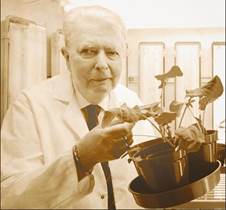
However, for these events to take place, special nutrient media and culture maintenance conditions must be employed. It took more than a decade to develop methods for culturing protoplasts and regenerating plants from them (T. Nagata, I. Takebe, 1971; G. Melchers et al., 1971; J. Nitsch, K. Ohyama, 1971).
This opened up Prospects for Using protoplasts to perform various genetic manipulations that are impossible with ordinary plant cells. In particular, the development of somatic hybridization technology (also known as parasexual hybridization or non-sexual hybridization) through protoplast fusion was of great importance for overcoming interspecific reproductive barriers and incorporating the valuable Gene pool of wild species into breeding programs. Symbolically, protoplast fusion was first achieved in E. Cocking’s laboratory (J. Power et al., 1970). However, the first somatic hybrid plants between different tobacco species (*Nicotiana glauca* + *N. langsdorffii*) were obtained in the USA by P. Carlson and co-workers (1972). Today, somatic hybridization technology has been perfected for many economically important plant species. A large number of valuable somatic hybrids have been produced, serving as the basis for the DEVELOPMENT OF NEW varieties.
Significant progress in this field was achieved through the development of electro-induced protoplast fusion technology (U. Zimmermann, P. Scheurich, 1981). However, it should be noted that earlier methods of protoplast fusion using specific nutrient media (high pH, high concentration of Ca2+ ions) and various chemical additives (so-called fusogens: polyethylene glycol, dimethyl sulfoxide, etc.) remain relevant to this day, as they do not require expensive electrical equipment.
Protoplast culture methods have found widespread application in Plant Introduction/32.html">Genetic Engineering, since protoplasts serve as a much more accessible vehicle for introducing foreign Genetic information compared to plant cells encased in a rigid cellulosic Cell wall.
In 1972, the first publications by researchers in P. Berg's laboratory (P. Berg, USA) reported the production of a circular SV40 viral DNA molecule through its sequential Cleavage with restriction endonuclease RI and ligation with DNA ligase (J. Mertz, R. Davis, 1972). They also demonstrated the feasibility of using these enzymes to insert genes from other organisms—such as lambda phage and the galactose Operon (a set of genes responsible for lactose breakdown) from the bacterium E. coli—into such molecules (P. Jackson, D. Symons, P. Berg, 1972). This methodology became known as "Recombinant DNA technology." Alongside Gene cloning techniques developed by H. Boyer and S. Cohen (S. Cohen et al., 1973), it serves as a cornerstone of modern biotechnology (genetic engineering), aimed at constructing novel combinations of genetic material and introducing them into the genomes of living organisms to enhance their traits.
P. Berg


Initially, Genetic engineering METHODS were developed primarily for microorganisms. However, because plant cell culture and whole-Plant Regeneration techniques had already been established by the dawn of this new biotechnology, plant genetic engineering advanced just as rapidly. Without optimized protocols for callus culture and the regeneration of plants from tissues, obtaining transgenic plants would be virtually impossible, as genetic transformation (integrating additional genes with appropriate regulatory elements into the genome) can only be performed on individual cells rather than Multicellular Organisms. As noted above, cell selection techniques (for screening transformed cells on selective media) and protoplast culture (for introducing foreign DNA) proved exceptionally useful.
The most significant Milestones in the development of plant genetic engineering involved the creation of methods for transferring and integrating in vitro-constructed genetic constructs into plant cell genomes. Groundbreaking advances were primarily driven by elucidating The Mechanism of Agrobacterium-mediated transformation. As early as the beginning of the 20th century, it was established that a plant disease known as crown gall is caused by the soil bacterium Agrobacterium tumefaciens. Crown gall cells grown in vitro exhibited a unique behavior: their proliferation did not require the addition of growth regulators to the nutrient medium, as they synthesized these compounds independently.
In 1974, Belgian scientists N. van Larebeke and I. Zaenen (N. van Larebeke et al.; I. Zaenen et al.) discovered that virulent strains of A. tumefaciens harbor a large plasmid, designated the Ti plasmid (tumor-inducing), which is absent in non-pathogenic strains. In 1977, M.-D. Chilton provided evidence that tumor formation results from the integration of a specific segment of the Ti plasmid (T-DNA) into The plant cell genome. Furthermore, genes located on this T-DNA segment are actively expressed within the plant cell, leading to the synthesis of large amounts of specialized compounds known as opines. In addition to opines, transformed cells accumulate elevated concentrations of auxins and cytokinins, which drive tumor proliferation and account for hormone-independent growth in in vitro cell cultures. This demonstrated that a natural mechanism for Horizontal Gene Transfer (i.e., between phylogenetically distant living organisms) exists between Bacteria and plants. It was quickly realized that this mechanism could be successfully harnessed in genetic engineering by replacing the pathogenicity genes on the T-DNA with desired genes, while retaining small 25-base-pair border sequences at its ends. By 1984, Agrobacterium-mediated transformation was used to produce the first transgenic tobacco plants carrying bacterial Antibiotic Resistance genes (M. De Block et al., 1984; R. Horsch et al., 1984). Two years later, practically valuable transgenic tobacco plants resistant to tobacco mosaic virus (TMV) were developed by incorporating the viral coat protein gene (P. Powell-Abel et al., 1986).
M.-D. Chilton

Agrobacteria are primarily capable of transforming dicotyledonous plants. Therefore, a more universal method was required to obtain transgenic forms of monocots. In 1987, a direct gene transfer technique for plant cells was introduced, known as biolistics, particle bombardment, or the gene gun technique (J. Sanford et al., 1987; T. Klein et al., 1987). The Essence of the method lies in coating microscopic tungsten or gold particles (0.4–1.7 µm in diameter) with recombinant DNA containing the target genes along with essential regulatory elements. These particles are accelerated to extremely high velocities (300–600 m/s) using a specialized pneumatic device (gene gun) and directed at plant tissues (meristems, immature embryos, coleoptiles, protocorms, pollen) or cell cultures (callus or cell suspensions). As a result, the microparticles penetrate the cells, and the foreign DNA integrates into chromosomal or organellar DNA. Despite certain drawbacks (such as multi-copy transgene insertions, which are undesirable for plant transformation, and partial fragmentation of the introduced DNA constructs), biolistics remains the primary method for generating transgenic monocots—including all cereal crops—as well as dicots that are recalcitrant or poorly responsive to Agrobacterium-mediated transformation.
In 1994, the United States granted the first approvals for commercial food and feed use of transgenic soybean (RoundUp Ready by Monsanto), which is tolerant to the herbicide glyphosate, and tomatoes (FLAVR SAVR by Calgene) with an extended shelf life. This marked the beginning of the commercial cultivation of genetically modified crops. In 1996, GMOs covered 1.7 million hectares. By 2013, transgenic forms of 20 crops—featuring traits such as herbicide tolerance, insect and virus resistance, and improved quality characteristics—were cultivated across 27 countries on 175.2 million hectares. In other words, in less than twenty years, the acreage dedicated to genetically engineered varieties expanded more than 100-fold.
In the Soviet Union, plant cell culture methods were first applied in research during the 1960s by scientists at the K. Timiryazev Institute of Plant PHYSIOLOGY OF THE USSR Academy of Sciences. R. G. Butenko made a major contribution to popularizing this promising technology nationwide and training specialists in the field. At her initiative, starting in 1968, an international conference has been held every four years to examine various trends in plant biotechnology. Largely due to her support, research centers and laboratories for plant biotechnology emerged in Saint Petersburg, Saratov, Novosibirsk, Ufa, Kyiv, Odesa, and Minsk.
R. G. Butenko

In Belarus, the development of cellular and genetic engineering technologies was initiated at the Institute of Genetics and Cytology of the BSSR Academy of Sciences under the leadership of N. A. Kartel and L. V. Khotyleva, and at the Institute of Experimental Botany of the Academy of Sciences of Belarus under the guidance of A. S. Vecher and V. N. Reshetnikov.
In 1902, G. Haberlandt proposed the Concept of Plant cell culture in vitro, according to which plant cells can be cultivated under aseptic conditions for extended periods on a nutrient medium containing a solution of mineral salts and organic supplements. Haberlandt also put forward the hypothesis of plant cell totipotency, stating that individual organs and even an entire plant can be regenerated from cultured cells. Considerable time elapsed before Haberlandt's ideas were proven practically feasible. This became possible through the refinement of nutrient media and cell culture conditions. Of key importance was the ESTABLISHMENT OF THE role of auxins (R. Gautheret, 1934; F. White, 1939; P. Nobecourt, 1939) and cytokinins (C. Miller et al., 1955, 1956; F. Skoog, C. Miller, 1957) in regulating growth and morphogenesis processes in plant cell culture.
In 1952, at Cornell University (USA), a plant cell suspension culture was obtained by dissociating callus cultures in a liquid nutrient medium (F. Steward et al., 1952). The Study of plant cell behavior in suspension culture revealed The phenomenon of somatic embryogenesis—the formation, under specific conditions, of bipolar embryo-like structures known as embryoids, from which entire plants can be regenerated through further cultivation.
By the middle of the past century, the principles of plant cell culture in vitro were formulated, and methodological foundations were developed for obtaining and maintaining cell cultures on solidified and liquid nutrient media, as well as obtaining plant regenerants from cultured cells via the induction of stem organogenesis or somatic embryogenesis. Consequently, plant cell culture methods began to be applied not only to fundamental research in cell biology but also to solving specific practical problems. The production of compounds valuable to the pharmacopeia and perfume industries was established using plant cell cultures, bypassing the difficulties and economic drawbacks associated with extracting them from natural raw materials. A robust industry emerged for producing high-quality planting material for potatoes, ornamental, fruit, and forest crops based on meristem culture and in vitro clonal propagation techniques. Technologies for producing haploids and doubled haploids, pioneered by the research of S. Guha and S. Maheswari (S. Guha, S. Maheswari, 1964), found wide application in plant breeding to accelerate and increase the efficiency of the breeding process. The development of Methods for the isolation, cultivation, and fusion of protoplasts (E. Cocking, 1960; T. Nagata, I. Takebe, 1971; J. Power et al., 1970; P. Carlson et al., 1972, U. Zimmermann, P. Scheurich, 1981) made it possible to produce interspecific hybrids involving wild relatives of crop species that were previously inaccessible for breeding due to rigid reproductive barriers. As a result, valuable new genes conferring resistance to diseases, pests, and adverse environmental factors were introgressed into breeding materials. The discovery of somaclonal variation (T. Murashige, R. Nakano, 1966; R. G. Butenko et al., 1967) and the development of cellular selection methods (G. Melchers, L. Bergmann, 1959; P. Maliga et al., 1973, 1975) helped enhance the efficiency of plant breeding based on the selection of mutant forms.
Because cell culture and whole-plant regeneration methods had already been developed by the dawn of genetic engineering, plant genetic engineering experienced rapid growth. The APPLICATION OF PLANT cell culture methods combined with specialized genetic engineering techniques—such as recombinant DNA technology (P. Jackson, D. Symons, P. Berg, 1972), gene cloning (S. Cohen et al., 1973), Agrobacterium-mediated transformation (M.-D. Chilton et al., 1977), and biolistics (J. Sanford et al., 1987; T. Klein et al., 1987)—made it possible to utilize the entire diversity of valuable genes existing in nature for plant breeding. The era of commercial cultivation of genetically modified crops began in 1994.
Control Questions
1. What is the core concept of G. Haberlandt's plant cell culture in vitro?
2. Which scientists established The Role of auxin in stimulating plant cell culture growth?
3. When did scientists gain The ability to induce morphogenesis processes in undifferentiated plant cell cultures and obtain plant regenerants?
4. Under what circumstances was the phenomenon of somatic embryogenesis discovered?
5. When and by whom was the nutrient medium developed that is currently most widely used in plant cell culture research?
6. Who first obtained haploids using anther culture?
7. Who proposed the technique of Enzymatic Hydrolysis of cell walls to obtain plant protoplasts, and when?
8. When was the first transgenic plant obtained?
Last update: 11/08/2026
Editorial and Educational Adaptation: This material has been compiled based on the primary/original source text. The project team performed an editorial review, corrected technical inaccuracies, structured sections, and adapted the content for an educational format.
What was processed:
- elimination of formatting defects (OCR errors, structural breaks, corrupted characters);
- editorial organization of content;
- standardization of terminology in accordance with academic sources;
- verification of factual statements against the original source text.
All mentions of the author, publication year, and origin of the primary text have been preserved in accordance with the source.