Pharmacognosy with the Basics of Plant Biochemistry - Kovalyov V. M. 2004
Special Part
Alkaloids
Biogenic Amines and Protoalkaloids
In plants, the dissimilation of Amino Acids (decarboxylation) and the Breakdown of Proteins or Alkaloids lead to The formation of so-called biogenic amines. Accordingly, the amino acids from which alkaloid Biosynthesis originates are referred to as alkaloidogenic.
The term "amine" is derived from the word ammonia. These are derivatives of NH3 in which hydrogen atoms are replaced by organic radicals. Amines exhibit basic properties due to the presence of an unshared electron pair on the nitrogen atom. By accepting a proton, they form salts. Depending on the number of radicals (—R), amines are classified as primary, secondary, and tertiary. Derivatives of amines include quaternary ammonium salts, in which the nitrogen atom is tetravalent. Basicity depends on The Nature and number of radicals, which may be identical or different. Primary amines are less basic than secondary amines. In tertiary amines, basicity is reduced due to steric hindrance.
Class="center">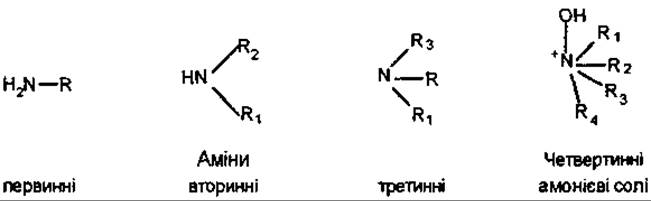
Depending on their Structure, amines are subdivided into aliphatic (alkylamines) and aromatic. The former include, for example, amino alcohols (hydroxyamines), while the latter include aminophenols. Cyclic amines, such as piperidine and quinuclidine, are also known. The majority of alkaloids are tertiary amines; a small number belong to secondary amines and derivatives of quaternary ammonium bases.
Aliphatic amines are bases whose strength approaches that of NH3 (their basic properties are due to the free electron pair near the N atom). With Water, aliphatic amines yield alkylammonium hydroxides, which exhibit a strongly alkaline reaction. Aromatic amines are significantly weaker bases As a result of the conjugation of the unshared electron pair of nitrogen with the electrons of the aromatic ring. Upon interaction with mineral acids, amines form salts (e.g., R—N+H3 СІ-).
In terms of their physical state, amines can be crystalline, liquid, or gaseous. Unlike alkaloids, amines are typically readily soluble in water and poorly soluble in organic Solvents. Some of them, such as primary amines, are volatile with steam. Similar to alkaloids, tertiary amines and quaternary salts yield a coloration with Dragendorff's reagent; Primary and secondary amines react with ninhydrin solution to form characteristic colors. These reactions are used to identify amines on paper and thin-layer chromatograms.
Aliphatic amines in appropriate doses affect The Nervous system, disrupt the permeability of Blood vessel walls and Cell membranes, and impair Liver function, leading to The Development of dystrophy. Aromatic amines induce the formation of methemoglobin, which depresses the nervous system. Some aromatic amines are carcinogens that cause Urinary Bladder Cancer in humans.
Amines are present in many types of Medicinal plant raw Materials, but they are not classified as main active constituents. Amines are found in ephedra herb — Herba Ephedrae, shepherd's purse herb — Herba Bursae pastoris, goat's rue herb — Herba Galegae, betony herb — Herba Betonicae, motherwort herb — Herba Leonuri, etc. Putrescine and cadaverine have been found in ergot (Secale cornutum), Fungi, deadly nightshade (Atropa belladonna), henbane (Hyoscyamus spp.), and jimsonweed (Datura spp.). Cadaverine is contained in soybean sprouts (Glycine hispida); tyramine is found in ergot (Secale cornutum) and European mistletoe shoots (Viscum album); histamine is present in ergot, tomatoes (Solanum lycopersicum), spinach (Spinacia spp.), and Yeast extract. Many flowers contain isoamylamine, formed via the decarboxylation of leucine, and isobutylamine, derived from valine. The toxic and narcotic effects of certain amines must be taken into account when providing a pharmacological characterization of medicinal plant raw materials.
Alkylamines and quaternary ammonium compounds
Dimethylamine is a volatile biogenic amine found in fungi and the flowers of hawthorn Crataegus spp. (Rosaceae); it is also a degradation product of Choline.
Trimethylamine is a widely distributed biogenic amine found in fungi and plants, and is also formed during The breakdown of choline. Dimethylamine and trimethylamine are products of fish putrefaction and possess a characteristic odor.
Colamine is a liquid, oily biogenic amine formed through the decarboxylation of Serine. It is very widespread in the plant world as a constituent of certain Phospholipids (cephalins) and is part of lecithin. In its free state, it is found in hawthorn.

Colamine

Choline

Muscarine
Choline (trimethylethanolamine) is an important biological compound belonging to the quaternary amines. It is a constituent of lecithins, which are phospholipids. It is found in plant, animal, and human tissues (particularly abundant in Nervous Tissue and Muscles), predominantly as part of cell membranes. Choline is present in motherwort herb (Leonurus cardiaca), bean pericarp (Pericarpium Phaseoli), oilseed grains, beets, and egg yolks, among other sources. The daily requirement of choline for an adult is 500–1000 mg. Dietary choline can be partially replaced by Methionine. It is used therapeutically in liver diseases. A choline derivative, choline chloride, belongs to the group B Vitamins.
Acetylcholine is a naturally occurring substance and the chemical transmitter of nerve impulses in cholinergic synapses. It is synthesized in living organisms from choline and acetic acid with the participation of the enzyme choline acetyltransferase, and is degraded under METABOLISM/18.html">The Influence of cholinesterase. It is found in fungi and plants, such as shepherd's purse (Capsella bursa-pastoris, Brassicaceae), stinging nettle (Urtica dioica, Urticaceae), and others.
Muscarine is a quaternary amine long known as a constituent of the poisonous fly agaric mushroom Amanita muscaria. Preparations from this mushroom are used in homeopathy for atherosclerosis, neuralgia, and reduced general tone. The toxic muscarine is also found in certain agarics of the genus Inocybe (Inocybe patouillardii, I. fastigiata), the sickener (Russula emetica), and others.
Phenylalkylamines
ß-Phenylethylamine is a physiologically active substance, a bactericide, and a rodent repellent; it has been identified in European mistletoe (Viscum album, Loranthaceae) and hawthorn species (Crataegus spp., Rosaceae). Among the natural and synthetic derivatives of phenylethylamine are compounds with very high biological activity (sympathomimetics, psychostimulants, anorectics, etc.).
Dopamine (3,4-dihydroxyphenylethylamine) is an important physiologically active substance belonging to the catecholamines and serving as an intermediate in The biosynthesis of noradrenaline from Tyrosine. Dopamine is a specific neurotransmitter for dopamine receptors. Additionally, dopamine is a precursor of melanin, noradrenaline, and adrenaline. A decrease in dopamine levels in nervous tissue leads to Parkinson's disease. Dopamine is found in Scotch broom (Sarothamnus scoparius, Fabaceae) and bananas (Musa sapientium, Musaceae). The biogenetic precursor of dopamine is L-DOPA (3,4-dihydroxyphenylalanine).

ß-Phenylethylamine

L-DOPA

Dopamine
Adrenaline [1-(3,4-dihydroxyphenyl)-2-methylaminoethanol] is a highly physiologically active hormone produced by The adrenal medulla, extracted from the glands of large mammals or synthesized chemically. The L-isomer is 15 times more active than D-adrenaline. When interacting with adrenoceptors, it causes vasoconstriction of small Blood Vessels, increased blood pressure, enhanced Cardiac Output, and relaxation of the bronchial and intestinal musculature. During emotional stress, particularly in stressful situations, physical overexertion, or drops in blood sugar levels, the concentration of adrenaline in the blood surges sharply, facilitating the body's adaptation to new conditions. Adrenaline hydrochloride and hydrotartrate are used in medicine for cardiovascular diseases, Shock states, poisonings, allergic conditions, asthmatic attacks, etc.

Adrenaline
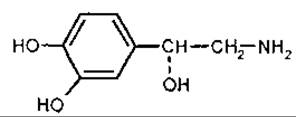
Noradrenaline
Noradrenaline [1-(3,4-dihydroxyphenyl)-2-aminoethanol] is formed from dopamine and, similarly to it, acts as a neurotransmitter of nerve excitation in the sympathetic nervous system. It activates adenylate cyclase, which triggers Glycogenolysis and lipolysis. Its vasoconstrictive activity is stronger than that of adrenaline, whereas its spasmolytic effect is weaker; it has less impact on metabolism (does not increase blood sugar levels). It is found in trace amounts in bananas, potatoes, and bitter orange (Citrus aurantium, Rutaceae). Noradrenaline hydrotartrate is widely used in medicine.
L-Ephedrine [1-phenyl-2-methylaminopropanol-1] is a substance traditionally classified among exocyclic alkaloids. Biogenetically, it is derived from phenylacetylcarbinol. Ephedrine was discovered in 1887 by the Japanese chemist Nagayoshi Nagai. In 1893, the German chemist Merck discovered pseudoephedrine. Ephedrine isomers are found in Ephedra species (Ephedra spp., Ephedraceae), the Celastraceae family, European yew (Taxus baccata, Taxaceae), etc. Ephedrine contains two asymmetric carbon atoms; consequently, there are four optically active isomers of ephedrine and two racemates. The erythro-isomer of ephedrine and pseudoephedrine (the dextrorotatory threo-isomer) are of the greatest medical significance. Ephedrine stimulates adrenoreactive systems, causing vasoconstriction, accelerated Heart rate, elevated blood pressure, bronchial and pupillary dilation, inhibition of intestinal peristalsis, and an increased metabolic rate. It also exerts a stimulating effect on the respiratory center. Ephedrine preparations are used as adrenomimetic agents with effects similar to those of adrenaline, but with a more sustained duration of action.
D-Norpseudoephedrine (cathine) is the principal alkaloid found in the leaves of the East African plant khat - Arabian tea (Catha edulis, Celastraceae). In Arab countries and Africa, khat leaves are used as a stimulant and doping agent. This activity is attributed to the presence of cathine, which acts as a monoamine oxidase (MAO) inhibitor and exhibits stimulating and euphoric properties. The ketone cathinone acts similarly and even more potently.
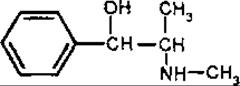
L-Ephedrine
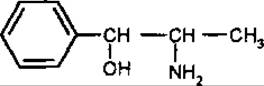
O-Norpseudoephedrine (cathine)
Capsaicin (vanillylamide of 7-methyloct-5-enoic acid) was first isolated in 1875 from pepper fruits (Fructus Capsici) and subsequently synthesized. The biochemical precursors of capsaicin are valine and leucine. Traditionally, capsaicinoids are classified as protoalkaloids, despite being amides that exhibit the PHYSICOCHEMICAL PROPERTIES OF Phenolic Compounds. They are soluble in alkalis, forming phenolates rather than salts via the amide group. When pepper powder is burned, it releases a pungent smoke that was historically used by Indigenous peoples as a "choking gas" in combat.

Capsaicinoids
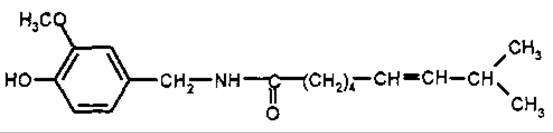
Capsaicin
Capsaicinoids irritate the respiratory tract and cause a burning sensation on the Skin at concentrations below 0.0004 mg/L, due to The stimulation of pain and thermal receptors. The pungent taste of capsaicinoids is perceptible even at a dilution of 1:100,000; they stimulate appetite and digestive secretions, and enhance peristalsis. Recent publications also report on the immunotropic effects of capsaicinoids.
Mescaline is a biogenic amine with hallucinogenic properties found in certain cacti, such as Anhalonium lewinii (peyote) and Opuntia spp. (Cactaceae). It has no current therapeutic Applications.

Mescaline
Tyramine
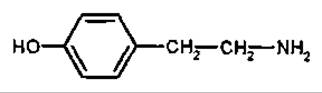
Tyramine is a biogenic amine produced by the decarboxylation of The amino acid tyrosine, with a structure resembling adrenaline. Tyramine has been identified in shepherd's purse (Capsella bursa-pastoris, Brassicaceae) and European mistletoe (Viscum album, Loranthaceae).
Indolalkylamines
Tryptamine is a biogenic amine formed through the decarboxylation of the amino acid Tryptophan. This amino acid plays a vital role in alkaloid biogenesis as one of the key precursors. Tryptamine is found in stinging nettle (Urtica dioica, Urticaceae) and certain fungi.

Tryptamine

Serotonin
Serotonin (5-hydroxytryptamine) is derived from tryptophan and belongs to hormone-like biogenic amines. Serotonin interacts with pre- and postsynaptic Membrane Receptors, acts as an excitatory neurotransmitter in the Central Nervous System, influences vascular tone, increases blood platelet counts, enhances capillary resistance, and participates in regulating the digestive, excretory, and endocrine systems. Its antagonist at the postsynaptic membrane level is lysergic acid diethylamide (LSD). Disruptions in serotonin metabolism are associated with the action of hallucinogens (e.g., lysergic acid diethylamide). Serotonin adipate is used in medical practice. In microdoses, serotonin has been isolated from bananas and stinging nettle.
Histidine and Guanidine Derivatives
Histamine is a decarboxylation product of histidine. It is a potent vasoconstrictor and a mediator of allergic reactions, released in significant amounts from storage sites during Traumatic shock and within inflammatory zones.
Guanidine is derived from histidine and is biogenetically related to the purine base guanine. It is found in certain legumes, such as field peas (Pisum sativum) and soybeans (Glycine soja). It is a structural fragment of Nucleic Acids, egg Arginine, streptomycin, Folic acid, and others. Its biological action is similar to that of histamine. Certain guanidine derivatives exhibit bactericidal and fungicidal properties.

Guanidine

Galegine
Galegine is a guanidine derivative that exhibits hypoglycemic action, which accounts for the blood-sugar-lowering activity of goat's rue (Galega officinalis, Fabaceae).
Sphaerophysine [1-guanidino-4-(isoamylen-1-yl-amino)-butane] is the principal pharmacologically active compound of Turkestan sphaerophysa (Sphaerophysa salsula, Fabaceae), isolated in 1944 by the researchers led by O. P. Orekhov. The alkaloid blocks n-cholinergic receptor systems of autonomic ganglia. It was formerly manufactured industrially as a hypotensive and uterotonic agent.
In some plants, amino acids undergo complete methylation during biosynthesis, transforming into betaines. These are inner-salt forms of compounds containing a carboxyl group and a quaternary nitrogen atom. The general name originates from the simplest representative formed from glycine—betaine (CH3)3N+CH2COO-. Glycine betaine has been isolated from sugar beet (Beta vulgaris), hypaphorine (derived from tryptophan) from the South American coral tree (Erythrina hypaphorus), stachydrine (derived from Proline) from plants of the genera Capparis (capers), Stachys (hedge nettles), Lagochilus, and Betonica (betony), as well as from the leaves of lemon and orange trees. Biogenetically, stachydrine can also be formed from L-Ornithine; therefore, medicinal plants containing it will be discussed in the chapter "True Alkaloids — Pyrrolidine Derivatives".
Thus, protoalkaloids are classified as a distinct group comprising physiologically active aliphatic, phenolic, cyclic, and polycyclic carboline compounds containing nitrogen outside the ring systems. Protoalkaloids are also referred to as alkaloids without a heterocycle or exocyclic alkaloids.
Colchicine alkaloids (tropolone alkaloids) comprise about 30 compounds formed primarily through the ortho,para-coupling of α-phenylalanine and α-tyrosine derivatives.

Colchicine
Colchicine alkaloid molecules consist of three fused rings, one of which (ring C) is a tropolone, and ring B is a hydrogenated tropolone. Using radiolabeled atoms, it was proven that the tropolone ring is formed from an a-tyrosine residue via ring expansion. Colchicine cannot be considered a typical alkaloid because it is a neutral compound.
The derivatives differ by hydroxy, methoxy, and methylenedioxy groups in ring A, and methoxy groups in ring C. The amino group of ring B is primary or contains substituents such as methyl (colchamine), acetyl (colchicine), and others. The tropolone ring easily transforms into an aromatic one.
Colchicine alkaloids exhibit antimitotic activity. Colchamine is less toxic than colchicine. Both compounds are caryoclastic poisons that block Cell Division at the metaphase stage and can therefore inhibit the development of malignant tissue. They also suppress lymphopoiesis and leukopoiesis. Previously, colchicine and its salicylate were used as analgesics for Gout and articular rheumatism. Colchicine is utilized in breeding to obtain polyploid plant forms.
Last update: 06/08/2026
Editorial and Educational Adaptation: This material has been compiled based on the primary/original source text. The project team performed an editorial review, corrected technical inaccuracies, structured sections, and adapted the content for an educational format.
What was processed:
- elimination of formatting defects (OCR errors, structural breaks, corrupted characters);
- editorial organization of content;
- standardization of terminology in accordance with academic sources;
- verification of factual statements against the original source text.
All mentions of the author, publication year, and origin of the primary text have been preserved in accordance with the source.