ECOLOGICAL BIOCHEMISTRY - Tutorial - V. M. Isaienko 2005
Chapter 2. ECOLOGICAL AND BIOCHEMICAL INTERACTIONS OF PROKARYOTES, MICROSCOPIC FUNGI, AND ALGAE WITH HIGHER PLANTS AND ANIMALS
2.5. Plant defense mechanisms against microorganisms
A number of substances produced and secreted by plants are capable of affecting the vital activity of other organisms.
Unlike Proteins, CARBOHYDRATES, Lipids, and Hormones, so-called plant secondary metabolites include Terpenes (terpenoids), Alkaloids, and Phenolic Compounds. The chemical Structure AND Functions of some of these compounds are detailed both in this chapter and in Chapters 3 and 4. Here, we provide only a General Overview of them.
Terpenes. These compounds are derivatives of the so-called isoprene "C5 unit" (Fig. 2.5).
Class="center">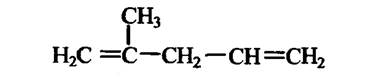
Fig. 2.5. Terpene "C5 unit"
Terpenes are classified According to the number of C5 units in the molecule: monoterpenes (10 C atoms), sesquiterpenes (15 C atoms), Diterpenes (20 C atoms), and so on, up to polyterpenes (ranging from 7.5 • 103 to 3 • 105 C atoms).
Terpenes include Essential Oils (such as the cyclic monoterpene menthol from peppermint oil), phytol, rosin, vitamin A, chemically related Vitamins E and K (diterpenes), carotenoids (triterpenes), and many other substances, with over 10,000 known varieties.
Many terpenes (such as cytokinin, gibberellin, and Abscisic acid) exhibit hormonal properties.
Alkaloids. This group of plant substances contains nitrogen, most commonly as part of a heterocyclic ring. Typically, alkaloids exist as salts with organic acids (succinic, citric, oxalic, fumaric, etc.).
Alkaloids lacking heterocyclic rings are called protoalkaloids. As a rule, Amino Acids serve as precursors for alkaloids, and in some cases, acetate. Those formed without the participation of Amino acids are termed pseudoalkaloids, with terpenes being their primary precursors.
To date, more than 2,000 types of alkaloids are known, while the chemical structure and biological function of approximately 90% of them remain unresearched.
Plant phenols. Phenols are derivatives of Aromatic Compounds in which a hydroxyl group is directly attached to an aromatic ring. The simplest of these compounds is phenol (hydroxybenzene) — C5H5OH. Most phenols are colorless substances, sometimes liquids with a pungent odor. Plants predominantly contain phenolic acids (protocatechuic, vanillic, etc.), along with their aldehydes and alcohols.
Flavonoids are Water-soluble phenolic derivatives. They typically exhibit bright red, dark red, or yellow colors. Their structural core is flavone, which consists of two aromatic rings connected by a C3 residue. One or more hydroxyl groups in flavonoids are linked to carbohydrates via glycosidic bonds.
Tannins are aromatic compounds whose phenolic hydroxyl groups enable them to bind to proteins. Water-soluble tannins are derivatives of simple phenolic acids (gallic, ellagic, etc.) bound to carbohydrates (glucose).
Condensed tannins, or flavolans, are formed from flavone-type phenols; they are polymers of flavones and do not contain carbohydrate residues.
A special place among compounds produced and secreted by plants belongs to those that protect them against diseases caused by microorganisms. It is worth noting that many higher plants growing in natural biogeocenoses exhibit high resistance to microbial infection or form symbioses with microorganisms without significant disease symptoms. At the same time, cultivated plants are much more susceptible to such diseases. Therefore, a pressing issue in ecological biochemistry is identifying plant substances capable of inhibiting the vital activity of parasitic microorganisms, determining their pathways of synthesis, and breeding resistant crop varieties by introducing genetic material from wild, disease-resistant, closely related forms.
Plant substances capable of inhibiting germination or affecting the growth of microorganisms are divided into two groups: pre-infection and post-infection compounds.
The former are constantly present in higher plants regardless of infection. The latter are absent in uninfected plants and are synthesized only after microbial invasion.
Pre-infection compounds. These compounds are divided into two groups: progibinits and inhibinits (Table 2.1).
Table 2.1
Classification OF PRE-INFECTION AND POST-INFECTION COMPOUNDS
IN HIGHER PLANTS (according to Harborne, 1985)
Class of substances |
CHARACTERISTICS OF THE class of substances |
Pre-infection substances |
|
Prohibins |
Metabolites that, at existing concentrations, reduce or completely halt The Development of pathogenic microorganisms |
Inhibins |
Metabolites whose concentration increases sharply to exert a toxic effect after plant infection |
Post-infection substances |
|
Postinhibins |
Metabolites formed during Hydrolysis or oxidation from non-toxic precursors |
Phytoalexins |
Metabolites formed after plant infection de novo following Gene derepression or Activation of a latent enzymatic system |
Most prohibins are phenolic compounds, though other types also exist. Examples of prohibins include catechol and protocatechuic acid, pinosylvin, luteone, hordatines A and B, and avenacin (Fig. 2.6).
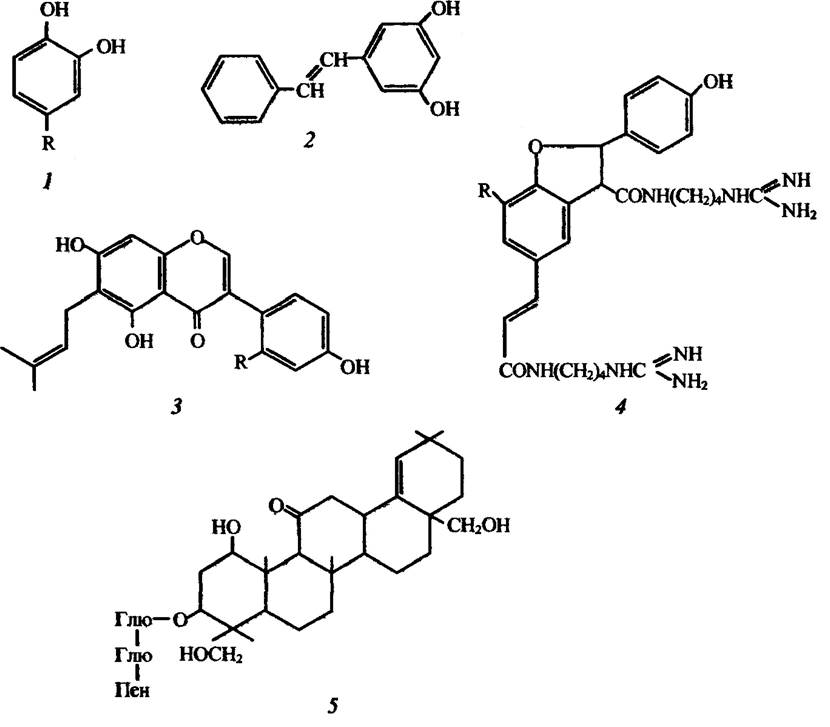
Fig. 2.6. Structure of some pre-infection substances present in higher plants:
1 — catechol (R = H) and protocatechuic acid (R = CO2H); 2 — pinosylvin; 3 — luteone (R = OH) and desoxyluteone (R = H); 4 — hordatine A (R = H) and hordatine B (R = OCH3); 5 — avenacin; Glu — glucose, Pen — pentose
Catechol and protocatechuic acid are toxic to the spores of Colletotrichum circinans. Their content in onion varieties resistant to this fungus correlates with the presence of potentially toxic anthocyanins.
Pinosylvin belongs to hydroxystilbenes, which impart resistance to natural decay in wood (particularly pine).
Luteone (isopentyl isoflavone) and its 2-deoxy derivative have been identified in the Tissues of white lupine (Lupinus albus), specifically in the leaves, where they inhibit mycelial growth of Helminthosporium carbonum.
Hordatines A and B perform a protective function in seedlings of barley, Hordeum vulgare, which is susceptible to infection by Helminthosporium sativum.
Non-phenolic prohibins include the pentacyclic triterpene glycoside avenacin, which ensures the resistance of oat roots (Avena sativa) to the fungus Ophiobolus graminis.
The terpenoid and alkaloid toxins discussed are typically localized in the vacuoles of leaves and roots. At the same time, some prohibins are located On the surface of plants and thus serve as the first line of defense against microorganisms. For example, parthenolide (a sesquiterpene lactone) is localized in glandular trichomes on The surface of leaves and seeds of Pyrethrum parthenium and is toxic to Gram-positive Bacteria and filamentous Fungi. This also applies to sclareol and isosclareol, which are diterpenes localized on the leaf surface of Nicotiana glutinosa. Nobiletin (tetramethoxyflavone), located on the leaf surface of citrus plants (Citrus sp.), is toxic to the fungus Deuterophoma tracheiphila.
Another class of pre-infection compounds, as already noted, is inhibins—substances whose concentration increases at the sites of infection entry. For example, when Majestic potato tubers interact with spores of the phytophthora fungus Phytophthora infestans, the concentration of the coumarin scopoletin near the infection site increases 10- to 20-fold, and chlorogenic acid increases 2- to 3-fold.
Similar increases in the levels of scopoletin, scopolin, and chlorogenic acid are also characteristic of sweet potato (Ipomoea batatas) and tobacco (Nicotiana tabacum). There are other inhibins as well that enhance Plant resistance to diseases caused by microorganisms.
Post-infection compounds. These compounds also ensure plant resistance to microorganisms (Table 2.1). They are divided into postinhibins and phytoalexins. Postinhibins are present in healthy plant tissues, typically as inactive Glycosides. Their conversion into an active form following the penetration of pathogenic microorganisms into plant Cells occurs via Enzymatic hydrolysis or oxidation. An example of such a process is the hydrolysis of the cyanogenic glycoside linamarin by a specific β-glucosidase in the leaves of birdsfoot trefoil (Lotus corniculatus) upon infection by the pathogenic fungus Stemphylium loti. Under the action of linamarase, linamarin is converted into cyanohydrin, which spontaneously breaks down to release HCN (hydrocyanic acid), protecting the plants from the pathogenic fungus (Fig. 2.7). However, in this case, the pathogen can adapt to the cyanide by synthesizing the enzyme formamidase, which converts HCN into formamide (HCONH2).
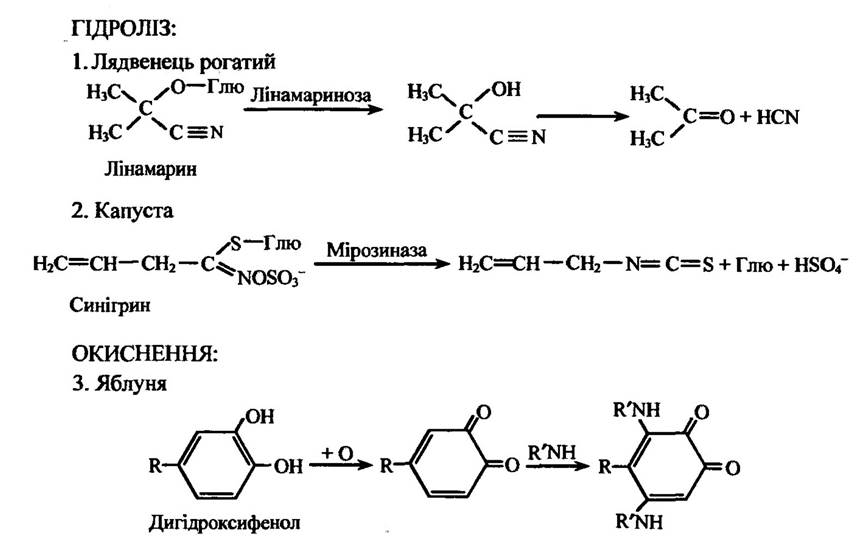
Fig. 2.7. Structure and formation mechanisms of postinhibins:
1 — during the hydrolysis of linamarin in birdsfoot trefoil; 2 — during the hydrolysis of sinigrin in cabbage; 3 — upon oxidation of dihydroxyphenol (R = CH2CH2COC6H4(OH)2)
Other cyanogenic glycosides are also known. For instance, in wild and cultivated Brassica species (cabbage, turnip, rutabaga, etc.), infection by downy mildew (Peronospora parasitica) triggers the release of the volatile oil allyl isothiocyanate, which is formed during the hydrolysis of the glucoside sinigrin by the action of myrosinase.
In addition to acting as chemoeffectors and chemomediators, phenols can also function as postinhibins. Such substances include dihydroxyphenol, whose oxidation by phenol oxidase leads to The formation of highly toxic o-quinone, which can condense with amino compounds to form even more toxic substances (Fig. 2.7).
Post-infection compounds. These include a large group of phytoalexins (from Greek aleksos — to ward off, and phyton — plant), which are synthesized after plant infection by microorganisms via gene activation or the activation of a latent enzymatic system (see Table 2.1).
In terms of their chemical structure, these substances are extremely diverse (Fig. 2.8). Their common property is lipid solubility.
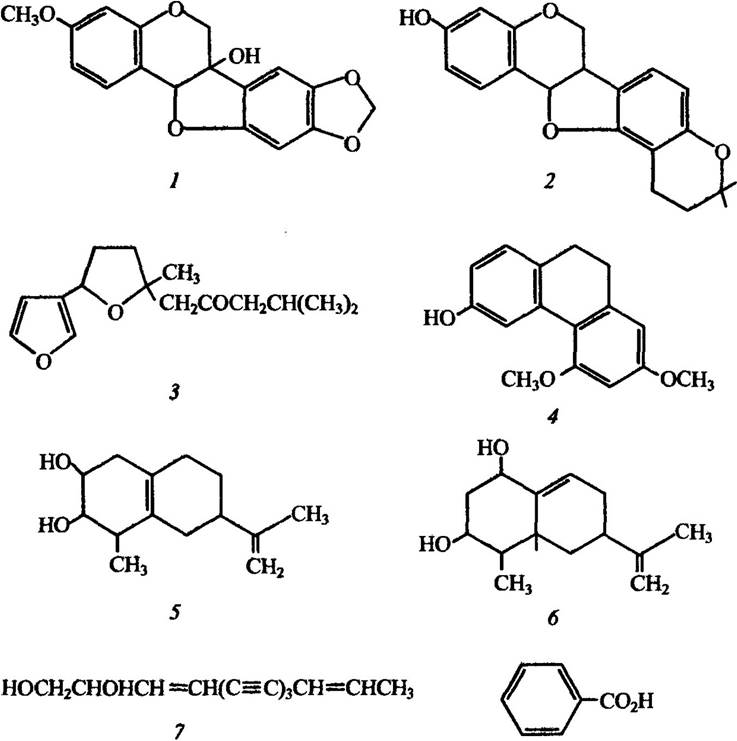
Fig. 2.8. Structure of some phytoalexins in higher plants:
1 — pisatin; 2 — phaseollin; 3 — ipomeamarone; 4 — orcinol; 5 — rishitin;
6 — capsidiol; 7 — safitol; 8 — benzoic acid
A typical example of phytoalexins is pisatin, a pterocarpan derivative produced in the pods of Pisum sativum infected with the brown rot fungus Monilinia fructigena (Fig. 2.8). Other legumes, particularly Phaseolus vulgaris, produce a similar compound known bezephaseolin. Phytoalexin production is also characteristic of Ipomoea batatas and members of the Convolvulaceae family (ipomeamarone), Orchidaceae (orcinol), Solanaceae such as Solanum tuberosum (rishitin), Capsicum frutescens (capsidiol), Carthamnus tinctorius (safynol), and Malus pumila along with other Rosaceae (benzoic acid).
Phytoalexins are produced when plants are infected by bacteria, Viruses, and fungi. Furthermore, phytoalexins can be synthesized
under METABOLISM/18.html">The Influence of various abiotic factors, such as ultraviolet radiation, sudden Temperature fluctuations, and mechanical wounding. These substances constitute an integral part of the plant's overall defense and recovery system. The synthesis of phytoalexins in plant cells is triggered by chemical substances known as elicitors. These include a wide range of compounds: carbohydrates (glucomannans, β-1,3-glucan, hepa-β-glucoside, etc.), Glycoproteins, lipids, lipoglycoprotein complexes, and certain Fatty acids (eicosapentaenoic and arachidonic). Heavy metal salts, various detergents and pesticides, and ultraviolet radiation also exhibit elicitor properties.
The Cell walls of fungi and bacteria are likely the primary site of synthesis for glucan elicitors. It is hypothesized that the interaction between elicitors and plant cells involves a specific receptor site on the plant cells, where the elicitor initiates phytoalexin synthesis.
Enhancing phytoalexin production in plants using natural and artificial substances, known as sensitizers, represents a novel and promising approach to plant disease management. Such substances generally have a prolonged duration of action. Therefore, treating seeds with sensitizers can prevent subsequent infection by pathogenic microorganisms.
The biochemical interaction between plants and microorganisms also involves so-called suppressors—microbial metabolites capable of inhibiting phytoalexin production.
Thus, biochemical plant defense mechanisms, much like the biochemical strategies by which microorganisms parasitize plants, function as chemoregulators and, to a certain extent, as coenoregulators.
Last update: 06/08/2026
Editorial and Educational Adaptation: This material has been compiled based on the primary/original source text. The project team performed an editorial review, corrected technical inaccuracies, structured sections, and adapted the content for an educational format.
What was processed:
- elimination of formatting defects (OCR errors, structural breaks, corrupted characters);
- editorial organization of content;
- standardization of terminology in accordance with academic sources;
- verification of factual statements against the original source text.
All mentions of the author, publication year, and origin of the primary text have been preserved in accordance with the source.