Medical Genetics - V. M. Zaporozhan 2005
Introduction to Medical Genetics
Molecular Basis of Heredity
Structure and Functions of RNA
Like DNA, RNA is a polymer composed of NUCLEOTIDES (Fig. 1.4). Unlike DNA, RNA consists of a single polynucleotide chain containing ribose within its nucleotides, and it features the nitrogenous base uracil (U) instead of thymine. All types of RNA are synthesized in The Nucleus using a DNA template.
Class="center">
Fig. 1.3. Semiconservative Replication of DNA
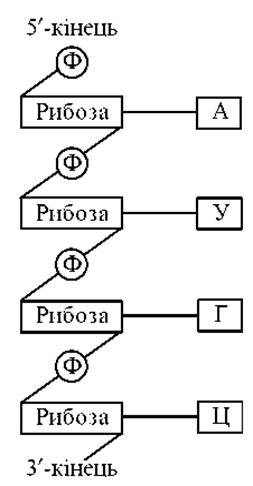
Fig. 1.4. Cytology/cytology/92.html">SCHEMATIC Structure OF an RNA fragment
RNAs play a key role in executing the hereditary information encoded in DNA at the Protein Synthesis level. Depending on their function and structural features, several types of RNA are distinguished, the most prominent being messenger (or mRNA), transfer, and ribosomal RNA, along with small nuclear and nucleolar RNAs, and microcytoplasmic RNA (Table 1.1).
Messenger (or mRNA) RNA (mRNA) is synthesized on a DNA template via THE PRINCIPLE OF complementarity. It carries Genetic information regarding Cell/13.html">Protein Structure from the nucleus to the Cytoplasm and serves as a template for protein synthesis by Ribosomes.
Transfer RNA (tRNA) binds to its specific amino acid, transports it to the ribosome, and ensures its incorporation into the protein molecule strictly in accordance with METABOLISM/28.html">The Genetic Code. At the ribosome, tRNA attaches via its anticodon (a codon triplet) through Hydrogen Bonds to one of the mRNA triplets (codons). The complementarity between the tRNA anticodon and the mRNA codon is the specific mechanism that translates The sequence of mRNA codons—and thereby the Gene itself—into an Amino Acid Sequence in the polypeptide. Thus, the tRNA molecule holds a central position in Protein Biosynthesis, acting as an adaptor molecule responsible for translating mRNA nucleotide triplets into Amino acid sequences in the polypeptide.
Table 1.1. Functions of Nucleic Acids
|
Nucleic acids |
Function |
|
DNA |
Stores and transmits hereditary (genetic) information |
|
mRNA (or Messenger RNA) |
Carries genetic information from DNA to ribosomes, serving as a template for protein synthesis |
|
tRNA |
Transports Amino Acids to the ribosome, responsible for translating the sequence of mRNA nucleotide triplets into The amino acid sequence of the polypeptide chain |
|
rRNA |
A structural component of ribosomes; facilitates the interaction between mRNA and tRNA |
|
Small nuclear |
Participate in splicing |
|
RNAs |
mRNA |
|
Small nucleolar |
Participate in the maturation |
|
RNAs |
rRNA |
|
Microcytoplasmic RNAs |
Participate in regulating the expression of certain genes |
Ribosomal RNA (rRNA), together with ribosomal Proteins, forms ribosomes. It performs a structural function and also assists in binding mRNA and tRNA to the ribosome.
Small nuclear RNAs take part in mRNA splicing, while small nucleolar RNAs are involved in the Processing and modification of rRNA nitrogenous bases.
Microcytoplasmic RNAs are small molecules (20–25 nucleotides) that regulate gene activity during cell development and differentiation. They are capable of silencing the expression of vital genes by interacting with their mRNA.
Last update: 11/08/2026
Editorial and Educational Adaptation: This material has been compiled based on the primary/original source text. The project team performed an editorial review, corrected technical inaccuracies, structured sections, and adapted the content for an educational format.
What was processed:
- elimination of formatting defects (OCR errors, structural breaks, corrupted characters);
- editorial organization of content;
- standardization of terminology in accordance with academic sources;
- verification of factual statements against the original source text.
All mentions of the author, publication year, and origin of the primary text have been preserved in accordance with the source.