Biotechnology - Yu.O. Sazykin 2006
Applied Biotechnology
Biotechnology of Drugs Based on Plant Cell and Tissue Cultures
General Characteristics
One of the key mechanisms maintaining the stability of life on Earth is the preservation of diversity and the interconnected, interdependent coexistence of humans and nature. Academician G. F. Gause demonstrated that the stability of a biological community is directly proportional to the number of species it comprises. Urban growth, deforestation, environmental degradation, and the intensive exploitation of wild and plantation-grown plants—which serve as traditional sources of medicines—are leading to a growing shortage of raw Materials. Many plant species are on the verge of extinction. The Use of PLANT Cell AND tissue culture helps protect from destruction thousands of wild species that synthesize compounds essential for human life and health, which have now become rare.
In addition to addressing various economic, environmental, and technological challenges, the cultivation of plant Cells and Tissues on artificial nutrient media in bioreactors makes it possible to overcome several specific hurdles:
✵ minimizing The impact of climatic, seasonal, and geographical conditions;
✵ reducing the agricultural land area required for the country's economic needs;
✵ producing already known substances characteristic of the intact plant, such as nicotine, codeine, quinine, and diosgenin, as well as synthesizing novel biologically active compounds;
✵ utilizing plant cell cultures for the biotransformation of end products.
The application of novel technologies for producing medicinal plant biomass (containing specific active principles) in the form of callus (Lat. callus — thick Skin, callosity) and suspension cultures offers A number of advantages:
✵ standardization of the harvested raw material;
✵ high yield of the active principle (taking ginseng cultivation as an example: production profitability began to increase with the Introduction of 'hairy ROOT' technology, where growth and cell accumulation conditions foster The Emergence of subpopulations with enhanced differentiation—the most productive cells in terms of bioactive substances);
✵ shortened cultivation time required for plant biomass accumulation;
✵ feasibility of industrial production of biomass from exotic plants that are largely inaccessible in our region, such as Rauvolfia, Dioscorea, Ungernia, etc.;
✵ utilization of diverse technological regimes;
✵ application of immobilization and biotransformation Methods to enhance the yield of secondary metabolites in plant cell systems.
However, PLANT CELLS AND tissues possess inherent characteristics that complicate working with their cultures (in comparison to microbial cells):
✵ plant cell dimensions (15–1000 µm) are 50–100 times larger than those of bacterial cells;
✵ as plant cells grow, they develop a large central vacuole, altering all Physical and Chemical constants of The Cell;
✵ suspension cultures consist of cell aggregates of varying sizes;
✵ plant cell cultures feature a cellulosic wall, which significantly complicates the work of biotechnologists handling such cultures.
The industrial method of growing isolated cultures makes it possible to obtain a significant volume of valuable medicinal raw materials within a relatively short period (30–45 days) using callus and suspension cultures.
The method of producing Pharmaceuticals based on plant cell cultures begins with obtaining a callus tissue culture (or callus), which forms at sites of plant organ injury (spontaneous plant cell proliferation) and is used to derive isolated Plant Tissues and cells. Callus culture was first obtained in 1902. It consists of a community of cells grown on an artificial nutrient medium. Until the mid-1950s, callus tissue cultures were used as a model system to investigate PHYSIOLOGICAL AND BIOCHEMICAL processes in studies involving isolated plant cells and Organs.
Some time later, it was proven that plant cell cultures grown on artificial nutrient media are capable of synthesizing substances inherent to the intact plant, meaning they can act as producers of BIOLOGICALLY ACTIVE SUBSTANCES (BAS). In this regard, it is essential to examine METABOLISM/2.html">THE CONCEPT OF totipotency—the ability of any cell to develop into a complete plant, which is predetermined by its genetic potential. All types of differentiation—The formation of individual differentiated cells, tissues, and organs (Organogenesis)—are made possible by totipotency; that is, any plant cell contains the complete set of GENES OF THE Organism from which it was isolated,
In callus tissue culture, morphogenesis refers to the emergence of organized structures from an unorganized mass of cells; therefore, morphogenesis herein can be viewed as a manifestation of plant cell totipotency. Each cell of a callus culture can give rise to a whole organism, yet in reality, only one in 400–1,000 cells undergoes this determination, which is presumably governed by both the physiological state of the cell and its competence.
A crucial role in Cell Differentiation is played by both the genotype of the producer plant and the cultivation conditions. The growth of isolated cells and tissues on artificial nutrient media under sterile conditions occurs independently of whether the plants belong to a particular taxonomic group. There are General Requirements for growing objects in in vitro culture.
Asepsis is mandatory and essential for the cultivation of individual cells, as well as any fragments of plant tissue or organs (explants). Plant tissues may harbor epiphytic microflora, which subsequently manifests in tissue culture. Internal infection of plant tissue is most frequently encountered in tropical and subtropical plants. Therefore, in addition to surface sterilization using disinfectants, Antibiotics are also employed to eliminate the microbial flora within the tissue; however, selecting a targeted-action antibiotic remains a serious challenge.
For the successful cultivation of cells and tissues of any plant culture, it is necessary to account for the impact of physical factors on the growth and PHYSIOLOGICAL CHARACTERISTICS OF that culture at both the phenotypic and genotypic levels (Fig. 19).
Most callus tissues grow under low-light conditions because they lack photosynthetic capabilities. However, light can also act as a morphogenesis factor that triggers secondary synthesis processes. Fluorescent lamps are commonly used as a light source. A classic example of illumination affecting callus metabolism is tea plant culture, where light exposure increases The Biosynthesis of polyphenols. Conversely, in cell cultures of Scopolia parviflora, the same light suppresses alkaloid production.
An optimal Temperature (around 26 °C) is also crucial for most callus cultures.
Due to the low Respiration rate of these cells, their oxygen demand is correspondingly reduced, eliminating The Need for intensive aeration systems. Consequently, when implementing suspension culture technology, one must select appropriate bioreactor types with a volume not exceeding 20 m3, equipped with specialized agitation systems (such as turbine stirrers, upward airflow, or shaking) to avoid damaging plant cells. Comparing various fermenter types revealed that the maximum Synthesis of Secondary metabolites in suspension culture occurs when air is supplied from the bottom. When growing cells in small-volume flasks, however, constant suspension agitation provides sufficient aeration.
Class="center">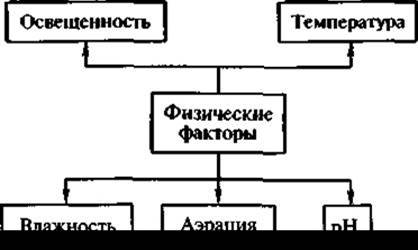
Fig. 19. Physical factors influencing cell culture growth
Optimal humidity for culture growth typically ranges from 60 to 70%. Selecting the proper ingredients for the culture medium is vital for ensuring biomass growth and the synthesis of secondary metabolites. Liquid nutrient media are of particular importance for the cultivation of isolated cells and tissues. As a rule, they are multicomponent and vary somewhat in composition, but they must invariably include: inorganic nutrients (Macronutrients and micronutrients); iron sources; organic additives (Vitamins, phytohormones, Auxins, and Cytokinins, which act as plant growth regulators and trigger mechanisms); and carbohydrate sources (such as sucrose or glucose).
Sucrose or glucose are especially essential for callus tissues since they lack chlorophyll and are incapable of autotrophic Nutrition. Auxins (such as indole-3-acetic acid, naphthaleneacetic acid, and 2,4-dichlorophenoxyacetic acid) and cytokinins (such as 6-benzylaminopurine, N6-isopentenyladenine, and kinetin) must be mandatory Components of the nutrient medium. Auxins induce dedifferentiation in explant cells and enhance the productivity of cell cultures by acting as triggers for Primary and secondary metabolism. By inducing Cell Division, cytokinins affect the accumulation of secondary metabolites in various ways: some cultures, such as Datura tatula, show no response to cytokinin supplementation, whereas others, like Scopolia maxima, actively produce Alkaloids.
High concentrations of nitrates, ammonium ions, potassium, and phosphorus regulate The rate of cell growth in the medium. Medium depletion leads to a decline in both cell proliferation and secondary metabolic processes. Introducing precursors that stimulate specific metabolic pathways into the nutrient medium is highly significant for secondary metabolite synthesis. For instance, adding phenylalanine to the cell culture medium increases the diosgenin yield by 100%. Purified Agar-agar, a polysaccharide extracted from marine Algae, is used when preparing solid nutrient media for growing callus tissues.
To obtain callus cultures, an explant is first prepared—small (2–4 mm) pieces of plant tissue that have retained their reproductive capacity. This plant material is thoroughly washed, sterilized with 96% alcohol or 0.1% mercuric chloride, rinsed thoroughly again with distilled Water, and placed onto a synthetic agar-solidified nutrient medium. The vessels are sealed with cotton-gauze plugs. For callus induction and tissue growth, the vessels are transferred to a dark room maintained at a specific temperature (24–26 °C) and humidity (65–70%); after 2–3 weeks, a primary callus forms on the wound surface. A callus cell develops similarly to other cells, sequentially passing through stages such as division, elongation, differentiation, Aging, and death. The growth curve of callus tissue is sigmoid (S-shaped) and comprises five phases of varying duration depending on the plant species (Fig. 20).

Fig. 20. Callus tissue growth curve. Phases:
1 — latent (lag phase, during which cells adapt and prepare for division); 2 — linear (callus tissue grows at a constant rate); 3 — exponential (period of maximum mitotic activity; cell growth accelerates, and callus mass increases); 4 — stationary (division rate drops sharply); 5 — decline (death)
There is no consensus on how the synthesis of secondary metabolites relates to growth processes. In A large number of cultures, secondary metabolites are synthesized and accumulated in significant amounts either during the exponential phase—when growth processes are most active—or during the stationary phase of cell culture growth, when biomass accumulation ceases. However, some cultures (e.g., Catharanthus roseus cells) exhibit secondary metabolite synthesis throughout the entire growth period.
The synthesis of secondary compounds may correlate with the differentiation process within the cell culture. For example, in a suspension culture of Papaver somniferum, alkaloid synthesis begins after a sufficiently large number of specialized laticifer cells—intended for metabolite storage—have differentiated. Conversely, tobacco and carrot cell cultures synthesize large amounts of nicotine and anthocyanin, respectively, even though their cells are poorly differentiated. Secondary metabolite synthesis in cultured cells is associated with intracellular Organelles, primarily Plastids and The Endoplasmic reticulum. In cells incapable of metabolite transport, secondary synthesis products typically accumulate in vacuoles and extracellular spaces.
An important characteristic of a cultured cell population is its stability regarding the synthesis and accumulation of secondary metabolites. It should be noted that callus cells generally do not transport synthesized metabolites into the nutrient medium or to other cells, although certain cultures are exceptions—notably poppy cell cultures, which sequester alkaloids in laticifers. Crucially, callus cultures retain many of the physiological traits of the source plant from which they were derived (such as frost hardiness, stress resistance, and the capacity for secondary metabolite synthesis).
The stability of secondary metabolite synthesis as a target product typically depends on the stage of cultivation and cell differentiation.
For instance, differentiated root calluses of Atropa belladonna synthesize tropane alkaloids, whereas undifferentiated ones lose this capability. However, undifferentiated cells of Rauwolfia serpentina can synthesize indole alkaloids with a fairly high metabolite yield. Consequently, it can be concluded that morphological cell specialization is not a prerequisite for the synthesis of biologically active substances (BAS).
Currently, the industrial synthesis of secondary metabolites using cell suspension cultures is promising and cost-effective, as plant raw material production is independent of climatic factors or insect damage. Callus cultures are grown in compact spaces and subsequently used to synthesize compounds across virtually all classes. Furthermore, the yield of secondary metabolites is incomparably higher than that obtained from whole plants.
Employing callus culture technologies from plant material offers such advantages as reliability and stability in biomass and secondary metabolite yields, as well as the potential to use callus systems for immobilization followed by biotransformation. The only drawback is the necessity of manual labor.
Comparing callus and suspension cultures indicates that the yield of secondary metabolite products is higher in callus cultures, whereas process control is significantly easier when working with suspension cultures.
For industrial-scale suspension cultivation, bioreactors are utilized where submerged culture processes drive biomass increase and secondary compound synthesis. A distinction is made between bioreactors where the suspension culture is agitated solely by air sparging and those where the suspension culture is mixed mechanically (see Fig. 10).
Plant cell cultures in bioreactors are grown under one of two operating modes:
✵ first — batch cultivation, in which the entire cell suspension is harvested and utilized upon completion of the biosynthesis process;
✵ second — fed-batch (or semi-continuous) cultivation, in which a specific volume of fresh nutrient medium is continuously added to the bioreactor while an equivalent volume of either the cell suspension (open continuous cultivation) or spent nutrient medium is simultaneously withdrawn, leaving the cell mass inside the Reactor (closed continuous cultivation).
Plant cells are predominantly grown in batch mode. Semi-continuous cultivation is employed when biomass accumulation has been shown to clearly correlate with secondary metabolite synthesis.
There are also two MAIN TYPES OF open continuous cultivation:
✵ turbidostat — a system that automatically maintains a constant concentration of cellular biomass in the reactor by adjusting the flow rate;
✵ chemostat — a system where a nutrient medium is supplied to the bioreactor at a constant rate while the cell suspension is simultaneously withdrawn at the same rate.
Secondary metabolites can also be produced using immobilized callus culture cells. These cells are embedded (entrapped) within specific matrices, such as calcium alginate, agarose beads, or three-dimensional mesh structures made of nylon, powdered metal, or polyurethane (systems of this type are used, for example, to immobilize Digitalis lanata cell cultures), or they are adsorbed onto them. The matrix containing the cells is placed into a nutrient medium while the cells remain viable. Although they stop dividing, they continue to synthesize metabolites and secrete them into the medium. The primary requirements for immobilization are the efficient release of metabolites into the nutrient medium and their subsequent easy recovery, such as extracting alkaloids from the culture broth.
Compared to suspension cultures, immobilized cells offer several distinct advantages:
✵ reusability for multiple cycles;
✵ clear and easy Separation of biomass from metabolic products;
✵ extended cultivation periods during the active biosynthesis phase;
✵ higher yields of secondary metabolites;
✵ shorter Fermentation times;
✵ increased operational lifespan of the cells (immobilized cells with low growth rates are capable of intensive metabolite production).
Quite often, metabolite synthesis in suspension cultures halts at intermediate stages without reaching the desired target product. In such cases, obtaining the final product becomes possible through biotransformation. This process involves modifying intermediate metabolites using other plant cultures or bacterial cells to enhance the biological activity of a specific chemical Structure. Although biotransformation is highly efficient when using bacterial cells, plant cultures are also employed whenever the process cannot be carried out in microbial cells for any reason.
A classic example is The conversion of digitoxin to digoxin by Digitalis lanata cells. Undifferentiated cell cultures of Digitalis lanata do not produce cardiac Glycosides on their own, but they are capable of carrying out biotransformation reactions on substrates added to the nutrient medium. Woolly foxglove (Digitalis lanata) plants naturally synthesize large amounts of digitoxin instead of the more medically desirable digoxin. An undifferentiated suspension culture of foxglove has been successfully utilized for this biotransformation. Immobilized cells of this culture can continuously transform β-methyldigitoxin into β-methyldigoxin at a steady rate over a long period (via a 12-hydroxylation reaction catalyzed by Enzymes present within the Digitalis lanata cells).
Another example is a root-derived ginseng cell culture capable of biotransforming (glycosylating) Phenolic Compounds (metabolic byproducts of a Panax ginseng root cell suspension culture).
Yet another example is the biotransformation of cardenolides, which contain glycosides widely used in medicine for treating Heart conditions.
To ensure the success of biotransformation processes, it is essential to continuously select specialized cell lines and optimize cultivation conditions.
In Conclusion, here are a few plant-derived pharmaceuticals obtained from callus and cell suspension cultures that are successfully used in clinical practice: shikonin (for skin conditions), digoxin (for cardiovascular diseases), berberine (for intestinal disorders, used as a bactericidal agent), diosgenin (as a contraceptive), and panaxosides (adaptogens that boost The Immune System). While plantation-grown ginseng yields higher amounts of panaxosides compared to callus-derived raw material, medicines produced from callus cultures exhibit lower toxicity.
Last update: 06/08/2026
Editorial and Educational Adaptation: This material has been compiled based on the primary/original source text. The project team performed an editorial review, corrected technical inaccuracies, structured sections, and adapted the content for an educational format.
What was processed:
- elimination of formatting defects (OCR errors, structural breaks, corrupted characters);
- editorial organization of content;
- standardization of terminology in accordance with academic sources;
- verification of factual statements against the original source text.
All mentions of the author, publication year, and origin of the primary text have been preserved in accordance with the source.