Fundamentals of Molecular Biology. Part 2: Molecular Genetic Mechanisms - A. N. Ogurtsov 2011
Key Molecular Genetic Mechanisms
Four Fundamental Genetic Processes
The vast Diversity of Proteins acting as molecular machines and regulators of metabolic processes in any Organism is programmed by Genetic information that is stored, passed down from generation to generation, transcribed, and translated into specific cellular structures with the help of Nucleic Acids.
Nucleic acid macromolecules:
1) contain the information that determines the Amino Acid Sequence and, consequently, the Structure AND Functions of all proteins within The Cell;
2) form part of the cellular "factory" where Amino Acids are selected and assembled in the precise, "correct" sequence during Polypeptide chain synthesis;
3) catalyze the Chemical Reactions essential for METABOLISM/35.html">Protein Biosynthesis, including The formation of peptide bonds between amino acids.
DNA contains all the information required for the Synthesis of the organism's Cells and Tissues.
The fidelity of this information copying is the guarantee of genetic inheritance and the proper development of any organism.
The information encoded in DNA is stored in the form of functional units called genes.
During Transcription, the information from a Gene is copied into RNA.
Three types of RNA perform distinct functions in The process of Protein Synthesis.
mRNA. The first type of RNA is Messenger RNA, or mRNA, which carries the "operational instructions" from DNA that dictate the exact order of amino acids during protein synthesis.
The process of assembling The amino acid chain based on these instructions is known as mRNA Translation.
tRNA. During translation, the mRNA information is read and processed by the second type of Ribonucleic Acids, known as Transfer RNAs, or tRNAs, with the assistance of the third type, Ribosomal RNAs. Transfer RNAs function as a "dictionary" to translate the genetic information encoded in DNA via four NUCLEOTIDES into the amino acid sequence of the Primary Protein Structure, written using twenty proteinogenic (standard) amino acids.
rRNA. Ribosomal RNAs, or rRNAs, along with associated ribosomal proteins, drive protein synthesis. Once the "correct" amino acid is delivered to the synthesis site by its corresponding tRNA, the ribosome catalyzes the attachment of this amino acid to the growing protein chain, thereby catalyzing peptide bond formation.
The Discovery of the Introduction/20.html">DNA Structure in 1953 and subsequent research into the molecular genetic mechanisms of how DNA directs RNA Synthesis, which in turn guides protein synthesis, led to the formulation of the so-called Central dogma of molecular biology.
The central dogma of molecular biology:
Genetic information flows in the direction of DNA → RNA → protein.
However, it should be noted immediately that despite its immense significance, the central dogma of molecular biology does not fully capture the actual role of proteins in nucleic acid biosynthesis and Gene Expression regulation.
Furthermore, the 1970 discovery of reverse transcription in Retroviruses and the identification of the enzyme Reverse Transcriptase (see Section 7.4)—which catalyzes DNA Synthesis using an RNA template—demonstrated that genetic information can also flow in the direction of RNA → DNA. This deviation from the central dogma of molecular biology and the application of reverse transcription in Genetic Engineering will be explored in detail in the concluding PARTS OF THE course.
Figure 1 illustrates four fundamental genetic processes:
1) transcription,
2) RNA Processing,
3) RNA translation,
4) DNA Replication,
which will be the focus of this section of the course.
In addition, processes involving Viruses will also be examined, as viruses parasitize the cell's genetic machinery.
The sequence of processes 1 → 2 → 3 (Figure 1) neatly illustrates the central dogma of molecular biology.
During gene transcription (process 1), carried out by the RNA polymerase enzyme within the Cell Nucleus, The Genetic Code is transferred (copied, transcribed) to pre-mRNA (precursor messenger RNA) via the polymerization of ribonucleoside triphosphate monomers (rNTP).
The removal of "redundant" sequences and several other modifications of pre-mRNA, collectively termed mRNA Processing (process 2 in Figure 1), yield functional mRNA, which is then transported into the Cell Cytoplasm.
Class="center">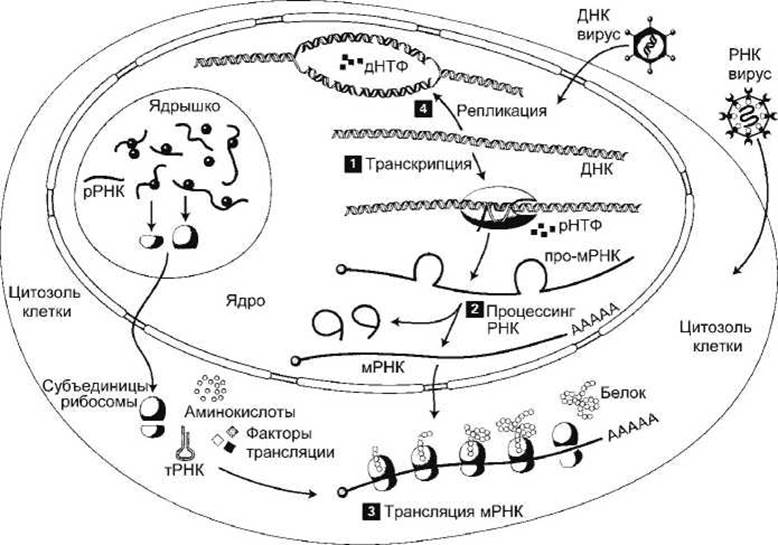
Figure 1 - Generalized diagram of the four core molecular genetic processes
During translation (process 3 in Figure 1) at the ribosome, the mRNA code—written in four nucleic acid bases—is decoded into the amino acid sequence of proteins. This entails translating information from the four-letter language of nucleic acids into the twenty-letter language of proteins, which is precisely why this process is called translation.
Ribosomes are assembled from two subunits, which in turn are synthesized from rRNA and ribosomal proteins in the nucleolus. Upon entering the cytoplasm, the ribosomal subunits bind to mRNA and drive protein synthesis with the aid of tRNA and various translation factors.
During DNA replication (process 4 in Figure 1), which occurs exclusively in cells poised for division, deoxynucleotide triphosphate monomers (dNTP) are polymerized, resulting in the formation of two identical copies of each chromosomal DNA molecule within The Nucleus. Each daughter cell receives one of these identical copies.
Last update: 12/08/2026
Editorial and Educational Adaptation: This material has been compiled based on the primary/original source text. The project team performed an editorial review, corrected technical inaccuracies, structured sections, and adapted the content for an educational format.
What was processed:
- elimination of formatting defects (OCR errors, structural breaks, corrupted characters);
- editorial organization of content;
- standardization of terminology in accordance with academic sources;
- verification of factual statements against the original source text.
All mentions of the author, publication year, and origin of the primary text have been preserved in accordance with the source.