BIOTECHNOLOGY - V. H. Gerasymenko - 2006
Part I. General Biotechnology
CHAPTER 5. FUNDAMENTALS OF GENETIC ENGINEERING
5.1. BIOTECHNOLOGY OF RECOMBINANT DNA CONSTRUCTION
5.1.4. Cloning of Recombinant DNA Molecules
Once introduced into a bacterial Cell via one method or another, a recombinant DNA molecule replicates multiple times within it. As a result of Replication, each hybrid DNA molecule generates a progeny of identical daughter molecules. The repeatedly amplified progeny of a single bacterial cell, characterized by the identity of all its constituent molecules, is referred to as a clone. A DNA fragment, previously obtained by cleaving genomic DNA (e.g., from a eukaryotic Organism) with a restriction endonuclease, is present in pure form within each clonal population, with the DNA vector contained in the hybrid molecule being the only admixture. Therefore, in a narrower sense, a clone is defined as an inserted foreign DNA fragment, previously isolated from its initial genomic environment and present in large copy numbers within a homogeneous population of hybrid molecules as a result of selective propagation. As mentioned above, various DNA fragments carrying different genes can be incorporated into plasmid or viral vectors, leading to The formation of hundreds of thousands of distinct hybrid molecules that, upon propagation, form clonal populations. Each population originates from a single parental hybrid DNA molecule.
When a bacteriophage is used as a vector, the resulting hybrid DNAs—consisting of a eukaryotic genomic DNA fragment and viral DNA—are introduced into E. coli Cells. Recombinant phages replicate extensively inside E. coli cells; their lysis yields a large collection of individual clonal populations known as a clone library.
The next stage is clone identification. The task is to find one or several populations within the clone library that carry the recombinant DNA molecule containing the desired Gene. Clone Selection can be based on traits characteristic of the cloned gene itself or of the vector into which the desired gene has been inserted. Identification is a relatively straightforward Procedure if a gene related to the target one has been cloned previously. The previously cloned DNA fragment is labeled with a radioactive isotope, and the required clone is identified via Hybridization. This approach relies on the fact that, due to nucleotide sequence complementarity, the radioactive DNA will bind preferentially to the targeted cloned DNA fragment. Regarding the Identification of Cloned eukaryotic DNA fragments, hybridization likewise serves as the basis for selection.
Techniques have been developed to isolate mRNA (which serves as a template for the Synthesis of the corresponding protein) and its DNA copy. In cells specialized for synthesizing specific Proteins in large quantities, mRNA is also present at concentrations that make it relatively easy to isolate, along with the DNA copy of the corresponding mRNA, in amounts sufficient for testing the target gene. This method proves successful even when the mRNA constitutes a mere fraction of a percent relative to other messenger RNAs in The Cell. Such an approach can also be employed when existing techniques are insufficient to isolate the mRNA directly. The proposed solution to this problem involves isolating a small amount of the pure protein whose Biosynthesis is directed by the mRNA of interest. Next, the Amino Acid Sequence of this protein is determined, and based on METABOLISM/28.html">The Genetic Code, The nucleotide sequence of the corresponding mRNA and the DNA encoding the analyzed protein is deduced.
At the subsequent stage, small oligonucleotide DNA fragments with the required nitrogenous base sequence are chemically synthesized from individual NUCLEOTIDES. These DNA fragments are subsequently used as probes to identify and isolate the target clones.
An immunological method is also employed for the Structure/126.html">Identification and Selection of clones. In this case, a pure protein encoded by the gene residing within the recombinant DNA in a phage vector is isolated. Upon introducing the hybrid phage vector into a bacterial cell, biosynthesis of small amounts of this protein occurs concurrently with vector replication. The subsequent task is to obtain Antibodies against the target protein and use a preparation based on them to identify and select the clone containing the desired gene.
Identification and selection of the desired clone are also carried out using a specific trait conferred by the plasmid portion of the recombinant DNA molecule. For instance, the recently developed plasmid pBR322 carries genes that confer resistance to tetracycline and ampicillin in Bacteria harboring these Plasmids (Fig. 5.3). Furthermore, Restriction Endonucleases such as EcoRI, HindIII, SalI, and BamHI each cleave this plasmid at a single, precisely defined site. Plasmid pBR322 treated with restriction Enzymes HindIII, SalI, or BamHI loses its inherent ability to confer tetracycline resistance to bacteria containing this plasmid once heterogeneous DNA fragments are inserted into the restriction sites. This phenomenon is termed inactivational insertion or insertional inactivation, while the resistance of these cells to ampicillin is retained. Clones are identified and selected by utilizing the traits of ampicillin resistance and tetracycline sensitivity. Bacterial cells into which the pBR322 plasmid—carrying the resistance genes to these Antibiotics—failed to integrate retain sensitivity to both tetracycline and ampicillin. Cells that took up the pBR322 plasmid without any foreign DNA insert are resistant to both tetracycline and ampicillin. Resistance to both antibiotics is also retained by cells containing a plasmid with a DNA fragment insert within the restriction site formed after plasmid Treatment with the restriction endonuclease EcoRI.
Class="center">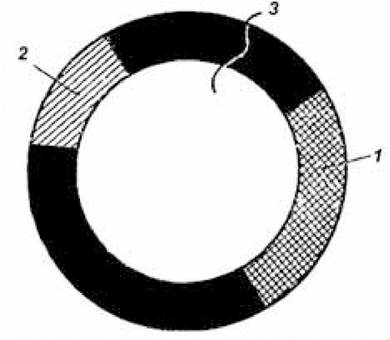
Fig. 5.3. Schematic map of plasmid pBR322
(after Stryer L., 1985):
1 — tetracycline resistance gene; 2 — ampicillin resistance gene; 3 — EcoRI restriction site.
Calculations indicate that only one in 180,000 clones may contain a unique eukaryotic gene. The presence of this gene in a single λ phage plaque can be determined by autoradiography using a radioactive RNA or DNA molecule. The throughput of the autoradiography method is quite high: approximately 1 million clones can be screened per day. It should be re-emphasized that the identification and selection of target clones by autoradiography are possible provided that previously cloned genes related to the target genes, or RNA transcribed from such genes, are available (Stryer L., 1985). For cases where this approach proves unfeasible, other techniques are employed, based on generating a specific assay that allows for the identification and selection of a clone carrying the desired gene.
Fragments obtained by cleaving total DNA from eukaryotic and prokaryotic organisms with restriction endonucleases, which contain genes encoding various proteins, can be used for insertion into vectors to generate recombinant or hybrid DNAs. Bacterial genes involved in the formation of recombinant molecules that are inserted into vectors as DNA fragments can be forced to express. For example, a Tryptophan Operon was found within a DNA fragment obtained by the action of a restriction enzyme on E. coli genomic material. Its cloning as part of a recombinant DNA molecule—consisting of a DNA fragment with the tryptophan operon and the ColE1 plasmid vector—leads to expression.
The presence of five genes encoding The biosynthesis of five enzymes involved in the Formation of the critical essential amino acid tryptophan from chorismate via intermediates such as anthranilate, N-5'-phosphoribosylanthranilate, 1-(O-carboxyphenylamino)-1-deoxyribulose-5-phosphate, and indole-3-glycerol phosphate has been established in the tryptophan operon:

The concentration of enzymes encoded by the tryptophan operon genes incorporated into the ColE1 plasmid vector is approximately 20 times higher than their content synthesized in normal E. coli cells. This is because the copy number of ColE1 plasmid hybrid molecules in an E. coli cell can reach several dozen. Typically, a bacterial cell contains about 25 copies of the ColE1 plasmid, and upon Treatment of the bacterium with the antibiotic chloramphenicol, the number of ColE1 plasmids increases, reaching up to 1,000 copies. The MECHANISM OF ACTION of chloramphenicol involves blocking Protein Biosynthesis and bacterial Chromosome replication processes; however, replication of ColE1 plasmid DNA in the presence of the antibiotic is not disrupted.
A common property of colicinogenic plasmids, including ColE1, is the lack of strict control over their replication. There is evidence demonstrating the possibility of expressing genes derived from Yeast in bacterial cells. For instance, an E. coli mutant requiring a Histidine-enriched growth medium for its growth became independent of exogenous supplies of this amino acid upon transformation of the auxotrophic cell with a recombinant DNA molecule consisting of a yeast DNA fragment and λ phage. Confirmation that the gene encoding the enzyme imidazolylglycerolphosphate dehydrogenase—inserted into λ phage as part of a yeast DNA fragment—was indeed expressed is provided by The conversion of the E. coli mutant into a cell independent of external histidine supplies. As for mammalian genes, data indicate that bacteria are incapable of expressing eukaryotic genes containing introns. As noted earlier, unlike prokaryotes, eukaryotic genes are not continuous structures.
In this regard, the RNA molecule resulting from Transcription (the primary transcript) undergoes a maturation stage (Processing) before reaching the Cytoplasm, during which the synthesized RNA molecule is enzymatically cleaved into separate fragments. Some of the resulting fragments are joined together (spliced), while a large portion of The nucleotide sequences is eliminated from the primary transcript during processing. As a result, mRNA is produced from the primary transcript. However, in a bacterial cell,
there is evidently a lack of machinery to ensure the Processing of the primary transcript. Therefore, even assuming that a eukaryotic gene is expressed in a bacterial cell, the protein resulting from the Translation of unprocessed mRNA will not be identical to the one that would be produced by the expression of the same gene in a Introduction/5.html">Eukaryotic Cell.
A way out of this situation can be achieved by incorporating a eukaryotic DNA fragment complementary to mature mRNA into a plasmid or viral vector during the construction of recombinant molecules. A practical solution to this issue became possible after reverse transcription of mRNA using the enzyme Reverse Transcriptase (RNA-dependent DNA polymerase) was established. Reverse transcriptase is encoded by The Genome of RNA-containing Viruses that induce tumor growth.
To address problems in molecular biology and Genetic Engineering, reverse transcriptase is primarily isolated from the avian myeloblastosis virus. A crucial property of reverse transcriptase is its ability to synthesize a complementary DNA strand using an mRNA template, creating a hairpin-like structure on this DNA strand. This structure is subsequently used as a primer by another enzyme, DNA polymerase, to synthesize the second DNA strand. It is also worth noting that reverse transcriptase is not only encoded by the RNA genome of tumor-inducing viruses, but is also found in normal mouse and human cells, where it likely performs a specific housekeeping function.
Artificially synthesized on a processed mRNA template, a copy of double-stranded complementary DNA (cDNA) contains continuous Genetic information, meaning it is an intronless artificial gene. The coding region of the egg albumin (Ovalbumin) gene consists of eight distinct segments separated by introns located at various sites within the genome. Ovalbumin mRNA, whose nucleotide sequence has been decoded, contains all the information regarding ovalbumin, which consists of 387 amino acid residues. Reverse transcription of ovalbumin mRNA yielded a cDNA whose expression within a recombinant DNA construct in E. coli cells produces about 1.5% ovalbumin, a significant portion of which is secreted from the cell.
An example of obtaining an intronless gene necessary for cloning is the creation of cDNA using the mRNA template of preproinsulin, the precursor of the biologically active hormone Insulin. It was known that insulinoma cells (a pancreatic tumor) synthesize large amounts of insulin and contain a relatively high concentration of preproinsulin mRNA, from which introns have been removed during processing. The expression of recombinant DNA—created by inserting the cDNA encoding the intronless preproinsulin mRNA into a plasmid vector within E. coli cells—allowed researchers to answer two key questions. First, it proved the feasibility of expressing mammalian genes in bacterial cells. Second, the biotechnological method for producing insulin to meet practical medical needs proved much more cost-effective than the previously developed chemical synthesis method.
If The amino acid sequence of a protein is known (and its biotechnological production is planned), the chemical-enzymatic synthesis of the gene is carried out concurrently with Genetic Methods, following a technique pioneered by Nobel laureate H. Gobind Khorana (1969). To achieve this, oligonucleotide sequences are synthesized chemically and then joined together using the enzyme ligase, resulting in the nucleotide sequence of DNA that encodes the biosynthesis of the proinsulin protein.
The chemical-enzymatic synthesis of genes encoding small Proteins can be significantly accelerated by utilizing "gene machines" (Fig. 5.4), which automate the Synthesis of specific DNA sequences.

Fig. 5.4. Diagram of a "gene machine"
(after Hopwood D., 1984)
The base sequence corresponding to the amino acid sequence of the protein to be produced via biotechnological synthesis is entered into a keypad control panel. Via microprocessor-activated Valves, a pump delivers the necessary synthesis components into the synthesis Column. Small silica beads packed inside the column serve as a solid support on which the polynucleotide sequence is assembled (B). Before filling the synthesis column with the beads, nucleotides (T) are pre-attached to them, leaving their 6'-ends free. Introduced into the column via microprocessor control, the next portion of nucleotides (A)—whose 6'-ends are protected from undesired interactions by a blocking agent—reacts via its 3'-position with the 6'-end of the nucleotide attached to the bead. Before reacting with the subsequent nucleotide (C), the 6'-end of the newly attached A nucleotide is deblocked, creating the necessary conditions for the attachment of a new G nucleotide. The "gene machine" synthesizes chains up to 40 nucleotides in length at a rate of one nucleotide every 30 minutes. The finished single-stranded DNA sequences are cleaved from the beads and eluted into a collector (Hopwood A., 1984). For the expression of the chemically-enzymatically synthesized gene, it is transferred into a plasmid vector along with regulatory regions that ensure gene activity. The resulting recombinant DNA molecule is then introduced into bacterial cells via transformation to obtain a strain that produces proinsulin, which is subsequently processed into insulin. This method was successfully used to obtain commercial insulin preparations in the USA and at the USSR Academy of Sciences Institute of Bioorganic Chemistry under the direction of Academician Yu. A. Ovchinnikov.
Cloning of synthetic DNA was traditionally carried out by inserting double-stranded fragments into a vector DNA, where both strands were synthesized chemically or chemically-enzymatically, or one of the strands was obtained enzymatically.
The Institute of Cytology and Genetics of the Siberian Branch of the USSR Academy of Sciences demonstrated the fundamental feasibility of cloning single-stranded synthetic DNA without the additional assembly of a second complementary strand. For this cloning, the authors used a single-stranded polynucleotide consisting of 93 nucleotide residues, which included the leader sequence of the human fibroblast interferon gene. First, three polynucleotide fragments consisting of 15, 38, and 43 nucleotide residues, respectively, were synthesized chemically. These fragments were then joined together. The Essence of the method is that the polynucleotide chain is assembled by ligating synthetic fragments onto short complementary oligonucleotide "splints" or "pads," rather than relying on a continuous complementary strand.
The insertion of the 93-residue polynucleotide into the plasmid pBR327—which had been previously linearized with EcoRI and HindIII restriction enzymes—was performed in the presence of oligonucleotides consisting of 20 and 16 nucleotide residues, complementary to the 5'- and 3'-ends of the 93-residue polynucleotide, respectively. The 16-residue oligonucleotide served as a "splint" during the ligase joining of the 93-residue polynucleotide to the plasmid vector.
By completely chemically synthesizing only one strand of the cloned DNA, this method eliminates the need to synthesize the second complementary strand. Consequently, it saves labor, time, and the Reagents required to synthesize and ligate the second strand.
Last update: 11/08/2026
Editorial and Educational Adaptation: This material has been compiled based on the primary/original source text. The project team performed an editorial review, corrected technical inaccuracies, structured sections, and adapted the content for an educational format.
What was processed:
- elimination of formatting defects (OCR errors, structural breaks, corrupted characters);
- editorial organization of content;
- standardization of terminology in accordance with academic sources;
- verification of factual statements against the original source text.
All mentions of the author, publication year, and origin of the primary text have been preserved in accordance with the source.