Antibiotics (Properties, Application, Interaction) - M.P. Cherenko 1999
A Brief Outline of the History of Surgery
Surgery derives its name from two Greek words: chire, meaning "hand", and ergo, meaning "work". In ancient times, surgery was regarded as manual labor and considered a craft. Over the years, it evolved, improved, and transformed into a true science that holds a prominent place among other medical disciplines. As early as the ancient Sushruta Samhita, it is noted that "surgery is the first and best of all medical sciences, a priceless gift of heaven, and an eternal source of glory."
In his book Guide for Those Studying Surgery in the Anatomical Theatre, published about three centuries ago (1710), Professor and long-serving HEAD of the Moscow medico-surgical school (1707–1735) N. Bidloo noted that surgery is "a subject created by experience based on the knowledge and Study of the well-formed human body, aimed at restoring and preserving bodily form and beauty that have been unnaturally altered by accidental diseases. This is achieved through the external application of hands, the internal use of medicines, as well as instruments."
In his view, surgery is divided into two parts: theory and practice. Theory is "surgical instruction, a historical exposition of all Diseases of the human body, in order to understand what a disease is, its essence, The Diversity of its manifestations, and its course. Practice is when that which we speak of, explain, and understand theoretically is executed with our hands and instruments, utilizing all Methods suitable for curing any illness."
Surgery is as old as humanity itself. Since ancient times, humans have had to cope with injuries sustained in battles with adversaries or wild beasts, learn how to heal and suture wounds, remove arrows or spearheads, reduce dislocations, and treat fractures. In museums, one can see Stone Age skulls—discovered during excavations in Egypt, Southwestern Europe, Scandinavia, Peru, and Polynesia—bearing traces of trepanation that indicate the patients survived for a considerable time after the Procedure.
At the same time, according to certain philosophers and historians (such as Jean-Jacques Rousseau and Richter), primitive humans had no need for medical assistance. They believed that the life of early humans was spent in complete harmony with nature, whose generous gifts they enjoyed carelessly, maintaining good health and remaining free from disease and suffering.
However, science has proven that there was no such "golden age" in our past; primitive humans lived hard lives and were in a constant struggle against the hostile forces of nature.
Harsh living and foraging conditions caused various ailments in primitive humans. Skeletons of people who lived in antiquity frequently show evidence of past illnesses and surgical interventions.
The slave-owning era was characterized by a more intensive development of productive relations compared to the primitive communal system. This created opportunities for the division and specialization of labor, the rise of various crafts, and The Emergence of professional artisans in society, including physicians. The invention of writing (cuneiform, hieroglyphs) further facilitated the compilation of medical texts and treatises.
The foundational principles of surgery were laid by physicians in Ancient India, Egypt, China, Greece, and Rome. Ancient India boasted universities and established medical training. As early as 100 BCE, Indian practitioners used hot irons to cauterize fistulas, and bleeding was controlled using tight bandages. The ancient Indian method of nasal reconstruction (rhinoplasty) has retained its relevance to this day. Professional surgeons in Ancient India possessed a deep understanding of human anatomy and utilized about 120 steel instruments. They mastered suture techniques using flax threads and Hair, and were even capable of suturing intestinal wounds. Sushruta famously used black ants for this purpose: the ants would clamp the wound edges with their mandibles, after which their bodies were snipped off. This method remained in use until the 11th century.
During the same period in India, the dissection of both Human and Animal corpses was strictly prohibited. Consequently, physicians honed their surgical skills on wax-covered boards, succulent plants, and vegetables.
Ancient Hebrews considered even touching a corpse to be a great sin. Unfortunately, it is difficult to assess the state of Jewish medicine of that era, as the ancient Hebrews left behind no medical treatises.
As evidenced by The Study of mummies and papyri, by 1000 BCE ancient Egyptians were already capable of performing amputations, trepanations, and other complex Procedures, utilizing mandrake ROOT or Indian hemp infusions for anesthesia.
Surgery achieved an equally high level of development in Ancient China. Many tenets of Chinese medicine endured for centuries, and acupuncture methods remain significant to this day.
Ancient Assyrians and Babylonians were distinguished by a high level of culture and medicine, including surgery.
Surgeons of that era already performed complex operations, for which they received generous rewards if successful. However, they were severely punished for negative outcomes. Papyri from that period state: "If a physician performs a major operation on someone with a bronze knife and causes the patient's death, or if he destroys a patient's eye while removing a cataract, his hands shall be cut off."
Substantial scientific works on medicine (including surgery) have been discovered in Ancient Greece. The authority of Greek scholars remained unquestioned worldwide for many centuries.
Despite the prohibition against human dissection—driven by religious beliefs and aversion—surgery in Greece attained a high degree of development.
When discussing ancient Greek surgery, one cannot omit the renowned physician Hippocrates (Fig. 1). Lacking precise knowledge of human anatomy and physiology, Hippocrates empirically laid the foundational principles of scientific surgery. He developed rational Treatment methods for wounds and fractures, described tetanus, identified Sepsis, and reduced dislocations, among other achievements. Before performing operations, Hippocrates demanded scrupulous cleanliness from physicians and thorough shaving of the surgical field. During interventions, he used boiled and filtered Water, clean linen, Sponges, dry leaves, wine, alum, and copper salts. For fractures, he utilized immobilization with splints and traction. Hippocrates operated with copper instruments, as the Greeks of his time were unacquainted with steel.
How seriously Hippocrates viewed the medical profession is reflected in one of his aphorisms: "Vita brevis, ars longa, tempus praeceps, experimentum periculosum, judicium difficile" ("Life is short, art is long, opportunity fleeting, experiment perilous, judgment difficult").
There is a stark contrast between this aphorism and the later assertion of the Asclepiadean school (126–56 BCE) that art is short and life is long. Embracing this scientific nihilism, Asclepiades' pupil Thessalus concluded that medicine could be mastered in just six months. Unsurprisingly, graduates of this school came to be derisively known as "Thessalus's asses."
Following the Roman conquest of Greece, Greek culture and economy entered a period of decline, with Rome emerging as the new center of science. Medical progress during this era is closely associated with the names of Celsus (25 BCE–50 CE) and Galen (130–210 CE). Although Celsus was not a practicing physician, his writings contain descriptions of vessel ligation and the four classical signs of inflammation: "Notae verae inflammationis sunt quatuor: rubor et tumor, cum calore et dolore"—meaning redness and Swelling, accompanied by heat and pain.
Galen controlled bleeding not only by ligating vessels with silk threads or catgut but also by twisting them. He was the first to study The Mechanism of callus formation in bone fractures.
Galen authored anatomical atlases based primarily on the dissection of apes and pigs, and only occasionally human cadavers. It is hardly surprising, therefore, that these works contained numerous inaccuracies.
The slow progress of anatomical science during this period is often attributed to the Church's hostility toward human dissection. However, this does not accord with historical reality. Professor L. Morokhovitz of Moscow University wrote in his work History and Correlation of Medical Knowledge: "The ban on performing autopsies applied exclusively to monks. Popes did not forbid secular individuals from performing dissections, as evidenced by the charters of many universities."
Michelangelo Buonarroti, with the permission of the prior, maintained a dedicated dissection room for corpses at the Monastery of the Holy Spirit in Florence.
In France in 1367, the dissection of executed criminals was officially authorized.
The Middle Ages in Europe were characterized by a decline in science. During this period, Arabic medicine achieved the highest level of development. Unfortunately, religious prejudices among the Arabs hindered the progress of operational surgery. Many achievements of ancient culture, including surgery, were forgotten.
Prominent figures of the Arabic school included Abulcasis (early 12th century) and Ibn Sina (980–1037), known in Europe as Avicenna. The former emphasized The Role of air in wound infection, widely used primitive "ant-gut" sutures, applied red-hot iron as a hemostatic agent, and noted the antiseptic properties of wine.
Class="center">
Fig. 1. Hippocrates (460–377 BC)
Ibn Sina authored numerous works on medicine, of which his The Canon of Medicine was the most popular. He also left behind extensive writings across various fields of knowledge, including philosophy, mathematics, physics, astronomy, and chemistry. As a great scholar, his name rightfully stands alongside such luminaries of science as Hippocrates and Galen.
During the Middle Ages in Western Europe, The Development of medicine and surgery began in Italy and France, and somewhat later in England and Germany. An important milestone in this process was the founding of universities in Padua, Salerno, Cambridge, and Oxford (13th century), Prague, Vienna, and Kraków (14th century), and Leipzig (15th century).
At that time, official university science recognized only internal medicine. Surgery was not taught in most universities; graduating physicians had to take an oath promising not to practice surgery. Instead, surgery was left to barbers and bathhouse attendants who lacked any specialized training. Consequently, the level of surgery plummeted to the status of a craft restricted to bloodletting, cupping, tooth extractions, enemas, and the lancing of abscesses. Nevertheless, many talented individuals emerged among the barbers, who continuously improved their skills and eventually transitioned from the barbers' guild to the surgeons' guild. The most comprehensive synthesis of medieval surgical experience in the 16th century was provided by Ambroise Paré, the founding father of surgery of that era, who himself had started out as a military barber.
For over two millennia, leading up to the early capitalist era, surgery remained rooted in empirical foundations. The capitalist socio-economic system, which gradually dismantled feudalism, fostered more favorable conditions for cultural progress. In the 16th century—historically known as the Renaissance—the power of the church waned, and its influence on science diminished. This period witnessed a series of discoveries of monumental importance for the development of medicine in general and surgery in particular. The works of Leonardo da Vinci and Andreas Vesalius laid the foundations of anatomy. Harvey discovered Blood Circulation (1628), and Leeuwenhoek invented the Microscope. A prominent figure of the 16th century was the French surgeon Ambroise Paré (1517–1541).
Ambroise Paré was already working as a military surgeon at the age of 20. Endowed with keen powers of observation, he made significant discoveries. During a battle in 1537, when supplies of the conventional boiling oil used to treat wounds ran out, he substituted a mixture of egg yolks, rose oil, and turpentine. After a sleepless night spent at the bedside of his patients, he was astonished to observe that the General condition of these wounded men and the appearance of their wounds were far superior to those treated with boiling oil. This led him to conclude that hot oil had a detrimental effect on wound healing and that the method should be abandoned. Later in his practice, in 1552, Paré replaced the traditional cauterization of bleeding vessels with hot irons by ligating the vessels with thread—a technique that had been entirely forgotten since the days of Celsus.
Paracelsus was a contradictory figure—an outstanding scientist who traveled the world and gained vast practical experience by participating in wars. He advocated treating wounds with astringents and prescribed various tonics to improve the patient's general condition.
Despite Paracelsus's undeniable scientific and revolutionary insights, his views contained a great deal of superstition and prejudice. For instance, according to his interpretation, The Human Body was governed by an "astral body" located in The Stomach and Brain. Paracelsus was in constant conflict with university professors and authorities; he lectured in German rather than Latin and was forced to wander across Europe without ever settling anywhere for long. He studied chemistry with particular zeal, constantly searching for novel chemical preparations to treat diseases. The whimsical nature of his remedies is illustrated by his concoctions for treating wounds, which included an ointment and a wine. The ointment was supposed to contain fat derived from the bodies of hanged criminals, while the wine was to be brewed with earthworms.
A positive aspect of Paracelsus’s work was that he began studying occupational diseases among workers and contributed many novel insights to the understanding of the wound healing process.
In Russia, the reforms of Peter the Great exerted a considerable influence on the development of medicine, and particularly surgery. Peter the Great himself took a keen interest in surgery, constantly carrying a set of surgical instruments with him. Although not a physician, but merely an amateur surgeon, he performed incisions, laparotomies, and tooth extractions himself.
By decree of Peter the Great dated May 25, 1706, a hospital was built along the Yauza River, which became the first medical school, or medico-surgical college, in Russia. It was here that medicine and surgery were first formally taught.
In 1755, on the initiative of Mikhail Lomonosov (1711–1765), Moscow University was established, destined to play a prominent role in the development of both Russian and world science. According to Lomonosov's plan, Moscow University included a medical faculty "to increase the number of Russian surgeons and doctors in Russia, of whom there are very few."
Under its charter, the medical faculty of Moscow University was granted the right to confer the degree of Doctor of Medicine. This academic degree was first awarded in 1794 to Khoma Borsuk-Moiseiev, an alumnus of the Kyiv Academy.
During the first half of the 19th century, Russia achieved significant progress across various branches of science. Several universities with medical faculties were opened during this period: in Vilna (Vilnius) in 1803, in Kazan in 1804, in Yuryev (Tartu) in 1814, and in St. Petersburg in 1819. The medico-surgical colleges in St. Petersburg and Moscow were transformed into medico-surgical academies, where the teaching of anatomy and surgery held a position of high honor.
In the 18th century, world surgery took a major leap forward. The ESTABLISHMENT OF THE Academy of Surgery in Paris (1731) was of paramount importance, marking the formal recognition of surgery as a science.
Throughout the 18th century and the first half of the 19th century, surgery outpaced internal medicine in its level of development. This was because practitioners of internal medicine still clung to outdated dogmas, whereas surgeons grasped the immense value of pathomorphological research for operative technique and adopted Research Methods utilized in clinical therapeutics.
The 19th century arrived, bringing with it the intensive development of capitalism. Driven by scientific discoveries and inventions, industry progressed rapidly. Concurrently, biological science flourished, laying a solid foundation for medicine.
One would think all conditions were in place for the rapid advancement of theoretical and practical surgery. Yet, this did not happen, hindered by three major obstacles: the lack of effective methods to combat pain, the inability of surgeons to prevent wound infections, and the inability to stop bleeding and replenish blood loss. As a result, the Outcomes of surgical interventions in the first half of the 19th century were significantly worse than those in the latter half of the 18th century. This was caused by a combination of factors: hospitals were overcrowded, staggering negligence prevailed, and treatments frequently did more harm than good. Erysipelas, septicemia, and gangrenous infections ran rampant in surgical wards, while hundreds of women died of puerperal fever in maternity hospitals. In one Viennese clinic, every single woman in labor died of infection over a certain period. Surgeons did not wash their hands before operations, nor did obstetricians wash theirs before deliveries—doing so only afterward. Overall postoperative mortality reached as high as 80%.

Fig. 2. Joseph Lister (1827–1881)
These horrific outcomes of surgical operations were primarily due to a complete ignorance of bacteriology and the fundamentals of antisepsis and asepsis.
A breakthrough in this regard was achieved only after Louis Pasteur’s discoveries and the Introduction in 1867 by the British surgeon Joseph Lister (Fig. 2) of a scientifically grounded system of measures aimed at preventing infectious wound complications. The latter is rightfully credited with the discovery of antiseptics.
In the late 19th century, alongside antisepsis, Bergmann and Schimmelbusch introduced the antiseptic method into surgical practice, which was aimed at preventing the penetration of infection into the wound.
The further development of surgery is closely associated with the introduction of inhalation anesthesia into clinical practice.
In 1800, the British chemist Davy proposed using a gas he had discovered—nitrous oxide ("laughing gas")—for pain relief during various procedures and surgeries. However, it took 40 years before the British dentist Wells began using it for tooth extractions. The failures that accompanied these procedures led to a mental breakdown, and Wells eventually committed suicide. This occurred in 1848. A more fortunate figure was another dentist, the American Morton, whose name is forever linked to the advent of ether anesthesia.
Fig. 3. N.I. Pirogov (1810–1881)
On October 16, 1846, J. Warren, a leading surgeon at the University of Massachusetts, performed the world's first tumor removal surgery on the neck under ether anesthesia.
In 1847, the British obstetrician-gynecologist Simpson proposed yet another anesthetic agent—chloroform—for pain relief during childbirth.
The late 18th and early 19th centuries saw the elimination of the third major obstacle to the development of surgery: surgeons learned how to combat blood loss. This was facilitated by unlocking the secrets of blood. In 1909, a new property of blood was discovered. The Viennese bacteriologist K. Landsteiner established that human blood is divided into three groups based on its serological properties. The work initiated by Landsteiner was completed by the Czech scientist Jan Janský, who identified the fourth blood group (IV).
Following the introduction of asepsis and antisepsis, anesthesia, and blood transfusion into surgical practice, surgery began to develop at a rapid pace.
A crucial role in the development of surgery In the second half of the 19th century was played by N. Pirogov (1810–1881; Fig. 3). First and foremost, he is renowned as an outstanding surgeon and the founder of military field surgery. His book *The Basics of General Military Field Surgery* is still considered a first-class work today. In it, he emphasizes Structure/19.html">The Importance of triage for the wounded, demands the immobilization of injured limbs—applying plaster casts for this purpose—and was the first to enlist women to provide medical care in wartime. Even before Louis Pasteur, he hypothesized that purulent wound complications were caused by living pathogens, which he termed "miasms." Consequently, he established specialized wards in his clinic for patients infected with "hospital miasms."
Pirogov pioneered bone plastics and developed methods for vascular ligation (his doctoral dissertation was devoted to the ligation of the Abdominal Aorta for an aneurysm in the inguinal region). Pirogov also made a tremendous contribution to the development of topographic anatomy.
Since the time of Pirogov, Russian surgery firmly found its footing and contributed a wealth of novel, instructive, and original insights to the treasury of world surgery.
Following Pirogov's death, his body was embalmed and is currently preserved in a special sarcophagus inside a small church in the village of Vyshnia, in the Vinnytsia region, on the estate where the great surgeon spent his final years. The house where Pirogov lived now serves as a memorial museum.
The First World War brought about a stagnation in the development of civilian surgery, temporarily heightening interest in military field surgery instead. Yet time marched on. Today, Operations on the Skull,
chest, Lungs, and Heart represent monumental achievements. Every year, surgeons rescue thousands of people from certain death.
The 20th century presented the world with brilliant scientists. The names of Fedorov, Oppel, Spasokukotsky, Bakulev, Kehr, Körte, Trendelenburg, Lexer, Sauerbruch, Billroth, Kocher, the Mayo brothers, Crile, and many others are associated with major breakthroughs across various fields of surgery.
And although many questions and challenges in modern surgery still require further improvement and comprehensive study, it has already reached a level of development that our teachers and predecessors could only dream of.
To what does surgery owe its explosive development in recent years? Primarily to advancements in natural sciences and technology. In its forward march, it widely leverages new discoveries in biology, anatomy, physiology, pharmacology, chemistry, electronics, and other sciences.
The introduction of novel pain management techniques—enabling complex interventions with minimal risk—alongside new medical equipment and instruments, has exerted an exceptional impact on the evolution of surgery. A modern, skilled surgeon is a physician with a broad outlook who seamlessly integrates surgical expertise with knowledge of pharmacology, physiology, internal medicine, anatomy, biochemistry, and more.
The Development of Surgery in Ukraine
In Kievan Rus, there was no organized medicine headed by professional physicians. Among city dwellers of various professions, there were individuals who practiced healing. For most of them, this was not a primary occupation, but a supplementary source of income. Only with the growth of urban populations (during its peak, the population of ancient Kyiv reached 100,000) did the demand for medical care rise, facilitating the emergence of a significant number of people for whom healing became their main profession, often passed down hereditarily. The foundation of these artisan-physicians' knowledge was centuries-old folk empirical medicine tinged with mystical elements. Even in those times, some "specialized" in treating wounds, fractures, and bloodletting (phlebotomists), while others focused on dental charms (tooth-pullers), eye treatments, and obstetric care, among other practices.
Early legal codes (such as *Russkaya Pravda*, 11th century) mention physicians and remuneration for their medical services.
Alongside indigenous artisan-physicians, foreign practitioners from Western and Eastern countries also practiced at certain princely courts and in major cities. They introduced our healers to the therapeutic methods of their own lands and, in turn, adopted our remedies, particularly The Use of medicinal plants.
Princess Olga paid due attention to medical practice. She founded hospitals in Kyiv and entrusted the care of the sick to women. Prince Vladimir the Great in 996 and Prince Yaroslav the Wise in 1096 formally vested monasteries with the right to provide medical care.
Following Greek Examples, shelters for the sick and disabled were established at monasteries and large churches, most notably the Kyiv-Pechersk Monastery. Among the monks, certain individuals stood out who dedicated themselves specifically to caring for the sick and treating them. Naturally, they considered prayer to be the primary medicine, yet they also resorted to traditional folk remedies.
The Kyiv-Pechersk Patericon has preserved accounts of Agapetus, a monk who practiced healing at the Kyiv-Pechersk Lavra in the XI century.
The first prominent female physician in Ukraine was Yevpraksiia Mstyslavivna, the granddaughter of Volodymyr Monomakh. Born in 1108, she was raised at the princely court and received an encyclopedic education. She began her medical practice as a young girl and successfully treated patients from all over Kyiv. Following her marriage to a Byzantine prince in 1152, she continued her medical education under the guidance of the finest physicians of the Byzantine Empire. Yevpraksiia set down her experience and knowledge in her medical treatise Ointments, as well as the earliest scholarly work in Rus' written in the Ukrainian language, which serves as a unique encyclopedia of contemporary medical knowledge. Today, this book is preserved in the Biblioteca Medicea Laurenziana in Florence, Italy.
During the flourishing era of Kievan Rus', there were also specialized medical texts that provided information on the treatment of diseases, drawing both on the centuries-old empirical experience of our people and on written sources from ancient scholars imported from other countries.
The earliest case of Surgical treatment mentioned in written sources is the "rezanʹye zhelve"—that is, the excision of a tumor—performed in 1076 on Svyatoslav Yaroslavych.
Between 1237 and 1243, all the lands of Kievan Rus' fell under severe Tatar-Mongol subjugation. The profound decline in the economic and cultural life of the people did not foster the development of medicine during that period. The western Ukrainian lands of Volhynia and Galicia suffered the least from the nomads.
During the nomad invasions, the number of people who were disabled, ill, or in need of care and surgical assistance increased significantly. However, a profound general decline in the economic and cultural life of the population hindered the advancement of medical practice. Ties with Byzantium and the southern and western Slavic nations were also severed.
In the XIII century, in Lviv—which was not occupied by the Tatar-Mongols—medicine continued to evolve, and the first public hospitals were established.
In the XIV century, relatively favorable conditions for the development of medicine took shape in Rus'.
In the XV century, the training of physicians began at the University of Cracow, and later at the Zamość Academy (in the town of Zamość near Lviv). The academy featured a 40-bed hospital and remained in operation for 190 years.
Despite the modest capabilities of the medical faculties in Cracow and Zamość, they played a positive role in spreading scientific medical knowledge among the population of our lands. The number of graduates from these schools, particularly Ukrainians and Belarusians, was small. Some of them, having attained the title of licentiate in medicine, continued their studies at Italian universities, where they earned doctoral degrees in medicine. Among them were Yuriy Kotermak-Drogobych, Georgi Francisco Skaryna, and Pylyp Lyashkovsky.
In 1445, the first pharmacy in Ukraine was established in Lviv. In the XVII century, similar pharmacies were opened in Chyhyryn, Kyiv, and Nizhyn.
The first higher education institution in Ukraine was the Kyiv-Mohyla Collegium, founded in 1671 by Petro Mohyla through the merger of the Kyiv Brotherhood School and the school of the Kyiv-Pechersk Lavra.
In 1701, it became the Kyiv Academy. Many of its alumni became renowned scholars and pioneers of medicine, notably Nestor Maksymovych-Ambodik, Andriyevsky, and Shumlyansky. The number of hospitals and infirmaries grew, with the opening of a government military hospital in Kyiv, as well as state hospitals in Kremenchuk, Poltava, Romny, and Lubny.
In royal Poland and the Ukrainian lands under its control, medical practice remained outside the attention and control of state authorities. The broad masses of the population were served not by certified physicians, but by artisan healers known as barbers.
A copy of an XVIII-century barbers' guild statute is preserved in the Kyiv Central Archive. It outlined The Scope of their activities as follows: "The aforesaid craft of barbers shall consist of the following: shaving, bloodletting from Veins and Skin, healing slash and gunshot wounds, and particularly pulling Teeth, curing the French and scabby diseases, applying blister plasters, and sharpening razors." As we can see, all of traumatology, the treatment of venereal and skin diseases, and dental care fell within the competence of barbers.
In addition to guild barbers, many individuals engaged in medical practice in large cities who, for one reason or another, did not belong to the guilds. They were referred to as "partachy" (unauthorized practitioners). A constant struggle persisted between these groups.
Following the abolition of serfdom, the provision of medical care to the rural population was concentrated in the *zemstvo* boards, where the leading role belonged to the gentry landowners. In Ukraine, the *zemstvo* system was initially introduced on the Left Bank and only in 1905 on the Right Bank.
The widespread occurrence of various epidemic diseases in villages and the high mortality rate among the population, especially children, compelled the newly established *zemstvo* boards to turn their attention to healthcare. Physicians began to be recruited to serve the rural population. They were expected to provide medical assistance across all branches of medicine, including surgery. These doctors later developed into such prominent surgeons as O. Bohayevsky, B. Kozlovsky, and L. Malynovsky.
Zemstvo surgery facilitated the spread of surgical care to the broader population. Prominent surgeons who performed complex operations emerged within small *zemstvo* hospitals.
In 1805, Eastern Ukraine welcomed its own university, which opened in Kharkiv and included a medical faculty. In 1834, a university was opened in Kyiv, where the first therapeutic and surgical clinics were organized in 1844.
During the first half of the XIX century, the faculty of the medical department at Kharkiv University included few prominent specialists. Most of them were mediocre instructors who confined themselves to reading lectures from notes whose content remained unchanged for many years; disciplines were taught purely on a theoretical basis. As late as 1850–1855, pathology and surgery were taught in Latin, which hindered students' comprehension of these subjects. Attendance at such lectures was low. In the lecture log of the professor of pathology and therapy, I. Reypolsky, there is the following entry: "The lecture took place, but there were no listeners."
In the second half of the XIX century, the surgical clinics of the medical universities in Kharkiv and Kyiv became true centers of surgical science and practice in Ukraine. The teaching of surgery here is associated with the names of such renowned scholars as V. Grube, V. Karavayev (Fig. 4), Yu. Shimanovsky, M. Volkovych (Fig. 5), and others.
In 1865, a university was opened in Odesa.
Six years after the founding of the University of Kyiv, its medical faculty was opened. A therapeutic and a surgical clinic, each with 20 beds, were organized, which immediately had a positive impact on the activities of the newly established faculty. Most importantly, the leading departments of the medical faculty were headed by distinguished scholars.
For 48 years, the Department of Surgery at the Medical Faculty of Kyiv University was headed by V. Karavaiev, a student of N. Pirogov.
Working alongside V. Karavaiev was the talented surgeon and scientist Yu. Shimanovsky, who taught surgical anatomy and operative surgery.
Among the heads of the surgical departments at Kyiv University, N. Volkovych deserves special mention. He was the founder and chairman of the Kyiv Surgical Society.
Apolinariy Podrez, an innovative surgeon and alumnus of Kharkiv University, gained widespread renown. He was a pioneer in cardiac surgery and is considered one of the founders of the combined use of asepsis and antisepsis.
Prominent surgeon-scientists such as K. Serapin, M. Lisenkov, K. Sapezhko, and A. Shchoholiv worked at the Medical Faculty of Odesa University.
Following 1917, the development of a network of therapeutic and preventive healthcare institutions unfolded across Ukraine. After the end of the Civil War, particular attention was paid to organizing surgical care for Donbas coal miners, heavy industry workers in the Dnipropetrovsk and Kryvyi Rih regions, and, above all, to establishing trauma care services. A leading role in this regard belonged to the Kharkiv Orthopedic and Traumatology Institute, which long served as the methodological center for organizing trauma care in Ukraine.
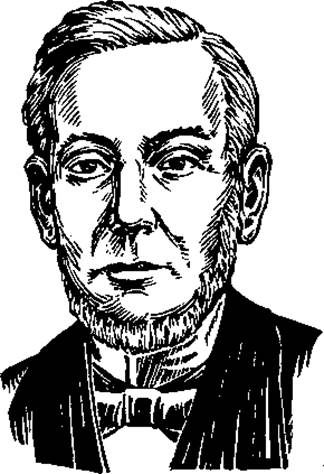
Fig. 4. V.O. Karavaiev (1811–1892)
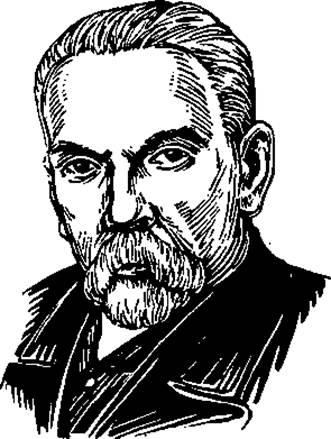
Fig. 5. M.M. Volkovych (1858–1928)
Significant efforts were undertaken nationwide to organize emergency medical care, particularly for surgical conditions. As early as the 1930s, this service reached a high standard in major cities and industrial centers. In the postwar years, special focus was placed on establishing such care in rural districts, where surgical departments headed by qualified surgeons were established. In cases of complex diagnostic challenges or demanding surgical interventions, district surgeons could use air ambulance services to summon a consultant from the regional center or transfer the patient to a specialized facility.
Blood transfusion institutes were established in Kharkiv in 1930 and in Kyiv in 1934. These institutions advanced blood preservation techniques, investigated the viability periods of erythrocytes and leukocytes, and for the first time established the importance of measuring erythrocyte resistance as a biological criterion for the preservation of stored blood.
New surgical schools emerged across the country, associated with the names of such prominent surgeons as N. Volkovych, O. Krymov (Fig. 6), O.O. Vishnevsky, B.V. Petrovsky, I. Ishchenko, M. Kolomyichenko, and others.
Ukrainian surgeons, working alongside medical professionals of other nationalities, took an active part in our people's heroic struggle against Nazi Germany. Thanks to their dedicated efforts, 72% of the wounded were successfully returned to active duty. Medical care at the front lines was organized on a staged evacuation principle, first developed during World War I by Professor V. Oppel of the Military Medical Academy in Leningrad.
During the Great Patriotic War, a vital role in directing surgical operations was played by the Chief Surgeon of the Soviet Army, N. Burdenko; the Chief Surgeon of the Soviet Navy, Yu. Dzhanelidze; and front and army surgeons such as M. Elansky, P. Kupriyanov, M. Akhutin, S. Banaitis, and I.M. Ishchenko. Nevertheless, the main burden of the work was borne by thousands of rank-and-file medics who performed complex surgical operations under enemy fire. Hundreds of thousands of wounded soldiers owe their lives precisely to these courageous individuals.
Soviet women played a crucial role in the military medical service, organizing treatment and care for the wounded (accounting for 40% of frontline physicians, 43% of feldshers, and 40% of medical instructors and nurses).
Vast experience was accumulated across various fields of military medicine.
After the war, numerous scientific schools took shape in Ukraine, making a substantial contribution not only to domestic but also to global medical science. All of this fostered the advancement of surgical techniques and broadened THE SPECTRUM OF surgical interventions.
In 1957, the prominent surgeon N.M. Amosov established the first cardiac surgery department in Kyiv, and in 1983, the Research Institute of Cardiovascular Surgery was organized. Heart surgeries began to be performed at the Kyiv Research Institute of Clinical and Experimental Surgery, the Thoracic Surgery Clinic of the Lviv Medical Institute, the Kharkiv Research Institute of General and Emergency Surgery, and the Surgical Clinic of the Donetsk Medical Institute.
N. Amosov also made a major contribution to the development of thoracic surgery in Ukraine by founding specialized departments in Kyiv in 1952 and establishing Ukraine's first Department of Thoracic Surgery in 1955. The Department of Pulmonology at the Kyiv Institute for Postgraduate Education became the scientific and methodological center for tracheobronchial surgery.
The 1950s marked the emergence of the anesthesiology service in Ukraine, with anesthesiology centers established at leading surgical clinics. In 1957, the Department of Thoracic Surgery at the Kyiv Institute for Postgraduate Education was reorganized into the Department of Thoracic Surgery and Anesthesiology, headed by Professor A.I. Treshchinsky.
Over recent decades, Diagnostics and Surgical methods for treating Abdominal cavity diseases have been significantly refined.
A major role in this advancement was played by the Kyiv Institute of Experimental and Clinical Surgery, headed by Academician O.O. Shalimov.
In 1965, the Kyiv Research Institute of Urology and Nephrology was established, becoming the research and organizational center for urological care in the republic. It is headed by Academician O.F. Vozianov, President of the National Academy of Medical Sciences of Ukraine.
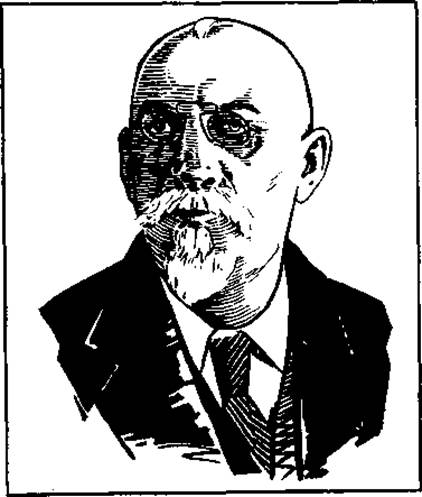
Fig. 6. O.P. Krymov (1872–1928)
The advancement of neurosurgical care for the population became possible only with the establishment of the Ukrainian Research Institute of Neurosurgery in Kyiv in 1950, headed by the prominent neurosurgeon O.I. Arutyunov, and later by Academician A.P. Romodanov.
In recent decades, specialized care for Hearing disorders and Upper Respiratory Tract diseases has seen significant development. A major contribution to this field was made by Professor O.I. Kolomiychenko and his school.
An important role in the development of oncological care in the postwar years was played by the Ukrainian Radiological Institute in Kharkiv and the Kyiv Research Institute of Oncology and Radiology.
A great deal of credit for the development of oncological care in Ukraine belongs to Academician R.E. Kavetsky, who from 1960 until the end of his life headed the Institute of Experimental and Clinical Oncology of the Ministry of Health of the Ukrainian SSR, which he had founded. In 1971, it was reorganized into the Institute of Oncology Problems of the Academy of Sciences of the Ukrainian SSR. Today, this institute bears his name.
After the war, the development of surgical ophthalmological care was closely associated with Academician V.P. Filatov, Director of the Ukrainian Research Institute of Eye Diseases and Tissue Therapy. V. Filatov was not only an outstanding scientist, but also an exceptional clinical surgeon and educator. He proposed a skin-grafting method using a migrating pedicle flap, which is widely utilized in surgical practice.
Purulent surgery advanced significantly through the works of the renowned scientist V.F. Voyno-Yasenetsky. Alongside his surgical practice, he devoted much attention to spiritual mentorship. Having become the Archbishop of Simferopol and Kryvyi Rih (Crimea and Tavria) in 1921, he continued to perform numerous surgeries, consult, and teach physicians while diligently fulfilling his duties as an archbishop. His works introduced many novel approaches to the field of purulent surgery.
Due to his religious convictions, the scientist was persecuted by the Soviet authorities, repeatedly arrested, imprisoned, and exiled. Archbishop Luka passed away in 1961 in his 85th year of life and was buried in the municipal cemetery of Simferopol.
In the postwar period, plans were outlined to strengthen public health, improve the external environment, prevent diseases, increase human life expectancy, expand the network of medical institutions, enhance research on combating malignant tumors, develop thoracic, plastic, and reconstructive surgery, and produce new Pharmaceuticals and medical equipment. At that time, it seemed that all conditions were in place to realize these plans. Yet today we realize how little has been done in this direction, and how many untapped opportunities and reserves still remain regarding these issues. Moreover, in many respects, we have not only failed to make progress, but have instead taken a significant step backward. The totalitarian administrative system that took shape in the USSR had exhausted itself and came into conflict with the demands of society. From the mid-1970s, economic growth rates began to decline, and signs of stagnation became apparent. This affected all sectors of the national economy, including the healthcare system, which was funded on a residual basis. Budgetary expenditures on healthcare steadily decreased: whereas in 1960 they accounted for 6.6% of the total budget, by 1985 this figure dropped to 4.6%, and by 1990 it was only about 3%.
Over the past decade, a series of major disasters occurred in the former Soviet Union. The most severe of these, with far-reaching and unpredictable consequences for the population, was the accident at the Chernobyl Nuclear Power Plant (1986), when, according to official data, over 50 million curies of radioactive substances were released into the atmosphere. In Ukraine, the regions of Kyiv and Zhytomyr suffered the heaviest radioactive contamination.
All of the above has resulted in the doubling of the number of children born with developmental disorders over a quarter of a century. Infant mortality is 2 to 2.5 times higher than in developed countries. The incidence of Cancer tripled between 1930 and 1975, and by 1987 it had increased by another 1.5 times. Life expectancy has decreased compared to 1985 levels, standing at 69.6 years. The ecological situation in the country is virtually unspeakable. There is a lag in many clinical disciplines, including surgery, which cannot be explained by a lack of qualified specialists. In terms of surgical skill, Ukrainian surgeons are second to none internationally; rather, the lack of proper equipment, modern diagnostic and therapeutic devices, and medications prevents them from fulfilling their potential. However, one should not dramatize the current situation. It must be soberly assessed, faced honestly, and every effort must be made to gradually rectify the state of affairs and elevate Ukrainian medicine, including surgery, to world standards.
Last update: 08/08/2026
Editorial and Educational Adaptation: This material has been compiled based on the primary/original source text. The project team performed an editorial review, corrected technical inaccuracies, structured sections, and adapted the content for an educational format.
What was processed:
- elimination of formatting defects (OCR errors, structural breaks, corrupted characters);
- editorial organization of content;
- standardization of terminology in accordance with academic sources;
- verification of factual statements against the original source text.
All mentions of the author, publication year, and origin of the primary text have been preserved in accordance with the source.