Biochemistry and Molecular Biology - Belyasova, N. A. 2002
Metabolism. Energy-Yielding Processes
Fermentation
Lactic Acid Fermentation
This type of Fermentation is also widely distributed in nature and has been found in representatives of various living kingdoms: primarily in mammals, Protozoa, some insects, Bacteria of the family Lactobacillaceae, as well as in the Cells of certain bird and fish Tissues.
There are two MAIN TYPES OF Lactic acid fermentation: homo- and heterofermentative. In homofermentative fermentation, up to 90% of the end products consist of lactic acid. Only a small fraction of the Pyruvate formed during Glycolysis is converted into acetic acid, ethanol, acetoin, and CO2. The pathway for this process is shown in Fig. 10.2. It is worth noting The ratio of oxidized and reduced forms of nicotinamide carriers: just as in Alcoholic Fermentation, equivalence between them is maintained. ATP synthesis does not occur in the actual lactic acid fermentation reactions; it takes place earlier, during glycolysis, prior to The formation of pyruvate.
Microorganisms that carry out Heterofermentative lactic acid fermentation (bacteria of the genus Lactobacillus, Leuconostoc mesenteroides) lack the key glycolytic Enzymes—aldolase and Triosephosphate isomerase. In the cells of these bacteria, glucose is catabolized via the Pentose Phosphate Pathways, with ribulose-5-phosphate serving as the fermentation substrate. In this case, the second fermentation pathway shown in Fig. 10.1 is implemented, and lactic acid and ethanol predominate among the fermentation products.
Class="center">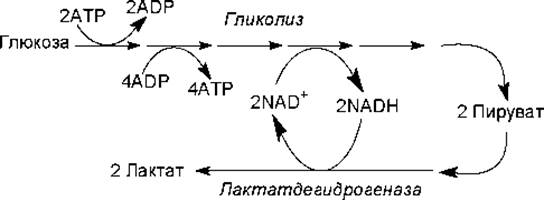
Fig. 10.2. Scheme of Homofermentative lactic acid fermentation 10.3. Substrate-Level Phosphorylation Reactions
The aforementioned processes of the most common fermentation types—alcoholic and lactic acid—reveal A wide variety of pathways and Mechanisms for the formation of end products.

Fig. 10.3. Substrate-level phosphorylation reactions
As already mentioned, there are at least four other major Types of fermentation. It is important to emphasize that the nature, spectrum, and relative amounts of the end products for any given type of fermentation depend both on the Organism itself (its species identity) and on the incubation conditions (or the intracellular state).
Thus, one can identify a multitude of diverse Chemical Reactions related either to fermentation proper or to its preparatory stages (catabolic carbohydrate breakdown processes). However, among this multitude, only a handful of reactions provide energy storage at the level of substrate-level phosphorylation (Fig. 10.3). It should be emphasized that the first two reactions shown in Fig. 10.3 occur during glycolysis, while only reactions 3 through 5 pertain to fermentation proper. ATP synthesis during the formation of acetate, acetoacetate, and butyrate (butyric acid) takes place in Butyric Acid and acetone-butanol fermentations. The final, 6th reaction of substrate-level phosphorylation shown in Fig. 10.3 takes place in The Tricarboxylic Acid Cycle.
Last update: 06/08/2026
Editorial and Educational Adaptation: This material has been compiled based on the primary/original source text. The project team performed an editorial review, corrected technical inaccuracies, structured sections, and adapted the content for an educational format.
What was processed:
- elimination of formatting defects (OCR errors, structural breaks, corrupted characters);
- editorial organization of content;
- standardization of terminology in accordance with academic sources;
- verification of factual statements against the original source text.
All mentions of the author, publication year, and origin of the primary text have been preserved in accordance with the source.