Military Hygiene and Hygiene in Emergency Situations - K.O. Pashka 2005
Fundamentals of organizing and conducting sanitary surveillance and medical control over the water supply of military personnel and the population in field conditions
Field water supply points
In field conditions, to supply personnel and units with Water, field water supply points (FWSPs) are established directly within subunits and units (such as company, battalion, etc.) and are set up at any suitable water source (Fig. 3.8). Water supply points are designated locations where water extraction, purification, storage, and distribution take place. Primarily, boreholes, high-yield natural springs, and wells are used for this purpose; if these are unavailable, open water bodies are utilized. FWSPs are operated using the resources and personnel of the subunits and units themselves.
When selecting a site for deploying an FWSP, it is essential to consider the Sanitary and epidemiological situation of the area and nearby populated localities, the potential risk of water contamination with biological agents, radioactive and toxic substances, as well as the technical characteristics and yield of the water source. Data on waterborne infectious diseases among the local population must be gathered, and the sanitary and epidemiological condition of the area surrounding the water supply point must be assessed.
FWSPs are equipped in compliance with engineering, technical, sanitary, and hygienic requirements (Fig. 3.9). A typical water supply point includes: a working area divided into clean and dirty zones, an area for washing and disinfecting containers, a parking area for vehicles arriving to collect water, observation and traffic control posts, and a site for Setting up a water quality control laboratory.
Water supply points can be established for companies, battalions, and brigades. They are deployed and operated by the personnel and equipment of the units and subunits themselves, while others are set up by engineering and sapper units. A protective perimeter with a radius of 30 meters is fenced off around the borehole and water storage reservoirs within the water supply point zone. Warning signs are posted along the fence. The ground surface is graded with a slope to drain rainwater, melted snow, and other runoff away from the area. The sanitary condition of the deployment area must be immaculate, and armed guard protection is mandatory.
Class="center">
Fig. 3.8. Layout of a field water supply point on a river:
1 - working area; 2 - container washing area; 3 - radiological and chemical reconnaissance post; 4 - covered slit trench or dugout.
To protect FWSPs from contamination, three sanitary protection zones are established around them in accordance with the regulations on designing sanitary protection zones for main water supply structures and water sources providing drinking water to military garrisons. The first zone, subject to a strict regime, spans a radius of 50–100 m. However, these dimensions may vary depending on the type of water source, terrain topography, soil characteristics, etc. For instance, when extracting water from a river, the distance upstream must be increased up to 500 m, downstream to 50–100 m, and across the river to 50–200 m. On a lake or pond, the radius in all directions must be at least 200–300 m. The distances for the second zone (restrictions) and the third zone (observation) are determined based on environmental conditions.
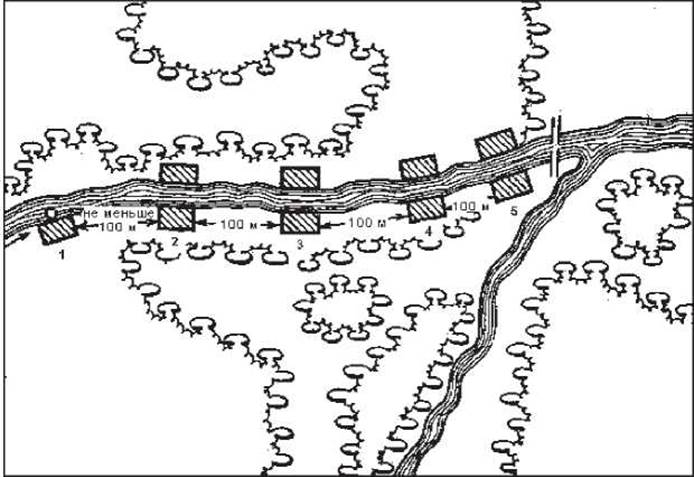
Fig. 3.9. Location of water usage sites on a river:
1 - field water supply point; 2 - swimming area for personnel; 3 - animal watering site; 4 - laundry washing area; 5 - vehicle washing pad.
In addition to water supply points, water distribution points (WDPs) are established to supply personnel with water in the field. These are designated locations intended for issuing water to military subunits and individual servicemen. They are typically deployed in each battalion near mess facilities. Existing dug wells, tube wells, or sources with high-quality drinking water are used to set up WDPs.
Water at the distribution point is stored in both standard-issue containers (tank trucks, mobile tanks, rubber-fabric containers) and non-standard containers (barrels, jerry cans, cans, etc.). Containers must always be kept clean and fitted with tightly closed lids.
Water supply points can be deployed at any water source, as well as near hauled water reserves. However, active boreholes, natural springs, and dug wells are primarily used for this purpose.
Alternatively, engineering services—such as an engineering-sapper battalion—may construct new analogous water sources, including boreholes, tube wells, and dug wells. An FWSP is deployed near surface water bodies (rivers, lakes, or ponds) only when such options are unavailable (Fig. 3.10 a, b). In the latter case, such water is frequently used solely for personnel sanitation, decontamination and degassing, filling vehicle and equipment radiators, and other technical needs.
Water supply points comprise a water source, water-lifting equipment, purification systems, and water distribution facilities. If a water supply point is established at an existing dug well, engineering subunits repair the wall lining, clean the bottom and walls of silt, dirt, and buildup, chlorinate the water, install or repair water-lifting devices, and equip the water distribution area.
If the water requires purification or desalination, the FWSP must feature:
- a working area divided into dirty and clean sections, where water is extracted from the source, purified, stored, and issued to subunits;
- a field laboratory for conducting laboratory analyses;
- an area for washing and disinfecting containers (located 25–30 m away from the water extraction site);
- a staging area for vehicles arriving from recipient subunits;
- a traffic control post at the entry and exit routes for water transport vehicles;
- a mobile chemical post equipped with assets for chemical and radiological reconnaissance in the area of the water supply point.
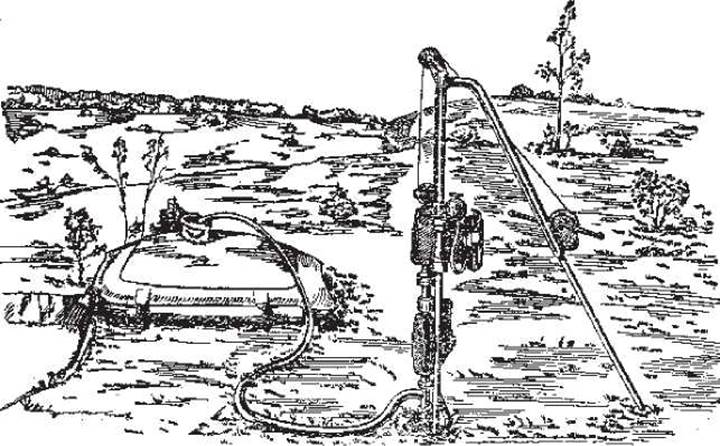
Fig. 3.10 a. Field water supply point at an MShK-15 mechanized auger well.

Fig. 3.10 b. Field water supply point near a river using the MAFS-3 mobile filtering station.
All operations at the field water supply point (FWSP) are carried out in accordance with instructions approved by the unit or formation commander, which must address the following Sanitary and hygienic aspects:
- the regime of operations within sanitary protection zones;
- personal hygiene rules for personnel working at the FWSP, which are identical to those for catering establishment staff;
- schedules for water sampling and analysis, as well as the scope and nature of testing;
- specific objectives, Methods, and Procedures for monitoring the effectiveness of water quality improvement measures, when necessary;
- procedures for maintaining the area and equipment, and disinfecting the water source, water-lifting devices, containers, etc.;
- a list of individuals authorized to visit the FWSP;
- procedures and schedules for water distribution, as well as monitoring the cleanliness of consumers' containers.
In the complete absence of local water sources and the inability to supply troops directly from water supply points, company or battalion water distribution points are established. Water is delivered to the distribution point by all available types of transport or through field pipelines.
Tanks used for transporting water must be clean. They are periodically disinfected by completely filling them with a 10–20% solution of bleaching powder (chloride of lime) for 30–60 minutes. During this time, the solution is stirred periodically, then drained, after which the container is considered ready for use.
Standard containers used for storing and transporting water in the field must be disinfected at least once a week, or immediately if contaminated (Fig. 3.11). Makeshift containers used for water storage require particularly thorough disinfection.
Water intended for various purposes is stored in separate reservoirs and labeled with appropriate signs such as "Disinfected drinking water", "Technical water", etc. The Use of containers previously used for technical or other purposes to store drinking water is permitted only after thorough washing and disinfection. All water pipeline components are disinfected with a 3% solution of bleaching powder. Water reserves in reservoirs must be periodically replenished, as water deteriorates over time, especially in summer. Containers must be disinfected at least every 2–3 days in summer and 3–5 days in winter—or immediately upon contamination—using a solution of bleaching powder at a rate of 50–100 mg of active chlorine per 1 liter of water, with an exposure time of 30–60 minutes.

Fig. 3.11. Equipment for water transportation and storage:
1 - TSV-1.2 water tanker trailer; 2 - TSV-4 tanker; 3 - RDV-100 and RDV-5000 water reservoirs.
The Organization of water supply for units or formations deployed in arid and mountainous areas is of particular importance. In such regions, all available water sources must be utilized, namely: rain, snow, and ice (Fig. 3.12).
In the absence of water sources, supply is maintained by hauling water and collecting atmospheric precipitation. Rainwater collected in reservoirs or special storage facilities (concrete cisterns and other structures) is stored and used under the Supervision of the medical service. Water reserves are kept clean and guarded. Water use is permitted only after disinfection.
Saline water can be desalinated using a field desalination plant (FDP), through filtration using standard filters such as TVF-200, MAFS-3, etc., packed with ion-exchange resins, or through freezing.

Fig. 3.12. Reservoir covered with snow to prevent water from freezing:
1 - reservoir; 2 - branches; 3 - snow.
Desalination by freezing is based on the principle that ice crystals form exclusively from water molecules, while salts remain in the solution. In cases of high mineralization, the freezing process is repeated several times. Ice harvesting is conducted under strict sanitary supervision in designated areas using tools dedicated solely to this purpose. Personnel harvesting ice must undergo a medical examination and meet the same requirements as food establishment personnel.
In the absence of water sources and the impossibility of using ice from open bodies of water, snowmelt may be used for domestic and drinking purposes. Areas for snow collection are designated on elevated terrain, at least 200 meters away from potential sources of contamination.
Water obtained from ice or snow must be disinfected by boiling, chlorination, or other methods before consumption.
Before each refill, reservoirs must be thoroughly washed with clean, fresh water at least once a week—or more frequently if indicated—and disinfected with a 10–20% solution of bleaching powder (chloride of lime).
Water Purification, Disinfection, and Decontamination in Field Conditions during Emergencies and Wartime
Regardless of its origin, water used for drinking and household purposes in the field is permitted only after its quality has been improved. For this purpose, the following processes are carried out: clarification—removal of suspended impurities that cause turbidity; detoxification—removal of toxic agents; decontamination—removal of radioactive substances; desalination—removal of salts that impart an unpleasant taste to the water; and disinfection—destruction of pathogenic microorganisms, etc.
Water purification is the Treatment process that restores or imparts the required hygienic properties to water. Depending on the objective, the following types of water purification are distinguished: clarification, decolorization, disinfection, detoxification, decontamination, and desalination.
Water clarification is achieved by the sedimentation of suspended particles using coagulants, followed by filtration through anthracite crumbs or fabric. Water decolorization involves the removal of colored colloids or dissolved substances.
Coagulation takes place under METABOLISM/18.html">The Influence of chemical Reagents known as coagulants. To accelerate the sedimentation process, coagulants are added to the water. Aluminum sulfate, chlorinated or ferrous sulfate, etc., are most widely used. The required amount of coagulant is determined empirically. One liter of water is poured into each of three vessels, and 100 mg, 200 mg, and 300 mg of coagulant are added to the first, second, and third vessels, respectively. The water is then thoroughly mixed, and The formation of flakes is observed. The optimal coagulant dose is considered to be the one that triggers the earliest signs of coagulation (formation of large flakes). To accelerate the coagulation process, so-called flocculants—high-molecular-weight synthetic compounds—are used. Flocculants are of two types: anionic (polyacrylamide, K-4, K-6, activated silicic acid) and cationic (BA-2). Water is also clarified by passing it through standard-issue filters or filters made from makeshift Materials. A makeshift filter is set up in a clean barrel or another container. The vessel is filled with filtering material—thoroughly washed river sand, activated carbon, or dense fabric. An outlet hole is made at the bottom of the container for the filtered water, which is free of suspended solids and exhibits a reduced intensity of color, taste, and odor.
Water disinfection is carried out using reagent methods (chlorination, ozonation) and non-reagent methods (ultraviolet irradiation, gamma-ray exposure, etc.). Water chlorination is performed by treating it with disinfectants: neutral calcium hypochlorite (NCH), containing up to 70% active chlorine; two-thirds basic calcium hypochlorite (HTH), containing up to 50–55% active chlorine; bleaching powder, containing up to 30–35%, but not less than 15% active chlorine; ozone, etc. Boiling is also employed, as it is the most effective, simple, accessible, and reliable method of disinfection.
During water disinfection, chlorine interacts not only with microbes but also with organic substances and certain partially oxidized inorganic salts present in the water. Therefore, when chlorinating water, it is crucial to correctly select the chlorine dose required for reliable disinfection. The chlorine dose must be such that 0.3–0.5 mg/dm3 of residual chlorine remains in the water after disinfection. On the one hand, this amount of chlorine indicates reliable disinfection; on the other hand, it does not impair the organoleptic Properties of the water and is not harmful to health. This amount of chlorine is referred to as the chlorine demand of the water.
Water can be chlorinated using normal doses or increased doses (the superchlorination method). Disinfection with normal doses is carried out in accordance with standard methodology (determining the chlorine demand of the water, the active chlorine content in the disinfectant, the required amount of disinfectant for the volume of water to be treated, and verifying disinfection effectiveness by measuring the residual active chlorine in the chlorinated water). Water disinfection is carried out using a 1–5% solution of bleaching powder. To prepare this, 10–50 g of bleaching powder containing 20% (but not less than 15%) active chlorine is taken, thoroughly mixed with a small amount of water to a slurry consistency, and brought to a volume of 1 liter with water. After 30 minutes in summer and 1 hour in winter following chlorination, the residual chlorine content in the treated water is determined, which should be at least 0.3–0.5 mg/dm3. The active chlorine concentration in the bleaching powder must be checked at least once a month. In field conditions, this method is used exclusively for clear, colorless water. After disinfection, a faint smell of chlorine should be perceptible in the water.
In field conditions, the superchlorination method is most commonly used. It is reliable, does not require determining the chlorine demand of the water, and in a short time (15–20 minutes in summer and 30–60 minutes in winter) yields epidemiologically safe drinking water in sufficient quantities. To perform this Procedure, it is necessary to determine the active chlorine content in the disinfectant, calculate the required amount based on water quality (clear, turbid, odorous, etc.), measure out the appropriate quantity of disinfectant for the given volume of water, add it to the container, mix, and leave it for the required contact time. Next, determine the residual chlorine content in the chlorinated water (which should be 0.8–1.2 mg/dm3, indicated by a sharp odor) and calculate The amount of sodium hyposulfite needed for dechlorination. Mix the determined amount of hyposulfite with the water. The residual chlorine concentration thereafter must not exceed 0.3–0.5 mg/dm3. The disadvantages of this method include increased consumption of the disinfectant, The Need for water dechlorination, and the requirement to observe safety precautions when handling concentrated solutions of chlorine-containing agents.
To disinfect 1 m3 of groundwater, approximately 1–1.5 dm3 of a 1% solution should be added; for surface water from open reservoirs, 1.5–2.0 dm3 of a 5% solution of bleaching powder should be added, mixed, and left in the reservoir for a contact time of 30 minutes in summer and at least 1 hour in winter.
Properly treated chlorinated water should have a slight chlorine aftertaste. If this is absent, chlorination is repeated using half the initial chlorine dose. If the water has a harsh chlorine odor and taste after chlorination, it is filtered through a 30-centimeter layer of activated carbon or a 50-centimeter layer of crushed charcoal, or dechlorinated using hyposulfite (sodium thiosulfate) at a rate of 3.5 mg per 1 mg/dm3 of residual chlorine. Water disinfection is carried out by the engineering service, while quality control is managed by the medical service. The required amount of bleaching powder for water disinfection is determined as follows: after weighing the necessary quantity of bleaching powder, it is mixed with a small amount of water to a paste-like consistency, added to the water being treated, and stirred thoroughly. For reliable disinfection, the contact time between the water and chlorine must be at least 30 minutes in summer and at least one hour in winter. Following disinfection, the presence of residual chlorine in the water is verified. Its concentration must not exceed 0.3–0.5 mg/dm3 and should not impart an unpleasant odor or taste to the water.
Before putting a new shaft well into operation—or an old one after cleaning and repairing its wooden frame—its disinfection is mandatory. For this purpose, the interior of the well and the surrounding area are cleaned. After pumping out the water, the bottom is cleaned, the walls of the frame are wiped with a washcloth or clean rag, and thoroughly sprayed with a 10–20% bleaching powder solution or the disinfectant "Neochlor" modification "B". Once the well fills back up to its original level, dissolved bleaching powder is added at a rate of 300–400 g per 1 m3 of water. The water is then thoroughly mixed and left for 6–8 hours. The superchlorinated water is pumped out until the pronounced chlorine odor and taste disappear, after which the well is cleared for use.
In wartime or As a result of industrial accidents (disasters), toxic substances and microbial toxins may enter drinking water sources, necessitating water detoxification. This is partially achieved through treatment with the aforementioned chemical reagents. They destroy toxic substances that have entered the water, including combat chemical agents, herbicides, defoamers, and rocket fuel components. Complete detoxification is achieved by filtration through a sorbent—activated carbon or carboferrogel—which simultaneously adsorbs the active chlorine used for disinfection. Over time, the sorbent loses its protective capacity regarding the neutralization of toxic substances and active chlorine, and therefore it must be replaced periodically.
Water decontamination occurs during the clarification process through coagulation, sedimentation, and filtration through anthracite crumbs, fabric, or activated carbon using standard-issue filters such as the fabric-carbon filter (TVF-200), which practically eliminates suspended radioactive substances from the water. Furthermore, water desalination helps reduce the concentration of dissolved radionuclides.
Typically, the detoxification and decontamination of water contaminated with radioactive substances (RS), chemical warfare agents (CWA), and biological agents (BA) is carried out after its sanitary and epidemiological assessment.
Desalination (demineralization) of water can be performed by passing it through various desalination plants. Currently, military forces utilize the Mobile Desalination Station (MDS). This is a high-capacity unit with an output of approximately 1800 dm3/h. Mounted on a truck chassis, the MDS consists of a water evaporation unit, condensate and exhaust heat exchangers, a thermocompressor, and water filters. Its kit also includes a trailer-mounted power generator. The station's production capacity is 2 m3/h, deployment time is 2 hours, and crew size is 3 personnel. Before starting the desalination process, a preliminary chemical Analysis of the water source must be conducted (determining hardness, dry residue, and physical properties).
When using a decontamination unit, the water must first be allowed to settle or even clarified using coagulants to reduce the amount of radioactive substances before undergoing desalination. One of the drawbacks of the distillation process is the carryover of certain compounds into the distillate, such as ruthenium, iodine, noble gases, etc. After operation, the unit must be decontaminated.
In field conditions, naval coastal units and marines frequently have to use desalinated sea water. Military equipment designed to produce it operates on THE PRINCIPLE OF distillation. The POU-4 mobile desalination unit consists of a heat-exchange evaporation unit, a pump-compressor unit, pipelines, and fittings (Fig. 3.13).
The production capacity reaches 0.3 m3/h, deployment time is 2 hours, and crew size is 3 personnel.
Despite certain advantages, water desalination via distillation remains a quite energy-intensive and imperfect production process. Consequently, other more promising desalination methods are actively being developed: ion-exchange filters, electrodialysis through semipermeable membranes, and hyperfiltration based on reverse osmosis. Additionally, desalination via freezing water in specialized basin plots (shallow pools) has not lost its significance due to its simplicity and accessibility.
One variation of the distillation method is the radioactive isotope freezing method developed in Saclay (France), followed by purification of the resulting ice under a slight vacuum. Freezing achieves a 106-fold reduction in activity (compared to a 104-fold reduction via distillation). During freezing, ice accumulates On the surface of saline water, from which fresh water is obtained (fresh water freezes at 0 °C, while saltwater freezes at -3 to -4 °C).
Demineralized, thawed, and desalinated water is tasteless and practically devoid of salts, including Trace Elements (iodine, fluorine, copper, cobalt, etc.) necessary to meet the body's physiological needs, rendering it unfit for drinking. To restore physiological properties to such water in accordance with SanPiN No. 383 "Drinking Water", it is remineralized by adding harmless source water or by supplementing the daily drinking water quota with 0.1 g of table salt, 0.2–0.3 g of slaked lime, 1.5 mg/dm3 of sodium fluoride, 0.1 mg/dm3 of potassium iodide, and Vitamin C.
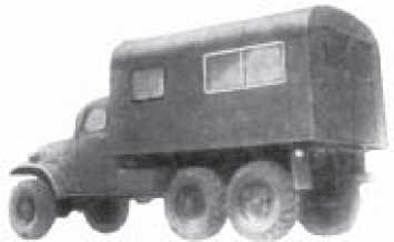
Fig. 3.13. POP-4 mobile water desalination plant.
If water containers are unavailable in wartime, water may be chlorinated directly in the well. To do this, the volume of water in the well is first calculated, and then the required chlorine dose is determined in the laboratory using trial chlorination or based on organoleptic properties. For clear and colorless water, 6 mg/dm3 is usually sufficient, whereas for turbid and colored water, the dose should be increased to 12 mg/dm3. The weighed amount of bleaching powder is thoroughly ground in a container with a small amount of water until it forms a liquid slurry, after which a little more water is added before pouring it into the well. The water in the well is stirred and left to react with the bleaching powder for 2 hours. If the water retains a strong chlorine odor after this period, a portion of it is bailed out and the well is left to refill via natural groundwater influx. Such chlorination is performed once or twice a day.
Before disinfecting turbid water by chlorination, suspended particles must first be removed through coagulation, sedimentation, and filtration. In field conditions, this is accomplished using a fabric-carbon filter, a military water filtration station (VFS), or a modernized mobile filtration station (MAFS) (Appendix 3.1). The effectiveness of water disinfection in the field is determined by the residual chlorine content remaining after the specified contact time has elapsed.
The TVF-200 fabric-carbon filter is designed for the clarification, disinfection, neutralization, and decontamination of water and is issued to small units such as companies and battalions. It consists of a metal cylinder filter filled to 2/3 of its capacity with activated carbon or carboferrogel, and a fabric bag (made of twill or moleskin) 270 cm long and 32 cm wide. The bag is folded like an accordion or spiral in the upper part of the filter. The kit also includes a hand pump, water storage tanks (RDV), and reagent containers (Fig. 3.14 a, b). Water that has been previously chlorinated and coagulated in a separate tank is pumped under pressure into the TVF housing. During filtration and adsorption, the water is freed from suspended solids, coagulants, toxic agents, excess chlorine, and undesirable tastes and odors. The purification capacity of the TVF is 200–300 dm3/h, setup time is 1–2 hours, and the continuous operation time of the fabric bag is 4–6 hours (after which it must be washed), while the carbon media lasts for 15–20 hours. The total weight of the kit is 80 kg, and it is operated by a 2-person crew.

Fig. 3.14 a. TVF-200 fabric-carbon filter:
1 - complete filter assembly; 2 - fabric filter; 3 - basket; 4 - filter housing; 5 - hand pump; 6 - container with activated carbon; 7 - containers with aluminum sulfate; 8 - sealing ring; 9 - mesh; 10 - perforated disk; 11 - drainage disk; 12 - sealing gasket; 13 - filter cover; 14 - RDV-100 tank.
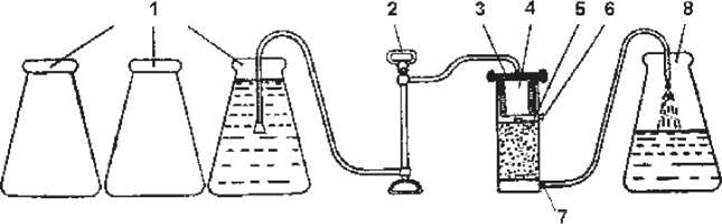
Fig. 3.14 b. Operational diagram of the TVF-200:
1 - RDV-100 water treatment tanks; 2 - hand pump; 3 - TVF-200 filter; 4 - fabric filter; 5 - activated carbon; 6 - water drain fitting; 7 - filtrate discharge fitting; 8 - RDV-100 treated water tank.
The VFS-2.5 military filtration station is mounted on a truck and a single-axle trailer. It employs the same water purification methods as the TVF-200. A distinctive feature of this unit is the additional disinfection of water via ultraviolet irradiation following treatment with chlorine-active agents, coagulants, and filtration through an anthracite-packed filter. The production capacity of the VFS-2.5 is 2.5 m3/h.
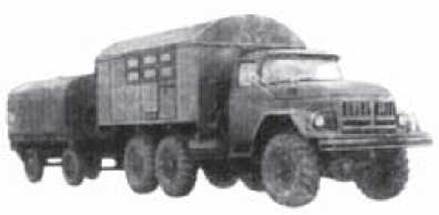
Fig. 3.15. MAFS-3 mobile filtration station.
The larger VFS-10 military filtration station is mounted on a truck and a dual-axle trailer, differing from the previous model by a higher production capacity of 10 m3/h. Water disinfection, clarification, and sedimentation are carried out alternately in two RDV-5000 tanks.
The MAFS-3 mobile filtration station is also mounted on a truck chassis with a trailer and is designed for water treatment
at major water supply points (Fig. 3.15). The system includes a filter filled with anthracite chips and two dechlors (dechlorination filters). During treatment, the water is freed from suspended particles, disinfected, and purified of toxic and poisonous substances, excess chlorine, and other impurities adsorbed by activated carbon, carboferrogel, sulfogel, and other sorbents. The station's kit also includes rubberized fabric tanks (RDV-500), a set of hoses, a supply of reagents and filter media, motor pumps, and other equipment. The output capacity of the MAFS-3 is 7,500 dm3/h when treating ordinary contaminants and 3,500–4,000 dm3/h when removing toxic agents. Deployment time is 1.5–3 hours, and continuous operation without replacing filter media is up to 20 hours. Water quality before and after treatment is monitored using standard kits: the hydrotechnical water kit (NGV), the field chemical laboratory (PKL), and a DP-5V type meter.
Water to be purified is drawn using a motor pump into two RDV-500 tanks for chlorination and coagulation. From there, it is fed into the anthracite filter, then through the dechlorination filters, and finally into the treated water storage tanks.
Compliance with the technological regimes of water purification at military stations is maintained by the operating personnel. The list of parameters and the frequency of testing are determined based on local natural and sanitary conditions, in coordination with sanitary-epidemiological service specialists who oversee the sanitary condition of water supply points, water TRANSPORT AND STORAGE facilities, and treatment quality. During field water supply point (PPV) operations, monitoring is conducted to ensure that water contains 0.8–1.2 mg/dm3 of active chlorine at the time of distribution.
When operating separately from established water supply points (such as raiding operations, reconnaissance, or airborne assaults), personnel frequently have to rely on untreated water sources for drinking and domestic needs, creating a serious threat to troop health and combat readiness. Under such conditions, individual water purification and disinfection devices must be used.
Individual water supplies are treated using chemical tablet formulations and technical devices that combine disinfection with filtration and adsorption, effectively removing odors, suspended solids, phytoplankton, and hydrobionts. The basis of these chemical disinfectants is an active ingredient (most commonly chlorine or iodine-based Organic compounds) that provides rapid bactericidal and virucidal efficacy with a short contact time, does not degrade the treated water quality, remains harmless to humans, and is cost-effective to produce.
These preparations must be dry, compact, suitable for long-term storage, fast-dissolving, neutral to water taste, color, and odor, and chemically inert regarding the material of the canteen flask. Among individual water disinfection agents, organic chloramines are the most widespread—for example, Pantocid, which has been widely used not only in the former Soviet Union but also in the UK and the USA under the name Halazone.
In Pantocid, the active ingredient is 0.0082 g of p-dichlorosulfamoylbenzoic acid (yielding approximately 3 mg of active chlorine). One tablet is designed to disinfect a single canteen (750 ml) with a contact time of at least 40 minutes. The main drawbacks of this product are its slow dissolution rate and insufficient efficacy in heavily organically polluted water.
Aquasept contains a disinfectant based on the sodium salt of dichloroisocyanuric acid (providing 4 mg of active chlorine) and disinfects a canteen of water within 20–30 minutes.
Currently, Aquatabs tablets are widely used for individual water disinfection; a single tablet contains 3.5 mg of active chlorine, which is sufficient to purify one canteen of water.
Following disinfection with these agents, the water may retain a chlorine odor with an intensity of up to 3–4 points, which under field conditions is not considered a contraindication for consumption and serves as an indicator of adequate bactericidal treatment.
Today, research continues into effective methods for treating individual water supplies, as well as The Development of novel chemical agents and technical devices. The most promising direction in chemical disinfection is the combination of a disinfectant, a flocculant, and a coagulant within a single formulation. Water clarification using a flocculant combined with filtration ensures a significant reduction (up to 90%) in Viruses, Bacteria, cysts, spores, and helminth eggs, alongside a substantial improvement in organoleptic properties such as reduced color and turbidity. Thus, incorporating a flocculant into the formulation achieves not only effective disinfection but also enhances overall water treatment quality, particularly in the presence of organic contamination. Further Prospects lie in the creation of water-soluble polymeric substances with a broad spectrum of antimicrobial activity that dissolve rapidly in water and are not absorbed by the human gastrointestinal tract.
Another promising avenue is the use of Essential Oils from certain plants for the disinfection and preservation of drinking water supplies. Applying them, even in small quantities, makes it possible to maintain the high quality of water reserves over extended periods. This approach is also promising because, with the Selection of specific essential oil blends, the water acquires a tonic effect and helps boost performance, as some essential oils function as BIOLOGICALLY ACTIVE SUBSTANCES.
Work is underway to develop combined formulations based on activated carbon with metals acting as catalysts. Improving the quality of water treatment and the operational reliability of individual technical devices is achieved through the use of novel filtering materials based on fluoroplastics, ceramics, and polymers. Ion-exchange resins (anionites) with a high degree of iodine saturation are frequently employed as disinfectants. Water disinfection is accomplished through iodine-active compounds released into the water as a result of Ion Exchange.
Among individual technical devices, the portable water purifier of the "Rodnik" type (Russia) deserves attention. It is manufactured in the form of a plastic tube 240 mm in length and 16 mm in diameter, sequentially filled with iodine-saturated ion-exchange resins, special sorbents, and filters. During operation, one end of the purifier is immersed in water, while water is sucked in through the Mouth via the other end equipped with a mouthpiece. As it passes through the tube, the water is purified by filters, disinfected by iodine compounds (the excess of which is absorbed by the sorbent), and stripped of foreign odors and tastes. The average service life of the "Rodnik" is 20-40 dm3, the depletion of which is indicated by increasing resistance when drawing water. To protect against mechanical damage, the device is housed in a plastic case with a lid. The undisputed advantages of this portable purifier are its ease of use and The ability to quickly quench thirst with purified water from any freshwater source. However, this device does not allow for obtaining water for sanitary and household needs, providing water to a wounded person, or collecting a reserve supply in a canteen.
To supply drinking water to small groups of people (10-12 individuals), the "Tourist-2M" device has been proposed, which has a capacity of 50 dm3. Ampoules of a 5% alcoholic iodine solution are used as the disinfectant at a rate of one ampoule per 2.5 dm3 of water. A metered amount of water is treated with the iodine solution in a polyethylene bag, then poured into another bag, to the bottom of which a filter is attached. The latter absorbs excess iodine and cleanses the water of foreign impurities. The simplicity of water treatment, low weight and compact dimensions, sufficient disinfection capacity, high filtration quality, and satisfactory output make the "Tourist-2M" a reliable means of providing high-quality water to small groups of service members, such as armored vehicle crews, aircraft personnel, and reconnaissance units.
The wide variety of individual water treatment methods indicates the absence of a universal solution suitable for all scenarios. Both chemical and technical means possess certain Advantages and disadvantages. Therefore, the choice of an individual water treatment method must take into account the climatic and geographical Features of the area, the operational and tactical situation, specific missions, and its ability to prevent waterborne intestinal infections among service members.
Last update: 10/08/2026
Editorial and Educational Adaptation: This material has been compiled based on the primary/original source text. The project team performed an editorial review, corrected technical inaccuracies, structured sections, and adapted the content for an educational format.
What was processed:
- elimination of formatting defects (OCR errors, structural breaks, corrupted characters);
- editorial organization of content;
- standardization of terminology in accordance with academic sources;
- verification of factual statements against the original source text.
All mentions of the author, publication year, and origin of the primary text have been preserved in accordance with the source.