TEXTBOOK PEDIATRIC GYNECOLOGY - 2013
Chapter 11. SEXUALITY IN ADOLESCENT GIRLS. CONTRACEPTION. ISSUES IN ADOLESCENT MOTHERHOOD
COMBINED ORAL CONTRACEPTIVES
Monophasic: 30 mcg EE + 2 mg dienogest, 30 mcg EE + 150 mcg desogestrel, 20 mcg EE + 75 mcg gestodene, 20 mcg EE + 150 mcg desogestrel, 30 mcg EE + 75 mcg gestodene, 30 mcg EE + 3 mg drospirenone.
Triphasic: 35 mcg EE + 50 mcg desogestrel/30 mcg EE + 100 mcg desogestrel/30 mcg EE + 150 mcg desogestrel, 30 mcg EE + 50 mcg levonorgestrel/40 mcg EE + 75 mcg levonorgestrel/30 mcg EE + 125 mcg levonorgestrel.
High-dose: 50 mcg EE + 1 mg norethisterone acetate.
Low-dose: 30 mcg EE + 2 mg dienogest, 30 mcg EE + 150 mcg desogestrel, 30 mcg EE + 75 mcg gestodene, 30 mcg ethinyl estradiol (EE) + 150 mcg levonorgestrel.
Micro-dose: 20 mcg EE + 150 mcg desogestrel, 20 mcg EE + 75 mcg gestodene.
Initiation: within the first 5 days of the Menstrual cycle, or on any day of the menstrual cycle provided Pregnancy is ruled out (if started after day 5, a backup method is recommended for the first 7 days).
Administration rules: one tablet daily at the same time. Start the next pack without a break if the pack contains 28 tablets. If the pack contains 21 tablets, take a 7-day break before starting a new pack.
If a patient misses taking COCs for any reason, she should follow the guidelines provided in Table 31.
Table 31. Actions to take in case of missed pills
Class="center">Missed pills |
Action |
One active pill |
Take the missed pill as soon as remembered, and the next one at the usual time |
Two or more active pills |
Take 2 pills a day until back on schedule and use an additional backup method for 7 days |
Inactive pills |
Discard the missed pills, finish the pack on schedule |
The World Health Organization has categorized COC users into four classes (Table 32).
Table 32. WHO categories for combined oral contraceptive users, 2000
Class 1: — age (from menarche to 40 years); — post-abortion (first trimester, second trimester, or septic); — family history of breast Cancer; — cervical ectropion; — endometrial and Ovarian cancer; — pelvic inflammatory disease, including STIs; Class 2: — age over 40 years: — > 6 months postpartum; — smoking in women aged < 35 years; — obesity; — uncomplicated diabetes of < 20 years duration; — superficial venous thrombosis; — uncomplicated valvular Heart disease; — migraine without focal neurological symptoms in women aged < 35 years; — history of cholecystectomy. Class 3: — BP 140/90–160/100 mmHg; — smoking more than 15 cigarettes per day in women aged > 35 years; — complicated diabetes or diabetes of > 20 years duration; — unexplained vaginal bleeding; — current biliary tract disease; — history of COC-related cholestasis; — migraine with focal neurological symptoms in women aged > 35 years. |
— hepatitis virus carrier state; — uterine fibroids; — history of Ectopic Pregnancy; — thyroid disorders; — anemia; — dysmenorrhea; — varicose Veins; — benign breast tumors; — mild headaches; — history of Preeclampsia. Class 4: — breastfeeding (< 6 months postpartum); — non-breastfeeding postpartum women up to 21 days; — smoking more than 15 cigarettes per day in women aged > 35 years; — Hypertension: BP > 160/100 mmHg; — vascular disease; — history of or current deep vein thrombosis or Pulmonary Embolism; — current or history of ischemic heart disease or stroke; — valvular heart disease complicated by pulmonary hypertension, atrial fibrillation, or history of endocarditis; — headaches with focal neurological symptoms; — breast cancer; — active Viral Hepatitis; — decompensated cirrhosis; — Liver tumors |
When taking Antibiotics (rifampicin or griseofulvin) or anticonvulsants (phenytoin, carbamazepine, barbiturates, and primidone), COCs with a higher hormone dose should be prescribed or an additional backup method used |
|
The patient must consult a doctor immediately if warning signs appear while using COCs:
— lower abdominal or pelvic pain;
— severe chest pain, cough, or shortness of breath;
— severe headache;
— Vision problems (loss or blurring of vision);
— severe pain in the lower extremities (calf or thigh).
The patient should visit the Women's Health Clinic if withdrawal bleeding does not occur:
— during the intake of inactive pills (28-pill pack);
— during the pill-free week (21-pill pack).
Side effects may occur when using COCs, so the patient must be informed about this, as well as ways to manage them (Table 33).
The algorithm for prescribing COCs is shown in Fig. 43.
Table 33. Side Effects of Combined Oral Contraceptives
Side effect |
Management |
Nausea |
Take the pill at bedtime or after dinner |
Diarrhea or vomiting |
Use a backup method for 7 days |
Spotting or bleeding |
See the algorithm "Bleeding / Spotting during COC Use" |
Jaundice |
Discontinue COCs, consult a specialist |
Mastalgia |
Discontinue COCs after 3 months. Consider The Use of brufen |
Pregnancy test. If pregnancy is ruled out, COC use may be continued |
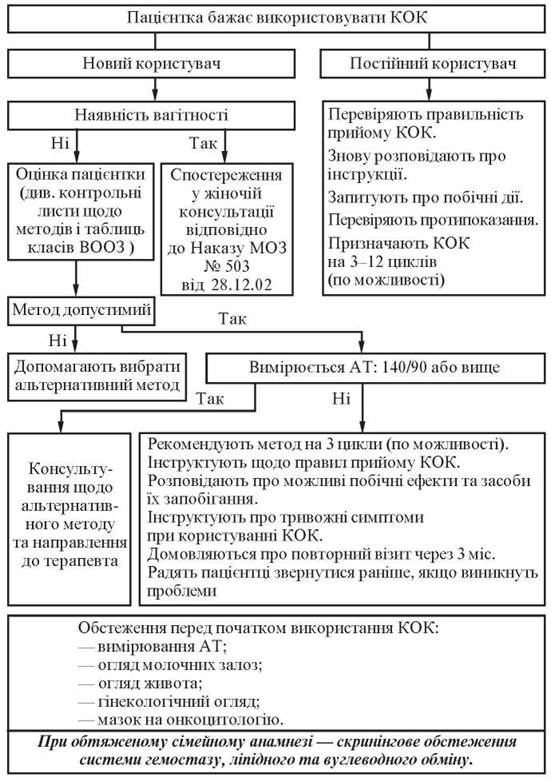
Fig. 43. Algorithm for prescribing combined oral contraceptives
Bleeding or Spotting During Combined Oral Contraceptive Use
Spotting and breakthrough bleeding are typically observed During the first 3 months of COC use.
If COC use has begun within the past 3 months, the patient should be informed that breakthrough bleeding may occur, which is usually harmless. However, if the bleeding persists for a long time and becomes a concern for the patient, she should be helped to choose another method (Table 34, Fig. 44).
Table 34. Guidelines for Combined Oral Contraceptive Use
Assessment of COC use |
Actions to be taken |
The patient missed one or more pills or changed the time of COC intake |
If she missed a pill(s), help her resume regular and correct intake. If this is not possible, recommend choosing another method |
Severe vomiting or diarrhea |
If the woman has experienced vomiting or diarrhea, explain that this may affect the efficacy of COCs. Recommend using a backup method (condoms, Spermicides, or abstaining from sexual intercourse) until the vomiting/diarrhea stops and the patient has taken 7 active pills |
Taking antibiotics or anticonvulsants |
The antibiotics rifampicin and griseofulvin, as well as anticonvulsants (other than valproic acid), significantly enhance the hepatic METABOLISM of estrogen and progestin, lowering their Blood levels and causing spotting. Possible solutions: — if spotting is not a major concern during short-term Treatment courses with these drugs, use an additional method (condoms, spermicides) to enhance the contraceptive effect; — switch to DMPA or other effective non-hormonal Methods; — switch to high-dose COCs containing 50 mcg of ethinyl estradiol or 1.5–2 tablets of COCs containing 30–35 mcg of ethinyl estradiol |
Rule out gynecological problems: — tumors; — pregnancy; — abortion; — pelvic inflammatory disease; — endometriosis; — ectopic pregnancy; — cervical pathology |
Perform examinations: — abdominal examination; — speculum examination; — bimanual examination; — consultation with subspecialists (if necessary); — Hemoglobin level determination (as indicated) |

Fig. 44. Algorithm of actions for bleeding or spotting during combined oral contraceptive use
Progestin-Only Oral Contraceptives
Pills containing only a progestin component (lynamesterol) are progestin-only oral contraceptives (POCs). Today, they are the only reliable contraceptive option that meets contraceptive requirements (Table 35).
Table 35. Indications, Conditions of Use, and Initiation Timing for Progestin-Only Oral Contraceptives
Indication / Condition of use |
When to start |
Breastfeeding |
6 weeks postpartum |
Postpartum, if the woman is not breastfeeding |
Immediately or at any time within 4 weeks postpartum. At any time later, if there is certainty that the woman is not pregnant |
After Miscarriage or abortion |
Immediately or within the first 7 days. Later, if there is certainty that the woman is not pregnant |
After discontinuing another contraceptive method |
Immediately |
Menstrual cycle |
At any time, provided it is definitively known that the woman is not pregnant: — if the first pill is taken within the first 5 days of the menstrual cycle, no additional methods are required; — if the woman starts taking the pills later, barrier methods must be used or sexual intercourse avoided for at least 48 hours |
Advantages of POCs:
— the only reliable hormonal contraceptive method for breastfeeding women;
— suitable for use in conditions and diseases where COCs are contraindicated (estrogens contraindicated): smoking, age over 40, cardiovascular diseases.
Rules of intake: one pill daily. If the young woman is not breastfeeding, the pills should be taken at the same time every day: in this case, delaying a regular pill by even a few hours increases the risk of unintended pregnancy.
Missed pills: if a woman forgets to take one or more pills, she should take one pill as soon as she remembers, and then continue with the usual schedule.
A breastfeeding young woman using POCs as an additional method is protected from pregnancy even if she misses pills.
If she is not breastfeeding, or is breastfeeding but still has no menses, and is more than 3 hours late taking her scheduled pill, she must abstain from sexual intercourse or use barrier Methods for the next 48 hours.
Warning signs during POC use (the patient should consult a doctor immediately):
— Signs of Pregnancy, including ectopic pregnancy;
— jaundice;
— severe headaches that worsened while using COCs;
— heavy bleeding (twice as long and heavy as usual).
If the pattern of menstrual bleeding changes while taking COCs, the physician should determine the cause and decide on further contraceptive management (Table 36).
Table 36. Possible changes in menstrual bleeding patterns and management strategies
Bleeding pattern |
Clinical management |
Amenorrhea or irregular bleeding in breastfeeding adolescents |
Reassure the adolescent. Explain that this is a normal occurrence during breastfeeding and is not related to COC use |
Amenorrhea or irregular bleeding in non-breastfeeding adolescents |
Inquire whether she had regular periods while taking COCs and rule out pregnancy. If pregnancy is excluded, explain that such bleeding patterns are normal with COC use and completely safe for health |
Undiagnosed vaginal bleeding |
The adolescent may continue using COCs until the cause of bleeding is determined. Rule out ectopic pregnancy and other gynecological conditions |
The routine use of progestogen-only contraceptives in young women is limited. The use of pure progestogen preparations provides less reliable protection against pregnancy compared to COCs and carries a high risk of irregular uterine bleeding, spotting, ectopic pregnancy, and follicular ovarian cysts. Furthermore, the rapid elimination of oral progestogen contraceptives (within 19–24 hours) requires strict adherence to a daily pill-taking regimen. Administration of preparations containing levonorgestrel, lynestrenol, or norethisterone may be accompanied by weight gain, exacerbation of acne, and increased hirsutism in adolescents, which is associated with the residual androgenic properties of C19-nortestosterone derivatives.
For injectable progestogens (Depo-Provera) and implants, an additional disadvantage for adolescents is the delayed return of fertility, lasting up to 9–10 months for injectables and up to 12–18 months for implants.
Recently, researchers have shown great interest in the potential use by adolescents of biphasic and triphasic estrogen-progestogen OCs with varying steroid content, which mimic the fluctuations of natural sex hormone levels in the blood throughout the menstrual cycle. As a rule, these drugs do not cause significant metabolic disturbances or adverse reactions and preserve endometrial biotransformation throughout the cycle.
Young women need a reliable and more acceptable COC. Monophasic microdosed contraceptives with third-generation progestogens can be recommended for those initiating sexual activity. Adolescent physiology is characterized by moderate estrogen saturation, high sensitivity of target organ receptors, and a relative progesterone deficiency. Therefore, sexually active adolescents are most suited to preparations with a low estradiol content and pronounced progestogenic properties.
The advantages of microdosed COCs include a reduced risk of estrogen-dependent side effects (nausea, fluid retention, breast tenderness, headaches) and no significant impact on blood clotting. COC use promotes hormonal balance and general well-being regardless of the day of the menstrual cycle. In adolescents taking COCs, menstrual rhythm is regulated, symptoms of premenstrual syndrome and dysmenorrhea as well as ovulation pain are reduced or eliminated, the volume of menstrual blood loss decreases, and — importantly for an adolescent — the manifestations of adolescent hyperandrogenism are diminished. Microdosed COCs have been found to be advisable for patients with severe dysmenorrhea associated with excessive estradiol levels and a predominance of parasympathetic Autonomic Nervous system tone. These preparations help reduce excessive ovarian activity and balance prostaglandin-dependent reactions in girls with dysmenorrhea on the eve and during the first days of menstruation. A significant reduction is noted in the risk of ectopic pregnancy, ovarian cysts, and ovarian, endometrial, and breast cancers.
During COC use, physiological follicular maturation processes continue in the Ovaries up to the small and large maturing stages. While some maturing follicles undergo atresia during COC intake, a portion — typically the most genetically robust ones — are preserved until the drug is discontinued. Consequently, COC use helps prevent spontaneous abortions associated with aneuploidy.
The latest generation of progestogens features a high safety profile regarding cardiovascular disease, making them suitable for young patients with heart defects, Diabetes Mellitus, varicose veins, and a history of thrombophlebitis, as well as adolescents who have undergone cardiac vascular surgery or suffer from Lipid Metabolism disorders.
It is important to note that COCs for therapeutic purposes should be prescribed on a 21-day regimen for at least 6–9 months. Reduction in acne, Skin oiliness, and hirsutism is observed as early as 2–3 months after starting the latest-generation COCs, whereas noticeable Hair growth deceleration in hormone-dependent areas is only seen after 12 months.
The majority of complications and side effects typical of first- and second-generation COCs practically do not occur with the latest-generation preparations (Novynette, Regulon, etc.). Given this, the risk of previously known COC-related complications is negligible compared to all their benefits. A young woman can complete her education and improve her social status. An improved economic and social status allows for a more rational approach to Contraception.
With The Development of modern copper-bearing IUDs, some researchers consider it feasible to use them in adolescents who are unwilling to use other contraceptive methods or who have contraindications to other Prevention methods. The degree of relative risk associated with IUD use in sexually active adolescent girls remains a subject of Structure/133.html">Discussion.
Copper-bearing intrauterine system
IUD types: Multiload Cu 375; T Cu 380A.
Successful IUD use depends on a thorough examination and risk assessment for STIs/HIV; skilled IUD insertion and strict adherence to infection prevention protocols; and careful, attentive counseling of the patient.
According to the WHO Classification, there are four categories regulating IUD insertion (Table 37). There are no restrictions on IUD use (Category 1: IUD can be inserted). Intrauterine systems can be used for many extragenital conditions: hypertension, stroke, endocrine disorders, following an uncomplicated abortion, etc.
For certain conditions, IUD insertion must be preceded by appropriate therapeutic measures (Table 38).
Table 37. Conditions for the use of intrauterine systems (WHO, 2003)
Category 2: — nulliparous girls; — uterine fibroids without distortion of the uterine cavity; — post-abortion; — endometriosis. Category 3: — postpartum (from 48 hours to 4 weeks); — trophoblastic disease; — ovarian cancer; — PID without subsequent pregnancy; — high risk of STI, HIV/AIDS |
Category 4: — pregnancy; — post-septic abortion; — postpartum Sepsis; — unexplained vaginal bleeding; — cervical and endometrial cancer; — malignant gestational trophoblastic disease; — current PID or within the last 3 months; — current STI or within the last 3 months; — congenital reproductive anomalies with distortion of the uterine cavity; — pelvic tuberculosis; — uterine fibroids with cavity distortion |
Table 38. Conditions requiring action prior to IUD insertion
Problem |
Interventions |
Anemia Hb < 90 g/L, hematocrit < 27 % |
Treatment of anemia |
Dysmenorrhea |
IUDs (other than progestin-releasing ones) should not be the first choice |
Heart disease (pulmonary hypertension, HISTORY OF BACTERIAL endocarditis) |
Antibiotic prophylaxis is administered to prevent endocarditis |
Prior to IUD insertion, the following examinations are mandatory: abdominal examination (assessing pain symptoms, ruling out intra-abdominal masses); speculum examination (evaluating the condition of the cervix, Vagina, and discharge); bimanual examination (assessing the condition of the cervix, uterine enlargement or tenderness, and adnexa); Laboratory tests (blood Hb, hematocrit, and vaginal/Cervical smear for flora).
The patient should consult a physician if she experiences warning signs while using an IUD:
— delayed menstruation, spotting, or bleeding;
— abdominal pain, severe cramps;
— pain during intercourse;
— fever, chills (accompanied by abdominal pain);
— inability to feel the IUD threads.
Certain side effects may occur with the use of a copper-bearing IUD (Table 39).
A physician advising a young patient on the use of a copper-bearing IUD must follow the algorithm shown in Fig. 45.
Table 39. Potential side effects and management strategies
Side Effects |
Evaluation |
Management |
Amenorrhea |
Pregnancy evaluation: — bimanual examination; — pregnancy test |
If pregnancy is detected, counseling is provided regarding the risk of pregnancy loss with the IUD in place versus upon removal. If the gestation is under 12 weeks, the IUD can be removed at the patient's request if the threads are visible; removal is not recommended for pregnancies exceeding 12 weeks |
Bleeding |
Rule out: — ectopic pregnancy; — incomplete abortion; — inflammatory process |
If ectopic pregnancy is diagnosed, the patient is referred to the gynecology department. In case of PID, the IUD is removed and antibiotic therapy is prescribed. If no pathology is found, reassure the patient and prescribe ibuprofen 200 mg daily every 8 hours for 1 week. |
Abdominal pain |
Examination to detect: — PID; — partial expulsion; — ectopic pregnancy |
In case of PID, remove the IUD and administer antibiotic therapy. If no cause is found and pain is mild — ibuprofen 200 mg daily every 8 hours. If no cause is found and pain is severe — remove the IUD and assist in choosing an alternative method. Ectopic pregnancy — hospitalization in the gynecology department |
Partner complains of feeling the IUD threads |
Rule out partial expulsion |
After ruling out expulsion, trim the threads flush with the external os. Make a note in the medical record |
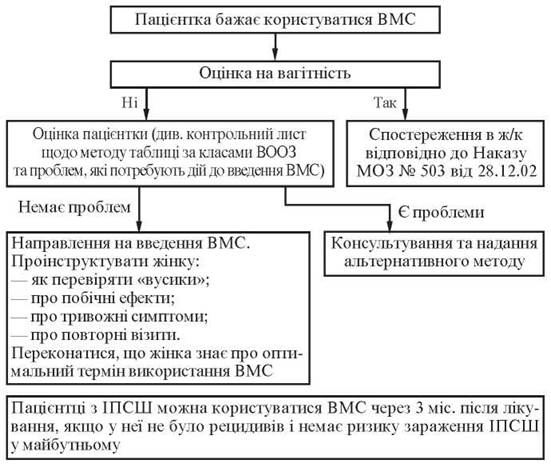
Fig. 45. Algorithm for prescribing a copper-bearing IUD
Depo-Provera
Depo-Provera (depot medroxyprogesterone acetate [DMPA]) is an injectable contraceptive administered every three months. A single dose contains 150 mg of the hormone.
The injection must be administered observing aseptic and antiseptic techniques. Shake the vial gently before administration to avoid foaming. Draw the solution into the syringe and use the same needle for the injection that was used for withdrawal. After disinfecting the skin with alcohol, allow the antiseptic to dry completely. After inserting the needle deep into the Muscle, check to ensure it has not entered a blood vessel (by pulling back on the plunger). Do not massage the injection site.
Nulliparous women who are potential DMPA users should be informed that use of the drug may result in a delayed return of fertility, which does not indicate permanent Infertility. WHO experts have defined the conditions for DMPA use for contraception (Table 40).
Table 40. Categorization of Depo-Provera users by class (WHO, 2001)
Class 1: — age 18 to 45 years; — breastfeeding an infant over 6 weeks of age; — immediately postpartum if the patient is not breastfeeding; — post-abortion (first trimester, second trimester, or septic); — smoking at any age; — history of preeclampsia; — superficial venous thrombosis, surgical Procedures without prolonged immobilization of the lower extremities; — uterine fibroids; — history of ectopic pregnancy; — thyroid disorders; — trophoblastic disease; — anemia, Epilepsy; — dysmenorrhea, endometriosis; — tuberculosis; — varicose veins; Class 2: — age <18 and >45 years; — hypertension: BP 140/90–160/100 mmHg; — uncomplicated diabetes of under 20 years' duration; — obesity; — surgery with prolonged immobilization; — headaches, migraine without neurological symptoms; — liver cirrhosis (mild); |
— valvular heart disease (uncomplicated, complicated); — mild headaches; — benign breast tumors; — family history of breast cancer; — cervical ectropion; — endometrial and ovarian cancer; — pelvic inflammatory disease, including STIs; — hepatitis virus carrier state; — history of pregnancy-related cholestasis; — Gallbladder disease, COC-related cholestasis, history of cholecystectomy; — history of deep vein thrombosis or pulmonary embolism. Class 3: — BP > 160/100 mmHg; — breastfeeding < 6 weeks postpartum; — complicated diabetes of over 20 years' duration; — current or past ischemic heart disease, stroke, headaches with neurological symptoms; — viral hepatitis (active phase); — liver cirrhosis (decompensated); — liver tumors; — deep vein thrombosis; — genital bleeding of unknown Etiology (until Diagnosis is established). Class 4: — breast cancer. |
If warning signs appear while using DMPA (genital bleeding, pain, hyperemia, infiltration at the injection site), the woman should consult a physician immediately.
Sexually active young patients should be informed about the side effects of DMPA use (Table 41).
When prescribing DMPA to a young woman, the algorithm shown in Fig. 46 should be followed.
Table 41. Side effects of Depo-Provera and their management
Side Effect |
Management |
|
Staining or bleeding |
See protocol "Bleeding/Spotting with DMPA Use" |
|
Mastalgia |
Resolves within 3 months. Consider the use of brufen |
|
Amenorrhea |
Pregnancy evaluation. If pregnancy is ruled out, encourage continuation of DMPA |
|
Weight gain |
Explain to the patient that a gain of 1–2 kg may occur. Provide advice on A balanced diet and physical activity |
|
Headache |
Take medical history. Measure blood pressure. If elevated, refer the patient to a general practitioner. Examination by an otolaryngologist (maxillary sinusitis, sinusitis) |
|
Mood changes |
Take history and counsel the patient. If depression is associated with DMPA use and the condition worsens, assist in choosing an alternative method |
|
Jaundice |
Rule out active hepatitis. In case of active hepatitis, DMPA may be continued because pregnancy carries a higher risk for such a woman than DMPA |
|

Fig. 46. Algorithm for prescribing Depo-Provera
For patients with anemia, the advantage of DMPA is that it reduces blood loss due to the induction of amenorrhea.
Irregular, prolonged bleeding or light spotting is common during the first 2–6 months. Bleeding typically decreases and ceases completely after 9–12 months of DMPA use (Table 42).
Table 42. Bleeding or spotting associated with Depo-Provera use
Bleeding pattern |
Management |
Spotting or light bleeding (lighter than a normal period and posing no threat, even if it persists for several weeks) |
Reassure the patient: explain that this is a normal side effect of DMPA, and that she can return for counseling at any time if she has concerns. If the patient feels weak or shows symptoms of anemia, iron and Folic acid supplements are prescribed. If the woman remains dissatisfied after counseling, low-dose monophasic combined oral contraceptives (COCs) can be prescribed for 7–21 days, taken as one tablet daily. Evaluate the patient to rule out any contraindications to COCs (refer to the COC protocol and checklist). Alternatively, the next injection can be administered up to 4 weeks earlier than scheduled to temporarily reduce bleeding. |
Moderate bleeding (equivalent to a normal menstrual period, but prolonged — twice as long as usual) |
Explain that this is normal during the first 3 months of DMPA use. Over time, the bleeding episodes will become shorter and lighter. If counseling and reassurance are insufficient, prescribe low-dose COCs for 7–21 days, to be taken as one tablet daily (the estrogen in COCs promotes endometrial proliferation and reduces bleeding). Alternatively, ibuprofen (200 mg) three times daily for 5 days may be used. The next injection can also be administered 4 weeks earlier than scheduled to temporarily reduce bleeding. Irregular or prolonged bleeding may recur despite these measures until amenorrhea is established, which typically occurs no earlier than 9 months of use. |
Heavy bleeding (heavier and longer than normal menstruation; such bleeding is relatively rare) |
Prescribe low-dose COCs for 7–21 days, to be taken as one tablet daily. If the bleeding is very heavy and does not subside: 1. Investigate the patient for other potential causes of bleeding. 2. Following a thorough evaluation, prescribe 2 COC tablets (double the estrogen dose) daily for 3–7 days, followed by 1 tablet daily for the remaining 21 days. |
Generally, special diagnostic workup is not required for DMPA-induced bleeding unless the bleeding persists despite treatment.
Clinical evaluation should rule out pregnancy (including ectopic pregnancy), abortion, reproductive tract infections, malignancies, and other pathologies (Fig. 47).

Fig. 47. Management algorithm for bleeding or spotting associated with Depo-Provera use
Emergency Contraception
Emergency contraception should not be used as a routine contraceptive method. Following emergency contraception, the patient should be counseled to make an informed choice regarding an ongoing, regular contraceptive method.
Situations where emergency contraception is recommended include:
— unprotected sexual intercourse;
— condom breakage, slippage, or misuse;
— sexual assault;
— unprotected intercourse during the fertile days when using NATURAL FAMILY PLANNING methods (including miscalculation of the fertile window);
— patient anxiety regarding potential pregnancy due to method failure (e.g., missed contraceptive pills, delayed DMPA injection, etc.).
Emergency contraception options include low-dose monophasic COCs, progestin-only pills (POPs), and copper-bearing IUDs. Levonorgestrel-containing progestin-only pills are as effective as COCs, while causing fewer side effects.
Low-dose COCs contain 30 mcg of ethinyl estradiol as the estrogen component, combined with 150 mcg of levonorgestrel, 150 mcg of desogestrel, or 75 mcg of gestodene as the progestin component.
Regimen: The first dose (4 tablets) should be taken as soon as possible, no later than 72 hours after unprotected intercourse; the second dose (4 tablets) is taken 12 hours later.
Progestin-only pills contain 750 mcg of levonorgestrel.
Regimen: Take 1 tablet as soon as possible, no later than 72 hours after unprotected intercourse, followed by a second tablet 12 hours later.
Copper-bearing IUDs can be used for emergency contraception up to 5 days after unprotected intercourse, provided there are no contraindications (Fig. 48).

Fig. 48. Emergency contraception prescription algorithm
Management of side effects (nausea and vomiting) involves the following:
— if the woman experiences vomiting within 2 hours of administration, she should take a repeat dose;
— if vomiting persists, the tablets should be administered vaginally.
If a patient has taken emergency contraception pills while already pregnant, reassure her that this will not adversely affect fetal intrauterine development. However, the decision to carry the pregnancy to term rests entirely with the patient.
Menstruation may fail to occur within 3 weeks following emergency contraception; in such cases, a pregnancy test must be performed:
— if an IUD was inserted for emergency contraception, the decision to remove or retain it is up to the patient;
— all young women who receive emergency contraception must be counseled on regular methods of contraception.
Levonorgestrel and mifepristone are more effective for emergency contraception, though they are associated with acceptable side effects.
It should be noted that examinations of adolescent girls using IUDs reveal a high risk of unplanned pregnancy, pelvic inflammatory disease, spontaneous expulsion, menstrual irregularities, and pelvic pain. This warrants further investigation into the suitability of IUD use in adolescents.
Last update: 08/08/2026
Editorial and Educational Adaptation: This material has been compiled based on the primary/original source text. The project team performed an editorial review, corrected technical inaccuracies, structured sections, and adapted the content for an educational format.
What was processed:
- elimination of formatting defects (OCR errors, structural breaks, corrupted characters);
- editorial organization of content;
- standardization of terminology in accordance with academic sources;
- verification of factual statements against the original source text.
All mentions of the author, publication year, and origin of the primary text have been preserved in accordance with the source.