Tuberculosis Study Guide - M. M. Savula 2002
Etiology
The infectious nature of tuberculosis had long been suspected, but it was definitively proven only in 1882 by the German bacteriologist Robert Koch (Fig. 1), who isolated a pure culture of the CAUSATIVE AGENT OF tuberculosis, later named Koch's bacillus in his honor. The modern name of the causative agent of tuberculosis is Mycobacterium tuberculosis (abbreviated as MTB).
In humans, the disease is most commonly caused by the human species (9095 %), and much less frequently by the bovine species of mycobacteria. In regions with a high prevalence of tuberculosis-infected livestock, the bovine species of MTB is detected more often, primarily causing Extrapulmonary tuberculosis (Lymph Nodes, bones, Genitourinary system, etc.). At the same time, the human species of Mycobacterium tuberculosis can cause disease in cattle.
Another species is the African mycobacterium, which shares some characteristics of both previous species and was isolated from patients in western tropical Africa.
Class="center">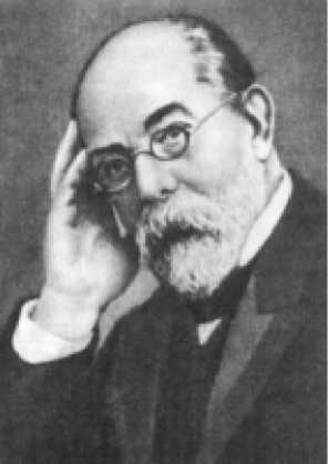
Fig. 1. Robert Koch.
Under the Microscope, MTB appear as thin, slightly Curved Rods 0.8-5 µm in length. MTB require oxygen for normal development. Mycobacteria reproduce by simple binary fission, and rarely by budding. The division cycle of the parent Cell takes 2036 hours; its duration can vary depending on environmental conditions and the state of metabolic processes within The Cell. It has been noted that not all anti-tuberculosis drugs are effective against MTB with slow growth and division. An important characteristic of MTB is their acid-, alkali-, and alcohol-fastness. This is due to the high lipid content (up to 40 %) in the bacterial cell. The lipid fraction is also the primary carrier of the virulent properties of MTB. Proteins (tuberculoproteins) are the main carriers of the antigenic properties of MTB. Tuberculoproteins are contained in tuberculin, a preparation used to diagnose tuberculosis infection.
The causative agent of tuberculosis is quite resilient in the environment; 1 without sunlight, it remains viable for several months, in Water — up to 5 months, on book pages — 3 months, in sputum — from 2 to 10 months, and in soil — 1-2 years.
However, under direct sunlight, MTB die within 1.5 hours, and under ultraviolet irradiation — in 2-3 minutes. Boiling kills MTB in 5 minutes. At the same time, mycobacteria are resistant to low temperatures and remain viable for up to 7 years at -20 °C. The most effective disinfectants against Mycobacterium tuberculosis are those that release active chlorine, such as chloramine and chlorinated lime solutions. Under METABOLISM/18.html">The Influence of various factors, mycobacteria can alter their properties. In The Human Body, through interaction with The Immune System as well as under the action of anti-tuberculosis drugs, the size of the microbial cell, its Cell wall, and the intensity of metabolic processes can change. As a result, typical Mycobacterium tuberculosis can transform into so-called "dormant" (ultrasmall, or L-forms) states, which persist in body Tissues for many years without causing harm, but under certain conditions can revert to typical forms, begin to multiply rapidly, and cause the disease to develop. Under the influence of prolonged, unsystematic Treatment, mycobacteria develop resistance to anti-tuberculosis drugs, rendering therapy ineffective.
In recent years, so-called atypical mycobacteria, which differ from MTB in their cultural and biochemical properties, have acquired increasing clinical significance. These also include the avian species. They are found in soil, water bodies, and on vegetables. They are considered opportunistic pathogens for humans. However, when host resistance is compromised, they cause a disease that resembles tuberculosis, known as mycobacteriosis. Consequently, these Bacteria frequently affect HIV-infected individuals and AIDS patients, in whom mycobacteriosis is the cause of death in 25 % of cases.
Last update: 10/08/2026
Editorial and Educational Adaptation: This material has been compiled based on the primary/original source text. The project team performed an editorial review, corrected technical inaccuracies, structured sections, and adapted the content for an educational format.
What was processed:
- elimination of formatting defects (OCR errors, structural breaks, corrupted characters);
- editorial organization of content;
- standardization of terminology in accordance with academic sources;
- verification of factual statements against the original source text.
All mentions of the author, publication year, and origin of the primary text have been preserved in accordance with the source.