Pharmacognosy with the Basics of Plant Biochemistry - Kovalyov V. M. 2004
Special Part
Alkaloids
Purine Alkaloids
Purine bases, or simply Purines, are organic heterocyclic natural compounds derived from purine. They play a significant biological role, primarily as structural Building Blocks of NUCLEOTIDES and Nucleic Acids in All living organisms. The most common purine bases include adenine and guanine, which are Components of nucleic acids and numerous Coenzymes.
Class="center">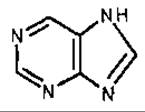
Purine
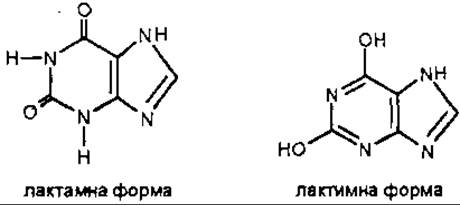
Xanthine
Xanthine (2,6-dihydroxypurine) is a crucial intermediate in purine METABOLISM, formed through the deamination of guanine and The oxidation of hypoxanthine. In animal organisms, it is oxidized to uric acid. It has been found in urine, urinary calculi, Blood, certain plants (tea leaves), and microorganisms. In aqueous solutions, xanthine exists in two tautomeric forms: oxo (lactam) and enol (lactim). The equilibrium depends on pH, with the lactam form predominating in the neutral and mildly acidic environments of plant Tissues. Xanthine acts as a potent diuretic.
In medicine, N-methylated xanthine derivatives—caffeine, theophylline, and theobromine—are widely used. According to Hegnauer's Classification, they are categorized as pseudoalkaloids because they are not derived from Amino Acids and lack the typical PHYSICOCHEMICAL PROPERTIES OF true Alkaloids.
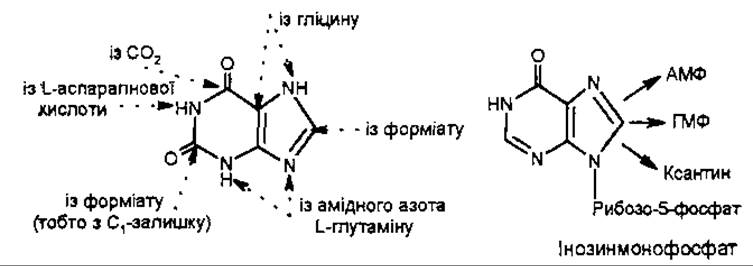
Biogenetically, purine alkaloids are formed via the pathway characteristic of all purines, which feature a fused bicyclic system consisting of pyrimidine and imidazole rings. Biosynthesis begins with a-D-ribose-5-phosphate. The precursors incorporated into the process include Glycine, aspartic acid, glutamic acid or glutamine, and two C1 formyl groups (derived from activated formic acid). The biosynthetic pathway is highly energy-demanding, requiring ATP. The ultimate precursor formed is inosine-5-monophosphate, which gives rise to xanthine, adenosine monophosphate (AMP), or guanosine monophosphate (GMP).
Biosynthesis of Purine alkaloids
Purine alkaloids belong to psychostimulatory drugs (analeptic agents).
Caffeine is 1,3,7-trimethylxanthine, the principal alkaloid found in the seeds of the coffee plant, Coffea spp. (Rubiaceae). It is also widespread in the families Theaceae (Camellia, Thea), Sapindaceae (Paulinia), Aquifoliaceae (Ilex), and Sterculiaceae (genera Theobroma and Cola), and occurs in small amounts in other plants, such as stork's bill (Erodium cicutarium, Geraniaceae).
Caffeine acts on the Cerebral Cortex, reducing fatigue, enhancing visual and auditory acuity, mental performance, and environmental sensory perception. It stimulates weakened Heart function, enhances systole in cardiac insufficiency, and dilates the Blood Vessels of the Brain, heart, skeletal Muscles, Lungs, Kidneys, and Skin. Conversely, abdominal blood vessels constrict under The Influence of caffeine. Caffeine acts as an antagonist to alcohol and narcotic substances. It has been established that the maximum daily dose of caffeine is 1.5 g.
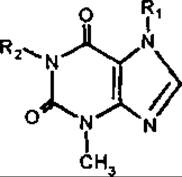
Caffeine |
СН3 |
СН3 |
Theobromine |
СН3 |
Н |
Theophylline |
Н |
СН3 |
Cola seeds (Semina Colae, Nuxes Colae; from Cola nitida [bissy nut] and Cola acuminata, family Sterculiaceae) contain caffeine (2.5–3%) and theobromine in both free form and as tannates. In fresh seeds, caffeine is present as the glycoside kolanin (colacatechin), which hydrolyzes into glucose, caffeine, and cola Tannins. During drying, this complex breaks down, releasing free alkaloids and turning the seeds red.
In other countries, cola powder is added to certain types of chocolate to enhance its tonic effect and is used in the manufacture of beverages such as Coca-Cola and Pepsi-Cola. The International Food Standards Committee requires the caffeine content in beverages of this type to be within 50–200 mg/L. Beverages containing a lower amount of caffeine are considered decaffeinated. Cola tablets and cola chocolate are consumed by pilots, mountaineers, and athletes.
Guarana paste (Pasta Guarana; from Paullinia cupana, family Sapindaceae, also known as guarana, paullinia, or Brazilian chocolate) contains caffeine (4–6%), resins, and tannins. It is used for migraines and as a tonic. The bark is used to prepare stimulating beverages that relieve fatigue and hunger. Additionally, the bark is employed as a remedy for malaria and jaundice. Species of Paullinia grow in the tropical forests of Latin America and West Africa.
Ranking fourth among caffeine-containing plants used worldwide for beverage production (after tea, coffee, and cacao) is mate foliage (Folia Mate, Paraguayan tea, Ilex paraguariensis, syn. Ilex mate, family Aquifoliaceae).
Holly leaves were widely used by North American Indians and the inhabitants of southern China to prepare medicinal infusions. The thoroughly dried plant material is ground into a powder known as yerba mate and brewed like tea. The leaves contain up to 2% caffeine, 10–16% chlorogenic acid, small amounts of essential oil, and a high concentration of Vitamins. The beverage exhibits tonic and diuretic properties, and acts as a laxative in large doses.
Theobromine is the primary alkaloid found in the seeds of the cacao tree (Theobroma cacao, Sterculiaceae). It frequently accompanies caffeine, such as in tea leaves and cola nuts. Theobromine exhibits spasmolytic and diuretic activity.
Theophylline is 1,3-dimethylxanthine, commonly found alongside theobromine. It acts as a psychoanaleptic, though it is milder than caffeine.
Theobromine and theophylline are cardiac stimulants. They dilate the coronary and renal blood vessels, relax bronchial smooth Muscle, and increase diuresis. These alkaloids are used in cases of myocardial insufficiency and as Diuretics, and are incorporated into hypotensive and antiarrhythmic agents.
Last update: 06/08/2026
Editorial and Educational Adaptation: This material has been compiled based on the primary/original source text. The project team performed an editorial review, corrected technical inaccuracies, structured sections, and adapted the content for an educational format.
What was processed:
- elimination of formatting defects (OCR errors, structural breaks, corrupted characters);
- editorial organization of content;
- standardization of terminology in accordance with academic sources;
- verification of factual statements against the original source text.
All mentions of the author, publication year, and origin of the primary text have been preserved in accordance with the source.