Basics of Medical Genetics - Buzhyievska T.I. 2001
Hereditary diseases
Primary immunodeficiencies
The clinical manifestations (phenotype) of any pathology, particularly infectious and allergic conditions, depend on the individual's immunogenetic program. The body's immune defense mechanisms function through The activity of 2∙1012 Cells and four specific Organs (the Thymus, Bone Marrow, Spleen, and Lymph Nodes).
In response to encounter with an antigen, B lymphocytes synthesize specific Antibodies—IMMUNOGLOBULINS G, M, A, E, and D (depending on The Structure of the heavy chain of the molecule). Each immunoglobulin molecule consists of four polypeptide chains: two light chains (each containing one variable and one constant region) and two heavy chains (each containing one variable and three constant regions). The genes encoding immunoglobulins form three linkage groups (two for the light chains and one for the heavy chain) located on different Chromosomes. The coordinated expression of these genes ensures the Specificity and timeliness of the body's immune responses. In the immunoglobulin molecule, the variable (V) Regions of the two chains (light—L, heavy—H) form "antigen traps" or acceptor terminals. The constant (C) regions of the two heavy (H) chains form the effector end of the molecule, which mediates the downstream effects of the specific antigen-antibody complex: agglutination, lysis, Complement fixation, etc.
A schematic representation of the gamma globulin molecule is shown in Fig. 12.
Depending on their Functions, T cells can act as helpers (T helper cells), suppressors (T suppressor cells), or killers (cytotoxic T cells). These cells express Immune Response modifier genes that encode interferons, interleukins, and other immunomodulators. Mutations in various genes across different Cell types account for the entire spectrum of Primary immunodeficiencies. Each immune response generates a clone of specialized lymphocytes that retain immunological memory of the antigen. Every time Immunity is established, cells must proliferate intensively, which requires multiple rounds of METABOLISM/36.html">DNA Replication (synthesis). A deficiency in one of the Enzymes involved in DNA Synthesis—adenosine deaminase (which catalyzes the hydrolytic deamination of adenosine)—is the underlying cause of severe combined immunodeficiency (SCID).
Class="center">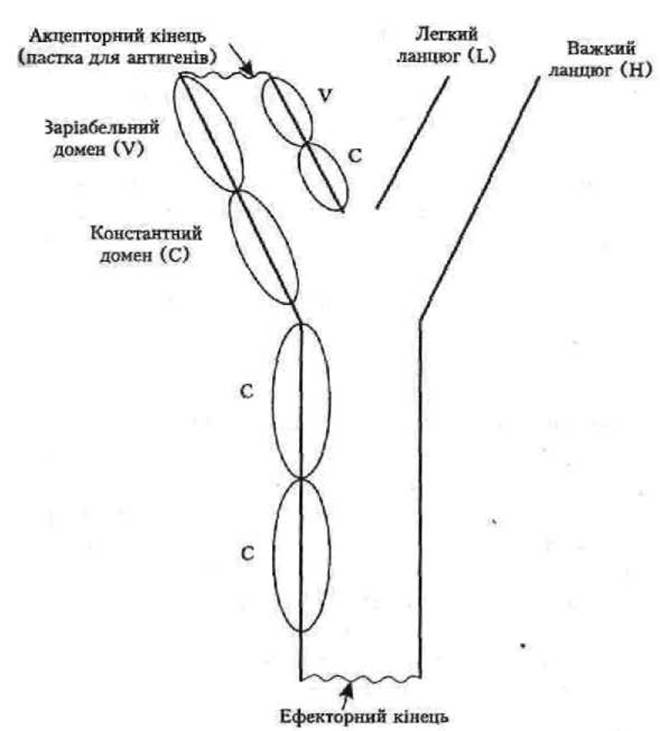
Fig. 12. Diagram of the gamma globulin molecule
SCID manifests from birth with lymphopenia, thymic aplasia, absence of delayed-type hypersensitivity, and impaired immunoglobulin synthesis. Patient lymphocytes fail to respond to mitogens in vitro. It exhibits an autosomal recessive (AR) inheritance pattern. Etiologically, mutations in the adenosine deaminase Gene and the recombination-activating gene (RAG-1) are implicated. Currently, transplantation of histocompatible bone marrow is considered the only effective Treatment. Prior to the Procedure, affected children require a sterile environment (sterile food, air, laminar flow isolators, etc.).
Among the most common hereditary immunodeficiencies, the following deserve special attention.
Aγ-globulinemia (agammaglobulinemia) and hypogammaglobulinemia manifest between the ages of 6 months and 2 years with chronic infections (Pneumonia, sinusitis) caused by unusual or even normally non-pathogenic microorganisms. These conditions are characterized by a deficiency of immunoglobulin G. Post-vaccination complications are also possible. Both autosomal recessive (AR) and X-linked recessive (XR) forms exist (Bruton's disease).
Selective immunoglobulin A deficiency typically begins to manifest between 3 and 7 years of age. This immunodeficiency state is associated with rheumatoid Arthritis, systemic lupus erythematosus, Ankylosing spondylitis, dermatomyositis, atopic dermatitis, recurrent styes, otitis media, giardiasis, Diabetes Mellitus, thyroiditis, and other autoimmune processes. It follows an AR inheritance pattern, and some of these cases are linked to abnormalities of chromosome 18.
An altered ratio of immunoglobulins M and G characterized by an increased concentration of IgM is typical of lymphadenopathy.
Genetically determined IgE syndrome presents with relatively good resistance to common pathogens. At the same time, children gradually and almost imperceptibly develop cold abscesses (painless and without fever), pruritic dermatitis, allergic conditions, and candidiasis.
Transient hypogammaglobulinemia, associated with a delayed onset of immune function, may occur in infants up to 2–3 months of age.
Immunoproliferative disease is characterized by heightened susceptibility to the Epstein-Barr virus, a predisposition to lymphomas (including malignant ones), and infectious mononucleosis. It has an XR inheritance pattern.
Thymic hypoplasia (DiGeorge syndrome). On one hand, this is a congenital developmental defect; on the other hand, it is a T-cell immunodeficiency. It manifests from birth with seizures (hypoparathyroidism), increased susceptibility to viral and fungal infections, skeletal, Oral Cavity, and internal organ malformations, aplasia or hypoplasia of the thymus, and deficient T-cell immunity. Without appropriate treatment, death occurs by 2 years of age. Families with AR or autosomal dominant (AD) inheritance patterns, as well as chromosome 22q11 deletions, have been described, alongside sporadic cases.
Wiskott-Aldrich syndrome is an immunodeficiency characterized by thrombocytopenia and eczema. Clinical manifestations appear at birth: thrombocytopenic purpura and bloody stools, later complicated by pneumonia, otitis, dermatitis, and eczema; malignant tumors resembling reticuloendotheliosis may also develop. The hallmark features are a hemorrhagic diathesis and a genetic block at the B-lymphocyte level. The inheritance pattern is X-linked.
Ataxia-telangiectasia (Louis-Bar syndrome) is a complex multi-system disorder affecting the immune, nervous, and endocrine systems, frequently accompanied by Skin and Liver damage. One of the symptoms of this pathology is Insulin-resistant diabetes mellitus, alongside a predisposition to reticular cell malignancies. It follows an AR inheritance pattern.
Treatment for immunodeficiencies is primarily symptomatic: vitamin therapy, Antibiotics, and Blood transfusions. Bone marrow transplantation remains problematic in our Setting. Immunomodulatory therapy is and will increasingly be utilized thanks to advances in Introduction/32.html">Genetic Engineering and the growing capabilities in diagnosing the immune status (profile) of each individual patient.
Last update: 08/08/2026
Editorial and Educational Adaptation: This material has been compiled based on the primary/original source text. The project team performed an editorial review, corrected technical inaccuracies, structured sections, and adapted the content for an educational format.
What was processed:
- elimination of formatting defects (OCR errors, structural breaks, corrupted characters);
- editorial organization of content;
- standardization of terminology in accordance with academic sources;
- verification of factual statements against the original source text.
All mentions of the author, publication year, and origin of the primary text have been preserved in accordance with the source.