Human Biochemistry Volume 1 - Murray R. 1993
Protein and Amino Acid Metabolism
Conversion of Amino Acids into Specialized Products
Tryptophan
Serotonin
The secondary pathway of Tryptophan METABOLISM involves its hydroxylation to 5-hydroxytryptophan. The oxidation of tryptophan via hydroxylation is analogous to The conversion of phenylalanine to Tyrosine (Fig. 29.11), with hepatic phenylalanine hydroxylase also catalyzing the hydroxylation of tryptophan. Decarboxylation of 5-hydroxytryptophan yields 5-hydroxytryptamine (serotonin) (Fig. 32.8, reaction 1), which is a potent vasoconstrictor and smooth Muscle stimulant.
Class="center">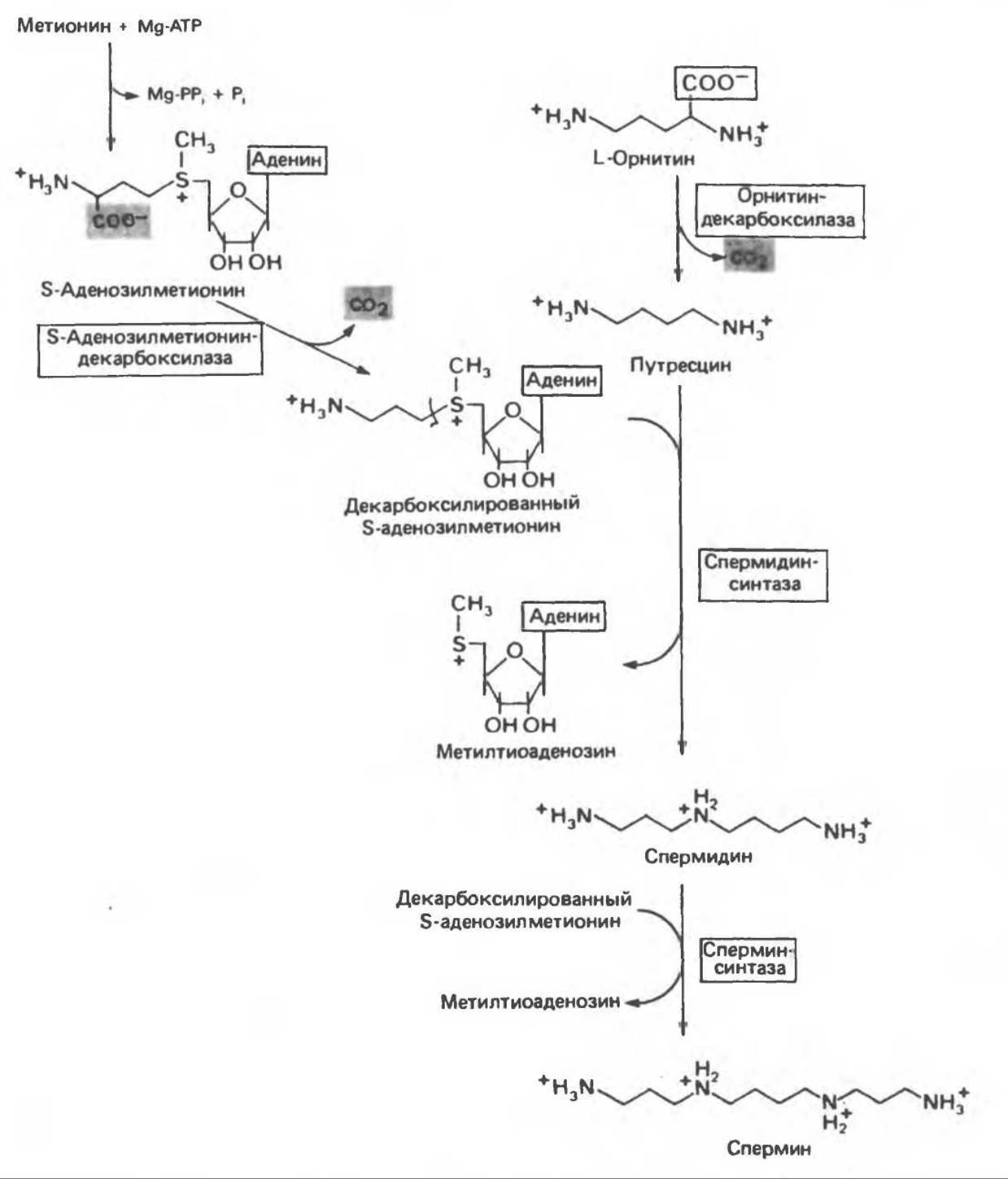
Fig. 32.6. Intermediates and Enzymes involved in The Biosynthesis of spermidine and spermine. To avoid cluttering the figure, methylene groups are omitted.
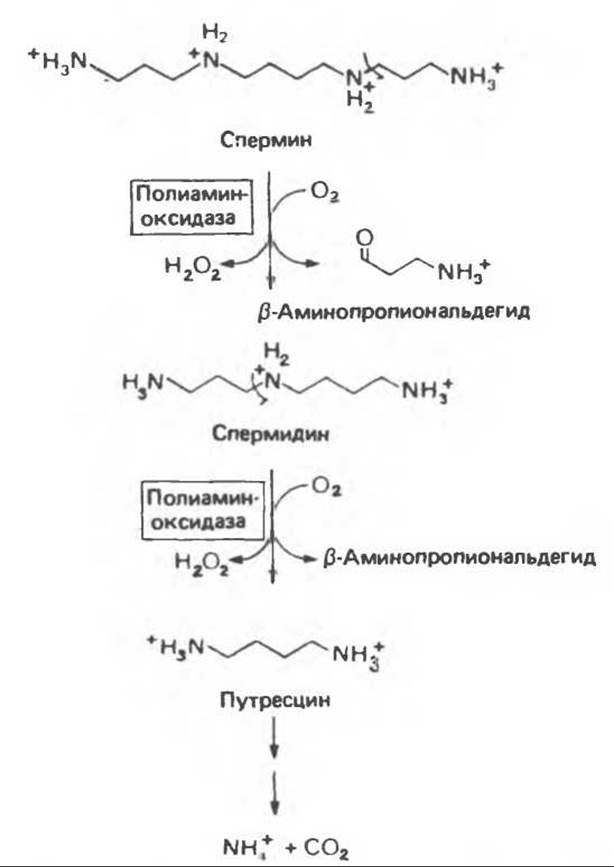
Fig. 32.7. Catabolism of Polyamines. For clarity, structures are shown in a schematic form.
5-Hydroxytryptophan decarboxylase, which produces serotonin from hydroxytryptophan, is found in the Kidneys (pig, guinea pig), Liver, and Stomach. However, the decarboxylation of 5-hydroxytryptophan can also be carried out by the more widely distributed aromatic L-amino acid decarboxylase.
Most serotonin undergoes Oxidative Deamination to yield 5-hydroxyindoleacetate. The enzyme catalyzing this reaction is monoamine oxidase (Fig. 32.8, reaction 2). Iproniazid is among the inhibitors of this enzyme. It is hypothesized that the psychological stimulation observed following the administration of this drug is due to its ability to prolong the action of serotonin by inhibiting monoamine oxidase. The daily excretion of 5-hydroxyindoleacetate in the urine of a healthy human ranges from 2 to 8 mg.
Serotonin production is significantly increased in malignant carcinoid (argentaffinoma). This condition is characterized by the proliferation of serotonin-producing tumor Cells within the argentaffin tissue of the Abdominal cavity. Carcinoid syndrome is accompanied by a disruption in tryptophan metabolism, resulting in a much larger fraction of tryptophan than normal being metabolized via the hydroxyindole pathway. Normally, only 1% of tryptophan is converted to serotonin, whereas in patients with carcinoid this figure reaches 60%. Such a metabolic deviation from the primary pathway significantly reduces the synthesis of nicotinic acid from tryptophan, which can lead to symptoms of pellagra as well as a negative nitrogen balance. Other serotonin metabolites identified in the urine of carcinoid patients include 5-hydroxyindoleaceturate (a conjugate of Glycine and 5-hydroxyindoleacetate) and the glucuronide conjugate of N-acetylserotonin.
Melatonin
Melatonin is synthesized from serotonin via N-Acetylation (Fig. 32.8, reaction 3) followed by methylation of the 5-hydroxyl group (Fig. 32.8, reaction 4). Methylation takes place in the Pineal Gland tissue. Along with the methylation of N-acetylserotonin, direct methylation of serotonin (Fig. 32.8, reaction 5) and its metabolite 5-hydroxyindoleacetate (Fig. 32.8, reaction 6) also occurs.
Serotonin and 5-methoxytryptamine are oxidized to their corresponding acids by monoamine oxidase. Circulating melatonin is taken up by all Tissues, including the Brain, but is rapidly hydroxylated at the 6-position and subsequently conjugated with sulfate (70%) and glucuronic acid (6%); a fraction of it is converted into non-indole products.
Indole derivatives in urine
Tryptophan can be converted into various indole derivatives (Fig. 32.8). The End products of these transformations excreted in the urine are predominantly 5-hydroxyindoleacetate—the principal product of the hydroxytryptophan-serotonin pathway—and indole-3-acetate, formed via the decarboxylation and oxidation of indolepyruvate, the keto acid corresponding to tryptophan.
Mammalian kidneys and liver, as well as human fecal Bacteria, decarboxylate tryptophan to form tryptamine, which is subsequently oxidized to indole-3-acetate. Patients with phenylketonuria excrete elevated amounts of indoleacetate in their urine (along with indolelactate, formed via the reduction of indolepyruvate).

Fig. 32.8. Biosynthesis and Metabolism of melatonin. [NH+4] — Transamination; MAO — monoamine oxidase. References to reaction numbers are given in the text.
Last update: 06/08/2026
Editorial and Educational Adaptation: This material has been compiled based on the primary/original source text. The project team performed an editorial review, corrected technical inaccuracies, structured sections, and adapted the content for an educational format.
What was processed:
- elimination of formatting defects (OCR errors, structural breaks, corrupted characters);
- editorial organization of content;
- standardization of terminology in accordance with academic sources;
- verification of factual statements against the original source text.
All mentions of the author, publication year, and origin of the primary text have been preserved in accordance with the source.