Post-infarction angina: mechanisms of development, clinical features, treatment, and prognosis - Bobrov V. O. 2009
Effects of anti-ischemic therapy and prognosis in patients with post-infarction angina
Antiplatelet therapy. The administration of antiplatelet therapy prevents thrombotic complications and is mandatory for all patients with coronary artery disease (CAD) in the absence of contraindications. Acetylsalicylic acid (ASA) remains the drug of choice for the majority of patients with CAD. The positive therapeutic effect of ASA and the relatively low risk of adverse reactions associated with it are well-documented today. Randomized trials have demonstrated the undeniable superiority of ASA over placebo in patients with stable angina pectoris. These include, for example, the results of the Swedish SAPAT trial, the classic meta-analysis by the Antithrombotic Trialists' Collaboration (ATC), and others. Antithrombotic therapy is of particular importance for patients with a history of myocardial infarction (MI). According to the ATC data from 11 multicenter, placebo-controlled trials involving nearly 19,000 patients with a history of MI, ASA intake reduced mortality by 31 %, the incidence of recurrent non-fatal MI by 31 %, and the incidence of non-fatal stroke by 42 %. In another trial, ASA reduced the relative risk of cerebrovascular events by approximately 23 % in patients with cardiovascular or cerebrovascular disease.
The efficacy of ASA in the primary Prevention of vascular complications has been evaluated in 6 placebo-controlled trials with a total of approximately 58,000 participants. The absolute benefit of this drug depended on the baseline cardiovascular risk in the control group (i.e., patients receiving placebo). Consequently, when discussing The Need for ASA in primary prevention, it is first necessary to assess the individual risk of cardiovascular events (CVEs) over the next 5-10 years. Based on this information and the known magnitude of risk reduction achieved with ASA, one can calculate the number of CVEs avoided during long-term Treatment with this drug and determine whether the therapeutic benefits outweigh the potential risks associated with hemorrhagic complications.
The Women’s Health Study (WHS) evaluated the preventive effects of low-dose ASA (100 mg on alternate days) in nearly 40,000 healthy women aged 45 years and older. After 10 years of follow-up, a relative risk reduction of 17 % was observed for first non-fatal stroke (p=0.04) and 24 % for ischemic stroke (p=0.009), with no increase in the risk of hemorrhagic stroke (p=0.31); however, no significant effect was found on the risk of fatal or non-fatal MI (p=0.83) or cardiovascular death.
It should also be noted that the majority of women participating in the WHS were under 65 years of age and belonged to the low-risk group, with only about 10 % being older than 65. Nevertheless, it was precisely in this small subgroup that the greatest preventive effect of ASA was observed. The risk of major cardiovascular events decreased by 26 %, and the risks of both stroke (by 30 %; p=0.05) and MI (by 34 %; p=0.04) were significantly reduced.
Previously, secondary prevention trials in patients with a history of MI, stroke, or transient ischemic attack showed no gender-related differences in the clinical efficacy of ASA. In both men and women, ASA similarly reduced the risk of recurrent coronary events—such as MI or coronary death (by 19 % and 25 %, respectively; p=0.6)—and the risk of stroke (by 17 % and 22 %, respectively; p=0.7). Currently, there is no convincing evidence of a gender difference in the clinical efficacy of ASA, which is reflected in all active guidelines for the treatment and prevention of cardiovascular diseases.
Following the administration of low doses of ASA, platelet cyclooxygenase is inhibited, which leads to a decrease in the synthesis of thromboxane A2, a potent vasoconstrictor and inducer of platelet aggregation.
However, despite more than a century of experience with ASA, some mechanisms of its action remain incompletely understood. For instance, it is not entirely clear why ASA—a relatively weak inhibitor of platelet aggregation—is nonetheless highly effective, or whether its antithrombotic effects are related to more than just its ability to suppress platelet aggregation.
Currently, alternative mechanisms of ASA action are being investigated:
- the expressive effect of ASA on METABOLISM/31.html">Transcription factors regulating the synthesis of anti-inflammatory mediators;
- the involvement of ASA in the Generation of reactive oxygen species;
- the reduction of low-density lipoprotein oxidation susceptibility during ASA therapy;
- the ability of ASA to enhance the synthesis of ferritin as an antioxidant;
- the potential of ASA to increase the synthesis of certain anti-inflammatory mediators.
Recently, additional evidence has emerged indicating that in low
pharmacological doses, ASA has The ability to induce the synthesis of adenosine, a very potent anti-inflammatory substance.
A recently published Memorandum by the Working Group on ASA Resistance of the Platelet Physiology Subcommittee noted that arterial thrombosis is a multifactorial phenomenon, and an arterial thrombotic event in a patient may reflect an overall failure of management. Another important factor is the widespread issue of patient non-adherence to the ASA regimen.
The issue of gastropathy in high-cardiovascular-risk patients receiving long-term ASA therapy is highly relevant due to the rising prevalence of cardiovascular diseases. ASA is rapidly absorbed in The Stomach, with peak plasma concentrations reached within just 15-20 minutes. By this time, low doses of ASA (75-150 mg) completely inhibit platelet aggregation. ASA is typically administered at bedtime, as the peak of the circadian rhythm of platelet aggregation occurs around 10:00 PM.
When deciding on ASA therapy, both the expected clinical benefits and the risk of hemorrhagic complications—primarily gastrointestinal bleeding and hemorrhagic strokes—must be taken into account. In individuals with a moderate-to-high risk of atherothrombotic events, ASA administration significantly improves the clinical course of the disease, and the potential benefits of treatment clearly outweigh the bleeding risks. Therefore, a once-daily dose of ASA is sufficient. The dosage of ASA for the treatment or prevention of cardiovascular diseases ranges from 75 to 150 mg. The administration of low-dose ASA (75-150 mg/day) for long-term therapy is just as effective as medium (160-325 mg/day) or high doses (500-1500 mg/day). At the same time, low doses are preferred for chronic therapy due to a reduced ulcerogenic effect and the absence of a significant impact on prostacyclin synthesis in the vascular wall.
Contraindications for ASA use are divided into absolute (acute or subacute peptic ulcer; hemorrhagic diathesis; hypersensitivity to salicylates; Pregnancy >36 weeks) and relative (chronic or recurrent gastric and/or duodenal ulcer; glucose-6-phosphate dehydrogenase deficiency; Bronchial Asthma; hypersensitivity to anti-inflammatory drugs; history of renal impairment; early pregnancy—1st and 2nd trimesters, breastfeeding period; hepatic and renal failure).
Special attention is required for patients with a bleeding tendency or concomitant gastrointestinal disorders. Reducing the aspirin dose does not always lower the risk, but it consistently decreases the severity of bleeding.
The primary approach to improving ASA tolerability and significantly reducing the risk of gastrointestinal complications is The Use of safer formulations.
Consequently, combination formulations of ASA are of great interest. Alongside the active substance for reducing gastrotoxicity, they contain a non-absorbable antacid—such as Cardiomagnyl (Nycomed, Denmark). It is produced in two dosages: 75/15.2 mg and 150/30.39 mg of ASA and magnesium hydroxide, respectively.
The main advantages of Cardiomagnyl include:
- the presence of an optimal ASA dose to provide the necessary anti-inflammatory and antiplatelet effect for both long-term use (75 mg) with minimal side effects, and acute conditions requiring higher doses (150 mg);
- the inclusion of magnesium hydroxide, which, even in a small dose, can partially neutralize gastric Hydrochloric acid, thereby protecting the gastric mucosa from damage; due to its low dose, magnesium hydroxide is safe, does not cause diarrhea, flatulence, or other side effects, and does not interfere with ASA absorption, unlike traditional antacid medications;
- onset of effect speed;
- safety during long-term use;
- pronounced gastroprotective effect.
Due to the rapid onset of its gastroprotective effect, Cardiomagnyl is able to quickly relieve the symptoms of ASA-induced gastropathy without discontinuing ASA.
Cardiomagnyl can be used not only for the Primary and secondary prevention of cardiovascular events, but also as a means to simultaneously reduce the frequency of ASA side effects.
Thus, antiplatelet therapy is an essential component of the treatment and prevention of recurrent cardiovascular events. Such treatment may be accompanied by adverse gastrointestinal upper tract events. At the same time, in many cases, these undesirable side effects can be avoided or prevented through the use of the combination drug Cardiomagnyl.
The use of adenosine diphosphate (ADP) inhibitors in the treatment of recurrent cardiovascular events. It has long been proven that combining the antiplatelet effect of the ADP inhibitor clopidogrel and ASA in vitro leads to a synergistic action. This is pathogenetically driven by the different Mechanisms of action of these drugs.
The results of the CAPRIE trial in patients with non-ST-segment elevation ACS demonstrated a relative reduction in the incidence of stroke, MI, and vascular death by 8.7% (p = 0.043), as well as a significant decrease in gastrointestinal bleeding (GIB), GIB-related hospitalizations, and gastrointestinal ulcer formation in the group of patients receiving clopidogrel.
The results of the CURE trial (12,562 participants) showed that in patients hospitalized with suspected non-ST-segment elevation ACS, when ASA was prescribed together with clopidogrel (unlike ASA, the action of thienopyridine derivatives develops slowly: to accelerate the onset of effect, treatment is recommended to begin with a loading dose—an initial dose of 300 mg, followed by 75 mg/day), initial ECG changes were present in 94% of patients; at 3 months to 1 year (an average of 9 months), the risk of cardiovascular death, recurrent MI, and stroke decreased by 20% (p=0.005), which was primarily driven by a reduction in recurrent MI (a 23% risk reduction, p<0.001). The risk of major bleeding increased by 34%, and minor bleeding by 78%. There was no significant increase in the incidence of life-threatening and intracranial hemorrhages.
In 2005, the results of major multicenter trials, CLARITY-TIMI-28 and COMMIT/CCS-2, were published. The CLARITY-TIMI-28 trial investigated 3,491 patients under 75 years of age with ST-segment elevation ACS. All patients received thrombolytic therapy, ASA at a dose of 150-325 mg/day, and heparin (UFH or LMWH). Patients were randomized into two groups: one received dual antiplatelet therapy (DAPT)—clopidogrel at a loading dose of 300 mg/day followed by 75 mg/day combined with ASA—and the other received ASA alone.
The results showed that the administration of DAPT led to a 36% reduction in The rate of non-fatal recurrent MI and death (from 21.7% in the placebo group to 15.0%; p<0.001) due to a 41% decrease in persistent occlusion of the infarct-related coronary artery (p<0.001). Furthermore, the use of DAPT contributed to a significant improvement not only in infarct-related coronary artery patency (67.8% compared to 60.8%; p<0.001), but also in myocardial reperfusion according to coronary angiography data (from 51.2 to 55.8%; p = 0.008), as well as a reduction in the incidence of residual thrombosis from 50.8 to 43.0% (p<0.001).
Thus, the high clinical efficacy of clopidogrel combined with ASA compared to ASA alone against the Background of thrombolytic therapy has been proven. Additionally, this group of patients showed a 20% lower incidence (p=0.03) of the combined primary endpoint. It should also be noted that the use of clopidogrel combined with ASA did not lead to an increased incidence of major bleeding, including intracranial Hemorrhage, either in the early (up to 8 days) or late periods, which was largely due to the exclusion of high-risk patients (over 75 years of age) and weight-adjusted UFH dosing.
The clinical efficacy results of DAPT in patients with ST-segment elevation ACS were confirmed in another multicenter randomized trial, COMMIT/CCS-2 (2005), conducted in China and involving approximately 46,000 patients. The study protocol provided for an initial clopidogrel dose of 75 mg and an ASA dose of 162 mg. The mean age of the patients was 61 years, acute left ventricular failure of Killip Class II-III was diagnosed in 24%, thrombolytic therapy was received by approximately 50% of patients, and anticoagulants by 75%. Patients were followed until discharge (up to 4 weeks).
The trial results showed that treatment with clopidogrel combined with ASA significantly reduced overall mortality (from 8.1 to 7.5%), non-fatal recurrent MI (from 1.4 to 1.1%), and the composite of these events and ischemic stroke (from 10.1 to 9.3%, i.e., by 9.0%; p=0.002). There was a statistically significant 15% increase in bleeding events, but overall, the incidence of major bleeding, including intracranial hemorrhage, did not change.
Consequently, the results of these trials demonstrated the rationale for the early administration of clopidogrel with ASA in patients with ST-segment elevation ACS, which was reflected in the ESC/ACC/AHA guidelines.
Lipid-lowering therapy. The administration of lipid-lowering agents is one of the most crucial aspects of treatment for patients with coronary artery disease (CAD). Statins reduce the risk of atherosclerotic cardiovascular events by an average of 30%. The prognostic benefits of this therapy have been demonstrated in clinical trials of primary (AFCAPS/TexCAPS, ASCOT-LLA) and secondary (4S, LIPID, CARE, HPS) prevention of atherosclerosis and its complications in patients with varying degrees of cardiovascular risk and Cholesterol levels, across different sexes and ages, including those with Diabetes Mellitus (DM) and other CAD equivalents. The CARE and LIPID trials focused on studying the efficacy of statins (pravastatin) in patients who had suffered a myocardial infarction or had a history of unstable angina. The results of large clinical trials (4S, WOSCOPS, CARE, HPS) indicate discrepancies between the lipid-lowering component of statin action and The Nature of their prognostic impact. For instance, in the 4S study, the reduction in cardiovascular events occurred earlier than would be expected based solely on the lipid-lowering effect of simvastatin. In the MAAS study (381 patients, simvastatin 20 mg/day), not only was there a significant reduction in TC and LDL-C levels, but the drug also exerted a substantial effect on the atherosclerotic progression process.
Examples of the anti-atherosclerotic action of statins include the results of studies where active therapy was accompanied not only by the absence of progression of occlusions in affected coronary artery segments (MARS, 1993; CCAIT, 1994; MAAS, 1994; APLUS, 2004), but also by the regression of existing atherosclerotic plaques (REVERSAL, 2004; ASTEROID, 2006).
The MIRACLE trial (evaluation of atorvastatin in the first hours of acute myocardial infarction) became a milestone in the modern treatment of AMI. Specifically, the cumulative incidence of the composite endpoint was reduced by 16% During the first 4 months in patients who received atorvastatin at a dose of 80 mg.
According to the IV National Registry of Myocardial Infarction in the USA (300,000 patients), in-hospital mortality correlates with the timing of statin therapy initiation. Thus, in patients who received statins before the onset of AMI (17,000 patients), mortality reached 4%. In patients who started statins within 24 hours of AMI onset (22,000 patients), mortality was 5.3%, whereas in patients who initiated statin therapy more than 24 hours after AMI onset (126,000 patients), it was 15.4%.
According to the ESC guidelines for the management of patients with non-ST-elevation acute coronary syndromes (2007), LDL-C levels should be lowered to 1.8 mmol/L, and treatment should be initiated as early as possible, even before determining total cholesterol levels.
Anti-ischemic therapy. ACE inhibitors. Based on the beneficial effects of ACE inhibitors on Left ventricular myocardial remodeling during ischemia, as well as an analysis of data from multicenter trials on the use of ACE inhibitors in AMI (GISSI-3 – lisinopril; ISIS-4 – captopril; SMILE – zofenopril; SAVE – captopril; AIRE – ramipril; TRACE – trandolapril), which demonstrated a 7–29% reduction in patient mortality, as well as in patients with Heart Failure (CARE; SOLVD; AIRE), it was concluded that ACE inhibitors should be prescribed early for the prevention of recurrent cardiovascular events in all patients whose myocardial infarction manifests on the ECG as The formation of a monophasic curve.
The MECHANISM OF ACTION of ACE inhibitors is quite complex. In addition to disrupting the formation of angiotensin II and the entire neurohormonal cascade, thereby causing organ remodeling, they simultaneously influence the synthesis of prostacyclin and nitric oxide. For a long time, the positive effect of ACE inhibitors was attributed precisely to their action on the renin-angiotensin-aldosterone system (RAAS). However, in The Human Body, angiotensin II is formed via two pathways: ACE-dependent and ACE-independent. A whole range of Enzymes, such as chymases, determine the formation of angiotensin II (with ACE producing the maximum effect). When using ACE inhibitors, the goal is achieved: a reduction in angiotensin formation via the blockade of this enzyme. Unfortunately, however, as shown in numerous studies, this effect may fail. During long-term ACE therapy, the ACE-independent pathway of angiotensin II formation becomes activated. Despite the continuous administration of ACE inhibitors, angiotensin II synthesis can recover. Thus, the ultimate goal—complete RAAS blockade—is not achieved. However, additional sites of action for ACE inhibitors have become known today. These include The Effect of ACE inhibitors on bradykinin degradation, as well as the synthesis of prostacyclin and nitric oxide. Consequently, ACE inhibitors possess two mechanisms of action, whereas angiotensin II receptor blockers have only one.
It is known that ASA and ACE inhibitors reduce the risk of complications and death in coronary insufficiency and decrease the frequency of coronary episodes by altering prostacyclin synthesis. ASA irreversibly binds to active sites localized on the wall of the hydrophobic channel of the COX-1 molecule, extending from its surface to deep structures. By acetylating the active sites of COX-1, ASA blocks The transport of arachidonic acid, the substrate for the synthesis of Prostaglandins and thromboxanes. The exact role of thromboxane is to enhance platelet aggregation. By blocking cyclooxygenase, ASA inhibits the formation of both prostacyclin and thromboxane. Low doses of ASA block thromboxane synthesis and exert an antiplatelet effect without blocking prostacyclin. If the ASA dose exceeds 160–300 mg, prostacyclin synthesis begins to be impaired. Therefore, in recent years, ASA has been recommended in very low doses—no more than 75 mg. The mechanisms of cyclooxygenase blockade vary, but ASA irreversibly acetylates both COX-1 and COX-2, meaning it blocks both enzymes—predominantly COX-1, which can affect prostacyclin synthesis.
Thus, there is no justification for withholding ASA therapy in patients prescribed ACE inhibitors. According to the ACCP guidelines on antiplatelet therapy (2004), the concurrent use of ASA and ACE inhibitors, in the absence of explicit contraindications, is recommended for all patients at high risk of cardiovascular events.
Beta-adrenergic receptor blockers. In patients who have suffered an acute myocardial infarction, the administration of beta-blockers reduces the risk of cardiac death and recurrent myocardial infarction by 30%. According to studies, the use of drugs in this class helps reduce the intensity and frequency of anginal attacks and lowers the likelihood of life-threatening arrhythmias. The administration of beta-blockers is recommended as a standard in the treatment of all patients with acute coronary syndrome in the absence of absolute contraindications.
The evidence base for the efficacy of beta-blockers in post-infarction angina demonstrates the necessity of prescribing drugs of this class as first-line therapy. The primary goals of treatment in patients with post-infarction angina are to reduce the frequency of anginal attacks and episodes of silent myocardial ischemia, as well as to improve prognosis, reduce the risk of reinfarction, sudden cardiac death, and The Development of heart failure. Beta-blockers are known to hold a leading position in addressing these issues.
The anti-ischemic effect of beta-blockers is mediated by Two main mechanisms: a reduction in myocardial oxygen demand and an improvement in myocardial perfusion during diastole.
By acting on cardiac beta-1 receptors, beta-blockers cause a decrease in heart rate and myocardial contractility (negative chronotropic and inotropic effects), which leads to a significant reduction in myocardial oxygen demand and serves as the most critical mechanism of their anti-ischemic action. Since Blood flow to the coronary Arteries occurs during diastole, a reduction in heart rate and the prolongation of diastole also improve myocardial perfusion. Furthermore, the suppression of atrial and ventricular automaticity and the reduction of atrioventricular conduction mediate the antiarrhythmic effects of beta-blockers.
During beta-blocker therapy, the frequency of anginal attacks decreases, the need for nitroglycerin use is reduced, and exercise tolerance increases. According to Holter monitoring and ECG data, the number and duration of episodes of transient myocardial ischemia are reduced. Exercise stress testing shows an increase in exercise duration and workload capacity, accompanied by a decrease in the depth and duration of ST-segment depression.
At the same time, the majority of post-infarction angina episodes occur in the early morning hours, that is, prior to the morning dose of medication. Therefore, with once-daily administration, a sufficient anti-ischemic effect throughout the 24-hour period is maintained only with long-acting (24-hour) agents: bisoprolol, carvedilol, metoprolol CR, and nebivolol. Moreover, the option of once-daily dosing significantly increases adherence to regular treatment.
As demonstrated by exercise stress test results, the anti-ischemic and antianginal effects of bisoprolol were observed both 3 and 24 hours after administration. Bisoprolol also significantly reduced the number and duration of myocardial ischemia episodes according to 48-hour ambulatory ECG monitoring. For instance, according to the TIBBS (Total Ischemic Burden Bisoprolol Study) trial, the number of transient ischemia episodes over 48 hours decreased in the bisoprolol treatment group (using the original drug, Concor) from 8.1±0.56 to 3.2±0.41, whereas in the group of patients taking the sustained-release form of nifedipine, it decreased from 8.3±0.5 to 5.9±0.43 (p<0.001). In 52% of patients treated with bisoprolol, episodes of transient ischemia were completely eliminated. Subsequent follow-up of patients participating in the TIBBS trial established that among patients who continued to experience episodes of transient myocardial ischemia during treatment, the one-year risk of cardiovascular complications was significantly higher than in patients with no ischemia episodes during treatment: 32.3% versus 17.5% (p<0.01). This largely explains why, after one year, the incidence of myocardial infarction and sudden cardiac death in the bisoprolol group was 1.5 times lower than in patients receiving sustained-release nifedipine: 22.1% versus 33.1% (p<0.05).
According to the CIBIS II multicenter clinical trial (involving over 2,500 patients), bisoprolol treatment reduced the frequency of anginal attacks by 89%, with complete cessation of attacks in 56% of cases.
It should be noted that all of the aforementioned evidence-based medicine trials were conducted using the brand-name bisoprolol known as Concor (Merck KGaA, Germany for Nycomed, Germany).
In addition to the aforementioned situations, the ultra-short-acting beta-blocker esmolol is used in the treatment of post-infarction angina. One of the first studies evaluating the efficacy and safety of esmolol in acute myocardial infarction was an open, uncontrolled trial conducted by J.M. Kirshenbaum et al. The study enrolled 19 patients without signs of heart failure. Intravenous administration of the drug effectively and reversibly reduced heart rate and blood pressure.
It is well known that ACC/AHA guidelines for the Management of acute myocardial infarction emphasize Structure/19.html">The Importance of administering beta-blockers orally or intravenously as early as possible in all patients for whom these drugs are not contraindicated. Recommended intravenous agents include metoprolol, propranolol, atenolol, and esmolol.
Nitrates. The rationale for using nitrates in patients with post-infarction angina is determined by their high efficacy in the prevention and treatment of anginal attacks and silent myocardial ischemia, as well as in reducing the depth of ischemic ST-segment depression. For a long time, isosorbide dinitrate (ISDN) was the most traditional antianginal drug for treating anginal attacks. However, the pharmacokinetic profile of ISDN with regular use leads to a attenuation of its antianginal and anti-ischemic effects. The superior pharmacokinetic CHARACTERISTICS OF THE active metabolite of ISDN—isosorbide-5-mononitrate (IS-5-MN)—have significantly improved the effectiveness of treatment in patients with angina pectoris.
The vasodilatory effect of nitrates has been known since the last century, but it was only with the Discovery of the endothelium-derived relaxing factor that the intimate mechanisms of nitrate action became clear. Endothelium-derived relaxing factor is an endogenous nitrate similar to nitric oxide (NO), produced by the intact vascular endothelium, which stimulates soluble guanylyl cyclase in adjacent smooth Muscle Cells. Consequently, the intracellular concentration of cyclic guanosine monophosphate (cGMP) increases, leading to smooth muscle relaxation and vasodilation. Vasodilation induced by exogenous organic nitrates (R-NO3), such as nitroglycerin, isosorbide dinitrate, and isosorbide mononitrate, is endothelium-independent. Within the smooth muscle Cell, these nitrates are converted into nitrogen dioxide (NO2) and subsequently into nitrosothiols (R-SNO), which serve as intermediaries for NO generation. This conversion requires thiol compounds (RSH). NO2 can also be converted to NO via the formation of nitrous acid (HNO2). Furthermore, organic nitrates are metabolized to NO by enzymes located on the outer surface of The Cell membrane. Sulfhydryl Donors act as Cofactors in this enzymatic conversion.
The hemodynamic effects of nitrates have long been established. Nitrates affect the venous and arterial vascular systems differently. Their most pronounced action is observed on large capacitance Veins, primarily in visceral areas and the limbs. The anti-anginal effect of nitrates is likewise mainly due to a reduction in venous rather than arterial (coronary) vascular tone. This reduces cardiac preload, left ventricular end-diastolic pressure, and wall stress, ultimately resulting in decreased myocardial oxygen consumption. Due to reduced wall stress, oxygen delivery is also enhanced through improved subendocardial and intramural blood flow during diastole. Additionally, collateral Blood supply to ischemic regions is improved.
Furthermore, nitrates increase oxygen delivery by dilating arterial coronary vessels without notable manifestations of the "coronary steal phenomenon." Nitrates have the capacity to dilate both normal and atherosclerotic vessels. The dilation of collateral vessels improves blood perfusion in ischemic areas. Finally, nitrates reduce peripheral arterial tone, leading to decreased peripheral resistance and a subsequent reduction in oxygen consumption. However, achieving this effect requires higher dosages than those needed to affect venous vascular tone.
The pharmacokinetic properties of oral formulations of IS-5-MN are of significant importance. Notably, the highest bioavailability—reflecting the completeness of drug absorption and the ability to achieve maximum blood concentration—is exhibited by IS-5-MN (up to 100%). IS-5-MN is characterized by preferential retention in the vascular bed rather than in surrounding Tissues, the ability to achieve a predictable "zero" concentration of the active substance in blood serum, and the prevention of tolerance to the antianginal effect. The absence of active metabolites in IS-5-MN preparations significantly reduces the margin of error in predicting efficacy. Based on these pharmacokinetic features, IS-5-MN preparations can be said to surpass other organic nitrates in terms of overall effectiveness.
Dihydropyridine calcium channel blockers. Results from the DAVIT II multicenter trial revealed that the inclusion of verapamil in the combination therapy of patients with post-infarction angina without heart failure led to a significant reduction in mortality. With the advent of a new long-acting dihydropyridine agent, amlodipine, new possibilities emerged for the use of calcium channel blockers in the treatment of patients with post-infarction angina.
To investigate the anti-ischemic effect of amlodipine on post-infarction myocardial ischemia, 224 patients (198 men and 26 women) with acute myocardial infarction were evaluated. Patients received acetylsalicylic acid, heparin, ACE inhibitors, beta-blockers, and, as indicated, nitrates. Patients with recurrent infarctions, acute left ventricular failure according to Killip class III–IV, rhythm and conduction disturbances, or systolic blood pressure below 90 mm Hg were excluded from the study.
At 8–10 days after the onset of the disease, all patients underwent 24-hour Holter ECG monitoring. The following day, patients without contraindications underwent a bicycle ergometry test. The exercise stress test was performed according to protocol until test termination criteria were reached. Blood pressure and ECG were monitored at the end of each workload stage.
As a result of the investigations, all patients were divided into two groups: those with detected post-infarction angina (78 patients) and those without it (146 patients). During Holter monitoring, one patient developed a recurrent myocardial infarction, two developed acute left ventricular failure (Killip class III–IV), and in another two patients, the ECG recording was inconclusive. Three patients with ischemia detected on Holter monitoring refused the bicycle ergometry test. In two patients, ischemia detected during the ergometry test was not confirmed by Holter monitoring, and five developed intraventricular conduction blocks during follow-up. These patients were excluded from the study.
Further evaluation included patients whose post-infarction myocardial ischemia was confirmed by two Methods: Holter ECG and bicycle ergometry. They were divided into two groups depending on their treatment regimen. The first group consisted of post-infarction patients who, starting from days 15–16 of myocardial infarction onset against the background of standard therapy, initially received amlodipine at a dose of 5 mg, which was increased to 10 mg/day upon satisfactory tolerability (40 patients). The control group comprised 38 patients who received the specified therapy without amlodipine. Patients without detected post-infarction ischemia were also divided into two treatment groups: 74 patients received amlodipine at the aforementioned doses, while amlodipine was omitted from the therapy of the other group of 72 patients.
Following discharge, patients were monitored on an outpatient basis every three months for a period of one and a half years. The primary endpoint was defined as a major cardiac event: death or recurrent nonfatal myocardial infarction. Throughout the entire follow-up period, major cardiac events occurred in 35 patients (15.6%)—20 in the control group (18.2%) and 15 in the amlodipine-treated group (13.2%), representing a 27.57% reduction in the incidence of fatal outcomes and recurrent nonfatal infarction (Fig. 17).
It is noteworthy to mention the higher incidence of death and recurrent myocardial infarction in patients with post-infarction angina compared to those without it (23.7% versus 15.3%, p>0.05). The lack of statistical significance for this difference may be explained by the insufficient Sample size in the comparison groups (Fig. 18).

Fig. 17. Analysis of the number of fatal cases and recurrent myocardial infarctions in patients with acute myocardial infarction treated with amlodipine

Fig. 18. Comparative analysis of mortality rates and recurrent myocardial infarctions in patients with AMI
At the same time, There is a steady decrease in mortality and recurrent myocardial infarctions with amlodipine treatment (10.0% compared to 23.7%; p<0.05) in patients with PIS compared to the control group, representing a 58% reduction in the incidence of major cardiac events when using amlodipine in patients with PIS.
In patients without post-infarction ischemia, no significant difference in the incidence of major cardiac events was observed (14.8% versus 15.3%; p>0.05).
Thus, the use of Holter ECG monitoring and stress testing ( велоергометрії -> bicycle ergometry) enables the detection of PIS in patients following AMI, which can serve as a prognostic sign of subsequent major cardiac events, namely mortality and non-fatal myocardial infarction.
The use of amlodipine in the therapy of patients with PIM and PIS reduces the number of deaths and recurrent myocardial infarctions, making it recommendable for long-term treatment in post-MI patients.
Effect of amlodipine on the course and prognosis of post-infarction angina. The cumulative number of patients was analyzed using the Kaplan-Meier method via SPSS 10.05 software. Major cardiac events—namely death or recurrent AMI—were considered as endpoints.
Before THE START OF the open-label randomized observational study, 16 patients dropped out. During inpatient treatment, 3 patients in group 1 died, 3 patients experienced a recurrent AMI, and 5 patients refused further participation. Over 3 months of follow-up, 2 patients experienced a recurrent AMI, 1 died, and 6 declined participation. Over 12 months of follow-up, 2 patients in group 1 died, 5 experienced a recurrent AMI, and 35 declined participation. Over the last 6 months of the study, 5 patients experienced a recurrent AMI, 1 died, and 29 declined participation.
In group 2, by the end of the 1st month post-AMI, 4 patients had died and 1 had experienced a reinfarction. By the end of the 3rd month, 1 patient developed a recurrent myocardial infarction. Over 12 months of follow-up, 5 patients experienced a recurrent AMI, and 21 declined participation. Over the last 6 months of the study, 2 patients experienced a recurrent AMI, 1 died, and 29 declined further participation.
Before hospital discharge, patients were randomized to receive either amlodipine as part of combination therapy (n=90, study group) or to continue standard therapy (n=93, control group). The groups were comparable in age, sex, and the proportion of patients with or without PIS.
Amlodipine was initially administered at a dose of 5 mg/day, increased to 10 mg/day upon satisfactory tolerability. By the end of the follow-up period, 1 patient in the control group died, 2 patients experienced a recurrent AMI, and 3 patients refused further participation. In the study group, 1 patient experienced a recurrent AMI, 3 declined participation, and there were no deaths.
During the follow-up period, 20% of patients reached the primary endpoint (PE), including 7% who died and 13% who experienced myocardial reinfarction. Clinical data for patients who were lost to contact for various reasons or refused study participation were treated as censored data in the Kaplan-Meier analysis. Analysis of the cumulative proportion of patients who did not reach the endpoints using the Kaplan-Meier method revealed a statistically significant difference between the groups at various time points.
No significant decrease in the PE rates was observed among patients without PIS who failed to reach the endpoints in either the control or study groups throughout the entire follow-up period (Table 29).
During the 3 months following AMI, against the background of combination treatment including amlodipine, no cases of reinfarction or death were observed in the group of patients with PIS. Conversely, in the control group of patients with PIS, a gradual decrease was observed in the cumulative proportion (CP) of patients who had not reached the endpoint. Only by the end of the 12th month of the study, a comparative analysis of the CP of patients in the control and study groups showed a non-significant decrease in the values for patients who had not reached the endpoint (Fig. 19).
Table 29 Comparative analysis of the CP of patients without PIS prior to reaching the endpoint depending on amlodipine treatment
|
Follow-up period, months |
Control |
Amlodipine |
P |
|
1 |
0.9692±0.0214 |
0.9608±0.0277 |
>0.05 |
|
3 |
0.8923±0.0384 |
0.8852±0.0408 |
>0.05 |
|
12 |
0.5385±0.0618 |
0.5246±0.0639 |
>0.05 |
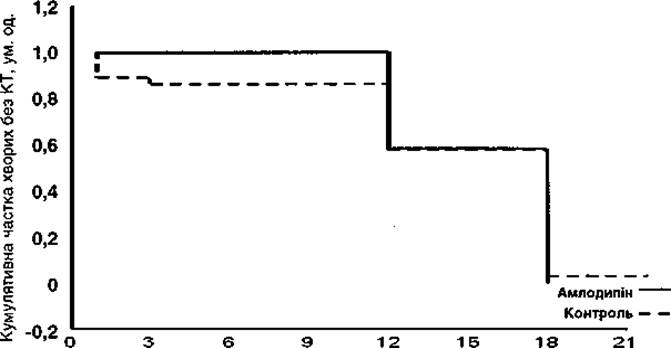
Fig. 19. Cumulative survival curves of patients (according to the Kaplan-Meier method) who did not reach the endpoint over 18 months
The significant decrease in the CP of patients who did not reach the endpoint 18 months post-AMI can be attributed to the high dropout rate of patients who refused further follow-up during this period. In the study group, no cases of reinfarction or death were recorded during this timeframe (Table 30).
A comparative analysis of mortality and the CP of patients who did not reach the endpoint revealed that in the control group of post-AMI patients, 3 deaths occurred during the first month of the study (CP=0.5714±0.1870 arbitrary units), a total of 4 cases by the end of the 3rd month (CP=0.4286±0.1870 arbitrary units), a total of 6 deaths by the end of the 12th month (CP=0.1429±0.1323 arbitrary units), and a total of 7 deaths by the end of the 18th month.
Table 30 Comparative analysis of the CP of patients with PIS prior to reaching the endpoint depending on amlodipine treatment
|
Follow-up period, months |
Control |
Amlodipine |
|
1 |
0.8788±0.0568 |
- |
|
3 |
0.8485±0.0624 |
- |
|
12 |
0.5758±0.0860 |
0.57892±0.0801 |
|
18 |
0.0303±0.0298 |
- |
In the studied patient group, 4 deaths among patients with PIS were observed during the first month of treatment, indicating that the highest risk of reaching the endpoint occurs precisely during this timeframe.
However, amlodipine therapy was initiated only at the end of the first month post-AMI; therefore, mortality data for the first month were not included for the study group. Over the last 6 months, no deaths were observed among patients in the study group.
Thus, it can be noted that patients in the study group who received long-term combination therapy with amlodipine experienced no post-AMI mortality.
A comparative analysis of reinfarction rates and the CP of patients who did not reach the endpoint showed that in the control group, 2 reinfarctions occurred during the 1st month of the study, a total of 4 reinfarctions by the end of the 3rd month, a total of 12 reinfarctions by the end of the 12th month, and a total of 13 reinfarctions by the end of the 18th month (Table 31).
Table 31 Comparative analysis of cardiac contractility in post-myocardial infarction patients without recurrent infarction development depending on amlodipine therapy
|
Follow-up period, months |
Control |
Amlodipine |
P |
|
1 |
0,8462±0,1001 |
0,8182±0,1163 |
>0,05 |
|
3 |
0,6923±0,1280 |
0,7273±0,1343 |
>0,05 |
|
12 |
0,0769±0,0739 |
0,5455±0,1501 |
0,0001 |
In the study group, 2 cases of reinfarction occurred during the first month, a total of 3 by the end of the 3rd month, a total of 5 by the end of the 12th month, and a total of 11 by the end of the 18th month.
During the 3-month period, no significant difference in cardiac contractility was observed between the control and study groups in patients who did not achieve target values. By the end of the 12th month, a significant difference in cardiac contractility was observed among patients who failed to achieve target values.
Thus, long-term administration of amlodipine (due to its anti-ischemic effect) significantly reduces the incidence of recurrent myocardial infarction in patients with recurrent pain syndrome. It was noted that the mean time to the development of recurrent infarction in the study group was significantly longer than in the control group (12.45±2.22 versus 9.38±1.5 months, p<0.001). The mean time to lethality in the control group was 6.86±2.65 months. In the study group, fatal cases occurred only during the first month (i.e., prior to the initiation of amlodipine therapy).
In 2002, the large-scale ALLHAT trial (involving 40,000 patients) was completed, followed by the ASCOT trial in 2005. These studies demonstrated The impact of comprehensive antihypertensive and lipid-lowering therapy incorporating amlodipine on the incidence of fatal and non-fatal CORONARY HEART DISEASE events. The positive effect of this treatment has been proven, which is also supported by our findings.
Thus, the combination therapy in patients with recurrent pain syndrome using the dihydropyridine calcium channel blocker amlodipine leads to an improved prognosis regarding mortality and the occurrence of recurrent myocardial infarction within a one-year period.
Long-term treatment with amlodipine reduces the rate of recurrent myocardial infarction (which can be attributed to its anti-ischemic effect) and significantly improves the prognosis of post-myocardial infarction patients. This makes it recommendable as part of the combination therapy for recurrent pain syndrome.
Metabolic therapy. Recently, THE CONCEPT OF a metabolic approach to the treatment of patients with coronary artery disease has gained widespread recognition, leading to the development of a new therapeutic strategy: the use of 3-KAT inhibitors.
Under normal conditions, cardiomyocytes generate energy in the form of ATP through The breakdown of acetyl-CoA in the Krebs cycle, with glucose and free Fatty acids (FFAs) serving as the primary energy substrates. With adequate myocardial blood supply, 60% to 90% of acetyl-CoA is produced via ß-Oxidation of FFAs. Compared to Glycolysis, FFA Catabolism requires more oxygen to synthesize an equivalent amount of ATP. When oxygen delivery to the cells is sufficient, the energy supply systems remain in a state of dynamic equilibrium. Consequently, pathologically substantiated treatment of coronary artery disease necessitates a pharmacological agent capable of altering myocardial metabolism by shifting the energy production pathway from FFAs to glucose.
Last update: 08/08/2026
Editorial and Educational Adaptation: This material has been compiled based on the primary/original source text. The project team performed an editorial review, corrected technical inaccuracies, structured sections, and adapted the content for an educational format.
What was processed:
- elimination of formatting defects (OCR errors, structural breaks, corrupted characters);
- editorial organization of content;
- standardization of terminology in accordance with academic sources;
- verification of factual statements against the original source text.
All mentions of the author, publication year, and origin of the primary text have been preserved in accordance with the source.