MEDICAL BIOLOGY, HUMAN ANATOMY, PHYSIOLOGY AND PATHOLOGY - Y.I. Fedoniuk 2010
ANATOMY, PHYSIOLOGY, PATHOLOGY
SECTION 3. ANATOMICAL AND PHYSIOLOGICAL ASPECTS OF THE SELF-REGULATION OF BODY FUNCTIONS
AUTONOMIC DIVISION OF THE PERIPHERAL NERVOUS SYSTEM
PHYSIOLOGY OF THE AUTONOMIC DIVISION OF THE PERIPHERAL NERVOUS SYSTEM
Body Functions are divided into somatic and autonomic. Somatic functions include sensory perception of stimuli and motor reactions carried out by skeletal Muscles. Autonomic functions are those upon which the body's METABOLISM depends (Blood Circulation, Respiration, Digestion, excretion, etc.), as well as GROWTH AND REPRODUCTION.
The somatic Nervous system provides the sensory and motor Functions of the Organism, whereas the Autonomic nervous system regulates The activity of Internal Organs, Sweat Glands, and metabolism. Thus, the autonomic nervous system maintains Homeostasis.
In addition, the autonomic nervous system plays an adaptation-trophic role. This was demonstrated by L.A. Orbeli and A.G. Ginetsinsky in an experiment on a frog neuromuscular preparation (Fig. 3.55). They stimulated a motor nerve with an electric current, causing the Muscle to contract until fatigue developed. Afterward, stimulation of the sympathetic nerve, which also innervates this muscle, was added to the motor nerve stimulation. As a result, the muscle restored its working capacity and began to contract again.
Class="center">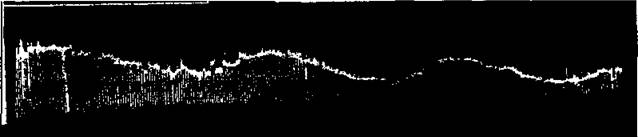
Fig. 3.55. Effect of sympathetic nerve fiber stimulation on the working capacity of a fatigued frog
gastrocnemius muscle.
According to the Orbeli-Ginetsinsky theory, the sympathetic nervous system performs a trophic function, which consists in enhancing metabolic processes in Tissues and increasing their working capacity.
The adaptive role of the sympathetic nervous system lies in preparing the body to function under new, altered conditions.
There is a close relationship between emotional state and the activity of the sympathetic nervous system. States of anger, rage, or, conversely, joy lead to an increased activity of the sympathetic nervous system and, consequently, the release of adrenaline into the blood by The adrenal medulla. This activates the so-called sympathoadrenal system, which acts as a single functional unit.
In most organs innervated by the autonomic nervous system, stimulation of sympathetic and parasympathetic fibers produces opposite effects.
Stimulation of sympathetic nerves improves blood circulation, constricts Blood Vessels (except for the Vessels of the Heart, Brain, and working skeletal muscles), increases blood pressure, dilates the Bronchi, increases the rate and depth of respiration, enhances pulmonary ventilation, and improves the supply of nutrients to body systems. The sympathetic division increases metabolism, energy production, and blood glucose levels. Sympathetic nerves inhibit secretion, motility, and Absorption in the gastrointestinal tract and cause pupillary dilation. The activity of the sympathetic division expands the reserve capacities of each functional system.
Stimulation of parasympathetic nerves decreases heart rate and contractile force, dilates blood vessels, lowers blood pressure, makes breathing slower and shallower, constricts the bronchi, decreases pulmonary ventilation, and causes pupillary constriction. Within the gastrointestinal tract, it increases secretion, motility, and absorption, relaxes sphincters, and contracts the Muscles of the digestive canal. The parasympathetic division decreases Metabolism and Energy production, and lowers blood glucose levels.
Despite the opposing effects of the sympathetic and parasympathetic Divisions of the autonomic nervous system, they function as an integrated whole. The activity of both divisions is essential for The regulation of functions in the intact organism. Only the coordinated action of both PARTS OF THE autonomic nervous system ensures the normal functioning of the body.
Last update: 08/08/2026
Editorial and Educational Adaptation: This material has been compiled based on the primary/original source text. The project team performed an editorial review, corrected technical inaccuracies, structured sections, and adapted the content for an educational format.
What was processed:
- elimination of formatting defects (OCR errors, structural breaks, corrupted characters);
- editorial organization of content;
- standardization of terminology in accordance with academic sources;
- verification of factual statements against the original source text.
All mentions of the author, publication year, and origin of the primary text have been preserved in accordance with the source.