Protein Chemistry. Structure, Properties, Research Methods - Shendryk A.N. 2022
Methods for Experimental Research of Protein Structure
Protein Purification Methods
Specific Protein Separation Methods
Ultracentrifugation. The ultracentrifugation method is based on the principle that protein molecules suspended in a solution sediment to the bottom of a vessel in a powerful gravitational field at rates proportional to their masses and densities. The greater the mass and density, the faster the protein sediments. The fundamentals of ultracentrifugation are outlined in the section dedicated to Methods for determining the Molecular Weight of Proteins.
Theoretically, the efficiency of mixture Separation by centrifugation should be high. In practice, however, this is far from being the case.
Gel filtration. Sephadexes are most commonly used as matrices for preparative gel filtration of proteins. This is because the degree of cross-linking in Sephadex-based gels can be easily controlled during the synthesis of these porous Chromatography matrices by adjusting The amount of epichlorohydrin (the cross-linking agent) added:
Class="center">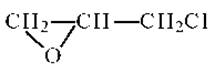
This approach yields Sephadex types with varying pore sizes and numbers. Commercially available types of Sephadex and the Sizes of Protein molecules that can be fractionated using them are described in the section on Gel chromatography.
In both domestic and foreign literature, Column gel chromatography is frequently subdivided into gel permeation chromatography (GPC) and gel filtration. There is no fundamental difference between these two terms; "gel filtration" is simply used more often when working with aqueous solutions and hydrophilic gels. As a rule, gel filtration is employed in biochemical studies of biological polymers. Conversely, GPC predominantly utilizes organic Solvents and hydrophobic gels, and this analytical variant is widely applied in The Study of synthetic high-molecular-weight compounds. The scheme for separating a protein mixture via gel filtration is as follows.
> The Sephadex is allowed to swell in a dilute sodium chloride solution, which prevents the Sephadex beads from clumping together.
> The column is packed with the prepared gel.
> The protein mixture is applied to the column. The volume of the sample must be substantially smaller than the volume of the gel phase.
> A solvent (buffer solution) is passed through the column. Small molecules present in the analyzed sample undergo continuous adsorption and desorption by the gel pores. This repeated adsorption-desorption process retards the migration of small molecules through the column. Larger molecules move faster, while molecules with dimensions exceeding the pore size of the gel are completely excluded from the pores; thus, "flowing around" the gel beads, they rapidly travel with the solvent flow toward the column outlet. By collecting the eluate at the column outlet in small fractions, well-resolved fractions of individual Proteins can be obtained.
A specific example of separating a mixture of egg albumin (MW = 44k, antigen), immune γ-globulin (MW = 160k, antibody), and their recombination product (antigen-antibody complex, MW > 200k) on Sephadex G-200 is shown in the figure.
It should be noted that during gel filtration on Sephadex, proteins undergo virtually no adsorption by the gel, meaning the process proceeds as molecular filtration. Furthermore, it is essential that Sephadex does not cause the degradation of labile proteins.
In A number of cases, gel filtration is combined with Ion Exchange. For this purpose, Sephadex-based ion-exchange resins—such as DEAE-Sephadex, CM-Sephadex, and several others—are commercially available.
During fractionation on Sephadex, the molecular weight of Proteins can also be determined simultaneously. Andrews established that the migration rate of proteins with molecular weights ranging from 4,000 to 160,000 on Sephadex G-75 and G-100 is virtually linearly dependent on the logarithm of the protein's molecular weight.

The gel filtration method is used not only for protein fractionation but also for freeing proteins from low-molecular-weight impurities (including salts). Additionally, dry gel can be used to concentrate proteins in solutions. For instance, Sephadex beads can be added directly to a protein solution. During the Swelling process, the gel absorbs Water and low-molecular-weight Components of the solution, leaving the proteins in a smaller volume of solvent—in other words, concentrating them. After complete swelling, the gel is separated from the solution by centrifugation.
Besides Sephadex, preparative protein separation utilizes Sepharose and polyacrylamide-based gels (Bio-Gels). The types of these gels and the molecular weights of the proteins separated using them will be discussed shortly.
Last update: 06/08/2026
Editorial and Educational Adaptation: This material has been compiled based on the primary/original source text. The project team performed an editorial review, corrected technical inaccuracies, structured sections, and adapted the content for an educational format.
What was processed:
- elimination of formatting defects (OCR errors, structural breaks, corrupted characters);
- editorial organization of content;
- standardization of terminology in accordance with academic sources;
- verification of factual statements against the original source text.
All mentions of the author, publication year, and origin of the primary text have been preserved in accordance with the source.