Anatomy of the Vessels and Nerves of the Trunk (Angioneurology) - Chornokulskyi S. T. 2011
Autonomic (Vegetative) Nervous System
Nucleus Centers of the Autonomic Nervous System
Parasympathetic
I. Brain
1. Mesencephalic center (III pair of Cranial Nerves).
✵ Accessory Nucleus of the Oculomotor nerve (nuc. accessorius n. oculomotorii) — Edinger-Westphal-Yakubovich nucleus.
✵ Autonomic nuclei (nuclei autonomia), among them the unpaired nucleus (nuc. impar) — Perlia's nucleus.
2. Bulbar center (VII, IX, X pairs of cranial nerves).
VII pair of cranial nerves.
✵ Superior salivatory nucleus (nuc. salivatorius superior).
✵ Lacrimal nucleus (nuc. lacrimalis).
IX pair of cranial nerves.
✵ Inferior salivatory nucleus (nuc. salivatorius inferior).
X pair of cranial nerves.
✵ Dorsal nucleus of the Vagus nerve (nuc. dorsalis n. vagi).
II. Spinal Cord
3. Sacral center (S2-S4).
✵ Sacral parasympathetic nuclei (nuclei parasympathici sacrales).
Individuals with heightened tone of the parasympathetic centers (vagotonics) exhibit a lowered metabolic rate (anabolic processes), a tendency toward obesity, constricted pupils (miosis), hypersalivation, hyperhidrosis, persistent red dermographism, bradycardia ("Napoleon's pulse"), dilated abdominal Blood Vessels, enhanced gastrointestinal peristalsis, and decreased sphincter tone.
At night, in a horizontal body position, the tone of the parasympathetic centers increases, while that of the sympathetic centers decreases.
Class="center">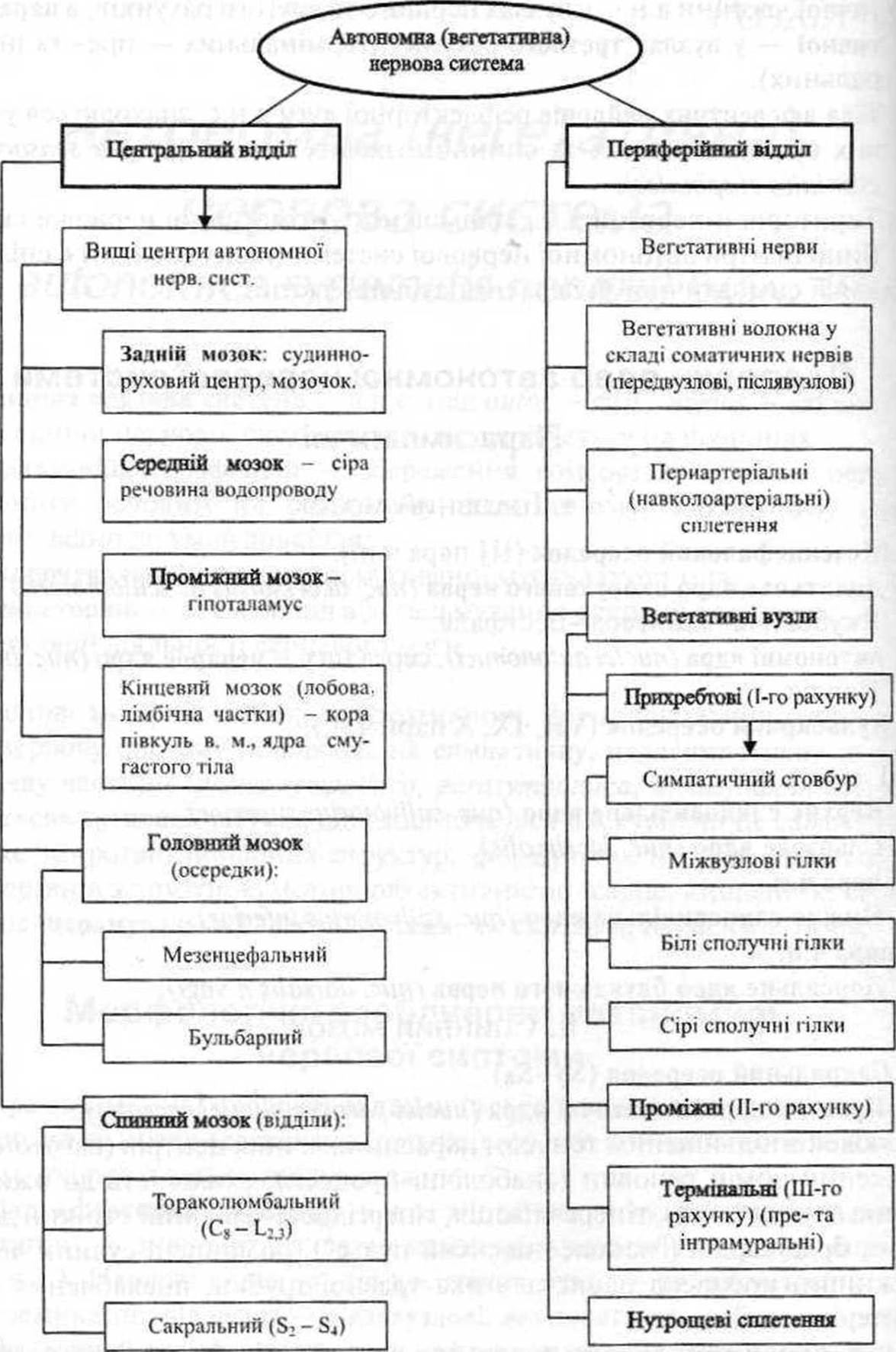
Fig. 49. Diagram of The Structure of the Autonomic (vegetative) Nervous system (ANS)
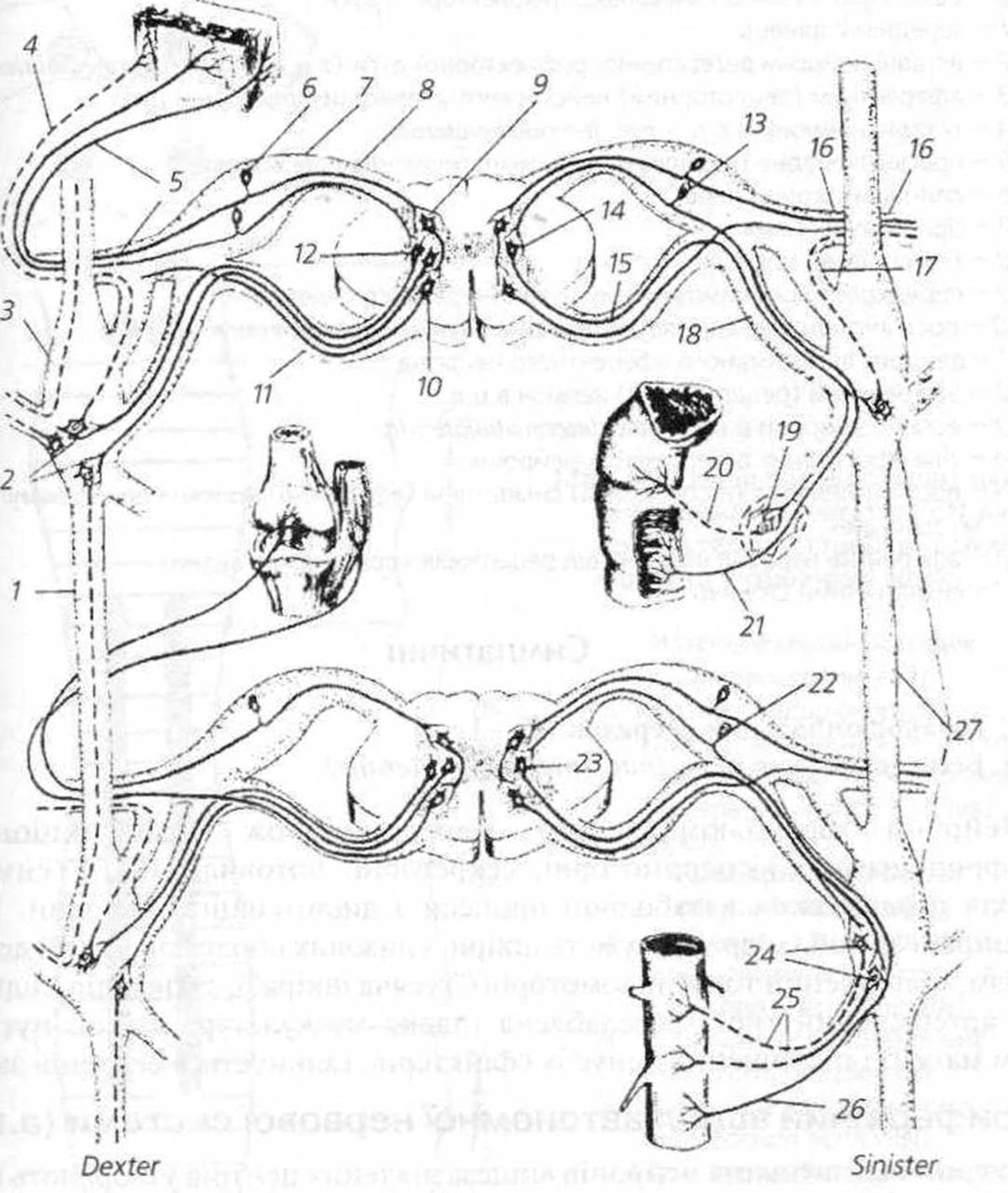
Fig. 50. Diagram of the STRUCTURE OF THE somatic (right) and autonomic (left) reflex arcs at the spinal cord level:
1 - interganglionic branch;
2 - synapse of preganglionic sympathetic fibers;
3 - sympathetic ganglion;
4 - efferent postganglionic sympathetic fiber;
5 - afferent nerve fiber from the Skin;
6 - pseudounipolar neuron (afferent) in the somatic reflex arc;
7 - spinal ganglion, or sensory ganglion of the spinal nerve;
8 - dorsal ROOT;
9 - interneuron of the somatic reflex arc
10 - effector neuron of the somatic reflex arc
11 - ventral root
12 - interneurons of the autonomic reflex arc (a.r.a.) - nuc. intermediolateralis
13 - afferent (receptor) neuron of the autonomic reflex arc
14 - interneurons of the a.r.a. - nuc. intermediolateralis
15 - preganglionic sympathetic nerve fiber
16 - spinal nerve
17 - gray rami communicantes
18 - white rami communicantes
19 - prevertebral sympathetic ganglion (of the celiac plexus)
20 - postganglionic sympathetic nerve fiber
21 - dendrite of the autonomic afferent neuron
22 - afferent (receptor) neuron of the a.r.a.
23 - interneurons of the a.r.a. - nuc. intermediolateralis
24 - Cell bodies of effector autonomic Neurons
25 - postganglionic sympathetic (efferent) fibers to the smooth Muscle of blood vessels
26 - afferent nerve fiber from blood vessel receptors
27 - Sympathetic trunk
Sympathetic
4. Thoracolumbar center (C8-L2,3)
✵ Intermediolateral nucleus (nuc. intermediolateralis).
Neurons of the thoracolumbar center are also multifunctional (trophic, vaso- and visceromotor, secretory, sudomotor). Sympathotonics are dominated by catabolic processes involving substance dissimilation. They exhibit dilated pupils (mydriasis), dry skin and mucous membranes, white dermographism, increased pilomotor tone ("goosebumps"), tachycardia, elevated blood pressure, relaxed smooth muscle of the visceral walls (except for the Uterus) along with increased tone of their sphincters, and inhibited glandular secretion
Last update: 11/08/2026
Editorial and Educational Adaptation: This material has been compiled based on the primary/original source text. The project team performed an editorial review, corrected technical inaccuracies, structured sections, and adapted the content for an educational format.
What was processed:
- elimination of formatting defects (OCR errors, structural breaks, corrupted characters);
- editorial organization of content;
- standardization of terminology in accordance with academic sources;
- verification of factual statements against the original source text.
All mentions of the author, publication year, and origin of the primary text have been preserved in accordance with the source.