MEDICINAL PLANTS - O.O. Annamuhammedova - 2014
I. Theoretical Part
Topic: Study of wild medicinal plant resources, measures for their rational use and conservation
Objective: to familiarize students with the aims and tasks of medicinal plant resource science, and measures for the conservation and protection of their resources
Outline
1. Aims and tasks of resource research on wild medicinal plants.
2. Rules for the utilization and conservation of medicinal plants.
3. Theoretical and practical aspects of medicinal plant resource science.
Key terms and concepts of the topic: resource science, state cadastre of the plant world of Ukraine, main vegetation types as a component of the cadastre, administrative and natural region.
Questions for independent preparation:
1. Stages of determining and accounting for medicinal plant stocks: reconnaissance stage, expeditionary stage.
2. Method of sample plots and accounting sites.
QUESTIONS FOR SELF-analysis and self-checking:
1. METABOLISM/2.html">THE CONCEPT OF medicinal plant resource science.
2. Main tasks and objects of medicinal plant resource science.
3. Theoretical aspect of resource science and practical resource science.
4. Name the priority species of medicinal plants that require special attention regarding their harvesting and the analysis of cadastral information.
Medicinal plant resources refer to the entire aggregate of plant-origin objects (and sometimes Fungi) that are used in one way or another for therapeutic and prophylactic purposes.
Medicinal plant resources are the subject of study of a special branch of knowledge — medicinal plant resource science. Resource science (in the context of medicinal plants) studies the state and dynamics of the raw material base of medicinal plants as a natural source of raw Materials for the pharmaceutical industry and other fields of medicine.
One of the primary tasks of resource science is to identify species among the wild flora whose preparations exhibit distinct pharmacological action and therapeutic effect, and to evaluate their resources. That is, determining the species COMPOSITION OF THE medicinal plant flora of a specific territory followed by an inventory of its natural resources. These main tasks are closely related to pharmacognosy. In particular, the Biochemical Composition of plants and the feasibility of supplying raw materials to the pharmaceutical industry are established.
Traditionally, two main approaches are applied to the resource assessment of objects and territories. One of them consists in accounting for the resources of specific plant species for a defined territory. This approach is implemented through expeditionary surveys.
The first (reconnaissance) stage of plant resource accounting is the analysis of baseline materials, the result of which is:
preparation of a list of medicinal plant species whose raw materials are used;
- analysis of resource utilization of the studied species in the region;
- Analysis of the representation of each individual species in the region;
- definition of terms and Determination of the scope of resource assessment works;
- coordination of resource research studies with major land users.
The work begins with compiling a list of plant species whose resource status needs to be investigated. This primarily applies to species whose raw material harvesting is subject to quotas. For an objective analysis of the state and dynamics of natural plant resources, it is also advisable to include species whose natural resources are being depleted As a result of changing habitat conditions.
Next, a critical analysis of the materials (source materials) containing CHARACTERISTICS OF THE studied plant species and their natural resources in a given region is carried out.
The main groups of source materials include statistical reports on the harvesting of Medicinal plant raw materials, forest and land management materials; materials from inventories, assessments, and primary accounting of plant resources, as well as field survey acts (in case of land category changes resulting from economic activity, natural phenomena, and other factors); literary sources and herbarium materials (or collections) of plants and fungi from the territory of oblasts, regions, or Ukraine as a whole.
The analysis of these materials provides an insight into the potential presence of the studied species in a specific region. Based on THE ECOLOGICAL AND coenotic confinement of medicinal plant species and the analysis of the aforementioned materials, potential raw material habitats are established and the preliminary route of expeditionary work is determined.
Class="center">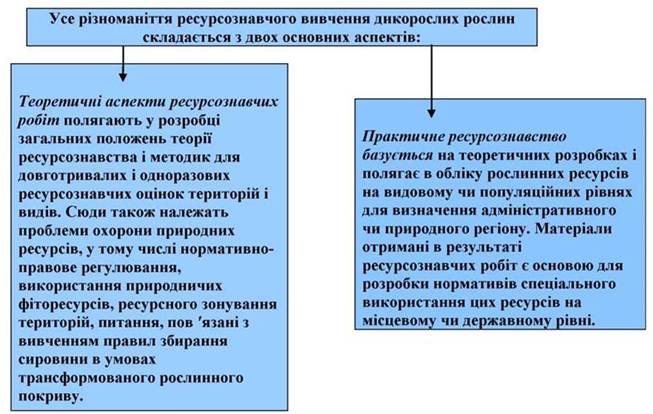
Medical resource science, i.e., The Study of the Geographical Distribution of medicinal plants, involves locating thickets, inventorying stocks, mapping them, determining possible harvesting volumes, and developing and implementing measures to restore the natural resources of the most valuable species.
Despite the rapid development of chemistry and the growing number of new, highly effective synthetic drugs, medicinal plants continue to be one of the Main sources of therapeutic and prophylactic agents for diseases of various human body systems. The advantage of herbal remedies over synthetic ones is that they have low toxicity, do not cause significant side effects with prolonged use, and their chemical composition is close to The Human Body. The Use of natural medicinal plant reserves has further increased due to the deterioration of The environmental situation both globally and in Ukraine in particular. Therefore, identifying new habitats of Medicinal Plants and assessing their reserves is an important contemporary task. To achieve this goal, the following measures are undertaken: mastering the methodology of collecting, drying, and storing medicinal plant raw materials; studying The chemical composition of herbal raw materials and the biological activity of preparations derived from them; establishing the species composition of plants with therapeutic effects, analyzing their biological features, chemical composition, and specific Applications; and developing a system of effective measures and recommendations for their rational use and conservation. Properly organized and rationally conducted harvesting of wild medicinal plants ensures the maintenance of their raw material reserves at an appropriate level and should by no means lead to a reduction in quantity, let alone the destruction of valuable plant species. Only deep knowledge of the rules for collecting, drying, and storing medicinal raw materials can ensure this desired effect. Ukraine possesses unique natural plant resources, yet the issue of balancing the use and reproduction of their natural potential is becoming increasingly urgent. Their exploitation must comply with the Rules for the Use and Conservation of Medicinal Plants of Ukraine:
- strictly observe all rules and schedules for harvesting medicinal plant raw materials;
- to expand the raw material base, establish protected areas for medicinal plants in all forestry enterprises across the country's regions so that they can later become exploitation sites;
- ban mass haymaking, sheep grazing, livestock pasturing, and flower picking for bouquets in areas where regionally rare medicinal plant species are widespread;
- organize the oversowing of medicinal plants (in wasteland, pastures, and gullies);
Today, Ukraine officially uses the raw material of 30-40 species of wild medicinal plants. Some of these plants have been introduced into culture; species with a restricted distribution area, as well as medicinal plant species that serve as sources of scarce raw materials, deserve priority and the most detailed survey. This primarily applies to such medicinal plant species as mountain arnica (Arnica montana), woollypod milkvetch (Astragalus dasyanthus), bearberry (Arctostaphylos uva-ursi), pheasant's eye (Adonis vernalis), centaury (Centaurium erythraea), Jacob's ladder (Polemonium coeruleum), licorice (Glycyrrhiza glabra), and others. The first two species are currently listed in the Red Data Book of Ukraine; pheasant's eye, bearberry, licorice, and Jacob's ladder are under regional protection in almost all areas of their distribution.
Numerous works are dedicated to the study of Ukraine's medicinal PLANTS AND THEIR resources. A significant contribution to the formation and development of medicinal plant resource science was made by Dmytro Sergiyovych Ivashyn (1912-1992), a Candidate of Biological Sciences, who spent his entire life studying medicinal plants: their distribution, therapeutic properties, resource status, and The Need for conservation. He dedicated more than 250 scientific papers to these issues. A significant part of his life was spent working at the zonal station of the All-Union Scientific Research Institute of Medicinal and Aromatic Plants (the village of Berezotochia, Lubny Raion, Poltava Oblast), now the Medicinal Plant Station of the UAAS. At that time, long-term resource expeditions were organized to various regions of Ukraine. Simultaneously, medicinal plant raw materials were harvested for further pharmacognostic research. The well-known work by D.S. Ivashyn, "Wild Medicinal Plants of Ukraine" (1965), was republished five times (later titled "Handbook on Medicinal Plant Harvesting"). This work outlines the general rules for conducting resource studies, harvesting and primary Processing of medicinal plant raw materials, and Methods and techniques for medicinal plant conservation.
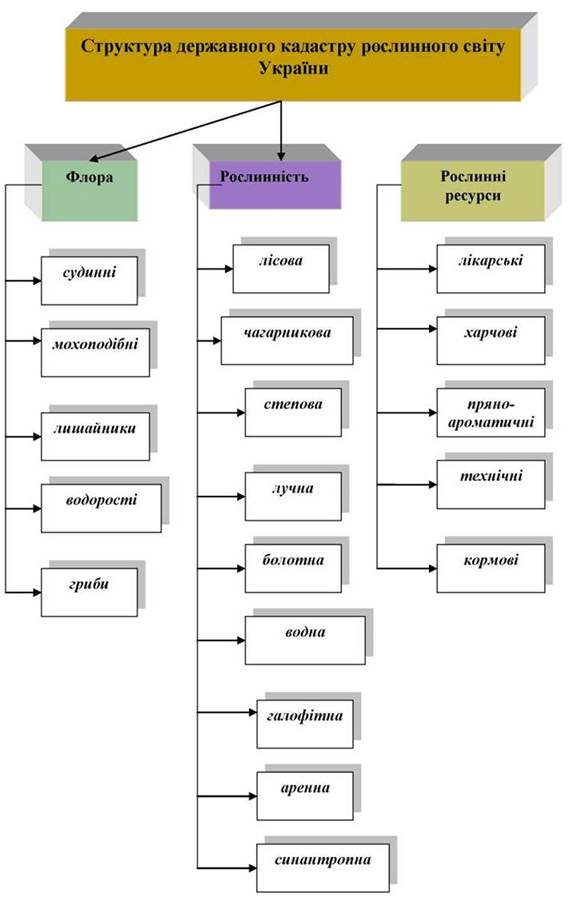
At the initiative of the Ministry of Ecology and Natural Resources of Ukraine in 2000, the creation of the State Cadastre of the Plant World of Ukraine was initiated to serve as a scientifically grounded basis for the effective conservation and protection of species diversity, as well as the managed and regulated use of resources from various groups of useful plants: food, medicinal, technical, etc. The Cadastre is being created in accordance with the Law of Ukraine "On the Plant World".
Priority species of medicinal and food plants requiring primary attention regarding the collection and analysis of resource cadastre information:
1. Sweet flag, calamus, (Acorus calamus L.)
2. Marshmallow (Althaea officinalis L.)
3. Mountain arnica (Arnica montana L.)
4. Woollypod milkvetch (Astragalus dasyanthus Pall.)
5. Marsh Labrador tea (Ledum palustre L.)
6. Lesser periwinkle (Vinca minor L.)
7. Silver birch (Betula pendula Roth)
8. Bogbean (Menyanthes trifoliata L.)
9. Cowberry / Lingonberry (Vaccinium vitis-idaea L.)
10. Black elder (Sambucus nigra L)
11. Yellow sweet clover (Melilotus officinalis (L.) Pall.)
12. Garden heliotrope / Valerian (Valeriana officinalis L.)
13. Black alder (Alnus glutinosa (L.) Gaertn.)
14. Restharrow (Ononis arvensis L.)
15. Water-pepper / Marshpepper knotweed (Persicaria hydropiper (L.) Delarbre (Polygonum hydropiper L.)
16. Redshank / Lady's thumb (Persicaria maculosa S.F. Gray (Polygonum persicaria L.)
17. Yellow water-lily (Nuphar lutea (L.) Smith)
18. Smooth hawthorn (Crataegus fallacina Klokov)
19. Deceptive hawthorn (Crataegus leiomonogyna Klokov) and other medicinal hawthorn species
20. Pheasant's eye (Adonis vernalis L.)
21. Rowan / Mountain ash (Sorbus aucuparia L.)
22. Shepherd's purse (Capsella bursa-pastoris (L.)
23. Common yarrow (Achillea millefolium L.)
24. Common agrimony (Agrimonia eupatoria L.)
25. Buckthorn (Rhamnus cathartica L.)
26. Marsh cranberry (Oxycoccus palustris Pers.)
27. St. John's wort (Hypericum perforatum L.)
28. Lesser centaury (Centaurium pulchellum (Sw.)
29. Guelder rose (Viburnum opulus L.)
30. Lily of the valley (Convallaria majalis L.)
31. Stinging nettle (Urtica dioica L.)
32. Alder buckthorn (Frangula alnus Mill.)
33. European white water lily (Nymphaea alba L.)
34. Littleleaf linden (Tilia cordata L.).
35. Red raspberry (Rubus idaeus L.).
36. Wild marjoram / Oregano (Origanum vulgare L.).
37. Coltsfoot (Tussilago farfara L.)
38. Common bearberry (Arctostaphylos uva-ursi (L.)
39. Elecampane (Inula helenium L.)
40. Tormentil (Potentilla erecta (L.)
41. Common tansy (Tanacetum vulgare L.)
42. Stag's-horn clubmoss (Lycopodium clavatum L.)
43. Stiff clubmoss (Lycopodium annotinum L.)
44. Great wormwood (Artemisia absinthium L.)
45. Common bistort / Snakeweed (Bistorta officinalis Delarbre (Polygonum bistorta L.)
46. Rose ROOT / Golden root (Rhodiola rosea L.)
47. Great burnet (Sanguisorba officinalis L.)
48. Yellow azalea (Rhododendron luteum Sweet)
49. German chamomile (Matricaria recutita L.)
50. Jacob's ladder (Polemonium caeruleum L.)
51. Hairy motherwort (Leonurus villosus Desf. ex D'Urv. (L. quinquelobatus);
52. Motherwort (L. cardiaca L.)
53. Greater stonecrop (Sedum maximum (L.) Suter
54. Biting stonecrop / Wallpepper (Sedum acre L.)
55. Wild strawberry (Fragaria vesca L.)
56. Marsh cudweed (Gnaphalium uliginosum L.)
57. Glycyrrhiza / Licorice (Glycyrrhiza glabra L.)
58. Dwarf everlasting (Helichrysum arenarium (L.) Moench.)
59. Large wild thyme (Thymus pulegioides L.), Marschall's thyme (Thymus marschallianus Willd.), Breckland thyme (Thymus serpyllum L.), and other medicinal species of thyme
60. Lobel's false helleborine (Veratrum lobelianum Bernb.)
61. Trifid bur-marigold (Bidens tripartita L.)
62. Devil's beggarticks (Bidens frondosa L.)
63. Greater celandine (Chelidonium majus L.)
64. Bilberry (Vaccinium myrtillus L.)
65. Cinnamon rose (Rosa majalis Herrm.) and other medicinal species of rose.
66. Common juniper (Juniperus communis L.)
(Based on Minaretchenko, V. M., & Sereda, P. I. Resource science. Medicinal plants. Educational and methodological guide. Kyiv: Phytosociocentre, 2004. 71 p.)
Last update: 07/08/2026
Editorial and Educational Adaptation: This material has been compiled based on the primary/original source text. The project team performed an editorial review, corrected technical inaccuracies, structured sections, and adapted the content for an educational format.
What was processed:
- elimination of formatting defects (OCR errors, structural breaks, corrupted characters);
- editorial organization of content;
- standardization of terminology in accordance with academic sources;
- verification of factual statements against the original source text.
All mentions of the author, publication year, and origin of the primary text have been preserved in accordance with the source.