Biological Membranes - A. N. Ogurtsov 2012
Structure and Functions of Biomembranes
Active Transport
ATP Pumps
Active Transport is the movement of a substance from a region of lower Electrochemical Potential  to a region of higher electrochemical potential
 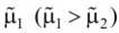 (Figure 61).
Class="center">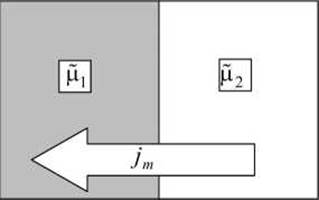
Figure 61 - Schematic of active transport
Active transport in a biomembrane is accompanied by an increase in Gibbs Free energy and cannot occur spontaneously. It is possible only when coupled with an exergonic process, such as the Hydrolysis of an ATP molecule—that is, at the expense of energy stored in the high-energy bonds of ATP.
The purpose of active transport across Introduction/36.html">Biological Membranes is to establish concentration gradients, electrical potential gradients, pressure gradients, and so forth, which sustain vital cellular processes. From a thermodynamic perspective, active transport maintains the Organism in a nonequilibrium state, thereby sustaining life.
All ATP-driven pumps are transmembrane Proteins featuring one or more ATP-binding sites located on the cytosolic side of the membrane. Although commonly referred to as ATPases, these proteins typically do not catalyze the hydrolysis of ATP into ADP and inorganic phosphate Pi until ions or other transported molecules bind to the protein. The Transport of Molecules (or ions) across the membrane occurs simultaneously with ATP hydrolysis. Due to this coupling between ATP hydrolysis and substance transport, The energy released during hydrolysis is not dissipated as heat, but is instead utilized to perform the work of moving ions or other molecules across the membrane—typically against their electrochemical gradient.
Four Different types of ATP pumps are illustrated schematically in Figures 62 and 63.

Figure 62 - Schematic of ATP pumps: a - P-class, b - ABC family
1. P-class. P-class ATP pumps include: the proton pumps of
plant, fungal, and bacterial Plasma Membranes; the Na+/K+-pumps of eukaryotic plasma membranes; the H+/K+-pumps of the apical membranes in mammalian intestinal Cells; the Ca2+-pumps of eukaryotic plasma membranes; and the Ca2+-pumps of the sarcoplasmic reticulum membranes in Muscle cells.
An essential component of P-class pumps is the catalytic a-subunit, whose phosphorylation stimulates the translocation of metabolites across the membrane. The designation "P" is used because the activation of these pumps is achieved specifically via phosphorylation (the attachment of a phosphorus group). The ß-subunit, present in certain P-class pumps, regulates transport activity. Some pumps contain multiple aß-subunit pairs, but only the subunit phosphorylated at any given moment is transport-active.
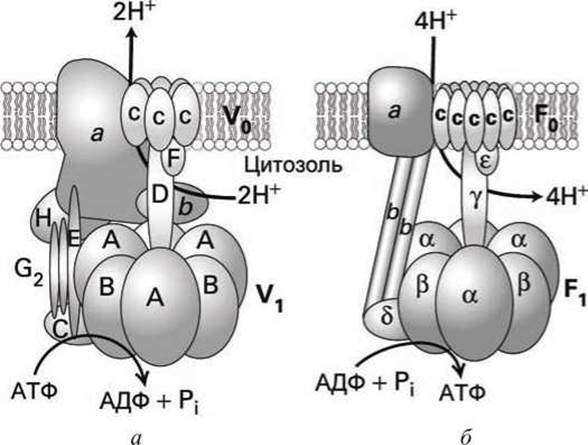
Figure 63 - Schematic of ATP pumps: a - V-class, b - F-class
2. ABC family. ABC-family ATP pumps (Figure 62(b)) are found, for example, in the plasma membranes of Bacteria (transporting Amino Acids, sugars, and Peptides) and mammals (transporters of Phospholipids, Cholesterol, and various small molecules, including lipophilic ones). The class name is an acronym for ATP-Binding Cassette.
All proteins belonging to the large family of ABC transporters consist of two transmembrane domains (T) and two cytosolic ATP-binding domains (A), which couple ATP hydrolysis to The transport of metabolites across the membrane. In some ABC transporters (predominantly in bacteria), these four domains are independent subunits, whereas in others, they are integrated into a single polypeptide chain. Unlike the other pump classes (P, F, and V), which transport exclusively ions, ABC transporters primarily handle small molecules and even small proteins.
3. V-class. V-class ATP pumps (Figure 63(a)) are located in the vacuolar membranes of plants, Yeasts, and Fungi; the endosomal and lysosomal membranes of animal cells; and the plasma membranes of osteoclasts (bone cells) and certain renal tubule cells.
4. F-class. F-class ATP pumps (Figure 63(b)) are found in the plasma membranes of bacteria, The inner mitochondrial membrane, and the thylakoid membrane of METABOLISM/14.html">Chloroplasts.
F- and V-class pumps transport only protons (acting as proton pumps) and share a similar structural Organization. V-class pumps utilize the energy of ATP hydrolysis to drive proton translocation across the membrane, whereas F-class pumps typically operate in reverse, utilizing the energy of transmembrane proton currents to synthesize ATP.
Ion pumps are precisely what maintain physiological ion concentrations in The Cell Cytosol. For instance, in a typical cell, the cytosolic pH remains constant at 7.2 regardless of the extracellular acidity; the concentration of K+ ions in Blood cell cytosol is 20–30 times higher than in the Blood Plasma itself, whereas the Na+ concentration is 8–12 times lower than in the blood. Similarly, the concentration of Ca2+ ions in these cells is thousands of times lower than in the blood. Ion pumps establish these transmembrane ion concentration gradients by consuming a substantial portion of the ATP molecules synthesized within the cell. For example, to maintain physiological ion concentrations, about 25% of the ATP generated in Neurons is consumed by Na+/K+-pumps, while in human erythrocytes, these same pumps consume up to 50% of the cellular ATP.
Last update: 13/08/2026
Editorial and Educational Adaptation: This material has been compiled based on the primary/original source text. The project team performed an editorial review, corrected technical inaccuracies, structured sections, and adapted the content for an educational format.
What was processed:
- elimination of formatting defects (OCR errors, structural breaks, corrupted characters);
- editorial organization of content;
- standardization of terminology in accordance with academic sources;
- verification of factual statements against the original source text.
All mentions of the author, publication year, and origin of the primary text have been preserved in accordance with the source.