Molecular Biology of the Cell - Volume 1 - Alberts B., Bray D., Lewis J., Raff M., Roberts K., Watson J. 1994
Molecular Organization of Cells
Basic Genetic Mechanisms
Class="center">Cell/cell.files/image264.jpg" width="527"/>
Fig. 5.1. Electron micrograph of coated pits and vesicles on the inner surface of a Liver cell Plasma Membrane. (From Hirokawa and Heuser, Cell 30: 395-406, 1982.)
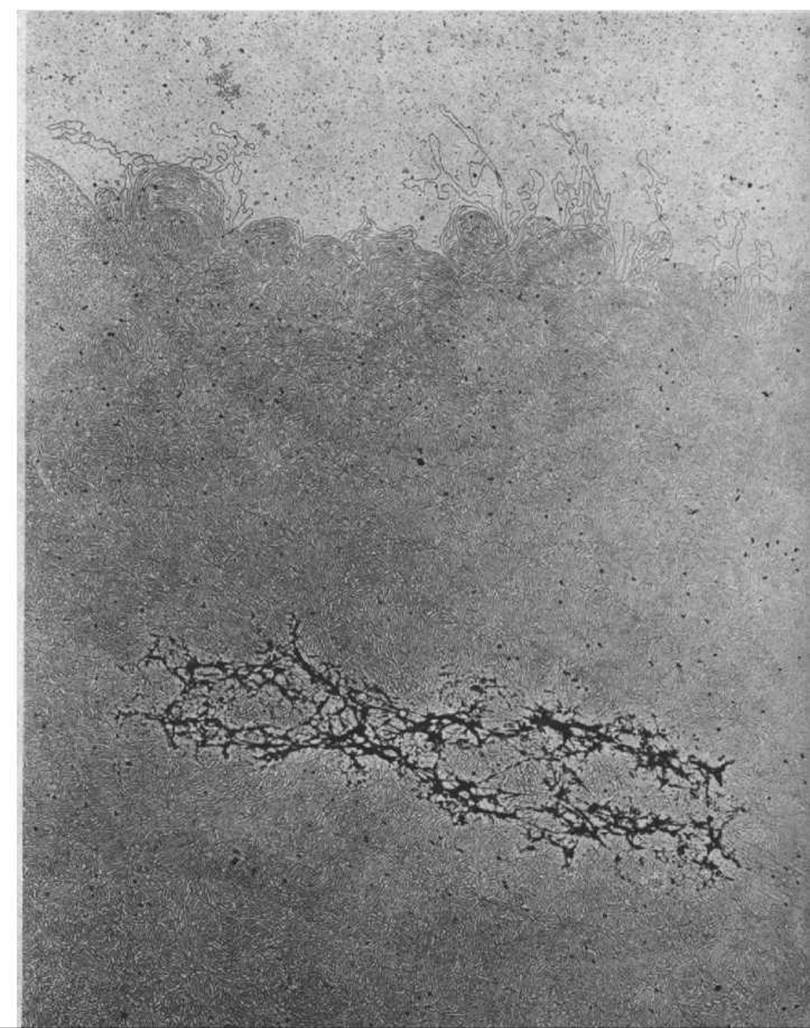
Fig. 5.П. Electron micrograph of DNA from a human chromosome. (Courtesy of Paulson and Laemmli.)
The ability of Cells to maintain a high degree of order in a chaotic universe depends on Genetic information, which is expressed, maintained, replicated, and occasionally improved through four genetic processes: RNA and Protein Synthesis, DNA Repair, METABOLISM/36.html">DNA Replication, and genetic recombination. These processes, which generate and maintain cellular Proteins and Nucleic Acids, are one-dimensional: in each, the information contained in a linear sequence of NUCLEOTIDES is used to create or modify either another linear sequence of nucleotides (a DNA or RNA molecule) or a linear sequence of Amino Acids (a protein molecule). Therefore, genetic events are easier to understand than most other cellular processes, which involve the expression of information carried by the complex three-dimensional surfaces of protein molecules. Perhaps it is because of this relative simplicity of genetic mechanisms that we know and understand them far better than most other events occurring in The Cell.
In this chapter, we will examine the molecular mechanisms that mediate the repair, replication, and alteration of cellular DNA. We will see that these mechanisms rely on Enzymes that cleave, copy, and recombine nucleotide sequences. We will further show that Viruses, Plasmids, and Mobile Genetic Elements behave as parasites with respect to these and Other Enzymes, not only exploiting them for their own replication but also altering the cellular genome through genetic recombination. The final section of the chapter describes how knowledge of Basic Genetic Mechanisms is put to practical use in techniques for isolating genes and Gene products.
First, however, we will return to a central theme already touched upon briefly in Chapter 3, namely, the mechanisms of RNA and Protein synthesis.
Last update: 12/08/2026
Editorial and Educational Adaptation: This material has been compiled based on the primary/original source text. The project team performed an editorial review, corrected technical inaccuracies, structured sections, and adapted the content for an educational format.
What was processed:
- elimination of formatting defects (OCR errors, structural breaks, corrupted characters);
- editorial organization of content;
- standardization of terminology in accordance with academic sources;
- verification of factual statements against the original source text.
All mentions of the author, publication year, and origin of the primary text have been preserved in accordance with the source.