Genetics - A. V. Syvolob 2008
Genetic engineering and methods of molecular genetics
Animal genetic engineering
Genetically modified animals are produced using DNA microinjection into a fertilized egg; Introduction of genetically modified Embryonic Stem Cells into an early-stage embryo; or somatic Cell nuclear transfer into an enucleated oocyte. Following the introduction of DNA, the eggs, blastocysts, or oocytes are surgically implanted into a surrogate mother (Fig. 9.11).
After birth, animals are screened for the presence of the transgene using PCR and Southern blot Hybridization (on average, one transgenic animal is obtained per 100 pregnancies). To determine whether the transgene is integrated into the animals' germline cells, the transgenic animal is crossed with wild-type counterparts. Descendants can then be intercrossed to establish pure transgenic lines; the entire process is quite time-consuming—for instance, generating a small group of transgenic goats takes about a year and a half.
Class="center">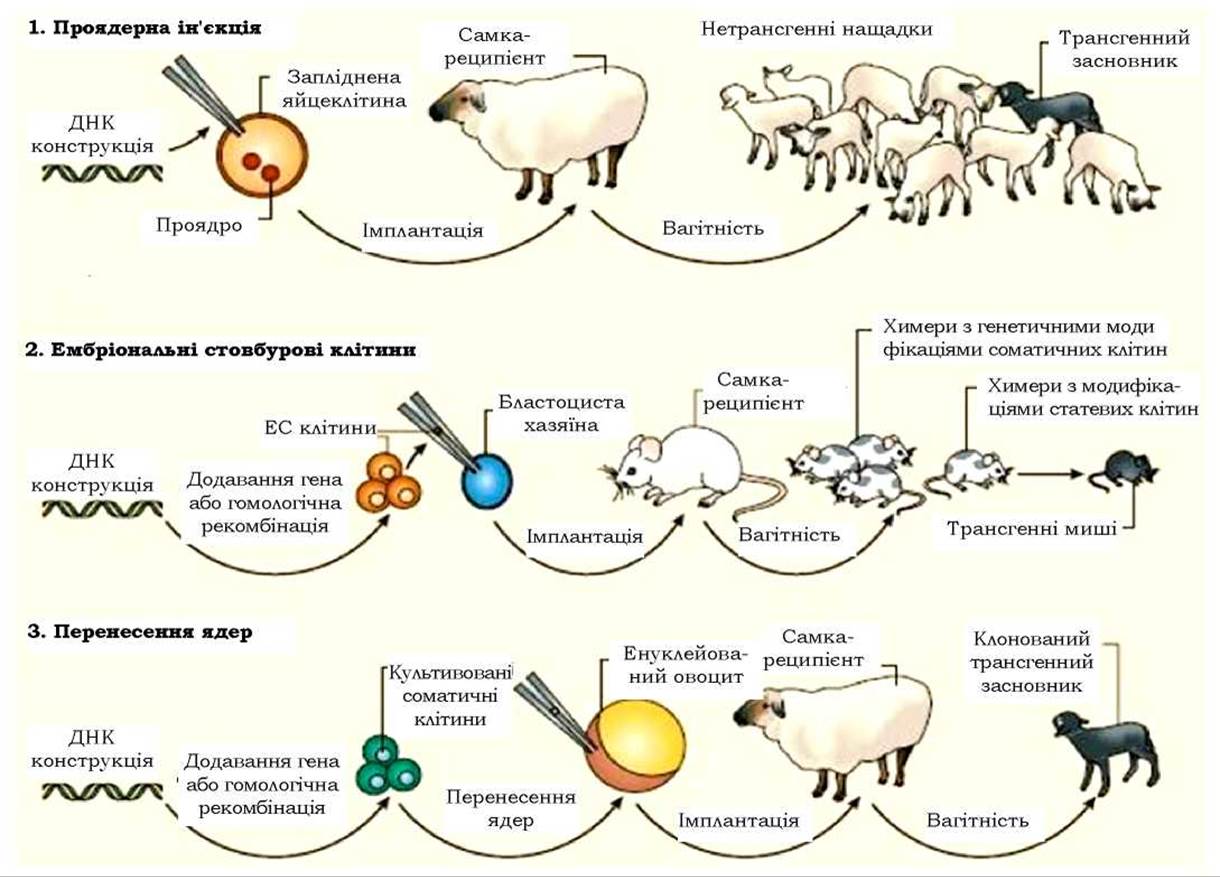
Fig. 9.11. Methods FOR PRODUCING Transgenic Animals
The process of somatic cell nuclear transfer into enucleated oocytes is also referred to as cloning (obtaining genetically identical offspring from a single progenitor cell). Cloned animals are characterized by high rates of pre- and postnatal mortality, as well as the appearance of various abnormalities, which are attributed to Epigenetic Inheritance. Therefore, although research into animal cloning is of significant scientific interest, its practical value remains relatively low for now.
Despite some successful attempts, overall, Genetic Engineering has yet to yield striking results in accelerating farm animal growth rates, increasing milk yields, or improving product quality. However, The Use of transgenic animals—such as goats, sheep, pigs, and rabbits—as bioreactors is developing quite intensively (with corresponding genetic modification techniques typically optimized in mice). The synthesis of medically important Proteins (secreted directly into the milk of transgenic animals) within the mammalian body avoids all the limitations associated with producing recombinant proteins in bacterial cultures or even plants: post-translational modification systems are virtually identical across all mammals. The list of transgenic therapeutic proteins currently harvested from milk is already quite extensive. It includes Blood clotting factors, fibrinogen, a-1-antitrypsin, Collagen, interferons, a-glucosidase, Calcitonin, lactoferrin, and many others. A special term, "pharming," has even been proposed to describe The production of authentic human proteins and Pharmaceuticals from the milk of domestic animals. Chicken eggs can also serve as bioreactors; modified birds that lay eggs containing certain human proteins have already been developed.
Another important avenue is the creation of transgenic animals as genetic models for human Hereditary diseases. Once a Gene suspected of causing a particular disease is identified, Two Types of model animals can be generated: mice carrying a functional transgene and mice in which the function of that gene has been ablated. The first type comprises classic Transgenic Mice into whose genome a human disease-associated gene has been introduced. If disease susceptibility depends on the presence of one of many alleles, transgenic mouse lines carrying different alleles of the gene are established. These models can be used to investigate the effects of gene copy number and expression level on disease manifestation, as well as to develop novel therapeutic approaches. The second type involves mice with a disrupted gene (gene knockout) analogous to the one causing the human disease. Such models are used to study specific gene Functions, which is particularly crucial for analyzing the causes of multigenic disorders.
Last update: 11/08/2026
Editorial and Educational Adaptation: This material has been compiled based on the primary/original source text. The project team performed an editorial review, corrected technical inaccuracies, structured sections, and adapted the content for an educational format.
What was processed:
- elimination of formatting defects (OCR errors, structural breaks, corrupted characters);
- editorial organization of content;
- standardization of terminology in accordance with academic sources;
- verification of factual statements against the original source text.
All mentions of the author, publication year, and origin of the primary text have been preserved in accordance with the source.