Military Hygiene and Hygiene in Emergency Situations - K.O. Pashka 2005
Fundamentals of the organization of sanitary and hygienic measures in ground forces during peacetime emergencies and wartime. Hygiene of field quartering of troops and the population.
Sanitary supervision of bath and laundry services for personnel of formations and the affected population
Sanitary supervision over bath and laundry services, as well as compliance with personal and public hygiene rules by military personnel and the affected population, aims to prevent Skin and subcutaneous tissue diseases, pediculosis, and infectious diseases, while also enhancing the body's resistance of personnel (the population) to illnesses.
Sanitary supervision of bath and laundry services is divided into preventive and routine. Preventive sanitary supervision is carried out to ensure compliance with sanitary standards during the Selection of land plots, construction, and reconstruction of baths and laundries.
Routine sanitary supervision includes:
- Analysis of the incidence of skin and subcutaneous adipose tissue diseases and the effectiveness of measures aimed at reducing them;
- systematic supervision over compliance with sanitary requirements during the operation of baths, showers, bathtubs, Hair salons, laundries, etc.;
- control over the Organization and regularity of hygienic bathing and full sanitary Processing of personnel (the population);
- supervision over the quality of washing and, if necessary, the organization of impregnating underwear with antiparasitic agents;
<- control over regular medical examinations and check-ups for bath and laundry workers; monitoring their knowledge of sanitary and technical minimum requirements;
- cooperation with local public health authorities (obtaining data on the Sanitary and epidemiological situation in the area where troops or the affected population are deployed), as well as with clothing and housing-maintenance services.
Routine sanitary supervision over the Organization and Execution of bathing for military personnel (the population) in a bathhouse involves the direct participation of the HEAD of the medical service of a unit (formation) in developing a schedule for bathing personnel of subunits (units), which specifies the Location, sequence, and time of their bathing.
Before bathing begins, medical personnel check whether the personnel of each subunit are provided with soap, bast whisks (washcloths), towels for drying the body after bathing, and clean undergarments.
During the bathing of personnel (the population in emergency areas), body inspections of military personnel (the population) are mandatory to identify those with skin conditions and to ensure they are bathed separately from healthy individuals.
Constant control is exercised over the sanitary condition of bathhouses, compliance with requirements for the established Procedure of disinfecting bast whisks, and the disinfection of bathhouse premises after each subunit (population group) completes its bathing.
Control over laundry services
Control over laundry services is carried out to determine the quality of washing underwear and bed linen, as well as the dry cleaning of uniforms.
The sanitary condition of laundries must be checked regularly, along with compliance by their staff with sorting rules and established washing and ironing technologies, as well as sanitary regulations and safety measures when operating washing machines, ironers, and uniform dry-cleaning equipment. To prevent poisoning from solvent vapors, special control is required over the actions of staff during the issuance and transportation of uniforms after dry cleaning or Treatment.
Routine sanitary supervision over laundry operations involves:
- prohibiting the washing of unmarked, non-standard, or incomplete-set laundry; uninfected laundry originating from hospital infectious departments or epidemic foci; and laundry contaminated with substances such as leaded gasoline, etc.;
- strictly maintaining the Separation of flows for moving dirty and clean laundry to prevent contamination of the washed items;
- monitoring the quality of laundry washing (compliance with boiling time, Temperature regimes, sufficiency of the washing solution, presence of detergents and their concentration in washing machine drums, etc.);
- monitoring the quality of ironing (iron temperature settings);
- monitoring compliance with established sanitary rules by service personnel working in the dirty and clean laundry departments, as well as the maintenance of production premises in accordance with sanitary requirements (the dirty department of the laundry is disinfected after work using 3% lysol or 1% chloramine solutions);
- monitoring compliance with precautionary measures when handling insecticides used to impregnate undergarments, checking room ventilation, and ensuring that staff mandatory use personal protective equipment—rubber boots, oilcloth aprons, rubber gloves, etc.
When epidemiological indications are present, the medical and sanitary-epidemiological services, with the participation of the clothing service's forces and assets, carry out disinfection and disinsection of the underwear and uniforms of personnel or the clothing of the affected population.
To timely detect various diseases—including those of the skin and subcutaneous adipose tissue—among personnel (workers) serving baths and laundries, and to ensure their timely treatment, medical examinations and check-ups of all employees are conducted at intervals established by relevant guiding documents.
In field conditions, whenever possible, sanitary and educational work should be intensified to promote the conscious compliance with personal and public hygiene rules, body hardening, and their proper execution.
Natural disasters (floods, earthquakes, landslides, etc.), technological accidents, and catastrophes covering large areas negatively affect the organization and Structure/175.html">Implementation of Sanitary and hygienic measures, including bath and laundry services.
Often in emergency areas, There is a need for additional measures (sanitary Processing of the affected population and personnel of units according to epidemiological indications), sanitary supervision Procedures become more complicated, and certain hygienic standards change. For example, Water supply norms (washing 1 person, including unit personnel operating in a disaster area, requires 45 L), which necessitates the involvement of additional forces and resources from medical, chemical, engineering, and other services.
In cases where the number of affected people requiring sanitary processing exceeds the capabilities of the Ministry of Health's sanitary and epidemiological service, forces and resources of the aforementioned services are deployed to assist by order of the respective commanders.
Organization of Bath and Laundry Services
An important link in the personal care support system is bath and laundry services, which are organized by clothing service officials.
It is designed to meet the domestic needs of military personnel and aims to maintain body and linen cleanliness, as well as to prevent the emergence and spread of parasitic and skin diseases.
Bathing restores normal physiological Functions of the skin, facilitates Respiration through its pores, improves the functioning of sweat and Sebaceous Glands, and makes the skin soft and elastic. All of this significantly improves the General condition of the body and a person's well-being, increases working capacity, and furthermore, washing removes a significant amount of microorganisms from the body surface—including pathogens—along with dirt, which reduces the incidence of various skin diseases and prevents the spread of epidemic diseases.
Bath and laundry services include: regular bathing (once a week) of personnel in a bathhouse with a change of underwear and bed linen; washing of technical personnel after working with hardware, as well as after military personnel perform other duties associated with body contamination; daily washing of cooks and bakers with a change of underwear at least twice a week; weekly bathing of reservists during training assemblies with mandatory replacement of underwear and bed linen; laundering of underwear, bed linen, hospital linen, mess and kitchen linen, cotton uniforms, footwraps, and special clothing; sanitary processing of personnel with disinfection and disinsection of uniforms and bedding based on epidemiological indications; dry cleaning of uniforms and special clothing; linen repair; supply of soap, calcined soda, and other detergents.
Bath and laundry services are provided by: bathhouses and laundries maintained at the expense of military units or military educational institutions; garrison bath and laundry facilities; municipal (local) or departmental bathhouses and laundries; mobile sanitary and disinfection equipment, if troops are in the field or if there is a need to reinforce existing stationary washing and disinfection facilities for the sanitary processing of personnel (population) according to epidemiological indications. When stationed in a field cAMP, the washing of personnel (population) is carried out in standard field bathhouses.
Military bathhouses should have a throughput-type layout and are usually equipped with shower installations and disinfection chambers. They are intended not only for washing but also for the sanitary processing of personnel, as well as the disinfection and disinsection of uniforms, linen, and bedding.
The capacity of a garrison bathhouse must ensure the weekly bathing of personnel from all assigned units. The duration of one shift in a throughput-type bathhouse is set at 45 minutes (undressing — 5 min, washing — 35 min, dressing — 10 min). In a toilet-type (non-throughput) bathhouse, washing takes up to an hour due to the need to clean the bathhouse premises after each shift.
In a sanitary filter station equipped with shower devices, the time for one shift is reduced to 35 minutes by shortening the shower time to 20 minutes.
The throughput capacity of bathhouses in isolated military settlements is calculated based on the requirement of 4 washings per month for conscripted servicemen, with an average stay in the bathhouse of 45 minutes during a 12-hour operational day. The number of working days per week for the bathhouse can range from 2 to 5, depending on its capacity (the last day is designated for bathing officers, civilian employees, and their families), and sanitary days are also mandatory.
Bathhouses must be supplied with water that meets drinking water quality standards, at a rate of 20 liters per person per day. Water taps (one for every six seats) and showers (one for every twelve seats) are installed in the washing room.
The following floor space norms per bather are established in military bathhouse premises: dressing room — 0.75 m2, washing/shower room — 3.5 m2 (shower cabin — 1.10x1.0 m), undressing and dressing room combined — 1.25-1.3 m2. In bathhouses with a capacity of up to 20 people per hour, ventilation can be provided by natural air exchange through windows, transoms, and vents, except for toilets, where exhaust ventilation is required. In bathhouses with a capacity of 50 to 150 people per hour, mechanically induced exhaust ventilation is installed. The air exchange rate per hour is set at 1.5, except for administrative rooms, where 0.5 is permitted, and dressing rooms, where air exchange must be single-rate. The walls of the dressing and washing rooms are tiled with ceramic tiles or painted up to a height of 1.5 m from the floor to facilitate washing and disinfection. The heating system (stove, water, or steam) must maintain a temperature of at least 25 °C in the undressing and dressing rooms, and at least 30 °C in the washing (shower) room. Rubber mats are placed on the floor near the benches in the undressing rooms, dressing rooms, and under the showers. The undressing rooms, dressing rooms, and washing rooms are equipped with wooden benches, the length of which per visitor is: 0.85 m with a width of 0.5 m in the dressing room, and 1 m in length with a width of 0.6 m in the washing room.
Military bathhouses must have a disinfection department with one or two disinfection chambers (depending on their capacity), featuring a "dirty" loading and a "clean" unloading half, connected through appropriate openings with the undressing and dressing rooms. Disinfection (disinsection) of uniforms, linen, and other items according to epidemiological indications is carried out there in accordance with approved instructions.
If boiling underwear and bed linen is impossible, they can be treated using 5% methylacetophos dust, pyrethrum powder, 1% neopin dust, 2% sulfolane dust, 5-10% aqueous solution of lysol "A", "K" soap, etc.
In the absence of disinfection chambers, uniforms, bed linen, mattresses, and blankets are sprayed with a riapan-M solution or dusted with rialan powder. Insect habitats—collars, belts, seams, folds—are treated with particular care. The consumption rate of the emulsion for summer and winter uniforms (overcoat, tunic, trousers, cap) is 350 ml, and for a set of bedding (mattress, blanket) — 400 ml. When soaking, about 2.5 L of aqueous emulsions are needed for a set of underwear, and up to 4.5 L for a set of bed linen or one kilogram of dry items. Soaking lasts up to 10 minutes, after which the linen (items) is thoroughly rinsed and then washed with The addition of soap and soda to the water.
Powders are used at a rate of 175-250 g per set of items for one serviceman with an exposure time of 30 minutes to 2 hours in accordance with their instructions for use. Upon completion of exposure, the preparation is removed from the treated items by thorough airing (after spraying) or shaking out (after dusting) until its odor completely disappears, after which these items are washed in the usual manner. In the absence of the aforementioned agents, the "Shchit" preparation or a 20% aqueous soap-kerosene emulsion is used.
Manual sprayers—such as dezinfal, hydropump, automax—as well as clothes brushes are used to apply various preparations to clothing, bedding (mattresses, blankets), and for treating premises. Powdered preparations are applied to items using a PR sprayer, rubber bulb, or gauze bag.
Bathing of personnel in military bathhouses is carried out according to a schedule drawn up by the chiefs of the clothing and medical services of the unit jointly with the headquarters and approved by the unit commander. The procedure for using garrison bathhouses is established by the garrison commander. Using local bathhouses of Other forms of ownership for bathing military personnel is permitted after a doctor's Conclusion on the satisfactory sanitary condition of each bathhouse and the conclusion of an operation contract, which provides for allocating separate hours in the bathhouse schedule for military units. Simultaneous use of the bathhouse by military personnel and civilians is prohibited. Before the personnel begin bathing, the bathhouse premises are disinfected with a 1% solution of bleaching powder or a solution of "Neochlor" or "Septodor" schys/solutions.
To monitor compliance with proper sanitary order in the bathhouse (cleaning quality, disinfection of premises, washcloths, etc.), conduct physical examinations to detect pustular and fungal skin diseases and pediculosis, provide medical assistance during bathing if necessary, monitor the completeness of underwear replacement, footwrap replacement, towel issuance, organize the collection and storage of dirty laundry, and ensure hygienic requirements are met when issuing clean laundry after bathing, a duty paramedic (sanitary instructor) is appointed. Before bathing in the bathhouse, he conducts an inspection of all conscripted servicemen, during which the hair-covered areas of the body (head, armpits, pubic area) are carefully checked, as well as places where lice might be found on underwear and uniforms (collars, armpit folds, waistbands of drawers or shorts, along seams). Bed linen is also inspected. If even a single case of pediculosis is detected, the clothing service organizes out-of-schedule bathing of personnel in the bathhouse with a change of underwear and bed linen. The linen and uniforms of this unit are subjected to boiling in the laundry separately from the linen of other units, and treated with insecticides according to epidemiological indications.
The medical service takes direct part in inspecting personnel and carrying out disinsection, destroying lice by moistening (rubbing, soaping) with one of the following preparations: 20% aqueous-soap suspension of benzyl benzoate (10-30 ml), 5% boric ointment (10-25 g), "Nitifor", "Lekodin", "Neotsid", "Nitilon" lotions, 0.25% aqueous emulsion of dicresol, 10% aqueous soap-kerosene emulsion (5-10 ml), 3% hexachlorane soap, pyrethrum powder, etc. After treating the hairy areas of the body, the body is thoroughly washed with warm water and ordinary soap after 20-30 minutes, or after 1-2 hours when using hexachlorane soap. Head hair is rinsed with a warm 5-10% aqueous solution of acetic acid, which dissolves the chitinous shell of nits attached to the hair.
Daily, under the leadership of commanders and senior unit sergeants, with the participation of sanitary instructors (paramedics) directly in the units during morning inspections of personnel, checks for pediculosis are carried out. Monthly, and more often according to epidemiological indications, a physical examination of conscripted servicemen in the bathhouse is conducted by the unit doctor. In the dressing room, a corner for the duty paramedic (sanitary instructor) is equipped to conduct physical examinations and provide first aid, consisting of: a table, a chair, a desk lamp, a physical examination logbook, a first-aid kit, and a magnifying Glass. During bathing, each soldier is given soap (25 g), a washcloth, and a towel. After each bath, washcloths are disinfected by boiling for 15 minutes or by immersion for 30 minutes in a 3% solution of chloramine or "Septodor", then dried and stored clean in a specially designated container in the bathhouse; their number must be 3 times the throughput capacity of the bathhouse. When personnel bathe in municipal or departmental bathhouses, The Use of individual washcloths is permitted. Towels issued in the bathhouse are used only once, after which they are handed over to the laundry. After each shift finishes bathing, a break of up to 30-35 minutes is taken. The detail assigned to the bathhouse duty officer performs thorough cleaning during this time: the floors in the undressing and dressing rooms are swept and wiped with rags soaked in a disinfectant solution, and the benches are wiped with other rags also moistened with a disinfectant solution (3% clarified lime solution, "Neochlor" or "Septodor" solution) with an exposure time of up to 30 minutes. In the washing department, benches and floors are washed with hot water, and bath basins are washed and rinsed with boiling water.
In addition to routine daily cleaning after bathing hours, a general cleanup and disinfection of all bathhouse facilities are carried out once a week on sanitary days.
Washing dirty laundry inside the bathhouse is strictly prohibited. Clean undergarments, FOOT wraps, or socks must be delivered directly to the bathhouse in clean containers (bags) and issued to personnel immediately after bathing. Collected dirty laundry is either sent to the laundry facility or, as an exception, stored in a separate room at the supply depot for no more than 24 hours prior to laundering. Bedding (two sheets, a top pillowcase) and towels are also replaced on bath days. In addition, during the winter season, thermal underwear and winter foot wraps are exchanged once every two weeks.
The completeness of laundry replacement can be determined using the following formula:
Class="center">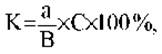
where: K - percentage of personnel provided with laundry;
a - quantity of laundry submitted for laundering during the analyzed period (data obtained from the unit's financial department or the laundry's accounting office);
В - average headcount of personnel for this period (data obtained from the unit's headquarters);
С - quantity of laundry that should have been issued to personnel during this period.
Servicemen suffering from Pyoderma or fungal infections must take showers separately and last of all, after which the bathhouse premises are disinfected with a 2% alkaline solution or a 3% clarified lime solution with a 30-minute exposure time.
Soldiers who were on duty during their unit's bathing time or missed it for any other reasons, as well as conscripts returning from detached duty or leave, must be escorted to the bathhouse by the company first sergeant under the command of a designated senior person.
Military units (detached teams) traveling by rail for more than 7 days must use isolation-inspection or sanitary-inspection checkpoints of the Ministry of Railways, or, if unavailable, garrison or railway bathhouses upon the orders of railway station military commandants.
Whenever personnel are quartered outside the military unit (at a training center, field camp, performing fatigue duties, participating in disaster relief operations, etc.), the date of their bathing and change of undergarments must be recorded in the unit's bath logbook, with a corresponding note made in their travel orders.
Regulations establish additional personal hygiene requirements for certain categories of servicemen. For instance, cooks and bakers must take a warm shower daily (shower stalls are to be installed at dining facilities and bakeries) and change their undergarments at least twice a week. Drivers, mechanics-drivers, and personnel operating and maintaining combat and other equipment shall take showers as needed. Therefore, repair shops must be equipped with hot and cold water shower facilities capable of accommodating at least 5–10% of the technical personnel engaged in such work simultaneously. These categories of servicemen are also allocated additional soap allowances.
During the warm season (in units, camps, and military cantonments), temporary shower facilities designed to accommodate 2–3% of the personnel simultaneously must be set up. When calculating the capacity of stationary bathhouses, summer bathhouses and shower installations, as well as showers for technical personnel, are not taken into account.
Organization of Laundry Services
Sanitary supervision over laundry operations includes monitoring the design, sanitary and technical condition of laundries, their equipment, and compliance with laundering regulations.
Depending on the degree of mechanization, laundries are classified as mechanized (Fig. 2.23 a, b, c), semi-mechanized, and manual. Mechanized laundries provide full mechanization for all laundry processing operations—washing, rinsing, extraction, drying, and ironing; semi-mechanized laundries feature mechanized washing and water extraction only.
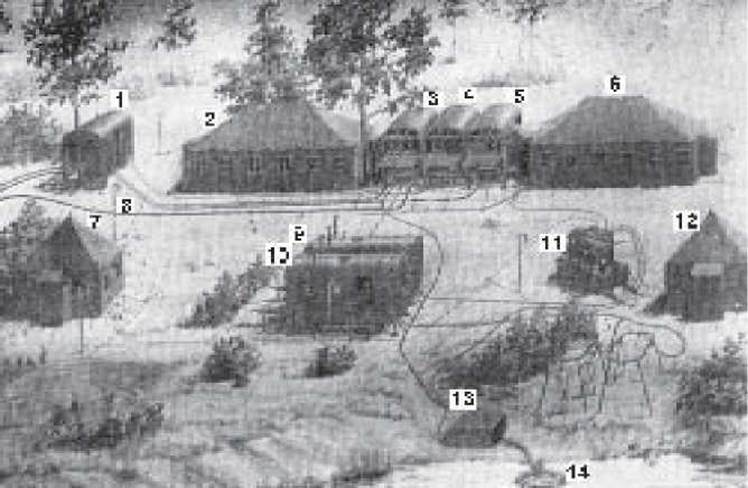
Fig. 2.23 a. MPP-1 mechanized field laundry deployed:
1 - disinfection unit; 2 - sorting and preparation workshop; 3 - washing unit; 4 - extraction unit; 5 - drying unit; 6 - ironing workshop; 7 - infected laundry storage; 8 - outdoor lighting fixture; 9, 10 - boiler units; 11 - ESD-20-VS/230 power plant; 12 - electrical workshop; 13 - pumping station; 14 - intake filter; 15 - shower installations.
As stated above, unit first sergeants turn in dirty laundry directly to the unit's laundry facility on the day it is exchanged for clean items. When serviced by garrison or municipal laundries, storing the laundry at the unit's supply depot for up to 24 hours is permitted. Laundry must be sorted by assortment, color, and fabric type before being handed over. To prevent loss of identity, an indelible mark indicating the conditional unit (sub-unit) number and date of issue must be stamped on each item.
Transportation of laundry to and from the laundry facility, as well as its delivery to the bathhouse, is carried out in specially designated containers (bags). The laundry facility must comprise: a room for storing dirty laundry, a washing room, a drying and ironing department, a room for repairing and storing clean laundry, a detergent storage room, as well as utility and staff rooms.
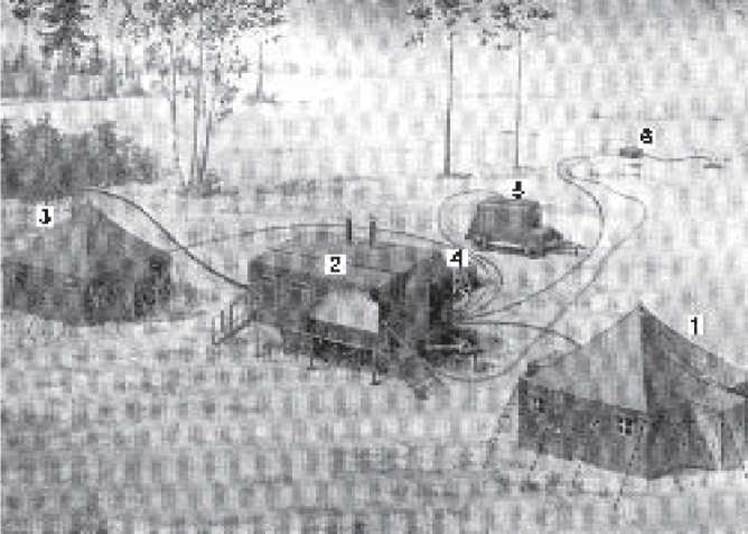
Fig. 2.23 b. MMP-2 mechanized compact laundry deployed:
1 - sorting and preparation department; 2 - washing unit; 3 - ironing department; 4 - compressor; 5 - ESD-30-VS/400 power plant; 6 - pumping station.
The laundry processing workflow in-laundry facilities includes the following operations: receiving, sorting by degree of soiling, preliminary soaking (for 6-8 hours), lye-boiling, washing, rinsing, extraction, drying, ironing, minor repairs, sorting by laundry type, and folding. If necessary, laundry processing is supplemented with anti-parasitic treatment (impregnation). This is carried out by soaking cotton or linen items in an impregnating solution for 5 minutes, and knitted or flannel fabrics for up to 3 minutes. Afterward, the laundry is thoroughly extracted, dried, and aired outdoors or in a well-ventilated room for six days. It retains its insecticidal properties for up to two weeks.
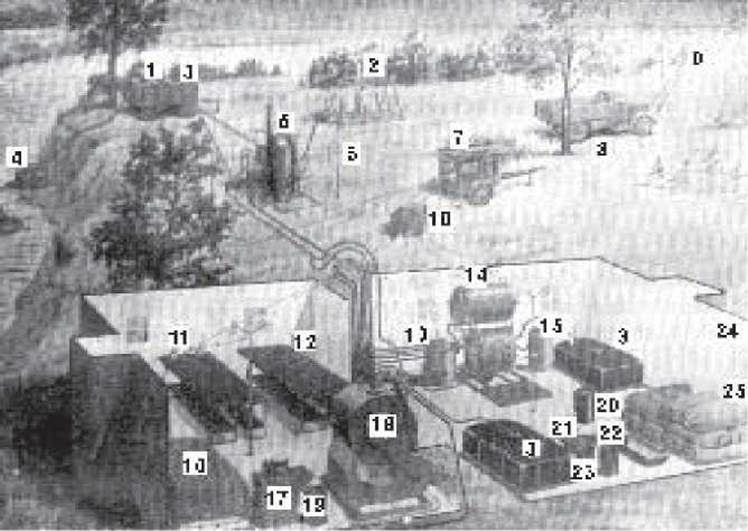
Fig. 2.23 c. MGPP Mechanized Hospital Field Laundry:
1 - 2-PN-2 trailer; 2 - shower unit; 3 - water reservoir; 4 - pumping station; 5 - steam boiler; 6 - light fixture; 7 - ESD-10-VS/230 power plant; 8 - vehicle; 9 - crane boom; 10 - electrical panel; 11 - ironing tables; 12 - sorting tables; 13 - centrifuge; 14 - washing machine; 15 - lye-boiler; 16 - clean linen storage; 17 - sewing machine; 18 - tumble dryer; 19 - condensate tank; 20 - stove; 21 - laundry basket; 22 - washing basin; 23 - solution tanks; 24 - UST-56 tents; 25 - soiled linen storage.
The layout of laundry facilities and equipment placement must ensure a sequential technological process based on a continuous-flow laundry handling system, preventing the crossing of clean and soiled laundry streams. Laundries with a capacity exceeding 0.5 tons of linen per shift, equipped with a central heating system, must feature mechanical supply and exhaust ventilation providing an air exchange rate of 2 to 10 volumes per hour. Laundries with stove heating must be equipped with natural exhaust ventilation with an air exchange rate of 0.5 to 2 volumes. Mechanized laundries are supplied with water that meets state standards for drinking water, calculated at 75 liters per 1 kg of dry laundry, including 25 liters of hot water.
The air temperature in the laundry rooms is maintained at 18 °C, while 20–22 °C is permitted in the ironing and drying areas. Showers and lockers for personal clothing are provided for the staff.
For the hygiene physician overseeing bath and laundry services, strict adherence to established laundry processing technology is of paramount importance. They must thoroughly understand the entire technological process, monitor its quality execution, and prevent any violations.
1. What is The Role and place of sanitary supervision in the overall medical support system for troops, emergency response formations, and the affected population?
2. Describe the structure and tasks of the State Sanitary and Epidemiological Service of the Armed Forces of Ukraine.
3. What Methods of field deployment exist for troops, emergency response formations, and the affected population?
4. State the hygienic requirements for a terrain site (area) intended for the temporary deployment of formations and the affected population during emergencies.
5. What types of field shelters can be used for temporary accommodation? Provide a Hygienic assessment of the living conditions for personnel within them.
6. What are the tasks of sanitary and epidemiological reconnaissance when selecting a populated area for unit deployment?
7. What hygienic requirements must be observed when deploying personnel in populated areas?
8. Who is responsible for cleaning the deployment sites of formations and the affected population? Who oversees the sanitation of the territory?
9. What types of latrines can be installed in temporary encampments for personnel and the affected population?
10. What are the appropriate methods for solid waste disposal?
11. What are the Specific features of sanitary cleaning for healthcare facilities located within an emergency zone or deployed there for disaster relief?
12. Describe the procedure for collecting and burying the deceased. What falls under the duties of the military medical service?
14. What potential challenges in the sanitary cleaning of troop and affected population deployment sites may arise following various natural or technological disasters?
15. What sanitary cleaning issues regarding troop (population) deployment sites may arise after certain natural and technological disasters?
16. What does sanitary supervision over the bath and laundry services for personnel and the affected population entail?
Last update: 10/08/2026
Editorial and Educational Adaptation: This material has been compiled based on the primary/original source text. The project team performed an editorial review, corrected technical inaccuracies, structured sections, and adapted the content for an educational format.
What was processed:
- elimination of formatting defects (OCR errors, structural breaks, corrupted characters);
- editorial organization of content;
- standardization of terminology in accordance with academic sources;
- verification of factual statements against the original source text.
All mentions of the author, publication year, and origin of the primary text have been preserved in accordance with the source.