BIOTECHNOLOGY - V. H. Herasymenko - 2006
Part II. Special Biotechnologies
Chapter 12. BIOTECHNOLOGY OF HORMONE PRODUCTION
12.2. PRODUCTION OF INSULIN
12.2.2. New Technologies for Insulin Production
The small Insulin molecule can be synthesized artificially by attaching one amino acid after another. However, this is an extremely expensive and complex synthesis involving nearly 170 Chemical Reactions. It was first successfully performed in 1963 and 1965 in the USA, China, and West Germany.
It is simpler to obtain human insulin by modifying porcine insulin through the chemical replacement of the 30th amino acid (in the B chain), substituting Alanine with Threonine. This method was developed in Denmark by Novo Industri in 1980, resulting in a 99% pure monocomponent human insulin. Comparative studies of both insulins (human and porcine) showed no differences in their biological activity or duration of action. By 1982, this insulin was being mass-produced industrially primarily by two companies: Eli Lilly (for the US market) and Novo Industri (for the European market).
Research into Introduction/32.html">Genetic Engineering Methods for insulin production began relatively recently and progressed rapidly. In 1978, a report emerged from the USA on the creation of an E. coli strain producing rat insulin. That same year, Genentech (USA) successfully produced human insulin using a specially engineered strain of Escherichia coli. Bacterial insulin production is independent of animal raw material supplies, and upon prolonged use, the resulting insulin causes no adverse side effects (such as Kidney dysfunction, visual impairments, or allergic reactions).
Several genetic engineering approaches have been tested for insulin production. In some countries (such as the USA), researchers pursued the synthesis of DNA (genes) using insulin mRNA as a template, thereby generating complementary DNA (cDNA). In others (such as Canada and the USSR), the approach involved
the Chemical synthesis of two short DNA strands (genes) encoding both the A and B chains of the mature insulin molecule, followed by their expression as A and B chains in Escherichia coli (E. coli).
In 1980, human insulin mRNA was isolated from human Tissues in the USA; through reverse METABOLISM/31.html">Transcription, its DNA copy (cDNA) was synthesized, and the human proinsulin Gene was cloned in E. coli Cells. Concurrently, a total chemical-enzymatic Synthesis of the proinsulin gene was accomplished in Canada.
In 1979, Crea, Kraszewski, Hirose, and Itakura from the City of Hope National Medical Center (California), along with Goeddel and coworkers at Genentech, synthesized genes encoding the A and B chains of insulin. Each gene was assembled from 18 and 11 oligonucleotides, respectively. However, it was found that when short foreign protein chains are synthesized in E. coli, they are rapidly degraded by bacterial Proteolytic Enzymes. To prevent this, the DNA (gene) encoding each insulin chain was ligated to the gene of the bacterial enzyme galactosidase, separated by a codon encoding Methionine. As a result, the Bacteria synthesized a fusion protein consisting of the bacterial enzyme and the hormone. These were subsequently cleaved chemically at the methionine residue, separated from the enzyme, purified, and the chains were joined in vitro to yield the complete insulin molecule.
In the Soviet Union, at the Institute of Bioorganic Chemistry, the proinsulin gene was obtained via total chemical-enzymatic synthesis (Fig. 12.1). This approach offers several advantages: first, it allows the precise desired DNA sequence to be obtained directly; second, chemical synthesis eliminates the most challenging part of gene isolation from natural sources—obtaining the corresponding mRNA or genomic DNA; and third, it simplifies the modification of both the gene and the resulting protein. This method of obtaining the proinsulin gene is carried out in two stages. The First stage involves the chemical synthesis of over 40 oligonucleotides, which serve as the segments comprising the entire gene. The Second Stage entails the assembly of these chemically synthesized segments using DNA ligase. The resulting gene is then inserted into an E. coli plasmid, which produces proinsulin that is subsequently converted into active insulin.
Class="center">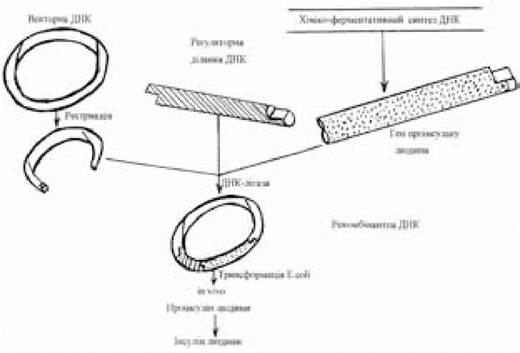
Fig. 12.1. Schematic diagram of microbiological production
of human insulin
(according to V. A. Yefimov, O. G. Chakhmakhcheva, 1984)
Insulin yields can be increased by introducing multiple copies of a recombinant plasmid into a single bacterial Cell. At the Centre for Applied Microbiology and Research in England, this approach yielded high amounts of insulin—up to 200 g per 1,000 L of culture medium. This quantity is equivalent to The amount of insulin extracted from approximately 1,600 kg of porcine or bovine Pancreas (Sasson A., 1987).
Last update: 11/08/2026
Editorial and Educational Adaptation: This material has been compiled based on the primary/original source text. The project team performed an editorial review, corrected technical inaccuracies, structured sections, and adapted the content for an educational format.
What was processed:
- elimination of formatting defects (OCR errors, structural breaks, corrupted characters);
- editorial organization of content;
- standardization of terminology in accordance with academic sources;
- verification of factual statements against the original source text.
All mentions of the author, publication year, and origin of the primary text have been preserved in accordance with the source.