Biochemistry and Molecular Biology - Belyasova N.A. 2002
Structure and Functions of Cellular Components
Cofactors
Acyl Group Carriers
An indispensable cofactor for acyl group transfer in Cells is coenzyme A (CoA), also referred to as coenzyme A. This compound serves as a cofactor for at least 80 known acyl-transferring Enzymes involved in The Tricarboxylic Acid Cycle, fatty acid ß-Oxidation, certain Types of Fermentation, Carbohydrate METABOLISM, and numerous other vital processes.
The coenzyme A molecule contains vitamin B3 (pantothenic acid) (Fig. 7.8), which is composed of pantoic acid and ß-Alanine. The reactive group of coenzyme A is the sulfhydryl (SH-) group located at the end of a long, relatively flexible chain. Acyl groups are attached to this group via a thioester bond. The resulting derivatives are known as acyl-CoA.
The simplest acyl derivative is acetyl-CoA (Fig. 7.8). This compound is characterized by a high transfer potential for the acetyl group, as evidenced by the large negative value of the Standard Free energy change (∆Go) for the Hydrolysis of acetyl-CoA:
Class="center">Acetyl-CoA + H2O ↔ Acetate + CoA + H+ ∆Go = -31.4 kJ/mol

Fig. 7.8. Structure of coenzyme A and its derivatives. The dashed outline highlights the active sulfhydryl group
Coenzyme A is a mobile cofactor that interacts with various enzymes during acyl group transfer. In addition to CoA, cells contain another widespread cofactor that transfers acyl groups: phosphopantetheine (Fig. 7.9). Phosphopantetheine is covalently linked (via a Serine residue) to the acyl carrier protein involved in FATTY ACID Biosynthesis. Thus, this cofactor acts as a prosthetic group of Proteins. Its Functions are analogous to those of CoA.
Bound phosphopantetheine has also been found in the citrate-Cleavage enzyme and in enzymes involved in the synthesis of peptide Antibiotics.
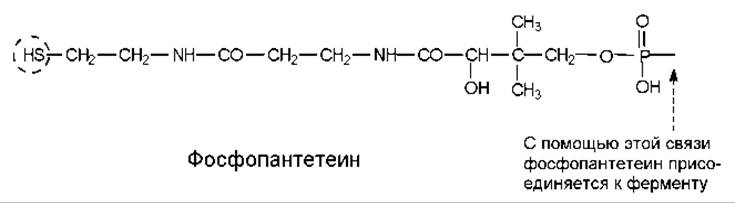
Fig. 7.9. Structure of phosphopantetheine
Last update: 06/08/2026
Editorial and Educational Adaptation: This material has been compiled based on the primary/original source text. The project team performed an editorial review, corrected technical inaccuracies, structured sections, and adapted the content for an educational format.
What was processed:
- elimination of formatting defects (OCR errors, structural breaks, corrupted characters);
- editorial organization of content;
- standardization of terminology in accordance with academic sources;
- verification of factual statements against the original source text.
All mentions of the author, publication year, and origin of the primary text have been preserved in accordance with the source.