Fundamentals of Molecular Biology - V.I. Rezyapkin 2009
Genome Rearrangements
DNA Rearrangements in Spirotrichous Ciliates
Ciliates are single-celled organisms. Their Cells contain Two Types of nuclei: a macronucleus (MAC) and a micronucleus (MIC). The DNA content in the MAC is 100 to 1,000 times greater than that in the MIC. The MIC serves as the generative Nucleus, responsible for storing Genetic information and transmitting it from generation to generation. MIC genes are inactive and organized in such a way that they cannot be expressed to produce functionally active Proteins. In contrast, MAC genes are actively transcribed and sustain all vital cellular processes of ciliates. During asexual reproduction, the MAC divides by amitosis, while the MIC divides by mitosis. Over time, the MAC ages, and the genetic material within it degrades, leading to cellular Metabolic Disorders. To renew their genetic material and restore normal METABOLISM, ciliates periodically undergo conjugation. The diagram of the conjugation process is shown in Fig. 9.11. Upon completion of conjugation, two MICs are formed, one of which subsequently differentiates into a new MAC.
Class="center">
Fig. 9.11. Conjugation in ciliates
The distinct roles of the MIC and MAC are related to the different Organization of genes within these Cell nuclei. MIC Chromosomes are represented by long DNA molecules containing genes interspersed with insertions known as IESs (internal eliminated sequences), which range from 14 to 548 bp in size (Fig. 9.12). These non-coding elements are flanked by short direct repeats and are unique in sequence. The presence of IESs prevents Gene Expression IN the MIC. Furthermore, the MIC genome contains numerous copies of Mobile Genetic Elements. In contrast to the MIC, MAC DNA consists of relatively short molecules ranging from several hundred bp to 15 kbp, entirely lacking IES elements. Each DNA molecule constitutes a single Transcription unit, which has accordingly been termed a gene-chromosome. The latter is present in The Nucleus in up to tens of thousands of copies. The gene-chromosome possesses telomeres at its flanks (Fig. 9.12).
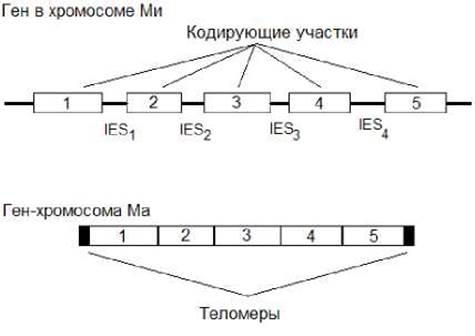
Fig. 9.12. Introduction/29.html">Gene Organization in the MAC and MIC
The structural differences in gene organization between the MAC and MIC indicate that massive DNA rearrangements occur during the Differentiation of the MAC from the MIC. The conversion of the MIC into the MAC is accompanied by multiple rounds of Chromosome Replication, resulting in a dramatic increase in gene copy number within the nucleus. Concurrently with DNA replication, mobile genetic elements are excised and eliminated from The Genome, alongside the removal of IES non-coding elements. Notably, the ligation of coding gene sequences occurs with absolute precision; otherwise, the gene Structure would be disrupted.
Following DNA Replication and the removal of mobile and IES elements, the DNA undergoes fragmentation, and individual genes are excised from the chromosomes. Telomeres are then synthesized at the ends of these genes. During the final stages of MAC maturation, another 4 to 6 rounds of replication take place, ultimately resulting in a massive Amplification of gene-chromosomes. This marks the completion of MAC maturation.
Last update: 12/08/2026
Editorial and Educational Adaptation: This material has been compiled based on the primary/original source text. The project team performed an editorial review, corrected technical inaccuracies, structured sections, and adapted the content for an educational format.
What was processed:
- elimination of formatting defects (OCR errors, structural breaks, corrupted characters);
- editorial organization of content;
- standardization of terminology in accordance with academic sources;
- verification of factual statements against the original source text.
All mentions of the author, publication year, and origin of the primary text have been preserved in accordance with the source.